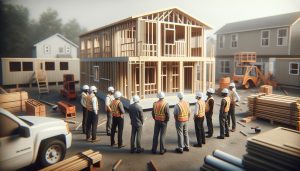
The question of whether modular homes appreciate in value is crucial for current homeowners and prospective investors alike. Contrary to popular belief, modular homes can offer competitive investment potential, with factors such as location, market demand, and home quality significantly influencing their value over time. As you consider modular housing, understanding these dynamics can empower you to make informed decisions, whether you’re looking for a primary residence or a smart investment. Join us as we dive deeper into the appreciation potential of modular homes and uncover the keys to maximizing your investment in this innovative housing market.
Do Modular Homes Appreciate in Value?
The perception of modular homes has evolved over the years, with many buyers recognizing their potential as a legitimate investment. Unlike older models of mobile homes, which often depreciated more quickly due to factors like quality of construction and location, modern modular homes are built to higher standards and can appreciate in value much like traditional homes. Key to understanding this appreciation is the recognition that modular homes are constructed using the same materials and methods as site-built homes, leading to enhanced durability and quality.
Several factors can influence the appreciation of modular homes, including location, market conditions, and property upgrades. Homes situated in desirable neighborhoods or areas experiencing growth often see higher appreciation rates. Moreover, the maintenance and upgrades made to a modular home can significantly impact its market value. Regular upkeep, energy-efficient renovations, and aesthetic enhancements can contribute not only to the comfort of the occupants but also to the home’s resale value.
It’s also important to consider the distinctions between modular and traditional homes. While traditional homes often appreciate due to land value, modular homes typically appreciate based on their construction quality and desirability within the community. Thus, prospective buyers should look for well-constructed modular homes, preferably in growing markets, to maximize their investment potential.
Ultimately, with informed purchasing decisions and ongoing maintenance, modular homes can serve as a sound investment with solid appreciation prospects, making them an attractive option for prospective homeowners and investors alike.
Understanding the Basics of Modular Homes
The journey into the world of modular homes opens up a realm of possibilities, especially for those seeking an affordable yet customizable living option. Unlike traditional homes, modular homes are prefabricated structures constructed off-site and assembled on-site, a process that combines innovation with efficiency. This method not only reduces construction time but also minimizes waste, making modular homes a more sustainable choice in modern housing.
Understanding modular homes starts with recognizing their construction method. They are built in sections or modules in controlled factory settings, then transported to the site for assembly on a permanent foundation. This modular approach offers a high degree of flexibility, allowing homeowners to tailor their living spaces to their lifestyles and preferences. Key features often include energy-efficient designs, high-quality materials, and compliance with the same building codes as site-built homes, ensuring durability and longevity.
When considering a modular home, prospective buyers should also be aware of the distinctions that set them apart from traditional houses. For instance, modular homes are not the same as mobile homes; they have a fixed foundation and are built to provide the same aesthetic and structural qualities as conventional homes. This perception shift opens the door for buyers and investors alike, who may find that well-constructed modular homes in desirable locations can appreciate in value significantly.
Moreover, the process of purchasing and financing a modular home may differ from traditional homes. It’s essential to research lenders who are familiar with financing modular homes, as not all banks may offer suitable mortgages for these properties. Identifying reputable manufacturers and builders who adhere to high-quality standards can also help mitigate potential risks associated with investment. By understanding these fundamentals, ultimate choices can be made with confidence, ensuring a rewarding investment in modular living.
Key Factors Influencing Modular Home Value
The value of modular homes is influenced by a myriad of factors that potential buyers and investors must consider carefully. One pivotal element is the location of the home. Like traditional real estate, modular homes situated in desirable neighborhoods with good schools, amenities, and low crime rates tend to appreciate more significantly over time. Furthermore, proximity to urban centers or major employment hubs can enhance demand, leading to increased property values as the area develops and matures.
Another critical factor is construction quality and adherence to building codes. Modular homes manufactured under strict standards generally hold their value better than those that do not. Engaging reputable manufacturers, who utilize high-quality materials and construction practices, not only ensures structural integrity but also promotes aesthetic appeal, which is crucial in maintaining value. Such homes are constructed in climate-controlled environments, minimizing damage during the building process, which further enhances longevity.
Market trends also play a crucial role in determining modular home values. The rising popularity of sustainable and prefabricated housing options has made modular homes an attractive choice for many buyers, pushing demand upwards. Additionally, as fewer homes are built each year due to labor shortages in the traditional construction sector, modular homes can fill this gap, leading to appreciation.
Lastly, upgrades and renovations can significantly affect modular home values. Homeowners who invest in energy-efficient systems, modern interior finishes, and outdoor enhancements can see a substantial return on investment. Implementing eco-friendly features not only adds to the home’s marketability but also aligns with the growing consumer preference for sustainable living, thus positively impacting value over time.
By carefully evaluating these factors, prospective buyers and investors can make informed decisions about modular home purchases, ensuring a sound investment in this innovative housing market.
Comparing Modular Homes to Traditional Homes
Modular homes have gained significant attention in recent years as a viable alternative to traditional homes, but how do they really stack up against their more conventional counterparts? One compelling aspect is the efficient construction process. Modular homes are built in segments in a controlled factory environment, which reduces construction time and ensures consistency in quality. This process can allow homeowners to move in more quickly compared to traditional homes, where weather delays and labor shortages can extend timelines, creating additional costs and frustrations.
When comparing value retention and appreciation potential, several factors come into play. While traditional homes often have a longer perception of permanence and stability among buyers, modular homes can still appreciate effectively, especially in sought-after areas. The key lies in factors such as quality, location, and demand. In locations experiencing housing shortages and increasing demand, modular homes can appreciate just as traditional homes do. Additionally, the modern designs and energy-efficient features of newer modular homes appeal to contemporary buyers, enhancing their marketability.
Another critical comparison point is cost efficiency. Modular homes typically present a more affordable upfront investment than traditional homes, which means first-time buyers or investors may find them more accessible. However, it’s essential to weigh this initial cost against long-term value. Traditional homes may offer better overall appreciation long-term due to established market trends; however, the gap is closing as modular construction becomes more recognized and accepted within the real estate market.
In terms of maintenance and longevity, modular homes possess unique advantages, such as resilience to environmental factors when properly anchored and set up. Homeowners can bolster value retention through ongoing maintenance and upgrades, such as improving insulation or enhancing aesthetics. Ultimately, encouragingly, modular homes are increasingly viewed as a legitimate and intelligent option in the real estate landscape, contributing positively to their appreciation and investment potential.
Regional Market Trends for Modular Homes
The landscape for modular homes is rapidly shifting, with appreciation potential varying significantly across different regions. As cities grapple with population booms and housing shortages, modular homes are emerging as a practical and increasingly desirable solution. For example, in urban areas, particularly in states like California and New York, modular homes can offer an affordable entry point for first-time buyers and investors alike. These markets often see a heightened appreciation for well-constructed modular units given their timely delivery and energy-efficient features.
Emerging Markets and Demand
Many markets are witnessing a surge in demand for modular homes, driven by both affordability and sustainability. Regions in the South and Midwest are experiencing notable growth, where families and retirees are drawn to the lower cost of living and attractive amenities. In these areas, the introduction of high-quality modular homes can lead to increased property values, especially in neighborhoods prioritizing modern living and environmental responsibility. Investment in modular home communities reflects positively on appreciation rates, as buyers tend to favor locations with established infrastructure and local services.
Location as a Key Determinant
Location remains critical in determining how well modular homes will appreciate. Attractive locales with good schools, low crime rates, and proximity to employment centers tend to experience higher demand for all types of housing, including modular. For instance, growing suburbs around major cities are seeing an influx of interest in modular homes, which provides investors an opportunity for substantial gains as these areas continue to evolve and develop. The successful blending of modular homes into these communities not only enhances their value but also their acceptance among traditional buyers.
Market Trends to Monitor
As prospective buyers and investors consider modular homes, staying informed about regional market trends is essential. Here are some factors to watch:
- Regulatory Changes: Local zoning laws and building codes can impact the feasibility and demand for modular homes.
- Economic Indicators: Job growth, median income levels, and housing supply dynamics can all influence appreciation.
- Consumer Preferences: Shifts in buyer preferences towards sustainability and modern design are key to market acceptance.
By paying attention to these trends, stakeholders can better position themselves in the modular housing market, helping to realize the investment potential of modular homes while contributing positively to their community.
Financing Options and Their Impact on Appreciation
Financing a modular home can significantly influence its potential for appreciation, creating pathways for homeowners and investors to realize long-term gains. Unlike traditional homes, modular homes often come with unique financing options that can impact their market value and attractiveness to potential buyers. Understanding these options can help navigate the complexities of property investment while also ensuring that the home retains or increases its value over time.
One common route for financing a modular home is through conventional mortgages, which are readily available for well-constructed modular units. Lenders typically look for homes that conform to local building codes and standards, so selecting a reputable builder is essential. Many lenders offer special financing programs tailored specifically for modular homes, which can include lower down payment requirements or different appraisal methodologies. A well-financed modular home positioned in a desirable neighborhood can appreciate similarly-or even more than-a traditional home, especially in markets experiencing high demand.
Additionally, obtaining a Federal Housing Administration (FHA) loan can be an excellent option for buyers of modular homes. FHA loans allow for lower credit scores and down payment options, making homeownership more accessible. This accessibility creates a broader market for modular homes, which can lead to higher demand and increased property values in the long run.
Moreover, investors should consider how the financing chosen may affect the resale value of the home. For instance, financing with an adjustable-rate mortgage (ARM) can initially lower monthly payments, but as the rates adjust, they may lead to higher costs that could deter future buyers. In contrast, locking in a fixed-rate mortgage can provide stability, making the property more attractive to buyers focusing on long-term affordability.
In summary, the financing strategies employed for modular homes play a pivotal role in their appreciation potential. By selecting the right financing options and maintaining the property in line with local housing demands, homeowners and investors can significantly enhance their financial outcomes in the modular housing market.
The Role of Maintenance in Home Value
Routine maintenance plays a crucial role in preserving and enhancing the value of modular homes. Just like any other type of property, the condition of a modular home greatly influences its market appeal and resale potential. Failure to maintain essential systems and structural elements can lead to depreciation, while regular upkeep, repairs, and upgrades can ensure the home remains a desirable asset.
One key aspect of maintenance involves regular inspections of both the interior and exterior of the home. Homeowners should prioritize the following tasks:
- Roof and Gutters: Inspect for missing shingles and clean gutters to prevent water damage. Addressing these issues promptly can stave off more significant repair costs.
- Foundation Stability: Ensure that the foundation is level and check for any signs of shifting. Implementing proper anchoring techniques and storm tie-downs is vital for stability, especially in hurricane-prone areas.
- Utility Systems: Regularly inspect and service HVAC, plumbing, and electrical systems. A well-functioning system not only enhances comfort but also boosts energy efficiency, which is an attractive selling point.
- Exterior Maintenance: Pay attention to siding and paint, as these protect against moisture and pests. Keeping the exterior visually appealing can significantly impact curb appeal.
Investing in regular maintenance not only preserves the home’s value but can also yield substantial returns in the long run. For example, a well-maintained home is likely to attract buyers faster, often commanding prices that reflect its condition and desirability. Documentation of maintenance records, warranties, and services performed can further bolster buyer confidence, proving to potential purchasers that the home has been well cared for.
Moreover, renovations or upgrades can deeply influence a modular home’s value. Regularly updating essentials, such as kitchens and bathrooms, can provide high returns on investment. Modern appliances, energy-efficient fixtures, and updated layouts are attractive both to current residents and future buyers. Even minor renovations can enhance functionality while creating a more inviting atmosphere.
In summary, the role of maintenance in the value of modular homes cannot be overstated. Adequate upkeep contributes significantly to a property’s longevity and appreciation potential, making it essential for current homeowners and prospective buyers to prioritize care and enhancements in their modular housing journey.
How Renovations Affect Modular Home Investments
Renovations can significantly enhance the investment potential of modular homes, similar to traditional housing, by improving both aesthetic appeal and functional performance. Buyers looking for modern conveniences and energy efficiency often prioritize updated features, making strategic renovations not just wise but necessary. For instance, upgrading kitchens with energy-efficient appliances and open layouts can drastically increase market interest and resale value. In fact, modern kitchens are frequently viewed as the heart of the home, influencing buyer decisions more than any other room.
Types of Renovations to Consider
Investing in specific types of renovations can yield substantial returns. Here are some practical options:
- Kitchens and Bathrooms: Upgrading fixtures, countertops, and cabinets in kitchens and bathrooms is often one of the most lucrative investments. High-quality materials combined with modern designs can enhance both functionality and visual appeal.
- Energy Efficiency: Installing energy-efficient windows, insulation, and HVAC systems not only lowers utility costs but also appeals to environmentally conscious buyers. These upgrades demonstrate long-term savings, which is attractive in a competitive market.
- Outdoor Spaces: Adding decks, patios, or landscaping can create additional living space and elevate curb appeal. This is particularly valuable in areas where outdoor living is a lifestyle choice, increasing attractiveness to potential buyers.
- Basement and Attic Finishing: Transforming dusty basements and attics into usable spaces can add significant square footage and resale value. These areas can become playrooms, home offices, or guest suites, catering to different buyer needs.
Leveraging Market Trends
When considering renovations, understanding regional market trends can inform your investment decisions. In some areas, modern designs and sustainable materials are highly sought after, while in others, classic styles may be more desirable. Research local preferences to ensure that renovations align with what is attractive to your target market, ultimately facilitating higher appreciation rates for your modular home.
In conclusion, thoughtful renovations can elevate the investment potential of modular homes, making them not just places to live, but also wise financial choices. By prioritizing key improvements that resonate with current buyers and aligning renovations with market demand, homeowners can enjoy significant appreciation over time, ensuring that their investment appreciates alongside the value they add through careful planning and execution.
Insurance Considerations for Modular Homeowners
Navigating insurance as a modular homeowner can feel overwhelming, but understanding the unique aspects of insuring these homes is essential for protecting your investment. Modular homes are often treated similarly to traditional homes in terms of insurance, but it’s crucial to work with an insurer that understands the specific characteristics and requirements of manufactured housing. This knowledge can lead to tailored policies that cover everything from standard coverage such as fire and theft to specialized protections against issues like weather-related damage or structural alterations common in modular homes.
Choosing the Right Coverage
Selecting the right insurance policy involves considering various coverage types specific to modular homes. Look for comprehensive policies that include:
- Personal Property Protection: Covers belongings within the home, ensuring that your personal items are secure in the event of theft or damage.
- Liability Coverage: This protects you if someone is injured on your property, offering financial safeguard against legal claims.
- Replacement Cost Coverage: Ensure that your policy covers the full cost to replace your home and its contents, rather than just the depreciated value.
- Flood and Windstorm Insurance: Depending on your location, additional coverage might be necessary given that modular homes could be more susceptible to certain weather conditions.
Understanding Policy Differences
It’s essential to understand the distinctions between insurance for modular homes and traditional site-built homes. Notably, modular homes are often classified differently by insurers based on their construction methods. For instance, some insurers may offer specific policies for modular and manufactured homes which might include different terms, deductibles, or premium rates. This classification can influence how claims are handled in case of damage, making it vital to clarify these details when shopping for insurance.
When it comes to developing a comprehensive insurance strategy for your modular home, consider factors such as:
- Local Regulations: Familiarize yourself with any local laws that could affect insurance requirements or coverage options.
- Appraised Value: Ensure that your insured value reflects the current market conditions and any improvements you’ve made to your home.
- Regular Reviews: Revisit your policy periodically, especially if you’ve made renovations, to update coverage based on your home’s new value.
In conclusion, securing the right insurance coverage tailored to the specifics of modular homes is crucial for safeguarding your investment. By selecting comprehensive and appropriate insurance, you can enhance your peace of mind, knowing your home is protected against various perils. Being proactive in understanding both your coverage options and local insurance policies will help you maintain the value of your modular home while navigating your responsibilities as a homeowner.
Tax Implications of Modular Home Ownership
Understanding the tax implications of owning a modular home can significantly influence your overall investment strategy. Unlike traditional homes, modular homes may have unique tax considerations that can impact how you think about depreciation, mortgage interest deductions, and property taxes. Recognizing these factors will empower you to optimize your financial planning and maximize the appreciation potential of your investment.
One crucial aspect to consider is the treatment of modular homes in terms of property taxes. Generally, modular homes are classified as real property if they are permanently affixed to a foundation, similar to traditional homes. This classification means they are subject to local property taxes that can vary by region. Homeowners should stay informed about local tax laws and assess how property values fluctuate over time, as this directly affects the amount owed annually. Additionally, improvements made to the home may increase its assessed value, which can lead to higher property taxes.
Another significant tax consideration involves mortgage interest deductions. Homeowners of modular homes can deduct mortgage interest on their primary residence, provided it meets IRS requirements. This deduction can be quite beneficial, as it can lead to substantial savings, especially in the early years of a mortgage when interest payments are typically higher. As a strategic move, owners should also keep meticulous records of any home-related expenses, as they may be deductible under specific circumstances, such as business use or capital improvements that enhance the home’s value.
In terms of appreciation, understanding the potential for capital gains tax is essential if you choose to sell your modular home in the future. Homeowners must recognize that if you sell your property for more than your adjusted basis (which includes purchase price plus any substantial improvements), you may be liable for capital gains tax on the profit. Fortunately, the primary residence exclusion allows you to exclude up to $250,000 ($500,000 if married filing jointly) in capital gains if you meet certain conditions of ownership and use. Therefore, educating yourself on these tax implications is critical to making the most of your modular home investment throughout its ownership lifecycle, allowing you to navigate profitability efficiently.
Long-Term Investment Strategies for Modular Homes
Investing in modular homes can be a lucrative long-term strategy when approached thoughtfully. With the growing acceptance and appreciation of modular living, it’s essential to recognize the key strategies that can maximize the value of your investment over time. One critical aspect is to consider location and market demand. The value of your modular home can appreciate significantly if it is situated in a region where housing demand is on the rise. Areas experiencing economic growth or urban development often see higher property values, making it imperative to conduct thorough market research before securing your modular home.
Enhancing Value Through Renovations
Making intentional upgrades can effectively increase your modular home’s market value. Consider focusing on energy efficiency improvements, like installing solar panels or enhancing insulation. According to recent trends, eco-friendly features are highly sought after, and such improvements can both reduce your utility costs and increase the overall value of the home. Furthermore, modernizing interior elements such as kitchens and bathrooms with current design trends can make your home more appealing to prospective buyers or renters.
Maintenance and Upkeep
Routine maintenance is another essential strategy that can sustain and enhance the value of modular homes. Regular inspections and preventative maintenance not only prevent potential issues but also ensure that the property remains in excellent condition. Key areas to focus on include roof upkeep, HVAC systems, and plumbing integrity. Documenting all maintenance work can also be an asset when you decide to sell, providing potential buyers with confidence in the home’s upkeep.
Utilizing Appropriate Financing
Understanding the financing options available for modular homes is crucial. Choose loan products tailored for modular homes, as they often have specific requirements that can impact your investment. Fixed-rate mortgages can provide stability over time, while exploring refinancing options may unlock additional capital for future investments or renovations. In addition, being aware of potential financing assistance programs can offer financial relief, ultimately enhancing your long-term investment return.
By staying informed about market conditions, investing in property upgrades, maintaining your home diligently, and utilizing suitable financing options, you can secure and potentially enhance the appreciation of your modular home. This proactive approach not only promotes a rewarding investment experience but also contributes to a sustainable future in modular living.
Success Stories: Investors in Modular Housing
Investing in modular housing has shown promising potential for many property investors, thanks to a growing acceptance of this type of dwelling and the advantages it offers. Stories of individuals achieving significant returns on their modular home investments highlight both the economic and emotional benefits of choosing this innovative housing solution. For instance, in areas experiencing rapid urban development, such as parts of Tennessee, modular homes have not only retained their value but have also appreciated significantly, creating a notable return for owners who purchased them just a few years ago.
One successful investor shared their journey of purchasing a modular home in a booming metropolitan area. They initially chose a modular build due to its faster construction and lower upfront costs compared to traditional homes. Recognizing the surge in demand for housing in their selected neighborhood, they made strategic renovations-such as updating the kitchen and enhancing outdoor spaces-that further increased the home’s appeal. After just four years, the investor sold the property for a price exceeding their initial investment by over 30%, demonstrating the lucrative nature of high-demand locations coupled with careful planning and improvements.
Moreover, communities designed specifically for modular homes, often referred to as “modular home parks,” have also witnessed success stories. Investors in these communities frequently report consistent rental income due to increasing demand for affordable housing alternatives. For example, one developer transformed a former mobile home park into a vibrant modular home community that attracted professionals seeking affordable living options close to the city. This innovation led to heightened property values in a previously underappreciated area, underscoring the effect of community planning and the growing acceptance of modular homes as a viable choice.
In addition, some investors have successfully utilized innovative financing strategies to enhance their modular home investments further. By leveraging a combination of fixed-rate loans and new financing assistance programs, many have managed to minimize their initial investment while maximizing appreciation potential. Success in modular housing isn’t just about the homes themselves; it’s also about recognizing market trends and capitalizing on the opportunities they present. With the right strategies and a proactive approach, investing in modular homes can yield remarkable financial rewards and contribute to sustainable living options in the housing market.
Frequently asked questions
Q: Do modular homes increase in value over time?
A: Yes, modular homes can appreciate in value over time, especially if they are well-maintained and located in a growing market. Factors such as local demand, community amenities, and economic conditions significantly influence appreciation rates. For more insights on key factors, refer to the section on “Key Factors Influencing Modular Home Value.”
Q: How does location affect the appreciation of modular homes?
A: Location plays a crucial role in the appreciation of modular homes. Homes in desirable neighborhoods or close to essential services like schools and shopping tend to appreciate more. Additionally, regional market trends can impact long-term value. Check the “Regional Market Trends for Modular Homes” section for further details.
Q: What renovations can increase the value of a modular home?
A: Upgrades like kitchen and bathroom remodels, energy-efficient appliances, and modern finishes can significantly boost your modular home’s value. Keeping up with curb appeal through landscaping and exterior improvements also contributes to appreciation. Explore the “How Renovations Affect Modular Home Investments” section for actionable renovation tips.
Q: Are modular homes more affordable than traditional homes?
A: Generally, modular homes are more affordable than traditional homes due to lower construction costs and shorter build times. However, pricing can vary based on features and location. For a detailed comparison, see “Comparing Modular Homes to Traditional Homes.”
Q: What financing options are available for modular homes?
A: Modular homes offer various financing options, including conventional loans, FHA loans, and personal loans. The choice depends on the type of home and your financial situation. Explore “Financing Options and Their Impact on Appreciation” for in-depth information on finding the right financing for your needs.
Q: Are there tax benefits for modular home ownership?
A: Yes, modular homeownership may offer tax benefits such as mortgage interest deductions and property tax deductions. It’s advisable to consult a tax professional to understand specific benefits based on your circumstances. Check out the “Tax Implications of Modular Home Ownership” section for more insights.
Q: What maintenance tips can help keep my modular home’s value high?
A: Regular maintenance is essential for preserving modular home value. Key tasks include inspecting the roof, maintaining plumbing systems, and keeping the exterior in good condition. For a detailed maintenance checklist, see “The Role of Maintenance in Home Value.”
Q: How do energy-efficiency upgrades affect modular home value?
A: Energy-efficiency upgrades, such as better insulation, energy-efficient windows, and solar panels, can positively impact the value of your modular home. These improvements not only reduce utility bills but also make the home more attractive to environmentally conscious buyers. Explore “Understanding the Basics of Modular Homes” for more related information.
To Wrap It Up
In summary, understanding the appreciation potential of modular homes is crucial for making informed investment decisions. With their combination of affordability and customization, modular homes offer not just a living space but also a tangible asset that can grow in value over time. If you’re contemplating your next steps, consider checking our resources on financing options and property valuation to enhance your understanding of this market.
Don’t miss out on the opportunity to stay informed! Subscribe to our newsletter for expert tips on home maintenance and investment strategies, or explore our detailed guides on hurricane preparedness and setup procedures to ensure your new home remains a sound investment. Have questions? Join the conversation in the comments below! Your journey into the world of modular home ownership starts here-explore further and take confident steps toward your future.