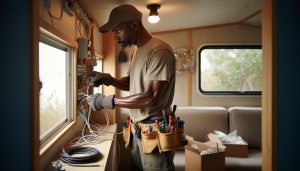
Understanding the difference between mobile homes and manufactured homes is essential for anyone navigating the world of affordable housing. While both types of dwellings offer unique benefits, their distinctions can significantly impact your living situation, financing options, and resale value. For instance, did you know that manufactured homes are built to stricter federal standards, which often makes them more resilient than older mobile homes? As you explore your housing choices, recognizing these differences can help you make informed decisions tailored to your lifestyle needs. Whether you’re a current resident, a prospective buyer, or an investor, grasping these concepts is vital for maximizing your investment and ensuring a comfortable living environment. Dive deeper to uncover more insights and empower your journey in the realm of manufactured housing.
What Defines a Mobile Home vs. Manufactured Home?

Mobile homes and manufactured homes are often used interchangeably, but they actually refer to distinct types of housing, particularly when considering their construction methods and the regulations governing them. Prior to July 1976, all mobile homes were built according to varying state and local regulations, which often resulted in inconsistent quality and safety standards. After this date, the U.S. Department of Housing and Urban Development (HUD) established a comprehensive set of construction and safety standards, which led to the modern definition of a manufactured home.
Essentially, a mobile home is any home that was built prior to these standards, while a manufactured home is built in accordance with HUD’s regulations. This specific categorization emphasizes not only compliance with safety measures but also structural integrity and energy efficiency. Modern manufactured homes often feature superior construction materials and techniques that can enhance their durability and livability. For example, they are typically built on a permanent chassis, allowing for easier transport but also ensuring stability when set up on a foundation.
Understanding these definitions is crucial for potential buyers, as it influences everything from financing options to insurance requirements. Mobile homes, due to their older construction methods, might face greater challenges in securing loans or may require specific insurance policies tailored to older units. Conversely, manufactured homes qualify for more favorable financing options, including conventional mortgages, reflecting their adherence to modern safety standards and increased overall value. By comprehending these key differences, buyers can make informed decisions and navigate the complexities of the housing market more effectively.
Key Features Distinguishing Mobile Homes and Manufactured Homes
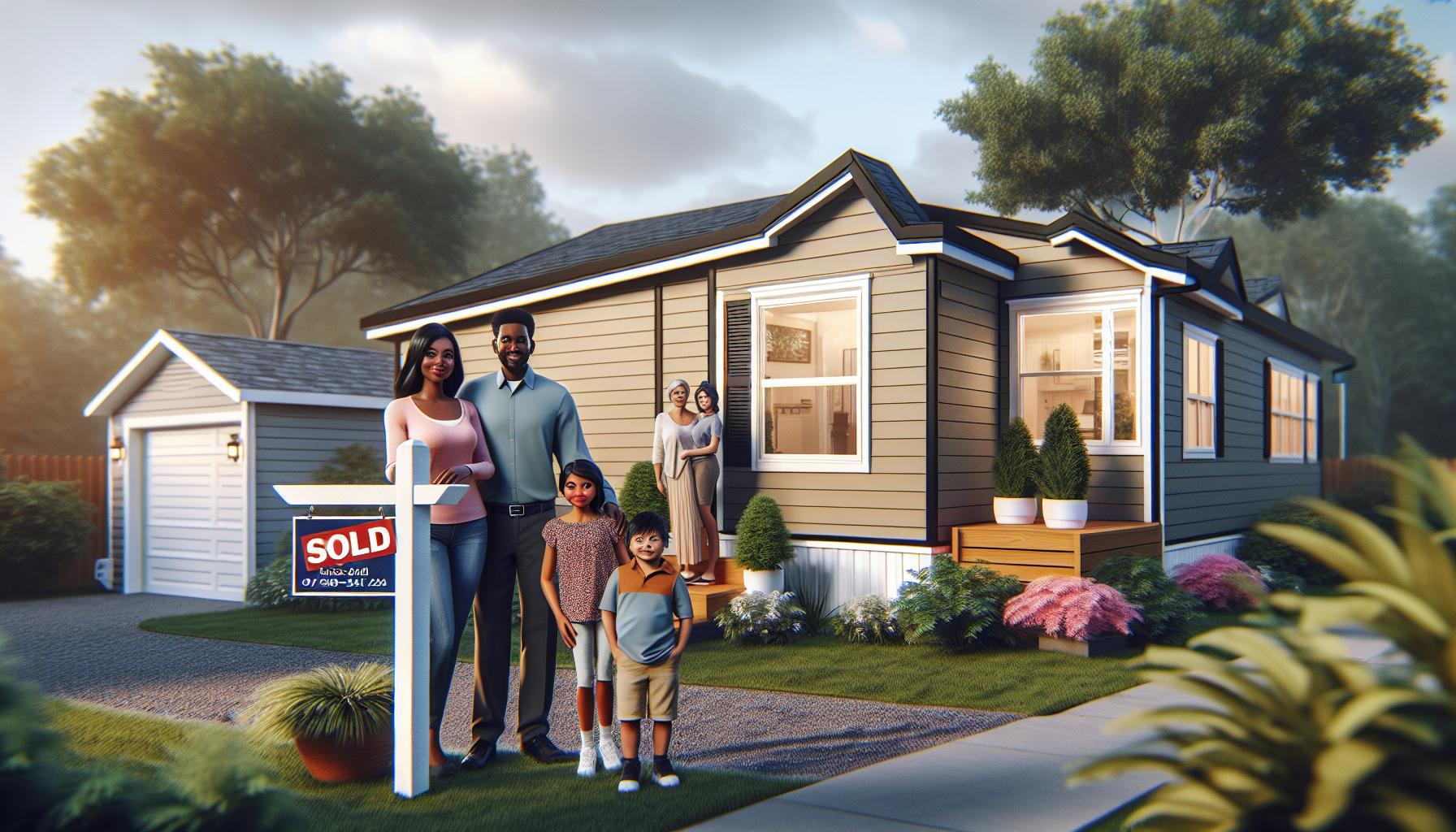
Mobile homes and manufactured homes may seem similar at a glance, but several key features set them apart, making it essential for potential buyers to understand these differences. One of the most crucial distinctions lies in their construction standards. Homes built before July 1976 are classified as mobile homes, which were constructed without the rigorous safety codes we see today. In contrast, homes built after this date adhere to the comprehensive regulations imposed by the U.S. Department of Housing and Urban Development (HUD), labeling them as manufactured homes. This shift has contributed to enhanced safety, energy efficiency, and overall quality.
Construction Techniques
The construction processes for mobile and manufactured homes reflect their respective standards. Manufactured homes are built in a controlled factory environment where quality checks and modern techniques are standard practice. This includes enhanced insulation, energy-efficient windows, and durable materials designed to withstand varying weather conditions. On the other hand, mobile homes often include older building materials and techniques, resulting in differing levels of safety and durability. For example, manufactured homes typically come equipped with more robust foundations, which can significantly affect their long-term stability and performance.
Design Flexibility and Aesthetics
Another notable difference is in design flexibility and aesthetics. Manufactured homes come with a range of design options and customization opportunities that reflect modern architectural trends. Prospective buyers can choose from various floor plans and finishes, enhancing the livability and personal appeal of their home. Conversely, mobile homes generally exhibit more uniformity in design, limited by the building standards of their time. Thus, while mobile homes can still be charming and functional, their aesthetic versatility often does not match that of newer manufactured homes.
Regulatory Considerations
Legal and regulatory frameworks diverge significantly between the two types of homes. Manufactured homes, due to their compliance with HUD standards, typically enjoy greater financial options and benefits. This includes qualification for conventional financing such as FHA loans or USDA financing, which may be scarce for mobile homes. Furthermore, the zoning laws governing manufactured homes are often more accommodating, allowing for placement on private land or in designated communities. In contrast, mobile homes might face more restrictive zoning laws due to their non-compliance with modern safety standards.
In summary, understanding these key features helps buyers not only make informed decisions but also navigate financing and insurance options more effectively. Recognizing the distinctions can empower current residents and prospective buyers to appreciate the value and benefits of modern manufactured housing while understanding the potential challenges associated with older mobile homes. As you explore the world of manufactured housing, consider how these differences align with your individual needs and lifestyle preferences.
Understanding the Construction Process for Both Types
The construction process for mobile homes and manufactured homes reflects the significant shifts in building standards and techniques over the decades. Understanding these differences can be crucial as they affect everything from safety features to ongoing maintenance for homeowners.
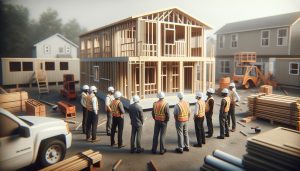
Manufactured homes are typically built in a controlled factory setting, where they benefit from modern construction practices. This includes rigorous quality control, efficient energy use, and the incorporation of advanced materials. Each home is constructed following guidelines established by the U.S. Department of Housing and Urban Development (HUD), which mandate certain standards for structural integrity, safety, and energy efficiency. For example, manufactured homes are often equipped with features such as double-glazed windows, higher R-value insulation, and sturdy framing materials, all of which enhance their durability and comfort. This systematic approach not only ensures consistency in quality but also allows for options in design and layout, accommodating various tastes and needs among buyers.
In contrast, mobile homes-constructed before the HUD regulations took effect in 1976-often follow less stringent building practices. The construction methods used may include older materials and techniques that were prevalent at the time, which can result in disparities in safety and energy efficiency. Many of these homes have minimal insulation and lack modern conveniences, making them less adaptable to today’s energy standards. Additionally, foundational supports can vary widely, with older models often dependent on unanchored skirting rather than solid, engineered foundations.
When considering the setup and maintenance of both home types, it’s essential to recognize that manufactured homes are generally easier to install. They require proper leveling and anchoring to ensure stability and safety, particularly in areas prone to severe weather. Here are some key steps for setup:
- Leveling: Use a level to check that the home is sitting evenly on its foundation, adjusting as necessary.
- Anchoring: Securely anchor the home according to local regulations to withstand wind storms and other forces.
- Utility Connections: Ensure all utility lines (water, electricity, sewer) are professionally connected for safety and compliance.
For mobile homes, homeowners may encounter more challenges associated with retrofitting modern features or adhering to contemporary safety standards. However, proper maintenance can extend the lifespan of these homes, making it essential for owners to stay informed about upgrades, repairs, and regulatory changes impacting their properties.
By appreciating the distinctions in construction techniques and quality standards, prospective buyers and current homeowners can make informed decisions about their living arrangements. Whether opting for a manufactured or older mobile home, understanding these nuances helps facilitate better maintenance and enhances the overall living experience.
Legal Definitions and Regulations Governing Mobile Homes

The legal landscape governing mobile homes and manufactured homes reflects the evolving standards of housing and consumer protection. Key distinctions arise from the regulations established by federal and state laws, defining the classifications and rights pertaining to each type of residence. Understanding these legal definitions is essential not only for prospective buyers but also for current homeowners to navigate ownership rights and responsibilities effectively.
Mobile homes, typically constructed before July 1, 1976, when the HUD code was enacted, do not adhere to the same rigorous safety and quality standards that manufactured homes must meet today. Consequently, many local jurisdictions may have different regulations governing mobile homes, often reflecting older building practices. In some cases, these regulations can impact zoning, property taxes, and even financing options available for the home. For instance, mobile homes may face restrictions in certain residential areas not applicable to manufactured homes, which are recognized under the more current standards enforced by HUD.
Manufactured homes are regulated under the National Manufactured Housing Construction and Safety Standards Act, mandating that these homes meet strict building codes regarding durability, safety, and transportation. This regulation ensures that buyers can expect a standard level of quality and safety when purchasing a manufactured home. Title 24 of the Code of Federal Regulations delineates the required standards that include framing, thermal insulation, and fire safety-elements that contribute to a more stable and secure residential experience for homeowners.
Understanding Local Regulations
Navigating local zoning laws is crucial for both mobile and manufactured homeowners. For mobile home owners, it is essential to check whether a specific area allows for mobile home installations; if local ordinances are not considered, they might face issues such as fines or the risk of having their home removed. Additionally, manufactured homes often enjoy broader acceptance in various communities due to the established codes that come with them.
As you consider a home purchase, investigating the legal framework in your area can save you from potential roadblocks down the line. Each state has its regulations concerning the installation, taxation, and titling of mobile and manufactured homes. Engaging with a local legal expert or housing authority can provide clarity on relevant laws, ensuring you are well-informed and compliant with local regulations while enjoying the benefits of home ownership. By understanding these legal definitions and regulations, residents can confidently buy, sell, and maintain their homes, despite misconceptions surrounding mobile and manufactured housing.
How Financing Differs for Mobile vs. Manufactured Homes

Financing options for mobile and manufactured homes can differ significantly, primarily due to the classification of the homes and the regulations governing them. Understanding these differences is crucial for potential buyers to navigate their options successfully and secure favorable financing terms.
For manufactured homes, which are built after July 1, 1976, and comply with HUD standards, financing typically mirrors that of traditional homes. Borrowers can access conventional mortgage loans, FHA loans, and VA loans, which offer competitive interest rates and long repayment terms. These financing options are available because manufactured homes are often considered real property when affixed to a permanent foundation, making them eligible for traditional mortgage structures. Additionally, lenders may require a higher credit score for these loans, reflecting the standards typical of conventional housing financing.
Conversely, mobile homes-particularly those constructed before the HUD regulations came into effect-often face more challenges in securing financing. Many lenders classify these homes as personal property or chattel, which can limit financing options. Homebuyers may need to rely on personal loans or specialized financing through local lenders or organizations that focus on mobile home financing. Interest rates on these loans can be higher, and repayment terms may be shorter, impacting the overall affordability of the home.
It’s essential for prospective homebuyers to assess their financing options carefully. Consulting with a mortgage broker experienced in mobile and manufactured homes can provide insight into the best loans available based on individual circumstances. Buyers should also be prepared to furnish additional documentation, such as proof of income, employment history, and a credit check, as these elements are crucial in determining loan eligibility and terms.
Ultimately, understanding the financing landscape for both mobile and manufactured homes is vital for making informed purchasing decisions. By exploring various financing routes, potential homeowners can better position themselves to obtain the most suitable and beneficial loans to meet their housing needs.
Insurance Options for Mobile and Manufactured Homeowners
Having a robust insurance policy is essential for ensuring financial security in the event of unforeseen incidents, especially for mobile and manufactured homeowners. These homes, while offering a more affordable and flexible lifestyle option, come with unique risks that necessitate specialized coverage. Understanding the various insurance options available allows homeowners to protect their investment effectively and navigate potential challenges confidently.
Most insurers classify manufactured homes as real property when they are permanently affixed to a foundation. This distinction can lead to different insurance coverage options, including traditional homeowners insurance. For mobile homes, particularly those built before the HUD code was enacted in 1976, insurance options may be categorized differently, often falling under mobile home insurance, which is somewhat akin to renters insurance. Homeowners should look for policies that cover:
- Dwelling Coverage: Protects the home structure from damage caused by events such as fire, theft, or severe weather.
- Personal Property Coverage: Covers personal belongings inside the mobile or manufactured home, including furniture, appliances, and other personal items.
- Liability Protection: Shields homeowners from claims arising from accidents occurring on their property, such as injuries to visitors.
- Add-on Coverage: Homeowners may also opt for additional coverage like flood insurance or hurricane insurance, especially in areas prone to natural disasters.
When selecting an insurance provider, it’s advisable to compare quotes from multiple companies that specialize in mobile and manufactured home insurance. Checking the policy coverage details, deductibles, and any exclusions is vital to ensure it meets specific needs. Homeowners should also consider obtaining a policy that includes the option for replacement cost rather than actual cash value, which can significantly affect recovery in the event of a loss.
The unique construction style of mobile and manufactured homes also leads to specific considerations-like ensuring that the home is secured and tied down according to local building codes, which can impact insurance eligibility. Additionally, maintaining an up-to-date inventory of personal belongings and keeping detailed records of enhancements made to the home can help streamline claims processes if needed.
Ultimately, whether choosing mobile or manufactured homes, securing the right insurance coverage is a fundamental step in safeguarding your investment. By understanding the distinctions and actively comparing policy options, homeowners can secure the peace of mind that comes with knowing their home and belongings are well-protected.
Buying Considerations: Mobile vs. Manufactured Homes
When considering a new home, the decision between mobile and manufactured homes can be pivotal. Understanding the differences and the implications of each choice is crucial for making an informed investment. Mobile homes, often older and characterized by their mobility, contrast with manufactured homes that adhere to strict federal regulations and building codes established after 1976. This distinction can affect everything from financing options to the legal standing of the home when it comes to property use and value.
- Research Financing Options: Financing can vary significantly between mobile and manufactured homes. Many lenders view manufactured homes favorably since they are often classified as real estate, especially when they are permanently affixed to a foundation. This can lead to more favorable loan terms, including lower interest rates. Mobile homes, particularly older models or those not anchored to a permanent foundation, may require personal loans or chattel loans, which generally have higher interest rates and shorter terms.
- Consider Legal Regulations: Each state and locality may have different zoning laws that affect where mobile and manufactured homes can be placed. Buyers should verify regulations governing land use and any restrictions on mobile home parks or communities. Understanding these laws can prevent future complications and ensure that the home is built and placed legally.
- Evaluate the Home’s Condition: Given the varied histories of mobile homes, conducting thorough inspections is imperative. Look for signs of wear, structural integrity, and necessary repairs. Manufactured homes typically have improved construction standards, making them a more reliable option in many cases.
- Assess Community Needs: Consider the lifestyle and community you seek. Mobile homes might be more prevalent in specific communities, often providing a stronger tight-knit atmosphere. Alternatively, manufactured homes may offer more amenities and stability due to being situated in regulated developments.
By weighing these factors thoughtfully, prospective buyers can align their choice of a mobile or manufactured home with their financial goals, lifestyle preferences, and long-term plans. Seeking guidance from real estate professionals familiar with mobile and manufactured housing can further streamline the decision-making process and provide valuable local insights.
Maintenance and Upkeep: A Comparison of Both Types
Maintaining a mobile home or manufactured home requires an understanding of both their unique attributes and the environmental challenges they face. With proper care, both types of homes can remain in excellent condition for many years. However, their differences in construction and design necessitate tailored maintenance approaches.
Regular inspections are crucial for identifying potential issues early on. For mobile homes, paying attention to the undercarriage and ensuring that it is free from debris and moisture is essential, as this area can be prone to rust and deterioration. Regularly checking the roof for leaks, which can often be a concern given the older materials used in some models, helps to prevent water damage. In contrast, manufactured homes, built more recently to stricter standards, generally require less frequent intervention but still benefit from routine checks to HVAC systems and insulation integrity to ensure energy efficiency.
The setup of these homes also plays a significant role in maintenance. Mobile homes need to be placed on a solid foundation, and proper leveling is imperative to prevent structural problems over time. Homeowners should perform seasonal inspections to check for signs of settling or misalignment and make adjustments as necessary. Similarly, manufactured homes, while often installed more permanently, should also be anchored securely to withstand natural elements like high winds or heavy rains, particularly in vulnerable areas. Using tie-down systems can enhance overall stability and longevity.
When it comes to upkeep projects, both home types have their distinct needs. Mobile homes often live up to their name, frequently requiring checks and maintenance for their components, such as skirting, to ensure they are intact and functional. These elements not only enhance aesthetics but also insulate against weather extremes. Manufactured homes, while typically more robust, may face issues related to their underlying structure if not properly maintained-like addressing potential issues with plumbing or electrical systems, which can differ based on the construction quality.
In essence, while both mobile and manufactured homes present unique challenges in terms of maintenance, a proactive approach combining regular inspections, timely repairs, and preventive measures can help homeowners ensure their investments remain safe and enjoyable for years to come. By understanding the specific needs of each, residents can take pride in a well-maintained home that reflects their care and commitment.
Advantages of Living in a Mobile Home
Living in a mobile home offers a distinctive blend of freedom, affordability, and community. Many people are surprised to learn about the unique benefits that come with this lifestyle choice, often overshadowed by misconceptions surrounding mobile and manufactured homes. Those who choose this route find not only financial advantages but also a sense of belonging and flexibility that traditional homeownership doesn’t always provide.
Cost-Effectiveness
One of the most enticing benefits of residing in a mobile home is the significant cost savings associated with both purchasing and maintaining them. Generally, mobile homes are more affordable than traditional houses, allowing homeowners to enter the housing market or downsize without incurring extensive debt. The lower upfront costs can lead to smaller monthly mortgage or rental payments, making it easier to allocate funds for other financial goals, such as saving for retirement or investing in education.
Community and Lifestyle
Mobile home parks often foster strong community ties, where neighbors know each other and engage in shared activities. This sense of community can be particularly appealing to retirees and younger families alike, as it fosters a supportive environment. Many parks offer amenities such as pools, clubhouses, and planned social events that create opportunities for connection and friendship.
Historical patterns show that such communities provide a meaningful alternative to urban isolation, as residents can participate in their surroundings actively. Moreover, the flexibility of mobile homes means homeowners can relocate their homes with relative ease should personal circumstances change or new job opportunities arise.
Customization and Flexibility
Modern mobile and manufactured homes are often designed with a range of customizable features, allowing homeowners to tailor their living environment to their personal tastes. From open floor plans to upgraded appliances and energy-efficient systems, the options for customization can make a mobile home feel just as luxurious as a traditional house.
If you’re considering a mobile home, options include upgrading insulation, adding porches, and landscaping, which can increase both comfort and aesthetic appeal. Additionally, whether it’s a small starter home or a larger family property, the flexibility in size allows buyers to choose what suits their lifestyle best.
Maintenance Simplicity
Compared to traditional homes, the maintenance of mobile homes can be more straightforward due to their design and construction materials. With fewer permanent fixtures and simpler structures, evaluative maintenance can be less cumbersome. For instance, regular inspections and minor repairs often yield significant impacts, helping residents to avoid larger issues down the line.
Homeowners can easily manage upkeep tasks themselves, thus minimizing maintenance costs and fostering a sense of pride in home preservation.
Ultimately, living in a mobile home isn’t merely a compromise; it can be a legitimate and rewarding lifestyle choice. By focusing on the financial benefits, community aspects, and customization options, prospective and current mobile home residents can embrace their unique housing situation confidently and with pride. Understanding these benefits helps challenge common stereotypes, opening the door to a fulfilling homeownership experience.
Common Myths About Mobile and Manufactured Homes
Many individuals still associate mobile homes with outdated stereotypes, unaware that today’s manufactured housing offers modern amenities, stability, and community. Unfortunately, these misconceptions can prevent potential buyers from seeing the true value of mobile and manufactured homes. By addressing common myths and providing factual insights, we can shed light on the myriad benefits these homes have to offer.
One prevalent myth is that mobile homes are poorly constructed and prone to issues. In fact, manufactured homes built after 1976 must adhere to federal safety standards set by the HUD (Department of Housing and Urban Development). These regulations ensure that these homes are built to be durable, safe, and energy-efficient. Moreover, advances in construction techniques and materials mean that contemporary manufactured homes often exceed traditional homes in terms of energy efficiency and sustainability.
Another misconception revolves around the notion that living in a mobile home is synonymous with financial instability and low-income status. While it is true that many people opt for mobile homes for their affordability, they cater to a wide range of income levels and lifestyles. Many mobile home parks are well-maintained and provide an attractive living environment with numerous amenities, making them appealing to retirees and families alike. Choosing a manufactured home can be a strategic financial decision, allowing homeowners to invest in quality living without overextending their budgets.
Community and Lifestyle Concerns
Some individuals believe that mobile home living lacks a sense of community. On the contrary, many mobile home parks foster connections among residents through organized events, shared amenities like pools and clubhouses, and common interests. These tight-knit environments often create lasting friendships and support systems that enhance the overall living experience. For instance, many parks welcome residents to participate in regular gatherings or activities, which can be particularly beneficial for individuals looking to connect with others.
In addressing these myths, it’s essential for prospective buyers to recognize the legitimate advantages of mobile and manufactured homes. Navigating the housing market can be challenging, but understanding the facts helps empower informed decisions. Embracing the true potential of mobile homes can open doors to affordable living, diverse communities, and the possibility of a rewarding lifestyle.
Future Trends in Mobile and Manufactured Housing
The evolution of mobile and manufactured housing is paving the way for a vibrant future, characterized by innovation, sustainability, and improved living standards. As housing markets across the globe grapple with affordability and availability, manufactured homes emerge as a viable solution, catering to diverse socioeconomic groups. Not only do these homes provide cost-effective living options, but they are also increasingly being designed with cutting-edge technology and energy-efficient features, appealing to environmentally conscious buyers.
Emphasis on Sustainability
The future of mobile and manufactured homes is marked by a significant shift toward sustainable living. Builders are now focusing on eco-friendly materials and energy-efficient design practices, such as solar panel integration and high-performance insulation. For example, many new models adhere to green building standards and are equipped with renewable energy sources, drastically reducing their carbon footprint. This not only benefits the environment but also reduces utility costs for homeowners, making these homes more appealing for prospective buyers looking for long-term savings.
Technological Integration
Tech-savvy homeowners can look forward to smarter living environments in mobile and manufactured homes. Future developments are incorporating smart home technology, allowing residents to control lighting, heating, and security systems right from their smartphones. Smart appliances and home automation systems are becoming more common, enhancing convenience and promoting energy efficiency. These innovations not only make day-to-day living more manageable but also add value to the property, appealing to a younger demographic that prioritizes technology in their homes.
Community Development and Zoning Innovations
As the demand for manufactured housing increases, there is a movement towards developing well-planned communities that integrate these homes with traditional housing. Local governments are beginning to reevaluate zoning laws that previously restricted the placement of manufactured homes, fostering inclusivity in neighborhoods. This shift not only increases the availability of affordable housing but also encourages a sense of community among diverse residents, promoting social interaction and support networks.
In summary, mobile and manufactured homes are not just alternatives to traditional housing but represent a forward-thinking approach to living. As sustainability, technology, and community development intertwine, these homes hold the potential to redefine modern living while addressing pressing housing challenges. By understanding these trends, prospective buyers can make informed decisions, ensuring they choose a home that is not only practical but also aligns with future lifestyles and values.
Navigating Local Zoning Laws for Mobile Homes and Communities
Navigating the complex landscape of local zoning laws is essential for anyone considering mobile or manufactured home living. These laws vary significantly from one municipality to another, often influencing not only where these homes can be placed but also the types of modifications and amenities that may be permitted. Understanding these regulations can be the difference between securing a dream home in a chosen community or facing unexpected legal hurdles.
Many municipalities have specific zoning classifications that either allow or prohibit mobile homes. It’s crucial to familiarize yourself with your local zoning ordinances before making any purchase or relocation decisions. Typically, areas marked as “residential” may permit mobile homes, while “single-family” zones could restrict such housing. Local planning departments often provide resources that outline permissible land uses and the required standards to meet zoning regulations. Engaging with local officials or zoning boards can provide clarity on any uncertainties regarding home placement and compliance.
Additionally, some communities offer pre-existing mobile home parks, which often have their own set of rules and regulations regarding residency, maintenance, and community standards. It is common to find homeowners’ associations (HOAs) that enforce specific aesthetic and maintenance guidelines. Prospective buyers should always request and review these rules prior to making a decision. This approach helps ensure that the lifestyle and expectations align with community standards.
Moreover, issues like set-backs, utility access, and infrastructure availability are crucial when evaluating potential sites for mobile homes. Local zoning laws often define the minimum distance a home must be set from property lines and roadways, which can greatly affect the usable space of a plot. Understanding these regulations in conjunction with local building codes, especially concerning utility connections and storm safety requirements (like tie-downs in hurricane-prone areas), is imperative for a successful move or installation.
Finally, keep in mind that zoning laws can evolve, influenced by community needs and political changes. Staying informed about potential amendments or new regulations impacting mobile homes can safeguard against future disruptions. Monitoring local news outlets, attending community meetings, and maintaining dialogue with local government representatives can help you stay current on zoning practices. This proactive stance not only benefits existing residents but also empowers prospective buyers to make informed, confident choices in their housing journey.
Faq
Q: What are the key distinctions between mobile homes and manufactured homes?
A: Mobile homes are typically built before June 15, 1976, and follow less stringent construction standards. In contrast, manufactured homes are built after this date according to federal standards set by HUD, ensuring higher quality and safety. For more details, see our section on key features.
Q: How are mobile homes and manufactured homes constructed differently?
A: Mobile homes are often built using less durable materials and adhere to local building codes, while manufactured homes must meet strict federal standards for design and safety. This affects long-term durability and resale value. Refer to our article on the construction process for a deeper understanding.
Q: Can I finance a mobile home like a manufactured home?
A: Financing for mobile homes usually requires personal loans or alternative options due to their classification, while manufactured homes can often be financed through traditional mortgages. Check our finance section for specific details and options available for both types.
Q: What are common myths about mobile and manufactured homes?
A: Many people believe that mobile and manufactured homes are of lower quality and not suitable for long-term living. In reality, manufactured homes are built to high standards and can offer a robust, affordable housing option. Our myths comparison section debunks these misconceptions.
Q: Are mobile homes allowed in all types of communities?
A: No, zoning laws vary significantly by area. Mobile homes may face more restrictions compared to manufactured homes, which are often more acceptable in residential communities. For guidance on local regulations, please refer to our section on navigating zoning laws.
Q: What insurance options are available for mobile and manufactured homeowners?
A: Insurance for mobile homes is often more limited and may require specialized policies, while manufactured homes can be insured under standard homeowner policies. Explore our insurance options section for detailed advice on coverage types and requirements.
Q: Do mobile homes and manufactured homes have different maintenance needs?
A: Yes, mobile homes may require more frequent upkeep due to older materials, whereas manufactured homes often use modern construction methods that reduce maintenance issues. Check our maintenance comparison section for practical upkeep tips for both types.
Q: Why might someone choose a manufactured home over a mobile home?
A: Many choose manufactured homes for their superior construction standards, potential for better financing options, and increased resale value. For a more thorough analysis of buying considerations, see our buying decisions section.
In Summary
Understanding the difference between mobile homes and manufactured homes is crucial for making informed housing decisions. As you consider your options, think about how these distinctions impact not just your purchase, but also your long-term living experience. For those ready to dive deeper, explore our detailed guides on mobile home financing and insurance considerations, which can help you navigate potential challenges.
Don’t miss out on essential tips for maintenance and renovation that can enhance your investment’s value. Remember, whether you’re a current resident or a prospective buyer, embracing mobile home living is a legitimate and rewarding choice. If you have questions or insights to share, we invite you to engage with our community in the comments below! For more information, check out related articles on property valuation and hurricane preparedness to fully equip yourself for successful mobile home ownership.