Did you know that modular homes are built to different code standards than traditional site-built homes? Understanding these essential compliance requirements is crucial for homeowners, prospective buyers, and investors alike. With modular homes adhering to specific state and local building codes, navigating this landscape can be daunting but also rewarding. Whether you’re considering a modular home investment or already own one, grasping the legal and safety frameworks can enhance your decision-making and protect your investment. This guide will help you explore the code standards that apply to modular homes, providing you with the knowledge you need to make informed choices and ensure compliance. Dive in to discover how to confidently navigate the unique challenges of modular home living.
Understanding Modular Home Code Standards
Understanding the intricate code standards for modular homes is crucial for ensuring safety, sustainability, and seamless compliance with local regulations. These homes, which are constructed off-site before being transported and assembled on a lot, are subject to a variety of building codes that vary by region. Notably, while modular homes share similarities with traditional homes, the regulatory landscape is distinct. Compliance with these standards is essential not only for the structural integrity of the home but also for the wellbeing of its occupants.
One of the core aspects of modular home standards is that these structures must adhere to the same building codes as conventional site-built homes-aligned to local regulations, often referencing specific state guidelines. For instance, in New York, all modular homes must meet the New York State Building Code, which is rigorously enforced through factory inspections and ongoing regulatory oversight [[1]]. Furthermore, the necessity of state-level regulation highlights that modular homes are not universally governed by a single national code, making it vital for builders and homeowners to familiarize themselves with local standards.
To further navigate this complex landscape, it is beneficial to engage directly with local building departments or consult resources from industry organizations such as the Modular Building Institute. These entities are pivotal in keeping stakeholders informed about the latest updates in building codes, safety standards, and environmental regulations associated with modular construction. In doing so, both prospective homeowners and builders can ensure that they meet compliance needs, ultimately enhancing the modular home-buying experience and the long-term value of the investment.
Understanding and adhering to these code standards fosters not just compliance but also promotes a culture of safety and quality within the modular home community. As the industry evolves, staying informed and proactive regarding these standards will pave the way for a successful modular living experience.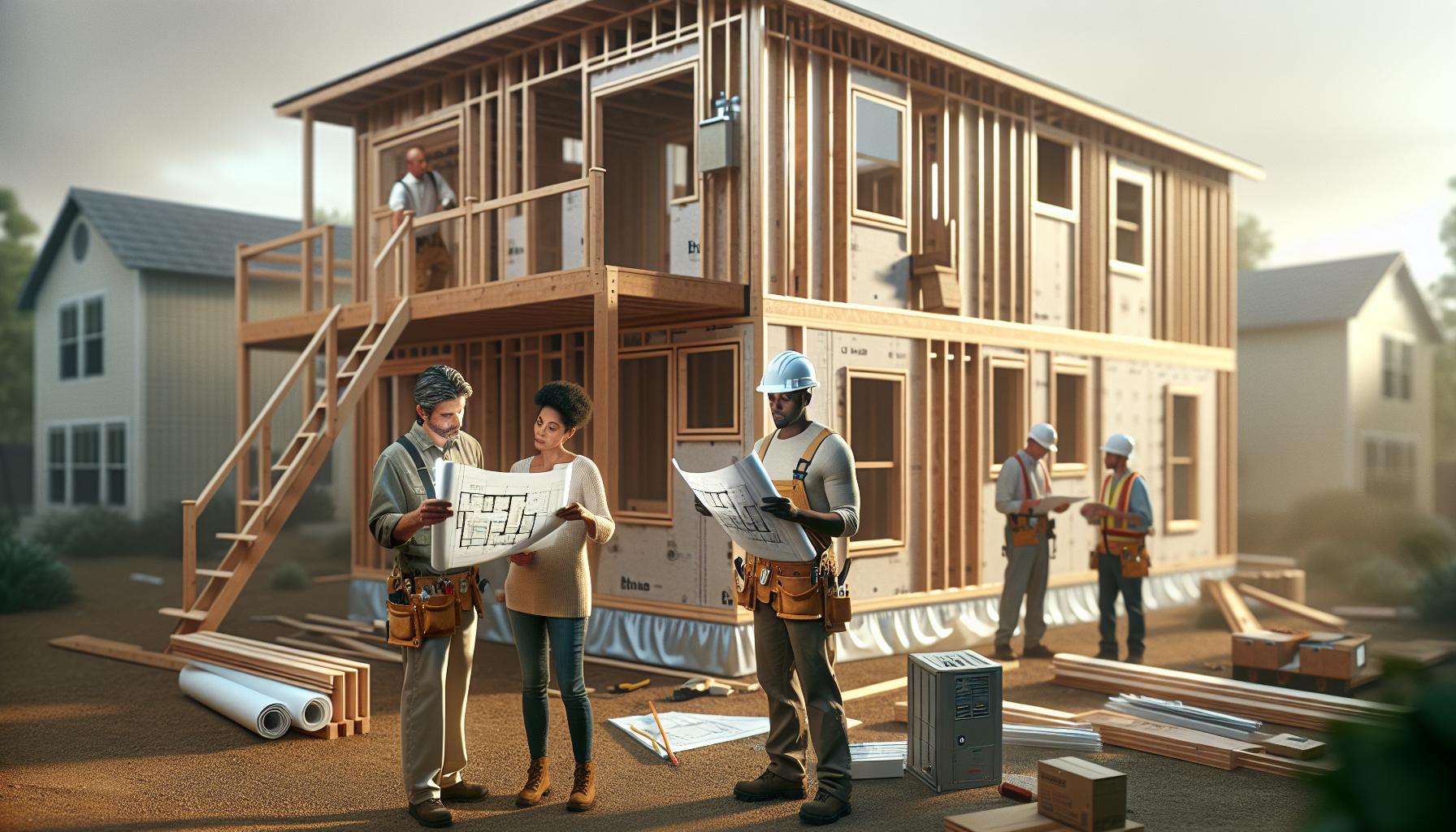
Key Building Codes for Modular Homes
Understanding the spectrum of building codes that govern modular homes is essential for ensuring compliance, safety, and structural integrity. Unlike traditional site-built homes, modular homes are constructed off-site and must adhere to a specific set of regulations tailored to their unique assembly and transportation process. These codes not only dictate how modular homes are designed and constructed but also encompass requirements for energy efficiency, materials used, and the overall safety features of the home.
A critical distinction is that modular homes are typically regulated by state and local codes rather than a singular national standard. For example, in Mississippi, the modular home construction must align with the state’s Uniform Standards Code, which incorporates guidelines tailored for factory-built housing. All contractors and builders must be familiar with local ordinances, which can differ significantly from one jurisdiction to another. Engaging with local building departments or industry resources is crucial for anyone involved in modular home construction to remain compliant with these codes.
Moreover, there are essential building codes that cover various aspects of modular homes, including structural requirements, plumbing, electrical, and mechanical system installations. Key codes often referenced include:
- International Building Code (IBC): Serves as a benchmark for states or municipalities to develop their regulations.
- International Residential Code (IRC): Focused on one- and two-family dwellings, including modular homes.
- National Fire Protection Association (NFPA) Codes: Ensure fire safety measures are well-integrated into the design and construction process.
- Energy Efficient Codes: Specify the required energy efficiency standards that homes must meet.
Understanding and adhering to these building codes helps ensure that modular homes not only meet aesthetic and functional standards but also are equipped to withstand environmental challenges and provide safety for their occupants. This proactive approach to modular home construction fosters a sense of responsibility among builders and supports a more robust housing community. Moreover, as standards evolve to address emerging technologies and sustainable practices, it remains imperative for all stakeholders to stay well-informed and adapt accordingly-ensuring both compliance and the ongoing viability of modular housing as a sought-after living option.
Importance of Compliance in Modular Construction
Ensuring compliance in modular construction is not merely a regulatory checkbox; it’s a crucial element for safeguarding the health, safety, and welfare of future residents. Modular homes, designed and built off-site, must adhere to various building codes that are specific to their unique construction and transport methods. Each element of compliance-from structural integrity to energy efficiency-directly affects not only the lifespan of the home but also the safety of those who live in it.
Failing to comply with necessary building codes can have serious consequences. Not only could there be legal repercussions, such as fines or forced reconstruction, but there are practical risks as well, including compromised structural safety and reduced resale value. For instance, adherence to the International Building Code (IBC) and the International Residential Code (IRC) ensures that modular homes are built to withstand environmental stresses, which is particularly vital in areas prone to extreme weather conditions. By prioritizing compliance, builders establish a solid foundation-both literally and figuratively-for homes that meet current safety and performance standards.
Moreover, compliance helps to validate the integrity of the modular construction process as a whole. As this housing option gains popularity, demonstrating adherence to established codes fosters greater acceptance and credibility within local communities and the broader housing market. Homeowners can feel confident that their investment not only provides immediate comfort and aesthetic appeal but is also a responsible choice, designed to withstand the test of time.
To navigate the complexities of compliance, engaging with local building departments, professional consultants, and industry resources is invaluable. Builders and homeowners alike should remain proactive in staying informed about code changes and updates. This diligence not only enhances the safety and quality of modular construction but also solidifies the position of modular homes as a practical, safe, and attractive housing solution.
Regional Variations in Code Requirements
The construction of modular homes showcases a remarkable advantage in terms of both flexibility and efficiency, yet it also presents a landscape of challenges shaped by diverse regional requirements. Understanding that building codes are not uniform across the United States is crucial for builders and homeowners. Each state creates its own set of regulations tailored to the local climate, environmental considerations, and safety concerns. This variability highlights the importance of meticulous research into the specific codes relevant to each state or county before commencing a modular home project.
For example, some states may require additional seismic reinforcement in areas prone to earthquakes, while coastal regions often enforce stricter regulations on wind resistance and flooding. In hurricane-prone areas, modular homes might need to meet Florida’s stringent standards for wind load and uplift resistance to ensure safety and durability. As a result, home builders must work closely with local building departments to obtain the correct permits and ensure compliance with all regulations unique to their locality.
To facilitate a smoother construction process, it’s advisable to:
- Consult with Local Authorities: Prior to beginning construction, engage with local zoning boards and building inspectors to discuss specific regulations that might affect your project.
- Hire Regional Experts: Consider working with architects or builders who specialize in modular homes in your area. Their familiarity with local codes will help navigate compliance swiftly.
- Stay Informed: Building codes can evolve, so maintaining ongoing awareness of code updates through workshops or local construction forums can prove beneficial.
Adapting to regional code requirements is not just a bureaucratic necessity but a fundamental aspect of building a resilient and sustainable modular home. By proactively addressing these variations, you can ensure that your modular home is both compliant and capable of standing the test of time against local environmental challenges.
Essential Safety Standards for Modular Homes
In the realm of modular home construction, adhering to essential safety standards isn’t merely a regulatory obligation-it’s a commitment to ensuring the well-being of all residents. Modular homes, designed for both durability and safety, must conform to a variety of codes that govern everything from structural integrity to energy efficiency. This framework not only protects homeowners but also enhances the long-term value of their investments.
One of the most critical safety standards applicable to modular homes is the International Building Code (IBC), which lays out comprehensive requirements for various construction practices. These codes dictate specifications for load-bearing capacities, fire-resistant materials, and the proper installation of electrical and plumbing systems. For instance, modular homes in regions susceptible to severe weather conditions are often mandated to use hurricane tie-downs and reinforced hurricane-rated roofs, reducing the risk of damage from high winds.
Key Aspects of Safety Standards
- Structural Integrity: Ensures that all components can withstand environmental stresses, which is especially important in areas prone to earthquakes or heavy snowfall.
- Fire Safety: Modular homes must incorporate fire-resistant materials and comply with local fire codes, including safe exit routes and proper smoke alarm installations.
- Electrical and Plumbing Safety: Standards dictate that electrical systems are installed to prevent hazards such as short circuits, while plumbing systems must reduce the risk of leaks and ensure safe water supply.
- Energy Efficiency: Compliance with energy codes can include insulation requirements, which not only save on utility costs but also contribute to a healthier living environment.
Furthermore, navigating the complexities of environmental regulations is part of ensuring modular homes meet safety standards. Builders are often required to assess the environmental impact of their construction practices and implement measures to minimize harm.
Overall, knowledge and adherence to these safety standards are pivotal for those involved in modular home construction. By embracing these regulations, builders and homeowners not only safeguard their properties but also contribute to a sustainable future, ensuring that modular living remains a viable and respected choice in the housing landscape.
Navigating Environmental Regulations
Navigating the intricacies of environmental regulations is crucial for anyone involved in modular home construction. From initial planning to final placement, understanding and complying with local, state, and federal environmental guidelines can significantly influence both the project’s outcome and community acceptance. A major aspect of this involves assessing the environmental impact of construction practices, which can help mitigate potential negative effects on local ecosystems.
Considering the location of a modular home is paramount. Factors such as nearby water bodies, wildlife habitats, and existing infrastructure should inform decisions about land development. Builders are often required to conduct environmental assessments, which may include soil testing or wildlife surveys, to ensure their construction activities do not disrupt existing biological environments. Though this might seem daunting, many local authorities provide resources to assist builders in meeting these requirements, thereby streamlining the process.
Another key element is resource management during construction. Utilizing sustainable materials and methods not only aligns with environmental regulations but also promotes energy efficiency and long-term savings. For instance, selecting low-VOC (volatile organic compound) materials not only complies with air quality standards but also enhances the indoor environment of modular homes. Furthermore, incorporating renewable energy sources, such as solar panels, can significantly reduce a home’s ecological footprint and may qualify homeowners for various incentives.
Environmental regulations also extend to site management and ongoing use. Builders must ensure proper waste disposal and employ erosion control measures during construction to prevent runoff and maintain soil health. Ongoing compliance may include regular inspections and maintenance checks to adhere to health and safety regulations, contributing to the overall sustainability of modular living. By committing to these practices, stakeholders in modular home construction not only safeguard compliance but foster a more responsible and ethical approach to housing development.
Permitting Processes for Modular Home Construction
Securing the necessary permits for modular home construction is a critical step that can significantly affect the timeline and success of your project. Many believe modular homes have a streamlined path for approval compared to traditional stick-built homes; however, understanding the permitting process is essential to avoid potential pitfalls. Local regulations govern these procedures, and familiarity with them is key for a smooth construction experience.
Typically, the first step in the permitting process involves submitting a site plan that outlines your proposed project, including the location, dimensions, and architectural drawings of the modular home. Depending on your municipality, this submission may need to include a variety of documentation, such as soil tests, environmental assessments, and compliance with zoning laws. It’s crucial to ensure that your plans adhere to local building codes, as these will determine whether you receive your permits in a timely manner.
Steps in the Permitting Process
- Research local regulations: Before starting, investigate the specific building codes and zoning regulations in your area to avoid delays.
- Prepare required documentation: Assemble all necessary documents, which may include engineering plans, utility layouts, and environmental assessments.
- Submit your application: Fill out the applicable forms and submit them along with your site plan and supporting documents to your local building department.
- Inspections and approvals: After submission, your application will undergo review. Inspectors may need to assess the site before issuing permits.
- Receive permits: Once approved, you will receive the necessary permits to commence construction.
It’s also important to check on any required inspections during different construction phases. These inspections can include foundation inspections, framing inspections, and final occupancy inspections. Preparing for these can lead to smoother inspections, minimizing the chances of costly rework.
Be proactive about staying updated with any changes in local building codes and regulations. Joining local builders’ associations or attending community meetings can be beneficial. Additionally, consulting with a professional who specializes in modular construction can guide you through this intricate process, ensuring that your project is compliant while avoiding delays.
Financing Options Aligned with Code Compliance
Navigating the financing landscape for modular homes is crucial, especially when code compliance plays a significant role in property approvals and overall project viability. Lenders recognize that compliance with local building codes not only ensures the safety and durability of modular homes but can also influence financing options available to prospective homeowners. The right financing can help ease the financial burden of adhering to these regulations while ensuring that your modular home is compliant from the ground up.
When seeking financing, it’s essential to work with lenders who are familiar with the nuances of modular home construction and the related code requirements. Traditional mortgage options may be available, but many buyers also explore specialized loans that cater specifically to modular and manufactured homes. These loans often have different guidelines and qualifications, which may include verifying that the home meets local regulations or that it has been installed on a suitable foundation. Ensuring that your modular home abides by all code requirements can make the approval process faster and may even secure better loan terms.
It’s also beneficial to explore state and local programs that offer financial assistance for homes meeting specific standards. Such financing options might include grants, low-interest loans, or tax incentives aimed at promoting affordable housing. By aligning your financing strategy with compliance measures, you not only strengthen your application but also support the long-term value of your investment.
Before committing to a financing option, consider performing a comprehensive review of your local building codes, as these dictate what your modular home needs to comply with-ranging from energy efficiency standards to structural integrity guidelines. Doing this can help streamline your financing process, as you will present lenders with a clear understanding of how your project adheres to local regulations. By being proactive and informed, you can navigate the complexities of financing modular homes while ensuring that compliance is at the forefront of your planning.
Common Challenges in Modular Home Compliance
Navigating the complexities of modular home compliance can often feel like traversing a labyrinth. With various regulations, standards, and potential pitfalls, homeowners and builders alike may encounter challenges that could complicate their projects. Understanding these common hurdles is essential for successfully bringing a modular home to fruition.
One prevalent issue is the inconsistency of local building codes and regulations. While modular homes must adhere to national standards, such as those established by the Department of Housing and Urban Development (HUD), individual states and municipalities may impose additional requirements. This can create confusion, especially for buyers unfamiliar with local laws. It’s crucial to conduct thorough research on both state and local regulations to ensure compliance, as non-adherence can lead to costly delays or modifications that may jeopardize the home’s safety and integrity.
Another significant challenge is ensuring proper installation and anchorage. Modular homes, unlike traditional homes, require specific setup procedures, including leveling and securing the structure according to manufacturer guidelines and local codes. Failure to follow these installation procedures not only risks the home’s stability but also may violate compliance requirements. Engaging experienced professionals for the setup process is recommended to avoid complications.
Environmental regulations can also pose a challenge, particularly in areas prone to natural disasters. For instance, homes located in flood zones must comply with specific elevation requirements and flood-proofing standards. Additionally, energy efficiency standards are becoming increasingly stringent, requiring additional investments in insulation, HVAC systems, and other building components. Awareness and proactive planning regarding these environmental factors can facilitate smoother compliance and decrease long-term costs associated with non-compliance.
In summary, while the journey to modular home compliance presents challenges, being informed and prepared can significantly ease the process. By understanding local codes, ensuring proper installation, and adhering to environmental regulations, homeowners can navigate compliance successfully, ensuring their modular homes are safe and secure for years to come.
Future Trends in Modular Home Standards
As the modular home industry evolves, so do the standards and codes that govern it. Awareness of these impending trends is crucial for builders, homeowners, and investors looking to stay compliant while enjoying the benefits of modern modular living. Innovations in technology and a growing emphasis on sustainability are driving the development of new codes that will shape the future of modular homes.
One significant shift is the focus on sustainability and energy efficiency. As environmental concerns rise among consumers, regulators are enforcing stricter energy codes. Expect to see expanded requirements for high-performance insulation, energy-efficient windows, and renewable energy systems, such as solar panels, becoming standard across the board. This transition not only reduces the carbon footprint of new builds but also leads to long-term savings on utility bills for homeowners.
Additionally, the rise of smart home technology is reshaping how modular homes are built and equipped. Integration of IoT devices for energy management, security, and maintenance monitoring are becoming more commonplace. Future codes will likely address the wiring and installation of these technologies, ensuring that modular homes are not only compliant but also equipped to handle the demands of modern living.
Safety regulations are also set for updates, especially regarding natural disaster resilience. With climate change increasing the frequency of severe weather events, building codes are expected to mandate enhanced structural integrity to withstand high winds, seismic activities, and flooding. Prospective homeowners should prioritize modular builders who keep abreast of these changing standards to ensure safety and compliance.
Finally, regulatory flexibility is gaining momentum. As modular homes become increasingly popular, many states are exploring ways to streamline their approval processes while maintaining safety standards. This could lead to reduced permitting times and costs, making it easier for buyers to invest in modular homes. Engaging local regulatory bodies and staying informed about upcoming changes will help builders adapt quickly.
These trends in modular home standards promise to enhance the safety, efficiency, and functionality of modular living, thus solidifying its status as a viable housing option. Keeping informed and proactive will empower stakeholders to navigate the future of this dynamic market confidently.
Resources for Staying Updated on Code Changes
Staying abreast of code changes for modular homes is essential for builders, homeowners, and investors alike. With the ever-evolving landscape of regulations, knowing where to find accurate information can make the difference between a successful project and costly compliance issues. Here are some effective strategies and resources to remain informed about the latest modular home code standards.
- Government Websites: National, state, and local government websites frequently update building codes. For instance, in California, the Manufactured Housing regulations can be found in the California Code of Regulations, Title 25, Division I, Chapter 3, Subchapter 2. Regularly reviewing local housing department resources can ensure you’re on top of any changes that impact modular home construction. Check resources like the California Department of Housing and Community Development to get the latest updates [[1]].
- Industry Organizations: National organizations such as the Modular Building Institute offer valuable insights and ongoing education related to modular construction standards. Participating in webinars, industry events, and workshops hosted by these organizations can provide critical updates and networking opportunities.
- Trade Publications and Newsletters: Subscribing to trade magazines or newsletters dedicated to modular construction can keep you informed about innovations and regulatory updates. These publications often feature articles on compliance case studies and best practices shared from leading industry professionals.
- Engagement with Local Builders’ Associations: Local builders’ associations also serve as a crucial resource for staying updated. These organizations frequently hold meetings or forums focused on code changes, offering members the chance to directly engage with code officials and other industry experts.
Utilizing these resources will enable you to navigate the complexities of modular home compliance with confidence and clarity. Staying informed doesn’t just help meet legal requirements; it fosters a culture of safety and sustainability in modular building practices, ensuring a better quality of life for all residents. By proactively engaging with these updates, builders and homeowners can make informed decisions that align with the latest standards in modular home construction.
Faq
Q: What are the basic code standards for modular homes?
A: Basic code standards for modular homes vary by state but generally include compliance with the International Building Code (IBC) and local regulations. These cover structural integrity, electrical, plumbing, and safety standards to ensure homes are safe and livable. Check local building authorities for specific requirements.
Q: How do I find modular home building codes in my state?
A: To find modular home building codes in your state, visit your local building department’s website or the state’s Department of Housing or Construction website. They provide detailed information and resources related to regulations and compliance specific to modular homes.
Q: What is the role of third-party inspectors in modular home compliance?
A: Third-party inspectors validate that modular homes meet all applicable codes before installation. They assess various standards-structural, electrical, and plumbing-ensuring compliance with state and local regulations, which enhances safety and reduces liability for manufacturers.
Q: Are modular homes subject to federal building codes?
A: Modular homes are typically regulated by state and local building codes rather than federal building codes. However, they must adhere to the Federal HUD Code when classified as manufactured homes, which applies to specific design and safety requirements.
Q: How can regional variations affect modular home standards?
A: Regional variations can significantly impact modular home standards due to local climate, zoning laws, and building practices. For instance, homes in hurricane-prone areas may require stricter wind-resistant construction, while others may focus more on insulation and energy efficiency.
Q: What are common challenges with modular home compliance?
A: Common challenges with modular home compliance include navigating varying local codes, coordinating inspections, and managing timelines for permits and approvals. Homeowners should work closely with builders and local authorities to ensure all regulatory requirements are met seamlessly.
Q: What steps should I take to prepare for modular home inspections?
A: To prepare for modular home inspections, ensure all construction meets local building codes, gather necessary documentation, and schedule inspections during different construction phases. Having a checklist that aligns with code requirements will help streamline the process and avoid delays.
Q: What resources are available to stay updated on modular home code changes?
A: Resources to stay updated on modular home code changes include state and local building department websites, industry publications, and organizations like the Modular Building Institute. Attending workshops and seminars can also provide valuable insights on the latest regulations and compliance practices.
In Conclusion
Understanding the code standards that apply to modular homes is crucial for ensuring compliance and safeguarding your investment. As you move forward, remember that adhering to these guidelines not only guarantees quality and safety but also maximizes the long-term value of your home. Don’t hesitate to dive deeper into related topics, such as our guide on financing options for modular homes or explore marketing strategies to showcase your property effectively.
If you have questions or need personalized advice, consider signing up for our newsletter or schedule a consultation with one of our experts. Stay informed about important updates in the modular home sector and enhance your knowledge to make confident decisions. Your journey into modular home ownership starts here-tap into the resources available and take the next step today!