As energy costs continue to rise, many homeowners are searching for innovative ways to reduce utility bills and embrace sustainable living. Modular homes, designed with efficiency in mind, often feature advanced building techniques and materials that promote energy conservation. These homes not only offer a more affordable path to homeownership but also present significant savings potential over time. By exploring the energy-efficient capabilities of modular homes, you can make informed decisions that benefit your wallet and the environment. Dive in to discover how choosing a modular home can align with your financial goals and eco-conscious values, unlocking a sustainable lifestyle that satisfies both comfort and practicality.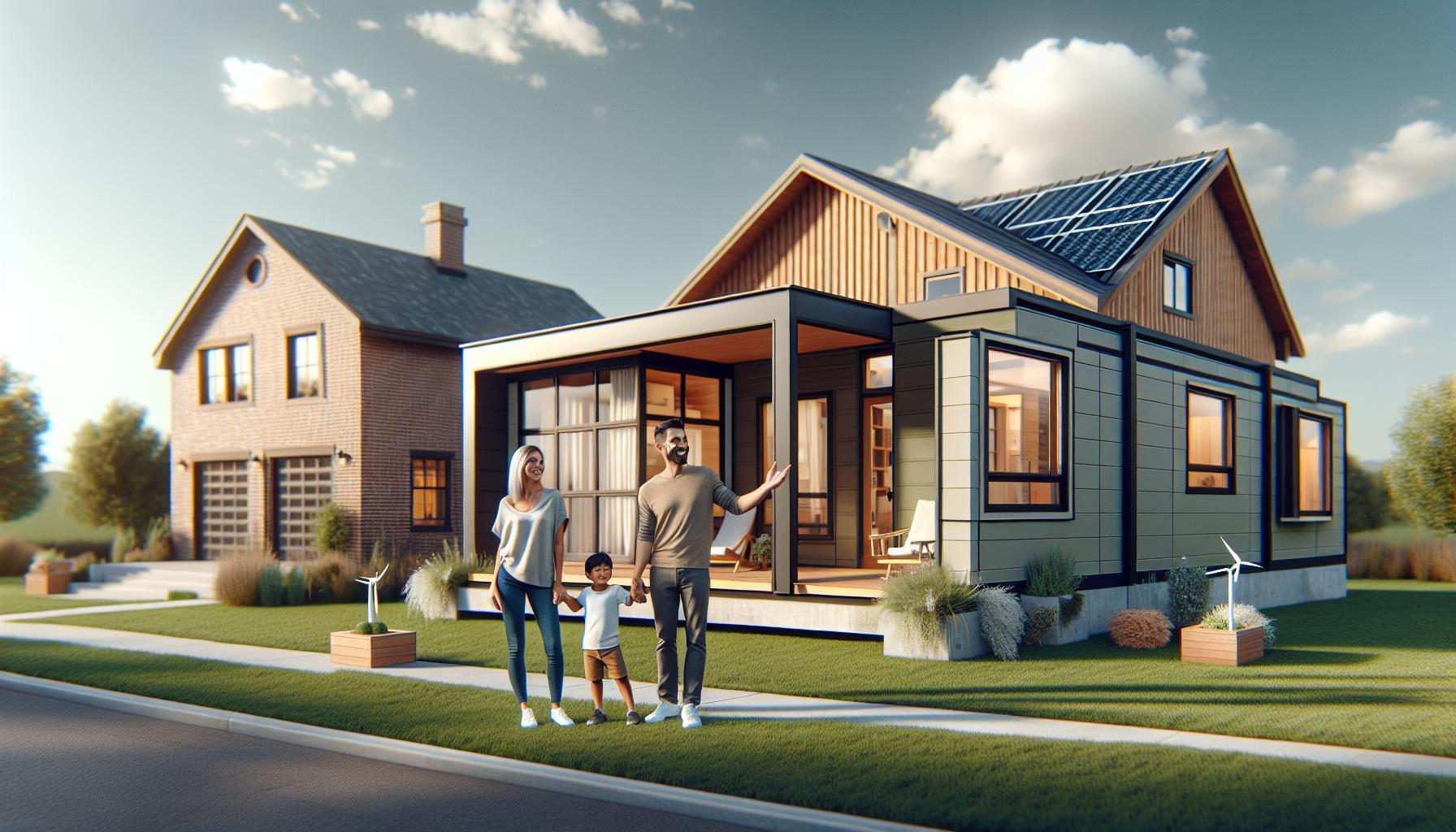
Are Modular Homes More Energy Efficient Than Traditional Homes?
While traditional homes often face challenges in energy efficiency due to older construction methods and materials, modular homes are gaining recognition for their superior energy-saving capabilities. A significant reason for this advantage lies in the modern construction techniques and materials used in modular housing. These homes are built in controlled factory settings, allowing for tighter construction tolerances, which significantly reduces air leaks and enhances insulation integrity. As a result, many modular homes often come equipped with high-efficiency heating and cooling systems, contributing to lower energy demand and operational costs.
A critical aspect of energy efficiency in modular homes is the ability for builders to incorporate advanced insulation materials and energy-efficient windows during the manufacturing process. For instance, many modular homes utilize spray foam insulation, which expands to fill gaps and crevices, providing an airtight seal that traditional fiberglass insulation may not achieve as effectively. This enhanced insulation helps maintain a stable indoor temperature, reducing the need for excessive heating or cooling. Moreover, the modular construction process permits better integration of renewable energy solutions, such as solar panels, right from the start, further bolstering environmental sustainability.
It’s essential to consider the lifetime cost savings when determining whether modular homes are more energy-efficient than their traditional counterparts. Homeowners can benefit from various programs and incentives that lower upfront costs for energy-efficient features, while the long-term savings from reduced energy bills often offset any initial investments. This holistic view demonstrates that modular homes not only provide a comfortable living environment but also represent a modern, eco-friendly choice that can significantly lessen both energy consumption and utility expenses over time.
Understanding Energy Efficiency Ratings for Modular Homes
is essential, especially as homeowners increasingly seek sustainable living solutions. Manufacturers often use widely recognized systems such as the Home Energy Rating System (HERS) or ENERGY STAR ratings to evaluate and communicate how energy-efficient a home is. A lower HERS score indicates a more energy-efficient home, typically resulting in lower utility costs and a reduced carbon footprint. For instance, a modular home with a HERS rating of 50 is 50% more energy-efficient than the standard new construction home, underscoring the significant savings potential available to homeowners.
One of the key factors influencing energy efficiency ratings is the building envelope-essentially, the barrier between the indoor environment and the outside world. Factors such as air tightness, insulation quality, and window efficiency all contribute to the overall rating. Many modular homes excel in these areas due to the precision of factory construction, which reduces gaps and air leaks, and increases thermal performance. Additionally, many manufacturers prioritize the use of high-quality, energy-efficient materials as standard practices, further enhancing their homes’ ratings.
Beyond these ratings, homeowners can take proactive steps to maximize their home’s efficiency. By ensuring proper setup and maintenance-including proper insulation checks and window sealing-they can further improve performance over time. Regular energy audits can identify areas of improvement, encouraging homeowners to invest in upgrades where necessary. Choosing modular homes not only provides an opportunity for modern living but also the potential for substantial savings and an eco-friendlier lifestyle.
In summary, understanding energy efficiency ratings equips prospective buyers with the knowledge to make informed decisions about their modular home investments. Evaluating these ratings alongside actual energy usage metrics can illustrate the long-term benefits and help homeowners feel confident in their commitment to energy-efficient living.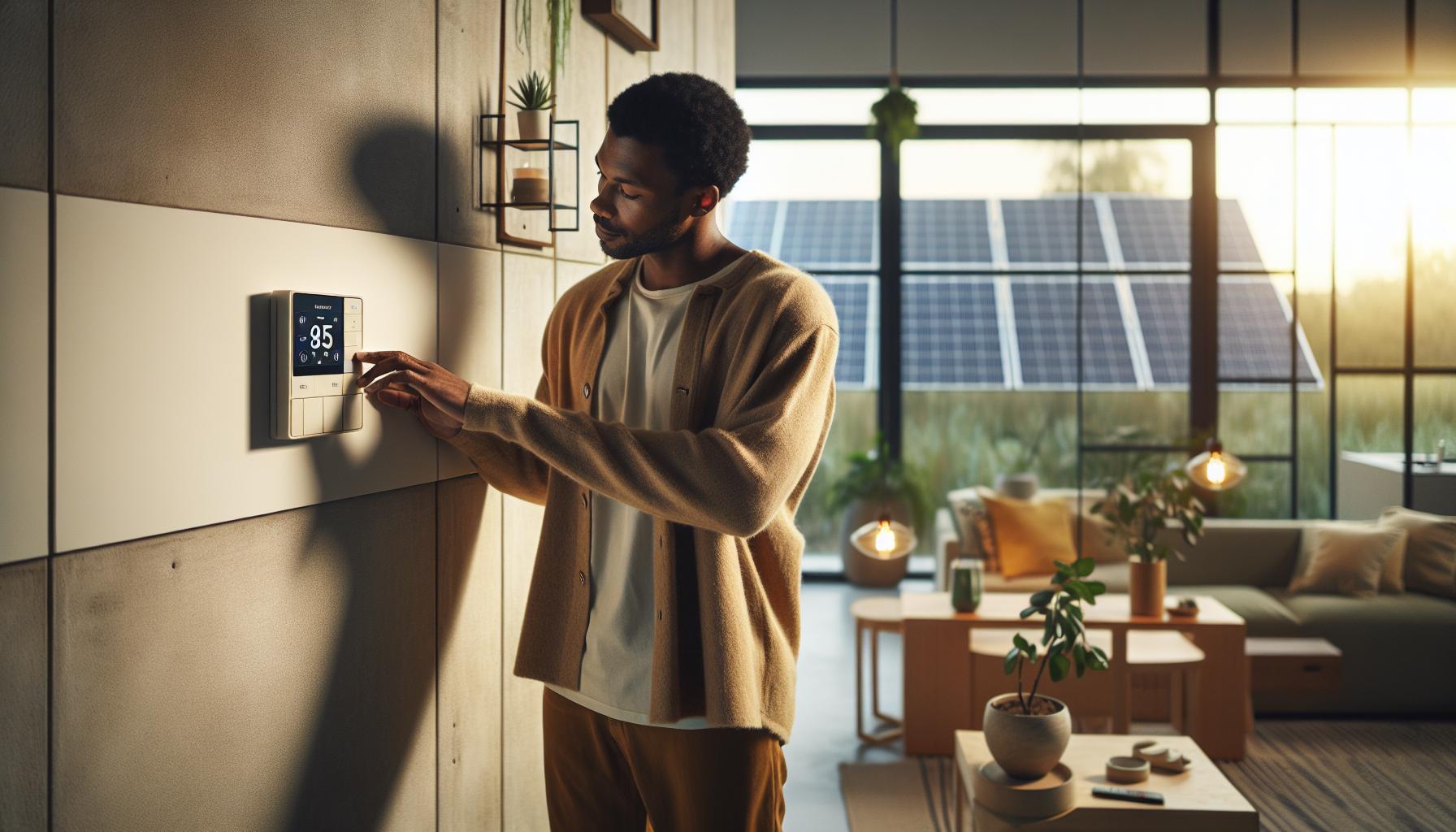
Key Features Contributing to Energy Savings
Many homeowners are drawn to modular homes not only for their modern design and efficiency but also for their energy-saving capabilities. A variety of key features make these homes especially advantageous when it comes to energy conservation. Understanding these elements can empower potential buyers and current homeowners to maximize their efficiency and enjoy significant savings on utility bills.
One notable feature is the high-quality insulation that is typically used in modular homes. Since these homes are constructed in a controlled factory environment, manufacturers often employ advanced insulation techniques that meet or exceed local building codes. This results in superior thermal performance, which helps maintain comfortable indoor temperatures while reducing reliance on heating and cooling systems. Improved insulation minimizes heat loss in winter and heat gain in summer, directly translating to lower energy consumption.
Another contributing factor is the usage of energy-efficient windows and doors. Modular homes often incorporate double or triple-pane windows that create a barrier against heat loss and gain. These windows are framed with materials designed to prevent condensation and maximize energy savings. Strategically placed overhangs and awnings can also shield these openings from excessive sunlight, further reducing the need for air conditioning.
In addition, the meticulous construction process reduces the risk of air leaks and drafts. Factory-built precision ensures that all connections between the walls, roofs, and floors are tightly sealed, which plays a crucial role in creating a well-insulated building envelope. This tightness not only enhances comfort but also boosts energy ratings, making modular homes inherently more energy-efficient compared to traditional on-site builds.
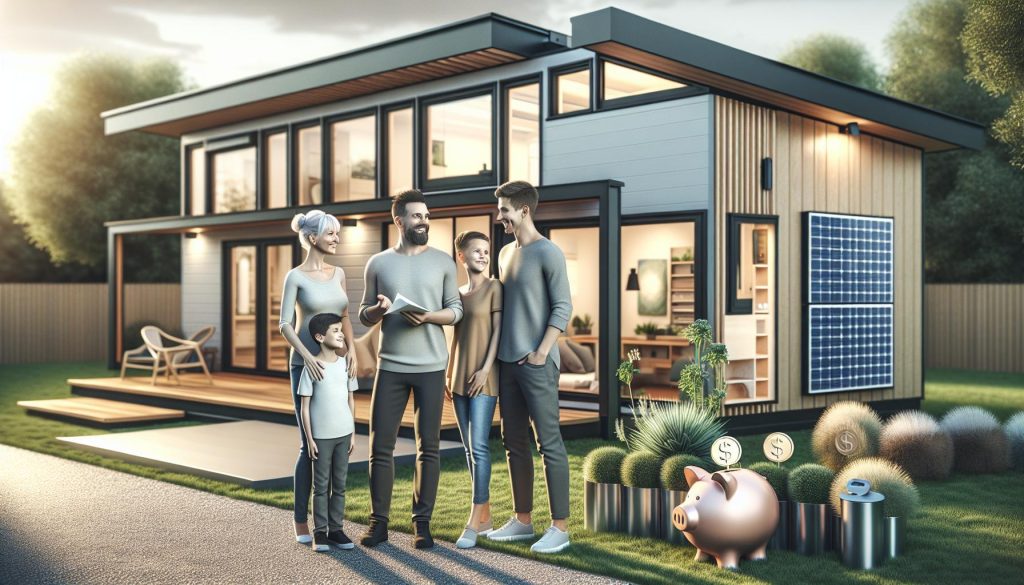
Furthermore, many modular homes are designed to incorporate renewable energy options such as solar panels or geothermal heating systems. As these systems become more accessible, modular homeowners can take advantage of potential cost reductions and additional savings through clean energy generation. Integrating such technologies can significantly enhance the overall energy performance, making the homes not just efficient in terms of design but also responsible in terms of sustainability.
Ultimately, the combination of robust insulation, energy-efficient windows, precise construction, and renewable energy capabilities equips modular homes with a unique advantage in energy savings. Embracing these features allows homeowners to enjoy a comfortable living environment while making environmentally-conscious choices that can translate into long-term savings.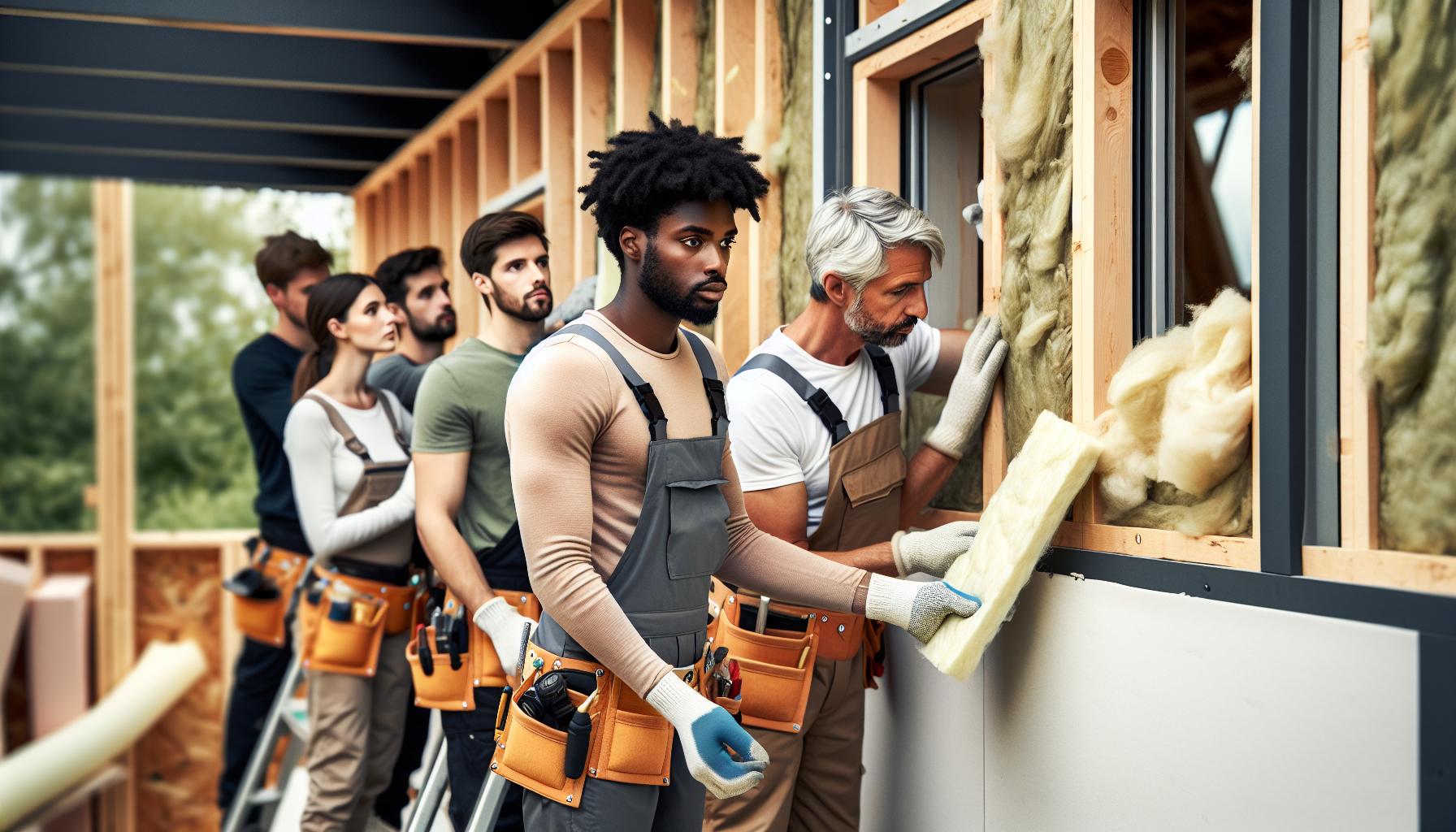
The Role of Insulation in Modular Home Efficiency
The significance of insulation in modular homes cannot be overstated; it plays a pivotal role in enhancing energy efficiency and overall comfort. High-quality insulation not only regulates indoor temperatures but also reduces the demand on heating and cooling systems, leading to substantial energy savings over time. Modular homes benefit from state-of-the-art insulation techniques that are rigorously applied during the factory construction process. Because these homes are built in controlled environments, manufacturers can ensure that insulation materials meet stringent standards, often surpassing local building codes.
A prime example of effective insulation is the use of advanced materials such as spray foam or rigid foam boards, which provide excellent thermal resistance. This type of insulation forms a tight seal that minimizes air leaks and reduces the impact of outside temperatures. Consequently, homeowners can expect a noticeable reduction in their energy bills during colder winters and hotter summers. It is also common for modular homes to include insulated floors and roofs, further enhancing their thermal performance.
Another essential aspect of insulation in modular homes involves its contribution to creating a quieter living environment. Effective insulation not only keeps heat inside but also dampens sound transmission between rooms and from external sources. This is particularly beneficial for families and individuals seeking peace and privacy in their living spaces.
In summary, robust insulation is a cornerstone of energy efficiency in modular homes. By investing in superior insulation, homeowners pave the way for long-term energy savings, increased comfort, and a reduced environmental footprint. As energy costs continue to rise, the benefits of a well-insulated modular home become increasingly clear, making it a smart choice for contemporary living.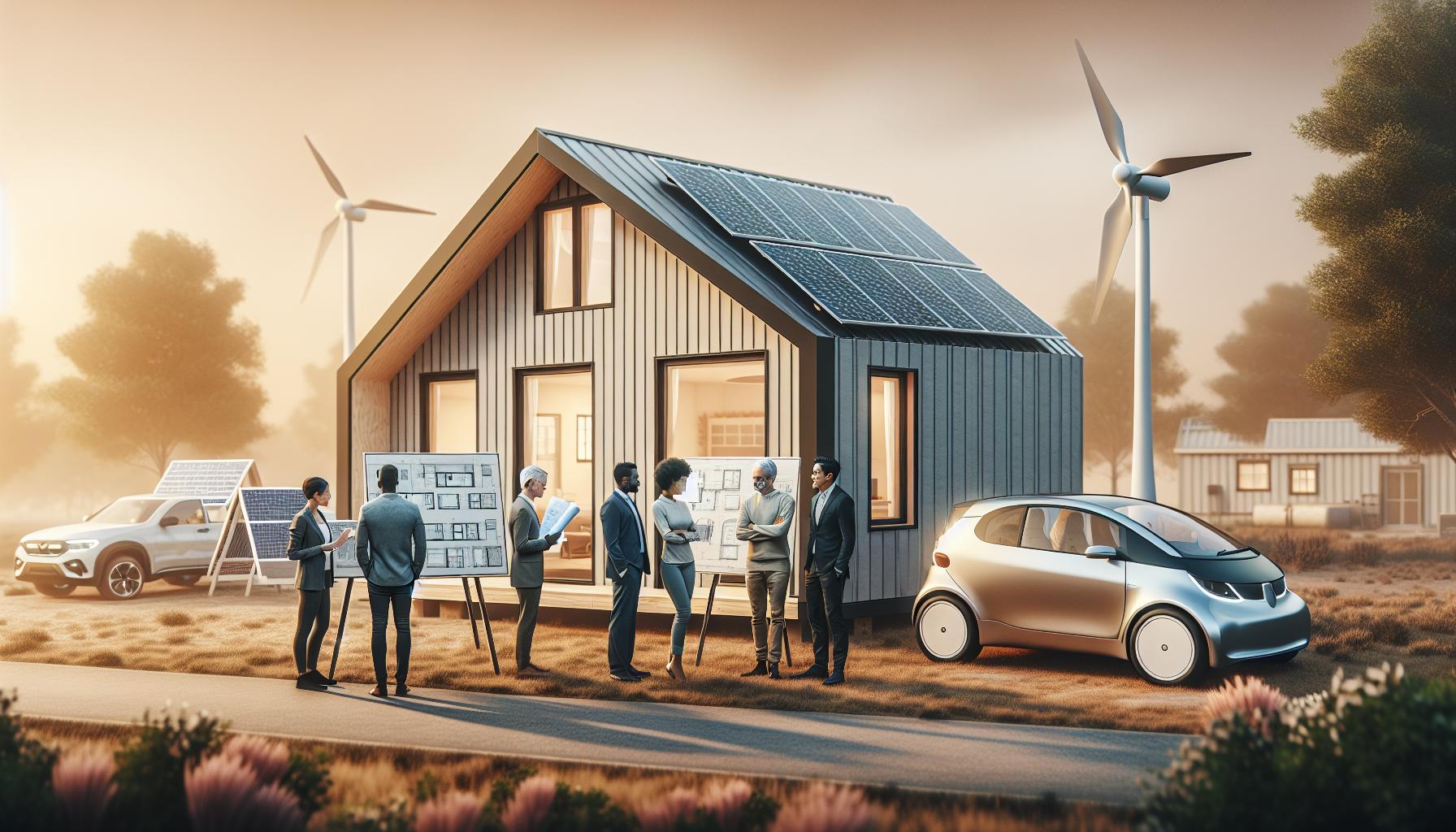
Exploring Renewable Energy Options for Modular Homes
In the quest for energy efficiency, modular homes offer a prime opportunity to incorporate renewable energy solutions that not only reduce environmental impact but also drive down utility costs. A fascinating aspect of modular construction is its ability to seamlessly integrate advanced energy systems, making it an excellent choice for those focused on sustainability and cost-saving measures.
One of the most popular renewable energy options for modular homes is solar power. Homeowners can install solar photovoltaic (PV) panels on their roofs to capture sunlight and convert it into electricity. This can significantly lower energy bills, especially in sunny regions. Many modular home builders now offer solar-ready designs, meaning they are engineered to easily accommodate solar panels, maximizing the efficiency of energy generation right from the start. Additionally, using battery storage systems allows homeowners to store excess energy for use during peak demand times or when sunlight is minimal, further enhancing savings and energy independence.
Another innovative solution is the use of geothermal heating and cooling systems. This technology leverages the earth’s stable underground temperature to maintain comfortable indoor climates with minimal energy consumption. A geothermal system consists of a series of underground pipes that circulate fluid, transferring heat to and from the home. This method is not only incredibly efficient but also has a long lifespan, often outlasting traditional heating and cooling systems.
For homeowners interested in water conservation, rainwater harvesting systems can be integrated into modular homes. These systems collect rainwater from rooftops, which can then be filtered and reused for irrigation or non-potable purposes, further reducing overall household energy usage associated with water supply and maintenance.
Embracing these renewable energy options positions modular homeowners not only as participants in sustainable living but also as pioneers in cost-effective homeownership. With thoughtful planning and investment in renewable technologies, the energy efficiency of modular homes can be greatly enhanced, allowing residents to enjoy a more sustainable and economically feasible lifestyle.
Cost-Benefit Analysis: Energy Savings vs. Initial Investment
The decision to invest in a modular home often hinges on a careful evaluation of associated costs versus potential long-term savings, particularly when it comes to energy efficiency. Many buyers are drawn to the prospect of reduced utility bills through innovative energy solutions, but understanding the balance between initial investment and future savings is crucial.
Investing in energy-efficient features during the construction of a modular home can yield significant benefits over time. For example, incorporating high-quality insulation, energy-efficient windows, and renewable energy systems like solar panels may require a higher upfront cost, yet they contribute to lower energy consumption and decreased bills. According to various studies, homes equipped with these features can see energy cost reductions of 20% to 50%, depending on climate and energy usage patterns.
To provide a clearer picture, consider the following aspects involved in the cost-benefit analysis:
Initial Costs
- Construction Features: Energy-efficient appliances and systems can increase initial costs. While they may seem steep-typically an additional 10% to 15% of the overall house cost-they often pay for themselves over time.
- Solar Energy Systems: Depending on the installation size, upfront costs for solar panels can range from $10,000 to $30,000. However, many states offer incentives and tax credits that can offset these expenses considerably.
Long-Term Savings
- Utility Bills: A well-insulated home could save homeowners hundreds annually on heating and cooling costs. For instance, a modular home with a solar power setup can potentially eliminate electricity bills altogether, depending on the climate and energy demands.
- Tax Incentives: Many homeowners can also benefit from tax incentives for energy-efficient practices, further enhancing the long-term savings potential.
While the upfront investment in energy-efficient technology for modular homes can appear daunting at first, the long-term benefits-both financial and environmental-can justify the costs. Homeowners can not only enjoy reduced utility bills but may also increase the home’s resale value and contribute positively to sustainable living practices. The key is promoting a sustainable mindset, recognizing that the financial outlay today can transform into valuable savings tomorrow.
Ultimately, careful planning and consideration of energy-efficient features can position modular homeowners as savvy investors in their financial future, ensuring comfort and lower environmental impact for years to come.
Real-Life Case Studies: Modular Homes and Energy Efficiency
Modular homes are increasingly recognized for their energy efficiency, a feature that’s highlighted through various real-life case studies. These examples not only illustrate the potential for significant savings but also demonstrate how modern construction methods and materials can lead to enhanced sustainability and lower energy consumption.
One notable instance is a modular home in New York, which utilized advanced insulation technologies and high-efficiency HVAC systems. The homeowners reported a 40% reduction in their annual energy bills compared to their previous traditional home. This was achieved through the installation of insulated frame walls and triple-glazed windows, which effectively reduced heating and cooling demands. This case exemplifies how investing in high-quality materials during the construction process can yield substantial long-term savings.
Similarly, in California, a modular home incorporated a rooftop solar panel system that not only provided electricity for the household but also earned credits through net metering. Residents reported that their utility bills became negligible, and in some months, they even received checks from their utility company for the surplus energy produced. This highlights the feasibility of integrating renewable energy solutions into modular designs, maximizing energy independence and financial benefits.
Additionally, some case studies reveal a rising trend where modular home builders are focusing on passive house standards, achieving remarkable energy performance without complex mechanical systems. For instance, a modular dwelling in Vermont was designed to leverage natural ventilation and daylighting, leading to a 75% reduction in energy consumption while maintaining optimal comfort levels. These approaches engage homeowners in sustainable practices from the outset, encouraging them to live more energy-consciously.
These examples underline the viability of modular homes as not only a cost-effective housing type but also a sustainable choice that significantly utilizes energy-efficient practices and technologies. Such real-life evidence serves as both inspiring and validating for prospective buyers, reinforcing the notion that modular construction can be a smart investment for both financial savings and environmental responsibility.
Common Myths About Modular Homes and Energy Efficiency
Many people still hold misconceptions about the energy efficiency of modular homes, often influenced by outdated views associated with traditional manufactured housing. One common myth is that modular homes are less energy-efficient than their site-built counterparts. In reality, modular homes frequently meet or exceed the same energy efficiency standards, thanks to advancements in building technology and design. They are constructed in controlled factory settings, allowing builders to closely manage the quality of materials and assembly, which often leads to superior insulation and energy-saving features. This meticulous process ensures that modular homes can achieve high Energy Star ratings, similar to traditional homes.
Another prevalent misconception is that modular homes lack customization and flexibility, which can lead to a subpar living experience. Many prospective buyers may assume that these homes are built in a one-size-fits-all style. However, modern modular home builders offer a vast array of designs, layouts, and energy-efficient upgrades tailored to homeowners’ specific needs. For instance, features like energy-efficient windows, advanced HVAC systems, and solar panel integration are increasingly common. Homeowners can work closely with builders to select eco-friendly materials and layouts that maximize natural light, reduce energy waste, and enhance comfort.
Moreover, a frequent concern revolves around the durability and lifespan of modular homes compared to traditional homes. Some believe that modular homes, being prefabricated, are more likely to suffer from wear and tear or structural issues. Nevertheless, many modular homes are designed to exceed building codes and are built with durability in mind. They endure rigorous inspections throughout the construction process, ensuring that they can withstand the same, if not greater, environmental challenges as standard homes. As a result, homeowners can enjoy peace of mind knowing their modular home is not only energy-efficient but also long-lasting and resilient.
In summary, debunking these common myths empowers potential buyers to approach modular homes with a well-informed mindset. The truth is that modular homes are a highly viable option for those seeking energy-efficient living spaces that don’t compromise on quality, functionality, or aesthetics. By focusing on their energy efficiency, customization options, and structural integrity, prospective homeowners can confidently consider modular homes as a smart investment for both their budgets and the environment.
Tips for Maximizing Energy Efficiency in Your Modular Home
To unlock the full potential of energy efficiency in your modular home, it’s essential to adopt a combination of strategies that enhance comfort while reducing your utility bills. Modular construction often allows for superior insulation and energy-saving designs, but homeowners can take additional steps to maximize these inherent advantages. Here are several key tips you can implement to optimize energy efficiency.
Choose Energy-Efficient Appliances
Investing in ENERGY STAR-rated appliances is a proactive step toward minimizing energy consumption. These appliances are specifically designed to use less energy and water than standard models, translating into significant savings over time. For instance, consider energy-efficient refrigerators, dishwashers, and washing machines that not only conserve resources but may also offer enhanced performance.
Enhance Insulation and Sealing
Excellent insulation is crucial for temperature regulation within your home. Examine areas such as the attic, walls, and floors to ensure they are well-insulated. Pay special attention to sealing gaps around windows and doors, as even small leaks can lead to substantial energy loss. Use weather stripping or caulking to seal these openings effectively. For an added layer of protection, consider insulated window coverings that can further minimize heat loss during colder months.
Utilize Smart Home Technology
Integrating smart home technology can significantly enhance your energy management. Smart thermostats allow you to efficiently control heating and cooling, adjusting settings based on your presence and preferences. Similarly, smart lighting systems can reduce energy use by automatically turning off lights in unoccupied rooms. Additionally, energy monitoring systems provide real-time data on your energy consumption patterns, enabling you to make informed decisions about usage.
Maximize Natural Light and Ventilation
Design your living spaces to take full advantage of natural light and airflow. Strategic placement of windows, skylights, and other openings can improve day lighting and reduce reliance on artificial lighting during the day. Cross-ventilation techniques can also keep your home cooler in the warmer months, minimizing the need for air conditioning.
By implementing these practical strategies, homeowners can achieve a more energy-efficient modular home that not only enhances their living environment but also contributes to long-term savings and sustainability. Embracing modern energy solutions while leveraging the inherent benefits of modular construction makes for a smart investment in your home and the planet.
Future Trends in Modular Home Energy Efficiency
As the demand for sustainable living increases, modular homes are at the forefront of innovative energy-efficient solutions. Modular construction allows for advanced design techniques that are not only environmentally friendly but also cost-effective. Manufacturers are increasingly integrating smart technologies, sustainable materials, and renewable energy systems into their designs, setting a new standard for energy efficiency.
Smart Technologies and Automation
One of the most notable trends in modular homes is the incorporation of smart technologies. Smart home systems enable homeowners to optimize energy usage through automated control of heating, lighting, and appliances. For example, smart thermostats can learn a household’s routine and adjust heating and cooling accordingly, significantly reducing energy consumption. This level of automation not only enhances comfort but also leads to more significant energy savings over time.
Use of Sustainable Materials
Another emerging trend is the use of sustainable and recyclable materials in the construction of modular homes. Builders are increasingly sourcing materials that have a lower environmental impact, such as reclaimed wood and low-VOC (volatile organic compounds) products. This movement toward sustainable materials contributes to improved indoor air quality and overall environmental sustainability, addressing various ecological concerns while promoting a healthier living space.
Integration of Renewable Energy Sources
The integration of renewable energy sources like solar panels and wind turbines is becoming more common in modular home designs. Homeowners are given the option to install solar panels during the construction phase, which not only reduces dependence on fossil fuels but can also offer long-term financial savings through reduced utility bills and potential tax incentives. Furthermore, with advancements in battery storage technology, homeowners can store excess energy for use during peak demand times, enhancing both efficiency and independence from the grid.
In conclusion, as the modular home industry evolves, it embraces cutting-edge technologies and sustainable practices to enhance energy efficiency. By focusing on smart automation, sustainable materials, and renewable energy integration, modular homes are positioning themselves as a viable and eco-friendly alternative to traditional housing. This trend not only meets the growing consumer demand for sustainable living but also represents an exciting future for environmentally responsible homeownership.
Financing Energy-Efficient Features in Modular Homes
can seem daunting, but numerous options and incentives can make this process smoother and more accessible. As homeowners increasingly prioritize sustainability, financial institutions and government programs have developed a suite of products tailored to support these investments. Understanding these options empowers buyers to incorporate energy-efficient technologies and materials into their homes, potentially leading to significant long-term savings.
One of the most effective financing strategies is to explore green loans. These loans often come with favorable terms and conditions specifically designed for energy-efficient renovations. Options like the FHA Energy Efficient Mortgage (EEM) or Fannie Mae’s HomeStyle loans allow homeowners to finance upgrades to solar panels, energy-efficient windows, and advanced insulation as part of their mortgage. These loans can even increase a borrower’s home-buying power, making it easier to incorporate green features from the start.
Additionally, state and federal incentives can significantly offset the costs associated with energy efficiency improvements. Programs such as the Federal Investment Tax Credit (ITC) allow homeowners to deduct a percentage of the cost of certain renewable energy systems from their federal taxes. State-specific programs may offer further rebates, credits, or low-interest loans designed to encourage energy-efficient upgrades in modular homes. Always check with local energy providers or government agencies to explore available options.
Investing in energy-efficient features not only enhances comfort but also boosts the resale value of a home. Incorporating modern technologies such as smart thermostats, energy-efficient appliances, and proper insulation can reduce energy bills substantially over time. Potential buyers are increasingly drawn to homes that promise lower operating costs and eco-friendly living, making energy-efficient upgrades a sound investment in the long run.
To sum up, is within reach thanks to various resources and programs designed to facilitate these improvements. By leveraging green loans and tapping into available incentives, homeowners can create a more sustainable living space that offers comfort, efficiency, and financial savings. Making informed decisions at the financing stage can lead to a truly rewarding home ownership experience.
How to Choose Energy-Efficient Upgrades for Your Modular Home
Making informed choices about energy-efficient upgrades can dramatically improve the sustainability and comfort of your modular home while saving on energy bills. To start, it’s essential to evaluate your current energy consumption patterns and identify areas where improvements can be made. A home energy audit can be a great first step, as it assesses your home’s energy use and pinpoints inefficiencies. Many local utility companies offer free or discounted energy audits as part of their programs to promote energy efficiency.
When considering upgrades, focus on key areas that often yield the best return on investment. One of the most impactful improvements is enhancing insulation. Upgrading to high-performance insulation in walls, attics, and floors can significantly reduce heat loss in winter and keep your home cooler during summer months. Additionally, installing energy-efficient windows can help minimize drafts and reduce heating and cooling costs. Look for windows with a low U-factor and low Solar Heat Gain Coefficient (SHGC) ratings for optimal energy performance.
Smart Home Technology
Integrating smart home technology is another effective upgrade. Smart thermostats can learn your schedule and adjust heating or cooling when you’re not home, maximizing energy savings. Other smart devices, such as energy-efficient light bulbs and appliances, can contribute to reduced electricity consumption. Many smart home systems also offer functionality that allows you to monitor your energy use in real-time, providing insights that can help you make better energy decisions.
Exploring Renewable Energy Options
Consider renewable energy solutions like solar panels, which can dramatically lower your dependence on traditional energy sources. While the initial investment in solar may seem high, many financing options are available, including solar loans and leases. In addition, there are often state and federal incentives that can considerably offset costs. Research your area’s available incentives and financing options to make solar a feasible upgrade.
In conclusion, optimizing energy efficiency in your modular home involves a balanced approach of strategic upgrades, technology adoption, and renewable energy solutions. By prioritizing insulation, energy-efficient windows, and smart home technologies, you can create a comfortable and environmentally-friendly living space that benefits both your wallet and the planet.
Q&A
Q: How do modular homes compare to traditional homes in terms of energy efficiency?
A: Modular homes are often designed with energy efficiency in mind, utilizing advanced building techniques and materials that can outperform traditional homes. Features such as superior insulation and energy-efficient windows contribute to lower energy consumption, resulting in potential savings of 10-20% on utility bills compared to traditional homes.
Q: What energy efficiency ratings should I look for in modular homes?
A: When assessing energy efficiency in modular homes, look for ratings from ENERGY STAR or HERS (Home Energy Rating System). These ratings indicate the home’s compliance with energy-saving standards and can help you compare the efficiency of different models. Choosing a home with high ratings generally ensures better long-term savings.
Q: Can I improve the energy efficiency of an existing modular home?
A: Yes, existing modular homes can be upgraded for better energy efficiency. Start with enhancing insulation, sealing drafts, and installing energy-efficient appliances. Consider adding renewable energy sources like solar panels, which can significantly reduce energy costs in the long run.
Q: What are the top features that make modular homes energy-efficient?
A: Key features of energy-efficient modular homes include high-quality insulation, energy-efficient windows and doors, advanced HVAC systems, and smart home technologies that optimize energy use. These elements work together to reduce energy consumption and enhance comfort.
Q: How can I quantify the savings potential of a modular home?
A: Quantifying savings potential involves evaluating energy bills pre- and post-construction or upgrade. Use energy modeling software or consult with professionals to estimate energy costs based on efficiency ratings. This analysis helps determine the return on investment for energy-efficient features.
Q: Are there any government incentives for energy-efficient modular homes?
A: Many governments offer incentives for energy-efficient homes, including tax credits and rebates for energy-efficient upgrades. Check local, state, or federal programs to maximize your savings on modular homes and enhance your home’s energy performance.
Q: How do seasonal changes affect the energy efficiency of modular homes?
A: Seasonal changes can significantly impact energy efficiency. Modular homes equipped with proper insulation and energy-efficient systems can maintain comfort levels throughout the year, minimizing energy use in heating and cooling. Periodic maintenance ensures these systems perform optimally across seasons.
Q: What common misconceptions exist about the energy efficiency of modular homes?
A: A common misconception is that modular homes are less energy-efficient than site-built homes, which is not true. With modern construction methods, modular homes can meet or exceed energy efficiency standards due to their construction processes and materials. Awareness of these facts can guide potential buyers effectively.
To Wrap It Up
If you’re considering a modular home, the energy-efficient features and potential savings we’ve discussed make it a smart investment for your future. With the right information, you can make informed decisions that will benefit both your wallet and the environment. Don’t miss out-explore our guides on financing options and maintenance tips to ensure your new modular home retains its efficiency and value for years to come.
As you contemplate your next steps, remember that understanding the long-term benefits of energy efficiency is key. For more insights, check out our article on the cost advantages of modular homes or delve into essential maintenance techniques to keep your home running smoothly. If you have questions or want personalized advice, consider signing up for our newsletter for the latest updates and expert guidance.
Your journey toward sustainable living starts here-take the leap today! Join the conversation by sharing your thoughts in the comments, and don’t hesitate to explore our resources to navigate the world of modular homes with confidence.