Did you know that on-frame modular homes offer a unique blend of traditional construction and modern efficiency? Unlike standard site-built houses, these homes are constructed in a controlled environment and transported to the site, reducing construction time and minimizing weather-related delays. For prospective buyers, current homeowners, or investors, understanding what on-frame modular homes are can transform the way you view mobile living. These homes not only provide the advantages of quicker build times and potentially lower costs, but they also maintain structural integrity and aesthetic appeal. As you delve into this article, you’ll discover the practical benefits, financing options, and valuable insights necessary for navigating the world of on-frame modular homes. Let’s explore why these homes are a compelling choice for your housing needs!
What is an On-Frame Modular Home?
An on-frame modular home is an innovative housing solution designed for those seeking a balance between efficiency and aesthetic appeal. These homes are constructed in a factory setting and then transported to their final location, where they are assembled on a permanent foundation. Unlike traditional manufactured homes, which are built on a chassis and designed as movable units, on-frame modular homes provide the stability and durability comparable to site-built homes. This means that they are often constructed to the same building codes and standards, ensuring a high level of quality while allowing for a faster construction timeline.
The construction of on-frame modular homes allows for a range of design and customization options, catering to diverse preferences and lifestyles. Homebuyers can opt for various layouts, finishes, and configurations that fit their needs. For example, some may choose open-concept designs that promote spacious living, while others might prefer multiple bedrooms or unique architectural features. Moreover, these homes typically offer improved energy efficiency due to factory-controlled construction methods, which minimize waste and enhance insulation. This aspect not only contributes to lower energy bills but also supports eco-friendly living, appealing to environmentally-conscious buyers.
Investing in an on-frame modular home comes with a host of advantages. They are generally more affordable than site-built homes, leading to significant savings for buyers. Additionally, the quicker build time means that homeowners can move into their new dwelling sooner. This efficiency is particularly attractive in today’s market, where many prospective buyers are eager to secure their ideal homes without the prolonged waiting periods often associated with traditional construction methods. With financing options increasingly available specifically for modular homes, navigating the financial landscape has become simpler for potential homeowners.
Overall, on-frame modular homes represent a modern and flexible housing choice that marries traditional aesthetics with contemporary building techniques, making them an appealing option for diverse individuals and families looking to settle into a new residence.
Key Features of On-Frame Modular Homes
Designed for a combination of efficiency and comfort, on-frame modular homes present a robust and versatile option for various lifestyles. One striking feature is their steel frame construction, which enhances structural integrity. This framing ensures that these homes meet the same building codes as traditional site-built houses, providing peace of mind regarding safety and durability. As a result, homeowners can enjoy the aesthetic appeal of a traditional home along with the practical advantages of advanced engineering.
Key characteristics of on-frame modular homes include the following:
- Modular Construction Process: Built in a controlled factory setting, on-frame modular homes significantly reduce delays often associated with on-site construction. Each module is constructed with precision, minimizing waste while adhering to high-quality standards.
- Versatile Customization: Homebuyers can choose from a variety of floor plans, finishes, and layouts tailored to suit their preferences. Whether one desires an open floor plan or more discrete rooms, the options are extensive.
- Energy Efficiency: Due to the factory construction environment, on-frame modular homes typically feature superior insulation and energy-efficient materials, leading to reduced energy costs over time.
- Compliance with Building Codes: These homes are often built to the same standards as conventional homes, which include zoning regulations, building codes, and safety standards, thus ensuring long-term value.
- Permanent Foundation Integration: While they are modular, these homes are permanently affixed to a foundation upon arrival, contributing to their structural longevity and allowing homeowners to secure financing as they would for traditional homes.
Adjustable adaptability is a defining feature of these homes, making them an excellent choice for buyers aiming to find a solution that fits both their budget and lifestyle needs. The intersection of design flexibility and quality construction positions on-frame modular homes as a significant contender in modern housing preferences.
Advantages of Choosing On-Frame Design
On-frame modular homes present an impressive array of advantages that make them a compelling option for homeowners seeking modern, efficient living spaces. One of the most significant benefits is their structural stability, attributed to the robust steel frame that serves as the foundation. This not only ensures a solid, long-lasting structure but also enhances safety by meeting or exceeding the same building codes applied to conventional homes. The result is a reliable dwelling that holds up against various weather conditions, offering homeowners peace of mind regarding their investment.
Another key advantage lies in the construction process itself. Built in a controlled factory environment, on-frame homes are subject to rigorous quality control measures, reducing the common delays associated with traditional construction methods. This streamlined process translates to quicker completion times, allowing families to move into their new homes sooner. Additionally, the precision of factory construction minimizes waste, contributing to a more sustainable building practice-an essential factor for environmentally conscious buyers.
Customization is also a strong selling point. Homeowners have the ability to select from a diverse range of designs, layouts, and finishes, enabling them to create a personalized space that reflects their lifestyle and preferences. Whether it’s an open-concept living area or strategically placed rooms for privacy, the flexibility in design makes on-frame modular homes adaptable to various needs.
Moreover, the energy efficiency of these homes cannot be overlooked. With superior insulation and construction techniques designed to minimize energy loss, on-frame modular homes typically result in lower utility bills. Many models also come equipped with energy-efficient appliances and systems, making them not only cost-effective in the long run but also contributing to a smaller environmental footprint-an appealing factor in today’s eco-conscious market.
In summary, choosing an on-frame modular home means investing in a modern, safe, and customizable living space that aligns with contemporary ideals of efficiency and sustainability. With their blend of structural integrity, rapid construction, design flexibility, and energy efficiency, these homes represent a sensible and stylish choice for a variety of lifestyles.
The Traditional Building Approach Explained
When it comes to traditional building approaches, the conventional method of constructing homes on-site stands in stark contrast to the efficient, streamlined process employed in modular home construction. This traditional method typically involves contractors arriving at a plot to build a home from the ground up, with each phase of construction subject to the unpredictability of weather, supply delays, and labor availability. As a result, the timeline can easily extend beyond initial estimates, causing significant inconvenience for aspiring homeowners eagerly awaiting their new residence.
In contrast, on-frame modular homes are constructed in a controlled factory environment, where components are built simultaneously, allowing for an efficient use of materials and time. This factory-based approach drastically reduces the likelihood of construction delays caused by adverse weather conditions, ensuring that homeowners can move into their homes much sooner than in traditional builds. Once completed, the sections are transported to the site and assembled, often within just a few days. This gives homeowners not only peace of mind but also a sense of anticipation as they watch their new home come together.
The quality control associated with factory building methods also illuminates a significant advantage over traditional construction. Every home undergoes stringent inspections at multiple stages of the assembly process, ensuring that building standards are maintained throughout. In traditional construction, however, inconsistencies can arise, leading to potential safety issues if oversight is compromised. Therefore, on-frame modular homes provide an added layer of assurance, promising a durable and safe living environment.
Furthermore, the traditional approach can often overlook energy efficiency, frequently incorporated as an afterthought. On-frame modular homes prioritize this from the outset, employing advanced insulation techniques and energy-efficient materials that ultimately lead to lower utility bills for homeowners. With this forward-thinking approach, buyers not only invest in a reliable residence but also in sustainable living-a choice that resonates with many modern consumers.
In summary, while the traditional building approach has its merits, the modular construction method stands out for its efficiency, quality assurance, and energy-conscious mindset. Prospective buyers can take confidence in knowing that the construction process behind on-frame modular homes not only meets but often exceeds the standards of traditional home building, providing a compelling alternative in today’s housing market.
Cost Comparison: On-Frame vs. Other Options
Building an on-frame modular home can present significant cost advantages compared to traditional construction methods. One of the most striking benefits of opting for this modular design is the efficiency achieved through factory production. Because these homes are assembled in a controlled environment, they typically have lower installation and labor costs associated with them. This streamlined process means fewer delays and interruptions, which can often add up in conventional builds due to unexpected weather, material shortages, or scheduling conflicts.
Cost Breakdown of On-Frame Modular Homes
When examining the costs involved with on-frame modular homes, consider the following factors that contribute to their affordability:
- Manufacturing Efficiency: Factory conditions allow for mass production techniques, where materials are utilized more effectively. Less waste translates into lower material costs.
- Labor Costs: The assembly process is quick, often taking only days instead of weeks or months, thereby reducing labor expenses significantly.
- Site Preparation: On-frame modular homes require less extensive site work, which can save money on excavation and foundation requirements compared to traditional builds.
- Financing Options: Many lenders offer favorable financing options for modular homes, sometimes at rates comparable to conventional mortgages, which can make initial costs easier to manage.
Comparative Cost Analysis
Let’s analyze the cost factors when comparing on-frame modular homes with traditional homes and off-frame modular options:
| Cost Element | On-Frame Modular Homes | Traditional Builds | Off-Frame Modular Homes |
|---|---|---|---|
| Base Price per Square Foot | ~$90 – $150 | ~$150 – $250 | ~$100 – $180 |
| Labor Costs | Low | High | Medium |
| Time to Complete | Weeks | Months | Weeks |
| Site Preparation Costs | Lower | Higher | Medium |
This comparative analysis clearly illustrates that on-frame modular homes are a cost-effective alternative that balances initial purchase price with long-term savings, making them a compelling choice for homebuyers today.
Additionally, maintaining an on-frame modular home generally incurs lower ongoing costs due to enhanced energy efficiency built into modern designs. Many manufacturers utilize superior insulation and energy-efficient appliances, further decreasing utility expenses. Overall, opting for an on-frame modular home can lead to substantial savings both at the onset of homeownership and over its lifespan, reinforcing the viability of this housing option in various markets.
Understanding the Construction Process
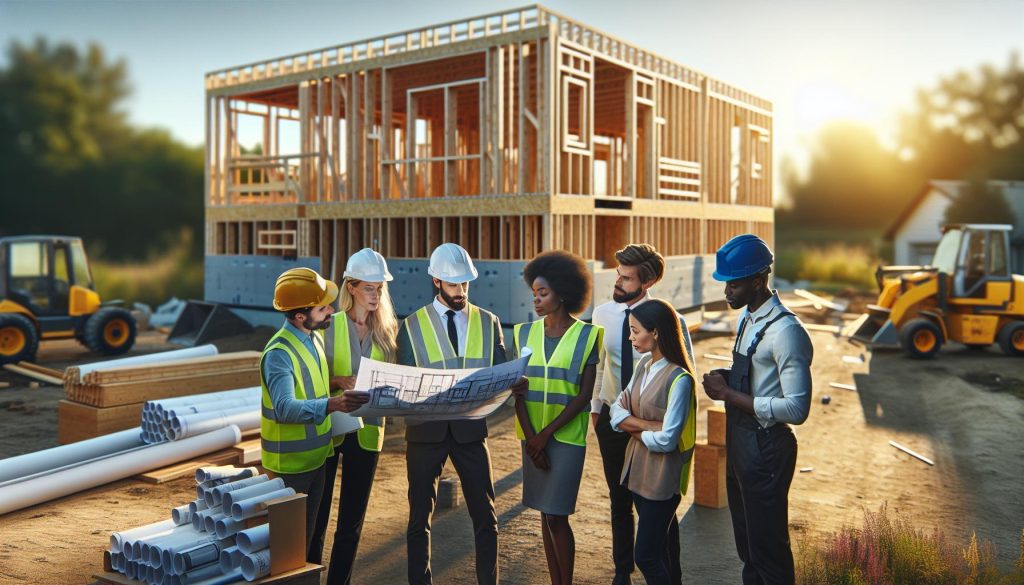
Building on-frame modular homes involves a construction process that is both systematic and efficient, differentiating it from traditional building methods. The primary essence of this approach lies in the precision of factory assembly, which leads to a more streamlined workflow and significant time savings when compared to conventional construction techniques. On-frame modular homes begin their journey at the manufacturing facility, where they are constructed under controlled conditions, allowing for optimal use of materials and minimizing wastage. This step ensures that each component is built to high standards of quality and consistency, ultimately resulting in a superior end product.
After the modular components are produced, they are transported to the designated site where they will be assembled. This is where the on-frame aspect truly comes into play. On-frame modular homes utilize a permanent foundation, meaning that the modules are built on a steel frame that is designed to be integrated with the foundation levels. This sturdy foundation enhances stability and durability, crucial for withstanding adverse weather conditions and ensuring that the home remains secure upon completion. The process of connecting the modules involves precise engineering, where sections are base-mounted and securely anchored to the prepared site.
In addition to structural assembly, installing utilities such as water, electricity, and sewage systems is also performed during this phase, ensuring that the modular home is ready for immediate habitation upon completion. Following the installation, finishing touches such as exterior siding and interior fixtures can be completed quickly, typically within a matter of weeks rather than months, as would often be the case in traditional builds.
Throughout this process, it is vital for homeowners and prospective buyers to work closely with their manufacturers and contractors to ensure that all aspects of the modular home meet their expectations and local building codes. Regular communication and inspections during the assembly phase can prevent potential issues and enhance satisfaction with the final product. This collaborative approach not only contributes to a successful build but also reinforces the practicality and viability of on-frame modular homes as a modern housing solution.
Customization Options for On-Frame Modular Homes
One of the most compelling aspects of on-frame modular homes is the extensive range of customization options available to homeowners. Unlike traditional homes, where options may be limited by builder specifications or architectural designs, on-frame modular homes offer flexibility that can cater to the unique tastes and requirements of each owner. This ability to personalize your living space enhances not only your comfort but also the functionality of your home.
Homeowners can choose from various layouts, exterior finishes, roof styles, and floor plans. Here are several customization options often available:
- Floor Plans: Owners can adjust the size and layout, including the number of bedrooms and bathrooms, open-concept designs, or designated spaces like home offices.
- Finishes: Options include selecting materials for countertops, cabinetry, flooring, and siding. Homeowners may opt for sustainable materials or premium finishes based on their budget and aesthetic preferences.
- Unique Features: Integrate special elements like skylights, decorative moldings, or energy-efficient appliances to enhance both style and utility.
- Energy Efficiency: Customizations may extend to energy-efficient installations, such as better insulation, solar panels, or smart home technology that can reduce utility costs.
- Outdoor Spaces: Homeowners can design porches, decks, or landscaping to create appealing transitions from the interior to the exterior, enhancing curb appeal and enjoyment of outdoor areas.
When considering these options, it’s crucial to collaborate closely with your modular home manufacturer to ensure that your customizations align with the structural integrity and overall design of the home. This partnership is essential, as it not only helps in achieving your vision but also ensures adherence to local building codes and regulations.
Real-world examples of customization can often be found in communities of on-frame modular homes where different owners showcase their personalized designs. These homes serve as a testament that modular living can combine flexibility with modern aesthetics, breaking the stereotype of cookie-cutter housing. With thoughtful planning and creativity, your on-frame modular home can become a true reflection of your personality and lifestyle, providing both comfort and functionality for years to come.
Financing Your On-Frame Modular Home
Securing financing for an on-frame modular home can be an instrumental step in making your purchase feasible. These homes, often considered a blend of traditional construction and factory-built efficiency, generally open up various financing avenues that are beneficial for both first-time buyers and seasoned homeowners. Unlike site-built homes, which may come with stricter lending policies, on-frame modular homes often have more flexible financing options due to their unique construction and typically lower overall costs.
When exploring financing options, prospective buyers can look into several avenues:
Types of Financing Available
- Conventional Mortgages: Many lenders offer conventional mortgages for modular homes, treating them similar to traditional homes, especially when placed on a permanent foundation. Buyers should ensure that the lender recognizes the home’s classification as a modular home.
- FHA Loans: The Federal Housing Administration (FHA) provides loans tailored for different housing types, including on-frame modular homes, making it easier for buyers with lower credit scores to access financing.
- VA Loans: For qualifying veterans or active-duty service members, VA loans can provide an appealing option with zero down payment, accessible for on-frame modular homes as long as they meet specific criteria.
- Personal Loans: Some homeowners may opt for personal loans, especially if they wish to cover part of the purchase price, customization, or associated moving costs, though these typically carry higher interest rates.
Considerations for Financing
It’s essential to keep some considerations in mind while pursuing financing. Obtaining clear appraisals and ensuring that the home meets local building codes will aid in preventing unexpected issues that could complicate financing. Additionally, working with lenders familiar with modular home purchases may allow for smoother transactions, as they better understand the unique parameters of these dwelling types.
Another key to successfully involves a thorough understanding of total costs. Beyond purchase price, factor in installation, land purchase (if applicable), utility connections, insurance, and maintenance. Having a comprehensive financial plan helps in not only securing the desired mortgage but ensuring sustainable homeownership in the long run.
With the correct approach and resources, financing an on-frame modular home can be tailored to individual financial situations and needs, paving the way towards your dream living space. Engaging with knowledgeable lenders and conducting a parallel research on available options can provide essential insights, ultimately empowering potential homeowners to make confident, informed decisions.
Legal Considerations for Modular Homes
Navigating the legal landscape of on-frame modular homes is crucial for prospective homeowners and investors alike. Unlike traditional site-built houses, modular homes are subject to specific regulations and stipulations that can affect their placement, financing, and overall ownership experience. One of the foremost considerations involves understanding local zoning laws. Different municipalities have distinct regulations regarding modular homes, often delineating where these homes can be situated and the types of foundations that are permissible.
Before purchasing an on-frame modular home, it’s essential to verify whether the property adheres to any deed restrictions, which can include Covenants, Conditions, and Restrictions (CC&Rs). These legal documents may outright prohibit modular or manufactured housing in certain neighborhoods, impacting where you can legally set up your home. Additionally, you should confirm that your modular home meets the local building codes, as these regulations can differ significantly by location and can dictate various requirements, such as insulation values, fire safety measures, and structural integrity standards.
Another key legal aspect is the classification of the home itself. On-frame modular homes, often indistinguishable from traditional homes, need to be classified correctly to avoid misrepresentation during financing and appraisal processes. Engaging with a lender that understands the nuances of modular home classifications can aid in securing financing and ensuring that you benefit from more favorable loan terms.
Potential environmental considerations also fall under legal scrutiny. Proper compliance regarding land use, drainage, and eco-regulations can safeguard not only your investment but also the environment. For example, if your modular home is located in a flood-prone area, specific building practices may be mandated to mitigate risk. Staying informed on these points can prevent legal complications and enhance your living experience in an on-frame modular home, ensuring you’re not just investing in a structure, but creating a sustainable and compliant living environment.
Maintenance Tips for On-Frame Homeowners
To ensure the longevity and comfort of your on-frame modular home, regular maintenance is crucial. These homes, built with a permanent steel chassis, share similarities with traditional homes in maintenance needs, yet they also come with unique considerations. Here are essential maintenance tips tailored specifically for on-frame homeowners.
Inspect Your Structure Regularly
Perform regular inspections of your home’s structure, specifically the skirt or underpinning that helps protect the space underneath your home. Look for signs of damage, excessive wear, or sagging, which may indicate underlying issues. It’s also wise to check the joints between the sections of your home for any signs of shifting or gaps that could lead to water ingress.
Ensure Proper Drainage
Proper drainage around your modular home is key to preventing water damage. Ensure that gutters and downspouts are functioning correctly and directing water away from the foundation. If your home is in a prone area, consider installing a drainage system to mitigate flooding risks. Maintaining the surrounding landscaping to create a slope away from the home can also help in managing water flow.
Regular HVAC Maintenance
Like any home, on-frame modular homes require ongoing HVAC care. Schedule regular inspections and change filters as recommended by the manufacturer to maintain air quality and system efficiency. Consider having your ducts cleaned every few years to prevent the buildup of dust and allergens, which is particularly beneficial in a tightly sealed structure.
Address Skirting and Insulation
Many on-frame modular homes utilize insulated skirting for temperature regulation and to prevent pests from entering. Check the skirting periodically for damages or loose sections, particularly after severe weather. Proper insulation contributes to energy efficiency, so ensure that any insulation in the walls, floors, and skirting is intact and replaces any damaged areas promptly.
Routine Appliance Checks
Given that on-frame modular homes often come equipped with various appliances, regular checks are important. Inspect water heater, dishwasher, and washing machine hoses for leaks or wear, and ensure they’re properly secured. Keeping appliances in good working order can significantly enhance your home’s overall efficiency and prevent costly repairs down the line.
Prepare for Seasonal Changes
Seasonal preparation is vital for the maintenance of any home. In colder months, winterize your home by ensuring pipes are insulated against freezing. During hurricane season, make sure you have storm tie-downs and anchoring systems in place. These proactive measures protect your home from extreme weather and enhance its stability.
Maintaining an on-frame modular home can be straightforward with a systematic approach and regular checkups. By prioritizing these tasks, homeowners can enjoy the benefits of modular living while minimizing potential issues long-term.
Environmental Benefits of On-Frame Modular Living
Embracing an on-frame modular home not only provides unique living spaces but also aligns with a more environmentally sustainable lifestyle. Unlike traditional site-built homes, on-frame modular homes are constructed in a controlled factory environment, which minimizes waste significantly. This method of building yields approximately 20-30% less waste than conventional construction, thanks to efficient material usage and precise carpentry. Moreover, any leftover materials can easily be reused within the assembly process, highlighting a commitment to reducing environmental impact.
Another major benefit is energy efficiency. On-frame modular homes are designed with high-quality insulation and often come equipped with energy-efficient appliances. This means lower energy consumption throughout the year, resulting in reduced utility bills and a smaller carbon footprint. By utilizing renewable energy sources, such as solar panels, homeowners can further enhance sustainability, contributing to a greener future. In fact, many modular homes are being built to exceed ENERGY STAR® standards, making them a responsible choice for eco-conscious buyers.
Water Conservation and Site Impact
Not only do on-frame modular homes contribute to energy savings, but they can also have a positive impact on water conservation. Many homeowners opt for water-efficient appliances which reduce overall water usage. Additionally, during the site preparation and installation phases, the environmental disturbance is minimal compared to traditional builds. This less invasive approach helps to preserve local ecosystems and reduces soil degradation, enabling a healthier environment overall.
Community Benefits
Living in an on-frame modular home can also promote sustainable community growth. By placing modular homes closer together in developments, communities can benefit from shared resources and infrastructure-leading to reduced land use and the preservation of surrounding natural areas. This approach not only creates cohesive neighborhoods but also enhances social connections among residents who share similar values regarding sustainability and responsible living.
Ultimately, choosing an on-frame modular home aligns your living space with a commitment to environmental stewardship. Homeowners can enjoy modern conveniences while contributing to a more sustainable planet, making it a substantial choice for those looking to live harmoniously with their surroundings.
Navigating the Buying Process for Modular Homes
Navigating the process of purchasing an on-frame modular home can feel overwhelming, but understanding each step can empower you to make informed decisions. On-frame modular homes, built in a factory and transported to a site, offer a modern approach to housing with unique benefits. As a potential buyer, knowing what to look for and anticipate can ease your journey.
Start by researching reputable manufacturers. Look for companies that specialize in on-frame modular homes and have a history of positive customer feedback. Websites, online reviews, and local housing fairs can serve as excellent resources. Once you have a shortlist, it’s crucial to visit model homes or completed projects to experience the quality and design firsthand. This not only helps you understand the space but also gives you a feel for the craftsmanship involved.
Financing is a key aspect of the buying process. Many banks and financial institutions offer loans specifically tailored for modular homes, but you might encounter nuances that differ from traditional home financing. Be prepared to discuss details like land ownership, foundation requirements, and installation costs with your lender. It’s advisable to get pre-approved for financing before you begin making offers, as this can strengthen your position when negotiating with manufacturers or dealers.
Understanding local zoning laws is also essential. Zoning ordinances can dictate where you can place a modular home and what permits are needed. Engaging with local building authorities will ensure you adhere to regulations, avoiding potential headaches down the road. Additionally, familiarize yourself with community standards and homeowners’ associations (if applicable), as these can impact both your living experience and resale potential.
Finally, once you’ve selected your home, pay close attention to contract details. Ensure that all aspects of the purchase, including delivery dates, warranties, and any customization options, are clearly outlined. Don’t hesitate to ask questions or seek clarification on sections of the agreement you don’t understand. This diligence will safeguard your investment and enhance your overall satisfaction with the buying experience. By arming yourself with knowledge about modular home specifics and the associated complexities, you can navigate the buying journey with confidence and assurance.
Q&A
Q: What are the key benefits of choosing an on-frame modular home?
A: On-frame modular homes offer several advantages, including faster construction times, customizable designs, and improved energy efficiency. They are built in controlled environments, which reduces exposure to weather-related delays, ensuring a more reliable build quality.
Q: How does the construction process of an on-frame modular home differ from traditional homes?
A: The construction process for an on-frame modular home involves prefabrication in a factory, followed by on-site assembly. This differs from traditional homes, which are constructed entirely on-site and are often subject to variations in weather and material availability.
Q: Are on-frame modular homes a good investment?
A: Yes, on-frame modular homes can be a great investment. They often appreciate in value similar to traditional homes and typically require less maintenance. Additionally, their energy-efficient designs can lead to lower utility costs, enhancing long-term savings.
Q: What customization options are available for on-frame modular homes?
A: On-frame modular homes provide various customization options, such as floor plans, exterior finishes, and interior layouts. Homeowners can personalize features like kitchen designs, bathroom configurations, and energy-efficient appliances to suit their lifestyles.
Q: What financing options are available for buying an on-frame modular home?
A: Financing options for on-frame modular homes include traditional mortgages, FHA loans, and personal loans. It’s crucial to research different lenders who specialize in modular homes to find the best rates and terms for your financial situation.
Q: How do on-frame modular homes perform in terms of energy efficiency?
A: On-frame modular homes typically excel in energy efficiency due to their factory-controlled construction, which minimizes air leaks and enhances insulation. Many include energy-efficient appliances and systems that can further reduce energy consumption and costs.
Q: What legal considerations should I be aware of when purchasing an on-frame modular home?
A: When buying an on-frame modular home, consider zoning laws, building codes, and property regulations in your area. Additionally, understanding the legal distinctions between modular and manufactured homes is important for financing and insurance purposes.
Q: What maintenance tips should homeowners follow for on-frame modular homes?
A: Regular maintenance for on-frame modular homes includes checking for water leaks, maintaining proper ventilation, and inspecting the foundation and roof. Performing seasonal checks can help prevent larger issues and ensure long-lasting durability of your home.
The Way Forward
Understanding the on-frame modular home offers significant advantages in achieving your housing goals. With the unique blend of customization, durability, and efficiency discussed, it’s clear this is a formidable option whether you’re a prospective buyer or an investor. Don’t miss the chance to explore our related articles on financing options and maintenance strategies for modular homes-these resources can further enhance your journey.
Ready to take the next steps? Subscribe to our newsletter for exclusive tips and insights on mobile home ownership or reach out for a consultation on your housing needs. Remember, your dream home is just a choice away, and embracing the benefits of on-frame modular living could be your best decision yet. Share your thoughts or questions in the comments below; we’d love to hear from you!