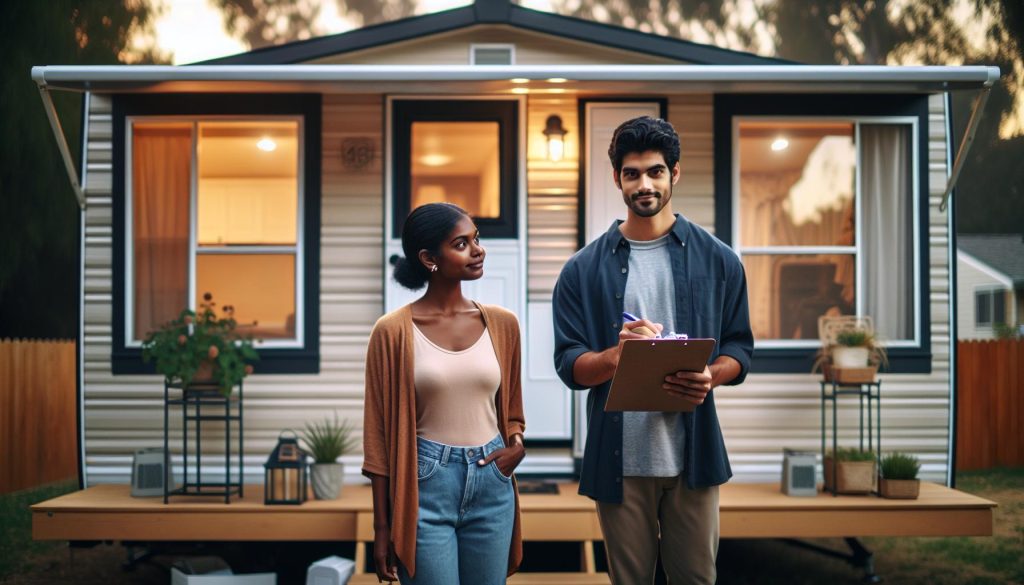
Buying a trailer home can be an exciting and affordable pathway to homeownership that many first-time buyers overlook. With the rising costs of traditional housing, mobile homes present a practical alternative, offering flexibility and investment potential. In this guide, we’ll walk you through everything you need to know-from determining your budget and choosing the right location to understanding financing options and property maintenance. Whether you’re seeking a cozy retreat or a long-term residence, the knowledge you gain here will empower you to make informed decisions. Dive into the ins and outs of purchasing a trailer home, and discover how to turn this unique housing choice into a rewarding experience tailored to your lifestyle and goals.
Understanding the Types of Trailer Homes
Understanding the diverse types of trailer homes is essential for first-time buyers looking to make informed choices. Trailer homes, commonly referred to as mobile or manufactured homes, come in various styles and configurations, each offering unique benefits and considerations. The primary categories include single-section homes, double-section homes (also known as double-wides), and modular homes-each differing in size, layout, and structural capability.
Types of Trailer Homes
- Single-Section Homes: Typically measuring up to 1000 square feet, these homes are compact and designed to be easily transported. They are generally more affordable and ideal for those seeking a simpler living arrangement.
- Double-Section Homes: These homes provide more living space, often exceeding 1,200 square feet, and feature two sections that are joined on-site. They offer a more traditional house feel and often have additional amenities.
- Modular Homes: While usually classified under manufactured housing, modular homes are built to state or local building codes rather than federal standards. They offer customization and often include higher-quality materials, making them more comparable to traditional site-built homes.
- Park Models: Designed for temporary or recreational use, these smaller units prioritize function over space and are often found in RV parks or holiday communities.
Assessing which type of trailer home aligns with your lifestyle and budget is crucial. Consider factors such as intended use, space requirements, and the local zoning laws that may impact where you can place your home. Each type of trailer home brings its own set of advantages that cater to different needs, from cost efficiency to more spacious living options. By understanding these differences, you can choose the right home that fits your preferences and life stage.
Key Considerations Before Buying a Trailer Home

Deciding to purchase a trailer home can be both an exciting and daunting journey. With the flexibility of mobile living combined with relatively affordable pricing, it’s no wonder that many people are considering this option. However, before diving into the world of mobile homes, there are several essential considerations to ensure that this choice aligns with your long-term goals, financial situation, and lifestyle.
First and foremost, it’s crucial to establish your budget. This includes not just the purchase price of the trailer home, but also ongoing costs such as lot rent, utilities, insurance, and maintenance. Understanding your financial parameters will help you narrow down your options without overextending yourself. Additionally, consider whether you’re looking for a new or used unit; while new homes may come with modern features and warranties, used homes can offer significant savings.
Another important factor is the location of the trailer home. Local zoning laws dictate where manufactured homes can be placed, so make sure you’re aware of these regulations. Whether you intend to live in a mobile home community or on your own land, the location can greatly affect both your living experience and your home’s resale value. Furthermore, visit the site to assess its accessibility, amenities, and the surrounding community; this can ensure that it fits your lifestyle needs.
Finally, think about future resale value. Trailer homes can depreciate much like cars, so it’s wise to consider how market trends may influence their value over time. Look at comparable sales in the area, the home’s condition, and any improvements you might make that could enhance its appeal. By thoughtfully assessing these key aspects, you’ll be better equipped to make an informed decision that ensures your mobile home investment is a rewarding experience.
Navigating Financing Options for First-Time Buyers

Navigating the financial landscape of purchasing a trailer home can feel overwhelming, especially for first-time buyers. As you embark on this journey, understanding the various financing options available is crucial to making a well-informed decision. Unlike traditional homes, manufactured and mobile homes often have unique financing requirements and possibilities that you should be well acquainted with.
When considering a trailer home, the method of financing will largely depend on whether you are purchasing the home alone or along with the land. Chattel loans are often the go-to option for purchasing just the home, secured by the home itself rather than the land it sits on. These loans typically have higher interest rates and shorter terms compared to traditional mortgages. Conversely, if you’re buying the home as part of a property purchase, a conventional mortgage may be available, often resulting in more favorable terms and interest rates.
Before making a commitment, it’s vital to shop around for the best rates and terms. Many banks, credit unions, and specialized lenders offer tailored financing for manufactured homes. For instance, Fannie Mae provides conventional financing options tailored for various types of manufactured homes, enabling more families to find affordable housing solutions [3]. Understanding your credit score and how it impacts the interest rates available to you is also essential. Generally, a higher credit score will help you secure better loan terms, while lower scores may limit your options.
Here’s a simplified checklist to guide your financing process:
- Assess Your Budget: Calculate all potential costs, including monthly payments, insurance, and property fees.
- Research Lenders: Look for lenders who specialize in manufactured homes for better rates.
- Gather Documentation: Be prepared with necessary documents such as income verification, credit history, and employment details.
- Understand the Loan Types: Familiarize yourself with the differences between chattel loans, conventional mortgages, and any governmental loan options.
Ultimately, securing the right financing will empower you to make a confident purchase, paving the way for successful mobile home ownership. By being proactive and informed, you position yourself favorably in this unique housing market, ensuring your new living arrangement aligns with your lifestyle and financial goals.
Essential Checklist for Inspecting Trailer Homes
Purchasing a trailer home can be an exciting prospect, yet it comes with the responsibility of thorough inspection. A detailed examination of the property not only strengthens your negotiating position but also ensures you are making a sound investment. When entering a trailer home for the first time, your senses are crucial: look, listen, and feel to assess the home’s condition. Here’s a comprehensive checklist to guide you through the inspection process, ensuring that you cover all critical areas.
Exterior Inspection
Begin by examining the exterior of the trailer home. Look for visible signs of damage, such as:
- Roof Condition: Check for missing shingles, leaks, or sagging. A well-maintained roof is essential for preventing water damage.
- Siding Integrity: Look for cracks, peeling paint, or any signs of rot in the siding. This can indicate larger issues with moisture that may have penetrated.
- Foundation and Anchoring: Inspect the foundation for stability. Ensure the trailer is properly anchored to withstand wind and weather, particularly in hurricane-prone areas.
- Windows and Doors: Open and close all windows and doors to check for functionality. Look for gaps that may indicate poor sealing or insulation.
Interior Inspection
Once inside, address the following areas methodically:
- Plumbing: Turn on faucets and check for leaks, low water pressure, or discoloration in the water. Inspect under sinks to ensure no damage or mold growth is present.
- Electrical Systems: Test all light switches and outlets. Check the breaker box for any signs of corrosion or damage, which may indicate electrical issues.
- Heating and Cooling: Examine the heating and air conditioning units. Confirm they function properly and that filters are clean. This ensures comfort and efficiency.
- Walls and Floors: Look for marks, cracks, or bulging, which may signal underlying structural issues. Check flooring for softness or water stains that might indicate hidden damage.
Additional Considerations
Beyond the basics, engaging with the home’s surroundings can provide significant insights:
- Lot Condition: Evaluate the property on which the trailer is situated. Are there proper drainage systems in place to avoid water accumulation?
- Noise Assessment: Spend some time visiting the trailer during different times of day to gauge noise levels from nearby roads or neighbors.
- Community Rules: If the home is located within a park, review the rules and regulations, as these can impact your living experience significantly.
By following this comprehensive checklist, you empower yourself to make a well-informed decision regarding the purchase of a trailer home. Taking the time for a meticulous inspection not only enhances your confidence but ultimately contributes to a rewarding home ownership experience.
Understanding Legal Requirements for Ownership
When it comes to owning a trailer home, understanding the legal landscape is crucial to ensuring a smooth ownership experience. Ownership rights and responsibilities can vary significantly based on whether your mobile home is classified as a vehicle or real property. Typically, if the home remains on a rented lot or a mobile home park, it may be treated as personal property, which affects title, taxes, and financing options. Conversely, if the trailer home is placed on a permanent foundation, it may be considered real estate, necessitating a different set of legal considerations.
One of the first steps to legally owning a mobile home is obtaining the appropriate title. In most states, a mobile home title must be registered with the state’s Department of Motor Vehicles (DMV), just like any other vehicle. This involves completing necessary paperwork, paying fees, and possibly providing proof of ownership, such as a bill of sale or prior title. It’s important to note that some states, like Tennessee, allow mobile home owners to reissue a canceled title through their local county clerk[1].
Additionally, understanding local regulations regarding zoning and land use is vital. Many communities have specific zoning laws that govern where and how mobile homes can be positioned. Before making any purchase, check with your local government or zoning office. You might also encounter homeowners’ association (HOA) regulations if your trailer home is located within a community that has an association. These regulations can dictate everything from exterior appearance to permissible modifications.
Lastly, ensuring compliance with building codes and safety regulations is paramount, especially if you intend to make renovations. Familiarize yourself with local building codes that apply to mobile homes, as they can dictate standards for electrical systems, plumbing, and structural modifications. By navigating these legal requirements effectively, you minimize potential headaches in the future and lay a solid foundation for your new home.
Setting Up Your New Trailer Home: A Step-by-Step Guide
Establishing your trailer home is a crucial step that sets the tone for your living experience. Getting it right from the start can enhance comfort, safety, and even the long-term value of your home. Here’s a straightforward guide to help you through the process of setting up your new trailer home effectively.
Step 1: Site Preparation
Before your trailer arrives, ensure that the site is properly prepared. This includes clearing the area of any debris, leveling the ground, and providing adequate drainage to prevent flooding. The surface should be stable enough to support the weight of the home, so consider hiring a professional to assess the site and make recommendations as needed.
Step 2: Leveling the Home
Once the trailer is delivered, the first physical task is leveling it. This is a critical phase as an unlevel home can lead to structural issues and equipment malfunctions. You can use a leveling system or hire professionals who specialize in mobile home setup. Check the manufacturer’s guidelines for specific leveling instructions and tools required. Typically, you’ll need to:
- Install leveling blocks under each corner of the home.
- Utilize a level to ensure that the home is even.
- Make necessary adjustments and recheck until everything is perfectly balanced.
Step 3: Anchoring the Home
Proper anchoring is vital to secure your trailer, especially if you live in areas prone to severe weather. Installing tie-downs helps prevent the home from shifting or becoming airborne during storms. Most manufacturers will provide guidelines on how to anchor the home to meet local regulations.
Step 4: Utility Connections
Connecting your utilities is a fundamental part of setting up your trailer home. This includes water supply, sewer connections, electricity, and gas (if applicable). Always consult with local service providers to ensure proper installation and compliance with local codes. If you are not experienced in plumbing or electrical work, hiring licensed professionals will save you time and ensure everything is set up safely and correctly.
Step 5: Interior Setup
After the major structural and utility tasks are complete, it’s time to focus on the interior. Begin with your kitchen and bathroom planning, as these areas will often require the most attention. Arrange your furniture with spatial efficiency in mind, considering both functionality and comfort. Decorate to your taste while keeping an eye on space utilization, maximizing your investment in decor and furniture.
Each step in the setup process plays a vital role in ensuring the longevity and livability of your trailer home. By taking the time to plan thoroughly and execute each stage with care, you create an environment that feels not only like a house but a true home.
Maintenance Tips to Keep Your Trailer Home in Top Shape
Maintaining a trailer home is essential for preserving its value and ensuring a comfortable living environment. Regular upkeep helps prevent costly repairs and enhances the longevity of your investment. One essential aspect is to conduct seasonal inspections, particularly before and after extreme weather. Checking for leaks or damage around windows, plumbing fixtures, and the roof can save you from major issues down the line. Make it a habit to inspect the flashing around vents and corners, as damaged or corroded flashing can lead to leaks and water damage.
Another vital maintenance practice involves your trailer home’s HVAC system. Regular filter changes and system checks are crucial to ensuring air quality and energy efficiency. During the heating and cooling seasons, inspect ductwork for blockages and consider scheduling annual professional maintenance to optimize performance. Likewise, if your home has a skirting system, check it periodically for gaps or damage that might expose plumbing to the elements-this can prevent freezing and bursting pipes during the winter.
Exterior maintenance is equally important. Keeping the exterior clean not only improves aesthetics but can extend the life of your trailer. Regularly wash the siding, clear away debris from the roof and gutters, and inspect the foundation for signs of settling or cracks. Depending on the material of your home, consider resealing or painting every few years to protect against the elements.
In addition to routine tasks, stay informed about seasonal preparations specific to your area. For instance, if you’re in a hurricane-prone zone, ensure you have a reliable evacuation plan and that your tie-downs are properly installed and up to code. Creating a maintenance schedule tailored to your trailer home will help you systematically cover all necessary tasks, allowing you to enjoy worry-free living in your mobile home.
Insurance Options for Trailer Home Owners
Obtaining the right insurance for your trailer home is a crucial step in safeguarding your investment and ensuring peace of mind. Unlike traditional home insurance, mobile home insurance is tailored to address the unique features and risks associated with manufactured housing. Many insurance providers offer specialized policies that cover various aspects of mobile home ownership, from physical damage to liability coverage.
Types of Coverage
When exploring insurance options, consider the following types of coverage commonly available for trailer homes:
- Dwelling Coverage: Protects the structure of your home against perils such as fire, theft, or wind damage.
- Personal Property Coverage: Covers your belongings within the home, including furniture and appliances.
- Liability Coverage: Provides protection against legal claims for injuries or damages occurring on your property.
- Additional Living Expenses: Covers costs for temporary housing if your mobile home becomes uninhabitable due to a covered event.
Additionally, many insurers offer optional coverages, such as flood insurance or replacement cost coverage, which can help you rebuild or replace your home to its original value after a loss.
Choosing a Policy
When selecting an insurance provider, assess the following factors:
- Reputation: Research customer reviews and ratings to choose a reputable insurer known for quality service.
- Coverage Limits: Ensure your policy offers adequate limits based on your home’s value and personal property.
- Deductibles: Understand the deductibles involved and how they affect your premium and out-of-pocket costs.
- Bundling Options: Some companies offer discounts if you bundle your mobile home insurance with other types of insurance, such as auto insurance.
Cost Considerations
The cost of mobile home insurance can range significantly depending on factors such as location, the age of the home, the coverage options chosen, and your claims history. Typically, premiums may range from $300 to over $1,000 annually. It’s advisable to obtain quotes from multiple insurers and compare the coverage options thoroughly to find the best value for your needs.
By taking the time to understand your insurance options and choosing the right policy, you can protect your trailer home and enjoy your living space with confidence. From natural disasters to unexpected accidents, appropriate insurance can offer the financial reassurance needed for a comfortable living experience.
Enhancing Your Trailer Home: Renovation Ideas
Many trailer home owners envision not just a place to live, but a canvas for personal expression and improvement. Renovating a trailer home can enhance comfort, increase property value, and create a truly unique living space. Whether you’re a new owner or looking to update your existing home, there are various opportunities to breathe new life into every corner of your trailer.
One effective way to enhance your mobile home is by focusing on the interior. Open-plan layouts can make smaller spaces feel larger and more inviting. You might consider removing non-structural walls to create a seamless flow between the kitchen and living areas. Upgrading kitchen cabinetry with fresh paint or new hardware can completely transform the look without breaking the bank. Adding modern fixtures, like pendant lights or upgraded faucets, can also significantly modernize your kitchen and bathrooms.
Don’t forget about the exterior! Improving curb appeal is vital, and simple changes can make a big difference. Repainting the siding in a fresh color or adding decorative elements such as window boxes can enhance the façade. Install a deck or patio to increase outdoor living space, creating an ideal spot for relaxation or entertaining. Landscaping with native plants will not only beautify your property but also increase value while being easier to maintain.
While making renovations, it’s important to consider both aesthetics and practical enhancements. For instance, insulating your mobile home can improve energy efficiency and comfort. Additionally, consider upgrading the HVAC system if it’s outdated to ensure better climate control. Investing in energy-efficient windows can also help lower utility costs over time while offering a fresh appearance.
By thinking creatively about renovations, you can transform your trailer home into a personalized and functional space that reflects your style and enhances your living experience. Whether you’re tackling small updates or larger renovations, each effort contributes to making your mobile home a true home.
Hurricane Preparedness: Securing Your Mobile Home
When it comes to securing your mobile home against hurricanes, proactive measures are not just advisable-they are essential. Mobile homes are particularly vulnerable during severe weather events due to their lightweight structure and design. Ensuring your home is prepared for such circumstances can make a significant difference in safety and property preservation.
Key Steps for Hurricane Preparedness
Here are vital steps to take that will help secure your mobile home before hurricane season hits:
- Strengthen Tie-Downs: Ensure that your home is securely anchored to its foundation. Check and reinforce tie-downs according to local building codes, which can help prevent the home from being lifted by strong winds.
- Reinforce Entry Points: Secure all doors, windows, and vents. Installing storm shutters or securing plywood can offer extra protection against flying debris.
- Trim Trees and Clear Debris: Regularly clear your property of any loose items that could become projectiles. Also, trim back tree limbs that are close to your mobile home to prevent damage from falling branches.
- Secure Outdoor Items: Bring in or securely fasten outdoor furniture, tools, and other items that could be picked up by wind and cause harm.
During a Hurricane Warning
It’s crucial to act swiftly when a hurricane warning is issued. Be prepared to evacuate if advised-a mobile home is not a safe shelter during severe weather. Have a readiness plan for where to go, ensuring it includes a safe destination away from potential flooding or high winds.
Furthermore, you should check your home’s structure before the season starts. Inspect the roof for any leaks or weak spots that could worsen during storms. Consider investing in a more hurricane-resistant roofing material for the long term.
With the right preparations, you can safeguard your mobile home and help ensure the safety of your loved ones during hurricane season. Taking these steps may not only minimize damage but could ultimately save lives. Building a proactive approach toward hurricane preparedness reflects a responsible and informed mindset crucial for mobile home living.
Valuing Your Trailer Home: What You Need to Know
Understanding the market value of trailer homes is crucial for both first-time buyers and current owners looking to sell. Unlike traditional homes, the resale value of manufactured homes can fluctuate significantly based on various factors, including age, condition, location, and the current market trends. For newcomers, getting a grasp on how these elements affect value can make a meaningful difference in investment decisions.
There are specific criteria to consider when determining the worth of a trailer home. Age is one of the most influential factors; newer models typically retain higher values than older ones, especially those built to current building codes and safety standards. Location also plays a critical role; homes situated in desirable communities or near essential amenities like schools and shopping centers generally command higher prices. Additionally, improvements and renovations-such as upgraded kitchens or enhanced energy efficiency-can increase a home’s value significantly.
To assist you in valuing your trailer home accurately, consider getting a professional appraisal or using services like J.D. Power’s online value report, which provides insights based on current market data and trends [1[1][2[2]. Researching recent sales of similar homes in your area can also provide a real-world benchmark, ensuring your pricing aligns with current market conditions.
Finally, keeping your trailer home well-maintained contributes significantly to its value retention. Regular upkeep, including repairs, landscaping, and ensuring compliance with local regulations, helps preserve your investment and may even boost its resale price when the time comes to sell. Being proactive in these areas not only enhances your living experience but also positions your home favorably within the market.
Comprehensive Guide to Utility Setup for Trailer Homes
Setting up utilities in a trailer home is a pivotal step that ensures comfort and functionality in your new living space. Understanding how to navigate this process can eliminate potential headaches and guarantee that the essential systems-electricity, water, and sewage-are properly established. Each utility setup involves detailed considerations, which can vary based on the trailer’s design, location, and local regulations.
To start, you’ll need to check your local ordinances regarding utility services and whether any permits are required for installation. It’s essential to contact the local utility companies as soon as possible. They will inform you about the procedures for connecting services, potential costs, and the types of documentation you will need to provide. Here’s a brief overview of how to set up the main utilities in your trailer home:
Electricity
- Contact the Local Electric Company: They will guide you through the application process and any necessary inspections. You may need to provide proof of residence, such as the location of the trailer and its specifics.
- Circuit Panel Setup: Once connected, ensure that your circuit panel is adequate for the trailer’s electrical needs. Upgrading it may be necessary to support additional appliances or devices.
- Safety Inspections: It’s advisable to have a licensed electrician inspect your electrical system to ensure it meets safety standards.
Water and Sewer
- Water Connection: Determine if your trailer will be connected to local water services or if you’ll need a well. If connecting to municipal services, follow the local water authority’s procedures.
- Sewage Requirements: Check if your area requires connection to a municipal sewage system or if you need a septic tank. Any necessary permits should be obtained prior to installation.
- Regular Maintenance: Always ensure that plumbing is maintained and repaired as needed to avoid leaks or damage.
Gas Services
If your trailer uses gas, usually for heating or cooking, contact your local gas company for setup and safety checks. They will provide installation guidance, including safe placement of tanks, if applicable.
Ensuring that all your utilities are properly set up creates a solid foundation for your trailer home lifestyle. Proper preparations enable you to focus on creating a comfortable and inviting home. With careful planning and adherence to local regulations, you’ll enjoy the benefits of your new living space without complications. If you encounter any issues, don’t hesitate to reach out to professionals for help; their expertise can be invaluable when navigating the specific nuances of utility setups.
Q&A
Q: What is the first step to buying a trailer home?
A: The first step to buying a trailer home is to determine your budget. This includes assessing your financial situation and accounting for additional costs such as land, insurance, and utilities. Consider contacting a financial advisor for personalized guidance and explore financing options available for trailer home purchases.
Q: How can I find a reputable dealer for trailer homes?
A: To find a reputable dealer for trailer homes, research online reviews and local listings, and ask for recommendations from friends or family. Visit local manufactured home shows or communities to meet dealers and view available models. Ensure the dealer is licensed and has a good reputation in the marketplace.
Q: What are the essential features to look for in a trailer home?
A: Essential features to look for in a trailer home include the size and layout, quality of construction materials, insulation ratings, and energy efficiency features. Additionally, consider the number of bedrooms and bathrooms, kitchen appliances, and storage space based on your lifestyle needs.
Q: How does trailer home financing differ from traditional home financing?
A: Trailer home financing often differs from traditional home financing because it may require personal loans or specialized loans rather than conventional mortgages. Options like FHA loans, VA loans, or personal loans are commonly used. It’s important to research specific lender requirements and terms for trailer homes.
Q: What should I include in a trailer home inspection checklist?
A: A trailer home inspection checklist should include checking the roof for leaks, inspecting the plumbing and electrical systems, reviewing structural integrity, and ensuring proper insulation. Pay attention to HVAC systems, the condition of appliances, and the overall cleanliness and maintenance of the home.
Q: Are there specific legal requirements for owning a trailer home?
A: Yes, there are specific legal requirements for owning a trailer home, which can vary by state and local regulations. This may include zoning laws, land-use permits, and registration with local authorities. It’s essential to consult local government offices to comply with all legal obligations.
Q: How can I improve the energy efficiency of my trailer home?
A: To improve the energy efficiency of your trailer home, consider adding insulation, sealing leaks around doors and windows, and upgrading to energy-efficient appliances and HVAC systems. Installing programmable thermostats and using energy-efficient lighting can also reduce energy consumption.
Q: What maintenance tasks should I regularly perform on my trailer home?
A: Regular maintenance tasks for your trailer home include checking and cleaning gutters, inspecting the roof for damage, servicing the HVAC system, sealing cracks, and checking plumbing for leaks. Regularly mowing the yard and maintaining exterior paint are also important to preserve the home’s condition.
In Conclusion
Congratulations on taking the first step toward owning your own trailer home! With the knowledge you’ve gained from our guide, you’ll be well-equipped to make informed decisions that fit your lifestyle and budget. Remember, whether you’re considering financing options or preparing for maintenance tasks, thorough preparation will enhance your mobile home experience. For further insights, check out our detailed articles on maintenance tips and financing strategies to ensure you’re fully prepared for your new journey.
Don’t wait-start exploring listings or connect with local experts today to find your perfect trailer home! If you have any lingering questions or want to share your experiences, feel free to leave a comment below. Join our community and subscribe to our newsletter for ongoing tips and resources tailored to mobile home living. Embrace this unique housing opportunity with confidence; your new home awaits!