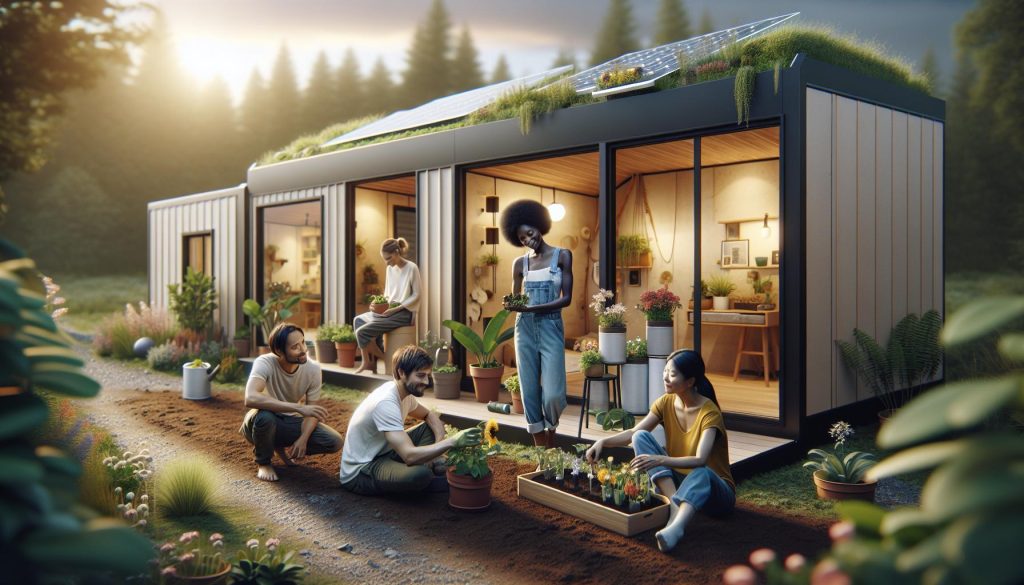
In an era where sustainability has become a vital concern, modular homes are emerging as a beacon of eco-friendliness in the housing sector. Unlike traditional construction methods, modular homes are built off-site in controlled environments, significantly reducing waste and minimizing the carbon footprint associated with on-site building. This innovative approach not only addresses growing environmental concerns but also aligns with the desires of modern homeowners seeking smarter, greener living options. As the impact of climate change continues to influence our lives, understanding the environmental implications of modular homes is more essential than ever. Dive into this exploration of eco-friendly facts surrounding modular construction, and discover how these homes can be a proactive choice for a sustainable future, marrying style, savings, and environmental responsibility.
Environmental Benefits of Modular Homes
Building homes that are not only affordable but also environmentally friendly is becoming increasingly feasible, thanks in large part to the rise of modular homes. These homes are constructed in a factory setting, allowing for greater efficiency and reduced energy consumption throughout the building process. In fact, modular construction can produce less waste and utilizes fewer materials compared to traditional on-site building methods, leading to a lower overall environmental impact.
The extend beyond the construction phase. Because these homes are often designed with energy efficiency in mind, they frequently incorporate effective insulation, energy-efficient windows, and advanced HVAC systems. As a result, modular homes can significantly lower energy consumption, reducing both utility costs and the carbon footprint of homeowners. For instance, many modular houses exceed standard energy requirements and often qualify for various energy efficiency credits, making them both a sustainable and cost-effective choice.
Another significant advantage lies in their adaptability to different environments. Modular homes can be designed to fit specific geographical or climatic conditions, which means they can be more resilient against natural disasters while minimizing disruption to the natural landscape. This adaptability not only promotes a sustainable approach to land use but also fosters community resilience, making modular homes a smart option for the future. By choosing modular housing, homeowners embrace a lifestyle that aligns with eco-friendly values, showcasing that sustainable living is accessible and practical.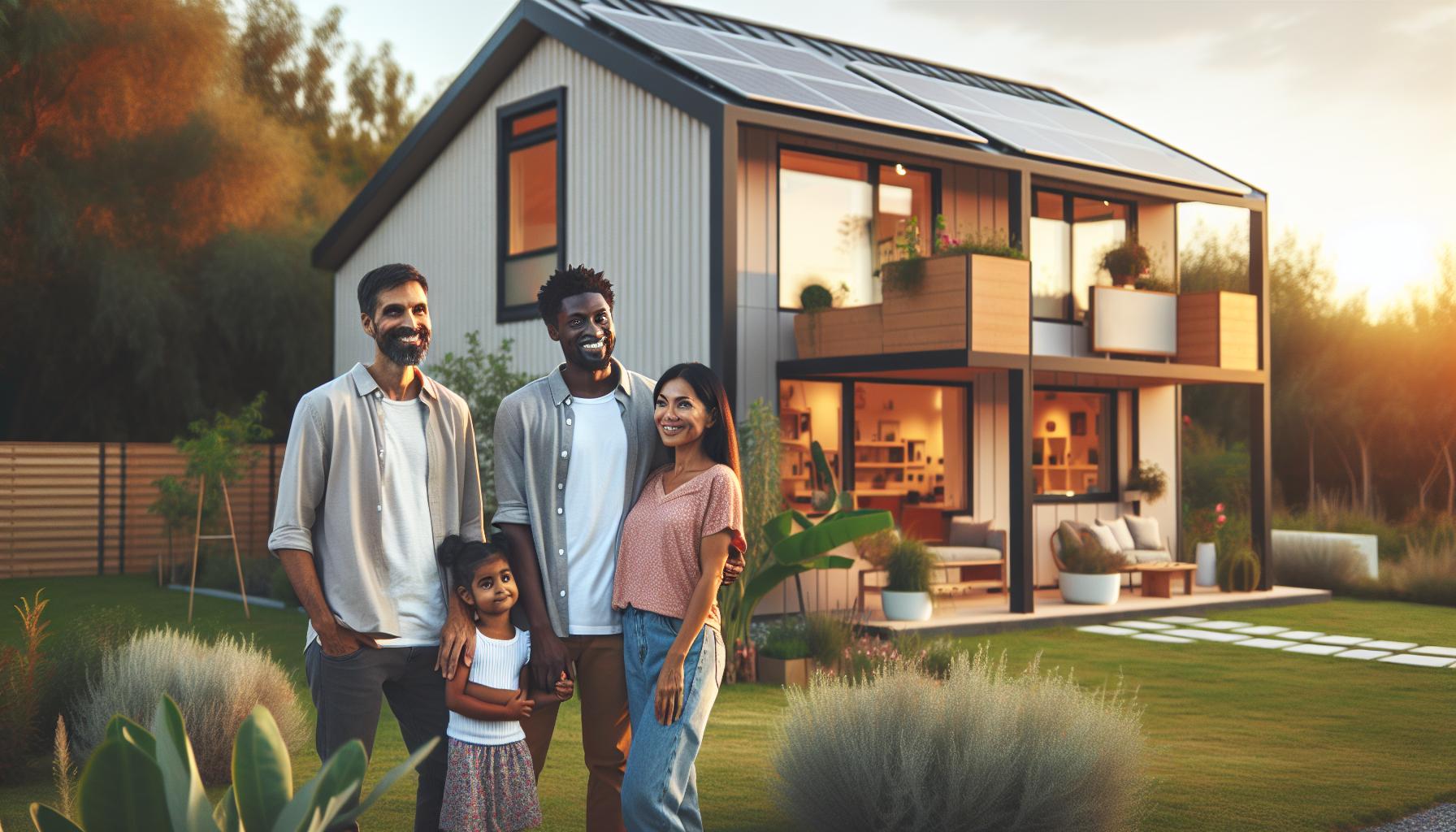
Energy Efficiency: How Modular Homes Compare
Many homeowners are increasingly turning to modular homes as a solution to both affordability and energy efficiency. Compared to traditional houses, modular homes demonstrate remarkable advantages in their energy consumption profiles and ecological footprint. For instance, the construction of modular homes typically occurs in controlled factory environments, enabling meticulous management of materials and resources. This environment reduces the risk of waste and allows builders to implement energy-saving technologies more effectively, thus enhancing energy efficiency from the very beginning of the construction process.
Modular homes are frequently built with state-of-the-art insulation, energy-efficient windows, and advanced heating, ventilation, and air conditioning (HVAC) systems. These features collectively contribute to a significantly lower energy consumption rate when compared to traditionally built homes. Many modular houses not only meet but exceed standard energy efficiency guidelines, often earning certifications such as Energy Star or even LEED. This level of energy efficiency can lead to substantial cost savings on utility bills, making modular homes an economically viable option for eco-conscious buyers.
Moreover, the adaptability of modular designs to various geographical and climatic conditions further amplifies their energy efficiency. Builders can customize homes based on local weather patterns and environmental challenges, such as extreme heat, cold, or natural disasters. This customization not only enhances the home’s resilience but also minimizes reliance on energy-intensive heating and cooling systems.
In summary, the energy efficiency of modular homes stands out as a compelling factor in their environmental benefits. By choosing a modular home, homeowners are not just opting for a sustainable option but are also investing in a lifestyle that reduces their energy costs and environmental impact while benefiting from cutting-edge technologies in home construction.
Material Sourcing and Sustainability Practices
The construction of modular homes not only prioritizes efficiency but also emphasizes the importance of sustainable material sourcing. By leveraging innovative manufacturing techniques, modular builders can significantly reduce the environmental impact associated with traditional home construction methods. In a factory setting, builders have the capability to select sustainable materials that meet stringent ecological standards, ensuring that each component-from framing to insulation-is as eco-friendly as possible.
One of the key advantages of modular home construction is its ability to utilize materials sourced from renewable resources. For instance, many manufacturers prioritize using reclaimed wood and sustainably harvested materials, which not only reduces deforestation but also minimizes waste. These sustainable practices are often coupled with certifications from organizations such as the Forest Stewardship Council (FSC), ensuring that the materials used are responsibly sourced. Additionally, modular homes frequently incorporate recycled materials, such as metal and glass, which further contribute to a reduction in landfill waste.
Best Practices in Material Sourcing
To truly maximize sustainability in modular home construction, builders employ several best practices in material sourcing:
- Local Procurement: Sourcing materials locally reduces transportation emissions and supports regional economies.
- Low-VOC Products: Choosing paints, adhesives, and finishes with low volatile organic compounds (VOCs) improves indoor air quality.
- Durable Materials: Selecting materials that require less frequent replacement or maintenance leads to longer-lasting structures with a reduced life cycle impact.
Moreover, by constructing homes in a controlled environment, manufacturers can optimize material use and drastically reduce waste. Traditional construction often results in significant off-cuts and excess materials, but modular construction can precisely cut pieces to size before they ever reach the site. This efficiency not only conserves resources but also leads to substantial cost savings, ultimately making sustainable living more accessible for homebuyers.
In conclusion, the commitment to sustainability in material sourcing is a cornerstone of the modular home industry’s shift towards eco-friendly practices. By choosing a modular home, buyers are not just investing in stylish and modern living spaces; they are also supporting a construction method that prioritizes the planet, demonstrating that sustainable living can harmoniously blend with contemporary design and affordability.
Waste Management in Modular Home Construction
The construction of modular homes offers significant advantages in waste management, distinguishing it from traditional building methods. In contrast to conventional construction, where job sites often become cluttered with excess materials and debris, modular construction minimizes waste through streamlined processes and factory settings. By fabricating components in a controlled environment, manufacturers can employ precision cutting techniques, ensuring that each piece is crafted to the exact dimensions needed. This approach drastically reduces off-cuts and minimizes the surplus of raw materials that would typically end up in landfills.
Moreover, modular construction practices include rigorous recycling protocols and responsible disposal of any byproducts generated during the manufacturing process. Many builders are committed to reusing and recycling materials whenever possible, and as a result, only a fraction of excess material goes to waste. For instance, components such as steel, plastics, and wood can be repurposed for future projects, drastically reducing overall waste generation.
Innovative Approaches to Waste Reduction
The modular industry employs several innovative strategies to further enhance waste management:
- Prefabrication: By designing complete modules in advance, builders can anticipate and minimize material use, ensuring that each piece is needed and will be used efficiently.
- Material Efficiency Master Plans: Builders frequently use advanced modeling technology to optimize material usage before production starts, limiting surplus.
- Collaboration with Local Recyclers: Many manufacturers engage with local recycling firms to ensure that waste materials are processed effectively and sustainably.
The focus on waste management not only supports environmental sustainability but also contributes to the overall cost-effectiveness of modular homes. This efficiency savings can translate into lower prices for consumers, making eco-friendly living more accessible and attractive. For current residents and prospective buyers alike, understanding these waste management practices can reinforce the value of choosing modular housing as a responsible and environmentally-friendly choice. Through these impressive waste reduction efforts, modular homes stand at the forefront of sustainable construction, proving that they can be both practical and planet-friendly.
Life Cycle Analysis of Modular Homes
Understanding the life cycle of modular homes is essential for appreciating their environmental impact and long-term sustainability. From the initial design phase through to construction, occupancy, and eventual decommissioning, each stage provides opportunities for minimizing ecological footprints and maximizing resource efficiency. This comprehensive approach enables owners and builders to assess not just immediate benefits but also the ongoing implications of modular housing throughout its life span.
During the design phase, modular homes often incorporate energy-efficient features such as superior insulation, energy-efficient windows, and sustainable materials. These decisions significantly reduce energy consumption once the home is occupied. For example, utilizing prefabricated materials that are sourced responsibly helps ensure that the environmental impact begins positively. Additionally, advanced modeling techniques employed by manufacturers during this stage can optimize designs to limit waste and resource use effectively.
The construction process follows a similarly environmentally conscious strategy. By using off-site manufacturing, modular homes minimize disturbances typical of traditional construction sites, leading to reduced emissions and less waste. The precision involved in manufacturing components also enhances reuse opportunities. Components can be systematically recycled or repurposed at the end of their life cycle, further reducing waste in landfills.
Finally, after decommissioning, modular homes often present more sustainable outcomes compared to traditional builds. Their modular nature allows for easier relocation or upcycling of materials for new constructions. This aspect of modular design aligns with circular economy principles, making the life cycle of these homes not merely a linear path but a more sustainable loop, emphasizing longevity, adaptation, and resourcefulness. As a result, modular homes stand out as a compelling choice for those seeking to reduce their environmental impact while benefiting from innovative living solutions.
Cost-Effectiveness of Eco-Friendly Designs
In today’s market, the financial viability of eco-friendly designs is often questioned, especially when it comes to constructing homes. However, modular homes consistently demonstrate that embracing sustainable building practices doesn’t have to be a costly endeavor; in fact, they can be a savvy investment. Not only do they contribute positively to the environment, but they can also yield significant financial benefits over time. For instance, operational cost reductions due to increased energy efficiency can lead to a lower monthly utility bill, allowing homeowners to recoup their investment in eco-friendly features.
One of the key advantages of modular homes is the ability to achieve economies of scale through prefabrication. This method allows manufacturers to create modules in controlled environments, which minimizes waste and reduces costs related to time and resources. Because the construction process is more efficient, builders can pass those savings onto consumers. Furthermore, many modular homes utilize renewable or recycled materials, which have become increasingly affordable as demand grows. This eco-conscious choice not only lessens environmental impacts but also aligns with cost-effective construction strategies.
Moreover, financing options for modular homes often come with favorable terms linked to energy efficiency. Homeowners may find that lenders offer better rates for financing energy-efficient homes or provide specific green financing products that allow for sustainable upgrades without breaking the bank. In addition, federal, state, and local tax incentives frequently support sustainable building initiatives, further enhancing the .
Lastly, considering the long-term benefits, modular homes tend to require less maintenance than traditional homes due to their high-quality construction standards. This durability translates to fewer repair costs and interruptions, which can be particularly advantageous for property investors looking to maximize their return on investment. When factoring in energy savings, lower maintenance costs, and potential incentives, modular homes emerge as a compelling choice that supports not only sustainability goals but also a savvy economic strategy.
Reducing Carbon Footprint with Modular Housing
Choosing modular housing can be a game-changer in the effort to reduce carbon footprints. Did you know that modular homes can generate up to 50% less waste compared to traditional construction methods? This substantial reduction comes from the factory-controlled environment where modules are produced, allowing precise material usage and minimizing excess. By implementing more efficient building practices, modular homes significantly cut down on the resources needed for construction, directly contributing to lower carbon emissions.
One of the primary ways modular homes achieve reduced carbon impact is through enhanced energy efficiency. These homes often feature superior insulation, energy-efficient windows, and advanced HVAC systems, which collectively lead to lower energy consumption for heating and cooling. As a result, homeowners can enjoy reduced utility bills while also minimizing their environmental impact. According to studies, the energy performance of modular homes can be markedly better than that of traditional homes, with some models achieving net-zero energy consumption through the incorporation of renewable energy technologies like solar panels.
Additionally, the materials used in modular home construction often lean towards sustainability. More builders are sourcing renewable or recycled materials, which further mitigates the environmental footprint of the housing sector. This practice not only reduces the need for new material extraction, which can have devastating impacts on local ecosystems, but also fosters a circular economy where materials are reused, decreasing overall waste.
Moreover, the location of modular homes can also play a crucial role in carbon footprint reduction. These homes can be strategically placed in proximity to essential services and public transportation, encouraging less reliance on vehicles and lower greenhouse gas emissions. By integrating into community plans designed for sustainable living, modular housing not only benefits individual homeowners but also supports broader environmental initiatives aimed at reducing urban sprawl and fostering eco-friendly neighborhoods.
In sum, modular housing offers a comprehensive approach to reducing carbon footprints, from its efficient construction methods and energy-conscious designs to its sustainable material sourcing and strategic placement in communities. Embracing modular living presents a real opportunity for homeowners to lead a lifestyle that is both environmentally responsible and economically savvy.
Innovative Technologies in Modular Home Design
Innovative technologies are transforming modular home design, making them not only more efficient but also increasingly sustainable. One of the most exciting advancements is the use of smart home technology, which allows homeowners to control various systems of their home remotely. For example, energy management systems can optimize energy consumption, adjust heating and cooling based on occupancy patterns, and even integrate with renewable energy sources like solar panels. This control not only enhances comfort but also significantly reduces energy usage, maximizing the eco-friendliness of these homes.
Additionally, the incorporation of advanced building materials plays a crucial role in the sustainability of modern modular homes. Builders are increasingly turning to innovative materials such as structural insulated panels (SIPs) and insulated concrete forms (ICFs). These materials provide superior insulation and energy efficiency characteristics compared to traditional wood framing, resulting in homes that maintain comfortable temperatures year-round with minimal energy expenditure. Moreover, manufacturers are exploring the use of recycled and sustainable resources, contributing to a lower environmental impact throughout the home’s lifecycle.
Prefab Construction Techniques
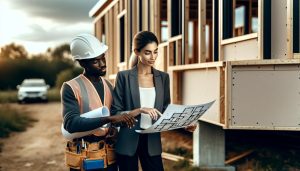
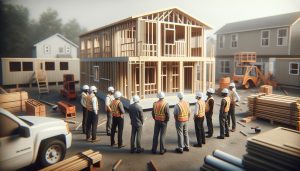
The actual construction process of modular homes is also being revolutionized by technology. Prefabrication allows for precise cuts and assembly in controlled factory environments, which reduces material waste and speeds up the building process. Techniques such as 3D modeling and computer-aided design (CAD) enable builders to plan layouts and structural elements with high accuracy, ensuring that every piece is utilized efficiently. This method not only mitigates waste but also minimizes the on-site construction time, reducing disruption and emissions associated with traditional building processes.
In terms of community integration, modular homes are being designed with an eye toward ecological impacts. Space-efficient layouts and multi-family designs are becoming more common, which can lead to more compact communities that preserve green zones and natural landscapes. Innovations like green roofs and rainwater harvesting systems are also being implemented to further reduce a community’s environmental footprint. These multi-faceted technologies not only support sustainable housing but also encourage a shift towards greener urban planning, making modular homes an attractive option for eco-conscious buyers.
By embracing these technologies and practices, modular home buyers are not only making a sound investment but are also contributing to a more sustainable future. The combination of efficiency, innovative materials, and smart systems makes modular homes a leading choice for those looking to minimize their environmental impact while still enjoying the benefits of modern living.
Community Impact of Modular Home Developments
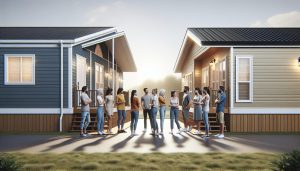
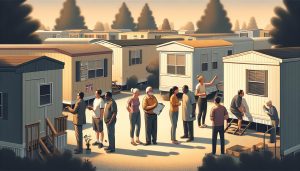
The integration of modular home developments into communities can have a profound and positive impact on both local environments and resident lifestyles. By opting for modular construction, communities can achieve sustainable growth while addressing housing shortages. Modular homes are adaptable and often designed with ecological considerations at the forefront, resulting in neighborhoods that enhance both social cohesion and environmental sustainability.
One significant advantage of modular housing is its potential for efficient land use. With space-efficient designs and the possibility of multi-family units, modular developments can fit more homes into smaller footprints compared to traditional housing. This density allows for the preservation of green spaces and natural landscapes, promoting biodiversity and recreational areas that benefit all residents. Furthermore, these homes can be designed with integrated community features, such as parks and communal gardens, which foster interaction among neighbors and strengthen community bonds.
Sustainable practices don’t stop at individual home design; they extend to the entire community infrastructure. Innovations like green roofs, permeable pavements, and rainwater harvesting systems contribute to reducing runoff and promoting water conservation. These features develop more resilient neighborhoods that can better withstand environmental changes, such as severe storms, while simultaneously lowering the community’s overall carbon footprint. Residents of modular home communities can take pride in knowing they live in places that prioritize both ecological health and the well-being of its occupants.
Moreover, modular homes often attract a diverse array of residents, ranging from young families to retirees looking for affordable housing options. This diversity can stimulate local economies as new residents bring different needs and preferences, encouraging local businesses to thrive. By facilitating the creation of welcoming neighborhoods that incorporate sustainability, modular home developments help redefine the concepts of modern living, ensuring that communities are not only livable but also environmentally responsible. Ultimately, these developments stand as a testament to how innovative housing solutions can enrich both individuals and the broader environment.
Resilience and Durability: Weathering the Elements
The construction of modular homes offers incredible resilience and durability, allowing these structures to withstand a variety of environmental challenges while maintaining energy efficiency and sustainability. Unlike traditional homes, which can be significantly affected by weather conditions during on-site construction, modular homes are built in controlled factory settings. This process minimizes vulnerabilities associated with adverse weather, such as water intrusion and structural imbalances often seen during conventional builds.
To enhance their durability, modular homes are typically constructed using robust materials and techniques that promote long-lasting performance. For instance, advancements in engineering have led to the development of materials that resist not only weather-related wear but also termites and other pests. Many manufacturers opt for higher-grade siding, roof materials, and insulation that meet rigorous industry standards. These homes can be designed to endure severe weather conditions, such as hurricanes and heavy snow, making them a prudent choice for locations prone to such challenges.
Preparation for Extreme Weather
Proper installation and adherence to local building codes are key to maximizing the resilience of modular homes. Owners should focus on the following essential elements to ensure their homes can weather the elements:
- Storm Tie-Downs: Utilizing heavy-duty tie-downs can secure the home’s frame to its foundation, significantly reducing the risk of damage during severe storms.
- Upgraded Roof Designs: Selecting a roof with a higher pitch or additional reinforcement can help distribute wind loads more effectively.
- Quality Insulation: Proper insulation not only helps with energy efficiency but also protects against temperature fluctuations and moisture buildup, which can weaken structural integrity over time.
Regular maintenance is vital for sustained durability. Homeowners should conduct periodic inspections, focusing on integrity checks for seals, roofing, and foundational supports to address wear and tear before they escalate into larger issues. Investing in durable, eco-friendly materials during renovations or upgrades not only enhances performance but also aligns with sustainable building practices.
By choosing modular homes, residents can enjoy a housing solution that is not only eco-friendly but also built to last, effectively weathering the elements while providing comfort and security for years to come. This balance between resilience and sustainability underscores the growing appeal of modular housing as a legitimate and intelligent choice in today’s environmental landscape.
Government Incentives for Eco-Friendly Housing
The increasing focus on sustainability has prompted various government initiatives aimed at promoting eco-friendly housing, particularly modular homes. These incentives not only encourage potential buyers to invest in sustainable solutions but also play a significant role in reducing the overall carbon footprint associated with construction. Many governments offer financial benefits such as tax credits, rebates, and grants specifically for homeowners or developers utilizing energy-efficient building practices and materials.
For instance, residents who choose modular homes built to high energy efficiency standards may qualify for various programs under the Energy Star Initiative. This federal program not only outlines necessary criteria for energy performance but also provides tax credits that can offset the cost of procurement. Additionally, numerous states have implemented their own programs that complement federal offerings, providing local grants or subsidies for low-income families looking to transition into eco-friendly housing.
Beyond financial incentives, there are also regulatory benefits for modular home construction. Many local governments expedite the permitting process for homes that meet sustainability guidelines, significantly reducing time and costs associated with development. Access to these programs can empower potential homeowners to invest in eco-friendly modular living solutions, combining affordability with environmental stewardship.
Furthermore, as community awareness grows regarding climate change and environmental sustainability, many municipalities are increasingly adopting building codes that favor sustainable construction methods. By staying updated on regional policies and programs, homeowners and investors can make informed decisions that not only align with their values but also maximize the benefits afforded by government initiatives for eco-friendly housing.
In summary, significantly enhance the attractiveness of modular homes by alleviating initial financial burdens while fostering a sustainable and responsible approach to living. These opportunities enable a more significant shift toward greener housing solutions, benefiting individual homeowners and the environment as a whole.
Future Trends: Modular Homes and Sustainability
As the world prioritizes sustainability, modular homes are poised to play a pivotal role in shaping eco-friendly housing solutions. The integration of advanced building technologies with sustainable practices not only enhances energy efficiency but also addresses the urgent need for affordable housing. By leveraging prefabrication techniques, builders can significantly reduce construction timelines, minimize waste, and optimize material usage, setting a new standard for environmentally responsible building.
Innovative technologies are continuously emerging within the modular construction industry, with smart home features becoming increasingly standard. These advancements include energy-efficient appliances, solar panels, and smart thermostats that adapt to occupants’ needs, further enhancing energy savings. Furthermore, the incorporation of sustainable materials, such as recycled steel and sustainably sourced wood, ensures that the environmental footprint of construction is continually minimized. This shift not only benefits homeowners through reduced utility bills but also contributes to a larger movement aimed at reducing greenhouse gas emissions.
Community engagement and design adaptability are also key trends driving the future of modular homes. As public awareness of climate change and resource management grows, community designs are evolving to reflect local environmental considerations, including the incorporation of green spaces and transportation options that reduce reliance on vehicles. Furthermore, modular homes can be customized to accommodate varying needs, making them suitable for diverse demographics, including families, seniors, and low-income individuals.
By staying attuned to these trends, prospective buyers and investors can make informed decisions that align with both personal values and environmental sustainability goals. This growing focus on modular homes offers an encouraging outlook for environmentally conscious living, demonstrating that sustainable housing can be both practical and attainable. Embracing these innovations not only helps individuals lower their carbon footprints but also fosters vibrant, resilient communities ready to tackle the challenges of the future.
Q&A
Q: What makes modular homes more eco-friendly than traditional homes?
A: Modular homes are constructed with sustainable materials and built more efficiently, resulting in about 45% less embodied carbon compared to traditional homes. Additionally, they have less construction waste and often utilize energy-saving technologies, leading to a reduced environmental impact overall【3】.
Q: How do modular homes contribute to energy efficiency?
A: Modular homes are designed for optimal energy efficiency, often leading to a 67% reduction in energy consumption during the building phase. This is achieved through advanced insulation, efficient appliances, and smart design practices that minimize energy loss【2】.
Q: What role does waste management play in modular home construction?
A: Waste management in modular construction is highly effective, as it generates significantly less waste than traditional building methods. This is largely due to factory-based construction processes where materials can be reused or recycled, helping move towards a zero-waste goal【2】.
Q: Can modular homes impact local communities positively?
A: Yes, modular homes can positively impact communities by providing affordable housing solutions and reducing construction timelines. Their efficiency in resource use also contributes to a decrease in local pollution levels during the building phase【1】.
Q: Are there government incentives available for building eco-friendly modular homes?
A: Many governments offer incentives for eco-friendly building practices, including tax breaks or grants for those opting for modular construction. Checking your local government resources can provide specific information on available programs【1】.
Q: What is the lifespan and durability of modular homes compared to traditional homes?
A: Modular homes are constructed to withstand harsh environmental conditions and often have comparable or superior durability to traditional homes. Quality control in factory settings ensures consistent construction standards contributing to their longevity【2】【3】.
Q: How do modular homes help reduce the carbon footprint?
A: Modular homes significantly lower the carbon footprint during the construction process by utilizing sustainable materials and efficient building practices, thereby generating fewer emissions over their lifecycle compared to traditional homes【3】.
Q: What innovative technologies are enhancing the sustainability of modular homes?
A: Innovations such as energy-efficient systems, water conservation technologies, and smart home automation are increasingly used in modular homes. These advancements contribute to lower utility costs and a more eco-friendly living environment【1】【2】.
The Way Forward
In exploring the environmental impact of modular homes, we uncovered compelling evidence of their eco-friendliness, highlighting benefits like a significantly lower carbon footprint and efficient resource use. Now is the perfect time to consider modular construction not just as a housing option but as a sustainable solution for our planet’s future. If you’re eager to learn more, dive into our articles on the advantages of manufactured homes and best practices for sustainable living.
Don’t let this opportunity pass you by-subscribe to our newsletter for expert insights and updates, or explore our resources section for financing options and maintenance tips tailored for modular homeowners. Join the conversation by sharing your thoughts in the comments below; together, we can pave the way for an eco-conscious community. Discover the potential of modular homes today and embrace a lifestyle that’s both innovative and environmentally responsible!