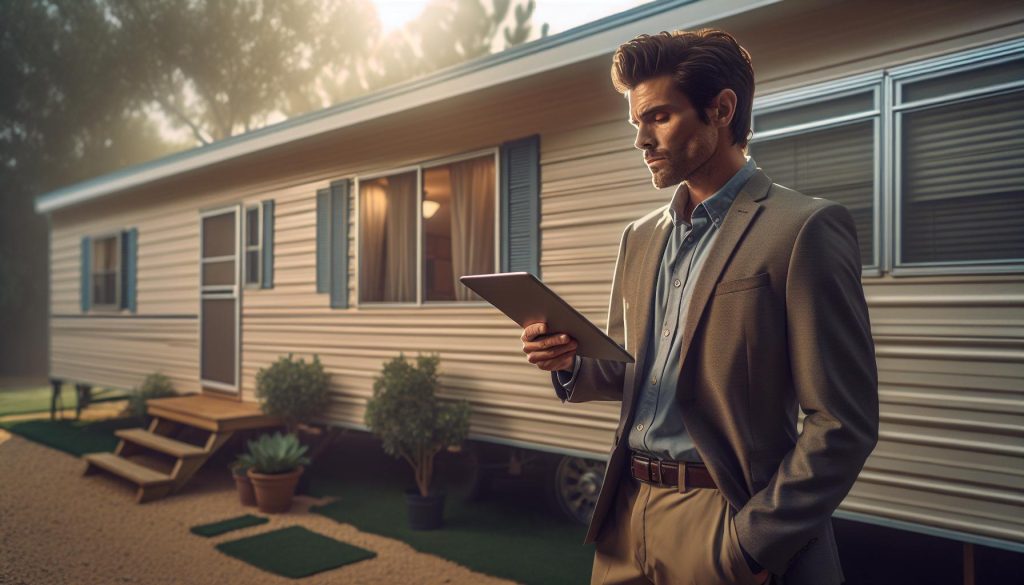
Selling your trailer home can feel overwhelming, but it doesn’t have to be. With the right strategies, you can attract buyers quickly and secure a sale, turning your property into cash when you need it most. This guide will walk you through effective techniques to showcase your mobile home, from preparing it for viewings to setting the right price. As mobile home living gains popularity, knowing how to navigate this unique market is essential for current owners and those looking to invest. Whether you’re relocating, upgrading, or simply looking to cash in, these fast sales strategies will empower you to make informed decisions and achieve your goals with confidence. Keep reading to discover practical steps tailored to your journey in selling your trailer home.
How to Assess the Value of Your Trailer Home
Assessing the value of your trailer home can feel daunting, yet it’s a crucial step in preparing for a sale. To set a competitive price, it’s essential to combine both market knowledge and an understanding of your own property’s unique features. A well-maintained trailer home, complete with modern amenities and structural integrity, can fetch a higher price than those in need of repairs or upgrades. Consider looking at similar trailer homes sold recently in your area to gauge market performance; resources like local real estate listings or online marketplaces can provide valuable insights.
When evaluating your trailer, pay close attention to its condition. Key factors include the age of the home, the quality of any renovations or updates, and the overall maintenance-things like a well-kept roof, functional plumbing, and energy efficiency can boost value. Additionally, features such as added porches, upgraded kitchens, or eco-friendly installations like solar panels enhance appeal. It may be productive to conduct a professional appraisal, which can offer an objective perspective and help determine a fair asking price tailored to the current market conditions.
Moreover, consider the location of your trailer home. Proximity to amenities, such as schools, parks, and shopping centers, will influence buyer interest and overall valuation. In some cases, placement within a desirable community or park can add a premium to the price. As you compile your assessment, create a list of these attributes, alongside any recent improvements, to showcase during the sales process-a well-organized presentation of your home’s strengths can have a positive impact on potential buyers.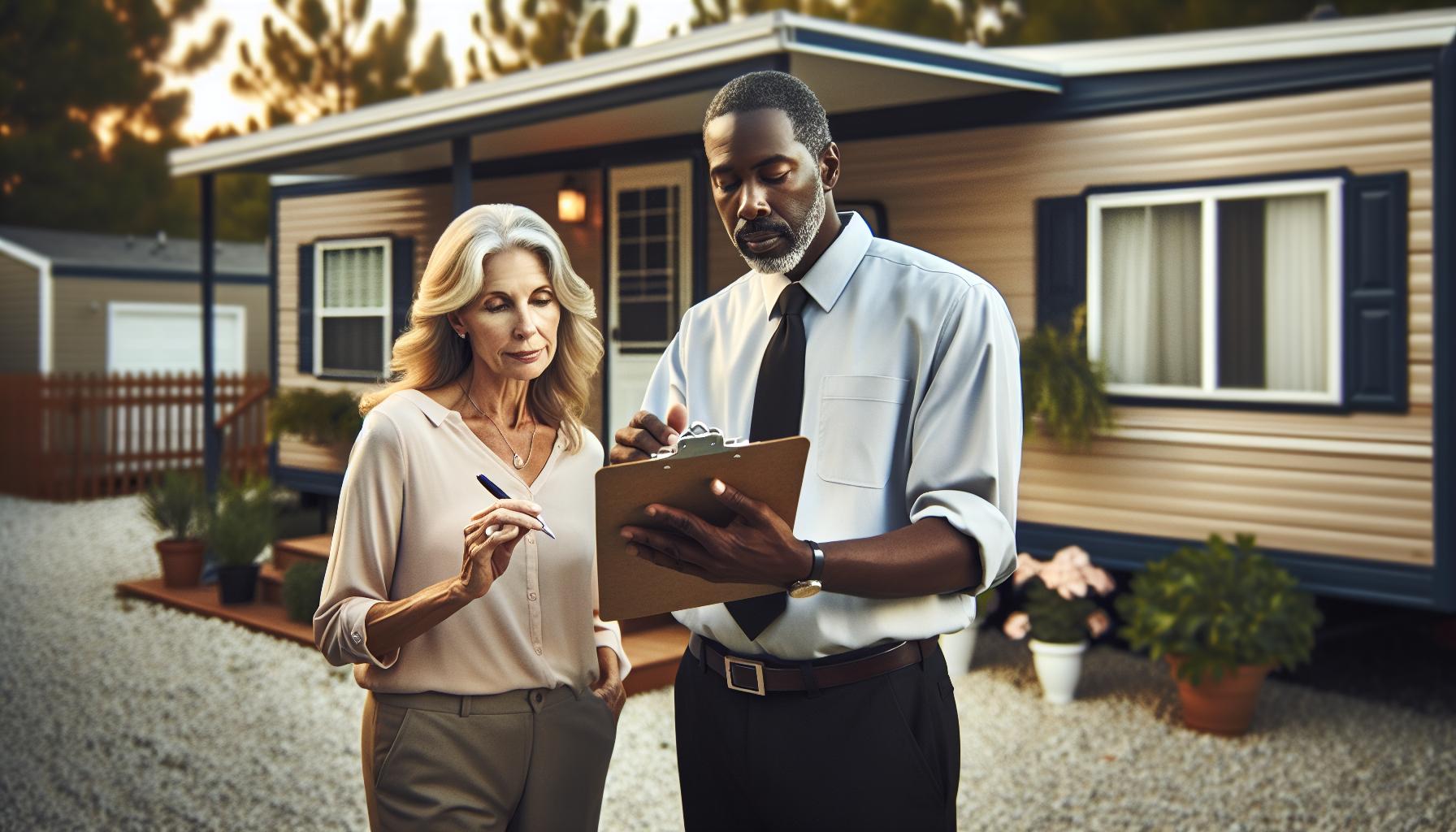
Understanding the Current Market Trends
Understanding the current landscape of the trailer home market is crucial for sellers looking to make a fast and profitable sale. As trends shift, the demand for manufactured homes fluctuates based on factors such as economic conditions, location preferences, and changing consumer attitudes towards mobile living. For instance, as remote work becomes more common, many individuals and families are seeking affordable housing alternatives that offer flexibility and mobility, leading to increased interest in trailer homes.
Monitoring regional trends is equally important. In areas with rising property values, people are often looking for more affordable solutions. This is particularly true in suburban and rural locations where land ownership is still accessible, yet prices for traditional homes are surging. Sellers should regularly check local listings and recent sales to gauge buyer interest. Access to amenities-such as parks, schools, and community services-can also enhance a trailer’s marketability. Homes located within well-maintained parks often attract buyers looking for a sense of community.
Additionally, enhancing curb appeal and interior features can significantly influence a trailer’s value in today’s competitive market. Modern renovations and energy-efficient upgrades are increasingly appreciated by buyers who are conscious of long-term utility costs. Highlighting these features can make your listing stand out online and during showings. Consider creating an attractive visual representation of your trailer home, promoting its distinctive features through professional photography and engaging descriptions that resonate with potential buyers.
Finally, utilizing data from similar sales can help establish a competitive price point. Websites and platforms specifically for mobile home sales, along with real estate apps or community bulletin boards, often provide valuable insights into what similar properties are selling for and how long they remain on the market. Staying informed about these trends will empower you to price your trailer home appropriately and make strategic decisions that facilitate a quicker sale.
Essential Repairs and Maintenance Tips for Selling
Selling a trailer home requires a keen focus on repairs and maintenance to ensure that your property is appealing to potential buyers. Many buyers will evaluate the condition of the home thoroughly, and even minor issues can become significant deterrents. It’s essential to approach this stage with a mindset to not only improve the visual appeal but also to address any underlying functional problems.
Start by performing a comprehensive inspection of the exterior and interior. Key repairs could include:
- Roof Inspection: Look for any missing shingles or leaks. Often, repairs may involve simple patchwork or, in some cases, a complete roofing replacement if it’s significantly damaged.
- Sealing Windows and Doors: Ensure all windows and doors close tightly and effectively. Replace old weather stripping to prevent drafts and enhance energy efficiency.
- Plumbing and Electrical Systems: Test all faucets, showerheads, and toilets for leaks. Ensure the electricity is flowing properly with functioning lights and outlets. Upgrade fixtures to more modern styles for added appeal.
- Flooring and Walls: Check for any stains, scratches, or damage on the flooring. If your flooring needs replacing, consider options that are cost-effective yet visually appealing, like laminate or vinyl. Fresh paint on walls can give your home a new lease on life, making it feel brighter and more inviting.
Beyond these specific repairs, regular maintenance should also be a priority. Cleaning gutters, checking the HVAC system, and ensuring landscaping is well-kept can enhance the overall appearance of your trailer home. For buyers who perceive that a property has been well-maintained, they may feel more inclined to move forward with the purchase.
Lastly, consider investing in some cosmetic upgrades that yield high returns on investment. Simple additions, such as new hardware on cabinets or trendy light fixtures, can significantly boost appeal. Ensuring that the home is not only functional but also stylish will create a connection with potential buyers, making them more likely to envision themselves living there. Taking these essential steps will position your trailer home competitively in the market, leading to a quicker and more profitable sale.
Effective Home Staging Techniques for Trailers
Staging a trailer home effectively can elevate its appeal and make a lasting impression on potential buyers. The goal is to create an inviting atmosphere, helping buyers visualize themselves living in the space. A well-staged home not only showcases its best features but also addresses any concerns about size or layout. Here are some strategic techniques to enhance the attractiveness of your trailer home.
Begin by decluttering all areas of the home. Remove personal items, excessive furniture, and knick-knacks that could distract buyers from the property’s potential. A minimalist approach ensures that spaces feel larger and more open. Consider rearranging furniture to enhance flow and highlight functional areas, like the living room, kitchen, and bedrooms. Use neutral tones for paint and décor, which can appeal to a broader audience and allow buyers to envision their style within the space.
Utilize natural light to your advantage by maximizing window treatments. Choose sheer curtains or blinds that can be drawn back easily, inviting in light and creating a brighter ambiance. In darker trailer homes, consider adding mirrors to reflect light, which also gives the illusion of depth. Attention to lighting fixtures can make a significant difference; replacing dated fixtures with modern, energy-efficient options not only improves aesthetics but can also resonate positively with cost-conscious buyers interested in energy savings.
Outdoor areas should not be overlooked during staging. Ensure that the exterior of your home is well-maintained, including landscaping, which creates an inviting first impression. Clean decks, patios, or porches and furnish them with outdoor seating to show their potential as usable spaces. Adding potted plants or colorful flowers can elevate curb appeal and create a welcoming atmosphere right from the start.
Finally, consider creating a themed display in unique areas of the home to spark imagination. For instance, set up a cozy reading nook in a corner or create a small dining area that feels warm and inviting. These thoughtful touches can make your trailer home feel like a sanctuary, further enticing potential buyers to see it as their future home. By following these staging techniques, you can significantly increase the chances of a successful and speedy sale.
Marketing Strategies to Attract Potential Buyers
To capture the attention of potential buyers, it’s essential to employ a diverse range of marketing strategies that highlight the unique advantages of living in a trailer home. Start by crafting compelling listings that not only detail the specifications and features of your trailer but also emphasize the benefits of the lifestyle it offers, such as affordability, flexibility, and a sense of community. Use high-quality photos that showcase both the interior and exterior of the home, ensuring that natural light enhances the visuals. Professional photography can significantly elevate your listing, making it stand out in a competitive market.
Leverage online listings on popular platforms where potential buyers frequently search for homes. Websites dedicated to real estate, as well as specialized sites for mobile and manufactured homes, can widen your exposure. Make your listing searchable by using relevant keywords like “affordable mobile home” or “well-maintained trailer for sale.” Additionally, consider creating a virtual tour or video walkthrough of your trailer home. This immersive experience allows prospective buyers to visualize the space better, increasing their likelihood of making inquiries.
Utilizing Social Media and Local Networks
Social media platforms are invaluable tools for marketing your trailer home. Share your listings across various channels like Facebook, Instagram, and Twitter, using relevant hashtags such as #TrailerForSale or #MobileHomeLiving to reach a targeted audience. Engaging posts can include before-and-after renovation photos, tips on mobile home living, or stories that illustrate the community atmosphere. Joining local community groups or forums specifically for mobile and manufactured homes can also provide a direct line to interested buyers.
Networking with local real estate agents who specialize in manufactured homes can further bolster your marketing efforts. Agents often have access to a broader audience and can market your home more effectively. They can offer valuable insights into pricing and the current market trends, ensuring that you position your trailer competitively.
Incorporating these proactive marketing strategies will not only enhance the visibility of your trailer home but also attract serious buyers who are eager to explore mobile living. By presenting your home in the best light and engaging with the community, you create a compelling narrative that resonates with potential buyers, making the process of selling smoother and faster.
Utilizing Online Platforms for a Quick Sale
In today’s digital-first world, utilizing online platforms effectively can significantly expedite the sale of your trailer home. With millions of potential buyers browsing at their fingertips, the right online strategies can enhance visibility, generate interest, and facilitate transactions. By showcasing your mobile home using popular real estate websites and social media platforms, you can tap into a broader audience and make your listing stand out.
To start, leverage specialized websites dedicated to mobile and manufactured homes, as well as general real estate platforms like Zillow or Realtor.com. These platforms allow you to create detailed listings that highlight your trailer’s unique features. Ensure your description includes keywords that reflect the most sought-after attributes, such as “spacious,” “well-maintained,” or “affordable.” Including key details such as square footage, number of bedrooms and bathrooms, and any recent upgrades can also make your listing more attractive. Consider integrating high-quality images and even video walkthroughs to provide a more immersive experience; this makes potential buyers feel like they’re already stepping into their future home.
Choose the Right Online Platforms
Finding the right platforms to post your listing is crucial. Use a mix of nationally recognized sites like Craigslist and Facebook Marketplace, coupled with more specific classified ad sites for mobile homes. Here’s a quick checklist of platforms to consider:
- Zillow: Great for comprehensive listings.
- Realtor.com: A well-known site with a large audience.
- Facebook Marketplace: Fast-growing platform for local sales.
- Craigslist: Offers a wide reach in specific locales.
- Local Community Boards: Engage local buyers who appreciate community connections.
Additionally, optimize your listings for search engines. This means using catchy titles and rich descriptions to ensure that your trailer homes appear in relevant searches. Don’t hesitate to include terms that denote property features, such as “large deck” or “energy-efficient upgrades,” which could attract specific buyers seeking those qualities.
Engaging in social media marketing can further bolster your efforts. Platforms like Instagram and Facebook are ideal for posting beautiful images of your trailer home. Using targeted hashtags, such as #MobileHomeSale or #TrailerLife, can enhance your reach and attract niche buyers who value the lifestyle that comes with mobile living.
By combining detailed listings on specialized and general real estate sites with strategic social media engagement, you’ll optimize your chances for a quick and efficient sale. Remember, the goal is to present a lifestyle as much as a property, emphasizing the comfort and community that comes with trailer living.
Tips for Negotiating Offers Successfully
The negotiation process can significantly influence the successful sale of your trailer home. Understanding how to leverage offers effectively is essential-not just for reaching a satisfactory transaction but also for setting the tone of the interactions that follow. One key strategy is to establish a firm grasp of your trailer’s market value and be ready to justify your asking price with relevant data, such as comparable sales in your area, features that enhance value, and current market trends.
As offers begin to come in, it’s vital to respond promptly to maintain buyer interest. Evaluate each offer based on both price and terms; sometimes, a lower offer with flexible closing dates or fewer contingencies can be more appealing than a higher bid that complicates the sale. However, don’t hesitate to communicate your expectations clearly-with potential buyers, express what conditions are non-negotiable for you. This transparency can prevent misunderstandings.
Another effective tactic is to create a sense of urgency. If multiple parties express interest in your trailer, consider highlighting this to potential buyers, as competition can encourage them to submit stronger offers. You might say something like, “I’ve received several inquiries and am looking to finalize a decision soon.” However, ensure that you’re truthful about the interest levels, as trust is crucial in these negotiations.
Lastly, always prioritize open and respectful communication. Discuss any reservations buyers may have openly, which can lead to potential compromises that satisfy both parties. For instance, if a buyer feels the price is too high due to recent repairs needed, consider offering to cover some repair costs or lowering the price slightly while highlighting the benefits of your trailer’s unique features.
In summary, successful negotiation hinges on preparation, clear communication, and the ability to adapt to buyers’ needs while firmly advocating for your trailer home’s value. By implementing these practices, you’ll be better equipped to navigate offers and close the sale with confidence.
Legal Considerations for Selling a Trailer Home
Navigating the legal landscape when selling a trailer home is crucial for ensuring a smooth and compliant transaction. Many sellers overlook essential legal considerations, which can lead to complications or delays. First and foremost, it’s vital to understand the ownership documentation of the trailer home. You should have the title in hand, as most buyers will require a clear title to transfer ownership. If the trailer is located on rented land, ensure you are aware of any lease agreements and the requirements for transferring tenancy to a new owner.
Additionally, familiarize yourself with local and state regulations regarding mobile home sales. Some jurisdictions may require specific disclosures to potential buyers, such as information about the age of the home, any existing liens, or outstanding property taxes. Not complying with these regulations can expose you to legal liabilities. It’s prudent to have all necessary documents prepared, including maintenance records and inspection reports, to provide transparency and build trust with potential buyers.
Understanding Zoning and Permitting
Before listing your trailer for sale, check the zoning regulations in your area. Certain locations have restrictions on where mobile homes can be placed, which may affect the buyer’s options for relocating the home. If the trailer is in a mobile home park, consult with the park management regarding their rules and procedures for transferring ownership. They may have specific forms to fill out or a protocol to follow, and understanding this in advance can expedite the sale process.
Consulting Legal Expertise
Engaging a real estate attorney or a professional experienced in mobile home sales can also be beneficial. They can help review contracts, ensure compliance with local laws, and provide guidance on how to handle negotiations. This support can be particularly valuable if the sales process becomes complex, such as dealing with multiple offers or navigating financing issues for the buyer.
By staying informed about the legal aspects of selling your trailer home and proactively addressing these considerations, you position yourself for a successful sale while minimizing the risks associated with legal misunderstandings. Selling your trailer home doesn’t have to be daunting; with the right preparation and awareness, you can ensure a smooth transaction that benefits both you and the buyer.
Financing Options for Buyers of Mobile Homes
Understanding financing options for prospective buyers of mobile homes is crucial in facilitating a successful sale. Mobile homes, often misunderstood, can be a financially viable housing choice, giving buyers flexibility and affordability compared to traditional homes. This section highlights various financing routes that buyers can explore, making the purchasing process smoother and more accessible.
Types of Financing Options
When buying a mobile home, potential buyers typically have several financing options available:
- Chattel Loans: These are personal property loans designed specifically for mobile homes that are not permanently affixed to real estate. They often require a lower down payment and have shorter terms.
- Conventional Mortgages: If the mobile home is classified as real estate (i.e., it is permanently affixed to land), buyers can seek traditional mortgages. This allows for longer repayment terms and potentially lower interest rates.
- FHA Loans: The Federal Housing Administration (FHA) insures loans for mobile homes under specific criteria, making them accessible to low- and moderate-income buyers. FHA loans can be utilized for both new and used manufactured homes.
- VA Loans: Veterans Affairs (VA) loans may also be available to eligible veterans and active service members looking to purchase a mobile home. VA loans do not require down payments or private mortgage insurance, providing significant savings.
- Personal Loans: Buyers might also consider personal loans from banks or credit unions, although interest rates may be higher compared to other options.
Additional Considerations
In addition to the type of financing, it’s essential for buyers to account for associated costs when purchasing a mobile home. These can include:
- Land Costs: If the mobile home is not purchased on land, monthly lot rents could apply, which must be factored into budgeting.
- Insurance: Proper insurance is crucial to protect against damages, and typically requires proof of coverage for the lender.
- Maintenance and Upkeep: Like any home, ongoing maintenance is necessary, and budgeting for these costs ensures long-term ownership satisfaction.
With a better understanding of financing options, prospective buyers can confidently approach the mobile home market. By preparing ahead and considering different paths to finance their purchase, buyers can find a solution that meets their financial situation and housing needs, ultimately facilitating a smoother transaction process.
Preparing for an Open House or Showing
When preparing to showcase your trailer home for an open house or showing, first impressions are crucial. Potential buyers often decide within moments of entering whether a space feels inviting and meets their needs. Therefore, presenting a clean, well-organized environment sets the tone for their entire experience. Start by decluttering each room; remove personal items and excess furniture to create an open, spacious feel. Consider storing items that aren’t essential for the showing, as an airy layout helps buyers envision themselves living there.
One effective technique is to focus on staging key areas, such as the living room and kitchen, which are often priorities for buyers. Utilize neutral colors and decor to appeal to a wider range of tastes while allowing potential buyers to imagine their personal touches. It might be beneficial to introduce some greenery – plants can add vibrancy and warmth to the space. Ensure that all light fixtures are functional and that natural light is maximized; open curtains or blinds to let sunlight in, creating a welcoming atmosphere.
Practical Steps to Prepare
To make the most of your open house, follow these practical steps:
- Clean Thoroughly: Dust surfaces, vacuum rugs, and ensure all areas, including bathrooms, are spotless.
- Make Repairs: Address any minor repairs, such as squeaky doors or leaky faucets, which can deter buyers.
- Enhance Curb Appeal: Invest time in landscaping, like mowing the lawn and trimming hedges, to make a positive first impression.
- Clear Pathways: Ensure that all pathways and common areas are clear of obstacles, allowing potential buyers to move freely.
- Set the Right Temperature: Depending on the season, maintain a comfortable indoor temperature, whether through heating or air conditioning, to create a cozy environment.
- Provide Information: Prepare handouts that outline the features of the home, nearby amenities, and utility information to facilitate questions.
Additionally, timing can play a crucial role in your open house success. Hosting the event during peak traffic times, such as weekends or late afternoons, can attract more interested buyers. Promote the open house through signage in your community or by utilizing online event platforms to extend your reach. Being knowledgeable and friendly during the showing can help break the ice and create a positive experience for potential buyers. By taking these steps, you can effectively prepare your trailer home for an open house, increasing your chances of a swift sale.
Leveraging Social Media for Wider Reach
In today’s digital landscape, using social media can be a game-changer when it comes to selling your trailer home quickly and effectively. With a vast audience waiting to discover their next home, platforms like Facebook, Instagram, and Twitter can significantly amplify your reach beyond traditional advertising methods. By engaging with potential buyers where they spend their time, you can showcase the unique features of your trailer home in an appealing way.
To start, create visually captivating posts that highlight what makes your trailer special. Utilize high-quality images that showcase both the interior and exterior, and consider posting video tours to give potential buyers a realistic feel for the space. Posts featuring before-and-after transformations, especially if any renovations have been made, can also grab attention. Use attractive captions and relevant hashtags like #ForSale, #MobileHome, and location-based tags to increase visibility.
Engaging with your audience is just as crucial as posting beautiful images. Respond to comments and messages promptly, answering any questions potential buyers may have. Additionally, consider creating a dedicated event on Facebook for an open house, inviting local community members to attend. Utilizing stories on platforms like Instagram and Facebook can keep your followers updated on the sale process, creating excitement and urgency around the listing.
Collaborating with local influencers or community groups can further enhance your marketing efforts. These individuals likely have dedicated followings and can share your listing with potential buyers who are genuinely interested in mobile homes. Don’t forget, even small posts in community groups can lead to meaningful conversations with interested buyers. Engaging content, community connections, and clear communication can make your social media strategy an effective tool for selling your trailer home quickly.
Common Mistakes to Avoid When Selling Your Trailer Home
When preparing to sell a trailer home, many owners inadvertently undermine their efforts by committing common mistakes that can hinder a successful sale. One of the most significant errors is neglecting the state of the home. A trailer that appears unkempt and poorly maintained can turn off potential buyers immediately. To avoid this pitfall, ensure that all repairs are addressed beforehand, including fixing leaks, replacing damaged roofing, and ensuring that the interior is clean and free of clutter. Make your trailer as inviting as possible, as first impressions carry substantial weight in the real estate market.
Another mistake is setting an unrealistic price based on sentimental value rather than market research. Owners often have emotional attachments to their homes which can cloud their judgment. It’s essential to conduct a comparative market analysis to determine a competitive price. Look for similar trailer homes in your area, considering their condition, size, and amenities. Overpricing can lead to prolonged listings, leaving potential buyers hesitant to make an offer.
Failing to adequately market the trailer is yet another misstep. It’s essential to utilize various channels, including online listings, social media, and local classifieds to reach a broader audience. High-quality photographs and detailed descriptions highlighting unique features (like space-saving layouts or energy-efficient appliances) can draw in potential buyers. In today’s digital age, a robust online presence can significantly impact the speed and success of your sale.
Moreover, not being transparent about the trailer’s history can lead to distrust. It’s crucial to disclose any known issues, repairs, or past damages to maintain credibility with potential buyers. Transparency fosters an atmosphere of trust, making buyers more comfortable to negotiate and move forward with the purchase. By avoiding these pitfalls-neglecting maintenance, pricing it incorrectly, under-marketing, and lacking transparency-you can navigate the sales process more effectively and achieve a swifter sale of your trailer home.
Q&A
Q: What are the best websites to list my trailer home for a fast sale?
A: The best websites to list your trailer home include Zillow, Craigslist, and Facebook Marketplace. These platforms attract a large audience and allow you to post detailed descriptions and images. Additionally, consider specialized sites like MobileHome.net for targeted exposure to potential buyers.
Q: How do I set a competitive asking price for my trailer home?
A: To set a competitive asking price, research recent sales of similar trailer homes in your area using tools like Zillow or Realtor.com. Consider factors such as age, condition, location, and features. Adjust your price based on the local market conditions and be ready to negotiate.
Q: What improvements can increase the sale value of my trailer home?
A: Focus on cosmetic improvements like a fresh paint job, landscaping, and minor repairs. Upgrading appliances and enhancing curb appeal also add value. Ensure all fixtures are functional and clean to create a positive impression during showings and open houses.
Q: How can I stage my trailer home effectively?
A: To stage your trailer home effectively, declutter and depersonalize spaces to create a neutral environment. Arrange furniture to enhance flow and highlight key features. Use natural light to your advantage and add inviting touches, such as fresh flowers or cozy throws, for a homely feel.
Q: When is the best time to sell a trailer home?
A: The best time to sell a trailer home is typically during spring or early summer, as demand is higher due to favorable weather for viewings. However, local market trends vary, so keep an eye on seasonal fluctuations in your area to optimize your timing.
Q: What financing options are available for buyers of trailer homes?
A: Buyers of trailer homes may have options such as personal loans, FHA loans, or chattel loans. These financing methods cater to different needs, and providing information on these options can attract a broader range of potential buyers interested in your home.
Q: How do I handle offers and negotiations effectively?
A: Handling offers and negotiations effectively requires being prepared with a clear understanding of your minimum acceptable price. Respond promptly to interested buyers, be open to counteroffers, and maintain clear communication. Trust your instincts and don’t rush into a decision.
Q: What legal documents do I need for selling a trailer home?
A: When selling a trailer home, you’ll need documentation such as the title, bill of sale, and any applicable disclosures regarding the condition of the home. Familiarize yourself with local laws and regulations to ensure a smooth transaction.
The Conclusion
As you embark on your journey to sell your trailer home quickly, remember the key strategies we’ve explored: pricing competitively, presenting your home well, and leveraging online platforms for maximum exposure. Don’t wait-now is the time to take action and implement these insights to attract potential buyers. If you’re looking for further resources, check out our articles on mobile home renovation tips and financing options to enhance your selling strategy.
Additionally, we would love to hear your thoughts! Share your experiences in the comments below, or connect with us on social media. For more valuable content that can help you navigate mobile home ownership and selling successfully, explore our related articles. Together, let’s make your trailer home sale a smooth and profitable process!