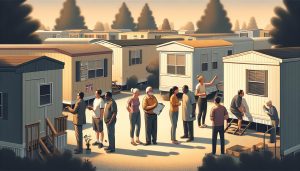
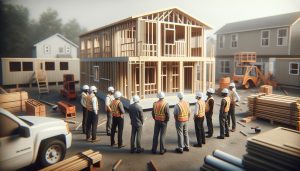
In today’s housing market, mobile homes, often referred to as trailer homes, stand out as a flexible, affordable solution for many families and individuals. Understanding the cost of these homes is essential for anyone considering this lifestyle, whether you’re a first-time buyer or looking to invest. With prices ranging significantly based on size, age, and features, knowing what to expect can help you make informed decisions. Moreover, the mobile home industry has evolved, offering various options that combine comfort, functionality, and affordability. This guide will delve into the current pricing landscape for trailer homes in 2025, providing you with valuable insights and practical advice to navigate your mobile home journey with confidence. By understanding the financial aspects, you can move forward not only as a savvy consumer but also as someone ready to embrace the unique advantages of mobile home living. Explore the details that matter most to you and your future home.
Understanding the Cost of Trailer Homes in 2025
As of 2025, understanding the cost of trailer homes involves navigating a dynamic and sometimes complex market influenced by various factors. The average price range for a single-wide mobile home stands between $60,000 and $90,000, while double-wides can be found for approximately $120,000 to $160,000. This pricing is reflective of the basic features and standard sizes but can vary significantly based on location, customizations, and additional components such as delivery and installation costs. For instance, triple-wide models can exceed $200,000 and may require more extensive utility installations and groundwork preparation, driving overall expenditures upwards.
When considering the purchase of a trailer home, it’s crucial to assess the hidden costs that accompany the initial price tag. These may include, but are not limited to, installation fees, which can range dramatically from $3,000 to $36,000 depending on the foundation type, as well as the cost of permits, which typically range from $500 to $2,000. Additionally, prospective buyers should budget for essential maintenance costs, which include heating and cooling systems, adding another $4,000 to $9,000 to ensure comfort and livability.
Furthermore, financing options have become more accessible, with various lenders offering competitive rates for manufactured home purchases. Potential buyers are encouraged to explore loans specifically designed for mobile home financing, keeping an eye on potential insurance, which averages between $500 and $1,500 annually, further adding to the total cost of ownership. Understanding these components equips buyers with the knowledge necessary to make informed decisions, ensuring they are financially prepared for both immediate and long-term investments in mobile home living.
Factors Influencing Trailer Home Prices
The price of trailer homes is influenced by a myriad of factors, reflecting the diverse nature of the manufactured housing market. One major element is the size and layout of the home. Single-wide homes typically cost between $60,000 and $90,000, while double-wides can range from $120,000 to $160,000. Variations in size not only impact purchase price but also determine delivery and installation costs. Larger models, such as triple-wides, may exceed $200,000 and necessitate more complex setup procedures, including foundation work and utility installations.
Location plays a crucial role in determining costs as well. Homes situated in urban areas often come at a premium due to higher land values and demand for housing. In contrast, homes placed in rural settings or specialized mobile home communities generally feature lower price points. Additionally, local regulations, zoning laws, and community fees can further affect overall expenses, making it essential for buyers to conduct thorough research on the specific area where they intend to purchase.
Customization options are another factor that can significantly influence the price. Prospective buyers may wish to modify aspects such as layout, materials used in construction, and additional features like energy-efficient appliances or luxury finishes. These upgrades can raise the base price considerably, but they can also enhance long-term satisfaction and potential resale value. Furthermore, market demand and trends, including shifts toward sustainable living solutions, may impact pricing.
Lastly, economic indicators such as inflation, interest rates, and overall housing market conditions should not be overlooked. As these factors fluctuate, they directly affect financing options and monthly payments, influencing buyers’ affordability and overall market dynamics. Understanding these elements equips buyers with the knowledge necessary to navigate the complexities of financing and ownership in the manufactured housing sector.
- Size and Layout: Determines base price and installation complexity.
- Location Impact: Urban versus rural settings, local zoning laws.
- Customization Options: Enhancements that affect price and resale value.
- Economic Indicators: Inflation, interest rates, and overall market conditions.

Types of Trailer Homes and Their Costs
When considering the diverse types of trailer homes available in today’s market, it’s essential to understand both the characteristics and corresponding costs associated with each. Typically, trailer homes, also known as manufactured homes, come in several formats including single-wide, double-wide, and triple-wide homes, each carrying distinct pricing structures and features.
Single-wide homes, generally measuring around 600 to 1,400 square feet, are the most economical option, with prices ranging from approximately $60,000 to $90,000. Their compact layout makes them ideal for smaller lots and simpler living needs. Conversely, double-wide homes provide more space, typically between 1,200 to 2,400 square feet, and are priced significantly higher, averaging from $120,000 to $160,000. These homes often feature more expansive living areas and upgraded amenities, appealing to families or individuals desiring greater comfort.
Triple-wide and larger models can exceed 2,400 square feet, with prices starting at around $200,000 and climbing based on customization and location. These homes often resemble traditional houses in layout and features, offering luxurious finishes and enhanced living experiences. It’s crucial to note that costs may fluctuate based on local market conditions, such as real estate demand and community fees.
Investors and homebuyers should also be aware of the installation costs, which can include expenses for proper foundation work and utility setup, particularly for larger models. Understanding the specific type of trailer home that fits your needs, along with comprehensive financial planning, will ensure a more informed purchasing decision and potentially increased value in the long run.
Consideration of additional features, such as energy-efficient appliances or premium flooring, can further influence total costs but may provide significant long-term savings and satisfaction. By being proactive in exploring various types of trailer homes and their respective price ranges, prospective buyers can better navigate the market and find the ideal home for their lifestyle and budget.
Financing Options for Buying a Trailer Home
When considering the purchase of a trailer home, understanding the available financing options is crucial to making informed decisions. Many prospective buyers are surprised to discover that financing a manufactured home can differ significantly from traditional home loans, often requiring specialized approaches. Whether you opt for a single-wide or a larger double-wide, knowing the right financing pathways can make your homeownership journey smoother and more accessible.
Types of Financing Available
Most buyers of manufactured homes will need to consider a variety of financing options, including but not limited to conventional loans, FHA loans, and VA loans. Each type of financing has distinct benefits:
- Conventional Loans: Not as commonly used for manufactured homes, these typically require higher credit scores and down payments but can be a viable option if you find a lender that specializes in this market.
- FHA Loans: These government-backed loans are popular among first-time homebuyers. They allow for lower down payments (as low as 3.5%) and more lenient credit requirements, making them an attractive option for those looking for affordable financing for manufactured homes.
- VA Loans: For eligible veterans and active-duty military personnel, VA loans offer excellent terms, including no down payment and no private mortgage insurance (PMI). However, the home must meet certain criteria, such as being assessed as real property.
- Personal Loans: If you’re unable to secure traditional mortgage options, personal loans can also be used to fund a manufactured home purchase, but they usually come with higher interest rates and shorter repayment terms.
Land and Home Packages
In scenarios where you purchase both land and a manufactured home, many lenders offer land-home packages that streamline financing. These packages allow you to finance your home and the land it sits on in a single loan, simplifying the payment process and often yielding better interest rates. Understanding your local market and the specific requirements of these packages can save time and money.
Gathering Documentation
Financing a trailer home will generally require a specific set of documents, much like traditional mortgages. Be prepared to provide:
- Proof of Income: Recent pay stubs or tax returns are essential for verifying your income.
- Credit History: Lenders will conduct a credit check to determine your eligibility and interest rates.
- Identification: A valid driver’s license and your Social Security number are typically required.
- Bank Statements: Recent statements help lenders assess your financial stability.
With the array of financing options available for trailer home ownership, there’s a path for almost every potential buyer. By comprehensively exploring these options and preparing the necessary documentation, prospective homeowners can navigate the financing landscape with confidence, ensuring they secure the best deal that aligns with their budget and lifestyle goals. Such preparation not only facilitates a smoother transaction but also lays the groundwork for long-term satisfaction with their manufactured home investment.
Cost Breakdown for Quality Installation
When it comes to installing a trailer home, understanding the cost structure can significantly impact your overall investment. Quality installation is not just about putting the home on a plot of land; it involves a series of steps and materials that come together to create a safe and comfortable living environment. Installation costs can vary widely based on specific factors including location, groundwork requirements, and additional features desired by homeowners.
A typical installation includes several essential components, each contributing to the overall cost. Here’s a breakdown of what you can expect:
1. Site Preparation
Before your trailer home can be installed, the site must be prepared. This generally involves clearing the land, leveling the ground, and possibly laying a foundation. These services can range from $1,000 to $5,000 depending on the complexity of the work required and the local terrain.
2. Transportation and Delivery
The cost of transporting the home from the manufacturer to your chosen site can also affect your budget. Depending on the distance and the size of the home, this could cost anywhere from $1,200 to $5,000. Ensure to inquire about delivery fees when purchasing your trailer.
3. Installation Services
The actual installation of the trailer home generally requires professional services, which can include anchoring and securing the home to the ground. Installation costs can vary but typically range between $2,000 and $4,000. This price can increase for double-wide homes or specific local codes that require additional framework or support.
4. Utilities Hookup
Connecting your trailer home to essential utilities like water, electricity, and sewage will incur additional costs, often ranging from $1,500 to $4,000. The complexity of these connections will dictate how much you might spend, particularly if trenching is required for less accessible areas.
5. Additional Features
If you plan to add decks, porches, or skirting around your trailer home, consider budgeting an extra $2,000 to $10,000 for these enhancements. These features not only increase the aesthetic appeal but can also contribute to energy efficiency and provide additional protection from the elements.
Understanding the complete cost of trailer home installation is crucial for budgeting effectively and avoiding unexpected expenses. It’s advisable to obtain quotes from multiple contractors and seek reviews or references to ensure you receive quality service. By planning and preparing for these potential costs, you can create a solid foundation for enjoying your new home and the lifestyle it offers.
Essential Maintenance Costs for Trailer Homes
Maintaining a trailer home is essential for preserving its value and ensuring a safe, comfortable living environment. Just like traditional homes, trailer homes require ongoing care and attention that come with a variety of associated costs. From routine inspections to unexpected repairs, budgeting for maintenance is crucial to avoid larger issues that can arise over time.
One of the major aspects of maintaining a trailer home involves regular inspections and servicing of essential systems, such as plumbing, electrical, and HVAC (Heating, Ventilation, and Air Conditioning). Routine check-ups can help identify minor issues before they escalate, costing anywhere from $100 to $300 for a professional service. For instance, checking the plumbing for leaks can save homeowners from the more extensive damage and higher costs associated with major water damage repairs.
Another significant area of maintenance is the exterior of the trailer home, which often requires periodic inspections and repairs. Common tasks include checking for roof leaks, maintaining siding, and ensuring windows and doors seal properly. Homeowners should expect to budget around $500 to $1,500 annually for exterior maintenance, which may involve replacing roofs, sealing windows, or repainting. If the trailer is located in regions with harsh weather, like heavy rain or excessive sun, these costs can be more frequent and higher in scale.
Beyond structural upkeep, regular maintenance of appliances is necessary to ensure their longevity. Trailer homes typically come equipped with essential appliances such as refrigerators and stoves, each requiring regular cleaning and occasional servicing. Setting aside $300 to $600 yearly for appliance maintenance can prevent costly replacements. Additionally, it’s wise to plan for seasonal tasks like winterizing or summer cooling system checks, which can cost between $100 and $300 each season.
Ultimately, being proactive about maintenance will ensure that your trailer home remains a valuable asset. By anticipating these costs and setting aside a dedicated budget, owners can enjoy the benefits of their mobile living space without the worry of unexpected expenses derailing their plans. Regular maintenance not only safeguards your investment but enhances the enjoyment and comfort of your home for years to come.
Insurance Considerations for Mobile Homes
When it comes to mobile home ownership, one vital aspect that should not be overlooked is insurance. Just like traditional homes, mobile homes require specific insurance coverage to protect your investment from unexpected events such as fire, theft, and natural disasters. With the average cost of mobile home insurance ranging from approximately $300 to $1,000 or more annually, it’s crucial for homeowners to understand what factors influence these rates and how to maximize their insurance policies.
Types of Mobile Home Insurance
Mobile home insurance typically includes two primary types of coverage: physical damage protection and liability coverage.
- Physical Damage Protection: This aspect covers the structure of your mobile home and any attached structures against various risks such as fire, windstorm, or vandalism. If your mobile home is located in a high-risk area, it’s essential to inquire about additional coverage options to account for these specific threats.
- Liability Coverage: This protects you against legal claims from visitors who might be injured on your property. It’s a crucial component for any homeowner, as it shields you from potentially high legal costs.
Factors Affecting Insurance Premiums
Several factors influence insurance premiums for mobile homes. These can include:
- Location: Homes situated in disaster-prone regions may incur higher premiums. Coastal areas known for hurricanes or flood zones typically see increased insurance costs.
- Age and Condition: Older mobile homes or those in less-than-ideal condition may attract higher rates due to the increased risk of damage or failure of essential systems.
- Additional Features: Features such as upgraded safety or security systems can lower your premiums, while specialized structures like decks or porches might raise them.
Options for Lowering Insurance Costs
Homeowners can take various steps to manage and potentially lower their mobile home insurance costs:
- Shop Around: Different insurance companies may offer varying rates for the same coverage, so it’s wise to compare quotes.
- Increase Deductibles: Opting for a higher deductible can significantly lower your premium. Just ensure that you have the funds available to cover that cost in the event of a claim.
- Bundle Policies: Many insurance providers offer discounts for bundling mobile home insurance with other policies, such as auto or health insurance.
As mobile home living continues to gain recognition and legitimacy in today’s housing market, understanding insurance considerations can empower current and prospective owners to make informed decisions. With adequate coverage, homeowners can enjoy the benefits of mobile living without the constant worry of what-if scenarios.
Legal Requirements for Trailer Home Ownership
Owning a trailer home, also known as a manufactured home, provides an affordable housing option, but it comes with specific legal requirements that potential homeowners must understand. These requirements vary widely by state and local jurisdictions but generally encompass zoning laws, permits, and regulations pertaining to the installation and use of manufactured homes. Understanding these legal frameworks is crucial to ensure compliance and protect your investment.
One of the first steps in trailer home ownership is verifying zoning laws. Some areas have restrictions on where manufactured homes can be located, often designating specific zones for modular or traditional housing. Before purchasing a home, it’s wise to contact your local zoning office to confirm that your desired location permits manufactured homes. Additionally, certain subdivisions or homeowner associations may have their own rules regarding mobile home placement and appearance, which homeowners must also heed.
In terms of permits, most states require specific approvals for the installation of trailer homes. This may include obtaining a building permit and passing inspections to ensure the home meets local safety and structural standards. Your installation team should be well-versed in these regulations and can often assist with the permit process. It’s essential to ensure that all installations conform to the federal HUD codes that govern manufactured housing, as non-compliance can result in hefty fines or even forced removal of the home.
Furthermore, owners should be aware of any property taxes and title regulations related to trailer homes. For financing purposes, trailer homes are often classified either as personal property (like a vehicle) or real property (like a traditional home). The classification affects tax rates and how the property is treated under local laws. Engaging with a real estate agent knowledgeable in manufactured homes can provide invaluable guidance in navigating these complexities.
In summary, successful trailer home ownership hinges on understanding and meeting the legal requirements imposed by local and state authorities. By verifying zoning laws, obtaining necessary permits, and properly classifying your property, you can set a foundation of compliance that protects both your investment and your peace of mind.
Impact of Location on Trailer Home Pricing
The price of trailer homes, or manufactured homes, is significantly influenced by their location, often making this aspect one of the most crucial factors to consider when purchasing. Homes situated in desirable areas, such as those near high-ranking schools, vibrant shopping centers, and robust employment opportunities, generally command higher prices. For instance, a double-wide home in a sought-after neighborhood can attract buyers willing to pay a premium due to the amenities and lifestyle advantages the location offers. Conversely, homes in less desirable areas may struggle to retain their value, potentially leading to stagnant or even declining market prices.
Key Location Factors
Several key factors contribute to the :
- Proximity to Amenities: Access to essential services, recreational facilities, and social venues enhances a home’s appeal. Buyers are often willing to invest more in homes that reduce commute times to work, school, and entertainment.
- School District Quality: Families prioritize good school districts. Homes within top-rated school zones often experience higher demand and, consequently, increased values.
- Community Safety and Services: Areas with low crime rates and access to reliable municipal services (police, fire, and medical) are typically more attractive to buyers.
- Future Development Plans: Locations slated for future infrastructure developments such as new highways, public transit systems, or commercial centers can see significant price appreciation. Savvy buyers often research city planning documents to identify such potential upsides.
In addition to these factors, the zoning regulations in the area can also affect the pricing of manufactured homes. Some municipalities allow the placement of trailer homes in certain zones only, which can limit options and drive up prices in permissible areas. Additionally, if a home is situated on land it owns versus being in a mobile home park, it tends to appreciate more over time, as property ownership typically offers better investment stability.
Understanding the interplay between location and pricing is vital for anyone looking to invest in a trailer home. By evaluating these factors carefully, potential buyers can make informed decisions that align with their financial goals and lifestyle needs, ensuring their manufactured home investment is both fulfilling and financially sound.
Renovation Costs and Value Enhancement
Renovating a trailer home can significantly enhance its value and appeal, making it an attractive option for both current residents and prospective buyers. Unlike traditional homes, trailer homes often have lower renovation costs, allowing homeowners to make impactful upgrades without breaking the bank. Basic renovations can range from simple cosmetic updates to more extensive structural improvements, and the right modifications can lead to a substantial increase in market value, sometimes yielding a return on investment (ROI) between 70% to 100%.
Investing in key areas such as kitchen and bathroom renovations often yields the greatest returns. Upgrading appliances, installing new countertops, or refreshing cabinetry can modernize the space while improving functionality. According to industry insights, modest kitchen remodels in mobile homes typically fall within the $5,000 to $15,000 range, depending on the scale of the improvement. Similarly, bathroom upgrades-like retiling, updating fixtures, or adding storage solutions-commonly cost between $3,000 and $10,000 but can dramatically elevate the overall aesthetic and usability of the home.
Another significant improvement involves enhancing the exterior. Curb appeal plays a crucial role in attracting buyers and establishing a positive perception of a property. Upgrades such as new siding, a fresh coat of paint, or landscaping can cost anywhere from $1,000 to $10,000 but may boost the home’s first impressions significantly. Additionally, installing energy-efficient windows and doors not only enhances the home’s appearance but also can lower utility costs, making the property more appealing to eco-conscious buyers.
When planning renovations, it’s important to prioritize projects based on return on investment, personal preferences, and budget. Engaging with a contractor experienced in mobile home renovations can help develop a realistic plan tailored to the home’s specific requirements while ensuring compliance with local regulations. Moreover, homeowners should consider financing options such as personal loans or specific mobile home renovation loans, which can make undertaking significant improvements more manageable. As a result, homeowners who strategically invest in renovations often find that the enhancements significantly increase their trailer home’s overall value and livability.
Preparing Your Trailer Home for Natural Disasters
To ensure your trailer home is prepared for natural disasters, proactive measures are crucial. Trailer homes, while affordable and convenient, can be vulnerable to severe weather events like hurricanes, tornadoes, and floods. By implementing a carefully thought-out disaster preparedness plan, you can protect not only your investment but also the safety of your loved ones.
Strengthening the Structure
One of the first steps in disaster preparation is to reinforce your trailer home. This involves properly anchoring it to its foundation. Use heavy-duty anchors and straps specifically designed for mobile homes to prevent your home from shifting during high winds or seismic activity. Additionally, check the leveling of your home; an unlevel trailer can exacerbate structural issues during heavy storms. Conduct regular inspections and consulting with a professional can ensure these installations meet local regulations and safety standards.
Creating an Emergency Plan
Having a comprehensive emergency plan in place is just as important as structural integrity. Create an evacuation route and establish a communication plan with family members, ensuring everyone knows where to go and how to contact one another in case of separation. Stock an emergency kit with essentials such as food, water, medications, flashlight, batteries, and important documents. Store this kit in an easily accessible place and regularly update its contents to keep it relevant.
Insurance and Documentation
Consulting with your insurance provider to review your policy is vital, as not all home insurance covers natural disasters adequately. Investing in specific policies, such as flood insurance, can provide additional protection. Keep important documents-like your insurance policy, mortgage information, and emergency contact list-stored in a waterproof container that you can grab quickly in an emergency.
Landscaping and Site Preparation
Consider the placement of your trailer home on your property. Proper landscaping can help mitigate flood risks; for example, ensure that water drains away from your home and that there are no tree branches that could fall in high winds. A well-maintained yard can also aid in preventing wildfires if you live in a susceptible area. Engaging with a local landscaping expert can provide tailored solutions based on your geographic location.
By taking these steps, you will not only safeguard your trailer home but also foster peace of mind knowing that you have a plan in place. Embracing these best practices highlights the legitimacy and resilience of mobile home living in the face of natural challenges.
Long-term Value Appreciation of Trailer Homes
The , often considered an undervalued segment of the housing market, can yield significant financial benefits for homeowners. Historically, manufactured homes have faced stigmas that have kept their appreciation rates lower compared to traditional homes. However, recent market trends indicate a shift. As housing affordability declines across the nation, more buyers are considering mobile and manufactured homes as viable alternatives for homeownership, which can bolster their market value over time.
Several key factors contribute to the potential appreciation of trailer homes. First, location plays a crucial role. Homes situated in desirable neighborhoods, with access to amenities such as schools, parks, and shopping, are likely to appreciate more than those in less attractive areas. Additionally, the quality and condition of the trailer home itself can significantly affect its value. Homes that are well-maintained, upgraded with modern appliances, and landscaped attract higher valuations. Furthermore, the growth of communities that support mobile living, including improved infrastructure and zoning laws favorable to mobile home parks, can enhance the overall value proposition for trailer homeowners.
Investing in improvements can also yield substantial returns. Renovations, such as upgrading kitchens and bathrooms or adding energy-efficient features, can make a mobile home more appealing to potential buyers. These enhancements not only improve living conditions but also increase the home’s value. A well-executed renovation can lead to a greater return on investment, especially in tight housing markets where buyers are looking for affordable yet stylish options.
To ensure continued value appreciation, homeowners should consider joining a homeowners’ association (HOA) or engaging in community programs that foster neighborhood improvements. By participating in local initiatives, residents can enhance the overall appeal of their community, benefiting all members and potentially raising property values.
In summary, while trailers historically have faced challenges in terms of appreciation, strategic investments and favorable market conditions provide a promising outlook for current and prospective homeowners. As the housing landscape evolves, manufactured homes are reestablishing themselves as a legitimate and financially sound housing option, allowing owners to not only enjoy their homes but also see their investment grow over time.
FAQ
Q: What is the average cost of a trailer home in 2025?
A: The average cost of a trailer home in 2025 ranges between $30,000 and $90,000, varying based on size, location, and included amenities. Factors like market demand and construction materials also significantly impact pricing. For detailed pricing structures, refer to the section on “Understanding the Cost of Trailer Homes in 2025.”
Q: How do financing options for trailer homes differ from traditional homes?
A: Financing for trailer homes often involves different lenders and terms compared to traditional homes. Many banks offer personal loans or specific mobile home loans that might require larger down payments. It’s crucial to review options available in the “Financing Options for Buying a Trailer Home” section to get tailored advice.
Q: Are trailer homes a good investment in 2025?
A: Trailer homes can be a good investment in 2025, particularly in areas with rising housing demand. They are generally more affordable and can appreciate in value with proper maintenance and location upgrades. Explore the potential for long-term appreciation in the “Long-term Value Appreciation of Trailer Homes” section.
Q: What should I consider for trailer home maintenance costs?
A: Essential maintenance costs for trailer homes can range from $500 to $3,000 annually. Regular inspections, repairs, and upkeep are necessary to maintain safety and value. For detailed breakdowns, consult the “Essential Maintenance Costs for Trailer Homes” section.
Q: How can I prepare my trailer home for natural disasters?
A: Preparing your trailer home for natural disasters involves securing the structure with proper anchoring, installing storm shutters, and having an emergency kit ready. Follow specific guidelines in the “Preparing Your Trailer Home for Natural Disasters” section for effective strategies.
Q: What additional insurance do I need for a trailer home?
A: In addition to standard homeowners insurance, trailer home owners often need specialized mobile home insurance, which covers unique risks. Check the “Insurance Considerations for Mobile Homes” section for comprehensive guidance on necessary coverage.
Q: How does location impact trailer home pricing?
A: Location significantly influences trailer home pricing, with homes in urban areas typically costing more due to higher demand and property values. For locality factors affecting costs, see the “Impact of Location on Trailer Home Pricing” section for a deeper understanding.
Q: What renovations can increase the value of my trailer home?
A: Renovations such as upgrading kitchens and bathrooms, adding decks or porches, and enhancing energy efficiency can substantially increase your trailer home’s value. Explore various renovation strategies in the “Renovation Costs and Value Enhancement” section for impactful ideas.
Concluding Remarks
Understanding how much a trailer home costs is just the first step in your journey to mobile home ownership. Remember, your investment isn’t just about the purchase price; it’s about long-term financial planning, maintenance, and finding the right community. You’re well-equipped to explore financing options, insuring your new home, and navigating essential setup procedures like leveling and utilities.
For more in-depth guidance, check out our articles on maintenance projects and renovation techniques to ensure your trailer home remains a valuable asset. Interested in how to maximize your property’s value? Our pricing strategies guide can help you stay competitive in the market.
Don’t hesitate to leave a comment below if you have questions, or sign up for our newsletter to receive the latest tips and resources directly. Embrace the mobile home lifestyle with confidence and take the next step in your journey today!