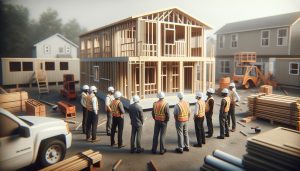
Financing a trailer home, or manufactured home, is often seen as a complex process, but it doesn’t have to be. Many prospective homeowners are drawn to the affordability and flexibility of these homes, yet they may hesitate due to uncertainties around financing options. Understanding the various loan types available-ranging from government-backed loans to personal loans-can empower buyers to make informed decisions that suit their financial situation. As you navigate the intricacies of this specialized market, you’ll discover that financing a mobile home is a viable path to homeownership, making it crucial to grasp the essentials. Dive into this guide to unlock valuable insights into the loan options available for trailer homes, helping you turn your dream of homeownership into reality.
Understanding Trailer Home Financing Options
Understanding financing options for trailer homes is essential for anyone considering this affordable housing alternative. Many people mistakenly believe that purchasing a mobile home limits their financing choices, but a variety of loan options are available tailored specifically for manufactured homes. Whether you’re a first-time buyer or looking to invest, knowing these financing avenues can empower you to make informed decisions and navigate the market successfully.
When it comes to financing a trailer home, the types of loans you can consider include traditional mortgages, personal loans, and specialized manufactured home loans. Traditional Mortgages are often available for newer homes that meet specific standards and are classified as real property, particularly if the home is permanently affixed to land you own. Personal loans, while typically having higher interest rates, can be a viable option for older homes or when additional synthetic financing is required. Lastly, specialized manufactured home loans, such as those backed by the U.S. Department of Housing and Urban Development (HUD) Title I program, are designed specifically for financing mobile homes, providing accessible options with competitive interest rates.
Nevertheless, there are critical aspects to consider. Loan terms can significantly vary, affecting both your monthly budget and overall investment return. Choosing the right lender who understands the unique nature of manufactured housing and offers reasonable rates is vital. Prospective homeowners should also be aware that credit scores, down payment amounts, and the home’s age can all influence loan approvals and conditions. Familiarizing yourself with these details and conducting thorough research can set you up for a successful and sustainable mobile home ownership experience.
Types of Loans Available for Trailer Homes

When considering financing options for trailer homes, understanding the variety of loan types available is crucial. Each option caters to different needs based on the home’s condition, your financial situation, and the land ownership status. Trailer home financing can seem daunting, but familiarizing yourself with the options can empower you to make informed decisions.
One of the most common pathways is through traditional mortgages. These are typically available for newer homes classified as real property, especially if the trailer is permanently affixed to owned land. Securing a traditional mortgage often enables borrowers to access lower interest rates and favorable terms, making it an appealing option for many. However, this route may require a higher credit score and a more substantial down payment compared to other financing options.
Another viable option is personal loans. While these loans generally come with higher interest rates, they can provide quick access to funds without the stringent requirements of a mortgage. This type of financing is often beneficial for older trailer homes or when financing is needed for specific renovations or upgrades. It’s essential to recognize that personal loans can result in higher monthly payments, so careful budgeting is necessary.
Additionally, there are specialized manufactured home loans, such as those backed by government programs like the U.S. Department of Housing and Urban Development (HUD) Title I program. These loans are tailored specifically for mobile and manufactured homes, allowing borrowers to access competitive rates without the need for property eligibility. They often come with less restrictive requirements, which can be particularly beneficial for first-time buyers or those without perfect credit.
In summary, exploring the range of financing options is the first step toward successful trailer home ownership. Whether you opt for a traditional mortgage, consider personal loans, or pursue specialized financing, understanding your unique situation and the benefits of each loan type can facilitate a smoother home buying process. For those ready to dive deeper, evaluating additional financing avenues and consulting with knowledgeable lenders can further enhance your financing strategy.
Pros and Cons of Financing a Mobile Home

Financing a mobile home can present a unique set of challenges and opportunities. While mobile homes offer a more affordable pathway to homeownership compared to traditional houses, the financing landscape is intricately layered with both advantages and disadvantages that potential buyers should carefully consider.
Advantages of Financing a Mobile Home
One of the primary benefits of financing a mobile home is the affordability factor. Mobile homes typically cost less than traditional homes, making them an attractive option for first-time buyers or those looking to downsize. They often come with lower loan amounts, which can translate into reduced monthly payments. Financing options tailored specifically for mobile homes, like government-backed loans, can provide competitive interest rates with flexible eligibility requirements. This access to specialized lending can be a significant advantage for buyers with less-than-perfect credit.
Additionally, mobile homes can offer greater flexibility in housing choices. Many lenders allow for financing options that include the cost of land, which not only gives you a place to live but can also be a potential investment if the land appreciates over time. The ability to relocate your home can also be appealing; if your circumstances change, you might have the option to move your mobile home rather than selling it, preserving your investment.
Disadvantages of Financing a Mobile Home
On the flip side, the financing of mobile homes can entail higher interest rates than traditional home mortgages. Because mobile homes are often viewed as personal property rather than real estate, lenders may mitigate their risk by charging higher rates, which can lead to increased overall costs. Furthermore, certain types of loans, such as personal loans or chattel loans (which classify the mobile home as personal property), may come with shorter terms and higher monthly payments, complicating long-term financial planning.
Another consideration is the potential depreciation of mobile homes. Unlike traditional homes that typically appreciate in value, mobile homes can lose value over time, especially if they are not well-maintained or are situated in less desirable locations. This depreciation can complicate resale values and limit potential profit should you decide to sell later. Furthermore, many parks or sites where mobile homes are located may impose rules or restrictions that can limit your use or future modifications of the property.
In summary, while financing a mobile home can lead to significant savings and flexibility, it also requires careful consideration of potential drawbacks, such as higher interest rates and depreciation risks. By weighing these factors thoughtfully, buyers can make informed decisions that align with their financial goals and lifestyle.
How to Qualify for a Trailer Home Loan
Qualifying for a trailer home loan might seem daunting, but understanding the specific criteria can empower you to navigate the process with confidence. Unlike traditional home loans, lenders often have unique requirements for mobile or manufactured homes. The first step is to verify your creditworthiness. A credit score of 620 or higher is often preferred, especially for conventional loans; however, government-backed options may offer more flexibility for those with lower scores.
Lenders generally consider several factors when assessing your application. These include:
- Income Stability: Demonstrating a steady income from employment or other reliable sources is crucial. Lenders will look for proof, such as pay stubs or tax returns.
- Debt-to-Income Ratio: Your monthly debt obligations should typically not exceed 36% of your gross monthly income. A lower ratio indicates better financial health.
- Down Payment: Many lenders require a down payment for mobile home loans, often between 5% to 20%. The larger the down payment, the more favorable your loan terms may be.
- Type of Home: The age and condition of the mobile home can impact financing. Newer models or those on a permanent foundation are often viewed more favorably.
To further enhance your chances, consider improving your credit score before applying. Paying down debts, correcting inaccuracies in your credit report, and making timely payments can positively influence your score. Also, gathering necessary documentation ahead of time-such as proof of income, bank statements, and information about the property-will streamline the process.
Lenders are looking for borrowers who demonstrate financial responsibility and long-term viability. By being proactive and meeting the outlined requirements, you can position yourself as a strong candidate for trailer home financing, making the dream of mobile home ownership more accessible.
Step-by-Step Guide to Securing Financing
Securing financing for a mobile home can feel like navigating a unique maze of options and requirements, but with the right approach, you can successfully find the best loan solution for your needs. Understanding the steps involved can transform an overwhelming experience into a manageable process. Whether you’re a first-time buyer or looking to refinance, following a systematic approach can make all the difference.
Start by assessing your financial situation. Begin with a review of your credit score, as this will play a vital role in determining your eligibility for various loan products. Aim for a score of 620 or higher to improve your chances of getting a favorable interest rate. If your score is lower, take proactive steps to enhance it-settle outstanding debts, rectify errors on your credit report, and ensure you consistently pay your bills on time. This groundwork establishes a solid foundation for your loan application.
Next, gather the necessary documentation to present to your lender. This typically includes proof of income (like pay stubs or tax returns), bank statements, and details about the mobile home you intend to purchase, such as its make, model, age, and condition. Many lenders will also require information regarding the land that accompanies the mobile home. Being organized can expedite the approval process and showcase your preparedness to lenders.
Once your financial status is clear and your paperwork is ready, it’s time to explore your financing options. Start with a thorough comparison of different loan types tailored for mobile homes, including chattel loans, FHA loans, and traditional mortgages. Each option comes with distinct terms, interest rates, and qualifications, so evaluating them against your budget and financial goals is crucial. Additionally, don’t hesitate to involve a mortgage broker who specializes in mobile home loans; their expertise can guide you through selecting the most advantageous terms.
Finally, after choosing a loan type, submit your application. Be prepared for interviews or additional information requests from lenders. Patience is key here, as underwriting can take time, especially if appraisals or inspections are needed. While waiting for approval, consider planning for insurance and other ownership costs that accompany the purchase. Once approved, review all loan documentation carefully before signing to ensure you understand your obligations. This due diligence will not only help you secure financing but also pave the way for successful mobile home ownership.
Exploring Government Programs for Mobile Home Loans
Navigating the world of mobile home financing can be challenging, but government programs exist to ease the process and make homeownership more accessible. Various federal initiatives offer financial support specifically aimed at buyers of manufactured homes, ensuring that you have the necessary resources to secure your dream home.
One of the most prominent options available is the FHA (Federal Housing Administration) Title I loan program. This program allows buyers to finance the purchase of a mobile home or a manufactured home as well as the land it sits on, without needing to navigate through the often complex landscape of conventional mortgage financing. FHA loans are particularly beneficial for individuals with lower credit scores, offering them terms that might not be achievable through traditional lenders. Additionally, the government insures these loans, allowing lenders to provide more favorable interest rates and terms to borrowers.
Another viable option is the USDA (U.S. Department of Agriculture) Rural Development loan, specifically designed for low-to-moderate-income households in rural areas. This program can cover both the home and land purchase and does not require a down payment, making it an attractive choice for buyers looking to avoid upfront costs. The USDA provides loans directly or backs loans made by commercial lenders, which can further enhance your financing options.
For veterans, the VA (Department of Veterans Affairs) loan program offers unique benefits. Veterans can use VA loans to purchase manufactured homes, often without requiring a down payment and at competitive interest rates. VA loans are particularly advantageous as they do not mandate private mortgage insurance (PMI), making monthly payments lower and more manageable.
Tips for Accessing Government Loans
To maximize your chances of securing a government-backed loan, consider the following tips:
- Research eligibility requirements: Each program has specific criteria. Check your eligibility early to avoid any surprises later.
- Gather necessary documentation: Similar to traditional loans, you’ll need income verification, credit history, and details about the home. Organizing these documents ahead of time can expedite the application process.
- Consult with local lenders: Working with lenders familiar with government programs can provide valuable insights and guidance tailored to your situation.
- Consider working with a housing counselor: Nonprofit organizations offer counseling services to help you navigate the complexities of mobile home financing and the various programs available.
Accessing government programs can significantly enhance your financing options for a mobile home, making it a feasible goal for many prospective homeowners. By leveraging these resources, you can embark on your journey toward mobile home ownership with greater confidence and support.
Tips for Improving Your Credit Score for Loan Approval
To secure financing for a mobile home, improving your credit score can make a significant difference in the options available to you and the interest rates you’ll receive. With many lenders considering your creditworthiness a primary factor, taking proactive steps to enhance your score is essential. A better credit score not only opens the door to more favorable loan terms but also reflects your financial responsibility, giving lenders confidence in your ability to repay the loan.
Start by obtaining a copy of your credit report from all three major credit bureaus: Equifax, Experian, and TransUnion. Review the reports for any discrepancies or errors, as even small inaccuracies can impact your score negatively. If you find mistakes, take immediate steps to dispute them with the respective bureau. Additionally, focus on paying down outstanding debts, particularly those that are close to your credit limits. High credit utilization can significantly lower your score, so aim to keep your usage below 30% of your available credit.
It’s also wise to maintain a consistent payment history. Late or missed payments can remain on your credit report for up to seven years, adversely affecting your score. Set up reminders or automate payments to help you stay on track. If you’re struggling with multiple bills, consider a debt consolidation plan to manage your payments more effectively. Moreover, resist the urge to open new credit accounts before applying for your trailer home loan, as this can temporarily lower your score. Instead, focus on strengthening the credit you currently have.
Lastly, engage in credit-building activities like becoming an authorized user on a responsible individual’s credit card or exploring secured credit cards, which can help improve your credit score over time. These actions, combined with disciplined financial habits, can significantly enhance your credit profile, making the process of obtaining a loan for your mobile home not just feasible but also more financially advantageous.
Understanding Interest Rates and Terms for Trailer Loans
Navigating the landscape of interest rates and terms for trailer loans is crucial for prospective buyers aiming to manage their finances effectively. The interest rates on trailer home loans can significantly influence the total cost of financing, and they vary based on several factors, including the type of loan, the borrower’s creditworthiness, and the overall market conditions. Generally, interest rates for trailer loans tend to be higher than traditional home loans, reflecting the perceived risk associated with financing manufactured housing.
Factors Affecting Interest Rates
Several key factors can affect the interest rates you might receive for a trailer loan:
- Credit Score: Lenders primarily use credit scores to assess risk. A higher credit score typically results in lower interest rates, so maintaining a good credit profile is essential.
- Loan Amount: Larger loan amounts may offer more competitive rates, while smaller loans could incur higher rates due to perceived risk.
- Loan Term: The duration of the loan also impacts interest rates. Shorter loan terms often feature lower rates but result in higher monthly payments.
- Lender Type: Different lenders may offer varying rates. Direct lenders, credit unions, and specialized manufactured home lenders may have unique pricing.
It’s vital to compare offers from multiple lenders when searching for the best interest rates. Utilize online calculators to simulate potential monthly payments at different rates, helping you determine what fits best within your budget.
Understanding Loan Terms
Loan terms for trailer homes can range significantly, from about 5 to 30 years, depending on the lender and the specific loan program. A longer-term loan may lower monthly payments but can lead to increased interest costs over the life of the loan. Conversely, shorter terms will incur less total interest but demand higher monthly payments, potentially straining your budget.
Additionally, many trailer loans are structured as chattel loans, which are secured by the home rather than the land it sits on. This can influence interest rates and terms, as chattel loans often come with higher rates compared to traditional mortgages because they are considered riskier. For example, if you plan to move your trailer home in the future, chattel loans may be advantageous as they allow for a more straightforward borrowing process without the complexities of land financing.
Understanding these elements can empower you to make informed financial decisions, ultimately leading to a successful financing experience for your trailer home.
Budgeting for Trailer Home Ownership Costs
When considering the purchase of a trailer home, effective budgeting is crucial for ensuring long-term satisfaction and financial stability. The allure of lower upfront costs compared to traditional homes often masks several ongoing expenses that can quickly add up. Understanding these costs will provide a clearer financial picture and empower you to make informed decisions.
One of the most significant expenses following the purchase of a trailer home is the monthly loan payment. This usually includes principal and interest, and is influenced by the loan amount, interest rate, and term length. In addition to the loan payment, homeowners should also budget for property taxes which can vary significantly based on location. Utilities are another key factor-especially in a manufactured home, where costs for water, electricity, and sewage can differ from traditional homes. It’s advisable to check with local utility providers for expected rates to anticipate these monthly expenses.
Insurance is another vital aspect that shouldn’t be overlooked. Mobile home insurance is typically required by lenders, and its premiums can vary based on factors like home age, location, and coverage amount. This insurance covers damages to the home itself and other property, which is especially important in areas prone to natural disasters.
Maintenance costs for a trailer home can also be more variable than expected. While manufactured homes are often designed to be low-maintenance, budgeting for routine maintenance, repairs, and any renovation projects is advisable. This could include anything from landscaping to plumbing and roof repairs.
Finally, don’t forget to factor in the costs associated with the location of your mobile home, particularly if it’s situated in a mobile home park. Parks may charge monthly fees that cover amenities and services such as trash collection and maintenance of common areas.
By carefully considering these elements and setting a realistic budget, prospective trailer home buyers can navigate the financial intricacies of ownership with confidence, ultimately leading to a more rewarding living experience.
Insurance Considerations for Mobile Homes
Securing adequate insurance coverage is a crucial element in the lifecycle of mobile home ownership, protecting not only your investment but also your peace of mind. Many potential buyers may overlook mobile home insurance, assuming that their property is automatically covered under standard homeowner’s policies. However, mobile homes often have unique insurance needs due to their structure and susceptibility to specific risks, which makes obtaining tailored coverage essential.
Mobile home insurance typically encompasses several key components, including property coverage, liability coverage, and additional living expenses (ALE). Property coverage safeguards your home against perils such as fire, theft, and certain natural disasters. It’s vital to review the specific risks associated with the geographical area where you live. For instance, areas prone to hurricanes may require additional endorsements to ensure protection against wind damage. Liability coverage protects you from financial losses in case someone is injured on your property, while ALE coverage supports you with living expenses if your home becomes uninhabitable due to a covered loss.
Factors Influencing Premiums
The cost of mobile home insurance can vary widely, influenced by several factors, including:
- Home Age: Older homes may have higher premiums due to increased vulnerability to damage.
- Location: Areas prone to natural disasters generally command higher insurance rates.
- Coverage Amount: The more coverage you opt for, the higher the premium will be.
- Safety Features: Homes equipped with safety devices, such as smoke detectors and security systems, often qualify for discounts.
Being proactive about insurance can yield significant benefits. Engaging an experienced insurance agent who understands mobile home needs can offer tailored advice and help navigate complex policy details, ensuring you’re adequately covered without overspending. Regularly review your coverage as your circumstances change-updating your policy when making major modifications or acquiring valuable belongings is crucial for maintaining robust protection.
Acquiring the right insurance not only fulfills lender requirements but is also a foundational step toward securing your financial wellbeing as a mobile homeowner. Understanding these elements allows you to make informed choices that help protect your home and investment over time.
Legal Requirements for Trailer Home Financing
Navigating the financing landscape for trailer homes requires a firm understanding of the legal requirements involved in securing a loan. Potential buyers must be informed about the various regulations and documentation needed to facilitate a smooth transaction. One of the first steps is ensuring that the mobile home is classified appropriately, as this affects the type of financing options available. Generally, mobile homes can be titled as personal property or real estate, and this distinction significantly influences loan eligibility and terms.
To finance a trailer home, you will typically need to furnish a variety of documentation. Key requirements may include a credit report, proof of income, tax returns, and details about the property, such as its age and condition. Lenders may also require evidence of ownership, such as the title, and a property survey to verify the land’s dimensions and boundaries. Understanding your state’s specific laws regarding manufactured homes is crucial since regulations can vary widely. For instance, some states have strict zoning laws that dictate where mobile homes can be placed, which is vital for both legal compliance and securing financing.
Another essential aspect is understanding the implications of local zoning ordinances and community regulations. Many mobile home parks have specific rules about the types of homes allowed, as well as requirements for permits. Failing to adhere to these regulations could result in fines or the inability to secure financing. It’s advisable to consult with a real estate attorney or local financial expert to ensure compliance with all legal stipulations.
Finally, it’s imperative to consider the insurance requirements, as lenders often mandate that buyers carry comprehensive insurance on the mobile home. This not only protects the investment but also satisfies lender requirements, making it an integrated part of the financing process. By staying informed about these legal requirements and ensuring compliance, prospective mobile home buyers can position themselves for a successful financing experience, paving the way for a rewarding investment in mobile home ownership.
Strategies for Long-Term Maintenance and Property Value
Maintaining the value of a mobile home requires a proactive approach that combines regular upkeep with strategic improvements. By investing time and resources into proper maintenance, homeowners can not only ensure their living space remains comfortable and functional but also protect their investment against depreciation. One of the key components of long-term maintenance is establishing a routine schedule for inspections and repairs. This includes checking the roof for leaks, maintaining the plumbing system, and ensuring that heating and cooling units are serviced regularly.
Additionally, enhancing the property through aesthetic upgrades can significantly increase its market value. Simple projects such as landscaping, painting, or even installing energy-efficient windows not only improve curb appeal but can also lead to lower utility costs, making the home more attractive to future buyers. Consider investing in durable materials that withstand the elements; this is especially important for mobile homes situated in areas prone to severe weather.
Routine Maintenance Tips
- Inspect roofing annually: Look for damaged shingles or leaks that could lead to larger issues.
- Service HVAC systems: Regularly replace filters and schedule professional cleanings to improve efficiency.
- Check for moisture: Monitor areas prone to dampness to prevent mold growth, which can affect home value.
- Maintain exterior: Keep the siding painted and crack-free to protect against rot and pest infestations.
In addition to physical upkeep, homeowners should familiarize themselves with the market trends concerning mobile homes. Monitoring property values in the area can provide insights into when it might make sense to sell or upgrade features for added value. Establishing a supportive network with neighbors and participating in community upkeep efforts can also bolster property values in mobile home parks, creating an environment that attracts potential buyers.
Planning for environmental factors is another critical aspect of maintaining a mobile home’s value. For example, if your area is susceptible to hurricanes, investing in hurricane straps and tie-downs can prevent extensive damage during storms. Understanding and following local building codes regarding mobile homes will ensure compliance and further safeguard your investment.
By adopting these strategies and regularly updating their homes, mobile home owners can enjoy a fulfilling lifestyle while safeguarding their financial investment, ensuring their property retains and even increases in value over time.
Q&A
Q: What types of loans can I get to finance a trailer home?
A: You can access various loans for trailer homes, including conventional mortgages, FHA loans, and chattel loans. Chattel loans are specifically for mobile homes not on permanent foundations, while FHA loans may offer lower down payment requirements. Explore all options to find the best fit for your circumstances.
Q: How do I qualify for financing a trailer home?
A: To qualify for trailer home financing, lenders typically assess your credit score, income, and debt-to-income ratio. Having a stable job, demonstrating reliable income, and maintaining a good credit score (usually above 580 for FHA loans) can significantly improve your chances of securing a loan.
Q: Are there specific government programs for trailer home financing?
A: Yes, government programs like the FHA Title I loan program and USDA loans provide financing options for manufactured homes. These programs often have favorable terms, such as lower interest rates and reduced down payment requirements, making homeownership more accessible.
Q: What are the pros and cons of financing a trailer home?
A: Financing a trailer home can be beneficial due to lower purchase prices and housing flexibility, but cons may include higher interest rates and limited financing options compared to traditional homes. Carefully weigh these factors to make an informed decision regarding your housing needs.
Q: How do interest rates compare for trailer home loans versus traditional home loans?
A: Interest rates for trailer home loans are often higher than those for traditional home loans due to perceived higher risk. However, it’s crucial to shop around and compare rates from various lenders to find the most competitive options available to you.
Q: Can I refinance my trailer home loan?
A: Yes, you can refinance your trailer home loan just like any other mortgage. Refinancing may allow you to secure a lower interest rate or change the loan term, but you’ll need to meet the lender’s credit and income requirements and evaluate potential costs versus benefits.
Q: What should I consider when budgeting for trailer home ownership?
A: When budgeting for trailer home ownership, consider not just the loan payment, but also property taxes, insurance, maintenance, utilities, and site rent if applicable. Creating a comprehensive budget helps ensure that you are financially prepared for all ongoing costs.
Q: What insurance options are available for trailer homes?
A: Trailer homes can be covered by specific mobile home insurance policies that protect against damage and liability. Options often include coverage for personal belongings and structural damage. It’s essential to compare policies to ensure comprehensive protection for your investment.
To Conclude
Understanding your financing options for a trailer home is crucial to making an informed decision. Now that you’re equipped with the knowledge of various loan types and their specific requirements, take the next step toward making your mobile home dream a reality. Whether you’re considering conventional loans, government-backed options, or personal loans, the right financing can set the foundation for your journey in mobile home ownership.
Don’t hesitate to explore more about financing your trailer home through our detailed guides on mobile home loans [[2]] and tips for purchasing and maintaining mobile homes [[1]]. Have questions? Join the discussion by leaving your comments below, and sign up for our newsletter for ongoing insights and expert advice tailored to mobile home living. Take action today to secure your future in affordable housing!