Did you know that with proper maintenance, a mobile home can last as long as a traditional house? Many prospective buyers and current owners often overlook the lifespan of mobile homes, leading to concerns about durability and investment value. Understanding how long mobile homes last is essential not only for making informed purchasing decisions but also for ensuring that your investment stands the test of time. From regular upkeep to essential renovations, the longevity of these homes can be significantly influenced by the care they receive. In this article, we’ll explore surprising lifespan facts about mobile homes, helping you navigate your journey as a homeowner in this unique sector of the housing market. Whether you’re a first-time buyer or looking to invest, getting to know the realities of mobile home lifespan can empower you to make confident, informed choices.
How Long Can You Expect a Mobile Home to Last?
Considering that many mobile homes are built using durable materials and innovative construction techniques, their lifespan can often exceed that of traditional homes. Typically, a well-maintained mobile home can last anywhere from 30 to 55 years, with some even reaching beyond 70 years. However, this longevity heavily depends on several critical factors, including the quality of construction, the environment in which the home is located, and the commitment of the owner to regular maintenance.
Factors Influencing Lifespan
Several elements can impact how long your mobile home remains in good condition. These include:
- Construction Quality: Homes built with higher quality materials and following stringent standards tend to last longer.
- Location: Environmental factors, such as exposure to harsh weather conditions-like extreme cold, heat, or storms-can contribute to wear and tear.
- Maintenance: Regular upkeep can prevent minor issues from becoming major problems. Routine tasks like inspecting the roof, repairing leaks, and maintaining plumbing systems are crucial.
- Foundation Type: Homes set on a solid foundation or properly leveled can withstand the elements better than those insufficiently secured.
Understanding these factors can help prospective owners make informed decisions regarding their investment and potential renovations. It is essential to recognize the importance of routine maintenance not only for aesthetics but also for ensuring the home’s structural integrity over the years.
Investing time and resources in the upkeep of a mobile home poises owners for a significantly prolonged lifespan, making it a viable housing alternative for many. With the right care, mobile homes can mature gracefully, providing comfort and security for generations.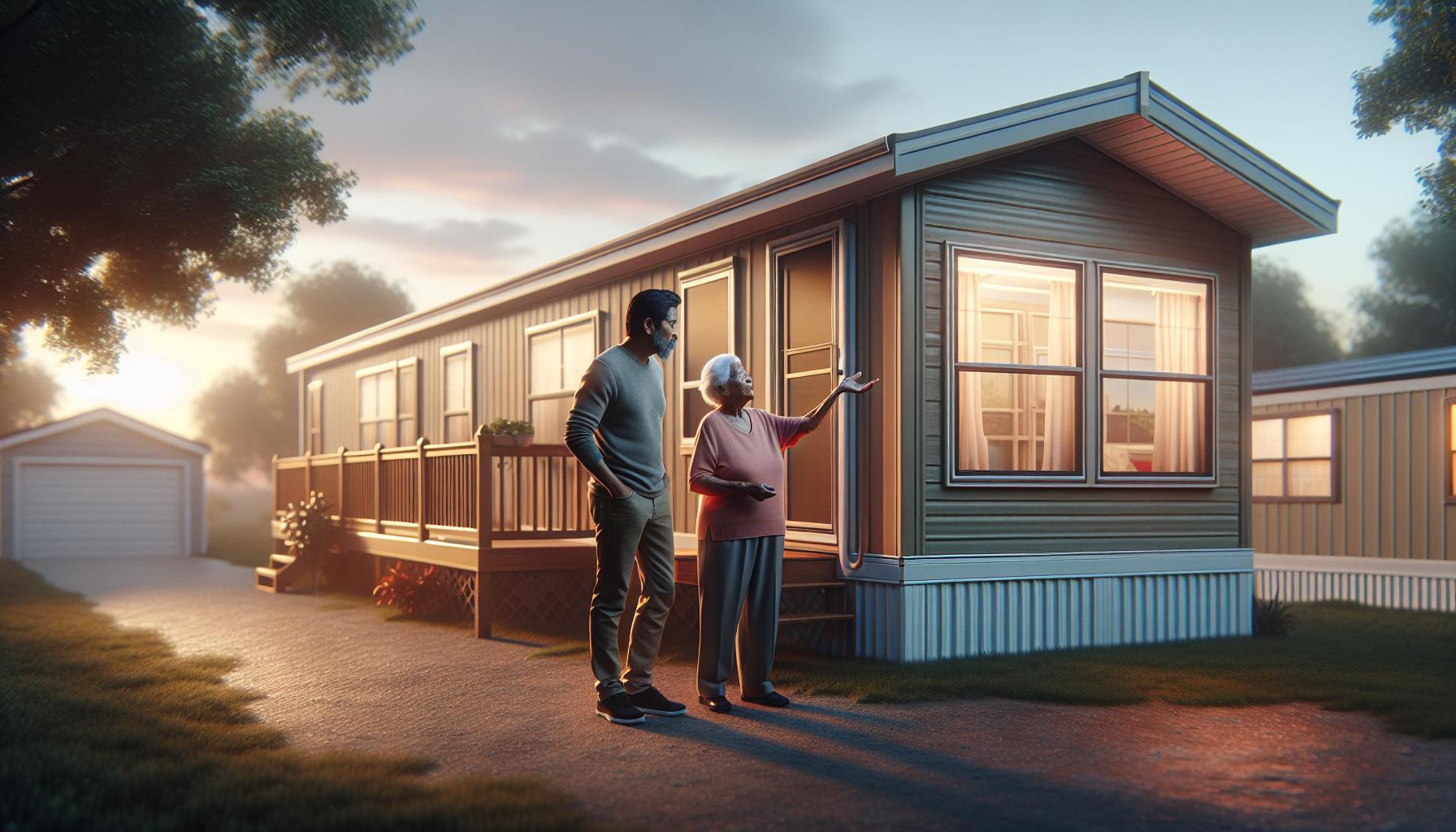
Factors Influencing the Lifespan of Mobile Homes
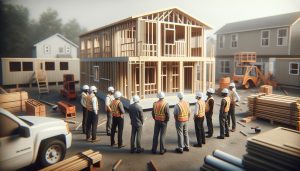
An important factor contributing to the lifespan of a mobile home is the quality of its construction. Homes built using high-grade materials and adhering to rigorous construction standards not only enhance durability but can also lead to fewer maintenance issues over time. This commitment to quality is crucial, as it decreases the likelihood of critical failures related to the structure or systems within the home, from roofing to electrical installations.
Location plays a vital role as well. Mobile homes situated in areas prone to harsh environmental conditions-such as heavy snowfall, extreme heat, or hurricanes-face greater wear and tear. For instance, homes in hurricane zones must be equipped with proper tie-downs and meet local wind-load requirements to ensure they can withstand severe storms. Additionally, taking precautionary measures, like elevating the home or implementing protective landscaping, can significantly mitigate potential damages.
Regular maintenance is another cornerstone of longevity. Just like any other home, a mobile home benefits immensely from routine inspections and upkeep. Homeowners should prioritize tasks such as:
- Roof Inspections: Regularly check for leaks, missing shingles, or debris accumulation.
- Plumbing Checks: Monitor for leaks or clogs; winterize pipes to prevent freezing.
- Foundation Maintenance: Ensure the home remains level and secure, adjusting as necessary.
- Harsh Weather Preparations: Secure windows and doors, upgrade insulation, and reinforce structures as needed.
Finally, the type of foundation impacts structural integrity. Mobile homes placed on a solid, level foundation are more resilient against weather extremes and shifting ground. Whether the home is placed on piers, a concrete slab, or a crawl space, ensuring proper setup and maintenance of the foundation can make a substantial difference in how long the home lasts. By recognizing and addressing these critical factors, prospective mobile home owners can make informed choices that promote a secure investment and enhance the enjoyment of their living space.
Understanding Mobile Home Materials and Construction
Understanding the materials and construction techniques used in mobile homes is crucial for determining their potential longevity and maintenance needs. Mobile homes, also known as manufactured homes, have evolved significantly since the early days, and today’s models often incorporate advanced materials and construction methods that enhance durability and efficiency. For instance, homes built under the HUD Code implemented in 1976 are required to meet specific quality standards, ensuring a baseline level of construction excellence that supports a longer lifespan[[2]].
One of the standout aspects of modern mobile homes is their framing materials. Many recent models use steel frames, which provide superior strength and stability compared to the traditional wood framing. This change not only contributes to the structural integrity but also helps resist warping and the effects of moisture, thereby enhancing the overall durability of the home. Additionally, the use of high-quality insulation materials can significantly affect energy efficiency. Homes equipped with adequate insulation can maintain comfortable indoor temperatures, reducing heating and cooling costs while protecting against temperature-related wear on structural components[[3]].
The exterior materials of mobile homes also play a significant role in their longevity. Options such as vinyl siding or durable metal roofing can withstand harsh weather conditions better than older materials. Properly maintained, these exteriors protect the underlying structure from moisture intrusion and pests, which can lead to serious damage over time. Homeowners should regularly inspect these materials, looking for signs of wear, damage, or needed repairs to prolong the life of their mobile homes[[1]].
When investing in a mobile home, it’s essential to consider the construction quality and materials used-not just for immediate comfort and efficiency, but for long-term investment protection. Potential buyers should inquire about the home’s build year, the types of materials used, and any insulation details to ensure they are making a sound purchase. Investing in a well-constructed mobile home can mean enjoying its comforts for 30 to 55 years or even longer with proper upkeep[[3]].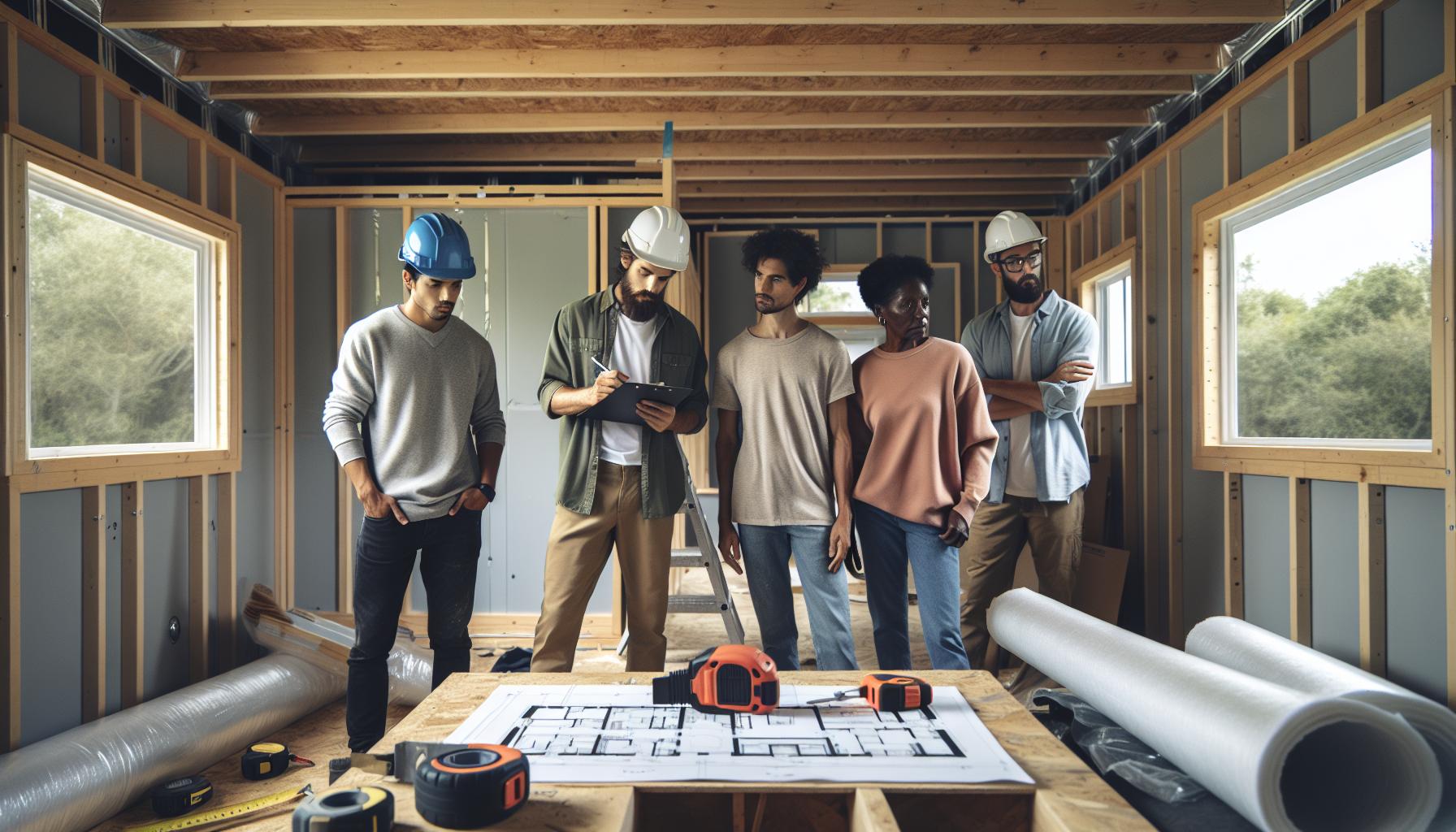
Essential Maintenance Tips for Longevity
Maintaining your mobile home is crucial for ensuring its longevity and keeping it in prime condition for years to come. A well-cared-for manufactured home can last anywhere from 30 to 50 years or more, depending on how diligently you manage necessary upkeep. Regular maintenance protects against potential issues and often costs far less than waiting for major repairs to arise.
One of the central aspects of preserving your mobile home is routine inspections. Checking the exterior for signs of wear is essential; look for chipped paint, damaged siding, or loose shingles that could lead to moisture intrusion. Schedule seasonal inspections of your roof, plumbing, and foundation to catch problems early. It’s also wise to keep your gutters clean to prevent water from pooling and causing structural damage.
Key Maintenance Tasks:
- Roof Care: Inspect for leaks or visible damage and consider applying a protective sealant every few years.
- Foundation and Leveling: Ensure that the home is properly leveled and anchored. This is critical in preventing structural stress and issues related to shifting.
- HVAC System Maintenance: Change filters regularly and schedule professional servicing at least once a year to enhance air quality and system efficiency.
- Pest Control: Regularly check for signs of pest infestations and address them promptly to prevent costly repairs.
Energy efficiency can further extend your mobile home’s lifespan. Insulation plays a significant role in temperature regulation, and over time, insulation can wear out or become less effective. Consider adding additional insulation or upgrading to more modern materials if your home seems drafty or has high utility bills.
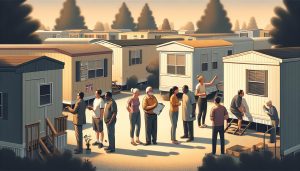
Finally, involve your community where possible. Many mobile home parks have maintenance workshops or community events focused on home improvement. Engaging with fellow residents can provide invaluable advice and support, making maintenance not only easier but also a shared experience that strengthens community bonds. Taking these steps will not only enhance the comfort of your living environment but also significantly contribute to the longevity of your mobile home.
Upgrading and Renovating Your Mobile Home
Upgrading a mobile home not only enhances its aesthetic appeal but also contributes significantly to its overall lifespan and efficiency. With the right renovations, homeowners can modernize their spaces while addressing critical structural and system upgrades that improve comfort and longevity. Whether you’re looking to boost energy efficiency, modernize outdated appliances, or create a more functional living space, renovations can breathe new life into your mobile home.
One of the first areas to consider for upgrades is insulation. Older mobile homes often have inadequate insulation, leading to higher energy bills and discomfort. Upgrading to high-quality insulation materials can help regulate indoor temperatures, improving energy efficiency and reducing heating and cooling costs. For those in regions prone to severe weather, reinforcing insulation can also offer added protection against extreme temperatures.
Another pivotal area for renovation is the kitchen and bathrooms. These spaces often experience wear and tear due to daily use. Replacing countertops with durable materials, upgrading appliances to energy-efficient models, and redoing cabinetry can not only enhance the visual appeal but also increase the home’s market value. Updating plumbing fixtures and incorporating modern technology, like smart faucets or motion-sensor lighting, can further enhance convenience and efficiency.
Considering the exterior is also essential when upgrading a mobile home. A fresh coat of paint or new siding can significantly improve curb appeal and protect the home against elements. Additionally, adding features such as decks or patios can create functional outdoor spaces that enhance the living area. Those looking for deeper structural changes should consider enhancing the mobile home’s foundation and anchoring systems, especially in areas prone to severe weather, to ensure stability and safety.
Ultimately, renovating and upgrading a mobile home if approached thoughtfully can lead to a more enjoyable living experience, increased property value, and a longer lifespan. Investing in quality improvements today can provide benefits for years to come, proving that mobile home ownership can be a sustainable and fulfilling choice.
Financing Options for Mobile Home Owners
While mobile homes offer a unique and often more affordable housing option, financing them can sometimes seem daunting to potential owners. Understanding the available financing options is crucial for ensuring that your investment is not only secure but also affordable over the long term. Various programs cater specifically to mobile home purchasers, helping to shed light on how to successfully navigate this specialized market.
One of the primary options for financing a mobile home is through traditional mortgage loans. However, it’s important to note that conventional lenders may require the mobile home to be classified as real estate, meaning it must be permanently affixed to a parcel of land. This can ensure that buyers obtain favorable loan terms similar to those associated with conventional homes. If you already own land, this could be an excellent route to consider, giving you access to competitive interest rates and potentially longer loan terms.
For those purchasing a mobile home without land, there are specific financing programs designed for this scenario. The Federal Housing Administration (FHA) offers Title I loans, which can be used to finance the purchase of mobile homes. These loans are designed to make financing available to lower-income borrowers and those with less-than-perfect credit. Additionally, personal loans from traditional lenders or credit unions can also be used for mobile home purchases but often come with higher interest rates and shorter terms.
Including a few tips can further simplify the financing process:
- Review Your Credit: Know where you stand financially before applying for any loans. A higher credit score typically results in better loan terms.
- Explore Government Programs: Investigate local and state programs that offer assistance specifically for mobile home financing.
- Consult with Specialists: Seek advice from lenders familiar with mobile home financing. Their expertise can guide you to the best possible financing options.
As you explore financing avenues, remember that purchasing a mobile home is not just about the initial investment; it requires a holistic view of long-term financial implications, including potential appreciation and the overall upkeep costs associated with maintaining your home. With the right knowledge and preparation, you can confidently navigate the financing landscape and invest in a mobile home that stands the test of time, both in durability and in value.
Insurance Considerations for Mobile Homes
Securing the right insurance for your mobile home is essential, as it protects your investment and provides peace of mind. Mobile homes have a distinct set of risks that differ from those associated with traditional homes, making specialized insurance coverage crucial. Understanding how to navigate the often complex world of mobile home insurance will enable you to find the best policy that meets your needs.
One significant factor impacting insurance options is the age of your mobile home. Older models are frequently seen as higher risk by insurers due to their susceptibility to damage from natural disasters, fire, and wear and tear. This perception can lead to higher premiums or limited coverage options. However, many insurers will work with homeowners to provide coverage tailored to their specific situations, including preventive measures like retrofitting or upgrades that enhance safety. Therefore, it’s advisable to discuss your home’s condition, renovations, and improvements when obtaining quotes.
When purchasing insurance for a mobile home, be aware of the common types of coverage available. Most policies include:
- Property Coverage: Protects the structure of your mobile home against fire, theft, storm damage, and other perils.
- Liability Coverage: Offers protection in the event someone is injured on your property, covering legal fees and medical expenses.
- Personal Property Coverage: Covers your belongings inside the home against damages or theft.
Consider bundling your mobile home insurance with other policies, such as auto or life insurance, to secure discounts and lower overall premiums. It’s also beneficial to periodically reassess your policy to ensure that it aligns with any changes in your living situation or the local environment. For example, if you live in an area prone to hurricanes, additional coverage specific to flooding may be essential.
Lastly, understanding your state’s legal requirements regarding mobile home insurance is crucial, as some states mandate minimum coverage levels. Thorough research and comparisons of various insurers can lead you to policies that fit your budget while providing the comprehensive protection necessary for your mobile home and your peace of mind.
Legal Requirements for Mobile Home Ownership
Navigating the legal landscape of mobile home ownership is crucial for ensuring a smooth and compliant living experience. Different states have unique regulations and requirements that can affect mobile home owners, influencing everything from the purchase process to the longevity of your home. Understanding these legal parameters is not just about adhering to the law; it’s about safeguarding your investment and enhancing the value of your property.
One of the first legal considerations for potential mobile home buyers is zoning laws. Depending on your location, certain areas may have restrictions on where mobile homes can be situated. In many communities, mobile homes are subject to specific zoning regulations that dictate their placement, size, and design. Therefore, it’s important to check local ordinances and building codes before making a purchase.
Additionally, while mobile home insurance is not mandated by law in many states, lenders and mobile home parks often require it as a condition for financing or residency. Most mobile home owners should opt for comprehensive coverage, including property, liability, and personal property protection. Understanding your state’s requirements-and whether they align with local community rules-can help prevent complications down the line.
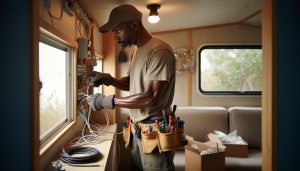
Another critical aspect of mobile home ownership involves understanding utility connections and local inspection processes. Many jurisdictions require inspections and permits for utilities such as water, gas, and electricity before a mobile home can be legally occupied. Failing to adhere to these requirements can result in fines or require costly retrofitting to meet code. Ensuring your mobile home is compliant with these regulations not only avoids legal hassles but also contributes to the overall safety and longevity of your home.
Overall, proactive engagement with the legal requirements surrounding mobile home ownership can enhance your living experience and secure your investment for years to come. Whether you’re a first-time buyer or a seasoned owner, remaining informed about these regulatory aspects will empower you to make better decisions for your mobile home and promote a sustainable and compliant living environment.
Property Valuation: What to Know
Understanding the valuation of a mobile home is critical for buyers and owners alike, particularly given the unique depreciation trends associated with manufactured housing. Unlike traditional homes, which often appreciate over time, mobile homes typically experience significant depreciation, especially in the first few years. This is a vital factor to consider, as many owners may not realize that a mobile home valued at $150,000 could lose more than $50,000 in just five years-approximately one-third of its original value.
To accurately gauge the value of a mobile home, several key factors must be considered:
- Age: The age of the mobile home greatly influences its value. Most manufactured homes have an average lifespan of about 55.8 years, which can affect resale potential as the home ages.
- Condition: The upkeep of the home, including renovations and regular maintenance, plays a crucial role in valuation. Homes that have been well maintained or recently upgraded can command higher prices.
- Location: Similar to traditional real estate, the location of a mobile home significantly affects its valuation. Homes situated in desirable areas or communities, especially those with amenities, typically hold their value better.
- Market Demand: The local housing market can impact the value of a mobile home. In a tight housing market, demand may drive up prices, whereas in a saturated market, values may stagnate.
Understanding these factors not only aids current owners in maintaining their investment but also assists prospective buyers in making informed decisions. To obtain a precise valuation, appraisals from professionals familiar with manufactured homes are recommended, as they can evaluate specific characteristics that may not be readily apparent to the average buyer.
Finally, for those considering financing options, the valuation of a mobile home is crucial. Lenders often base their loan amounts and terms on the home’s current market value, further emphasizing the importance of recognizing how various factors influence this aspect of ownership. By being proactive about understanding and enhancing the value of a mobile home, owners can better secure their investment and navigate the market effectively.
Hurricane Preparedness for Mobile Homes
Preparing your mobile home for hurricanes is essential to ensure both safety and longevity, especially given its lifespan of approximately 30 to 55 years, depending on maintenance and construction quality. While mobile homes can withstand many weather events, they are particularly vulnerable to high winds and storms. Therefore, proactive measures are crucial to safeguarding your investment and your well-being.
One of the most effective steps in hurricane preparedness is ensuring your mobile home is properly anchored. This can involve using tie-down systems that secure the home to its foundation, minimizing the risk of it being lifted or shifted during severe storms. Regularly inspect and tighten these tie-downs, and consider adding additional anchor points if your home is in a high-risk area. Furthermore, reinforcing doors and windows with storm shutters or plywood can provide added protection against flying debris and high winds.
Additionally, maintaining the area around your mobile home plays a pivotal role in reducing wind exposure and debris risks. Keep trees trimmed to prevent branches from falling on your home, and remove any loose items from your yard that could become hazardous projectiles. It’s also wise to create an emergency plan that includes evacuation routes and communication methods, ensuring you and your family are prepared in case of severe weather.
Finally, investing in comprehensive insurance that covers hurricane damage can alleviate stress when storms approach. Make sure to review your policy details and ensure that it adequately protects your mobile home against hurricane-related risks. Taking these steps not only enhances your safety but may also positively impact the longevity of your mobile home, allowing it to withstand challenging weather and continue providing secure housing for decades.
The Importance of Proper Leveling and Anchoring
Ensuring a mobile home is properly leveled and anchored is crucial for both safety and longevity. A well-leveled home distributes weight evenly across its foundation, preventing stress on the structure and minimizing the risk of damage over time. Uneven leveling can lead to a variety of issues, including floor sagging, cracked walls, and problems with doors and windows aligning properly. Regular checks, ideally every six months, can help maintain optimum levels. It’s advisable to use a bubble level or a digital leveling tool to accomplish this task accurately.
Anchoring goes hand in hand with leveling and is equally important, particularly in areas prone to severe storms or high winds. Proper anchoring prevents the home from shifting or becoming destabilized during adverse weather conditions. Typical anchoring methods include using heavy-duty straps and anchors that penetrate deep into the ground. These should be inspected regularly and tightened as needed, especially after significant weather events. Additionally, local regulations may dictate specific anchoring standards that must be adhered to, making it vital to stay informed about these requirements.
Implementing these practices not only contributes to the safety of the inhabitants but also enhances the overall lifespan of the mobile home. As a homeowner, being proactive about leveling and anchoring can save you money on repairs in the long run. Homeowners often report an increase in their home’s aesthetic appeal and functionality after ensuring that it is well-leveled and securely anchored. Thus, prioritizing these factors will ultimately protect your investment and provide a more stable living environment for years to come.
Common Myths About Mobile Home Lifespans
A prevalent misconception is that mobile homes have a significantly shorter lifespan compared to traditional homes. While some may believe that manufactured housing is inherently inferior, the reality tells a different story. With modern advancements in materials and construction methods, contemporary mobile homes are designed to be durable and can last as long as traditional houses-often exceeding 30 years or more with the right care and maintenance. According to various experts, if properly maintained, a mobile home can sustain its structural integrity and utility for decades, challenging the myth that they are temporary housing solutions[[1]](https://regionalhomes.net/resources/debunking-myths-about-manufactured-housing).
Another common myth suggests that mobile homes are not built to withstand harsh weather conditions. In reality, many mobile homes come equipped with features specifically designed to combat extreme weather, such as improved anchoring systems and materials that enhance insulation. Regular inspection and updates to these features, especially in areas prone to severe storms, can greatly enhance a mobile home’s resilience. A well-maintained mobile home can effectively handle the same environmental stresses as a site-built home[[2]](https://blog.mhvillage.com/how-long-do-mobile-homes-last-the-life-of-a-mobile-home/).
Some individuals also hold the belief that mobile homes quickly lose value, similar to vehicles. While it is true that depreciation can occur, it is essential to understand that a mobile home’s value can stabilize and even appreciate, particularly when homeowners invest in renovations and upgrades. Factors such as location, condition, and market demand play crucial roles in valuation. By making strategic improvements, homeowners can not only maintain but also enhance their property’s market value, dispelling the notion that mobile homes automatically depreciate[[3]](https://www.braustin.com/blog/debunking-common-mobile-home-myths).
By addressing these myths and recognizing the lasting value and resilience of mobile homes, current residents and prospective buyers can approach mobile home ownership with confidence. With proper maintenance, understanding of building standards, and adherence to local guidelines, mobile homes stand as a legitimate and lasting choice for housing.
Frequently Asked Questions
Q: What is the average lifespan of a mobile home?
A: On average, well-maintained mobile homes can last between 30 to 55 years. Some may even exceed 55 years, depending on factors such as maintenance and construction quality [1[1].
Q: What factors can affect the longevity of a mobile home?
A: Various factors influence a mobile home’s lifespan, including the quality of materials used, construction methods, maintenance routines, and environmental conditions. Regular maintenance and proper installation are crucial for maximizing durability [2[2].
Q: How does climate impact the lifespan of mobile homes?
A: Climate can significantly affect a mobile home’s lifespan. Homes in areas with extreme weather conditions, such as heavy snow, severe storms, or high humidity, may require additional maintenance and upgrades to prevent damage and ensure longevity [3[3].
Q: Can upgrading a mobile home extend its lifespan?
A: Yes, upgrades such as improving insulation, replacing old plumbing, and enhancing the roof can extend a mobile home’s lifespan. Regular renovations help maintain structural integrity and keep the home modern and functional [2[2].
Q: Are there maintenance tips to improve mobile home durability?
A: Essential maintenance tips include regular inspections for leaks, ensuring proper leveling and anchoring, and treating wood components for pest protection. Keeping up with these tasks can significantly enhance the longevity of your mobile home [3[3].
Q: How can I protect my mobile home in hurricane-prone areas?
A: To protect a mobile home in hurricane-prone areas, secure the home with proper tie-downs, invest in storm shutters, and ensure it is anchored according to local building codes. This preparedness is critical to minimizing damage during severe weather [2[2].
Q: Is it possible for a mobile home to last indefinitely?
A: While components of a mobile home can be maintained indefinitely, the overall structure typically has a finite lifespan. However, with continuous maintenance and upgrades, some mobile homes can serve for many decades [1[1].
Q: What are common myths about mobile home lifespans?
A: Common myths include the belief that mobile homes are only temporary housing and that they cannot be as durable as traditional homes. In reality, with proper care and improvements, many mobile homes endure just as long, if not longer than conventional homes [3[3].
Insights and Conclusions
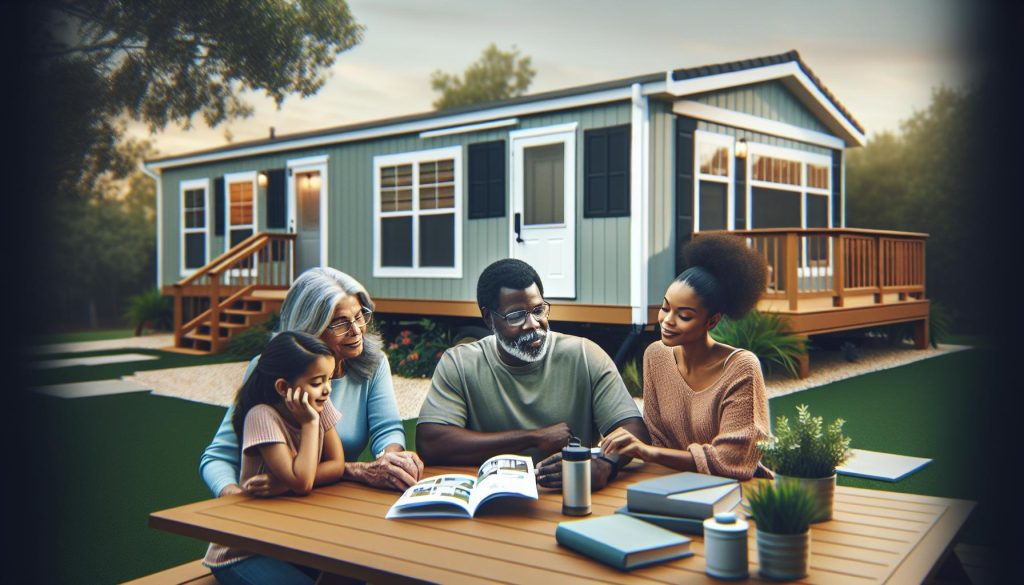
Understanding the lifespan of mobile homes can empower you to make informed decisions whether you’re considering purchasing one or already own one. Remember, with proper care and regular maintenance, your mobile home can thrive for decades. If you’re curious about enhancing your home’s longevity or navigating the intricacies of mobile home ownership, check out our guides on mobile home maintenance tips and financing options for manufactured homes.
Don’t wait any longer to secure your investment! Connect with us today for personalized advice or to subscribe to our newsletter for ongoing insights about mobile home living. Your dream of comfortable, affordable living is within reach, and we’re here to support you every step of the way. Share your thoughts or questions in the comments below and let’s keep the conversation going!