When considering alternative housing options, many people find themselves wondering: Is a modular home the same as a manufactured home? While both provide affordable and flexible living solutions, they differ significantly in construction, regulations, and design. Understanding these distinctions is essential for anyone exploring homeownership or investment in manufactured housing. Not only can it influence your purchasing decision, but it also impacts insurance, financing, and long-term value. As the demand for modular and manufactured homes continues to rise, arming yourself with knowledge about these two types of housing will empower you to make informed choices that best align with your lifestyle and financial goals. Dive deeper to uncover the key differences and how they might affect your future home.
Understanding the Basics of Modular and Manufactured Homes
Understanding the differences between modular and manufactured homes is essential for making informed housing decisions. While the terms are often used interchangeably, they refer to distinct types of housing that have unique characteristics and regulatory standards. Both modular and manufactured homes are built in factories and transported to their designated sites, which can lead to reduced construction time and consistent quality control compared to traditional site-built homes. However, understanding their specific definitions, structural differences, and regulatory environments is crucial for buyers.
Modular homes are constructed in sections, or modules, which are then transported and assembled on site. They are built to adhere to local building codes and standards, making them similar to traditional homes in terms of construction quality. In contrast, manufactured homes are built to the Federal Housing Administration (FHA) standards rather than local building codes, which can result in differences in structural design and durability. Manufactured homes typically have a lower profile and are often placed on temporary foundations, although permanent setups are increasingly common.
When considering a purchase, understanding the financing options available for each type is crucial. Modular homes may qualify for traditional mortgages due to their adherence to local building codes, while manufactured homes often require different financing arrangements, such as personal loans or specialized manufactured home mortgages. This distinction can significantly affect the home-buying process and the overall cost of ownership.
A further aspect of homeownership worthy of consideration includes customization and site requirements. Modular homes generally offer more flexibility in design and can incorporate unique architectural features, while manufactured homes typically come in predefined layouts and designs. However, both types can be customized to some extent, allowing buyers to tailor their living spaces to fit personal preferences. Site preparation, including leveling and securing foundations, also varies and must be managed carefully to ensure compliance with local regulations and safety standards.
Ultimately, understanding these fundamental aspects of modular and manufactured homes empowers buyers to make informed choices and navigate the intricacies of this housing market with confidence.
Key Characteristics of Modular Homes Explained
Modular homes stand out as a dynamic option within the housing market, offering the appeal of customization combined with the durability of traditional construction methods. One of their key characteristics is that they are built in pieces-known as modules-within a factory setting. This controlled environment allows for enhanced quality control and efficiency, which directly translates into a significantly reduced build time compared to traditional site-built homes. Each module is carefully constructed to meet specific local building codes, ensuring that the home not only meets but often exceeds quality and safety standards.
Another defining trait of modular homes is their permanence. Unlike manufactured homes, which are often placed on temporary foundations, modular homes are typically anchored to a permanent foundation. This not only contributes to the structural integrity of the home but also affects the perception of value and stability. Buyers of modular homes can often obtain traditional mortgages, which may not be available for manufactured homes. This financing flexibility can make a modular home a more attractive option to potential homeowners or investors looking for long-term housing solutions.
Customization is another major allure of modular homes. Buyers have the opportunity to select floor plans and design features that cater to their personal tastes and lifestyle needs. This can include architectural elements, configurations of rooms, and energy-efficient features. Such adaptability often results in a home that is not only functional but also resonates with the homeowner’s aesthetic preferences, creating a sense of pride and ownership.
Maintenance of modular homes is aligned with conventional homes, as they typically require the same ongoing care and upkeep. Regular inspections and maintenance of systems like HVAC, plumbing, and electrical work are important to preserve the home’s value and longevity. Additionally, because modular homes are built to be durable, they often have a longer lifespan than manufactured homes, further making them a wise investment for prospective homeowners.
In short, modular homes provide an appealing blend of quality construction, customization options, and investment potential, making them a compelling choice for many prospective buyers.
Key Characteristics of Manufactured Homes Explained
The appeal of manufactured homes lies in their accessibility and efficiency, making them a popular housing choice for many individuals and families. One of the defining characteristics of manufactured homes is that they are constructed entirely in a factory setting, which allows for streamlined building processes and consistent quality control. These homes are built to meet strict Federal Housing Administration (FHA) standards regulated by the U.S. Department of Housing and Urban Development (HUD), ensuring safety, durability, and energy efficiency.
Another important aspect of manufactured homes is their affordability. Typically, these homes provide a cost-effective alternative to traditional site-built houses, allowing buyers to invest in their future without overextending their finances. This affordability does not mean sacrificing quality; modern manufactured homes often come equipped with the latest conveniences and finishes, offering a range of options to suit diverse tastes. From compact designs perfect for individuals or small families to larger models that accommodate multi-generational living, the variety available in manufactured homes has expanded significantly in recent years.
Configuration and Setup Considerations
When considering a manufactured home, it’s essential to understand the setup process, which usually involves transportation to the chosen site, anchoring to a foundation, and connecting utilities. Proper installation is crucial not only for compliance with local laws but also for the home’s longevity. Here are steps to guide you through the setup:
- Site Preparation: Before arrival, ensure the land is leveled and prepared for the home. This could include clearing debris, leveling the ground, and potentially preparing a foundation.
- Transportation: The home will be delivered on trailers. Ensure the route is clear for delivery and consider any local guidelines regarding large vehicle transport.
- Anchoring: Follow the manufacturer’s guidelines for anchoring the home. Proper anchoring helps withstand severe weather, especially in regions prone to storms.
- Utility Connections: After installation, connecting water, electricity, and sewage systems must be done by licensed professionals to comply with local codes.
Long-term Maintenance and Insurance
Maintaining a manufactured home can be comparable to that of traditional homes. Regular inspections of HVAC systems, plumbing, and exterior elements are essential to prolong the lifespan of the home. It’s also advisable to keep an eye on the undercarriage and supports, especially in areas with severe weather conditions. Homeowners should also consider comprehensive insurance that covers not just the structure but also contents and liability. Some insurance policies may even offer additional protections against specific risks like floods or hurricanes.
By understanding these key characteristics and preparing properly, prospective buyers can confidently choose manufactured homes as a viable and sustainable housing option. Whether you’re considering a manufactured home as your primary residence or a rental investment, knowing what to expect will help you navigate this specialized market with greater ease.
Differences in Construction Processes
The construction processes of modular homes and manufactured homes differ significantly, affecting everything from quality control to the final installation. Understanding these differences is crucial for potential buyers, as they can influence the overall experience and investment in the long run.
Modular homes are constructed in sections, or “modules,” in a factory setting but are designed to conform to local building codes and standards, similar to site-built homes. Each module is built to precise specifications, ensuring consistent quality and structural integrity. Once completed, these modules are transported to the building site, where they are assembled on a foundation. This assembly process allows for a higher level of customization and can result in a more traditional home aesthetic. Additionally, the modular construction process tends to be faster than traditional home building, minimizing labor costs and build time.
On the other hand, manufactured homes are built entirely in a factory to adhere to the federal HUD Code rather than local building codes. This code dictates the construction, design, and safety standards for manufactured homes. The entire home is typically built as a single unit or in two sections that are transported to the designated site together. While this factory construction method allows for lower costs and efficient building, it can limit customization options compared to modular homes. Furthermore, once delivered, manufactured homes usually require less extensive site preparation, but it’s important for buyers to ensure that they are installed correctly on piers or a permanent foundation, which can impact their long-term stability and safety.
To summarize, the main distinctions in construction processes between modular and manufactured homes revolve around building codes, design flexibility, and installation requirements. Understanding these differences can help potential homeowners choose the right type of home that fits their preferences, budget, and site considerations, thus leading to a more satisfactory living experience. Investing in either type of home requires careful consideration of these factors to ensure a sound decision.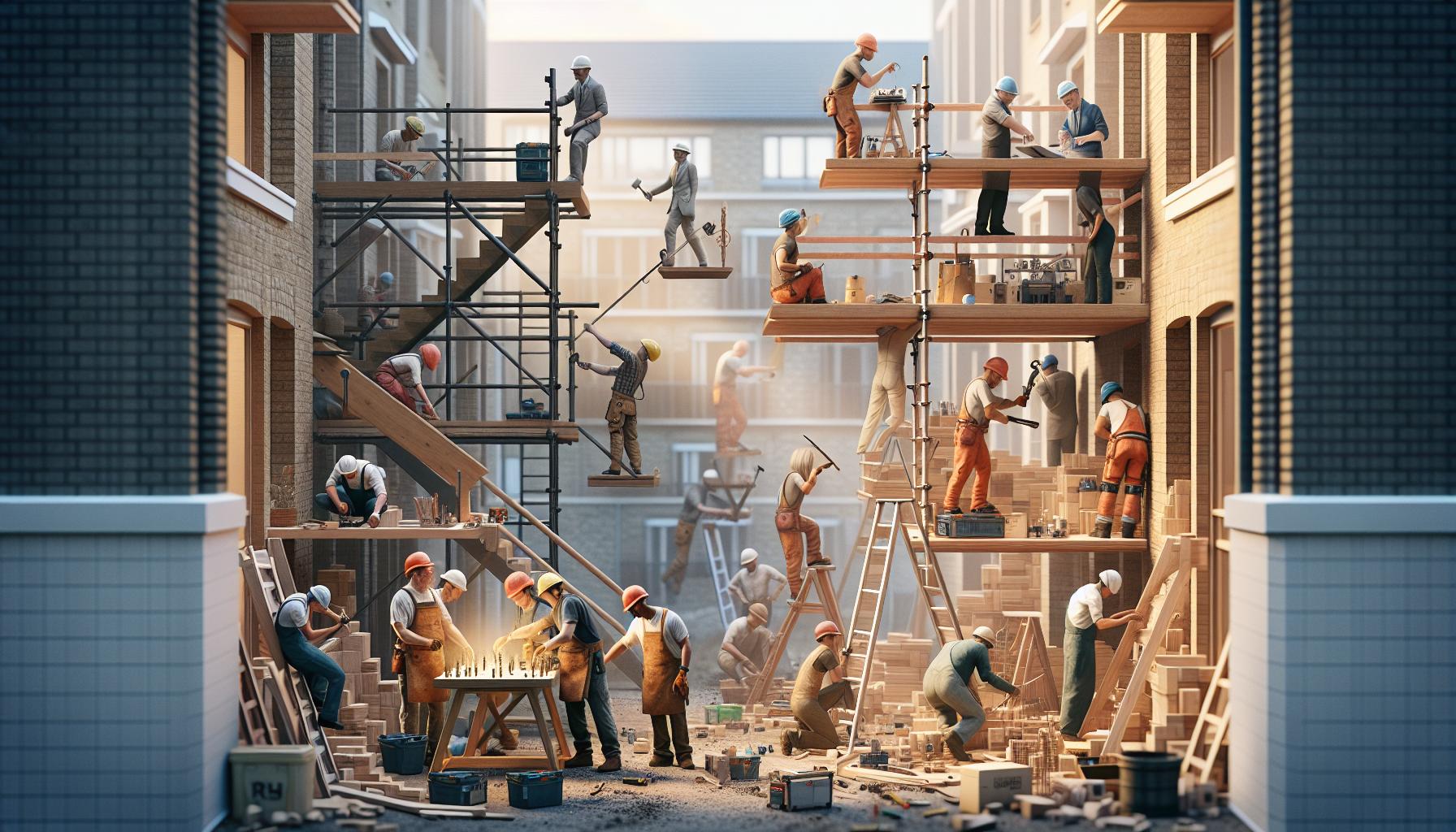
Regulatory Standards for Modular vs. Manufactured Homes
Understanding the regulatory standards governing modular and manufactured homes is crucial for potential homeowners. These standards not only dictate the safety and quality of construction but also influence financing, insurance, and resale value.
Modular homes are built in accordance with local building codes, which vary by location and are designed to meet the specific environmental conditions and requirements of the area. This means that modular homes often undergo rigorous inspections at various stages of construction to ensure compliance with these codes. The result is a home that is not only customizable but built to the same standards as traditional site-built homes. If you’re considering a modular home, it’s vital to work with manufacturers who understand local regulations to guarantee a smooth building process.
In contrast, manufactured homes are constructed to meet the federal standards set forth by the U.S. Department of Housing and Urban Development (HUD). Known as the HUD Code, these regulations enforce construction, design, and safety standards specifically for manufactured housing. Unlike modular homes, manufactured homes are typically built in a single unit or fewer sections, and they must adhere strictly to these national standards, regardless of their placement. This means every manufactured home must pass a factory inspection and a final verification on the site to ensure it meets the HUD Code.
It is essential for prospective buyers to understand these regulatory frameworks when discussing financing options. Many lenders have specific policies that only apply to modular or manufactured homes based on the type of regulations they adhere to. Additionally, understanding these standards can better inform buyers during the purchasing process. For example, because manufactured homes are governed by HUD standards, they might qualify for government-backed financing options while modular homes may follow more traditional mortgage paths aligned with site-built properties.
In summary, while both modular and manufactured homes offer affordable housing solutions, their regulatory environments significantly impact their construction processes, compliance, and buyer experiences. By being aware of these differences, prospective homeowners can make informed decisions that align with their needs and preferences for quality, safety, and investment potential.
Financing Options for Modular and Manufactured Homes
Navigating the financial landscape of modular and manufactured homes is essential for potential homeowners, especially since the options available can vary significantly between the two. Understanding these financing avenues can make your journey toward homeownership smoother and more informed.
When it comes to modular homes, buyers often have access to conventional financing options similar to traditional site-built homes. Mortgage lenders treat modular homes as real property, which means buyers can secure standard mortgage loans, including FHA, VA, and USDA financing. These loans typically come with competitive interest rates and terms, allowing for lower monthly payments. It’s essential for buyers to get pre-approved by a lender familiar with modular homes; this knowledge can streamline the purchasing process and ensure a seamless transition from loan approval to home purchase.
On the other hand, manufactured homes present a different financing approach. Since they are built to HUD standards and can be transported, they may be financed using personal loans or chattel loans rather than traditional mortgages, especially if they are not placed on a permanent foundation. Chattel loans typically have higher interest rates and shorter terms, which can make financing a manufactured home a costlier option in the long run. However, if the home is affixed to a foundation and meets specific criteria, it may qualify for conventional financing. In this case, potential buyers should check if their manufactured home qualifies as real estate by consulting with their lender regarding local regulations.
To navigate these options effectively, consider the following tips:
- Research Local Lenders: Look for lenders experienced in modular and manufactured home financing to ensure you receive tailored advice and options.
- Understand Your Budget: Know your price range and monthly payment tolerances to find the right financing package for your financial situation.
- Explore Government Programs: Investigate available federal programs for both modular and manufactured homes to take advantage of any favorable terms.
In conclusion, while both financing routes offer unique challenges and benefits, understanding your options and working with knowledgeable lenders can empower you to make the best financial decision for your future home. Whether you choose a modular or manufactured home, being well-prepared financially will help you secure a home that meets both your needs and budget.
Insurance Considerations for Modular and Manufactured Homes
Navigating the insurance landscape for modular and manufactured homes is essential for protecting your investment and ensuring peace of mind. Although these two types of homes might seem similar from a distance, their insurance needs can vary significantly due to differences in construction, classification, and risks associated with each type of dwelling.
When it comes to securing insurance for a modular home, buyers often find that conventional homeowners insurance is readily available. Since modular homes are treated as real property, they offer more options akin to traditional home policies that cover dwelling, personal property, liability, and additional living expenses in case of a covered loss. It’s crucial for owners to look for comprehensive policies that cover not just the structure but also the unique aspects of modular living, such as transportation risk if moving is necessary.
In contrast, manufactured homes, classified under different insurance guidelines, often require specialized mobile home insurance. This type of insurance typically covers risks unique to manufactured homes, including damage from weather events, fire, theft, and liability. Owners should be aware that if the home is not anchored to a permanent foundation, insurance costs may vary, and coverage options could be limited. Therefore, prospective owners should consider policies that reflect the home’s specific needs and use, potentially including additional coverage for personal property, recreational vehicles, or special equipment.
To optimize insurance coverage, consider the following tips:
- Shop Around: Compare quotes from various insurance providers to find a policy that not only fits your budget but also offers comprehensive coverage suited to your home type.
- Understand Policy Terms: Review what natural disasters or liabilities are covered; inquire about exclusions such as flooding, which might require separate policies.
- Keep Your Home and Site Safe: Implement safety measures on your property and regularly maintain your home to potentially lower insurance premiums.
Understanding the nuances of insurance for modular and manufactured homes empowers homeowners to make informed decisions and protect their assets effectively. With the right insurance policy tailored to your home type and lifestyle, you can enjoy your living experience with confidence and security.
Resale Value: Modular Homes vs. Manufactured Homes
The resale value of homes is a critical consideration for both current owners and prospective buyers, especially within the realm of modular and manufactured housing. Both types of homes can provide cost-effective living solutions, but their resale values can vary significantly due to factors like market perception, construction standards, and community location.
Modular homes generally hold a higher resale value compared to manufactured homes. This is largely due to their construction process, which adheres to the same building codes and regulations as traditional site-built homes. As a result, modular homes are often viewed as a more permanent and durable option. They are constructed in sections at a factory and then transported to the site, where they must be set on a permanent foundation. This foundation can enhance the property’s appeal to buyers seeking long-term investments. Many modular homes come with modern features and design options, further contributing to their higher valuation in the resale market.
On the other hand, manufactured homes, which are built under a different set of regulations (HUD code), can experience depreciation over time, particularly if they are not anchored to a permanent foundation. This moveable classification may create additional hurdles during resale, as some lenders are hesitant to finance manufactured homes, and homeowners may find lower demand in their resale efforts. Furthermore, location plays a significant role; manufactured homes in well-maintained, organized communities often sell more successfully than those in less desirable areas.
To enhance the resale value of either type of home, homeowners can focus on several key improvements:
- Regular Maintenance: Keep the home in good condition through regular upkeep, including exterior cleaning, landscaping, and interior repairs.
- Upgrades and Renovations: Modernize key areas such as the kitchen and bathrooms to appeal to potential buyers.
- Foundation Improvements: Ensuring a stable, permanent foundation can significantly enhance the resale prospects of a manufactured home.
Understanding these dynamics can empower homeowners and investors to make informed decisions about purchasing or selling modular and manufactured homes, helping them navigate the unique challenges of this marketplace with confidence.
Placement and Site Requirements for Each Home Type
The placement and site requirements for modular and manufactured homes are critical considerations for anyone seeking to invest in this type of housing. Understanding these dimensions can ensure compliance with local regulations, enhance the home’s value, and ensure a comfortable living environment.
Modular homes are typically placed on a permanent foundation, which is a legal requirement in most areas. This foundation can be a full basement or a pier-and-beam system, designed to meet local building codes. The site needs to accommodate utilities such as water, sewage, electricity, and other essential services. Additionally, proper zoning must be verified to confirm that the property allows for modular home placement. Homeowners must also consider the layout of the land; it should allow for adequate drainage to prevent flooding and erosion, ensuring long-term durability.
On the other hand, manufactured homes, which are often referred to as mobile homes, come with their own unique placement imperatives. These homes can be set on either a temporary framework or a permanent foundation, although placing them on a permanent foundation can improve their resale value and appeal. Owners should ensure compliance with HUD regulations and local zoning laws, which may dictate how and where these homes can be situated. For instance, some areas require manufactured homes to be anchored to the ground securely to withstand adverse weather conditions.
When determining the site for either home type, it’s essential to consider access to amenities and services. Homes located near schools, shopping, and healthcare facilities can carry additional value and attract potential buyers in the future. Environmental factors, such as proximity to flood zones or areas prone to extreme weather, should also inform site selection.
In summary, successful placement of modular and manufactured homes hinges on understanding local regulations and environmental conditions. Investing time upfront to navigate these requirements will not only enhance the living experience but also safeguard the financial investment in these homes.
Customization Options Available for Modular Homes
The appeal of modular homes lies not only in their affordability and efficient construction but also in their high degree of customization. Unlike manufactured homes, which often come pre-designed and with limited options, modular homes offer a variety of features and layouts that can be tailored to meet individual preferences and lifestyles. This flexibility sets modular homes apart and makes them a compelling choice for those looking to create a space that truly feels like home.
When it comes to customization options, buyers can typically choose from a wide array of floor plans, including the number of bedrooms and bathrooms, as well as the overall layout. Many manufacturers provide online visualization tools that allow potential homeowners to experiment with different configurations, enabling them to see how changes in design affect the flow and functionality of the space. Moreover, various exterior styles are available, from traditional to modern aesthetics, so owners can select finishes that resonate with their personal tastes.
In addition to structural choices, customization often extends to materials and finishes, allowing homeowners to select flooring types, kitchen cabinetry, countertops, and bathroom fixtures. Energy-efficient options, such as upgraded insulation and smart home technology, can also be integrated into the build, aligning with modern sustainability needs.
Interior Design Customizations
Another exciting aspect of customizing a modular home is the interior design possibilities. Homeowners can opt for open-concept living areas that promote spaciousness, or they can choose more traditional compartmentalized layouts for a cozier feel. Features like vaulted ceilings, built-in shelving, and specialized lighting can also add character and functionality to the living space.
Ultimately, the provide a unique opportunity for individuals to influence not just the overall design, but also the functional aspects of their living environment. By investing time in the customization process, homeowners can create a unique living space that reflects their individual lifestyle and preferences, making it a true sanctuary. Whether it’s a cozy cabin in the woods or a modern family home in the city, modular homes offer personalized solutions that cater to diverse needs and aspirations.
Maintenance of Modular and Manufactured Homes
Maintaining modular and manufactured homes involves a combination of basic home upkeep and specific considerations unique to these types of construction. One fundamental aspect of maintenance is to stay on top of routine checks to ensure that systems operate smoothly and that the home’s exterior remains protected from the elements. For instance, it’s vital to inspect the roof regularly and clear any debris to prevent leaks. Additionally, sellers or buyers should always refer to the manufacturer’s guidelines, which may provide unique insights specific to the home model.
Regular maintenance tasks for modular and manufactured homes might include:
- Inspecting and sealing windows and doors: Check for drafts and gaps that could lead to energy loss. Use appropriate weather stripping or caulk to seal any leaks.
- Foundation and leveling checks: Ensure that your home remains level, particularly in areas prone to settling. This is crucial for floor stability and the overall structure’s integrity.
- Gutters and downspouts: Clean these out regularly to avoid water damage and ensure proper drainage away from the home’s base.
- Plumbing systems: Inspect pipes for leaks and ensure that your water heater and fixtures are functioning correctly. Flush your water heater at least once a year to remove sediment buildup.
- Heating and cooling systems: Conduct seasonal checks and change filters regularly to enhance efficiency and prolong the life of your HVAC systems.
Seasonal Preparation
Seasonal maintenance is also key to ensuring the longevity of your home. For example, before winter, it’s prudent to inspect insulation to ensure homes remain warm. In storm-prone areas, consider storm tie-downs and preparedness plans to secure your home against adverse weather conditions.
Common Challenges
Certain challenges are unique to those living in modular or manufactured homes. For instance, understanding local codes and regulations regarding the installation and anchoring of your home is crucial, particularly in hurricane-prone regions. Many homeowners find value in consulting local professionals familiar with mobile home requirements to assist with any modifications, renovations, or maintenance tasks that go beyond basic upkeep.
Ultimately, treating a modular or manufactured home with the same care as a traditional home promotes a healthy living environment while enhancing the home’s value and safety. Addressing these maintenance needs not only prolongs the life of the home but also provides peace of mind for residents.
Common Misconceptions About Modular and Manufactured Homes
can often cloud judgment for prospective buyers and current residents alike. One prevalent belief is that modular homes are inferior or less desirable compared to traditional site-built homes. However, many modern modular homes feature high-quality construction, stylish designs, and are built to meet or exceed local building codes. This is a misconception that significantly undervalues the quality and aesthetic options available in modular housing today.
Another prevalent myth is that modular and manufactured homes are the same. While they share some similarities, they differ in significant ways. Modular homes are constructed in sections in a factory setting and are transported to their designated site, where they must comply with local building codes. In contrast, manufactured homes are built on a permanent chassis and are regulated by federal standards. This key difference implies that modular homes can offer a broader range of customization options and potentially higher resale values, as they often integrate seamlessly into traditional home environments.
Financial concerns often lead to misconceptions as well. Some believe that financing a manufactured or modular home is more challenging than financing a traditional home. In fact, many lenders offer competitive financing options for modular homes comparable to those for site-built homes. Manufactured homes may require different considerations, but options like personal loans and chattel mortgages are available. Knowledge of these financial products can empower buyers, enabling them to make informed decisions.
Addressing Misunderstandings
Understanding the nuances between these two types of housing is crucial. Here are some misconceptions debunked:
- Lower Quality: Many assume all manufactured homes are low quality. In reality, many manufacturers produce high-end models that rival traditional homes in quality and comfort.
- Limited Customization: It’s a common belief that modular homes cannot be customized. In fact, many builders offer extensive options from layout to finishes.
- Poor Resale Value: The notion that these homes always depreciate is misleading. Location, upkeep, and housing market conditions play significant roles in resale potential.
By clarifying these misconceptions, prospective homeowners can approach the market with confidence, understanding that both modular and manufactured homes represent valid, quality housing choices adjusted to a range of lifestyles and budgets.
Frequently Asked Questions
Q: What are the main differences between modular and manufactured homes?
A: Modular homes are built to state building codes, while manufactured homes are constructed to HUD standards. This results in different construction methods and compliance requirements, affecting quality and resale value. Explore more details in the sections on Construction Processes and Regulatory Standards in the article.
Q: Can I customize a manufactured home like a modular home?
A: Customization options for manufactured homes are typically more limited than for modular homes. Modular homes often allow for greater personalization in design, layout, and features, which is an important consideration during the home buying process.
Q: Are modular homes considered personal property or real estate?
A: Modular homes are treated as real estate, especially when placed on a permanent foundation. In contrast, manufactured homes can sometimes be considered personal property, depending on their placement and local regulations. Review the Property Valuation section for more insights.
Q: How do the financing options differ between modular and manufactured homes?
A: Modular homes usually have more financing options available, similar to traditional homes, including mortgage loans. Manufactured homes might require personal loans or chattel loans, which can have higher interest rates. For more details, see the Financing Options section of the article.
Q: What are the insurance requirements for modular vs. manufactured homes?
A: Insurance typically varies; modular homes often require homeowners insurance similar to site-built homes, while manufactured homes might need specific mobile home insurance. Check the Insurance Considerations section for detailed comparisons.
Q: How do the resale values differ between modular and manufactured homes?
A: Generally, modular homes have higher resale value due to their adherence to local building codes and perceived quality. Manufactured homes may depreciate faster, affecting their long-term investment potential. For deeper insights, refer to the Resale Value section in the article.
Q: What are the site requirements for modular homes compared to manufactured homes?
A: Modular homes require a foundation and are subject to local zoning laws. Manufactured homes may be placed in mobile home parks or on private land but often face different zoning regulations. Learn more in the Placement and Site Requirements section.
Q: Are there different maintenance needs for modular homes versus manufactured homes?
A: Maintenance differences arise mainly from construction quality. Modular homes, built to local codes, may require less frequent maintenance than manufactured homes, which can be affected by their construction materials and methods. For maintenance tips, see the Maintenance section in the article.
Insights and Conclusions
Understanding the distinctions between modular and manufactured homes is essential for making informed decisions in your housing journey. As you consider your options, remember that modular homes often offer increased customization and quality control, setting them apart in the housing market. If you’re eager to explore more about home ownership, check out our guide on financing options for modular homes and the benefits of sustainable living practices.
Don’t let uncertainty hold you back-reach out to us for a consultation or subscribe to our newsletter for the latest insights on modular home living, maintenance tips, and industry updates. Let’s continue this conversation-share your thoughts or questions in the comments below! By exploring further, you’re one step closer to finding the perfect home that fits your needs.