As the demand for innovative, flexible housing solutions rises, off-frame modular homes are gaining popularity for their unique construction method and mobility. Unlike traditional homes, these structures lack a steel frame beneath, allowing for greater customization and easier relocation. Whether you’re a potential homeowner, an investor, or someone exploring alternatives to standard housing, understanding off-frame modular homes is crucial. This article will break down the construction methods used in these homes, addressing common concerns about stability, transportation, and overall value. Dive in to see how this modern approach to home building can meet diverse housing needs while offering practical benefits for today’s homeowners.
Understanding Off-Frame Modular Homes: An Overview
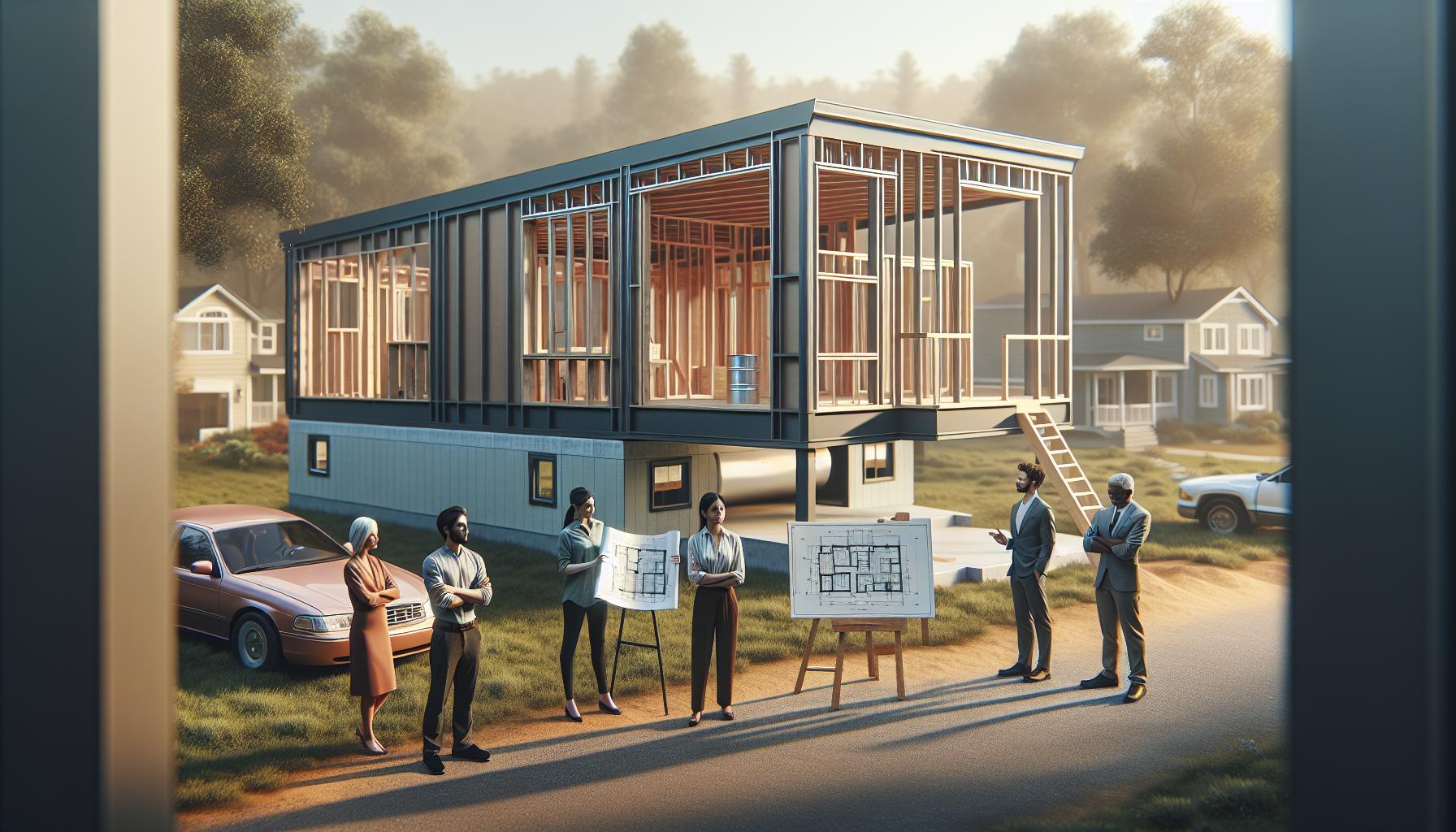
Exploring the landscape of modern housing, off-frame modular homes stand out as a compelling option for those seeking flexibility, efficiency, and affordability in their living situations. Unlike traditional homes, off-frame modular homes are constructed in sections within a factory environment and then transported to the site, where they are assembled on a permanent foundation. This method not only streamlines the construction process but also ensures a higher level of quality control and durability compared to some conventional building methods.
One of the defining characteristics of off-frame modular homes is their resemblance to stick-built homes in terms of construction quality and longevity. These homes are built using the same materials and construction techniques as traditional homes, meaning they are not only aesthetically pleasing but also capable of achieving similar life expectancies-often lasting for decades with proper maintenance. For prospective buyers, this provides peace of mind that their investment is sound and comparable to site-built counterparts.
Off-frame modular homes also open the door to a multitude of design possibilities. With various layouts and styles available, homeowners can customize their living spaces to reflect their personal preferences and lifestyle needs. For instance, energy-efficient models may incorporate advanced insulation and smart home technology, catering to environmentally conscious buyers looking to reduce their carbon footprint. This versatility in design ensures that off-frame modular homes can appeal to a broad spectrum of homeowners-from families seeking space and comfort to individuals looking for streamlined, low-maintenance living.
In addition to aesthetic and functional advantages, understanding off-frame modular homes is essential for navigating the complexities of ownership. With the right preparation, including understanding local zoning laws and financing options, potential buyers can find themselves not only saving money but also enjoying a unique lifestyle that embraces adaptability and modern living.
Key Benefits of Choosing Off-Frame Modular Homes
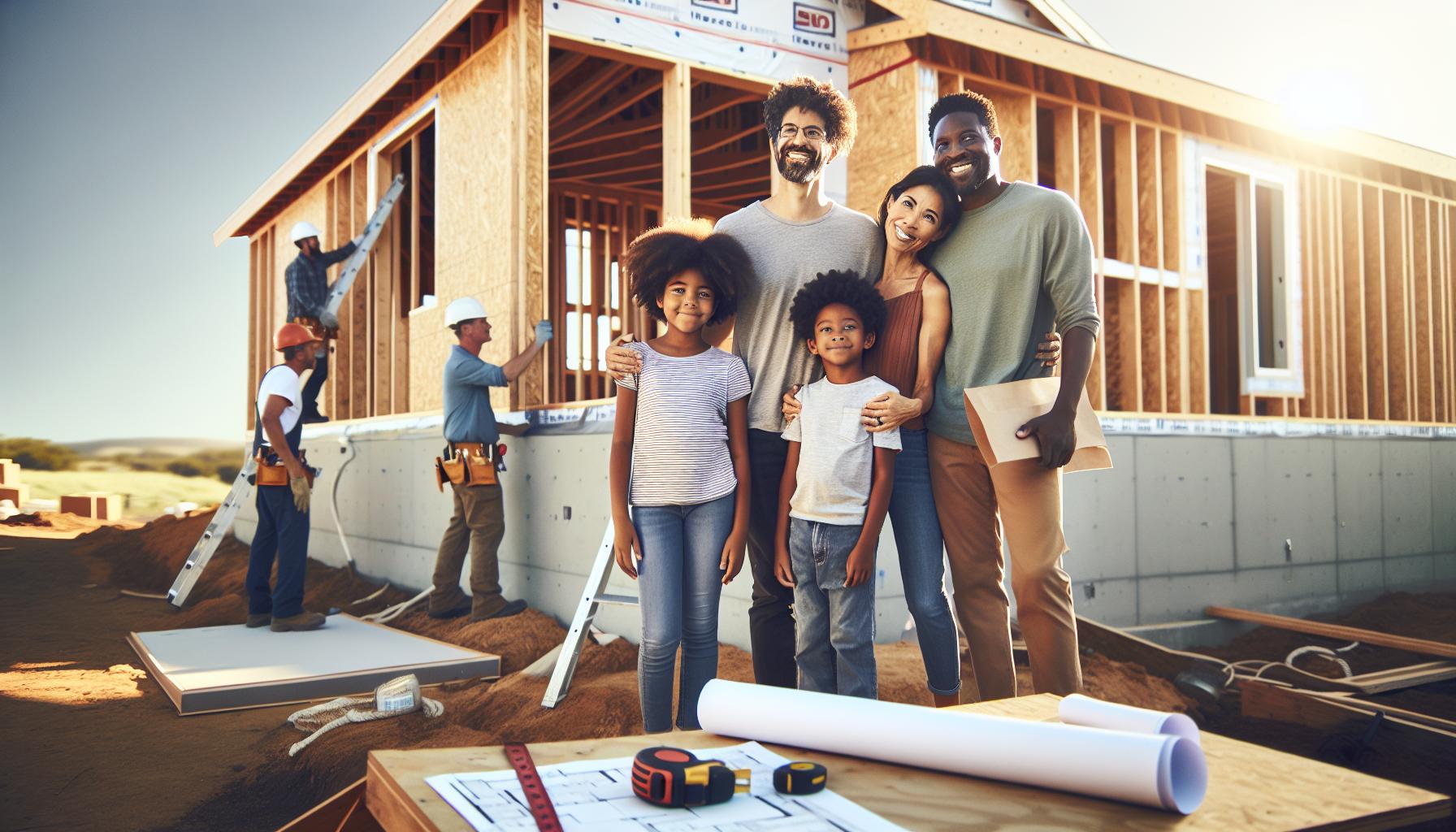
Choosing an off-frame modular home can be a transformative decision, blending efficiency with modern living needs. One of the most significant advantages of these homes is their construction quality. Built in controlled factory settings, off-frame modular homes undergo rigorous inspections, which often results in superior craftsmanship compared to site-built homes. This attention to detail not only enhances durability but also minimizes the risk of construction-related issues that can arise from weather variability during traditional building phases.
Moreover, off-frame modular homes offer exceptional flexibility in design. Homeowners can select from a variety of floor plans and configurations, enabling customization that reflects personal styles and preferences. For instance, they can choose energy-efficient options like advanced insulation or smart home technology, which not only contributes to lower utility bills but also promotes environmental sustainability. The ability to personalize these homes appeals to a broad range of buyers, whether they are families looking for spacious living or individuals desiring a compact, functional space.
Another notable benefit is cost efficiency. Off-frame modular homes typically have lower construction costs due to the streamlined assembly process that minimizes waste and construction time. This translates to potential savings for homeowners, making it a financially viable alternative for those navigating the housing market. Furthermore, many lenders recognize the lasting value and quality of these homes, often providing favorable financing options that can ease the purchasing process.
Finally, off-frame modular homes are built to meet or exceed local building codes, ensuring that they are safe and sustainable investments. Understanding these homes’ legal and regulatory frameworks allows buyers to confidently navigate any potential red tape. By considering these various benefits, prospective homeowners can make informed decisions that align with their lifestyle needs and financial goals.
Construction Methods Explained: Off-Frame Modular Homes
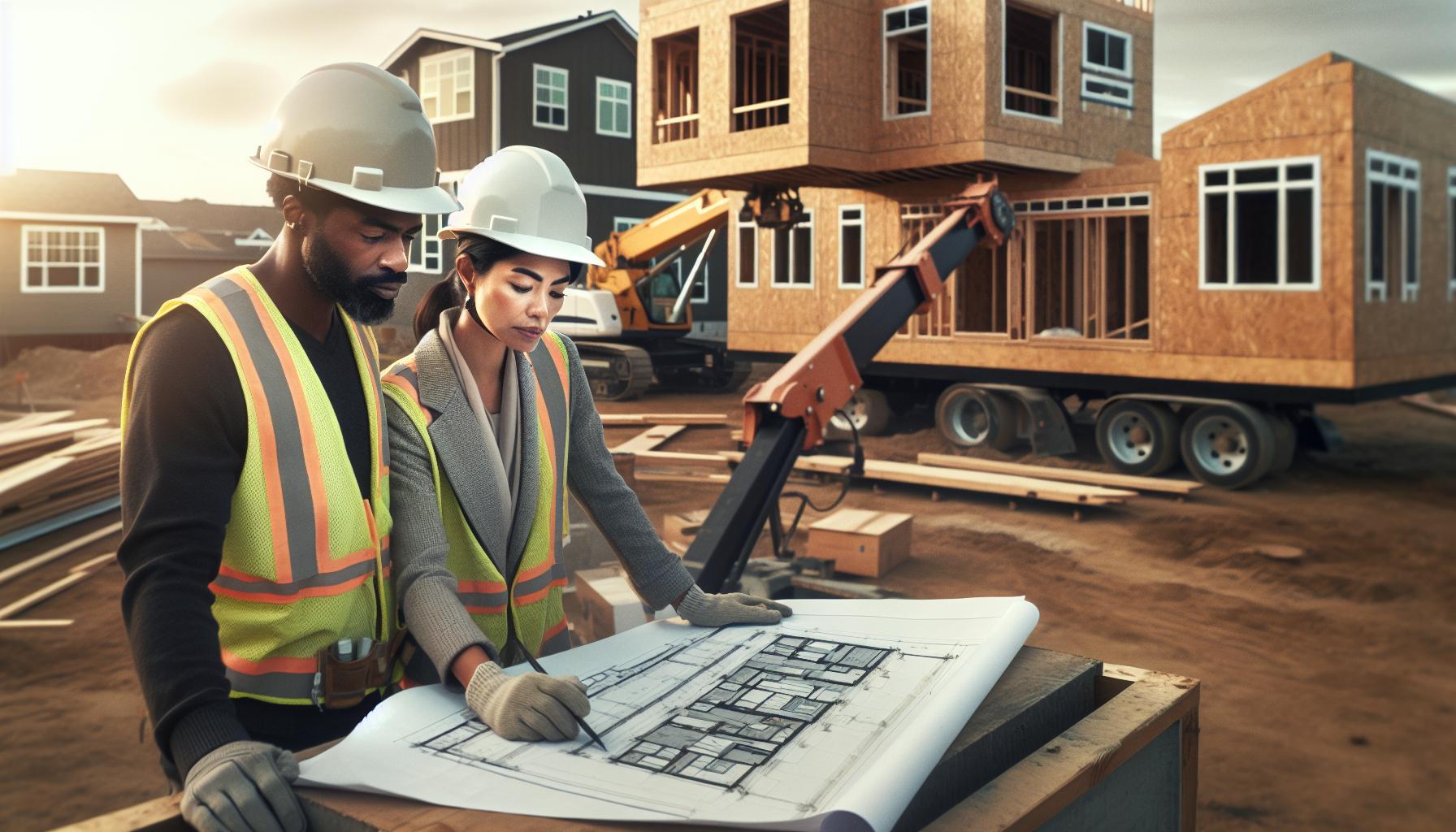
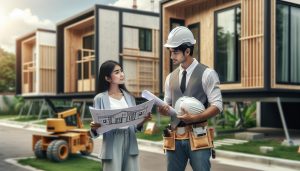
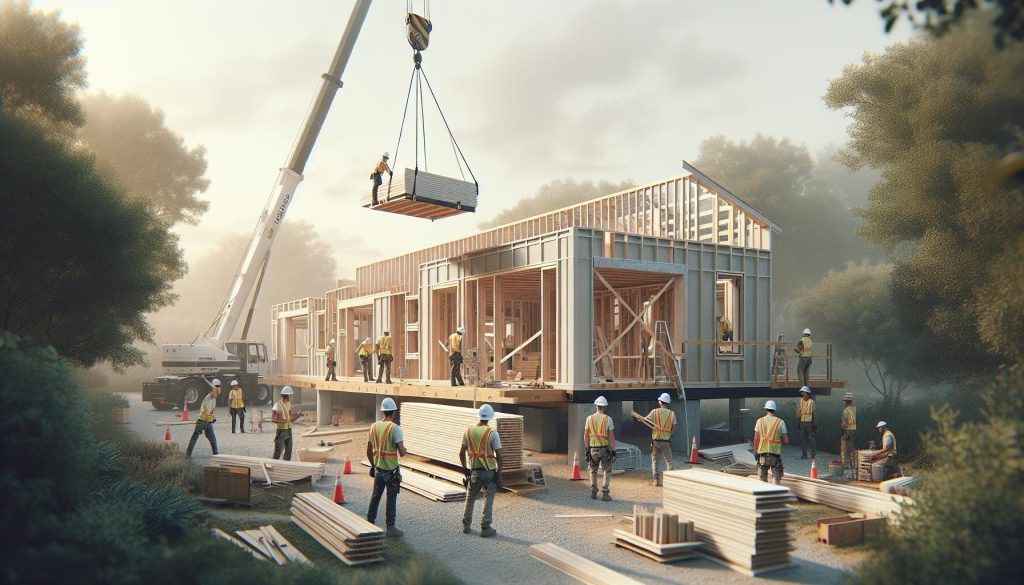
Off-frame modular homes are increasingly recognized for their innovative construction methods, which set them apart from traditional site-built structures. Unlike manufactured homes that rest on a steel frame, off-frame modular homes are built in sections (or modules) without a fixed foundation frame. This construction technique starts in a controlled factory environment where high-quality materials are used, allowing for precise engineering and consistent quality. The process generally involves assembling wall panels, flooring, and roofing separately before transporting these complete sections to the final installation site.
Once on-site, these modules are placed onto a prepared foundation that meets local building codes, ensuring stability and structural integrity. This foundational setup can include traditional basements, crawl spaces, or concrete slabs, providing flexibility in design and suitability for various locations. The transition from factory to site is remarkably smooth, minimizing weather-related delays and construction mishaps that can commonly occur with conventional builds. Additionally, a thorough inspection process during manufacturing ensures that safety and quality standards are met before the home ever reaches its final destination.
Key Features of Off-Frame Modular Construction
- Rapid Assembly: Reduced construction time is one of the standout features. Since modules are built simultaneously in the factory, the overall timeline for completing the home is significantly less than conventional building methods.
- Customizable Designs: Off-frame modular homes offer various customization options, enabling buyers to choose layouts and finishes that suit personal styles. This flexibility encourages creativity while still adhering to strict safety codes.
- Environmentally Friendly: With controlled construction environments and minimized waste during the building process, off-frame modular homes can be developed more sustainably than traditional homes.
By embracing these modern construction methods, off-frame modular homes represent a practical option for those seeking efficient, customizable, and high-quality housing solutions. They provide an excellent balance between affordability and luxury, meeting the diverse needs of today’s homeowners.
Comparing Off-Frame Modular Homes to Traditional Homes
When evaluating off-frame modular homes in comparison to traditional site-built homes, it’s important to recognize the distinct advantages and some potential drawbacks of each option. Off-frame modular homes represent a modern construction approach that allows for a high degree of efficiency and customization, all while maintaining quality and structural integrity. These homes are constructed in a factory setting, which leads to more consistent results, less on-site labor, and reduced exposure to weather-related delays. Unlike traditional homes, which can take months or even years to complete, off-frame modular homes can often be assembled within weeks, making them an appealing choice for those in urgent need of housing.
One key advantage of off-frame modular homes is their flexibility in design. Homebuyers can select from a variety of layouts, finishes, and features, allowing them to personalize their living spaces to fit their lifestyle. This level of customization is often more limited in traditional builds, where design changes can become costly and complicated as the construction progresses. Additionally, the controlled factory environment in which modular homes are built means that they are subject to rigorous quality control. Each module is engineered to meet strict local building codes, ensuring a high standard of safety and durability.
It’s equally important to note the differences in financing and insurance associated with off-frame modular homes versus traditional constructions. While both types of homes can be financed through conventional mortgage options, lenders may regard modular homes differently, sometimes offering less favorable terms. Therefore, prospective buyers should investigate financing options before making a purchase. Additionally, insurance requirements may vary; off-frame modular homes might face unique considerations based on their engineering and construction methods.
While off-frame modular homes provide numerous advantages, they may not resonate with everyone. Some buyers value the traditional appeal of site-built homes, which often hold a perception of permanence and higher resale value. Understanding these different perspectives is crucial as you navigate decisions about your housing investment. Ultimately, the choice between an off-frame modular home and a traditional home should relate to personal preferences, budget considerations, and long-term living goals. Each housing type has its merits, and informed decision-making will lead to a choice that aligns with individual needs and aspirations.
Off-Frame Modular Home Design Options and Customization
Off-frame modular homes offer exciting opportunities for design and customization that set them apart from traditional housing options. Unlike conventional homes, where changes can often lead to significant delays and costs, the off-frame construction method provides a streamlined process that facilitates numerous design adaptations to suit individual preferences. This flexibility allows buyers to create spaces that truly reflect their lifestyles, ensuring that every inch of the home is functional and aesthetically pleasing.
Homebuyers can choose from a wide array of floor plans, finishes, and features, enhancing personalization. Options range from open-concept designs that maximize space and light to cozy layouts that promote intimacy. Popular features include kitchen islands, high ceilings, and expansive windows that blur the line between indoor and outdoor living. Additionally, many manufacturers offer eco-friendly options, such as sustainable materials and energy-efficient appliances, allowing individuals to reduce their carbon footprint while enjoying modern comforts.
Customization doesn’t stop at the layout; finishes and fixtures can also be tailored to meet the homeowner’s taste. Potential buyers can select everything from cabinetry styles and countertops to flooring choices and paint colors. Modular home builders often provide design packages that include popular trends, but the sky’s the limit on customization. Want to create a contemporary oasis? Choose sleek finishes and open spaces. Prefer a rustic retreat? Incorporate wood textures and earthy tones. Ultimately, this customizable approach allows homeowners to create a unique living environment that meets both aesthetic desires and practical needs.
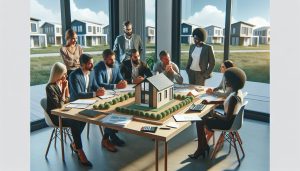
While the design process may seem daunting, modular home builders are equipped to guide buyers through each step, ensuring a cohesive vision from start to finish. To streamline your journey, consider the following steps when planning your off-frame modular home design:
Key Steps for Designing Your Off-Frame Modular Home
- Assess Your Needs: Consider lifestyle requirements, such as family size, work-from-home arrangements, and entertainment preferences.
- Choose a Floor Plan: Research different layouts and select one that maximizes both space and functionality.
- Select Materials and Finishes: Decide on interior and exterior finishes early in the process to maintain coherence.
- Consult with Experts: Work closely with your builder or designer to ensure your vision aligns with structural and regulatory requirements.
Embracing off-frame modular home options means enjoying a unique blend of modern efficiency and personal expression, paving the way for a space that genuinely feels like home.
Financing Your Off-Frame Modular Home: What You Need to Know
Navigating the financing landscape for off-frame modular homes can seem overwhelming, but understanding your options can make this journey more manageable and rewarding. With the rising popularity of modular construction, financing solutions have evolved to accommodate the unique aspects of these homes. Crucially, it’s essential to recognize that off-frame modular homes are eligible for many traditional financing methods, such as conventional loans, FHA loans, and VA loans, much like traditional site-built homes.
One of the first steps to securing financing is to assess your financial situation, including your credit score, debt-to-income ratio, and available down payment. Most lenders will apply similar underwriting guidelines as they do for traditional home purchases, so ensuring your financial documents are organized and up-to-date can streamline the process. When applying for a loan, be prepared to provide details about the modular home, including cost estimates, the builder’s credentials, and plans or designs of your future home. This information helps lenders understand the value and quality of your investment.
In addition to standard mortgage options, some buyers may explore specialized loans designed for manufactured and modular homes. These include chattel loans, which are often used when the land is not included in the purchase. This type of financing treats the home as a piece of personal property, allowing for a typically faster approval process. However, keep in mind that chattel loans usually come with higher interest rates than traditional mortgages, which could impact your monthly payments.
Exploring Financing Options
- Conventional Loans: Ideal for buyers with steady income and good credit, these loans provide competitive interest rates and terms similar to those for traditional homes.
- FHA and VA Loans: Perfect for first-time homebuyers, these government-backed loans offer lower down payment requirements and more flexible credit criteria.
- Chattel Loans: Considered when purchasing a manufactured home without land, these loans have specific requirements and may involve higher costs over time.
- Personal Loans: Sometimes used for purchase when other options are not viable, these loans are typically unsecured and can be more costly in the long run.
Ultimately, thorough preparation and understanding of your financing options can empower buyers to not only secure a loan but also ensure it is the right fit for their financial needs and long-term goals. Engage with a knowledgeable loan officer who understands modular homes, as their expertise can significantly aid you in navigating any challenges that may arise during the financing process.
Navigating Legal Requirements for Off-Frame Modular Homes
When considering the purchase of an off-frame modular home, understanding the legal requirements is crucial to ensure a smooth transition into your new living space. These homes, built in sections and then transported to their final locations, must comply with various local, state, and federal regulations. For many prospective homebuyers, navigating this legal landscape can seem daunting, but with the right knowledge, you can approach the process with confidence.
One essential requirement is obtaining the necessary permits before the installation of your off-frame modular home. Local building authorities typically dictate the types of permits needed, which may include zoning permits, construction permits, and occupancy permits. Ensuring that your land is properly zoned for residential use will avoid potential delays. It’s advisable to consult with local planning or zoning departments early in the process to understand specific regulations that may apply to your situation.
Additionally, while off-frame modular homes differ from traditional site-built homes, they still must meet building codes. These codes ensure that the home is constructed safely and sustainably. Familiarize yourself with both local building codes and the manufacturer’s installation guidelines, as non-compliance can lead to fines or enforcement actions. It can also influence your financing and insurance options, as lenders often require proof that all building regulations are met.
Insurance Considerations
When it comes to home insurance, off-frame modular homes may have specific requirements. When insuring your new home, it is essential to communicate with your insurance provider that your home is an off-frame modular model. Some insurance policies may differ from those for traditional homes. Ensure you understand the type of coverage you need, as well as any additional policies that may be beneficial, such as flood or earthquake insurance, depending on your location.
By staying ahead of these legal requirements and being proactive in your approach, you can create a solid foundation for your off-frame modular home journey. With careful planning and the right professional guidance, you can seamlessly navigate these complexities and enjoy your new living space with peace of mind.
Maintenance Tips for Off-Frame Modular Homes
Maintaining an off-frame modular home is crucial for its longevity, comfort, and overall value. Despite often being viewed as interim housing solutions, off-frame modular homes can provide lasting quality with the right care. Understanding key maintenance tasks will help ensure your home remains a safe and inviting place for years to come.
One of the most important aspects of upkeep involves regular inspections of the exterior. Check for any signs of wear or damage to the siding, roof, and foundation. Look for cracks, rust, or mold and take immediate action if any issues are discovered. Cleaning gutters regularly helps prevent water damage, while ensuring proper drainage will safeguard the home’s structure. It’s also essential to inspect and maintain the framework underneath, as this area is crucial for the stability of off-frame homes.
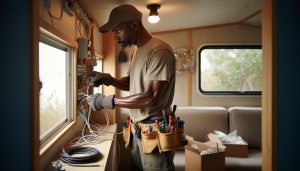
In addition to exterior care, focusing on the interior is equally important. Regularly change HVAC filters, as well-functioning systems contribute to energy efficiency and indoor air quality. Check plumbing for leaks and inspect appliances to catch small problems before they become costly repairs. Installing water alerts or moisture sensors can help avoid severe water damage.
Lastly, consider seasonal preparations, especially if you live in regions prone to severe weather. Invest in storm tie-downs and consider additional anchoring if you are in hurricane-prone areas. Keeping emergency supplies on hand and ensuring your home is properly winterized can protect your investment against harsh conditions. By following these proactive measures, you’ll not only enhance your living experience but also uphold the value of your off-frame modular home for the long term.
Maximizing Energy Efficiency in Off-Frame Modular Homes
is not just an eco-conscious choice; it can significantly reduce your energy bills and enhance your comfort throughout the year. These homes offer unique advantages due to their construction methods, which can be optimized for energy performance. Homeowners can harness a variety of strategies to enhance energy efficiency, from selecting the right materials to utilizing renewable energy systems.
One of the most impactful areas to focus on is insulation. Off-frame modular homes can benefit from enhanced insulation techniques that go beyond standard practices. Integrating high-quality, energy-efficient insulation into walls, roofs, and floors helps maintain a stable indoor temperature, reducing the demand on heating and cooling systems. Consider options such as spray foam or rigid foam board insulation, which offer better thermal resistance compared to traditional fiberglass insulation.
Another key component is the selection of energy-efficient windows and doors. Double or triple-glazed windows can significantly reduce heat loss, as well as block UV rays that can fade interior furnishings. This, paired with properly sealed and insulated doors, minimizes drafts and helps keep your home comfortable regardless of the season.
Furthermore, investing in energy-efficient appliances and technologies can lead to substantial savings. Look for appliances that have the ENERGY STAR label, as they meet strict energy efficiency guidelines set by the U.S. Environmental Protection Agency. Additionally, smart home technology can help monitor and manage energy usage, allowing you to make informed decisions regarding your energy consumption patterns. For example, smart thermostats can learn your routine and optimize heating and cooling schedules to save energy when you are away from home.
To further enhance energy efficiency, consider integrating renewable energy solutions such as solar panels. These systems can provide a significant reduction in reliance on external power sources and may qualify for tax incentives or rebates, further aiding in financial savings. While the initial cost may be considerable, the long-term benefits and energy savings can be substantial.
Overall, involves a comprehensive approach that combines state-of-the-art construction practices, smart home technology, and renewable energy options. By prioritizing energy-saving strategies, homeowners can enjoy a more comfortable living environment while contributing to environmental sustainability and saving on utility costs over time.
Preparing for Natural Disasters: Safety Features to Consider
When living in an off-frame modular home, being prepared for natural disasters is not just a preference; it is a necessity. These homes can be designed with specific safety features that enhance their resilience against various environmental threats. Understanding these safety measures can significantly increase your peace of mind and ensure the safety of your family.
Designing for Wind Resistance
One of the primary concerns in areas prone to hurricanes or tornadoes is wind resistance. Off-frame modular homes can be customized with enhanced structural elements that bolster their resistance to high winds. Reinforced framing, anchored foundations, and strategic roof designs can withstand intense weather conditions. Utilizing materials like impact-resistant windows and doors also plays a critical role in preventing wind and debris from infiltrating your living space.
Storm Tie-Downs and Anchoring Methods
Proper anchoring is crucial for off-frame modular homes. Utilizing storm tie-downs effectively secures your home to its foundation, minimizing the risk of displacement during severe weather events. Depending on your local building codes, it may be advisable to incorporate additional tie-downs in areas particularly vulnerable to storms. This not only protects your home but also provides peace of mind knowing that your living space is prepared for whatever nature may bring.
Flood Resistance Features
Incorporating flood-resistant designs is essential in regions susceptible to flooding. Off-frame modular homes can be elevated or designed with graded foundations to prevent floodwaters from entering. Features such as raised utility systems and flood vents allow water to flow beneath the home, reducing pressure on the structure. Furthermore, selecting water-resistant materials for the lower levels of your home can mitigate damage during unexpected floods.
Insurance and Emergency Preparedness
Having comprehensive insurance coverage is an essential part of your disaster preparedness plan. It’s important to consult with your insurance provider to ensure your coverage meets the unique needs posed by living in a modular home in a high-risk area. Additionally, creating an emergency kit stocked with essentials such as food, water, first-aid supplies, and important documents can make a significant difference in your safety during a disaster. Regular drills and ensuring all family members know the emergency plan will further prepare you for potential emergencies.
Taking proactive steps to equip your off-frame modular home with robust safety features not only enhances its resilience but also fosters a secure living environment. By understanding the risks associated with natural disasters and implementing tailored strategies, homeowners can face challenges head-on and safeguard their investment while enjoying the benefits of modular living.
Real User Experiences: Living in Off-Frame Modular Homes
Living in an off-frame modular home often comes with a unique set of experiences, challenges, and triumphs that many find enriching and rewarding. As more families turn towards this innovative housing solution, firsthand accounts shed light on the various aspects of daily life in these homes, illustrating how they can be both a practical choice and a source of personal fulfillment.
Many residents appreciate the affordability of off-frame modular homes compared to traditional housing options. The streamlined construction process often leads to reduced overall costs, enabling families to invest in their properties or save for future endeavors. For example, one homeowner noted, “Our off-frame modular home was not only within our budget but also allowed us to customize features, like the layout and finishing touches that reflect our personal style.” This flexibility to tailor a home to meet individual needs is a significant selling point for many buyers.
Furthermore, community plays a vital role in the experience of living in off-frame modular homes. Residents often find themselves part of a tight-knit community where neighbors support one another, share resources, and even collaborate on community projects. A family shared, “We moved here seeking a home but found a community. We’ve built lasting friendships, and our kids have a safe space to grow up together.” Such social connections can enhance the living experience, transforming a house into a true home.
On the practical side, some challenges often arise with maintenance and setup in off-frame modular homes. Residents may need to familiarize themselves with specific requirements for utilities and proper anchoring techniques. For instance, one individual recounted their initial struggles with utility connections: “Navigating the setup was daunting at first, but following step-by-step guides made it manageable. Now, I can maintain everything myself, which is empowering.” The willingness to learn about these processes not only fosters self-sufficiency but also cultivates a deeper appreciation for their living space.
Finally, the resilience of off-frame modular homes in the face of natural disasters is a recurrent theme among user experiences. Owners often share insights about enhancing their homes with features like storm tie-downs or flood-resistant designs. A resident from a hurricane-prone area emphasized, “We made sure to invest in proper tie-downs, and it gave us tremendous peace of mind during storm season.” By proactively addressing potential risks, homeowners find confidence in their choice, knowing they’ve taken steps to protect their investment and their family.
In sum, living in off-frame modular homes brings together affordability, community, hands-on learning, and an emphasis on safety, contributing to a fulfilling lifestyle that many homeowners proudly endorse.
Future Trends in Off-Frame Modular Home Construction
As the demand for sustainable and efficient housing solutions rises, off-frame modular homes are evolving to reflect the changing needs and preferences of homeowners. These homes are becoming at the forefront of construction innovation, combining advanced building techniques with eco-friendly practices to create durable living spaces tailored for modern lifestyles.
One of the most significant trends shaping the future of off-frame modular homes is the integration of smart home technology. Homeowners are increasingly seeking ways to enhance their living experience, and the inclusion of smart devices-such as energy management systems, smart thermostats, and security systems-offers convenience and efficiency. The trend towards automation doesn’t just add modern comforts; it allows for real-time monitoring of energy consumption, contributing to sustainability goals. Residents can expect more homes to come equipped with pre-installed technology, making it easier to manage energy use and cut down on monthly utility bills.
Sustainable Materials and Construction Practices
Beyond technology, sustainability is a key focus in off-frame modular home construction. Builders are exploring innovative materials such as recycled steel, bamboo, and sustainable timber for framing and exterior finishes. These materials not only reduce the environmental impact but also offer enhanced durability and aesthetics. Additionally, the use of energy-efficient construction methods, including improved insulation and passive solar design, is expected to gain traction. Homeowners may find that new models integrate features like green roofs and rainwater harvesting systems, significantly increasing the home’s ecological value.
Lastly, customization will play a crucial role in the future of off-frame modular homes. With a growing emphasis on individual preferences, manufacturers are likely to offer a wider array of design options that allow buyers to personalize their spaces, from floor plans to finishes. This trend aligns with the desire for homebuyers to express their tastes while enjoying the perks of modular construction, such as quicker build times and lower costs.
In conclusion, as off-frame modular homes transition to meet future demands, homeowners can look forward to innovations that prioritize smart technology, sustainable practices, and customization. This evolution not only enhances the living experience but also reinforces the viability of modular homes as a preferred housing choice in an ever-changing world.
Frequently asked questions
Q: What is the main difference between off-frame and on-frame modular homes?
A: The primary difference lies in their construction methods. Off-frame modular homes are built in sections off-site and not placed directly on a permanent foundation, allowing for greater flexibility. In contrast, on-frame homes are constructed on a permanent base, providing a more traditional structure. Explore construction method breakdown in detail to understand these differences.
Q: Are off-frame modular homes suitable for all climates?
A: Yes, off-frame modular homes can be designed for various climates. Builders can incorporate specific features like insulation and ventilation systems tailored to local weather conditions. For optimal energy efficiency, consider customizing features as outlined in the section on maximizing energy efficiency.
Q: How are off-frame modular homes transported to the site?
A: Off-frame modular homes are typically transported in sections on flatbed trucks. Once at the site, these sections are carefully assembled, ensuring that all connections meet local building codes. Understanding the logistics of transportation is essential for effective project planning.
Q: What foundation options are available for off-frame modular homes?
A: Off-frame modular homes can be placed on various foundation types, including crawl spaces, piers, or slabs, depending on local regulations and site conditions. Choosing the right foundation is crucial for stability and compliance with building codes.
Q: How do I finance an off-frame modular home?
A: Financing an off-frame modular home typically involves loans similar to traditional homes, including FHA or VA loans. It’s essential to work with lenders experienced in modular construction to ensure all aspects are covered, as outlined in the financing section of the article.
Q: What maintenance is required for off-frame modular homes?
A: Regular maintenance includes checking for roof leaks, ensuring appliances function properly, and testing for energy efficiency. Routine inspections help identify issues early and maintain the home’s condition, emphasizing the importance of ongoing upkeep outlined in the maintenance tips section.
Q: Can I customize the layout of an off-frame modular home?
A: Yes, off-frame modular homes allow for various customization options in layout and design. Homeowners can work with builders to create spaces that meet their specific needs and preferences, as detailed in the design options and customization section.
Q: How do off-frame modular homes compare cost-wise with traditional homes?
A: Generally, off-frame modular homes can offer cost savings due to reduced construction time and efficiencies. However, costs can vary based on design choices and site preparation, making a detailed comparison beneficial for budgeting decisions.
Future Outlook
Understanding off-frame modular homes provides a unique perspective on modern housing alternatives, showcasing their construction methods, benefits, and suitability for various lifestyles. As you contemplate your next steps in exploring modular housing options, consider diving deeper into our resources on financing and insurance for modular homes, as well as our comprehensive guides on setup procedures and long-term maintenance strategies.
Don’t hesitate-take action today! Subscribe to our newsletter for the latest insights and tips, or check out our product pages for the best modular homes available. Your journey towards innovative, efficient living starts here. If you have any questions or comments, we’d love to hear from you below; let’s keep the conversation going! Remember, exploring your housing options is key to making informed decisions, so stay engaged and informed as you navigate this exciting landscape.