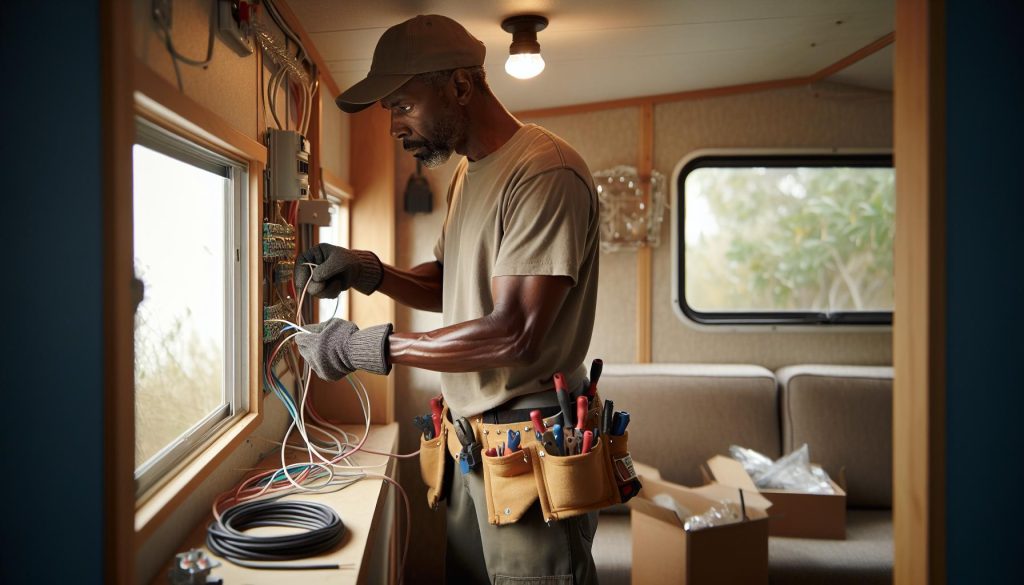
Wiring a trailer home doesn’t have to be daunting; in fact, it’s an essential skill for any mobile home resident looking to ensure safety and reliability in their living space. Understanding the ins and outs of electrical systems not only enhances your home’s comfort but also increases its value. Whether you’re planning a renovation, dealing with an existing electrical issue, or simply want to learn how to improve your home’s electrical setup, this guide is here to help. We’ll walk you through the specifics of wiring a trailer home, covering everything from selecting the right materials to adhering to safety codes. As you explore this comprehensive tutorial, you’ll gain the confidence to tackle your electrical projects like a pro, ensuring a safe and efficient environment for you and your family. So, let’s dive in and unlock the secrets to mastering mobile home wiring!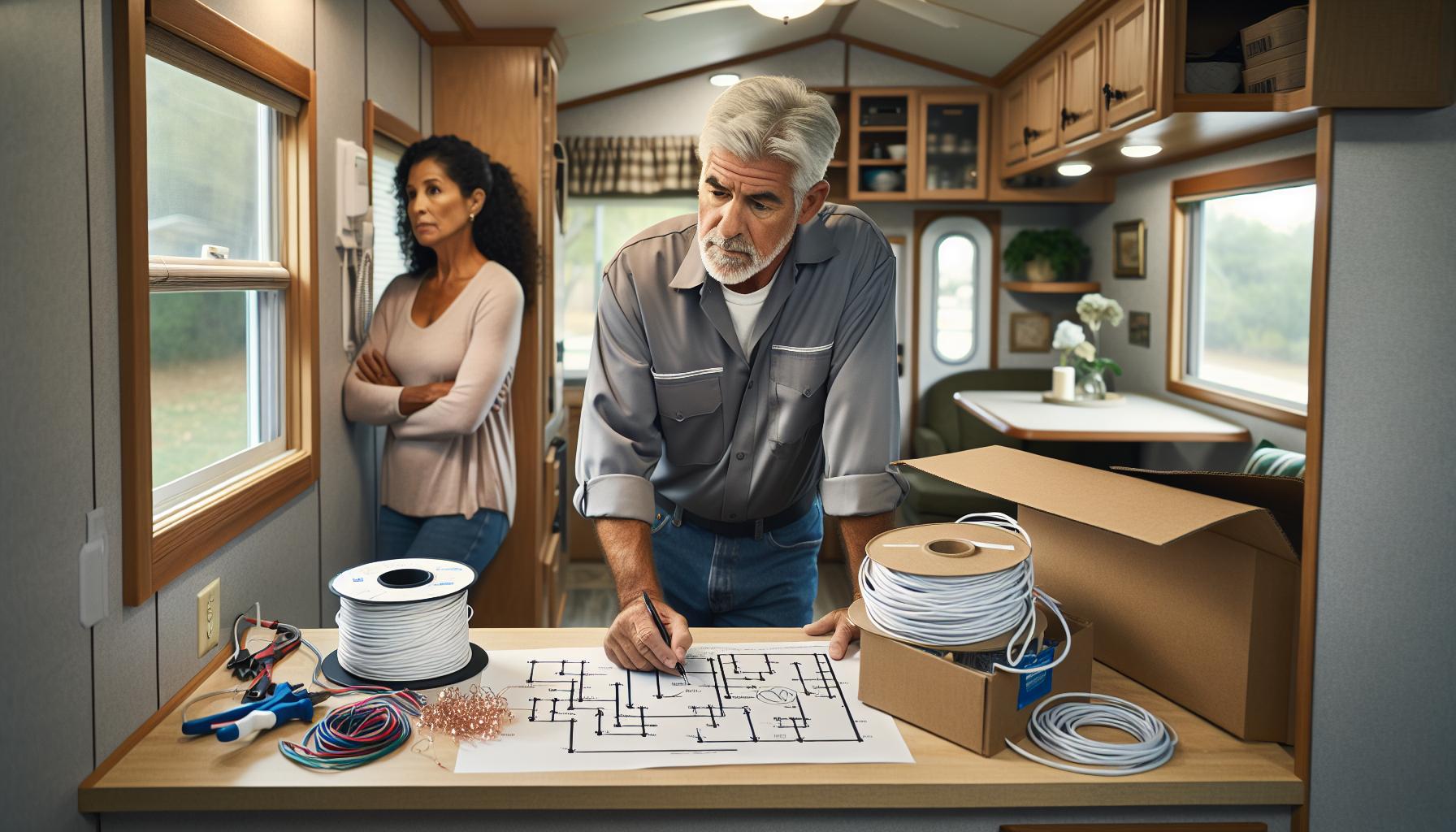
How to Choose the Right Wiring Components for Your Trailer Home
When setting up the electrical system in a trailer home, choosing the right wiring components is crucial for ensuring safety, efficiency, and reliability. Since trailer homes typically have unique layouts and electrical requirements, it’s essential to consider various factors such as wire gauge, insulation type, and connectors. Achieving a well-functioning electrical system hinges on selecting components that not only meet local codes but also suit the specific needs of your home.
A good starting point is to determine the appropriate wire gauge. Thicker wires (lower gauge numbers) can handle more current, which is particularly important if you’re installing high-demand appliances, such as air conditioners or electric heaters. For most general wiring applications in a trailer home, 12-gauge wire is commonly recommended for circuits that carry up to 20 amps, while 14-gauge is suitable for 15-amp circuits. Always verify local electrical codes to ensure compliance.
Next, consider the insulation type for your wiring. In trailer homes, where exposure to varying temperatures is common, selecting wires with insulation rated for both moisture resistance and heat exposure-like THHN or UF wires-is advantageous. These types help maintain safety and functionality in diverse environmental conditions.
Finally, don’t overlook the importance of connectors and junction boxes. Using quality connectors that provide a secure and insulated join is essential for maintaining reliable connections. Junction boxes should be installed where wiring is routed through walls, ensuring accessibility while preventing moisture buildup. Always prioritize UL-listed components to guarantee safety and performance.
By thoroughly assessing these aspects, you can confidently select the right wiring components tailored to your trailer home’s unique requirements, enhancing overall safety and functionality.
Essential Safety Precautions When Wiring a Trailer Home
When it comes to wiring a trailer home, ensuring safety is paramount. Given the unique structure and mobility of these homes, specific precautions can help prevent hazards and ensure the longevity of your electrical system. nailing down a solid approach to safety starts with understanding the environment and materials involved.
To begin with, always turn off the main power supply before starting any electrical work. This simple yet essential step can prevent serious accidents, such as electrical shocks or fires. Use circuit testers to verify that no current is flowing in the wires you are about to work on. Equally important is maintaining a clean and dry workspace. Wet conditions can lead to short circuits and other electrical failures, which might compromise the safety of your entire home.
Another key safety measure is to use high-quality, UL-listed wiring components that match your electrical needs. The performance of wiring can significantly change based on the climate; for instance, moisture-resistant and heat-rated insulation (like THHN or UF wires) should be prioritized. Ensure all connections are secure and insulated properly to prevent accidental exposure to live wires, which can lead to shocks or electrical fires.
Finally, be mindful of wire routing. Keep wires away from sharp objects and points of potential wear, such as hinges or moving parts. Properly use junction boxes to keep connections safe and maintain accessibility for future troubleshooting. Implementing these essential precautions not only enhances safety during installation but also protects your home and its occupants in the long run. By fostering a proactive and informed approach to electrical safety, you’ll create a more secure living environment in your trailer home.
Step-by-Step Guide to Wiring Your Trailer Home
To effectively wire your trailer home, start by laying a solid foundation of knowledge and planning. The process requires patience and a clear step-by-step approach to ensure safety and compliance with electrical codes. Begin by sketching out your electrical layout, identifying where outlets, switches, and lights will be located. Consider your power needs and the convenience of accessibility for repairs or modifications in the future.
Gather Necessary Tools and Materials
Before you start, collect all the necessary tools and materials. You’ll need:
- Wire (appropriate gauge for your needs)
- Electrical boxes for outlets and switches
- Breakers suitable for your electrical panel
- Wiring tools (strippers, pliers, screwdriver, etc.)
- Voltage tester to check current
Install Electrical Boxes
Once your layout is ready, install electrical boxes at designated points for outlets and switches. Ensure that all boxes are securely mounted and adhere to your trailer’s structure. Remember, the height at which you install your outlets can affect accessibility and convenience, so consider your furniture arrangement.
Run the Wiring
Next, run wiring from your electrical panel to the boxes. Be sure to use appropriate wire types, such as THHN or UF, especially for areas that may be exposed to moisture. Follow your planned layout closely, being mindful of the routing to avoid sharp edges or potential damage. Maintain organized wire management to prevent confusion during installation and for ease of troubleshooting later.
Make Connections and Install Outlets
After routing the wires, make connections to your outlets and switches, following the manufacturer’s instructions. Use the voltage tester to ensure the wires are not live as you work, maintaining safety throughout the process. Once all connections are secure, install the outlets and switches into the boxes, ensuring they are snug and level.
Finalize and Test
After completing all installations, it’s essential to perform a thorough check. Turn on the power at the main panel and test each outlet and switch for functionality. Use your voltage tester to ensure everything is operating correctly. If you encounter any issues, troubleshoot immediately to avoid future complications.
With meticulous planning and execution, wiring your trailer home can be a rewarding project that enhances both safety and convenience in your living space. This step-by-step process not only underscores the necessity of organized planning but also empowers you to navigate the wiring of your trailer home with confidence.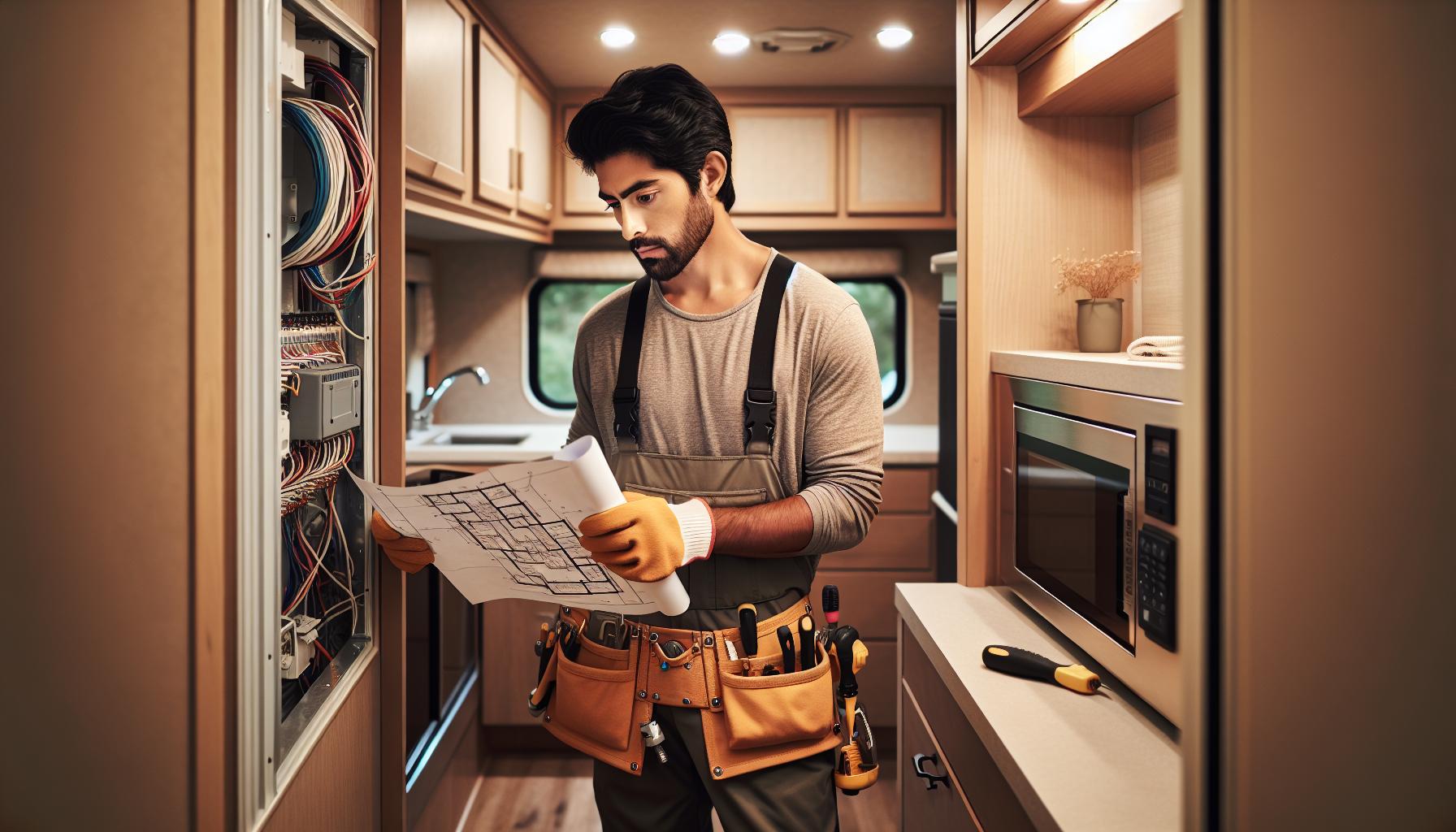
Understanding the Electrical Systems in Trailer Homes
is crucial for both safety and functionality. Trailer homes, also known as manufactured homes, often have different electrical setups compared to traditional houses due to their unique construction and mobility features. This means that residents must be aware of how their electrical systems work to ensure proper installation and maintenance.
At the heart of a trailer home’s electrical system is the main electrical panel, which distributes power throughout the home. It’s essential to understand that most trailer homes utilize 120/240-volt systems, meaning they can handle standard household appliances, as well as larger ones like air conditioners or electric heaters. Familiarity with the amperage of the panel, usually between 100 and 200 amps, is vital, as this will dictate how many circuits you can safely run and at what capacity.
Equally important is knowing the types of wiring commonly used in trailer homes. Non-metallic sheathed cable (commonly referred to as Romex) is often the wiring of choice, as it’s lightweight and flexible-ideal for the unique shape and structure of mobile homes. In areas where moisture may occur, such as kitchens and bathrooms, it’s recommended to use UF (Underground Feeder) cable, which is more resistant to damp conditions. Properly installed grounding systems are also critical to protect against electrical faults, ensuring that all metallic parts are grounded to prevent shock hazards.
To manage your electrical consumption effectively, consider incorporating energy-efficient appliances and LED lighting. Not only do these options reduce your energy bills, but they also lessen the load on your electrical system, making it easier to maintain optimal performance. It’s also wise to educate yourself on the specific National Electric Code (NEC) requirements that apply to your state or locality, as electrical work in trailer homes may have particular codes that must be adhered to for compliance and safety.
Understanding these elements will empower you to make informed decisions regarding your trailer home’s electrical system, whether you are wiring new installations or troubleshooting existing issues. This knowledge not only promotes safety but also enhances your comfort and enjoyment living in a trailer home.
Common Wiring Mistakes to Avoid
Wiring a trailer home can be a rewarding project, but it’s crucial to avoid common pitfalls that can jeopardize both safety and functionality. Many DIY enthusiasts underestimate the complexities involved in electrical work, particularly in manufactured homes where wiring might differ significantly from traditional houses. One of the most frequent mistakes is not adhering to electrical codes and regulations. Each locality may have its specific requirements governed by the National Electrical Code (NEC). Failing to comply can not only lead to costly fines but may also pose serious safety risks.
Another common error is using incorrect wiring materials. While non-metallic sheathed cable (Romex) is widely used for interior wiring, it is essential to ensure that the cable is rated for the specific environment, such as using UF (Underground Feeder) cable in moist areas like kitchens or bathrooms. Additionally, improperly rated circuit breakers and fuses can lead to overheating and potential fire hazards. It’s vital to calculate the electrical load accurately and use breakers that can handle that load efficiently.
Moreover, poor planning for outlet locations is a mistake that can impact day-to-day life in the trailer. Not considering the placement of appliances or the layout of furniture can lead to a lack of outlets in convenient places, forcing the use of extension cords, which are often insufficient for safety. Additionally, forgetting to install GFCI outlets in wet areas can expose residents to electrical shock.
Lastly, many people overlook grounding systems, assuming that it’s automatically taken care of. An effective grounding system is crucial for preventing electrical shocks and stabilizing voltage levels. Without proper grounding, your trailer home is at risk during electrical storms or power surges, which can lead not only to equipment damage but also personal injury.
In conclusion, becoming familiar with these common errors can dramatically improve both the safety and usability of your trailer home’s electrical system. By ensuring compliance with codes, using proper materials, thoughtfully planning outlet locations, and implementing effective grounding, you can confidently set up your trailer wiring like a pro.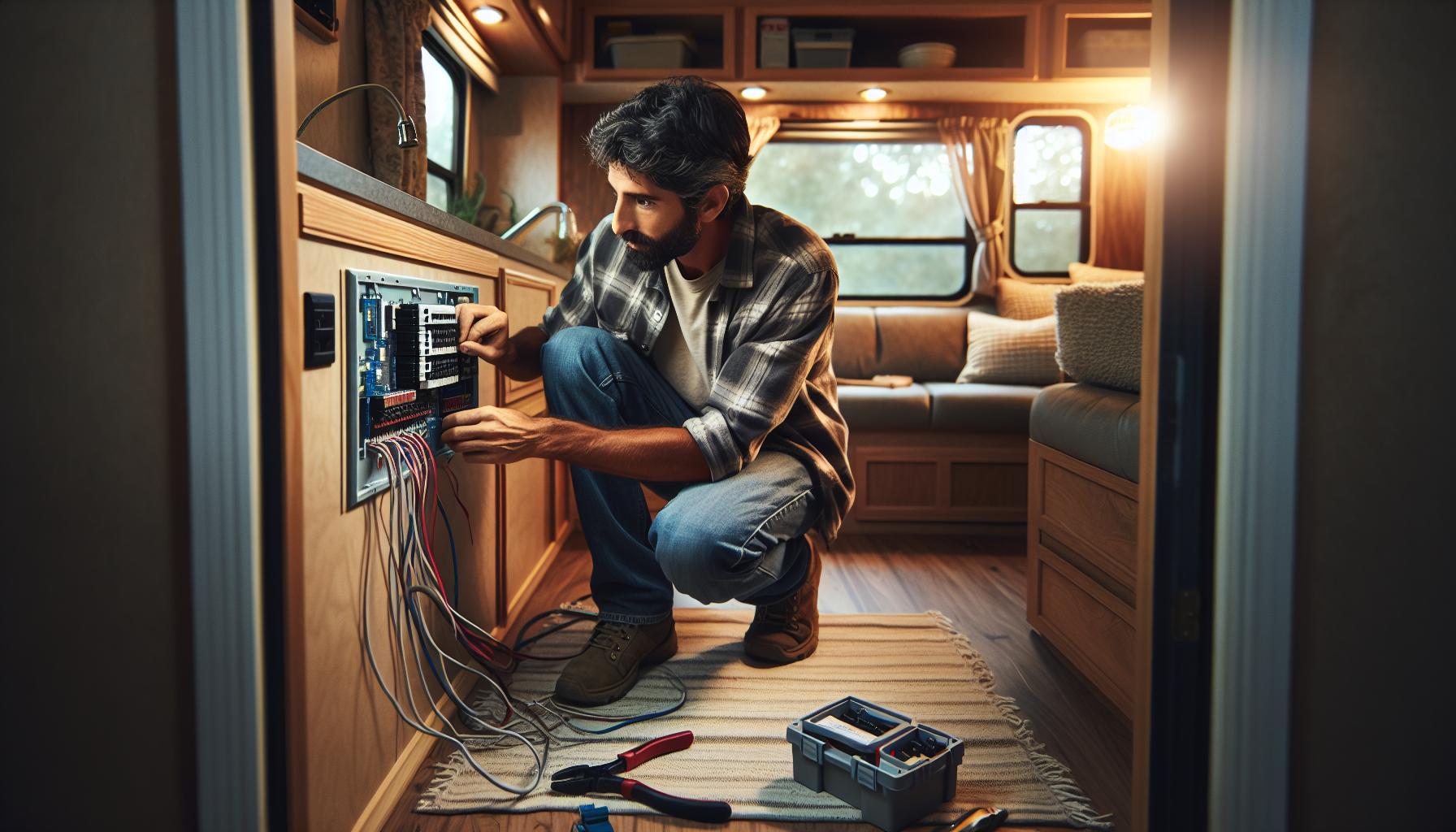
Upgrading Your Trailer Home’s Electrical System
Upgrading the electrical system in a trailer home can transform your living space, improving both functionality and safety. Many older models feature outdated wiring and insufficient outlets, which can hinder your daily activities and potentially compromise your safety. By modernizing your electrical system, not only can you accommodate contemporary appliances and technology, but you also enhance your home’s overall value.
When considering an upgrade, start by assessing your current electrical panel. If it’s under 100 amps, consider upgrading to a 200-amp panel. This change will provide ample power for modern appliances and prevent overloading circuits. Ensure to choose a panel that complies with your local codes, as regulations vary. Additionally, replacing old circuit breakers with new, properly-rated ones mitigates risks associated with electrical fires. Establishing a balanced load across circuits prevents overload and provides reliable performance.
Next, focus on the wiring. Replace outdated or frayed wiring with modern, code-compliant options such as non-metallic sheathed cable (Romex) or underground feeder (UF) cable for areas exposed to moisture. Pay particular attention to the location and type of outlets. Adding Ground Fault Circuit Interrupter (GFCI) outlets in kitchens and bathrooms protects against electrical shock, while dedicated circuits for high-demand appliances, like washers and dryers, will help manage power flow safely.
Finally, consider smart home integration while upgrading. Installing smart switches and outlets not only enhances convenience but also supports energy efficiency. This modern approach allows you to control your home’s electrical systems remotely, monitor energy consumption, and potentially reduce your energy bills. Ensure to consult with a licensed electrician to navigate the complexities of your upgrade while adhering to safety standards and local code compliance. This investment not only enhances your trailer home’s comfort but also secures its integrity for years to come.
How to Properly Ground Your Trailer Home Wiring
Properly grounding the electrical system in your trailer home is not only a matter of compliance but also a crucial step in ensuring safety for you and your family. A well-grounded system protects against electrical faults, minimizes interference from outside sources, and reduces the risks of electrical shock or fire. Here are the essential steps and considerations for grounding your trailer home’s wiring effectively.
To start, identify the grounding requirements as laid out in the National Electrical Code (NEC) and your local regulations. Most trailer homes utilize a grounded electrical service system, meaning that the grounding electrode system must connect to the metal framework, water pipes, or ground rods driven into the ground. This creates a low-resistance path for stray electricity to dissipate safely into the earth.
Next, ensure you have the right grounding equipment. Use a grounding wire that meets or exceeds the size requirements for the circuit. Typically, a bare copper wire is preferred due to its excellent conductivity and resistance to corrosion. The wire should be securely connected to the grounding bar in your electrical panel, as well as to a grounded metal structure of your trailer or a properly installed ground rod.
Steps to Ground Your Trailer Home Wiring
- Check Local Codes: Research local electrical codes and regulations to understand specific grounding requirements for your area.
- Install Ground Rods: If your trailer is not on a permanent foundation, installing ground rods is crucial. Drive at least one rod 8 feet into the ground, ensuring it’s rust-proof and rated for electrical installations.
- Connect Grounding Wire: Attach a continuous ground wire from the grounding electrode to the grounding bar of your electrical panel. Make sure all connections are tight and secure to prevent any loosening over time.
- Verify Connections: After installation, use a multimeter to ensure the grounding system is working efficiently by testing the resistance between the panel ground and the grounding electrodes.
Safety is paramount; therefore, if you’re unsure about performing electrical work or local code requirements, consulting a licensed electrician who specializes in mobile homes is highly recommended. Establishing a robust grounding system not only protects your home but also enhances the longevity of your electrical components by preventing corrosion and electrical surges that could damage sensitive appliances.
Lastly, remember that grounding is an ongoing process. Regularly inspect your grounding systems, especially after severe weather events. This vigilance helps ensure your trailer home remains a safe and secure refuge, capable of weathering whatever nature throws its way.
Troubleshooting Electrical Issues in Trailer Homes
In trailer homes, electrical issues can disrupt daily living and pose safety risks if not addressed promptly. Common problems, such as flickering lights, tripped breakers, or outlets not working, can often be traced to underlying wiring issues or overloads. Identifying and resolving these issues efficiently is crucial for maintaining a safe and functional environment.
When troubleshooting electrical problems, start by isolating the issue. For example, if a circuit breaker keeps tripping, check devices connected to that circuit. Overloaded circuits are a frequent culprit, so unplugging some devices might resolve the problem. Another common issue is loose or damaged wiring. To check for this, inspect visible wiring connections at outlets and junction boxes for fraying or discoloration, which can signal deterioration. By identifying specific symptoms, you can more easily narrow down the potential causes.
Steps for Troubleshooting
- Check the Circuit Breaker: If a breaker trips, reset it. If it trips again, investigate the source of the overload or short circuit.
- Inspect Outlets and Switches: Look for signs of wear, heat damage, or loose connections. Replacing outdated outlets can often resolve flickering lights.
- Use a Multimeter: This tool can help diagnose electrical issues by measuring voltage, current, and resistance in wiring.
- Verify Grounding: An improperly grounded system can lead to various electrical issues. Ensure all grounding connections are secure and compliant with local codes.
Additionally, regular maintenance of your trailer home’s electrical system is essential. This includes periodic inspections by a professional electrician who understands the specific needs of mobile homes. They are equipped to spot issues that might not be immediately visible to the untrained eye and can provide guidance on upgrades or safety improvements. Implementing these troubleshooting techniques can not only enhance your electrical system’s performance but also ensure your trailer home remains a reliable refuge for you and your family.
Energy Efficiency Tips for Trailer Home Wiring
Maximizing energy efficiency in your trailer home is not just eco-friendly; it can also lead to substantial savings on your energy bills. By utilizing thoughtful wiring practices and efficient components, you can create a sustainable environment that is both comfortable and cost-effective.
One of the best strategies is to opt for energy-efficient fixtures and appliances. Look for LED lighting, which uses up to 75% less energy than incandescent bulbs. When wiring your home, consider installing dimmer switches that allow you to adjust lighting levels according to your needs, further reducing energy consumption. For major appliances, choose those with the Energy Star rating, which indicates they use less energy than standard models.
Additionally, proper insulation and sealing of your electrical systems play a vital role in energy conservation. Ensure that all electrical boxes are well-sealed and insulated to prevent air leaks. This not only increases efficiency but also prolongs the life of your wiring and reduces strain on your heating and cooling systems.
Regular maintenance checks are crucial for optimal performance. Inspect your wiring regularly for any signs of wear or damage, as faulty wiring can lead to energy loss. Staying ahead of potential issues by tightening connections and replacing worn-out components can significantly improve your system’s efficiency. Moreover, consider installing surge protectors to safeguard your devices, as power surges can damage appliances and lead to increased energy usage.
Ultimately, by selecting efficient materials, investing in quality installations, and maintaining your electrical system, you’ll achieve a greener home that supports a sustainable lifestyle and creates a welcoming space for family and friends.
Permitting and Code Compliance for Trailer Home Wiring
Navigating the intricate landscape of wiring a trailer home requires not only technical know-how but also a firm understanding of the necessary legalities surrounding permitting and code compliance. Electricians and homeowners alike must adhere to local and national electrical codes to ensure safety, efficiency, and usability of the electrical systems. Whether you’re a seasoned DIY enthusiast or new to trailer home living, getting familiar with these requirements is crucial for a successful project.
First and foremost, it is essential to check local building codes as they can vary significantly by region. Many areas have specific regulations regarding the types of materials used, the layout of wiring, and safety measures required in trailer homes. For example, you might find that certain gauges of wiring are mandated for specific applications, or that you need to use GFCI (Ground Fault Circuit Interrupter) outlets in areas susceptible to moisture. The National Electrical Code (NEC) provides a solid framework, but always consult your local building department for additional stipulations.
Before you commence any wiring project, securing the necessary permits is a must. This often involves submitting your plans for approval to ensure they meet local codes. Failure to obtain permits can lead to fines, stop-work orders, or even the requirement to redo work that doesn’t comply with regulations. After completion, you may need to schedule inspections. These inspections confirm that your wiring is not only safe but also up to code, providing peace of mind for you and future owners of the trailer home.
Remember, staying compliant doesn’t just protect you legally; it also enhances the safety and value of your trailer home. Proper wiring can prevent fires, reduce electrical hazards, and improve the reliability of electrical systems. So, whether you choose to hire a professional or take on the wiring yourself, thorough research into permitting and compliance is a step that should never be overlooked. Keeping your trailer home electrically sound and safe means investing in your comfort and future.
Maintenance Tips for Your Trailer Home’s Electrical System
Regular maintenance of your trailer home’s electrical system is essential for keeping it safe and functioning efficiently. Neglecting this aspect can lead to costly repairs or dangerous situations. Common wisdom suggests that a proactive approach can often save you from major headaches down the road. Here are several key maintenance tips to ensure your electrical system remains in tip-top shape.
Regular Inspections
Conducting routine inspections is a critical component of maintaining your electrical system. Schedule these checks at least once a year, and consider doing so every six months if you frequently use high-demand appliances. During these inspections, look for:
- Frayed Wires: Check visible wiring for any signs of wear or damage.
- Loose Connections: Ensure that all connections are tight and secure.
- Heat Signs: Feel outlets and wires for excessive heat, which could indicate an overload.
Keep It Organized and Labeled
An organized electrical panel and clear labeling can make a significant difference during troubleshooting. Label circuit breakers or fuses to easily identify which controls what area of your home. This not only simplifies future maintenance but also enhances safety when addressing issues.
Know Your Breaker Panel
Being familiar with your breaker panel can save you time and hassle. Test your breakers regularly to ensure they function correctly. Flip them on and off periodically to prevent them from seizing up due to inactivity. If you notice a breaker that frequently trips, it may indicate an underlying problem that needs attention.
Protect Against Weather Elements
For trailers located in areas prone to severe weather, implementing protective measures can be beneficial. Install weatherproof covers over outdoor outlets and ensure that all external wiring is secured and insulated. This safeguards your electrical system from moisture, which is a common cause of electrical failures.
Consider Routine Professional Inspections
While some maintenance tasks can be completed by homeowners, certain checks are best left to professionals. Hiring a qualified electrician for annual inspections can provide peace of mind. They can perform comprehensive evaluations and may spot potential issues before they evolve into larger problems.
By incorporating these maintenance tips into your routine, you can help ensure the longevity and safety of your trailer home’s electrical system. A little attention can go a long way in maintaining the comfort and functionality of your living space, aligning with the proactive spirit of trailer home ownership.
Resources for Further Learning and Support on Trailer Home Wiring
Understanding the complexities of wiring a trailer home can significantly enhance both safety and functionality. Many resources exist to help homeowners navigate this specialized field, offering guidance for everyone from novices to seasoned DIY enthusiasts. Leveraging the right materials and understanding best practices not only ensures compliance with codes but also bolsters the resilience of electrical systems against common issues.
Online Guides and Tutorials
Numerous websites and forums dedicate themselves to manufactured home electrical systems. Websites like The Spruce and This Old House provide extensive articles that delve into specific wiring techniques, safety precautions, and product recommendations. YouTube channels focused on DIY home improvement offer visual tutorials, enabling viewers to understand complex procedures in a hands-on manner. Engaging with these resources allows for real-time learning and can inspire confidence when tackling electrical projects.
Local Workshops and Community Resources
Check with local home improvement stores or community colleges, which often hold workshops on home wiring and maintenance. These sessions can provide practical demonstrations, and let participants ask questions and receive expert feedback. Additionally, joining local homeowner associations or forums can connect you with experienced individuals who have faced similar challenges and can offer advice based on real-life experiences.
Professional Associations and Certification Resources
For those seeking a more formal education, exploring resources from professional associations such as the National Electrical Contractors Association (NECA) can be beneficial. These organizations typically offer training programs, certifications, and industry standards that can deepen your understanding of safe wiring practices and electrical systems specific to trailer homes. Knowledge from these organizations can guide you in hiring a licensed electrician when necessary.
Books and Publications
A variety of books tailored to electrical wiring in manufactured homes are available. Titles that focus on mobile home repairs and updates often include sections on wiring, showcasing best practices and safety regulations. Investing time in reading these resources not only equips homeowners with essential knowledge but can also inspire improvements and updates to existing electrical systems.
By taking advantage of these diverse resources, individuals can confidently approach the task of wiring their trailer homes, ensuring safety, compliance, and a secure living environment.
Frequently asked questions
Q: What are the most common electrical problems in trailer homes?
A: Common electrical problems in trailer homes include faulty wiring, insufficient amperage for appliances, and tripped circuit breakers. Additionally, issues like outdated electrical panels and poor grounding can lead to safety hazards. Regular inspections and updates can mitigate these risks.
Q: How can I ensure my trailer home’s wiring is safe?
A: To ensure safety when wiring a trailer home, always follow local building codes and use certified components. Regularly inspect wiring for signs of wear or damage, and ensure proper grounding and bonding practices are in place. Consult a licensed electrician if unsure.
Q: What tools do I need to wire a trailer home?
A: Essential tools for wiring a trailer home include a wire stripper, circuit tester, voltage meter, screwdrivers, and pliers. Having a multimeter can also help troubleshoot electrical issues. Always prioritize safety tools, such as gloves and goggles, when working on electrical systems.
Q: Can I install electrical wiring in my trailer home myself?
A: Yes, you can install electrical wiring in your trailer home, but it’s crucial to understand electrical codes and safety practices. If you’re inexperienced, consider consulting an electrician or taking a course on mobile home wiring. This will ensure compliance and safety.
Q: How do I upgrade the electrical system in my trailer home?
A: To upgrade the electrical system in your trailer home, assess your current amperage and wiring quality, then plan for a higher-capacity service panel, if needed. Replace any outdated wiring and install additional outlets as required, always following local electrical codes.
Q: What electrical codes should I know for trailer home wiring?
A: Important electrical codes for trailer home wiring include the National Electrical Code (NEC) standards and local building codes. Key areas involve proper grounding, circuit requirements, and safety measures. Familiarize yourself with these regulations to ensure your installation is safe and legal.
Q: When should I consider hiring a professional for trailer home wiring?
A: Hire a professional for trailer home wiring if you’re unfamiliar with electricity or face complex upgrades. Additionally, when local codes require licensed work or for extensive renovations, seeking expert help ensures safety and compliance with regulations.
Q: What are the benefits of using energy-efficient wiring in trailer homes?
A: Using energy-efficient wiring reduces energy consumption, lowers utility bills, and minimizes heat loss. Additionally, it can enhance the overall safety and longevity of the electrical system, making it a smart choice for sustainable living in trailer homes.
To Wrap It Up
Congratulations! You’ve now equipped yourself with the essential knowledge to wire a trailer home like a pro. Remember, a safe and efficient electrical system is pivotal for your comfort and peace of mind. If you have any lingering questions or are unsure about any step, don’t hesitate to dive deeper into our related content on electrical safety tips and troubleshooting common issues in mobile homes.
Act now-explore our comprehensive guides on standard mobile home maintenance and how to prepare your home for severe weather. For more in-depth resources, consider subscribing to our newsletter for expert advice and exclusive updates. Your journey to mastering mobile home living is just beginning, and we’re here to support you every step of the way. Join the conversation by sharing your experiences or questions in the comments below!