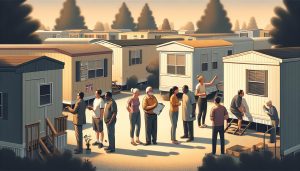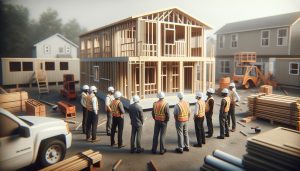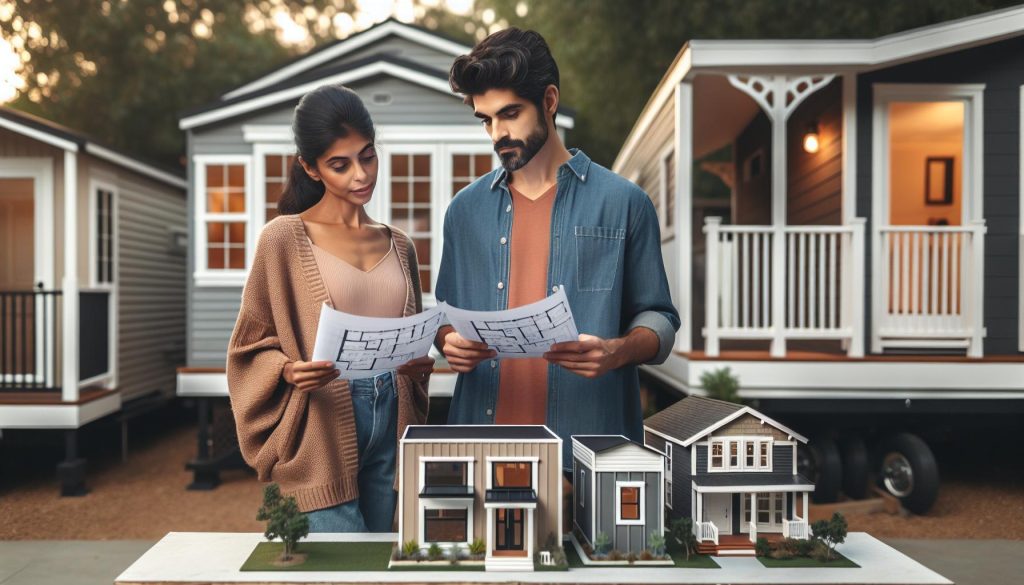
As the demand for affordable housing grows, understanding the differences between a modular home and a manufactured home becomes increasingly important for prospective buyers. Both options offer unique benefits, but they’re distinct in structure, construction methods, and legal classifications. Modular homes are built in sections in a factory and assembled on-site, meeting local building codes, while manufactured homes are entirely constructed in a factory and transported as a single unit. This key distinction not only affects financing and insurance options but also influences long-term value and maintenance needs. If you’re contemplating the right choice for your housing needs, exploring these differences will empower your decision-making process, ensuring you find the best fit for your lifestyle and budget. Dive into this detailed comparison to uncover valuable insights that can help you navigate the modular and manufactured housing landscape with confidence.
What Are Modular Homes and Manufactured Homes?
Modular and manufactured homes represent a modern solution to housing needs, gaining popularity for their affordability and flexibility. Modular homes are constructed in sections in a factory setting and then transported to the site for assembly, allowing for a quicker build time compared to traditional on-site construction. These homes are built to comply with local building codes and can be customized extensively, allowing future homeowners to choose everything from floor plans to finishes. On the other hand, manufactured homes, often referred to as mobile homes, are built on a permanent chassis and are also factory-constructed but are regulated under the federal HUD code. While these homes can be more affordable initially, they may have limitations in customization and typically adhere to less stringent building codes.
Key Characteristics of Each Type
Both modular and manufactured homes provide modern living solutions that meet the needs of diverse homeowners. Here are some distinctions:
- Modular Homes: Built to local or state building codes and regulations; can be permanently affixed to land.
- Manufactured Homes: Built to federal standards and typically movable; often less customizable than modular homes.
These differences significantly impact the design, financing, and resale considerations for each type of housing. Importantly, each home type plays a role in addressing housing shortages while offering unique benefits tailored to various lifestyles and budgets. Understanding these elements can empower potential buyers to make informed decisions that reflect their personal circumstances and long-term goals in housing.
Key Differences Between Modular and Manufactured Homes
Understanding the nuances between modular and manufactured homes is essential for potential buyers as each option caters to different needs, lifestyles, and preferences. The primary distinction lies not only in their construction methods but also in the regulations governing them and the degree of customization available.
Modular homes are constructed in sections within a factory and then transported to the site for assembly. These homes must adhere to local and state building codes, ensuring they meet the same standards as traditionally built homes. This compliance allows modular homes to be affixed permanently to a foundation, often leading to advantages in terms of resale value and financing options. Moreover, homeowners often find that they can personalize these homes extensively, choosing layouts, finishes, and features that align with their unique tastes and requirements.
Conversely, manufactured homes, often called mobile homes, are built on a permanent chassis and constructed in accordance with federal HUD (U.S. Department of Housing and Urban Development) standards. This may limit their ability to be customized compared to modular homes, which can lead to a more homogenized appearance. While manufactured homes offer a more affordable entry point into homeownership, they tend to be easier to relocate, which can appeal to those who value mobility. However, this flexibility can bring about its own challenges such as different zoning laws and requirements based on local regulations.
In summary, choosing between modular and manufactured homes involves understanding their governing standards, customization potential, and how these factors can influence both short-term living arrangements and long-term investment goals. Each type presents a viable solution to modern housing, ensuring that buyers can find a home that fits their personal and financial needs.
Building Standards: Modular vs. Manufactured
Constructed with different standards and methodologies, modular and manufactured homes serve a variety of needs and preferences for potential homeowners. Understanding these building standards is crucial when making an informed decision on the type of home that best aligns with your lifestyle and goals.
Modular homes are built in sections, or modules, primarily in a factory setting and are required to meet local and state building codes. This adherence to rigorous standards means that modular homes boast structural integrity comparable to traditional site-built houses. They’re designed to be permanently affixed to a foundation, enhancing their resilience against environmental factors. Because of this adherence to local codes, modular homes often qualify for conventional financing options, making them a more appealing choice for those seeking stability in their investment.
In contrast, manufactured homes are constructed on a permanent chassis according to federal regulations set by the Department of Housing and Urban Development (HUD). These standards focus primarily on safety, durability, and affordability but do not align them with local building codes. Because manufactured homes are built as whole units in a factory, they can be transported easily, making them more flexible in terms of location. However, this mobility can present challenges, especially concerning zoning laws which vary by region and might restrict where a manufactured home can be placed.
The key differences between the building standards of these two types of homes affect not only their construction and safety features but also their long-term value and financing potential. Potential buyers should weigh the benefits of compliance with local standards against the flexibility and affordability offered by manufactured homes. Understanding these distinctions can significantly influence your financial planning, insurance options, and overall satisfaction in homeownership.
Pricing and Financing Options Explained
Navigating the financial landscape of modular and manufactured homes can feel overwhelming, but understanding your options is key to making an informed choice. Both types of housing generally offer more affordability compared to traditional site-built homes; however, they come with distinct pricing structures and financing avenues that cater to diverse buyer needs. Whether you are a first-time homebuyer or looking to downsize, knowing the costs and financing options available can empower your decision-making process.
For modular homes, buyers typically benefit from competitive pricing that parallels conventional homes due to their higher construction standards and permanent foundations. Financing for modular homes generally falls under traditional mortgage loans, allowing for lower interest rates and more favorable terms. This financing route opens doors to a variety of options including fixed-rate mortgages and FHA loans, which can reduce your initial down payment requirements. The resale value of modular homes can also be higher compared to their manufactured counterparts, making them a solid long-term investment.
Manufactured homes, on the other hand, often require different financing approaches. They can be financed through personal loans or chattel loans, which typically have higher interest rates because they are secured with the home itself rather than the land. Some lenders provide loans that facilitate the purchase of both the home and a placed lot, particularly if the buyer intends to purchase land along with the home. However, it is crucial to consider that some financing options may come with additional costs or terms like higher down payments or property insurance that could affect your overall budget.
When planning your financing strategy, accounting for the total costs associated with homeownership-such as utilities, maintenance, and insurance-is essential. Each type of home comes with its own set of insurance requirements based on local codes and zoning laws, so it’s advisable to consult with an insurance professional familiar with manufactured and modular homes to ensure adequate coverage. Take into consideration the long-term expenses associated with home upkeep, as these hidden costs can add up and impact your overall financial health.
By thoroughly assessing the pricing and financing options of both modular and manufactured homes, as well as understanding the broader implications of homeownership cost, you can make confident, well-informed decisions that best suit your unique lifestyle and financial situation.
Home Customization: What’s Possible?
When it comes to making your home truly yours, both modular and manufactured homes offer a wealth of customization options that cater to individual tastes and functional needs. Although there are some differences in how customization is approached for each type, the flexibility available can transform your living space into a reflection of your style and lifestyle.
Modular homes often allow for extensive customization during the initial planning and design phases. Buyers can select from a range of layouts, with options for adding rooms, changing floor plans, and choosing exterior colors and finishes. Many manufacturers offer a catalog of upgrades such as energy-efficient windows, enhanced insulation, and modern kitchen appliances. You might consider tailoring the following features:
- Floor Plan Adjustments: Open-concept designs, additional bedrooms, or customized bathroom layouts can enhance livability.
- Exterior Finishes: Choose from a variety of siding materials and styles, roofing options, and landscaping recommendations.
- Interior Design: Personalize kitchen cabinetry, bathroom fixtures, flooring materials, and lighting features to match your style.
In contrast, while manufactured homes may have slightly more limitations on customization due to their design constraints, they still provide several avenues for personalization. Pre-designed models can often be modified, such as altering kitchen configurations or selecting different interior finishes. Homeowners of manufactured homes often focus on aesthetic upgrades post-installation, such as:
- Exterior Aesthetics: Enhance curb appeal with new paint, landscaping, or by adding a porch or deck.
- Interior Refreshes: Upgrade flooring, paint walls, or install new cabinetry and countertops to modernize the space.
Regardless of whether you choose a modular or manufactured home, it’s essential to factor in zoning laws and local regulations that could affect what changes are permissible. Additionally, consider the potential need for professional assistance for larger renovation projects, especially those that may impact the structural integrity of your home, such as adding a room or altering existing layouts.
Both types of homes carry the promise of adaptability and potential for personal expression, ensuring your space meets your needs both functionally and aesthetically. Embracing the customization process can significantly enhance your living experience, adding value and comfort to your home for years to come.
Installation and Setup: A Step-by-Step Guide
The journey of transforming your modular or manufactured home from delivery to a fully functional living space involves several critical steps, ensuring safety and comfort. Whether you’re overseeing the installation of a modular home or setting up a manufactured one, following an organized process helps mitigate confusion and potential issues.
Begin by preparing the site, which includes clearing the area of debris and leveling the ground. For modular homes, this typically involves creating a foundation-often a concrete slab or piers-designed to support the structure. Manufactured homes, on the other hand, may be set on a concrete foundation, skirting, or piers depending on local regulations and your personal preferences.
Once the site is prepared, the next step is transporting the modules or sections to the site. This process should be handled by professionals experienced in delivering modular homes to prevent damage during transit. Upon arrival, skilled crews will manage the assembly, carefully piecing together the modules or sections.
Leveling and anchoring are crucial, especially for manufactured homes, which must be securely tied down, particularly in areas prone to severe weather. This involves using anchors and straps to secure the home to its foundation. All homes benefit from leveling to ensure that doors and windows open properly and to prevent structural issues in the future.
After leveling and anchoring, it’s time to connect the utilities. This includes hooking up water, electricity, and sewage systems-a process best left to licensed professionals to ensure compliance with local codes and regulations. Depending on your home model, additional work may also be required for plumbing and electrical systems inside the home.
Finally, consider the interior setup, which involves installing fixtures, fittings, and personal touches that make the space your own. This could include painting, installing flooring, and arranging furniture.
Following these steps meticulously will help ensure a smooth installation process, allowing you to settle into your home confidently. Each step may vary depending on the complexity of your home and local building codes, but adhering to this general outline will lead you toward creating a welcoming and safe living environment.
Legal Regulations and Zoning Considerations
Understanding the for modular and manufactured homes is crucial for prospective homeowners. Both types of homes must comply with local building codes, zoning laws, and sometimes specific community guidelines. These regulations can vary significantly between states and even local municipalities, making it imperative to do thorough research before committing to a location.
For modular homes, which are built to the same local and state building codes as traditional homes, the regulations typically focus on land use, building permits, and inspections. Homeowners may need to secure a building permit prior to installation, ensuring the construction adheres to local safety standards. Additionally, the zoning regulations may dictate the types of homes allowed in specific areas, including limitations on size, height, and placement within the lot. It’s critical to check with local zoning offices to understand these requirements fully.
On the other hand, manufactured homes, which are built according to the federal HUD Code, face different challenges regarding zoning. Communities often have specific zoning laws that might restrict where manufactured homes can be placed, sometimes requiring them to be in designated mobile home parks or manufactured home communities. It’s also essential to verify that the park or community adheres to all local regulations and standards, as some may have additional restrictions regarding aesthetics, spacing, and age of the home.
To navigate these complexities, prospective homeowners should consider the following steps:
- Research Zoning Laws: Check with local zoning authorities to learn about land use laws and any restrictions that might apply to your chosen site.
- Obtain Necessary Permits: Ensure you apply for any required building and installation permits before beginning construction.
- Review Community Guidelines: If placing your home in a manufactured home park, familiarize yourself with the community’s specific rules.
- Consult Professionals: Engage with real estate agents, contractors, or legal advisors who specialize in mobile and modular homes to assist with navigating regulations.
By thoroughly understanding these legal and zoning considerations, homebuyers can make informed decisions, ensuring a smoother transition to homeownership and reducing potential legal pitfalls down the line.
Maintenance and Lifespan Comparisons
Maintaining a home is a critical aspect of ensuring its longevity and preserving its value, and both modular and manufactured homes have unique maintenance needs and lifespans that are shaped by their construction methods. Interestingly, modular homes are constructed in a factory setting and are designed to meet the same building codes as traditional site-built homes. As a result, they often have a lifespan comparable to that of traditionally built homes, averaging 30 to 60 years with proper care. This is due to their use of high-quality materials and modern construction techniques that make them highly durable.
On the other hand, manufactured homes, which are built in accordance with the HUD Code, typically exhibit a lifespan of 30 to 55 years. However, the lifespan can vary significantly based on factors such as materials used, installation quality, and ongoing maintenance. Manufactured homes can be more susceptible to weather-related damages, especially if not properly anchored or left in disrepair. Regular maintenance is crucial for both home types, but manufactured homes require extra attention, particularly regarding the roof, plumbing, and electrical systems, to mitigate potential issues stemming from their factory construction.
To preserve the integrity and value of both modular and manufactured homes, here’s a practical maintenance checklist to consider:
- Roof Inspection: Regularly inspect the roof for leaks or damage, particularly after storms.
- Foundation Check: Ensure the foundation is stable and free from cracks; for manufactured homes, ensure anchoring is secure.
- Utility Systems Maintenance: Schedule annual inspections for HVAC, plumbing, and electrical systems to identify potential issues early.
- Exterior Care: Perform regular exterior maintenance, including siding cleaning and repainting, to protect against the elements.
- Landscaping Management: Maintain the landscaping around your home to prevent overgrowth that may damage foundations or utility lines.
By following these maintenance guidelines, homeowners can help extend the life of their modular or manufactured homes, ensuring they remain a wonderful and investment-worthy living choice for years to come.
Pros and Cons of Modular Homes
Choosing to invest in a modular home can be a significant decision, but understanding its advantages and disadvantages is crucial for potential homeowners. One of the most compelling benefits of modular homes is their strong construction quality. Built in a controlled factory environment, modular homes adhere to the same local building codes and standards as traditional houses. This means they not only meet safety regulations but also often have enhanced durability, resulting in fewer issues related to weather or wear over time.
However, like all housing options, modular homes come with their challenges. One potential drawback is the perception, or stigma, associated with prefabricated homes. Some may mistakenly view them as inferior compared to site-built homes, which can affect resale value. It’s essential to educate potential buyers about the quality and craftsmanship that goes into modular homes to counter these misconceptions.
Advantages of Modular Homes
- Customization Options: Many modular manufacturers offer various layouts and finishes, allowing homeowners to design a space that fits their lifestyle and preferences.
- Speed of Construction: Since modular homes are built in sections, they can be assembled on-site much more quickly than conventional homes, often reducing the overall time from purchase to move-in.
- Energy Efficiency: Modular homes are typically designed with energy-efficient features and materials, potentially leading to lower utility costs over time.
Disadvantages of Modular Homes
- Land Considerations: Buyers must own or lease land to place their modular home, which may add additional costs and considerations in the purchasing process.
- Financing Challenges: While financing options exist, securing loans for modular homes can sometimes be more complex than traditional mortgages, necessitating thorough research.
Overall, the decision to opt for a modular home should be based on individual preferences, needs, and financial considerations. With their strengths in quality and efficiency, modular homes present a compelling option for many. However, understanding the potential downsides and ensuring that all aspects of homeownership are addressed can lead to a satisfying and informed choice.
Pros and Cons of Manufactured Homes
The appeal of manufactured homes lies in their affordability, speed of assembly, and increasingly stylish designs, making them an attractive option for many potential homeowners. These homes are built in factories and transported to sites, often leading to lower costs compared to traditional homes. However, while there are numerous benefits to choosing a manufactured home, several drawbacks need consideration.
Advantages of Manufactured Homes
- Affordability: One of the most significant benefits is the cost. Manufactured homes are typically more affordable than site-built homes, allowing buyers to invest in larger or more desirable properties without the financial burden.
- Quick Construction: Built in a controlled factory environment, these homes are usually ready for installation within weeks. This rapid construction means families can move in sooner than with traditional homes.
- Energy Efficiency: Many modern manufactured homes come equipped with energy-efficient appliances and advanced insulation materials, which can significantly reduce utility bills over time.
- Variety of Designs: Buyers can choose from a wide range of designs and layouts, catering to different aesthetic preferences and lifestyle needs, making it easier to find a model that feels like home.
Disadvantages of Manufactured Homes
- Financing Challenges: Securing a mortgage for manufactured homes can be tricky. While there are lenders that specialize in such loans, buyers may face higher interest rates or more stringent terms compared to traditional mortgages.
- Depreciation: Unlike site-built homes, manufactured homes can depreciate in value over time, especially if they are not placed on owned land or if the market perceives them as less desirable, which may impact resale value.
- Land and Zoning Requirements: Buyers typically need to purchase or lease land for their manufactured home, which can add complexity to the buying process. Additionally, zoning regulations vary widely by location, potentially restricting where these homes can be placed.
- Stigma and Perception: Despite advancements in construction quality and aesthetics, there remains a stigma attached to manufactured housing. This can sometimes affect the homeowner’s experience and their home’s marketability.
While manufactured homes offer a blend of affordability and convenience, potential buyers should be mindful of the associated challenges. By understanding both the advantages and drawbacks, individuals can make informed decisions that align with their housing goals and lifestyle needs.
Popular Misconceptions About Modular and Manufactured Homes
Many potential homeowners harbor misconceptions about modular and manufactured homes that can impede their understanding of these viable housing options. One prevalent myth is that these homes are inferior in quality compared to traditional site-built houses. In reality, both modular and manufactured homes are built to rigorous building codes and safety standards, often meeting or exceeding those of conventional homes. For example, modular homes are constructed in segments in factories, then assembled on-site, allowing for improved quality control and construction timelines. This results in well-built structures that provide durability and comfort.
Another common misconception is that modular and manufactured homes are just mobile homes, both in design and mobility. While manufactured homes were historically seen as mobile, most modern models are designed to be permanent, often requiring a foundation and not intended for relocation. On the other hand, modular homes are designed for stability and permanence from the outset. Both types of homes offer diverse styles and designs, from traditional to contemporary, proving that aesthetic appeal is not limited to conventional houses.
Financing options often add to the confusion. Many believe that securing a mortgage for modular and manufactured homes is nearly impossible or that only high-interest loans are available. However, various financing options exist, including specialized lenders that cater to manufactured housing and government-backed loans that can provide competitive rates. It’s essential for buyers to explore these avenues and understand that the right financing is attainable.
Lastly, the stigma surrounding modular and manufactured housing sometimes leads to the belief that these homes depreciate significantly over time. While it’s true that they can face value challenges in certain markets, well-maintained modular and manufactured homes can appreciate just like traditional houses, particularly when they’re placed on owned land and in desirable neighborhoods. This demonstrates the importance of selecting the right location and maintaining the property as integral factors in preserving and enhancing its value.
Understanding the realities of modular and manufactured homes allows prospective buyers to make informed decisions and embrace the benefits of an often-misunderstood housing option. As these options continue gaining popularity, more people are recognizing their potential as a legitimate and attractive choice for home ownership.
Choosing the Right Home for Your Lifestyle
When selecting a home, it’s crucial to align your choice with your lifestyle needs and preferences, especially in the realm of modular and manufactured homes. These options offer unique advantages but may cater to different living situations and values. For example, if you prioritize mobility and convenience, a modern manufactured home may serve you well, offering affordable comfort in a factory-built design. These homes are often sited on leased land or mobile home parks, enabling a degree of flexibility for those who may need or want to relocate.
On the other hand, if permanence and customization are higher on your priority list, consider a modular home. These homes are designed to be placed on a permanent foundation and are built in sections before being transported to the site. They can be tailored in a variety of ways, from floor plans to finishes, allowing for a more personalized living space that truly reflects your lifestyle. Many modular homes offer options for energy efficiency, modern design aesthetics, and durable materials, enhancing long-term sustainability.
Assessing Your Lifestyle Needs
Consider factors such as size, family dynamics, and future plans. Are you starting a family or looking to downsize? Modular homes tend to offer more square footage and custom features which can accommodate evolving family structures. Meanwhile, manufactured homes might present a better financial solution for young professionals or retirees seeking a lower cost of living without sacrificing quality.
Practical Considerations
A few essential questions to guide your decision include:
- Location: Are you looking to stay in one place, or do you anticipate moving in the future?
- Budget: What are your financial capabilities, including maintenance and utilities?
- Community: What type of community environment do you thrive in? Do you want amenities, social activities, or privacy?
- Customization: How important is it for you to customize your home to fit your personal tastes?
Ultimately, understanding what resonates most with your lifestyle-whether it be the fixed nature and custom possibilities of modular homes or the ease and affordability of manufactured homes-will empower you to make an informed choice. Your home should not only be a place where you live, but a reflection of who you are and how you wish to live your best life.
FAQ
Q: How are modular homes built?
A: Modular homes are constructed in sections or modules in a factory setting, then transported and assembled on-site. This construction method adheres to local building codes and regulations, ensuring safety and quality. For detailed insights on the building process, refer to our section on “Installation and Setup.”
Q: Do modular homes appreciate in value like traditional homes?
A: Yes, modular homes can appreciate in value similar to traditional homes, especially if they are well-built and maintained. Factors like location, market demand, and upgrades can also influence their appreciation over time. For more financial insights, check the “Pricing and Financing Options Explained” section.
Q: What are the zoning requirements for modular and manufactured homes?
A: Zoning requirements vary by location but generally, modular homes meet local building codes and can often be placed on any residential lot, while manufactured homes may have more restrictions. For guidance on legal regulations, see the related section in the article.
Q: Can I customize a modular home as much as I want?
A: Yes, modular homes often allow for extensive customization options, from floor plans to finishes. However, customizations may impact costs and delivery times. For specific customization possibilities, refer to our “Home Customization” section.
Q: What are the financing options for modular vs. manufactured homes?
A: Both modular and manufactured homes have various financing options, including loans specialized for each type of home. Interest rates and terms can differ, so it’s important to research the best options available. More financing details can be found in “Pricing and Financing Options Explained.”
Q: How do the building codes differ for modular and manufactured homes?
A: Modular homes are built to local building codes, while manufactured homes must meet federal HUD standards. This distinction can affect safety, quality, and resale value. More detailed comparisons can be found in the “Building Standards” section of the article.
Q: Are there insurance differences between modular and manufactured homes?
A: Yes, insurance policies may differ due to the building codes, value, and construction types. Modular homes can typically obtain more comprehensive homeowners insurance, while manufactured homes may require specialized policies. For thorough coverage options, consult our article on legal regulations.
Q: What’s the lifespan of modular and manufactured homes?
A: Both types can have long lifespans, often exceeding 30 years, depending on the quality of materials and maintenance. Modular homes generally have a slight edge in longevity due to their adherence to stricter building standards. More on lifespan comparisons can be found in the relevant article section.
Key Takeaways
Understanding the differences between modular and manufactured homes empowers you to make informed choices that suit your lifestyle and budget. Whether you prioritize immediate affordability or long-term investment potential, knowing your options is crucial. If you’re considering a mobile home, explore our detailed guides on financing options and maintenance techniques to ensure a smooth journey from purchase to living comfortably.
Don’t wait to make the best choice for your situation! Dive deeper into the world of mobile home ownership by visiting our resources on setup procedures and legal requirements. Have questions or experiences to share? We welcome your comments and insights below. Keep exploring to uncover valuable insights about property valuation and tips for storm preparedness-your ideal mobile living experience is just a click away!