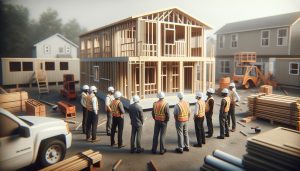
When considering a modular home, understanding the full scope of costs involved is essential for making an informed investment. Many buyers are drawn to the idea of modular homes due to their potential affordability, typically ranging from $75 to $175 per square foot [1[1]. However, hidden costs can quickly add up, impacting your overall budget significantly. From site preparation and utilities to upgrades and potential maintenance, these factors play a crucial role in determining the final price. By uncovering these hidden costs, you can better navigate your purchase, maximize value, and ensure your modular home meets your unique needs. Exploring what’s included in the price not only sharpens your financial acumen but also empowers you to achieve your homeownership dreams with confidence and clarity. Join us as we delve into the intricate details that shape the cost of your modular home, providing valuable insights to guide your journey.
Understanding the Modular Home Pricing Structure
requires a keen insight into its various components. When shopping for a modular home, prospective buyers often find themselves confronted with base prices that can appear deceptively low. However, understanding what is included in that initial price is crucial. Typically, the quoted price includes the home’s construction and delivery. Yet, buyers need to consider the total cost, which encompasses installation, site preparation, and additional essential elements.
Key Components of Pricing
Each modular home comes with specific elements that contribute to the overall cost. Here are the key components to keep in mind:
- Base Price: This is the cost of the home itself, covering materials and construction.
- Site Preparation: Costs for clearing land, grading, and leveling the site can add significantly to the initial investment.
- Foundation Installation: Depending on local regulations, a proper foundation might be required and can vary in cost.
- Utilities Setup: Connection to water, sewer, and electricity incurs additional expenses that are often overlooked.
- Permits and Fees: Required permits and inspections are vital for compliance with local building codes.
It’s essential for buyers to conduct thorough research and budgeting to ensure that they don’t encounter any unwanted surprises. By taking a comprehensive view of the pricing structure, you can arrive at a more accurate expectation of total costs associated with your modular home purchase. Understanding these elements not only reassures buyers about their financial commitments but also empowers them to make informed decisions in the modular housing market.
Key Components of Modular Home Costs
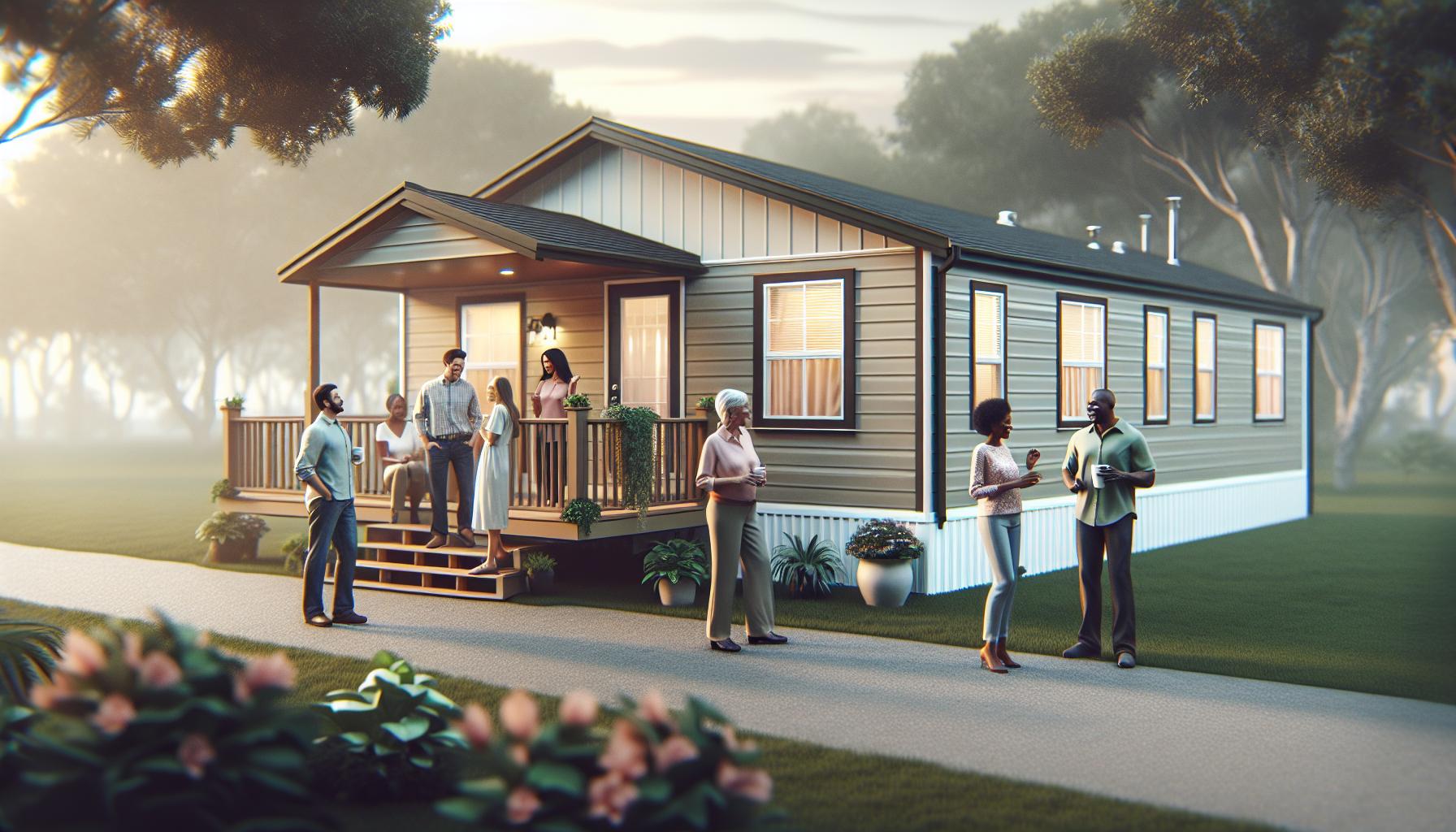
When considering the purchase of a modular home, understanding the financial nuances can significantly impact your experience and satisfaction. The total investment goes beyond the appealing base price that companies frequently advertise, requiring careful examination of various cost components. While many prospective buyers might focus solely on the base price, it is essential to recognize and account for additional expenses that contribute to the overall cost of ownership.
Each modular home’s pricing structure entails several key components that shape the total financial obligation. Below are important elements to take into account:
- Base Price: This is the initial cost associated with the home, which covers the materials and construction.
- Site Preparation: Costs incurred for clearing land, grading, and leveling can be substantial, making this an important factor to consider before finalizing your budget.
- Foundation Installation: Local building regulations may require specific foundation types, and the installation cost varies depending on the chosen method.
- Utilities Setup: Connecting essential services such as water, sewer, and electricity often incurs higher costs than expected, which can affect your total investment.
- Permits and Fees: Securing the necessary permits and undergoing required inspections are critical steps that come with their own costs, ensuring compliance with local regulations.
Buyers are encouraged to perform diligent research and budgeting to mitigate financial surprises when purchasing a modular home. By developing a comprehensive understanding of these costs, buyers can set realistic expectations and make informed decisions, ensuring a rewarding investment in the modular housing market.
Unveiling Hidden Costs in Modular Homes

The journey to homeownership in the modular housing market can be deceptively enticing, especially when the base price of modular homes appears attractive. However, a thorough exploration reveals that hidden costs often lurk beneath the surface, ready to catch unsuspecting buyers off guard. Understanding these additional expenses is crucial for prospective homeowners aiming to make a financially sound decision.
One common hidden cost arises from site preparation. This can range from $5,000 to $25,000, depending on the condition of the land and the level of preparation needed. Unforeseen expenses such as utility connections can also drive up costs; connecting essential services often incurs higher fees than initially estimated. Additionally, buyers should consider permits and inspections, which are necessary to comply with local building codes and can add further financial strain.
Maintenance is another area where costs accumulate over time. Regular upkeep, emergency repairs, and potential upgrades can significantly impact the long-term budget. For instance, while the initial investment in a modular home might be lower compared to traditional homes, owners should be prepared for ongoing expenses to ensure the home remains in good condition. It’s essential to create a comprehensive budget that includes these hidden costs to avoid financial pitfalls.
Investing in a modular home can be a rewarding endeavor if buyers approach it with a clear understanding of all associated costs. Being proactive about these hidden aspects not only helps in managing finances more effectively but also enhances the overall satisfaction of homeownership in the modular housing market.
Financing Options for Modular Home Purchases

While the attractive initial pricing of modular homes can be appealing, navigating the financing options is equally vital for prospective buyers. Understanding the financial landscape not only arms you with information but also empowers you to make a sound investment. Modular homes can often be financed similarly to traditional homes, with a variety of lending options tailored to fit different needs and circumstances.
For those looking to purchase a modular home, it’s essential to evaluate various financing avenues:
1. Construction Loans
A construction loan is a temporary loan that covers expenses related to the building of the home, including site preparation and other initial costs. If the property is not already owned, buyers may need a land loan in addition to the construction loan. These loans typically have higher interest rates and shorter repayment terms but can be a practical solution for financing modular homes when coupled with a permanent mortgage once the home is completed [[1](https://www.rocketmortgage.com/learn/what-is-a-modular-home)].
2. FHA Loans
Federal Housing Administration (FHA) loans offer a pathway for homebuyers with lower credit scores or smaller down payments. FHA insured loans can be used for modular homes, making them a feasible option for many first-time buyers seeking affordable housing solutions. Additionally, FHA loans are advantageous because they allow for higher borrowing limits compared to conventional loans [[3](https://www.bankrate.com/loans/personal-loans/how-to-buy-a-mobile-home/)].
3. Traditional Mortgages
Conventional financing options, including loans through Fannie Mae, can also be applicable for modular homes, especially those that meet specific criteria under programs like MH Advantage. This financing can help aspiring homeowners find affordable options while also allowing for financing that mirrors traditional site-built homes [[2](https://singlefamily.fanniemae.com/originating-underwriting/mortgage-products/manufactured-home-financing)].
4. Personal Loans and Other Options
Although typically not used as primary financing for property purchases, personal loans may help cover smaller expenses associated with the purchase and setup of a modular home. This could include site preparation or initial utility setups. Always evaluate the interest rates and repayment terms to ensure they are manageable within your budget.
Understanding these financing options allows prospective modular homeowners to select the most suitable path based on their unique circumstances and preferences. Buyers should approach lenders with a clear understanding of the additional costs that come with modular home ownership, ensuring they are fully equipped to handle both the expected and unexpected expenses associated with their investment. With careful planning and comprehensive knowledge, you can confidently navigate the modular home financing landscape.
Essential Insurance Considerations for Buyers
Navigating the world of insurance is a crucial aspect of owning a modular home, ensuring that your investment is adequately protected against various risks. One compelling fact to consider is that while modular homes are often perceived as less valuable than traditional homes, they can be just as susceptible to damage from natural disasters, theft, and other unforeseen circumstances. Therefore, securing the right type of insurance coverage is essential for any modular homebuyer.
Types of Insurance to Consider
When selecting insurance for your modular home, here are the primary options to explore:
- Homeowners Insurance: This is the fundamental insurance coverage you will need. It typically covers the structure, personal belongings, and liability for accidents that occur on your property. Make sure to specify that your home is a modular home, as some insurers may categorize it differently.
- Manufactured Home Insurance: If your modular home is considered manufactured, specific insurance policies cater to this type. These policies often include coverage for the home itself, as well as any associated land and rental agreements.
- Flood Insurance: Depending on your location, you may be at significant risk for flooding, especially if your land is in a floodplain. Standard homeowners insurance typically does not cover flood damage, so obtaining a National Flood Insurance Program (NFIP) policy could be necessary.
- Liability Insurance: This coverage protects you in the event someone is injured on your property. It’s crucial for any homeowner, but additionally important if you rent out part of your modular home or have frequent visitors.
Factors Influencing Insurance Costs
The cost of insuring a modular home can vary widely based on several factors, including:
- Location: Homes in areas prone to natural disasters like hurricanes, wildfires, or floods typically face higher premiums.
- Home Value: The more expensive the home or its contents, the higher the insurance costs.
- Deductibles: Choosing higher deductibles can lower monthly premiums, but this means more out-of-pocket expenses in case of a claim.
- Credit Score: Many insurers factor creditworthiness into their pricing, so maintaining a strong credit score can influence insurance rates positively.
In conclusion, understanding the essential insurance considerations for modular homes not only helps protect your investment but also provides peace of mind. By evaluating various insurance types and factors influencing costs, prospective buyers can make informed decisions that best suit their needs and budget. Taking the time to explore these options ensures that you’re not only prepared for the joys of modular home ownership but also resilient against potential setbacks.
Legal Requirements for Modular Home Ownership
Securing ownership of a modular home involves navigating a complex landscape of legal requirements that can vary significantly by location. Knowledge of these regulations is essential for ensuring compliance, protecting your investment, and enjoying your home without unexpected legal headaches. For prospective homeowners, understanding local zoning laws, building codes, and property taxes can seem daunting, but it’s critical to start with thorough research.
Before moving forward with your purchase, check the local zoning regulations in your area. Modular homes are typically treated differently than traditional homes in many municipalities, and specific zoning laws may restrict where modular homes can be placed. You may be required to obtain a zoning permit, which confirms that your land is suitable for a modular home. Additionally, research whether your property is located in a neighborhood that has covenants or restrictions that could influence your ability to own or modify a modular home.
Building Codes and Permits
Another paramount aspect is adherence to building codes, which ensure that your home meets safety and energy efficiency standards. Modular homes must often pass inspections to demonstrate compliance with local regulations. Obtain the necessary permits before construction or placement begins, and make sure your builder or manufacturer is familiar with local codes to avoid potential costly delays or fines. Proper documentation here is crucial-failure to comply could result in fines or the need to undertake expensive retrofits.
Property Taxes and Insurance Considerations
Property taxes for modular homes can also differ from traditional homes based on how your local government classifies them. Ensure you understand how property taxes will affect your budget. In many cases, modular homes are taxed similarly to traditional homes, but special assessments may apply, particularly if you own the land as well. Contact your local tax assessor for clarity on how taxes will be calculated.
Apart from taxes and zoning, it’s wise to consider insurance requirements. Lenders might require specific insurance coverage before approving your mortgage. Furthermore, understanding factors like flood zones, especially in areas prone to natural disasters, can significantly impact your insurance rates. As such, securing appropriate coverage not just protects your investment but can also satisfy legal and lender mandates.
By approaching the ownership process with a well-informed mindset about these legal requirements, potential buyers can not only streamline the purchasing process but also set themselves up for success in their new modular living situation.
Utilities Setup and Installation Expenses
Setting up utilities for your modular home can often reveal several hidden expenses that are not typically included in the initial price. Understanding these costs is crucial for anyone considering modular living, as they can significantly impact your overall budget and purchasing decision. By properly preparing for utility installation, you can ensure a smoother transition into your new home, avoiding unexpected financial complications.
When it comes to utility setup, the primary installations generally include electricity, water, gas, and sewage systems. The expenses associated with each can vary based on location and specific local regulations. For instance, connecting to the electricity grid might set you back anywhere from $2,000 to $10,000, depending on the distance from the power source and local service providers. Similarly, water and sewage connections can range from $1,500 to over $5,000. In many cases, especially in rural areas, you might also need to consider additional costs for private wells or septic systems, which can add up to $15,000 or more. Thus, planning for these potential costs ahead of time can prevent any budgetary shocks once you’re ready to move in.
Another significant aspect of utilities setup is ensuring compliance with local codes and regulations. For instance, most municipalities require permits for utility installations, which come with their own fees and processing times. Working with a reputable contractor who is familiar with local requirements can save you from unexpected delays and additional costs. Additionally, they can help you navigate any specific zoning laws that might require special considerations for utility placements.
Lastly, don’t forget to include ongoing utility costs in your budget planning. While setup can require a hefty initial investment, monthly utility bills for electricity, water, and gas can also accumulate. It’s wise to request average utility cost reports from the previous owners or neighbors if available to gauge what you might expect. This foresight allows you to create a more comprehensive budget that factors in both initial utility setups and long-term living expenses, enabling you to fully enjoy the benefits of your new modular home without financial strain.
Maintenance Costs Over Time for Modular Homes
Owning a modular home can be an affordable and rewarding experience, but just like any house, it requires ongoing maintenance that can impact your long-term budget. Understanding how to estimate these costs is essential for any prospective or current homeowner. On average, it’s recommended to set aside about 1% to 2% of your home’s value each year to cover maintenance expenses. For instance, if your modular home costs $100,000, budgeting $1,000 to $2,000 annually for upkeep will help you stay ahead of potential repairs and upgrades.
Common Maintenance Expenses
Regular maintenance tasks can vary significantly but typically include:
- Roofing: Inspecting and maintaining your roof should be a priority. Depending on the materials used, you may need to invest in repairs or replacements every 20 to 30 years, averaging between $5,000 and $10,000.
- HVAC Systems: Regular servicing is necessary, with costs averaging $150 to $300 annually. Replacing a heating or cooling system can set you back $5,000 to $10,000.
- Plumbing and Electrical Repairs: These systems require routine checks and occasional repairs, which can range from $100 to $1,000 depending on the issue.
- Exterior Maintenance: Regular painting, siding repairs, and lawn care can add up to $500 to $1,500 per year.
Ultimately, keeping a well-documented maintenance schedule can aid in forecasting these costs more accurately, allowing homeowners to plan and save effectively.
Unexpected Maintenance and Upgrades
While budgeting for regular maintenance is critical, unexpected costs can emerge, particularly after severe weather events or if your home ages. Having an emergency fund specifically for these surprises can save you from financial strain. For example, severe storm damage might require immediate repairs costing thousands, depending on the extent of the damage.
Additionally, the need for modernizing your modular home may arise, particularly as design trends and technologies evolve. Upgrading appliances, fixtures, or even adding energy-efficient features can enhance your comfort while boosting your home’s value. Keep in mind that such renovations, while beneficial, can require significant investment, often ranging from $2,000 for minor updates to $20,000 or more for major renovations.
Understanding the maintenance costs associated with a modular home prepares you for homeownership more fully, ensuring you’re equipped to address challenges as they arise while enjoying the many benefits of your investment.
Renovation and Upgrade Potential: Costs to Consider
Investing in a modular home provides not only the opportunity for a comfortable living space but also the potential for significant renovation and upgrade projects that can enhance both its functionality and value. One of the most attractive aspects of modular homes is their versatility. Whether you’re looking to modernize your interior, expand your living space, or improve energy efficiency, there are countless options to consider, each with varying costs based on the scale and complexity of the changes.
Understanding Renovation Costs
The costs associated with renovations can differ widely, but it’s essential to consider your budget carefully. Small updates, such as painting walls or replacing fixtures, might only set you back a few hundred dollars, while larger projects could require substantial investment. Common upgrades include:
- Kitchen Remodel: This is often considered the heart of the home, and upgrades here can range from $10,000 to $25,000 or more, depending on the extent of the renovation. Modern appliances, cabinetry, and countertops can transform the space dramatically.
- Bathroom Improvements: Simple cosmetic changes might cost around $3,000, but a full renovation including plumbing changes can easily reach $15,000.
- Energy-Efficient Modifications: Installing solar panels or upgrading insulation can initially appear costly (ranging from $5,000 to $15,000) but can lead to substantial savings on utility bills over time.
Investing in these areas not only updates the look and feel of your modular home but can also result in a significant return on investment (ROI) should you decide to sell in the future.
Planning for Upgrades
It’s important to plan renovations strategically to maximize your investment. An effective approach is to prioritize upgrades based on both necessity and potential impact. Start with areas that need immediate attention, such as plumbing or electrical systems, then move toward aesthetic enhancements. Additionally, establishing a relationship with reputable contractors familiar with modular homes can facilitate seamless upgrades and ensure that any changes comply with local building codes and standards.
Lastly, remember to allocate funds for unexpected costs that can arise during renovations. Having a contingency budget-usually around 10-20% of the total renovation costs-can help mitigate financial surprises. Overall, transforming your modular home through thoughtful renovations can greatly enhance your living experience and home value, making it a worthwhile endeavor.
Property Valuation Trends for Modular Homes
As the demand for affordable housing continues to rise, understanding becomes increasingly important for buyers and investors alike. Unlike traditional homes, the resale value of modular homes can often lag behind their site-built counterparts, influenced by various factors. In recent years, however, many modular homes have demonstrated resilience in property values, especially when they are well-constructed and located in desirable areas. Buyers interested in this housing option will benefit from knowing how these trends can impact their investments.
Several key elements influence the valuation of modular homes. Location is paramount-properties situated in well-established neighborhoods or close to amenities often command higher prices. Moreover, the quality of construction plays a critical role; homes built with superior materials and workmanship tend to appreciate better over time. Notably, modular homes equipped with energy-efficient features or modern design elements are increasingly sought after, adding to resale value.
A report from MCM Communities highlights that similar to conventional homes, modular homes may depreciate under certain conditions, particularly if they are poorly maintained or situated in less desirable locations [1]. Therefore, regular maintenance and timely renovations can positively impact property values. Additionally, as attitudes towards manufactured housing shift, more buyers recognize modular homes as viable options, boosting the overall market perception and valuations.
Lastly, potential buyers should also be aware of local market dynamics and trends when considering a modular home purchase. In some areas, modular properties are appreciated and valued comparably to traditional homes, while in others, they may face stigma affecting their resale prices. Staying informed on local real estate trends will enable buyers to make well-rounded decisions and better anticipate future valuation changes.
Preparing for the Unexpected: Emergency Costs
Unexpected costs can catch many modular home owners off guard, but being proactive and informed can help mitigate these financial surprises. Whether you’re purchasing a brand-new modular home or investing in an existing one, preparing for potential emergency expenses is crucial. Understanding these hidden costs helps you budget effectively and can safeguard you against unforeseen events that could affect your finances and peace of mind.
The types of unexpected costs associated with modular homes can vary widely. Common emergencies include:
- Natural Disasters: Depending on your location, you may face risks from hurricanes, tornadoes, or flooding. Ensuring your modular home meets local building codes for storm resilience can prevent costly repairs. Regular inspections and maintenance of anchors, tie-downs, and skirting are vital.
- Equipment Failures: Systems such as heating, cooling, and plumbing can fail unexpectedly, costing hundreds to thousands of dollars in repairs or replacements. Setting aside a dedicated emergency fund to cover these potential shortfalls is advisable.
- Landscaping and Drainage Issues: Poor drainage can lead to water pooling and potential damage to your home’s foundation. Investing in proper landscaping and drainage solutions upfront can prevent costly repairs in the future.
- Insurance Gaps: Ensure that your homeowner’s insurance adequately covers all potential risks, including fire, theft, and natural disasters. Review your policy regularly to account for changes in home value and emerging threats.
To prepare for these unexpected costs, consider implementing a contingency budget of around 10-15% of your total home investment, which can serve as a financial buffer in emergencies. Additionally, engaging a home inspector regularly for comprehensive evaluations can help identify potential problems before they escalate into expensive repairs. By anticipating and planning for these unexpected expenses, modular home owners can maintain financial stability and enjoy greater peace of mind in their living environments.
Frequently Asked Questions
Q: What are the typical hidden costs associated with purchasing a modular home?
A: Hidden costs can include land preparation, utility connections, permits, and landscaping. Additionally, unexpected expenses such as site modifications and insurance premiums may significantly affect the overall budget. It’s crucial to factor these into your financial plan when considering a modular home purchase.
Q: How can I budget for the installation costs of a modular home?
A: Installation costs typically range from $5 to $35 per square foot, depending on site conditions and location. Planning for these expenses in advance is essential, as they can add significantly to the overall cost of your modular home. Be sure to obtain detailed estimates from contractors.
Q: Are there financing options specifically for modular homes?
A: Yes, traditional mortgage lenders often provide financing for modular homes. Additionally, if you need land, consider applying for a separate land loan. It’s important to explore various financing options to find the one that best fits your circumstances and budget.
Q: What additional insurance considerations should I be aware of when buying a modular home?
A: Beyond standard home insurance, consider coverage for site-specific risks, such as flood or earthquake insurance, especially if your area is prone to natural disasters. Insurers may also require structural inspections or specific policy riders for modular homes.
Q: How do utility installation costs impact the overall price of a modular home?
A: Utility installation costs can vary widely based on location and existing infrastructure. These costs include water, sewage, electricity, and internet connections, which can add thousands to your overall budget. Assessing local utility rates and potential installation fees is crucial.
Q: What should I know about the maintenance costs of modular homes?
A: Maintenance costs for modular homes generally parallel those of traditional homes, including landscaping, routine repairs, and seasonal upkeep. It’s essential to create a maintenance budget to ensure your home remains in good condition.
Q: Do modular homes appreciate in value like traditional homes?
A: Yes, modular homes can appreciate in value similarly to site-built homes, provided they are well-maintained and located in desirable areas. Evaluating the local real estate market can help you understand potential appreciation rates for modular properties.
Q: How can I prepare for unexpected costs when buying a modular home?
A: To prepare for unexpected costs, create a contingency budget of at least 10-15% of your total home budget. This cushion can cover unforeseen expenses, such as additional site work, upgrades, or repairs that may arise during and after installation.
The Way Forward
Understanding the true cost of modular homes is crucial to making informed decisions and ensuring you’re not caught off-guard by hidden expenses. As we’ve explored, these costs can significantly impact your overall budget and satisfaction. Now that you’re equipped with this knowledge, don’t let uncertainty hold you back! Delve deeper into related topics, such as our comprehensive guide on financing options for modular homes or the essential maintenance tips to preserve your investment long-term.
If you have questions or need personalized advice, consider signing up for our newsletter for ongoing insights, or reach out for a consultation to discuss your specific needs. Join the community of savvy homeowners who are navigating the modular home market with confidence-your dream home awaits! Don’t forget to check out our articles on planning for utilities and storm preparedness to bolster your homeownership journey. Your insights matter; feel free to share your experiences or thoughts in the comments below!