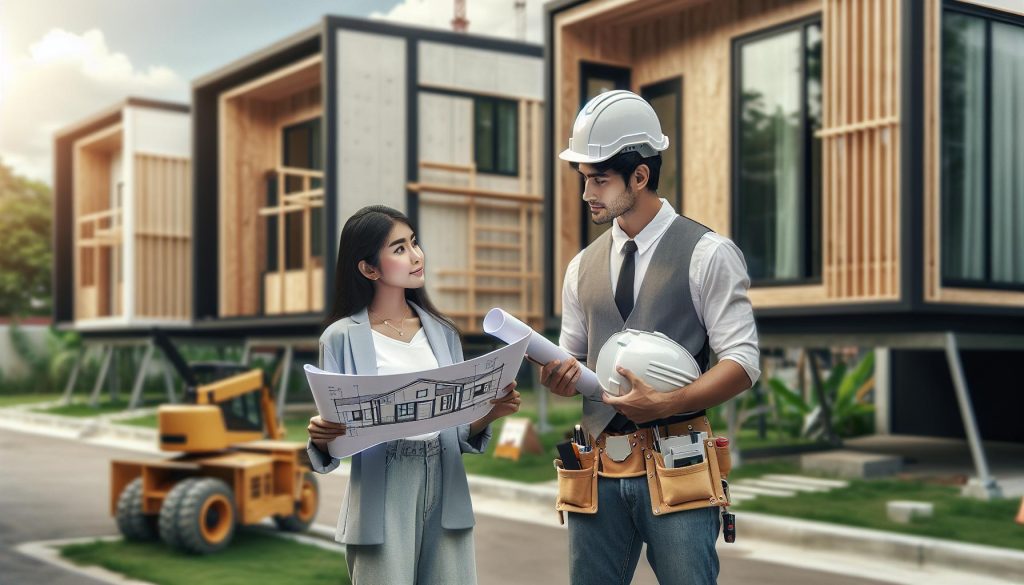
In recent years, the housing landscape has evolved significantly, leading many to consider alternatives like prefab and modular homes. While often used interchangeably, these two types of homes feature distinct characteristics that can impact your building experience and living environment. Understanding these differences is crucial for making informed decisions-whether you’re a first-time homebuyer, a seasoned investor, or simply exploring your housing options. This guide will decode the nuances between prefab and modular homes, offering valuable insights that can help you determine which option might best suit your needs. So, if you’re curious about modern housing solutions and what they mean for your lifestyle, keep reading to uncover the essential details!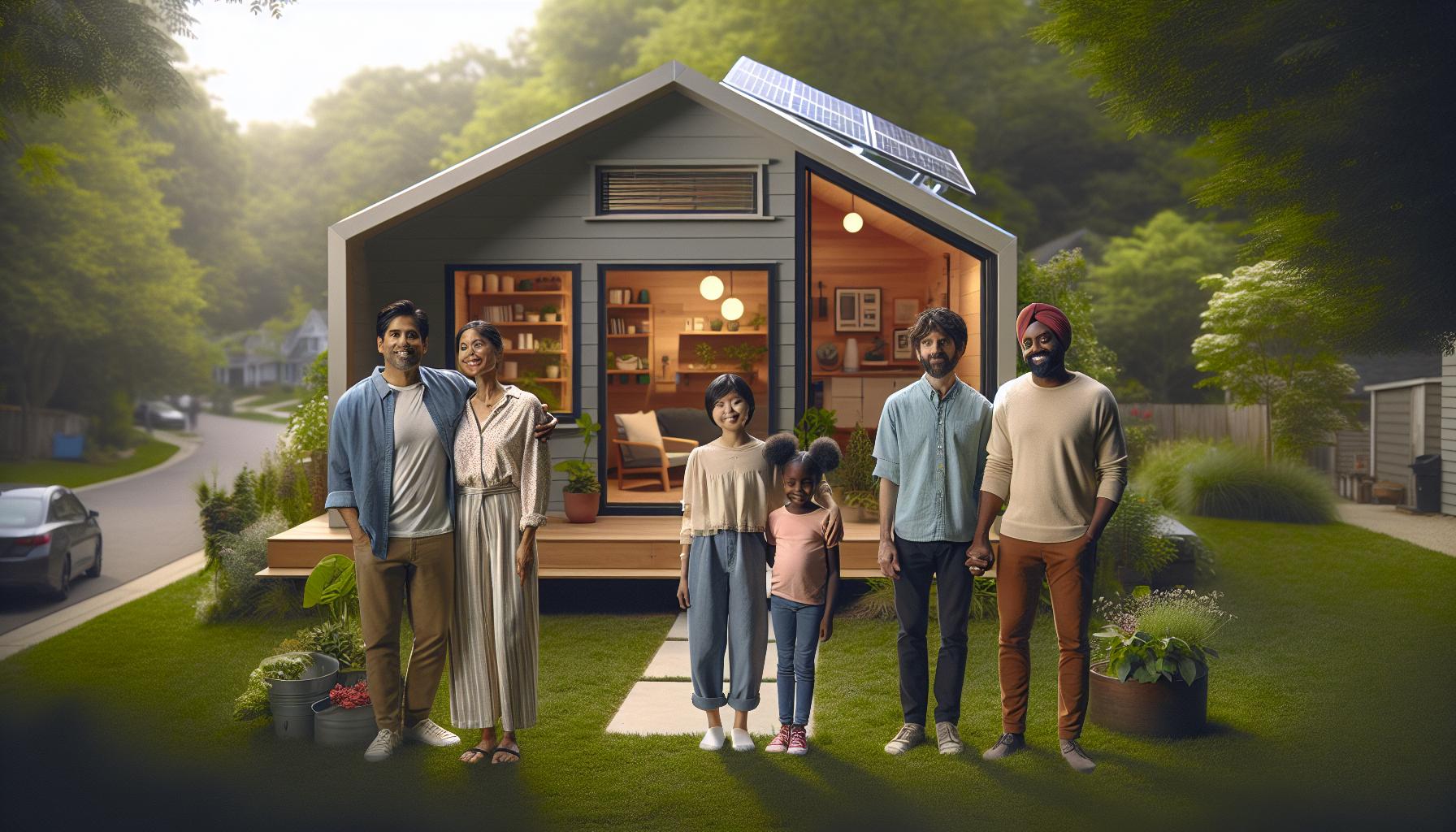
What Are Prefab Homes and Their Benefits?
The growing interest in sustainable living and housing affordability has led to an increasing number of people exploring prefab homes as a viable option. These structures, which are built in a factory and then assembled on-site, offer unique advantages for future homeowners seeking efficiency, cost-effectiveness, and flexibility.
One of the primary benefits of prefab homes is their remarkable construction speed. Since much of the building process occurs in a controlled factory environment, construction delays due to weather or on-site complications are minimized. This not only shortens the time from purchase to move-in but also contributes to a more streamlined process. Additionally, the use of advanced building technologies often means that prefab homes are more energy-efficient than traditional homes, helping to lower utility bills and environmental impact over time.
Cost savings are another compelling reason to consider prefab homes. With greater predictability in pricing and shorter build times, buyers can often secure their new homes at lower costs compared to traditional builds. Moreover, many prefab home manufacturers offer customizable options, allowing homeowners to tailor the design and features to meet their specific needs without significantly raising the price. This aspect of modular construction can be particularly appealing to those looking to create a unique living space in an economical manner.
In conclusion, prefab homes embody an innovative and sustainable solution in the housing market. They provide significant benefits in terms of affordability, customization, and construction efficiency, making them an attractive option for a diverse range of buyers. Embracing this form of housing can empower individuals and families to achieve their dream of homeownership without the traditionally associated challenges.
Understanding Modular Homes: Key Features
Modular homes have ushered in a new era of housing, combining innovation with tradition to deliver homes that are both functional and aesthetically pleasing. These structures are built in a factory setting and then transported to their final location, where they are assembled, making them a key player in the affordable housing market. A unique feature of modular homes is their ability to adhere to stringent building codes, often exceeding those of site-built homes. This ensures that they meet the same quality and safety standards while promoting efficient construction practices.
Among the defining qualities of modular homes is their exceptional adaptability. Homebuyers can choose from various designs, layouts, and aesthetics to suit their needs. This flexibility extends to features such as energy efficiency, where modular homes often incorporate high-performance insulation and energy-efficient windows, translating to lower utility bills over time. Additionally, because they are built in a controlled environment, modular homes benefit from reduced waste and environmental impact compared to traditional construction methods.
Another advantage of modular homes is their relatively quick construction timeline. Since much of the building process occurs indoors, delays linked to weather conditions are minimized. Subsequently, many modular homes can be completed in a matter of weeks rather than months, allowing homeowners to move in sooner than they might with a conventional build.
Investing in a modular home also opens doors for potential financial benefits. Lower overall construction costs, combined with the ability to customize without dramatically increasing the budget, can be advantageous for first-time buyers or those looking to maximize their investment in property. As interest in sustainable living continues to grow, choosing a modular home aligns well with efforts to reduce one’s carbon footprint while enjoying the comforts of modern design and technology.
In summary, modular homes stand out for their quality construction, design flexibility, environmental advantages, and affordability. These key features make them an attractive option for a broad range of homebuyers looking to enter the housing market or downsize without compromising quality or style.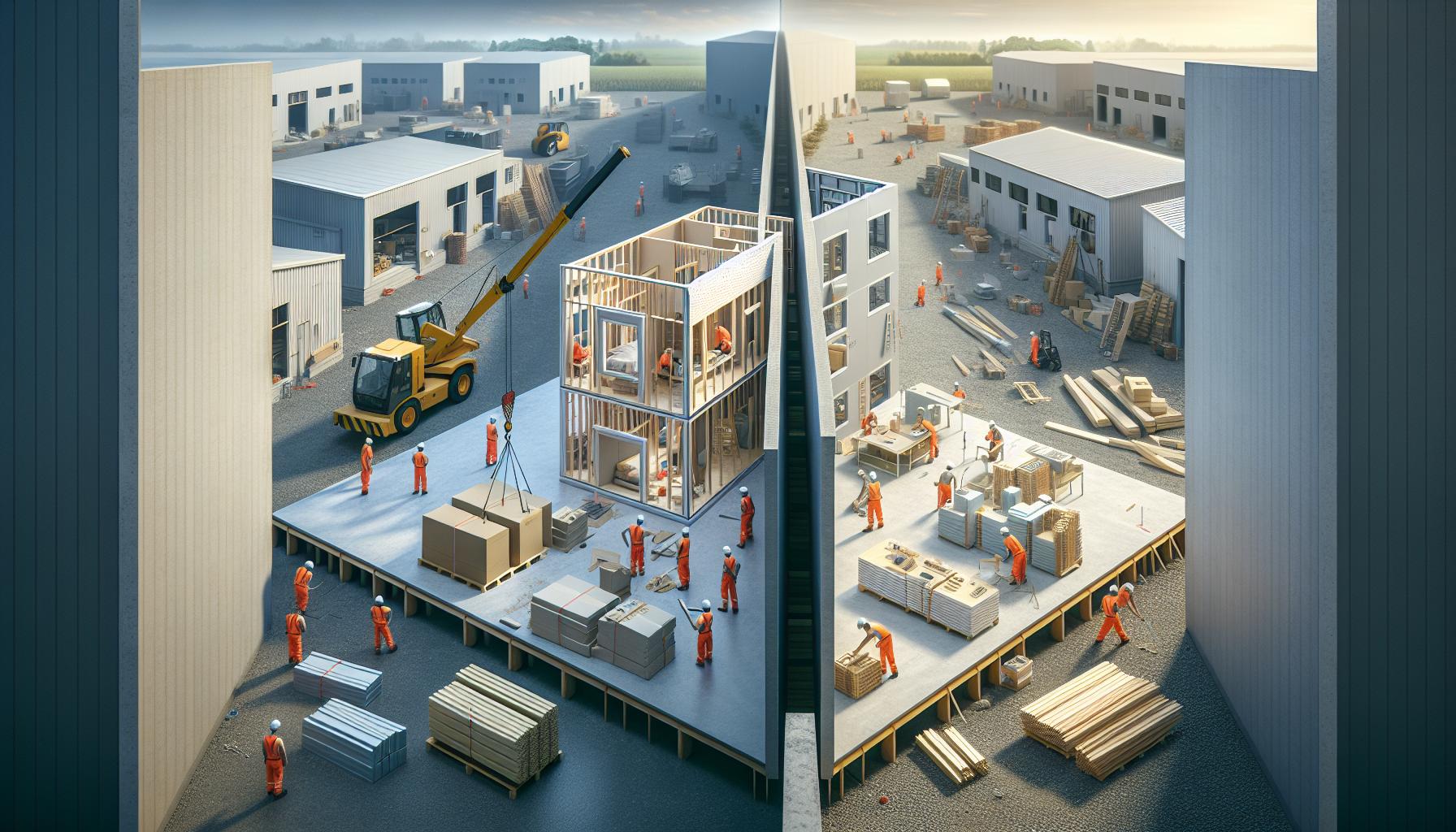
Prefab vs. Modular: Core Differences Explained
Prefab homes and modular homes often create confusion among potential buyers, but understanding their core differences can streamline your decision-making process. While both types of homes fall under the umbrella of manufactured housing and share the same manufacturing principles, they differ significantly in construction methods, regulatory compliance, and structural design.
Prefab homes is a broad category that includes all types of homes built off-site in a factory before being moved to the final location. This category encompasses modular homes, panelized homes, and manufactured homes, each differing in their specific construction processes and assembly. On the other hand, modular homes are a subset of prefab homes characterized by their compliant structures. They are constructed in sections or modules that are transported to the site and assembled according to local building codes. This compliance ensures that modular homes can often be built faster and with less environmental impact compared to traditional site-built homes.
Key Differences to Consider:
- Construction Process: Modular homes are prefabricated in sections and must meet specific building codes of the local jurisdiction upon completion. In contrast, other types of prefab homes like panelized or manufactured homes may have different regulatory standards and construction techniques.
- Foundation Requirements: Modular homes typically require a permanent foundation upon installation, making them similar to traditional homes in terms of permanence. Some other prefab homes may be placed on temporary foundations or skirting, altering long-term stability and usability.
- Financing and Resale Value: Because modular homes often meet local building codes and standards for traditional construction, they tend to appreciate in value similarly to conventional homes, providing better financing options. Other types of prefab homes, especially manufactured homes, may face challenges in financing and depreciation.
Understanding these differences is essential for navigating your options effectively. Choosing between prefab and modular homes hinges not only on your aesthetic preferences but also on your long-term goals regarding property investment, maintenance, and living styles. By aligning your needs with the specific attributes of each housing type, you can confidently make a choice that best suits your lifestyle and financial objectives.
The Construction Process: Prefab vs. Modular
The construction process of prefab and modular homes provides an innovative path to homeownership that can be faster and more efficient compared to traditional building methods. Prefab homes encompass a variety of types-modular, panelized, and manufactured homes-all built off-site in controlled environments before being assembled on-site. This method can drastically reduce construction time, minimizing exposure to the elements and scheduling delays common in conventional building.
In the case of modular homes, they are specifically designed to fulfill local building codes and standards. These homes are built in sections, or “modules,” each crafted in a factory setting where quality control is paramount. Once completed, the modules are transported to the site, where they are assembled on a permanent foundation. This foundation is not only crucial for stability but also for meeting the stringent building regulations that modular homes must adhere to. In contrast, other forms of prefab homes, like panelized homes, may consist of pre-framed panels that can be erected quickly but often require more onsite work and less regulatory compliance.
- Manufacturing Environment: Both prefab and modular homes benefit from factory construction, allowing for precise engineering and consistent material quality regardless of weather conditions.
- Assembly: Modular homes require cranes and heavy equipment for assembling the larger sections on site, while other prefab types might only need traditional tools for assembly.
- Final Inspection: Modular homes undergo a rigorous inspection process both in the factory and at the building site to ensure compliance with local regulations, which is less stringent for many prefab homes.
This streamlined approach not only enhances quality but also often results in homes that are more energy-efficient and environmentally friendly. Moreover, buyers can typically personalize their modular homes with various finishes and layouts, maintaining a balance between customizability and the benefits of a factory-built home. Thus, understanding these construction processes equips potential homeowners with valuable insight into making informed choices in an evolving housing market.
Cost Comparison: Which Option is More Affordable?
The affordability of prefab and modular homes often makes them appealing choices for many prospective homeowners. Generally, the cost implications of both options significantly differ, reflecting various factors such as manufacturing, design, and site preparation. Both types of homes can provide substantial savings compared to traditional site-built models, but understanding the nuances will help you determine which option suits your budget best.
Prefab homes, which include options like panelized and manufactured homes, tend to be less expensive overall. These homes typically have simpler construction methods and may involve less customization than modular units, leading to lower labor costs and shorter build times. For instance, a manufactured home, which is often fully assembled in the factory and delivered to the site, can result in significant savings as it bypasses many traditional construction fees. Additionally, since manufactured homes are built to the federal HUD code, they often require less extensive local inspections and approvals compared to modular homes.
On the other hand, modular homes may come with a higher upfront cost but can offer better long-term value due to their construction quality and adherence to local building codes. These homes are custom-built in sections and then assembled on-site, often leading to higher material and labor costs. However, their superior engineering may mean fewer maintenance issues down the road and potential savings on insurance and energy costs. For many, this translates into a worthwhile investment as the homes hold their value better over time compared to lower-quality prefab options.
- Prefab Homes: Generally lower in cost, less complex, and quicker to set up.
- Modular Homes: Higher initial costs, but potential for greater long-term investment due to durability and compliance.
Ultimately, your decision should factor in not just the initial price but also the long-term financial implications, including resale value, maintenance costs, and energy expenses. Engaging with builders and conducting thorough market research can provide additional insights into which option aligns best with your financial situation and housing aspirations.
Energy Efficiency in Prefab and Modular Homes
is not just a trend; it’s a practical strategy that provides homeowners with lower utility bills and a reduced carbon footprint. Both types of homes often capitalize on advanced construction techniques and materials that enhance energy performance. For instance, many manufacturers utilize high-quality insulation that surpasses traditional standards, ensuring homes stay cooler in the summer and warmer in the winter. This can translate into significant savings on heating and cooling expenses over time.
Prefab homes often incorporate energy-efficient features as standard or optional upgrades. For example, smart home technology, such as programmable thermostats and energy management systems, are increasingly being integrated into prefab designs. These systems allow residents to monitor and adjust their home’s energy use with ease, optimizing their consumption and further lowering costs. Moreover, options for solar panels and energy-efficient appliances are commonly available, ensuring that homeowners can invest in renewable energy solutions right from the start.
In contrast, modular homes benefit from rigorous building codes and standards which often emphasize energy efficiency. These homes must meet local and state regulations that can include energy efficiency requirements, leading to better overall construction quality. Features like double or triple-pane windows, energy-efficient HVAC systems, and sustainable building materials contribute to an eco-friendly living environment. Additionally, many modular home builders offer energy audits and consultations to help buyers identify the best energy-saving options for their specific needs.
Notably, both prefab and modular homes are increasingly designed with sustainability in mind. Builders recognize that today’s homeowners value not only their financial investments but also the impact their choices have on the environment. By selecting energy-efficient models and features, homeowners can enjoy the dual benefits of saving money and minimizing their environmental footprint. This alignment with eco-conscious trends not only maintains market relevance but also enhances the overall appeal of prefab and modular housing options.
In summary, whether you opt for a prefab or a modular home, prioritizing energy efficiency provides long-term financial and environmental benefits, making them smart choices for modern living.
Customization Options: Personalizing Your Home
One of the most exciting aspects of choosing a prefab or modular home is the vast array of customization options available, allowing homeowners to create a living space that truly reflects their personal style and needs. Unlike traditional homes, which may have strict limitations based on location and design, modular and prefab homes offer flexibility right from the design phase. Homebuyers can work closely with manufacturers to select everything from the layout and exterior finishes to interior features like flooring, kitchen cabinets, and bathroom fixtures.
Design Flexibility
The design flexibility is perhaps one of the most significant advantages of prefab and modular homes. Many builders provide an extensive catalog of floor plans that can be modified to suit individual preferences. Whether you envision an open-concept living space, additional bedrooms, or specialized areas like home offices or exercise rooms, customization is often just a conversation away. Consider this: a family of five might need more bathrooms, while a couple may desire larger common areas for entertaining. Builders understand these diverse needs and accommodate them in their designs.
Exterior Customization
Shaping your home’s exterior is equally important, and many modular home builders offer various architectural styles, siding materials, and roofing options. From modern minimalist designs to classic farmhouse aesthetics, buyers can customize colors, materials, and even add features like porches, decks, or bay windows. This not only enhances curb appeal but also allows your home to blend seamlessly with its surroundings, reflecting your individuality while adhering to any local zoning regulations.
Interior Personalization
When it comes to the interior, the possibilities expand even further. Homeowners can choose from a wide range of flooring options, such as hardwood, tile, or carpet, as well as paint colors that evoke desired moods. Kitchen layouts can be tailored with choices in cabinetry, countertops, and appliances to suit culinary enthusiasts or families who need functional food prep areas. Customizing bathrooms with the latest fixtures, layouts, or luxuries such as soaking tubs or walk-in showers adds a personal touch that makes a house feel like home.
Technical Additions and Smart Home Features
Moreover, many manufacturers now offer the integration of smart home technologies as part of the customization process. Options such as smart thermostats, lighting systems, and security features can greatly enhance the convenience and efficiency of your home. For families concerned about energy consumption, these systems often provide real-time data on usage, empowering homeowners to make informed decisions about their energy consumption.
In conclusion, the customization options available for prefab and modular homes open up a world of possibilities for creating spaces that cater to individual lifestyles and tastes. By choosing a home that resonates with your personal style, you not only enhance your living experience but also ensure that your home feels like a true reflection of you and your family. With careful planning and collaboration with builders, embarking on this journey can lead to the realization of your dream home tailored specifically to you.
Legal Considerations for Prefab and Modular Homes
Navigating the legal landscape surrounding prefab and modular homes is crucial for prospective homeowners. This type of housing often involves specific regulations, zoning laws, and building codes that can significantly impact your purchase and ownership experience. Understanding these aspects can empower buyers to make informed decisions and avoid potential pitfalls.
Many areas have specific zoning regulations that dictate where prefab and modular homes can be placed. Before finalizing a purchase, it’s essential to check with local zoning offices to ensure that the desired location permits manufactured housing. Additionally, some communities may have restrictions concerning the design and aesthetic of these homes, requiring them to conform to certain standards that align with neighboring properties. This can include limitations on exterior materials, colors, and other design features.
Permits and Inspections
Before construction begins, securing the necessary permits is a vital step that shouldn’t be overlooked. Generally, builders are responsible for obtaining these permits, but as a homeowner, it’s advisable to verify that all crucial documentation is in order. Following completion, inspections by local authorities may be required to ensure that the home meets all safety and structural codes. These inspections can cover crucial elements such as electrical systems, plumbing, and anchoring, especially in areas prone to severe weather conditions such as hurricanes or tornadoes.
Financing and Insurance Considerations
Legal considerations also extend to financing, as some lenders may have specific requirements regarding prefab and modular homes. Traditional mortgages may not be available for certain types of manufactured homes, highlighting the importance of researching financing options tailored to this type of housing. Additionally, insurance for prefab homes may differ from traditional houses, requiring specialized coverage types that adequately protect against risks peculiar to modular housing.
Overall, being well-informed about the legal dimensions of prefab and modular homes helps ensure a smooth transition from purchase to ownership. Familiarizing yourself with local laws, obtaining the necessary permits, and understanding financing and insurance specifics are key components to successfully enjoying the benefits of this innovative housing option. By investing the time to address these legal aspects, you can confidently navigate the home-buying process and fully embrace the advantages of prefab and modular living.
Financing Your Prefab or Modular Home Purchase
Securing financing for a prefab or modular home can be a distinct process compared to traditional housing, yet understanding the available options and requirements can empower you to navigate this specialized market with confidence. Prefab homes can be an affordable choice, but how you choose to finance your purchase can significantly influence your overall investment.
When exploring financing options, it’s important to recognize that not all lenders treat prefab and modular homes the same way. Standard mortgages for site-built homes may not apply universally to these types of housing. Generally, financing can fall into two categories: personal loans and conventional home mortgages. Personal loans are often available, but they typically come with higher interest rates and shorter repayment terms. For borrowers seeking a long-term investment, conventional loans tied to the home’s assessed value can be a more advantageous route, especially when securing the right type of appraisal.
Types of Financing Options
- Chattel Loans: These are a popular option for purchasing manufactured or modular homes. Chattel loans function as personal property loans, meaning they are typically used when the home is placed in a rental lot rather than on owned land. These loans usually come with higher interest rates and shorter terms.
- Land-Home Packages: If you are purchasing both land and a modular home, this option allows you to finance both in one loan. This approach can simplify the process and often provides favorable terms.
- FHA Loans: Some Federal Housing Administration (FHA) loans can be used for eligible manufactured homes. FHA loans allow for lower down payments and are often more accessible for first-time buyers.
- VA Loans: For eligible veterans, VA loans can also be used for manufactured homes, providing the added benefit of no down payment and competitive interest rates.
As with any real estate purchase, the importance of thoroughly reviewing your credit history cannot be understated. A strong credit score can lead to better financing options and lower interest rates, while a lower score may limit your choices. Therefore, it’s advisable to address any credit issues before beginning your home search.
Helpful Tips for Financing
- Compare Lenders: It’s crucial to shop around and compare offers from multiple lenders to find the best rates and terms for your situation.
- Pre-Qualification: Consider getting pre-qualified for a loan to understand how much you can afford and strengthen your negotiation position.
- Consult a Specialist: Engaging with a lender who specializes in prefab and modular homes can provide you with tailored advice and solutions that traditional lenders may not offer.
With these insights into financing, you can more confidently approach the purchase of your prefab or modular home, ensuring you make informed decisions that fit your financial goals.
Long-Term Maintenance: What to Expect
Owning a prefab or modular home can be a rewarding experience, yet it comes with unique maintenance considerations that are essential for ensuring longevity and comfort. Regular maintenance not only preserves the structural integrity of these homes but also enhances their energy efficiency. Knowing what to expect can significantly ease the process for both new owners and seasoned residents.
One of the key components of long-term maintenance is seasonal inspections. In winter, for instance, checking for signs of ice damming on the roof and ensuring that gutters are free of debris can prevent water damage. Similarly, summer months often bring storms, making it important to inspect any exterior tie-downs, especially in areas prone to high winds. Regularly evaluating foundation supports, particularly for modular units, is critical. If you’re situated in a region that experiences earthquakes or heavy snowfall, confirmed structural resilience is vital.
Regular Upkeep Tasks
To keep your modular or prefab home in optimal condition, consider implementing a routine schedule for maintenance tasks:
- Roof Inspections: Schedule inspections at least twice a year, checking for loose shingles and any signs of wear or damage.
- Sealing and Weatherproofing: Inspect windows and doors for gaps and apply caulking or weather stripping as needed to improve energy efficiency.
- Utility Systems: Regularly service your HVAC system, ensuring filters are changed monthly and ductwork is examined for air leaks.
- Foundation Checks: Periodically assess your home’s foundation for settling or shifting, particularly after heavy rains or seismic activity.
Another vital aspect is preparing your home for severe weather conditions. Prefab homes can face unique challenges, including assessing and reinforcing anchoring systems to withstand hurricanes or tornadoes. For those in flood-prone areas, elevating the home or securing flood insurance becomes crucial.
Costly Repairs Prevention
Being proactive can save money and headaches. For instance, addressing minor leaks immediately can prevent them from evolving into significant water damage, which is both expensive and disruptive. Additionally, consider investing in a preventive maintenance plan that includes a checklist tailored to the specific needs of prefab and modular homes.
Ultimately, appreciating what goes into the maintenance of a prefab or modular home helps demystify the ownership experience. With careful attention and routine checks, your investment can flourish, offering comfort and security for years to come.
Insurance for Prefab and Modular Homes
Navigating the insurance landscape for prefab and modular homes can be a bit complex, especially as these homes may require different coverage compared to traditional stick-built houses. Essential to understand is that both prefab and modular homes often fall under the category of manufactured housing, yet the specifics of their construction can influence insurance premiums and coverage options. Choosing the right type of insurance not only protects your investment but also assures peace of mind as you settle into your new living space.
When seeking insurance for these homes, it’s crucial to look for specialized policies that cater specifically to manufactured housing. Standard homeowner’s insurance may not adequately cover the unique aspects of prefab and modular homes, such as their construction materials or potential structural challenges. Insurers will typically assess factors like the home’s foundation type, anchoring methods, and local hazards-which can include flood zones or high wind regions-when determining rates. For example, homes in areas prone to hurricanes might require additional windstorm coverage or flood insurance, as standard policies may exclude these risks.
While shopping for insurance, consider the following aspects to ensure comprehensive coverage:
- Replacement Cost vs. Actual Cash Value: Opt for replacement cost coverage to ensure that, in case of a total loss, your insurance will cover the cost of replacing your home rather than the market value, which can be considerably less.
- Liability Protection: Include liability coverage to protect against legal claims that could arise from accidents occurring on your property.
- Customization Coverage: If you’ve made personal modifications or upgrades to your home, ensure these are covered; some policies might not include custom features automatically.
- Severe Weather Protection: Consider additional coverage for severe weather events, especially if your home is in a risk-prone area.
Finally, it’s advisable to work with an insurance agent experienced in manufactured housing to help analyze your specific needs and options. Having an expert’s guidance can streamline the process and ensure you find a policy that not only protects your financial interests but also suits your lifestyle. Additionally, be sure to regularly review your policy and update it as needed, particularly after making significant improvements or if your living situation changes. This proactive approach to insurance can safeguard your investment and reinforce the long-term viability of your prefab or modular home.
Market Trends: The Future of Prefabricated Housing
As the landscape of housing continues to evolve, prefabricated and modular homes are catching the attention of homebuyers and investors alike. These construction methods not only highlight innovative building practices but also offer responses to housing shortages and sustainability concerns. With growing demands for quick, efficient, and environmentally friendly construction, the future of prefabricated housing looks robust and promising.
One major trend shaping the future is the increased focus on sustainability. Many manufacturers are prioritizing eco-friendly materials and energy-efficient systems in their designs. Homes that integrate solar panels, energy-efficient windows, and sustainable construction materials will not only appeal to environmentally conscious buyers but also reduce long-term utility costs. For instance, numerous companies are now offering options that allow homeowners to minimize their carbon footprint, providing a compelling value proposition for the modern homebuyer.
Additionally, technology is playing a pivotal role in the expansion of the prefabricated housing market. Advances in design software, 3D printing, and automation are enabling faster and more accurate construction processes. Virtual reality (VR) and augmented reality (AR) tools allow potential buyers to visualize and customize their homes before construction begins, enhancing the overall purchasing experience. This integration of technology significantly streamlines the construction timeline, making it feasible for companies to take on more projects and deliver homes to clients in a fraction of the time compared to traditional building processes.
The market is also witnessing a rise in customization options. Homebuyers are increasingly seeking homes that reflect their personal styles and needs. Manufacturers are responding with varied floor plans, finishes, and features that provide flexibility for personalization. From contemporary designs to more traditional aesthetics, the capacity for customization is becoming a key selling point in attracting prospective buyers looking for unique living spaces.
In summary, the future of prefabricated housing is bright, driven by a combination of sustainable practices, technological advances, and tailored options for consumers. As these trends continue to develop, prefabricated and modular homes are likely to change the perception of manufactured housing, solidifying their place as a viable, attractive choice in the housing market. This evolution not only provides pathways for individuals seeking affordable housing solutions but also positions the industry at the forefront of modern construction innovation.
Faq
Q: What are the advantages of choosing modular homes over traditional homes?
A: Modular homes offer several advantages, including faster construction times, lower costs, and greater energy efficiency. They are built in controlled environments, which leads to higher quality and fewer defects. Additionally, modular homes can be customized extensively, allowing buyers to personalize their spaces easily.
Q: Are prefab and modular homes the same in terms of building regulations?
A: No, prefab and modular homes differ in building regulations. Modular homes must meet local building codes and regulations, as they are constructed on-site after completion of factory assembly. In contrast, prefab homes can sometimes bypass certain local regulations, depending on their classification.
Q: Can you finance prefab homes similarly to traditional homes?
A: Yes, financing options are available for prefab homes similar to traditional homes. Various lenders offer mortgages specifically for modular and manufactured homes, focusing on factors like the home’s appraisal and location. It’s essential to research lenders who specialize in these types of homes for optimal financing solutions.
Q: How do modular and prefab homes impact property value over time?
A: Modular homes tend to retain value comparably to traditional homes, particularly when placed on permanent foundations. Prefab homes may depreciate faster, especially if movable, but both can appreciate based on quality, upgrades, and market demand. Careful location selection also plays a critical role in value retention.
Q: What should buyers consider regarding warranties for prefab and modular homes?
A: Buyers should thoroughly investigate warranty options when purchasing prefab and modular homes. Typically, manufacturers provide warranties covering structural defects, while installers may have separate guarantees for assembly. It’s crucial to understand what each warranty includes and its duration to ensure adequate protection.
Q: How do energy efficiency ratings compare between prefab and modular homes?
A: Both prefab and modular homes can achieve high energy efficiency ratings due to modern building techniques and materials. However, modular homes often excel due to stricter quality control processes during construction, leading to fewer leaks and better insulation, which is essential for energy efficiency.
Q: What is the construction timeline difference between prefab and modular homes?
A: The construction timeline for modular homes is generally shorter than that for prefab homes. Modular homes can be built in weeks versus months for prefab structures, as they are assembled on-site after completion in the factory. This rapid assembly is due to streamlined processes in controlled environments.
Q: Are there specific insurance considerations for modular homes compared to prefab homes?
A: Yes, insurance for modular homes typically aligns with standard homeowners insurance, considering their permanent nature and foundation. On the other hand, prefab homes, especially those that are portable, may require specialized coverage. Understanding the different risks involved is essential for appropriate insurance selection.
Future Outlook
Understanding the differences between prefab and modular homes empowers you to make informed housing choices that fit your lifestyle and budget. Whether you’re considering a new purchase or exploring renovation options, remember that each home type offers unique advantages to fit diverse needs. Don’t miss out on our comprehensive guides on financing options and maintenance tips for mobile home ownership, which can help you transition smoothly into this specialized housing market.
Explore our resources today, and if you’re ready to dive deeper, sign up for our newsletter to stay updated on the latest trends in modular living. Share your thoughts in the comments below or connect with fellow homeowners – your experiences matter! Remember, every step toward understanding mobile homes brings you closer to making your dream home a reality.