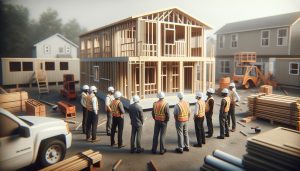
As the housing market evolves, modular homes are increasingly recognized as a cost-effective and versatile option for many families. In 2025, understanding the average cost of a modular home is crucial for prospective buyers, as these homes typically offer a great balance of quality and affordability. With prices generally ranging from $75 to $175 per square foot, potential homeowners can find a solution that fits their budget without sacrificing comfort or style. Whether you’re seeking a streamlined building process or a customizable living space, this guide will empower you with the knowledge you need to make informed decisions about investing in a modular home. Dive in to discover what factors influence pricing and how you can navigate this exciting housing option to fulfill your dreams of homeownership.
What Influences the Cost of Modular Homes in 2025?
The cost of modular homes in 2025 is influenced by a variety of factors that prospective buyers should consider carefully. One significant factor is regional pricing variations, as the average cost of modular homes can fluctuate significantly based on location. For example, in California, the average new factory-built home is priced around $154,500, whereas modular homes average approximately $173,813, particularly in more urbanized areas like Los Angeles [[3]](https://www.modularhomes.com/state/california). These regional disparities often reflect land prices, local demand, and the cost of construction materials, all of which vary from one locale to another.
Another important element that impacts pricing is the complexity of the home’s design and the materials used. Modular homes can be customized to a great extent, which offers buyers choices that affect the overall cost. Features like higher-end finishes, eco-friendly materials, and advanced technology installations can increase the base price significantly. Customizations not only extend to aesthetics but also structural elements, potentially leading to higher longevity and reduced maintenance costs over time. The choice between a basic model and a fully customized home is critical in determining the overall financial investment.
Additionally, the cost of site preparation and installation plays a pivotal role in the overall expense of purchasing a modular home. Buyers need to account for utilities setup, foundation work, and landscaping, which are essential for turning a modular unit into a standalone residence. Depending on site conditions, these costs can add thousands of dollars to the initial purchase price. It’s also critical to consider hidden costs related to inspections, permits, and potential taxes that may arise once the home is installed.
Financing options can also significantly influence the total purchase cost. Traditional mortgages may not be suitable for all types of modular homes, so it’s advisable for buyers to explore specialized lenders who understand the nuances of manufactured housing financing. This means evaluating interest rates, down payment options, and the availability of loans specifically designed for modular or manufactured homes. In regions where modular living is more prevalent, competition among finance companies can yield better rates and terms, making the financial landscape an essential consideration for potential homeowners.
Average Price Range for Modular Homes by Region
The cost of modular homes can vary widely based on regional market conditions, making it essential for potential buyers to understand the geographical influences on pricing. In 2025, the average price range for modular homes is expected to reflect these variations, with costs generally ranging from $80 to $160 per square foot in many areas. For instance, the average price of modular homes in North Carolina hovers between $55 to $75 per square foot, translating to a total cost around $117,000 for a typical 1,800 square foot model [[3]](https://www.manufacturedhomes.com/state/north-carolina/).
Factor in significant locations like California, where an average factory-built home costs approximately $154,500, and modular homes can reach around $173,813, especially in urban hubs like Los Angeles [[3]](https://www.modularhomes.com/state/california). These disparities underscore the influence of local demand, construction costs, and land prices that vary markedly from city to city. In contrast, more rural or less developed regions can offer much lower pricing, making modular homes an attractive option for those seeking budget-friendly housing solutions.
Understanding the regional context is vital for buyers-while some may find lower bases in less populated areas, others might prioritize access to urban amenities, which can add to the initial costs. As the housing market evolves, keeping an eye on changing trends in land availability, zoning regulations, and construction material prices will also help prospective homeowners gauge the most current pricing structures for modular homes in their desired location.
Key Features That Impact Modular Home Pricing
The pricing of modular homes is influenced by a variety of key features that extend beyond basic construction costs. When considering the average cost of a modular home in 2025, several factors can significantly impact the overall price, making it essential for prospective buyers to understand these elements.
One of the most significant determinants is size and design. Modular homes can range widely in square footage and layout, with larger homes naturally costing more due to additional materials and labor needed for assembly. Custom designs or unique architectural features can also elevate the price, as they often require specialized engineering or custom fabrication. Buyers should weigh their preferences for style against their budget limitations to determine the best fit.
Another critical feature is the quality of materials used in construction. Homes built with higher-grade materials such as energy-efficient windows, premium siding, or advanced insulation systems may come with a higher initial price tag but can lead to long-term savings due to lower energy bills and maintenance costs. Additionally, the choice of roofing materials-such as metal versus asphalt-can also dictate price.
Location plays a significant role in pricing as well. The cost of land, local building codes, and regional demand for housing can lead to significant price fluctuations. Urban areas generally have higher land costs, which can add a substantial amount to the total project price compared to rural settings.
Finally, installations and site preparation are often overlooked when thinking about modular home pricing. The groundwork for the home, including the foundation type and any required hookups for utilities like water and electricity, will influence overall expenses. Detailed site plans and preparation can also incur additional costs, so it’s crucial to factor these into the total budget.
Understanding these key features allows potential buyers to make more informed decisions, ensuring they choose a modular home that aligns with their needs and budget while also considering factors that may affect its long-term value.
Financing Options for Purchasing Modular Homes
Financing a modular home venture is often less daunting than many prospective buyers might anticipate, especially given the increasing variety of options available. With prices for modular homes averaging between $180,000 and $250,000, understanding the financial landscape is crucial for making informed decisions. It’s essential to explore various financing routes and understand the implications each option holds for your budget and future financial health.
Traditional Mortgages
Many buyers opt for conventional mortgages to fund their modular homes, especially when purchased on a permanent foundation. Lenders treat these homes similarly to traditional houses in their underwriting, as long as the home is secured to real estate. It’s advisable to shop around for mortgage rates, taking note of the different terms and conditions offered by various financial institutions. Buyers should ideally secure pre-approval, which not only streamlines the buying process but also provides a clearer picture of the budget.
Chattel Loans
For those purchasing a modular home that will not be classified as real estate-such as homes situated on leased land or on a temporary foundation-a chattel loan might be the most appropriate financing method. Chattel loans typically have higher interest rates and shorter terms compared to traditional mortgages but are tailored for personal property. Buyers should carefully compare the advantages and disadvantages of each financing option, keeping in mind the potential for additional fees or higher costs associated with chattel loans.
Government-Backed Loans
Additionally, government programs can provide financing assistance for modular home purchases. For example, FHA loans are available for modular homes that meet specific requirements, making them accessible to a wider range of buyers, including first-time homeowners. USDA loans may also be a suitable option for those looking to purchase in rural areas, offering low-interest rates with little to no down payment. Understanding eligibility for these programs can significantly lower the barriers to ownership, making modular homes a viable option for many.
Incorporating All Costs into Financing
When considering financing options, it’s crucial to factor in all related costs, including site preparation, installation, and any hidden fees associated with the land purchase or home setup. By securing comprehensive financing that addresses these additional expenses, buyers can avoid unexpected financial strains. Consulting with a financial advisor or mortgage broker who specializes in modular homes can provide significant insight, ensuring that your financing choice aligns with your long-term financial goals.
In conclusion, while navigating financing for modular homes may seem challenging, a wealth of options exists to support buyers in their journey. Understanding these various financing avenues can empower you to make informed choices that not only fit your current budget but also support your future aspirations as a homeowner.
Comparing Modular Homes to Traditional Homes
The debate between modular homes and traditional houses often centers around cost, efficiency, and flexibility. Modular homes typically have a distinct pricing advantage, making them an attractive choice for many prospective homeowners. A significant factor in their lower costs is the streamlined construction process. Built in controlled factory settings, modular homes benefit from reduced material waste and labor costs, allowing for competitive pricing that commonly ranges between $180,000 and $250,000. In contrast, traditional homes can vary widely based on location, materials, and customization options, often leading to higher overall costs.
Key Comparisons
When comparing modular and traditional homes, consider the following aspects:
- Construction Time: Modular homes are constructed much faster due to their assembly-line manufacturing process. While traditional homes take several months or even over a year to complete, modular homes can often be ready in a matter of weeks.
- Customization: Modular homes offer varying levels of customization. Buyers can select layouts and finishes, but once the design is set, changes can be limited. Traditional homes, on the other hand, allow for tailored designs from the ground up, appealing to those seeking unique architectural expression.
- Financing and Resale: Financing for modular homes can differ from traditional homes; specifically, lenders often view modular homes as personal property unless permanently affixed to land. This distinction can sometimes lead to challenges in obtaining favorable financing terms. However, government-backed loans are increasingly available for modular purchases.
- Environmental Considerations: Modular homes are generally more eco-friendly due to their efficient building practices. The reduction in waste during construction, along with modern energy-efficient designs, make them a sustainable option compared to conventional houses that may rely on more resource-intensive processes.
Long-term Value
In terms of long-term investment, modular homes have gained recognition for appreciating at similar rates to traditional houses, thanks to advancements in construction technology and design. Insurance premiums can be comparable; however, different policies may apply based on housing classification and location. By maintaining your modular home and ensuring it meets the latest building codes, homeowners can bolster their property value while enjoying the benefits of efficient, cost-effective living.
Ultimately, the decision between a modular and a traditional home involves personal priorities, lifestyle preferences, and budgetary considerations. As the housing market continues to evolve, modular homes are emerging as a mainstream choice, appealing to a broad spectrum of buyers looking for affordability without sacrificing quality or style.
Cost of Site Preparation and Installation
The journey to homeownership with a modular home doesn’t just end when you select the perfect model. The costs associated with site preparation and installation can significantly impact the overall budget, often representing a sizable percentage of the total expenditure. On average, buyers should anticipate spending anywhere from $10,000 to $30,000 for site preparation and installation, depending on factors like location, terrain, and specific site requirements.
Before installation, several steps must be addressed to ensure a smooth setup. The first is site preparation, which includes clearing the land, leveling the ground, and installing any necessary utilities. For properties with challenging terrain or those requiring extensive grading work, costs can escalate, making careful planning crucial. Once the site is adequately prepared, the installation process itself can commence. This typically involves placing the modular sections onto a foundation, which can be a crawl space, basement, or slab, based on local building codes and climate considerations.
Key Factors Affecting Costs
Several elements can influence the final :
- Location: Costs can vary significantly depending on geographical region and access to your site. Urban areas often face higher labor and material costs compared to rural locations.
- Foundation Type: The choice of foundation can greatly impact costs. A simple slab may be less expensive than a full basement or modular foundation system.
- Utilities Installation: If the land does not have existing connections for water, electricity, or sewage, adding these services can increase overall expenses.
- Permitting and Zoning: Be prepared for possible permits and inspections that local authorities may require, which can add to the timeline and total cost.
Understanding these factors can help prospective buyers budget effectively and avoid unexpected expenses. To enhance your investment, consider working with experienced contractors who are familiar with modular home installation. Their expertise can streamline the process, ensuring that your new home is set up correctly and efficiently. By prioritizing a well-planned site preparation and installation, you can lay a solid foundation for a successful modular home experience.
Hidden Costs of Modular Home Ownership
Modular home ownership can be an appealing option due to its potential cost-effectiveness and customizable features, but it’s essential to understand the hidden costs that might come with this choice. One significant area that often catches new homeowners off guard is the ongoing fees associated with land leases, property taxes, and homeowners’ association (HOA) dues. Depending on where you build your modular home, these costs can add a substantial financial burden over time. For instance, properties in planned communities may require monthly HOA fees for maintenance of common areas, which could range from $100 to $300, depending on amenities provided.
In addition to recurring costs, unexpected repairs can also contribute to the overall expense of owning a modular home. While modular homes are generally built to meet high standards, wear and tear, weather-related damages, or system failures (like plumbing or electrical) can lead to unforeseen repair bills. Having a contingency fund of 1-2% of your home’s value set aside can help manage these costs more effectively.
Moreover, financing a modular home may come with its own set of complexities-especially if you’re using a manufacturer’s financing or a self-built loan. Interest rates might differ from traditional mortgages, impacting your budget in the long run. It’s crucial to consult with financial advisors who specialize in modular housing to ensure you understand all financing options available and their long-term implications.
Finally, consideration of insurance should not be overlooked. Modular homes may require unique insurance policies compared to traditional homes. Ensure that your coverage protects against specific risks, including those related to the construction’s location, climate, or potential natural disasters. Understanding these aspects can play a pivotal role in keeping your ownership experience smooth and financially sound.
The Role of Customization in Pricing
The flexibility in design is one of the most alluring aspects of modular homes, but customization plays a significant role in shaping the overall price. When exploring modular homes, prospective buyers often have the option to personalize layouts, finishes, and features, impacting the final cost substantially. This process can range from simple aesthetic upgrades to extensive structural alterations, and each decision influences the overall budget.
One way customization impacts pricing is through the selection of finishes and flooring. For instance, opting for high-quality materials like hardwood flooring or granite countertops instead of standard options can elevate the home’s price significantly. Additionally, structural changes, such as adding extra rooms, larger windows, or enhanced insulation, also attract higher costs. Potential buyers should carefully weigh the value of these upgrades against their budgets and lifestyle needs.
Another crucial factor is the size and layout of the home. Modular homes typically come in various base designs, and customizing these designs can lead to different pricing tiers. Buyers might find that enhancing a modular model from a three-bedroom to a four-bedroom configuration not only increases the initial price but may also affect future resale value.
Lastly, the timing of customization decisions can also be beneficial. Certain upgrades may be more cost-effective if chosen during the early stages of the construction process rather than adding them later. By planning ahead, buyers can avoid the additional labor costs associated with retrofitting a home for newly desired features. Taking the time to consider customization options during the design phase can ultimately lead to a more personalized and satisfying home without breaking the bank.
In summary, the role of customization in modular home pricing is multifaceted, impacting current costs and future value. By understanding how personal choices in design and functionality influence pricing, buyers can make informed decisions that resonate with their vision and financial plans.
Maintenance Costs for Modular Homes Over Time
While modular homes often boast lower initial costs compared to traditional homes, prospective owners should keep in mind that maintenance costs will accumulate over time. Maintaining a modular home involves various aspects, from routine upkeep to special considerations arising from the unique construction methods used. Understanding these factors can help homeowners budget effectively and ensure their investment remains sound.
One of the most critical areas of maintenance is the foundation. Modular homes are typically built on either a crawl space or a basement foundation. Regular inspections are needed to check for settling or shifting that can lead to structural issues. Additionally, it’s essential to ensure that proper drainage is in place to avoid water damage, which is more prevalent in homes located in areas with heavy rainfall or flooding risks. Investing in periodic foundation assessments can help mitigate major repairs down the line.
Another recurring expense includes exterior and interior upkeep. Just like traditional homes, modular homes require regular maintenance of elements such as roofing, siding, and paint. The materials’ quality and age will play a significant role in determining how often these elements need attention. For example, higher-quality vinyl siding may require less frequent replacement compared to lower-grade options. Homeowners should also account for seasonal tasks; tasks like cleaning gutters, inspecting roofing for damage, and maintaining HVAC systems should be included in annual maintenance budgets.
Moreover, utility costs can also impact ongoing expenses. Modular homes generally have good energy efficiency due to modern construction techniques, but factors such as insulation quality, window types, and HVAC efficiency can greatly influence energy bills. Homeowners should routinely assess and upgrade insulation or replace aging systems to improve overall energy efficiency, reducing their monthly expenditures significantly.
Lastly, modular home owners should maintain an awareness of insurance considerations specific to their housing type. Insurance premiums can vary based on location and the specifics of the modular home. Ensuring adequate coverage that includes potential risks such as flooding or tornadoes-particularly for homes in vulnerable regions-can prevent financial strain in the event of a disaster.
By anticipating and actively managing these maintenance costs, modular homeowners can safeguard their investment and enjoy the benefits of their homes for many years to come.
Insurance Considerations for Modular Homes
When considering a modular home, understanding its insurance implications is crucial for protecting your investment and financial well-being. Unlike traditional homes, modular homes may face unique challenges in the insurance landscape. Insurance companies evaluate various factors such as age, location, and the specific construction materials used in the home when determining premiums. Hence, it’s vital for prospective and current homeowners to grasp what influences these costs and how to best secure adequate coverage.
Understanding Insurance Costs
Insurance costs for modular homes can vary widely based on several criteria. Owners should consider factors including:
- Location: Homes situated in areas prone to natural disasters, like hurricanes or tornadoes, may incur higher insurance premiums due to increased risk.
- Age and Condition: Newer modular homes typically cost less to insure than older ones, as their modern construction techniques and materials often meet higher safety standards.
- Type of Coverage: Comprehensive coverage that includes protection from natural disasters, personal liability, and additional living expenses can impact insurance costs significantly.
Additional Coverage Needs
Insuring a modular home often requires customized policies to account for potential unique risks. Homeowners in flood-prone areas, for instance, may be required to purchase separate flood insurance, as standard homeowners policies often exclude this coverage. Similarly, if your modular home is situated in a region with significant wind risks, consider additional coverage for wind damage.
Moreover, maintaining adequate homeowner’s liability insurance is essential, as it protects against claims resulting from injuries or accidents that occur on your property. It’s advisable to consult with an insurance agent who understands the nuances of modular homes, as they can help tailor a policy that meets your specific needs.
Comparing Insurance Options
When choosing an insurer, take the time to compare different policies. This comparison could reveal significant differences in coverage options and costs. Many homeowners find that bundling their modular home insurance with auto insurance can lead to beneficial discounts. It’s wise to shop around and obtain quotes from multiple insurers to ensure that you’re receiving the best value and coverage for your modular home.
In summary, insurance plays a critical role in protecting your modular home investment. By understanding the factors that influence premiums and actively seeking customized coverage, homeowners can mitigate risks and avoid unexpected financial burdens. Whether you are a prospective buyer or a current homeowner, being informed about insurance considerations will empower you to make confident decisions regarding your modular home.
Legal Requirements for Modular Home Purchases
When considering the purchase of a modular home, it is essential to navigate the complex legal landscape that governs such transactions. Different states may have varying regulations that influence how modular homes are classified and what requirements must be met prior to purchase. Understanding these legal obligations can not only streamline the buying process but also protect your investment over the long term.
First and foremost, zoning laws are a critical aspect to consider. Land use regulations dictate where modular homes can be situated; for example, some areas may only allow them in designated mobile home parks, while others may permit them on private land. Before committing to a purchase, it is advisable to check with local planning departments to confirm zoning compliance. Additionally, you may need to apply for building permits before placing a modular home on your property, as many jurisdictions require official approval to ensure that the home meets local building codes and safety standards.
Another important consideration is the title and registration process. Modular homes, unlike traditional homes, can be classified as personal property or real property depending on how they are affixed to the land and how they are financed. If you are financing your modular home, you will need to understand the implications of its classification for taxes and insurance purposes. Engaging with a knowledgeable attorney or real estate agent familiar with modular home laws in your area can provide clarity and assurance during this process.
Lastly, financing regulations may differ significantly for modular homes compared to conventional home purchases. Potential buyers should explore various financing options, including traditional mortgages or those offered specifically for manufactured housing. Programs like FHA and VA loans may also have distinct requirements that involve stricter guidelines for modular homes. Familiarizing yourself with these financing mechanisms can facilitate a smoother purchasing journey and help you avoid pitfalls associated with unexpected costs or obligations.
By addressing these legal requirements thoughtfully and proactively, you not only enhance the likelihood of a successful modular home purchase but also pave the way for a rewarding living experience in your new home.
Best Practices for Increasing Your Modular Home’s Value
When it comes to enhancing the value of your modular home, understanding the key elements that contribute to its overall worth is essential. A well-maintained and thoughtfully upgraded modular home not only offers a comfortable living experience but also boosts its market appeal and resale value. Here are some practical strategies to consider.
First, prioritizing curb appeal can significantly increase the attractiveness of your home. Simple updates like landscaping, adding a fresh coat of paint, or upgrading the front door can create a lasting first impression. Additionally, consider enhancing outdoor living spaces with patios, decks, or well-placed lighting, making your home appealing to potential buyers and improving its overall value.
Next, focus on energy efficiency upgrades. Since many buyers prioritize sustainability, investing in energy-efficient windows, insulation, heating, and cooling systems can make your modular home more appealing. These improvements not only help reduce utility bills but are attractive to environmentally conscious buyers seeking long-term savings. Transitioning to renewable energy sources, like solar panels, can also be a strong selling point.
Updating the interior is another effective way to increase value. Focus on modernizing kitchens and bathrooms since these areas often have the most significant impact on home value. Small renovations like new countertops, cabinets, and appliances in the kitchen or updated fixtures in the bathroom can make a considerable difference. Additionally, maintaining a neutral color palette can help appeal to a broader audience, allowing potential buyers to envision their own style.
Furthermore, ensuring that your modular home is compliant with local building codes and regulations enhances its value and marketability. Regular maintenance and prompt repairs of structural elements, plumbing, and electrical systems not only preserve the integrity of your home but also instill buyer confidence.
By implementing these best practices, you not only secure your investment in a modular home but also contribute positively to the perception and value of modular housing as a viable and valuable living option.
Faq
Q: What factors influence the average cost of modular homes in 2025?
A: The average cost of modular homes in 2025 can be influenced by factors such as location, size, materials, design complexity, and manufacturing quality. Additionally, market demand and regional economic conditions also play a significant role. Understanding these elements helps buyers budget effectively.
Q: How do modular home prices compare across different U.S. regions?
A: Modular home prices vary significantly by region. For instance, homes in urban areas generally cost more due to higher land values and demand, while rural locations often feature lower prices. Regional trends can provide insights into budgeting for your modular home purchase.
Q: Are there additional costs associated with buying a modular home?
A: Yes, additional costs can include site preparation, delivery, installation, and utility connections. Homeowners should also budget for permits, inspections, and potential taxes, which can add significant expenses beyond the initial home price.
Q: What is the average cost per square foot for modular homes in 2025?
A: In 2025, the average cost per square foot for modular homes typically ranges from $80 to $160, depending on the design and materials. This contrasts with traditional homes, which can cost upwards of $200 per square foot in some areas.
Q: Can customization affect the overall cost of a modular home?
A: Yes, customization can significantly impact the cost of a modular home. Custom designs, upgraded materials, and additional features typically lead to higher prices. It’s important to discuss customization options with your builder to understand potential costs.
Q: What financing options are available for purchasing a modular home?
A: Financing options for modular homes include traditional mortgages, FHA loans, and personal loans. Buyers should explore various lenders and programs to find competitive rates and terms that suit their financial situation and modular home requirements.
Q: How do maintenance costs for modular homes compare to traditional homes?
A: Maintenance costs for modular homes are often comparable to traditional homes; however, they can sometimes be lower due to modern building practices. Regular upkeep, including annual inspections and repairs, is essential for maintaining value and safety.
Q: What hidden costs should buyers consider when purchasing a modular home?
A: Hidden costs can include landscaping, furnishing, insurance, and long-term maintenance. Buyers should factor in these expenses to get a complete picture of their investment when purchasing a modular home.
To Wrap It Up
As we’ve explored, understanding the average cost of a modular home in 2025 is crucial for making informed housing decisions. With prices varying based on design, features, and location, it’s clear that researching all these facets will empower you to find the perfect fit for your budget and lifestyle. If you have any uncertainties about financing options or how to maintain your modular home for longevity, be sure to check our in-depth articles on financing tips for homebuyers and essential home maintenance tasks.
Don’t wait to take the next step in your modular home journey! Subscribe to our newsletter for the latest insights and exclusive tips on homeownership. Join our community-share your thoughts in the comments below and check out our guide on modular home renovations to keep your investment thriving. Your dream home is closer than you think; let’s navigate this exciting path together!