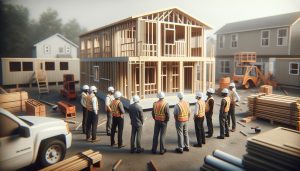
Financing a modular home can be a game-changer for your housing journey, offering a blend of affordability and customization that traditional homes may not provide. As modular homes grow in popularity, understanding the best funding strategies is essential for prospective buyers and current owners alike. With various financing options available, ranging from conventional loans to specialized programs, navigating this landscape can feel daunting. You want to ensure that your investment is not only secure but also suited to your unique lifestyle and financial situation. This article explores five smart funding strategies that can empower you to make informed decisions, ultimately leading to a successful modular home purchase and a fulfilling living experience. Get ready to unlock the potential of modular home financing!
Understanding Modular Home Financing Options
Navigating the world of modular home financing can seem daunting, but understanding your options is crucial to making a sustainable investment. Modular homes have gained popularity due to their affordability and efficiency; however, securing financing requires a bit of knowledge about the various pathways available. The good news is that lenders are increasingly recognizing modular homes as viable housing options, which opens up a range of financing avenues tailored for prospective buyers.
When it comes to financing a modular home, traditional mortgage loans are a prominent option. Just like site-built homes, modular houses can be financed through standard mortgage processes once they have been appraised. For those looking to construct a modular home, it’s important to consider both a construction loan to finance the building process and a land loan if the property hasn’t been purchased yet. This dual approach allows buyers to cover both the cost of acquiring the land and the expenses associated with construction, promoting a smoother transition from idea to home.
In addition to traditional mortgage routes, there are specialized loans available specifically for manufactured homes, including options from Fannie Mae that can cater to modular or multi-section models. These loans can provide competitive interest rates and terms that make financing more manageable. Buyers should also explore Federal Housing Administration (FHA) or Department of Veterans Affairs (VA) loans if eligible, as these can often come with lower down payment requirements and favorable interest rates. For those without access to conventional financing… options, considering personal loans or even grants can be a way to cover necessary costs associated with purchasing or upgrading a modular home.
Ultimately, isn’t just about securing a loan-it’s about being informed and prepared. When approaching lenders, it’s beneficial to have your financial documentation ready and to demonstrate a comprehensive understanding of both the modular home market and what you are looking to achieve. By researching and comparing multiple lenders and financing types, you can empower yourself to make confident and informed decisions toward owning your ideal modular home.
Exploring Different Types of Loans for Modular Homes
When it comes to securing financing for a modular home, potential buyers are often pleasantly surprised by the variety of loan options available. Unlike the past, where financing for manufactured housing was limited, lenders have evolved their offerings, now providing tailored solutions that enhance affordability and accessibility. Whether you’re interested in traditional mortgages or specialized financing, understanding the different types of loans can empower you to make informed decisions about your modular home investment.
One popular financing route is through conventional loans, which function similarly to those for site-built homes. These loans require the home to pass an appraisal, ensuring it meets specific value and condition standards. For buyers looking to construct a modular home, construction loans are essential. These facilitate the financing of both the land and the construction process, allowing you to secure your property before construction begins. This two-pronged approach ensures that you have sufficient funds to cover the purchase and build phases.
In addition to conventional options, there are FHA (Federal Housing Administration) and VA (Department of Veterans Affairs) loans specifically designed to benefit various buyer demographics, including first-time homeowners and veterans. FHA loans often feature lower down payment requirements and more flexible credit standards, making them an attractive option for those who may have limited cash reserves or less-than-perfect credit histories. Similarly, VA loans provide favorable terms, including no down payment for eligible veterans, which can significantly ease the financial burden of securing a modular home.
Another innovative financing avenue involves specialized manufactured home loans, such as those offered by Fannie Mae. These loans cater specifically to modular or multi-section homes, allowing buyers to access competitive interest rates and manageable terms. As these types of residences have become more accepted within the housing market, the ability to finance them effectively has improved markedly. Ultimately, by thoroughly exploring these diverse financing options, buyers can position themselves for successful and sustainable homeownership in the modular housing sector.
How to Secure a FHA or VA Loan for Your Home
Securing financing through an FHA or VA loan can significantly streamline the process of purchasing or building a modular home, making it a viable option for many buyers. FHA loans are particularly known for their leniency in credit scores and down payment requirements, allowing first-time homebuyers or those with limited financial resources to access the housing market. For instance, with a minimum down payment of just 3.5%, the FHA loan program opens doors for borrowers who may not have substantial savings set aside. This financing option is ideal for modular homes as long as they are built in compliance with HUD regulations and appraised like traditional homes.
To begin the process of acquiring an FHA loan for a modular home, prospective buyers should conduct thorough research on lenders approved by the FHA. The application typically requires documentation such as income verification, credit history, and details about the property in question. Importantly, the chosen modular home must meet specific guidelines, ensuring it is permanent on a foundation and meets the required appraised value for the loan amount being sought. Once you find a suitable lender, you will submit all required documentation, and the lender will conduct a thorough review of your financial situation.
For veterans and active service members, VA loans present an advantageous financing route, often requiring no down payment, which can significantly reduce the initial costs of purchasing a modular home. To qualify for a VA loan, borrowers must obtain a Certificate of Eligibility (COE), proving their eligibility based on service history or duty status. With these loans, the funding is typically more streamlined, with less stringent credit requirements and no private mortgage insurance (PMI) necessary, further enhancing affordability.
Both FHA and VA loans emphasize the importance of educating potential buyers about their specific eligibility requirements and the process involved. Be sure to gather all necessary documents and consult with knowledgeable lenders who can guide you through the steps specific to modular home purchasing. With careful preparation and understanding, leveraging these loan options can facilitate homeownership in the modular housing sector, providing a path towards a reliable and affordable living space.
Creative Financing Techniques for Modular Home Buyers
Creative financing solutions can significantly ease the financial burden for modular home buyers, allowing them to explore multiple avenues beyond traditional loans. One innovative approach is to consider a lease-to-own arrangement, which can help prospective homeowners build equity over time while minimizing upfront costs. In this setup, a tenant agrees to rent a modular home with an option to purchase it after a specified period. This option not only gives buyers the chance to “test out” the home but also helps them save for a down payment while locking in a purchase price.
Another inventive strategy involves utilizing grants and assistance programs specifically designed for homebuyers. Many local and state governments, as well as non-profit organizations, offer financial assistance to buyers of modular homes, especially first-time buyers. These programs can provide down payment assistance, reduce closing costs, or even offer forgivable loans if certain conditions are met, such as maintaining residency in the home for a specific number of years. Thoroughly researching these resources can uncover significant financial relief.
Collaboration with lenders for creative loan structuring can also be beneficial. Buyers can speak with lenders about customized financing options that may involve borrowing against future earnings or existing asset equity. This might mean using an existing property as collateral for the new home, thus reducing the required down payment significantly. Additionally, establishing a strong relationship with a knowledgeable mortgage broker can clarify complex financing options and tailor a plan that fits the buyer’s unique circumstances.
Understanding and leveraging state-sponsored financing or tax incentives designed for modular home purchases is another smart move. Some states offer reduced property tax rates or additional deductions for owners of energy-efficient modular homes. These benefits can significantly impact long-term homeownership costs. Therefore, staying informed about the latest local regulations and opportunities can maximize the financial advantage of buying a modular home.
Ultimately, whether through lease-to-own options, assistance programs, flexible lender negotiations, or state incentives, the key is to explore all available resources. Modular home buyers can strategically navigate these creative financing avenues to achieve their dream of homeownership, making it a more attainable reality.
Budgeting for Your Modular Home: Key Considerations
Budgeting effectively for a modular home involves much more than just the initial purchase price; it requires a comprehensive understanding of ongoing costs, financing options, and potential unexpected expenses. As modular homes can often be a more affordable housing solution, creating a realistic budget can set the foundation for financial stability and satisfaction in your new living space. The key is to anticipate both fixed and variable costs to avoid surprises down the line.
To begin, consider the following key elements when budgeting for your modular home:
- Purchase Price and Financing: Assess your total budget, including the cost of the home itself and any additional costs associated with financing, such as loan origination fees and interest rates.
- Land Costs: If you are buying land separately, ensure you factor in the purchase price, any necessary preparations (like clearing and leveling), and ongoing property taxes.
- Utility Connections: Depending on the location of your modular home, you may need to pay for the installation of utilities like water, electricity, and sewage connections.
- Insurance: Homeowners insurance and potentially additional policies for flood or hurricane coverage (especially in susceptible areas) can significantly affect monthly budgeting.
- Maintenance and Repairs: Set aside funds for routine maintenance to prevent costly repairs in the future. This should include budgeting for things like seasonal check-ups, landscaping, and potential renovation projects.
- Community Fees: If you plan to place your modular home in a community, be aware of any homeowner association (HOA) fees or maintenance dues.
Using these considerations as a guideline, potential buyers can create a well-rounded budget. Don’t overlook the importance of flexibility in your financial plan; having a contingency fund can provide peace of mind for unpredictable expenses. Allocate at least 5-10% of your budget for unexpected repairs or emergencies.
Finally, collaboration with financial advisors or mortgage brokers can help optimize your budget and provide insights into manageable payment plans. They can help you navigate the options available to ensure you make informed decisions tailored to your financial capacity. By approaching your modular home purchase and ongoing ownership with a comprehensive budget in mind, you can enjoy your home to the fullest, knowing you’ve planned for both expected and unexpected costs.
Understanding the Role of Down Payments in Financing
A well-planned down payment can significantly impact your ability to finance a modular home. Typically, down payments for modular homes range from 3% to 20% of the purchase price, depending on the type of loan you choose and your individual financial situation. A higher down payment not only reduces the overall loan amount but also shows lenders that you are a serious buyer, which may lead to better loan terms and interest rates.
When considering how much to put down, it’s important to balance your immediate financial capabilities with long-term savings objectives. For instance, if you qualify for a loan that only requires 3% down, you might be tempted to keep your cash reserves intact. However, consider the benefits of a larger down payment: lower monthly payments, reduced interest costs over the life of the loan, and fewer risks related to negative equity. In a fluctuating market, manufacturers and banks might also provide better financing options with a more substantial upfront investment.
Additionally, some government-backed loans, such as FHA or VA loans, allow for lower down payments, making homeownership more accessible. FHA loans might require a minimum down payment as low as 3.5%, while VA loans can offer zero down payment options for qualifying veterans and active duty service members. However, even with these lower down payment options, buyers should assess their long-term financial goals and consider how monthly payments and interest costs could affect overall home equity and investment potential.
Understanding the implications of down payment choices is crucial for future financial stability. By carefully weighing your options and consulting with finance professionals, you can make informed decisions that foster both immediate and long-term success in your journey of modular home ownership.
Using Personal Loans for Modular Home Projects
Using personal loans to finance modular home projects can be an effective strategy, particularly when buyers need flexibility in how they allocate funds. Personal loans offer a multitude of advantages, including faster processing times and less stringent qualification criteria compared to traditional mortgages, making them a compelling option for new modular home buyers or those undertaking renovations.
One of the key benefits of personal loans is their versatility. They are not specifically tied to the purchase or construction of a home, meaning you can use the funds for a variety of needs such as land acquisition, site preparation, or even interior upgrades. This is particularly helpful for modular home projects where costs can be unpredictable. For instance, if a buyer establishes a budget but later identifies the need for unexpected site work or custom interior finishes, a personal loan can cover these additional expenses without requiring a complete refinance of the home mortgage.
Moreover, personal loans generally allow for quick access to funds. Unlike traditional home financing, which may take weeks to finalize and has significant paperwork requirements, personal loans can often be processed within days. This quick turnaround can be crucial for buyers who want to move fast on a modular home opportunity or need to address urgent projects that could impact their living situation. However, buyers should be mindful of the interest rates and terms associated with personal loans, as they can vary significantly. It’s advisable to shop around for the best rates and terms that align with your financial situation.
When considering a personal loan for a modular home project, it’s essential to understand your credit score’s role in the approval process. Lenders typically evaluate creditworthiness to determine your interest rate and loan amount; thus, maintaining a good credit score will make it easier to secure favorable terms. Also, establishing a clear repayment plan will help ensure that you can meet your obligations without jeopardizing your overall financial health.
Utilizing personal loans for modular home projects can be a smart financial decision when approached cautiously and strategically. It empowers buyers to tackle their housing projects effectively while providing the required funding for immediate needs and potential future enhancements.
Grants and Assistance Programs for Home Buyers
Financial assistance is crucial for many aspiring homeowners, especially those considering modular homes. Various grants and assistance programs are available, which can significantly alleviate the financial burden of acquiring a home. Understanding these options can empower buyers to make informed decisions and secure their investment in a modular home that meets their needs.
Federal and state programs often provide invaluable resources. For instance, the U.S. Department of Housing and Urban Development (HUD) administers several grant programs aimed at low-to-moderate income families. These may include down payment assistance or homebuyer education courses, which help prospective buyers navigate the complexities of homeownership. Local housing authorities frequently have their own programs tailored to their communities, which can offer additional funds for purchasing land or covering other related expenses.
Additionally, some states offer First-Time Homebuyer Programs, which provide interest-free loans, grants, or reduced mortgage rates to qualified individuals. These initiatives can make homeownership more attainable for buyers who might otherwise face frequent obstacles due to high upfront costs. It is also worth noting that various nonprofit organizations focus on helping low-income families secure affordable housing. They may offer grants or no-interest loans designed specifically for purchasing modular homes.
Potential buyers should take advantage of homeownership workshops and seminars often hosted by community organizations. These educational resources not only inform attendees about available funding options but also provide insights into budgeting, saving, and the home buying process. By engaging with these programs, buyers can develop a clearer financial plan and feel more confident in their decision to invest in a modular home.
Incorporating these grants and assistance programs into your financial strategy can significantly ease the path to homeownership. By leveraging these resources, you can better position yourself to realize your dream of owning a modular home, ensuring that your investment is sound and rewarding in the long run.
Navigating Credit Scores in Modular Home Financing
Understanding your credit score is pivotal when it comes to financing a modular home. A higher credit score can open the doors to better loan options, lower interest rates, and more favorable terms. Conversely, a lower score may limit your choices and increase your costs. On average, lenders consider scores of 620 and above as a baseline for many financing options, including FHA and conventional loans, which are often used for modular home purchases.
To effectively navigate the credit scoring landscape, it’s beneficial to familiarize yourself with the factors influencing your score. Key elements include:
- Payment History: Timely payments positively impact your score, while missed payments can dramatically lower it.
- Credit Utilization: Keeping your credit card balances low relative to your credit limits (ideally below 30%) is essential.
- Length of Credit History: Longer histories can boost your score, indicating to lenders your experience in managing credit.
- Types of Credit: A well-rounded mix of installment loans (like car loans) and revolving credit (like credit cards) can enhance your score.
- New Credit Inquiries: Frequent inquiries can signal risk to lenders, so it’s wise to space out applying for new credit.
Before applying for a loan, consider obtaining a copy of your credit report. Federal law allows you to request one free report per year from each of the three major credit bureaus. Review it for errors, and dispute any inaccuracies you find, as correcting these can provide a quick boost to your score.
If your score is not where you’d like it to be, there are effective strategies to improve it. Start by making consistent, on-time payments and reducing outstanding debts. Additionally, allocating funds toward paying off existing accounts can reflect positively on your credit profile over time. Engaging in financial counseling or using credit improvement services may also provide guidance tailored to your situation.
With a solid understanding of your credit standing and strategic actions to enhance it, you’ll be better equipped to secure financing for your modular home, making your homeownership dreams an achievable reality.
Tips for Working with Modular Home Dealers on Financing
Working with modular home dealers on financing can substantially streamline the path to homeownership. Understanding the intricacies of financing options available through dealers is crucial to making informed decisions that suit your specific financial situation. Many dealers have strong relationships with lenders and can offer financing solutions that may not be accessible elsewhere. It’s essential to take advantage of their expertise to guide you through various loan programs tailored for modular homes.
Before diving into discussions with modular home dealers, it’s beneficial to come prepared with your financial information, including your credit score, income, and budget constraints. This preparation will enable you to have more focused conversations and ask the right questions. Ensure you inquire about the different financing options available, such as traditional loans, chattel loans, or FHA loans, and how these might impact your purchasing power. Dealers often have insights into the best financing strategies, including promotional offers or incentives they may provide.
Another critical aspect is being aware of potential hidden costs and fees associated with the financing process. Don’t hesitate to ask for a breakdown of all costs involved, including closing costs, ongoing fees, and any terms related to prepayment penalties. Transparent communication can save you from unexpected expenses later on. Additionally, consider negotiating with lenders suggested by dealers; sometimes better terms can be found through alternative lenders or credit unions that specialize in manufactured home financing.
Furthermore, establishing a good rapport with your dealer can also pay off in the long run. A dealer who understands your financial needs and constraints can help navigate the complexities of the purchasing process, and may even assist in advocating for you with lenders to secure better terms. Building a collaborative relationship can ease the often stressful experience of financing a home and ensure your ultimate satisfaction with your purchase.
Incorporating these strategies while working with modular home dealers can significantly enhance your financing experience, leading to informed decisions and hopefully, a smooth pathway to your new home.
Evaluating Long-term Costs of Modular Home Ownership
Owning a modular home is not just an immediate investment; it’s a long-term commitment that warrants careful financial evaluation. While the purchase price is a significant factor, prospective owners must also consider myriad long-term costs that can impact overall budget and lifestyle. In fact, understanding these expenses can empower buyers to make better-informed decisions, ensuring that their investment aligns with both their financial goals and personal lifestyle.
One of the primary ongoing costs associated with modular home ownership is the land lease or mortgage. If your home is located in a community or park, you’ll likely have monthly lease payments in addition to any mortgage obligations. This can vary significantly depending on location and community amenities. It’s essential to factor these costs into your monthly budget to avoid any surprises.
Additionally, ongoing maintenance and repairs should be a top priority in your long-term financial planning. Although modular homes typically boast modern construction techniques and materials, wear and tear over time is inevitable. Homeowners should anticipate expenses for routine maintenance tasks such as roof inspections, plumbing checks, and HVAC servicing. Setting aside a dedicated fund for these purposes can help ease financial stress when unexpected repairs arise.
When evaluating the overall costs, don’t overlook utilities. Modular homes can be energy efficient, but the amount you spend on electricity, water, and other utilities can fluctuate based on usage and local rates. Investing in energy-efficient appliances and smart home technology can minimize these costs over time, providing further savings on your monthly bills.
Moreover, consider the implications of property taxes, insurance, and any community fees associated with your modular home. Insurance costs can vary based on location and the value of your home, so obtaining quotes from multiple providers can yield the best rates. Also, understanding local tax regulations and potential increases can help you establish a clearer picture of your financial landscape.
In summary, while modular homes can offer a more affordable entry into homeownership, it’s imperative to consider ongoing costs that extend well beyond your initial purchase. By taking the time to evaluate these long-term expenditures, potential homeowners can make more informed decisions that lead to sustainable, enjoyable living in their modular home.
Maximizing Your Investment: Resale Values and Financing
Investing in a modular home can yield impressive financial returns when approached with strategic insights into resale values and financing options. Unlike traditional perceptions, modular homes often appreciate comparably to site-built homes, especially if upgraded and maintained well. To maximize your investment, it’s crucial to understand the factors influencing resale values and leverage the right financing to enhance your equity.
Factors Influencing Resale Values
Several elements can impact the resale value of your modular home:
- Location: Homes situated in desirable neighborhoods or near amenities tend to retain higher values. Pay attention to local market trends and community developments.
- Home Condition: Regular maintenance, renovations, and upgrades not only preserve your property but can also significantly boost its market appeal. Simple upgrades like new siding, landscaping, or updated appliances can attract potential buyers.
- Manufacturing Quality: The reputation of the manufacturer plays a significant role. Homes built by reputable manufacturers often come with warranties and are constructed with high-quality materials, making them more attractive on the resale market.
- Market Timing: Understanding your local housing market is key. Selling during a seller’s market, where demand exceeds supply, can result in higher offers.
Financing Strategies to Enhance Investment
Choosing the right financing option is essential not just for acquiring the home but also for maximizing its long-term value. Consider these strategies:
- FHA and VA Loans: These government-backed loans can offer lower interest rates and down payment options, making them ideal for first-time buyers. Securing such financing can allow you to invest more in upgrades.
- Refinancing: If your home appreciates in value, refinancing can lower your monthly payments or provide cash for further improvements. This can enhance your home’s value and increase profit upon resale.
- Personal Loans: Using personal loans for specific renovations can improve the home’s resale value. Upgrades to kitchens or bathrooms are particularly appealing to buyers and may yield higher returns.
By being proactive about these factors and implementing strategic financing decisions, you can enhance not only the initial enjoyment of your modular home but also its value as an investment. With careful planning and market awareness, modular home ownership can be both a satisfying lifestyle choice and a smart financial strategy for the future.
Frequently asked questions
Q: What types of loans are available for financing a modular home?
A: Modular home financing options include conventional loans, FHA loans, VA loans, and USDA loans. Each type caters to different borrower needs, with FHA and VA loans offering specific benefits for first-time homebuyers or veterans. Explore these options to find the best fit for your financial situation.
Q: How can I improve my credit score for modular home financing?
A: To improve your credit score, pay off outstanding debts, ensure timely bill payments, and reduce credit utilization. Regularly check your credit report for errors and consider becoming an authorized user on a responsible person’s account. A higher credit score can lead to better loan terms for your modular home.
Q: Are there specific grants available for modular home buyers?
A: Yes, various local and federal programs provide grants for modular home buyers, especially for first-time homeowners. These grants can cover down payments or closing costs. Research options through HUD or your local housing authority to identify eligible programs.
Q: What are the advantages of using a construction loan for modular home financing?
A: A construction loan offers flexibility during the building process, allowing you to access funds in increments as work is completed. This type of loan can be especially useful for modular homes, where phased payments can meet the unique construction timeline requirements.
Q: Can I use a personal loan to finance a modular home?
A: Yes, you can use a personal loan for financing purposes related to a modular home, such as renovations or improvements. However, personal loans generally have higher interest rates than mortgages, so assess your financial situation carefully before proceeding.
Q: What should I consider when budgeting for a modular home?
A: When budgeting for a modular home, consider the total cost, including land purchase, home price, permits, utilities, and landscaping. Factor in ongoing costs like maintenance, insurance, and property taxes to ensure a comprehensive understanding of your financial commitment.
Q: How can I secure a lower interest rate for my modular home loan?
A: To secure a lower interest rate, improve your credit score, increase your down payment, and shop around for lenders. Consider locking in a rate early in the process and evaluate options such as buying points to lower your interest over time.
Q: What is the process of obtaining an FHA or VA loan for a modular home?
A: To obtain an FHA or VA loan for a modular home, first check your eligibility based on credit and service requirements. Then, find an approved lender who specializes in these loans. Complete the application process and gather necessary documentation for a smooth approval.
Key Takeaways
Financing a modular home opens the door to affordable and efficient living, and now you have the insights to make it happen. Remember, exploring various funding strategies such as construction loans, traditional mortgages, or specialized financing options can set you on a path to homeownership. Don’t wait-take the next step by assessing your financial readiness and considering your options.
For additional guidance, check out our articles on navigating FHA loans and maximizing your home’s value through smart renovations. Have questions? Join the conversation in the comments or share your experience with modular home financing. Your journey to a dream home starts now-explore our resources further today!