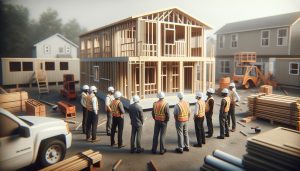
When considering a modular home, understanding the common defects that can arise is crucial for ensuring a sound investment. Despite their numerous benefits-like affordability and quick construction-modular homes can present unique challenges, from structural issues to utility connections. Recognizing warning signs early can save you time, money, and stress down the line. Whether you’re a current owner, prospective buyer, or property investor, knowing what to look for allows you to make informed decisions and maintain the integrity of your home. Delve deeper to explore the key issues to watch for and equip yourself with the knowledge needed to navigate the modular housing market confidently.
Common Structural Defects in Modular Homes
Modular homes are often celebrated for their affordability and customization options, but they can also exhibit specific structural defects that homeowners should be aware of. One of the most pressing issues involves the integrity of the connections between the modular sections. When these modules are transported and assembled on-site, they need to be flawlessly sealed to ensure a strong structural bond. Any gaps or improper sealing can lead to air leakage, water intrusion, and subsequent mold growth or rot. It’s vital for homeowners to inspect these joints regularly, looking for obvious signs of misalignment or deterioration.
Another common structural defect is related to the foundation of the modular home. Modular homes must be securely anchored and leveled to prevent shifting or settling. If the foundation was poorly installed or insufficiently maintained, the consequences can include uneven floors, misaligned doors, and windows that stick. Homeowners should keep an eye on these indicators, as they often signal deeper foundational issues that could compromise the overall stability of the home. Regular inspections of supports and piers are recommended to catch any potential problems early.
Lastly, the quality of materials used in construction plays a significant role in the longevity of a modular home. If substandard materials were used, you may notice symptoms like cracks in the walls or ceilings, which can be a sign of structural stress or fatigue. Additionally, improper ventilation can exacerbate these problems, leading to moisture buildup that can weaken structural components over time. Homeowners should prioritize proper maintenance and consider routine check-ups from professionals to ensure that any structural concerns are identified and addressed promptly. Taking these proactive measures can help preserve the integrity of your modular home and protect your investment for years to come.
Understanding Plumbing Issues in Modular Homes
Many prospective buyers of modular homes may not realize that plumbing issues can be a significant concern, often stemming from their unique design and construction methods. Unlike traditional homes, where plumbing is typically embedded in the walls and foundation, modular homes usually have plumbing systems located within the belly board, also known as the bottom board. Understanding these plumbing nuances is crucial for maintaining a comfortable and functional living space.
One prevalent plumbing issue in modular homes arises from the potential for leaks in the pipes. Over time, wear and tear, along with shifting due to weather changes or improper leveling, can lead to pipe damage or disconnections. Homeowners should perform regular inspections to identify damp spots on floors, walls, or ceilings, which may indicate a leak. It’s also beneficial to know the location of shutoff valves, so if a leak is detected, you can quickly prevent further damage.
Additionally, improper drainage can manifest in various ways, such as slow drains or unpleasant odors. A common cause is the accumulation of debris and grease within the pipes, which can lead to blockages. To manage this, it’s advisable to conduct routine maintenance. Homeowners might consider enzymatic drain cleaners as a safe and effective way to break down organic buildup without damaging plumbing. Ensuring that gutters and outdoor drainage are functioning correctly will also help prevent excess water from pooling near the home’s foundation, which can lead to plumbing-related issues inside the home.
Lastly, water pressure problems can be indicative of broader plumbing concerns, such as sediment build-up in the pipes or issues with the main water line. For fresh water supply lines, experiencing fluctuation in pressure may not only lead to inconsistent performance of fixtures but also strain the system, potentially causing leaks. Investing in a pressure gauge can help homeowners monitor their water pressure regularly, aiding in early detection of underlying issues.
By staying informed and proactive about plumbing systems, owners of modular homes can mitigate potential problems, ensuring their living spaces remain safe and comfortable. Regular maintenance, awareness of the unique plumbing architecture of modular homes, and attention to warning signs can save both time and money in the long run.
Electrical Problems to Watch Out For
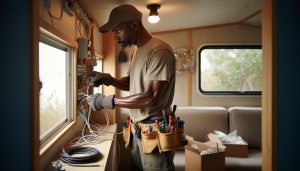
In modular homes, electrical problems can pose serious safety risks and affect overall functionality. Homeowners should remain vigilant, as the unique design and construction of these homes introduce specific electrical challenges. For instance, many modular homes use a modular panel setup that, while efficient, can lead to complex wiring issues if not correctly installed. A common sign of potential electrical trouble is flickering lights, which may suggest loose connections or inadequate power supply from the main panel. Regular inspections can help identify these issues before they escalate.
Another prevalent concern is the use of outdated or insufficient wiring. Modular homes constructed before modern code standards may lack ground fault circuit interrupters (GFCIs) in wet areas like kitchens and bathrooms. This can increase the risk of electrical shocks. Homeowners are encouraged to inspect outlets and power strips for signs of wear, such as discoloration or scorching, which indicate overheating that could lead to a fire hazard. It’s also wise to check if circuits are overloaded by evaluating the number of devices plugged in simultaneously.
To mitigate risks and ensure safety, consider the following maintenance tips:
- Regular Inspections: Schedule annual electrical inspections with a qualified electrician familiar with modular homes.
- Update Wiring: If your home is older, upgrading to modern electrical standards can prevent safety issues and improve efficiency.
- Use Surge Protectors: Protect your appliances and electronics by utilizing surge protectors to guard against voltage spikes.
Focusing on these key areas will not only optimize electrical performance but also enhance the safety of your modular home, making it a secure and enjoyable living space for years to come. By prioritizing electrical maintenance and repairs, homeowners can navigate the unique challenges of modular home living with confidence.
Signs of Poor Insulation in Modular Homes
In modular homes, effective insulation is crucial for maintaining a comfortable indoor environment and achieving energy efficiency. However, poor insulation can lead to a range of issues that not only compromise living conditions but also increase energy costs. Homeowners should be on the lookout for key indicators that signal inadequate insulation, as addressing these problems early can save time and money.
One strong indicator of poor insulation is noticeable temperature fluctuations within the home. If you find certain rooms consistently colder or hotter than others, it may suggest that insulation is lacking or improperly installed. In colder climates, drafty areas around windows, doors, and even outlets can let precious heat escape, while in warmer climates, insufficient insulation can allow unwanted heat intrusion, forcing your cooling system to work harder. Additionally, increased energy bills during extreme temperatures can signal that your heating or cooling systems are overexerting themselves due to heat loss or gain facilitated by inadequate insulation.
Another sign to watch for is the presence of condensation or moisture issues. Inadequate insulation can lead to condensation buildup, particularly in attics and crawl spaces. This moisture can promote mold growth, which not only damages insulation but can also create health hazards for residents. Homeowners should routinely check areas where insulation is present for any signs of water damage or mold. If you notice a musty smell or visible mold growth, it’s essential to investigate the insulation quality immediately.
To proactively address insulation concerns, consider the following tips:
- Regular Inspections: Schedule annual inspections of insulation, focusing on attics, basements, and crawl spaces where insulation is typically installed.
- Assess Energy Bills: Monitor energy bills for any significant increases, particularly during peak heating or cooling months, which may indicate insulation issues.
- Improve Sealing: Check for drafts around windows and doors and use weather stripping or caulking to improve seals, enhancing the overall insulation effectiveness.
Addressing insulation issues not only enhances your comfort but also improves the overall marketability and value of your modular home. With vigilance and timely action, homeowners can optimize their living environment, enjoying the many benefits that a well-insulated modular home has to offer.
Identifying Exterior Defects: Siding and Roofing Issues
Spotting issues with siding and roofing is critical for maintaining the longevity of modular homes, as these exterior elements play a vital role in protecting the structure from the elements. One of the foremost signs of trouble is peeling or blistering paint on siding. This deterioration can indicate underlying moisture problems, which can ultimately compromise the integrity of the walls. Additionally, homeowners should be vigilant about missing, cracked, or curling shingles on roofs. These damages can lead to leaks and more extensive water damage if not addressed promptly.
Regular inspections from the ground or a ladder can help you identify these exterior defects before they escalate. Look for gaps between the siding panels or areas where dirt accumulates; this could signal improper installation or deteriorating materials. Furthermore, any visible rust on metal siding or flashing can suggest moisture intrusion, which necessitates swift remediation to prevent more significant structural issues. If you spot signs of mold or mildew, this is not just an aesthetic concern; it reflects water retention and invites risks of further damage or health hazards.
To help mitigate exterior defects:
- Schedule Routine Maintenance: Regularly inspect your siding and roof at least twice a year, especially after severe weather events.
- Clean Gutters and Downspouts: Ensuring your drainage systems are clear aids in preventing moisture buildup that can harm siding and roofing.
- Repair Promptly: Address minor issues like cracks or peeling paint immediately to avoid more costly repairs down the line.
Homeowners can significantly extend the life of their modular homes by being proactive. Taking these steps not only enhances the exterior appearance of your home but also protects your investment for years to come. Making informed choices about materials and regular upkeep solidifies your commitment to maintaining a safe and welcoming living environment.
Common Foundation Problems in Modular Homes
can significantly impact the safety and longevity of the structure. One of the most critical aspects of modular homes is their foundation, which must be properly constructed and maintained to avoid structural issues over time. Unfortunately, improper installation, soil movement, and inadequate drainage can lead to a host of foundation-related problems.
Uneven settling is a common issue, often caused by inadequate foundation support or poor soil conditions. This can result in noticeable cracks in the walls or floors, misaligned doors and windows, or even a noticeable slope in the flooring. Homeowners should regularly check for any irregularities in the foundation, such as cracks wider than a quarter inch, as these may indicate serious structural concerns. In many cases, hiring a professional foundation repair specialist can be a prudent step to address these issues before they escalate.
Another issue arises from moisture intrusion, which can weaken a foundation over time. If water is not properly redirected away from the base of the structure, it can lead to soil erosion, washouts, or even heaving. Homeowners should ensure that gutters and downspouts are clean and functioning correctly, and that the grading around the home slopes away from the foundation. Installing drainage systems like French drains can also be an effective way to manage water accumulation.
To prevent these foundation issues, regular maintenance is essential. Here’s a quick checklist for homeowners:
- Inspect for Cracks: Regularly examine the foundation for any new or widening cracks.
- Maintain Gutters: Keep gutters and downspouts clear of debris to ensure proper water flow.
- Check Grading: Make sure the land surrounding the home is graded away from the foundation.
- Address Moisture Issues: Install drainage solutions if moisture problems persist.
Taking proactive measures can help mitigate the risk of foundation problems. By staying vigilant and addressing potential issues early, homeowners can protect their investment and ensure the safety and stability of their modular homes for years to come.
Addressing Quality Control Concerns from Manufacturers
When it comes to modular homes, quality control plays a critical role in ensuring not only the structural integrity of the home but also the overall satisfaction of homeowners. Because modular homes are often built in factories and assembled on-site, discrepancies in workmanship can arise. Recognizing and addressing these quality control concerns is essential, especially before finalizing a purchase or taking occupancy.
Many homeowners may experience issues stemming from overlooked manufacturing defects, such as misaligned windows and doors, improper sealing, or insufficient insulation. To mitigate these risks, prospective buyers should insist on thorough inspections conducted by independent parties familiar with the modular construction process. Key areas to examine include the seams where modules join, which should be thoroughly sealed to prevent air leaks and moisture intrusion. Additionally, checking load-bearing walls and structural components can uncover issues that could compromise the home’s durability.
- Verify Manufacturer Credentials: Research the manufacturer’s reputation and previous customer feedback. A strong track record can be a good indicator of quality control.
- Request Documentation: Before construction begins, ask for detailed documentation, including building codes adhered to and inspections passed during the manufacturing process.
- On-Site Inspections: Consider hiring an inspector who specializes in modular homes to evaluate the assembly process once the home is placed on its foundation. They can identify potential problems before they become costly repairs.
Furthermore, after moving in, homeowners should remain vigilant about maintenance and monitoring. Developing a regimen for regular upkeep can help ensure that any minor issues are addressed before escalating into major concerns. For instance, routinely inspecting for signs of water damage or settling can provide early warnings that interventions are necessary. By proactively engaging with both manufacturers and service providers, homeowners can significantly enhance the quality and longevity of their modular homes. This hands-on approach not only protects their investment but also their peace of mind, assuring them that their living space is secure and comfortable.
Potential Hazardous Materials in Modular Homes
Many homeowners may not be aware of the potential hazardous materials that can be present in modular homes, which could compromise both health and safety. It’s crucial to recognize that, like traditional homes, modular homes can sometimes incorporate substances that pose risks to occupants. Common hazardous materials include asbestos, lead, and certain VOCs (volatile organic compounds), often found in construction materials or household finishes. Understanding where these materials might be present and taking proactive steps can safeguard your living space.
Common Hazardous Materials
- Asbestos: Older modular homes may contain asbestos in insulation, floor tiles, or roofing materials. Disturbing these materials during renovations can release harmful fibers into the air.
- Lead: Paint produced before 1978 may contain lead. Homes built during this time could pose a risk, particularly to children, if lead paint is peeling or damaged.
- VOCs: These compounds are emitted from various sources, including paint, adhesives, and cleaning products. High levels of VOCs can lead to short- and long-term health issues, including respiratory problems.
To protect yourself and your family, conduct a thorough evaluation of your home. Consider hiring a certified inspector, especially if your home was built before the late 1980s. They can perform tests to identify hazardous materials and recommend safe remediation methods. If you discover materials like asbestos or lead, it’s advisable to engage professionals who specialize in safe removal or encapsulation of these substances, ensuring compliance with local regulations.
Preventive Measures
To minimize the risks associated with hazardous materials, implement the following strategies:
- Renovation Awareness: If you’re planning renovations, ensure that materials used are free from harmful substances. Look for low-VOC paints and finishes.
- Regular Maintenance: Regularly inspect for signs of wear, such as peeling paint or damage to insulation, which could indicate the presence of hazardous materials.
- Improving Air Quality: Use air purifiers and enhance ventilation to reduce indoor pollutant levels. Keeping windows open when possible can also aid in maintaining fresh air circulation.
By staying informed about the potential for hazardous materials in modular homes and taking actionable steps for detection and prevention, homeowners can significantly enhance their indoor environment’s safety.
Maintenance Tips to Prevent Common Defects
To keep your modular home in excellent condition and prevent common defects, a proactive maintenance routine is essential. Many people assume that modern modular homes require less upkeep, but without proper maintenance, even the newest structures can develop issues over time. By investing time and attention into regular care, you can mitigate potential problems before they escalate, ensuring your home remains a safe and comfortable haven.
Start by conducting quarterly inspections of your home’s exterior. Look for signs of wear on siding, roofing, and foundation. Pay special attention to areas where moisture can accumulate, as this can lead to rot and mold. For instance, ensure gutters and downspouts are clear of debris to facilitate proper drainage away from your home. A clear pathway for water runoff is critical in preventing damage to your home’s foundation.
In addition to exterior maintenance, regular checks on plumbing and electrical systems will help you catch minor issues before they turn into major repairs. Inspect under sinks for leaks and test all light switches and outlets for functionality. Schedule an annual inspection with a licensed electrician or plumber to address any concerns and ensure everything runs smoothly. Consider keeping a detailed log of repairs and any maintenance performed, as this can serve both as a reference and as motivation to be consistent.
Finally, don’t overlook the importance of preventing weather-related damage, especially in areas prone to extreme conditions. Invest in proper anchoring systems and ensure your home is level, as settling can cause cracks and leaks. Seasonal preparations-like checking caulking around windows and doors, trimming trees that could fall during high winds, and reinforcing the underbelly during harsh winters-are equally important. By taking these steps, you not only preserve your home’s integrity but also enhance its longevity and value.
Long-Term Solutions for Common Modular Home Issues
To maintain the longevity and structural integrity of your modular home, addressing common defects with proactive long-term solutions is essential. Regular maintenance can prevent minor issues from escalating into costly repairs, ensuring that your home remains a safe and comfortable environment. Here are several strategies to keep your modular home in prime condition:
Regular Inspections
Frequent inspections can be crucial in identifying potential problems before they become serious. Schedule a thorough evaluation of your home at least twice a year. During these inspections, focus on the following areas:
- Roofing: Check for missing shingles, cracks, or signs of wear. Addressing small leaks early can prevent extensive water damage.
- Foundation: Look for cracks or signs of settling. It’s essential to ensure proper drainage away from your home to avoid foundation issues.
- Siding: Inspect for damage such as warping, cracks, or mold, and replace any damaged panels promptly.
Plumbing and Electrical System Maintenance
Plumbing and electrical problems can lead to significant inconveniences and safety hazards. Schedule annual inspections with licensed professionals to ensure that both systems are functioning correctly. Additionally, keep these tips in mind:
- Plumbing: Insulate pipes in colder weather to prevent breaks, and inspect for leaks under sinks regularly.
- Electrical: Upgrade wiring if necessary, especially if adding new appliances. Ensure all outlets are up-to-code and functioning properly.
Insulation and Weatherproofing
Adequate insulation is vital in maintaining energy efficiency and comfort in your modular home. Check insulation in walls, attics, and basements to ensure it is up to the standard. Replace any old or damaged insulation, and consider adding weatherstripping around windows and doors to reduce drafts.
In regions prone to extreme weather, invest in additional protective measures like storm shutters and proper anchoring systems. Regularly inspect these systems to ensure they function correctly when needed.
Long-Term Planning and Upgrades
As your living situation and needs evolve, consider upgrading certain aspects of your home. This can include:
- Energy-efficient installations: Replace aging appliances with energy-efficient models to reduce energy costs and enhance sustainability.
- Smart home technology: Incorporate smart thermostats and security systems to improve comfort and safety.
By taking these long-term solutions into account, you not only preserve your modular home’s integrity but also enhance its value and livability. Investing time and resources in caring for your home will ensure it continues to be a reliable sanctuary for years to come.
How to Hire Professionals for Inspections and Repairs
Finding the right professionals for inspections and repairs is crucial for maintaining the integrity and value of your modular home. With the unique structure and characteristics of modular housing, understanding how to hire these experts can save you time, stress, and money in the long run. Engaging professionals who are experienced in modular homes ensures that you are addressing issues specific to this type of dwelling, such as proper anchoring and foundation concerns.
One of the first steps in hiring professionals is to conduct thorough research. Look for contractors and inspectors who specialize in modular homes and have a good reputation. You can begin with online reviews, recommendations from fellow modular homeowners, or local real estate agents who often work with property maintenance. Furthermore, ensure that the professionals are licensed and insured, which protects you in case of accidents or damages during the job.
When you have a shortlist, reach out to these professionals to discuss your specific needs. Prepare a list of questions to better understand their experience with modular homes, their approach to handling common defects, and their maintenance practices. Asking for references and inspecting past work can also provide insight into their reliability and expertise.
To facilitate a productive dialogue, consider detailing the issues you’ve noticed in your home, whether it’s plumbing leaks, insulation inconsistencies, or foundation concerns. Provide them with any documentation such as previous inspection reports or warranties that may affect repairs. This information will help them give you a more accurate estimate and timeline for the work needed.
Finally, it’s advisable to obtain multiple quotes before making your decision. This not only helps you gauge the average cost for your needed services, but it also allows you to assess the scope of work each contractor is willing to undertake. After selecting a professional, maintain open lines of communication throughout the project to ensure that any additional concerns are addressed promptly and effectively. By taking these steps, you can protect your investment and ensure your modular home remains a safe and comfortable living space.
Navigating Warranties and Manufacturer Support
Navigating the intricate landscape of warranties and manufacturer support can be daunting for modular home owners, but understanding these aspects is crucial for maintaining your investment. Warranties can vary significantly among manufacturers, yet they generally encompass structural defects, workmanship, and major systems like plumbing and electrical. Knowing the specifics of your warranty can empower you to effectively address potential issues before they escalate.
Start by thoroughly reviewing your warranty documentation. Look for details about coverage periods and the types of defects included. Most manufacturers provide a limited warranty that lasts anywhere from one to ten years. Additionally, inquire about any specific requirements for filing claims, such as notifying the manufacturer within a certain timeframe or carrying out regular maintenance. Understanding these obligations helps you avoid pitfalls that could potentially void your warranty.
Leveraging Manufacturer Support
Manufacturer support doesn’t just end with warranties. Many reputable companies offer customer service lines, online resources, and maintenance guides tailored for their modular homes. If you experience an issue, reach out to your manufacturer’s support team, as they can guide you through troubleshooting or coordinate service when necessary. This support network is vital, especially for homeowners who may not be familiar with the technical intricacies of modular home systems.
When engaging with manufacturers, maintain detailed records of all communications and any problems you encounter. Documenting the dates, issues, and steps taken can strengthen your position should a warranty claim arise. If you sense an ongoing issue, don’t hesitate to escalate your concerns. Many manufacturers prioritize customer satisfaction and may offer solutions or repairs under warranty conditions even beyond standard expectations.
Real-World Example: Claiming Warranty Support
Consider a scenario where a modular home owner discovers water damage attributed to a plumbing defect. Upon reviewing the warranty, they find coverage for plumbing issues and promptly contact the manufacturer. By providing documentation of the defect and following the claims process, they successfully have the issue resolved at no cost. This outcome illustrates the potential benefits of understanding and utilizing manufacturer warranty support effectively.
In conclusion, being proactive about warranties and manufacturer support equips modular home owners with the resources they need to address issues confidently. Familiarize yourself with your warranty details, maintain communication with your manufacturer, and advocate for your needs. With the right knowledge and approach, you can protect your investment and enjoy the myriad benefits of modular living.
Q&A
Q: What are the main structural issues in modular homes that homeowners should be aware of?
A: Common structural issues in modular homes include uneven floors, sagging walls, and misaligned doors and windows. These problems often stem from improper installation or settling over time. Regular inspections can help catch these issues early before they become more significant problems.
Q: How can homeowners identify plumbing problems in modular homes?
A: Homeowners can identify plumbing issues by watching for signs like slow drains, water stains on walls or ceilings, and unusual moisture in the basement. Regular checks of water pressure and pipe fittings can also help in detecting leaks or clogs early.
Q: What electrical issues should I monitor in my modular home?
A: Key electrical concerns include flickering lights, tripped breakers, and warm outlets. These issues may indicate faulty wiring or overloads. It’s advisable to get an electrician to perform a thorough inspection if any of these warning signs occur.
Q: How can I spot insulation problems in my modular home?
A: Signs of poor insulation include drafts, inconsistent room temperatures, and high energy bills. Conducting energy audits or simply feeling for drafts around windows and doors can help pinpoint areas needing better insulation.
Q: What are common exterior defects to look for in modular homes?
A: Common exterior defects include warped siding, damaged roofing, and mold growth. Inspecting the exterior regularly and maintaining the integrity of materials can help prevent significant damage and ensure your home withstands weather elements effectively.
Q: How do foundation issues manifest in modular homes?
A: Foundation problems may show as cracks in walls, doors that won’t close, or uneven floors. If these signs are present, it’s critical to consult with a foundation specialist promptly to prevent further damage.
Q: What are the quality control concerns specifically related to modular homes?
A: Quality control issues often arise from factory construction processes, including subpar materials or construction practices. Homebuyers should research manufacturers and consider independent inspections to ensure compliance with safety standards.
Q: How can homeowners check for hazardous materials in modular homes?
A: To check for hazardous materials like asbestos or lead-based paint, homeowners should look for age-related indicators or consult with certified professionals for testing. Addressing these materials promptly is essential for health safety in a modular home.
Feel free to explore the various sections within our article for further insights on maintaining and improving your modular home!
Wrapping Up
Identifying common defects in modular homes is crucial for ensuring a safe and comfortable living environment. By recognizing warning signs early, you can protect your investment and enhance your quality of life. Don’t wait until small issues become major problems-take action now! Dive deeper into our resources on modular home maintenance and financing options to equip yourself with knowledge that can save you time and money.
If you have questions or want to share your experiences, we encourage you to leave a comment below or explore our comprehensive guides on setup procedures and legal requirements for mobile homes. By staying informed, you’re not just a homeowner; you’re an empowered one. Join our newsletter for more valuable insights and tips that reinforce the legitimacy of mobile home living, and explore our site for solutions tailored to your unique needs. Your future home satisfaction starts here!