Buying a mobile home can be an exciting step towards homeownership, yet many potential buyers often feel deterred by down payment challenges. Did you know that securing a mobile home without any upfront cash is entirely possible? This guide offers a step-by-step approach to navigating your path toward owning a mobile home with no money down, addressing common concerns about financing and eligibility. Whether you’re seeking a cozy retreat, a family residence, or a solid investment, understanding how to leverage down payment assistance and financing options can turn your mobile home dream into a reality. Continue reading to uncover practical strategies that empower you to achieve homeownership without the financial burden of a hefty down payment.
How to Get Started With No Money Down
Beginning your journey to mobile home ownership without any money down may seem daunting, but with the right strategies, it’s entirely feasible. Many lenders and programs exist specifically designed to help aspiring homeowners enter the market, even with minimal upfront costs. For instance, the USDA’s Single Family Housing Guaranteed Loan Program offers options that can cover a manufactured home purchase without requiring a down payment, making it a viable choice, especially for buyers in rural areas[1[1].
To get started, it’s critical to research various financing options available for mobile homes. Many lenders, such as Guild Mortgage, specialize in manufactured home loans and provide resources tailored to help buyers understand their choices[3[3]. Investigate these options, including government-backed loans, conventional loans, and any local programs that may provide financial assistance. In your exploration, don’t overlook the potential for financing through specialized mobile home dealers who often have established relationships with lenders and can help navigate the application process, sometimes even offering in-house financing that simplifies the approval process.
It’s beneficial to prepare your financial profile as well. Even if you’re not putting money down, demonstrating a strong credit score, stable income, and manageable debt-to-income ratios can significantly improve your chances of approval. Lastly, don’t hesitate to seek professional advice from real estate agents or financial advisors familiar with mobile home transactions. They can guide you through the complexities of mobile home ownership and financing, helping you turn your dream of owning a mobile home into a reality without the burden of a large initial investment.
Understanding Mobile Home Financing Options
Financing a mobile home can be a pathway to affordable homeownership, especially for those looking to move without putting down a large sum of money. With several financing options available, navigating this world can feel overwhelming, yet understanding your choices empowers you to make informed decisions that align with your circumstances. Notably, many programs and lenders display flexibility regarding down payments, making it feasible for aspiring buyers to step into mobile homeownership without upfront costs.
One prominent choice is the FHA’s Title I Manufactured Home Loan Program, which offers loans for the purchase or refinancing of manufactured homes, including those situated on rented lots. This program enables buyers to circumvent a hefty down payment requirement while securing competitive interest rates and terms suitable for both new and existing homes[1]. Additionally, conventional loans can be arranged through lenders who specialize in manufactured home finance, and they often provide tailored terms to suit individual financial situations. If you’re considering a more local touch, many mobile home dealerships have finance partners that can help streamline your loan application and approval, often featuring in-house financing opportunities that reduce red tape.
To successfully navigate financing, working on your financial profile is crucial. Lenders generally look for a solid credit score, reliable income streams, and a healthy debt-to-income ratio, which can enhance your chances of receiving approval, even on loans with little to no down payment. It’s also wise to research local grants or assistance programs that may further ease financial burdens. Consulting with a real estate professional or a financial advisor experienced in the mobile home market can provide additional insights, ensuring you find the most favorable financing options tailored to your needs, while moving closer to achieving your dream of mobile homeownership.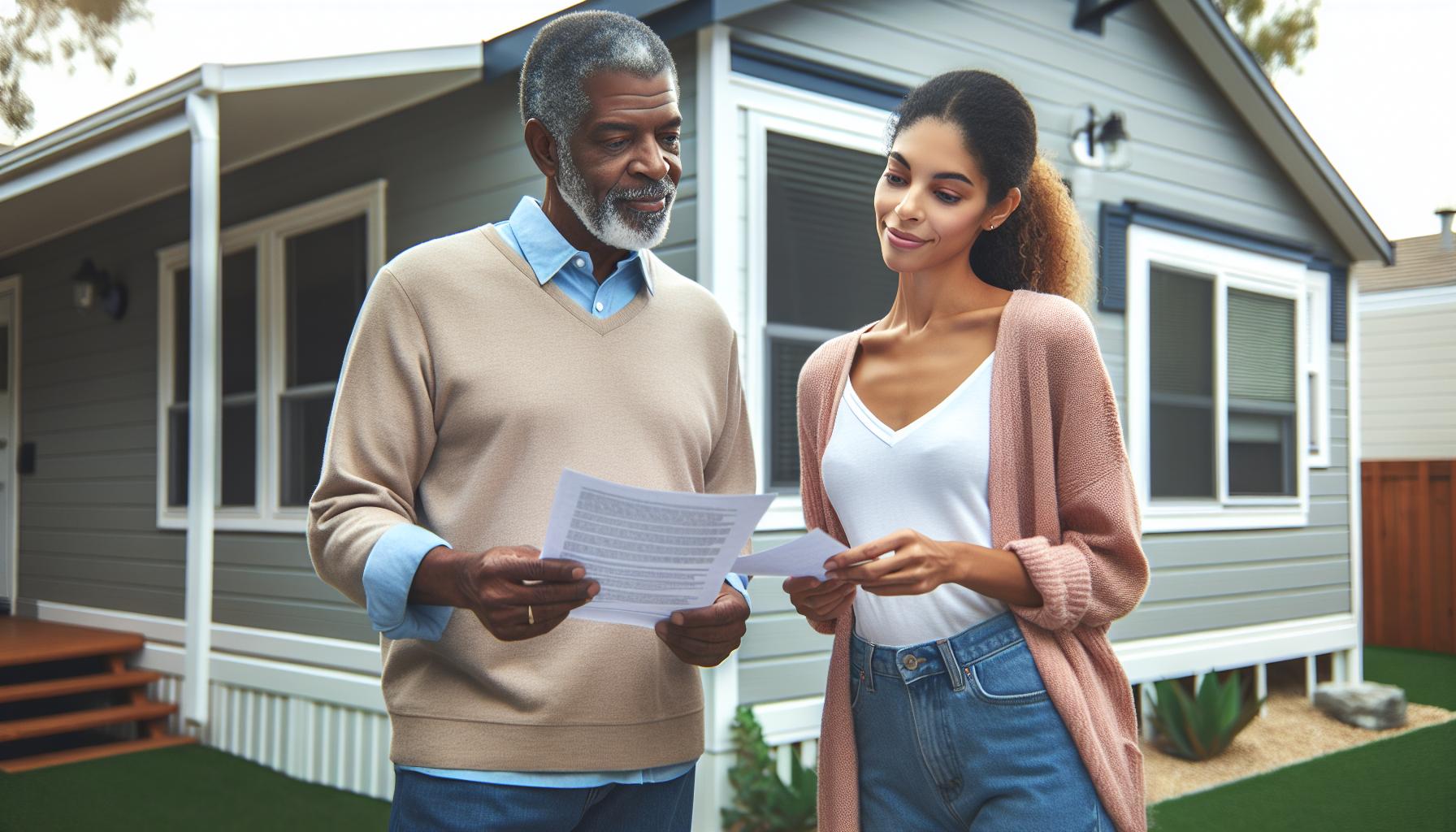
Navigating the Mobile Home Buying Process
Starting your journey toward mobile homeownership can be exhilarating yet complex, especially when aiming to do so with no money down. involves several key steps that can help streamline your experience and enable you to make informed decisions. Understanding the nuances of this market will empower you, making your quest for a new home less daunting and more rewarding.
First, it’s essential to determine your budget and financing options early on. While many assume a substantial down payment is required, several programs cater to those looking to finance with little to no initial investment. For instance, FHA’s Title I Manufactured Home Loan Program allows buyers to secure a loan without needing a hefty deposit, making it accessible to more individuals. Once your financing is sorted, you’ll want to identify the types of mobile homes that fit your needs-considerations might include size, layout, or whether you prefer a new or used home.
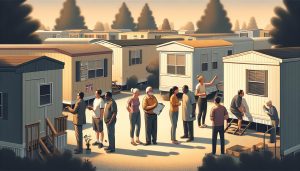
After establishing your budget and preferred home type, the next phase involves thorough research to find the right mobile home. Utilize online platforms, such as Realtor.com, to browse listings in your area, gathering valuable information on pricing, features, and community layouts. It’s advisable to visit local mobile home dealerships and communities as well; this not only gives you a chance to tour models firsthand but also to establish relationships with sales professionals who can assist you through the buying process.
When you find a mobile home that piques your interest, take the time to inspect it thoroughly. Ensure all aspects-from structural integrity to appliance functionalities-are in optimum condition. Consider hiring a professional inspector who specializes in mobile homes; their expertise can identify potential issues that may not be immediately apparent. This step is critical, especially for first-time buyers, as it safeguards your investment and future comfort in your new home.
Finally, don’t shy away from negotiating the final price. The mobile home market can be competitive, but being informed about your options and prevailing market rates will bolster your bargaining power. For instance, if similar homes in the area are listed at lower prices, use that data to your advantage. Remember, a well-researched and engaged buyer is preferable to stressed sellers who may be more willing to entertain fair offers.
By following this structured approach and arming yourself with knowledge and resources, you can navigate the mobile home buying process confidently and effectively, opening doors to a newfound lifestyle without the heavy financial burden of a traditional home purchase.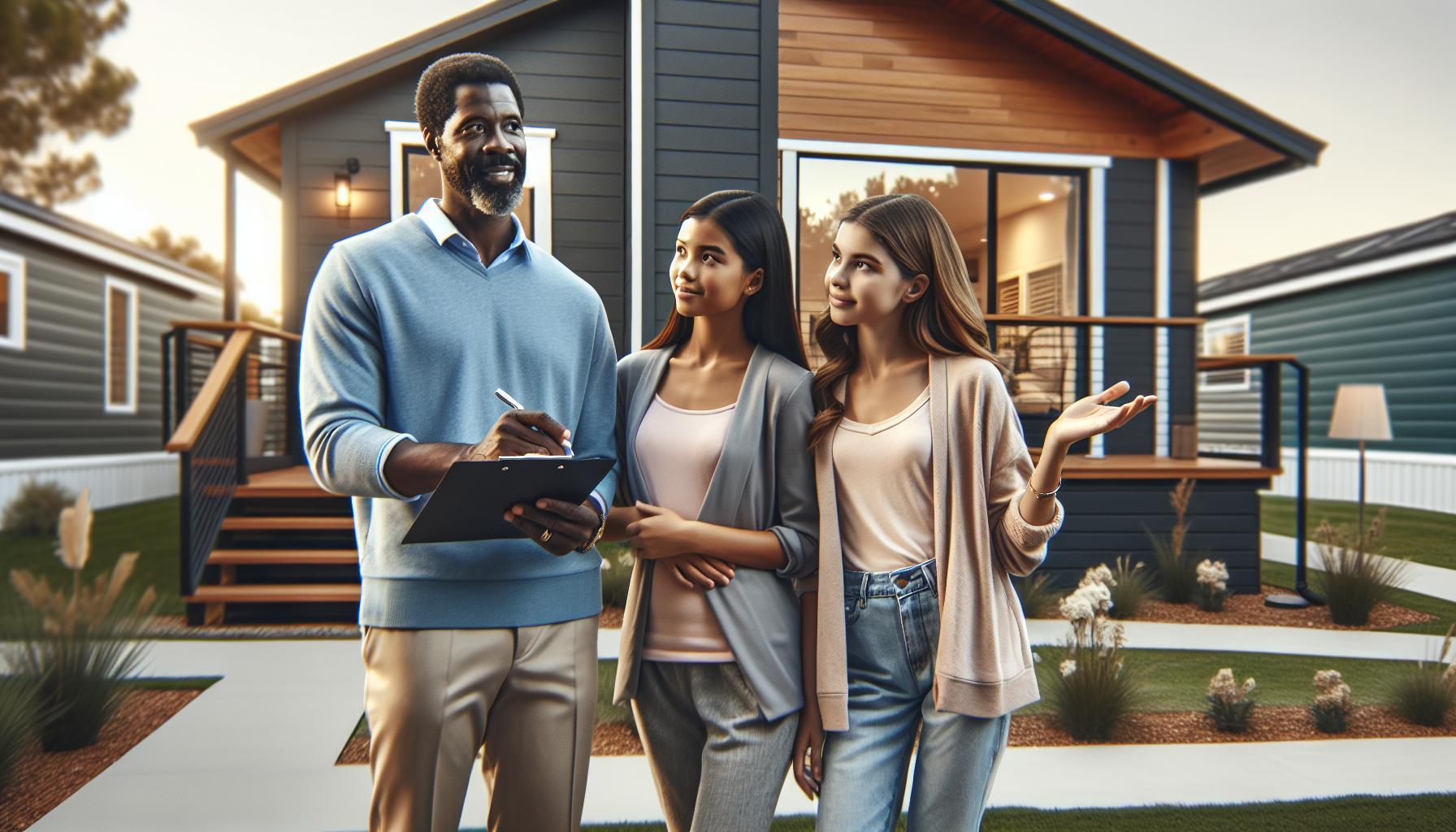
Finding the Right Mobile Home for You
Finding your ideal mobile home is akin to embarking on an adventure, where every turn you take can lead you to a place that aligns perfectly with your lifestyle and budget. With a myriad of options available, understanding what you need and want from your future home can help you narrow down the search more effectively. The mobile home market features diverse models ranging from single-wides to spacious double-wides, each offering unique attributes that can cater to different preferences, whether you’re a solo occupant, a couple, or a larger family.
When beginning your search, consider the following criteria to guide you in selecting the right home:
- Size and Layout: Assess how much space you need. Single-wide homes are ideal for tighter spaces or smaller families, while double-wide homes provide room for growing families or those who prefer larger living areas. Pay attention to the number of bedrooms and bathrooms to ensure it suits your needs.
- Condition: Decide if you’re looking for new construction or a pre-owned home. New models come with modern amenities and warranties, while used homes can offer better pricing but may require renovations that could impact your budget.
- Community Amenities: If you’re considering placing your mobile home in a park or community, investigate the amenities available, such as playgrounds, pools, or community centers, alongside the overall community culture.
- Location: Evaluate where you’d like to live based on proximity to work, schools, healthcare, and entertainment. The right location can enhance your quality of life significantly.
- Budget: Beyond the purchase price, consider additional costs such as lot rent, utilities, insurance, and maintenance. Understanding total ownership costs will prevent financial strain down the road.
Once you’ve honed in on your preferences, leverage online resources like mobile home listing websites, local dealerships, or even social media groups specializing in mobile home sales to gather comprehensive information about available properties. It’s beneficial to visit potential homes in person to get a real sense of layout and space. Engaging directly with sellers or dealership representatives can also provide insights into negotiation flexibility and the home’s background, which can be invaluable when finalizing your choice.
Ultimately, finding the right mobile home is about ensuring that it fits your lifestyle while catering to your financial goals. With thoughtful consideration of your needs and diligent research, you can discover a home that not only meets your expectations but also enhances your day-to-day living experience.
Inspecting a Mobile Home Before Purchase
When considering the purchase of a mobile home, conducting a thorough inspection is a pivotal step in ensuring you make a sound investment. Many buyers might overlook this process, but an independent inspection can uncover critical issues that could lead to costly repairs down the line. Unlike traditional homes, mobile homes present unique characteristics and potential concerns that require specific attention.
Begin by focusing on the structural integrity of the mobile home. Check for visible signs of damage such as cracks in the walls or foundations and inspect the roof for any signs of leaks or wear. Ensure that the home is properly leveled, as an unlevel home can lead to numerous issues, including door misalignment and potential water damage. Additionally, look closely at the windows and doors for functionality; they should open and close easily, and there should be no drafts indicating poor insulation.
### Key Areas to Inspect
- Plumbing: Inspect all pipes, fixtures, and the water heater for leaks and proper functionality. It’s essential to assess whether the plumbing system meets local codes and is in good working order.
- Electrical System: Verify that the electrical panel is up to code and that outlets are functioning correctly. Look for any exposed wiring or other hazards, as this can jeopardize safety.
- Foundation: Examine the foundation itself, as manufactured homes often require proper anchoring and tie-downs to withstand strong winds or storms. If you’re unsure, consulting a professional can provide peace of mind.
- HVAC System: Check the heating and cooling systems to ensure they are functioning efficiently. This can significantly affect your comfort and utility costs.
It may also be beneficial to hire a qualified home inspector who has experience with mobile homes. They can provide a more comprehensive evaluation and point out issues you might not notice. For example, there can be specialized considerations like skirting conditions, insulation type, and the home’s response to weathering, especially in flood-prone areas. By being proactive in your inspection process, you significantly reduce the risk of unexpected repairs, making your transition into mobile homeownership smoother and more secure.
In the end, an informed buyer is a successful buyer. Properly not only protects your investment but also enhances your overall satisfaction with your new home, leading to a fulfilling and stable living experience.
Negotiating the Best Price in a Competitive Market
In a competitive market, securing your dream mobile home at the right price can feel daunting, but with a strategic approach, you can navigate the process smoothly. One effective tactic is to arm yourself with comprehensive knowledge about the mobile home market in your area. Research similar homes and recent sales to gauge the fair market value. Understanding how long the home has been on the market can also provide leverage; homes that linger may indicate price flexibility.
A crucial point in negotiations is to focus on building rapport with the seller. Engage in open communication and express genuine interest in their property. This relationship-building can facilitate a smoother negotiation process, allowing for a better understanding of the seller’s motivations-whether they need a quick sale or are simply trying to maximize their profit. If you notice any issues during your inspection, such as plumbing or electrical concerns, use these as negotiation tools. Highlighting potential repairs can justify your offer price while providing the seller with an incentive to agree.
Making Your Offer
When making your offer, consider including specific terms that may appeal to the seller. For example, offering a quicker closing date or being flexible with move-in dates can set your offer apart from others. If you are planning to purchase with no money down, be transparent about your financing method and assure the seller that you have been pre-approved if applicable. This transparency builds trust and increases the likelihood they will consider your offer seriously.
Additionally, prepare to negotiate not just on price but on other conditions of the sale, such as including appliances or covering closing costs. Demonstrating your willingness to negotiate on various aspects can make your offer more attractive without engaging in a bidding war. Remember, patience and flexibility are essential; sometimes, the right deal takes time and requires navigating a few rounds of back-and-forth negotiations.
By arming yourself with knowledge, fostering relationships, and being willing to negotiate creatively, you can position yourself to strike the best deal possible, even in a competitive mobile home market.
Legal Requirements for Mobile Home Ownership
Navigating the legal landscape of mobile home ownership is essential for a smooth ownership experience. Acquiring a mobile home involves understanding a variety of regulations, permits, and legal responsibilities that can differ significantly from traditional home buying. Whether you’re purchasing a mobile home to live in or as an investment, knowing the legal requirements can help you avoid potential pitfalls and ensure a successful transition into mobile home living.
First and foremost, it’s important to determine the classification of the mobile home you intend to purchase. Mobile homes can often be classified as vehicles or real estate, depending on whether they are permanently affixed to a foundation or remaining on their wheels. This distinction affects financing, insurance, and property taxes. Ensure that the title of the mobile home is free of liens, and verify whether it needs to be converted to real property, which entails following local regulations for making it affixed to land.
When it comes to zoning and land use, check the local regulations governing mobile homes in your area. Many municipalities have specific zones where mobile homes are permitted. If you plan to place your mobile home on a specific plot of land, confirm that the land is zoned appropriately for mobile home use and that you comply with any homeowners’ association (HOA) rules, if applicable. This includes investigating any required permits for installation and connections to utilities like water, sewage, and electricity.
Insurance is another critical legal requirement. While mobile homes can require different types of insurance than traditional homes, obtaining a policy that covers your investment against risks such as fire, theft, and natural disasters is essential. Keep in mind that some lenders may require specific insurance coverage when financing a mobile home. Moreover, familiarize yourself with safety regulations and requirements pertaining to mobile homes, which may include installation standards and ongoing maintenance responsibilities.
Lastly, understanding the process of buying and selling mobile homes in your state is crucial. Each state has its own rules regarding mobile home transactions, including the need for written contracts, disclosures, and transfer of title procedures. Be prepared to enlist the help of a real estate attorney or knowledgeable broker to guide you through the legalities to ensure compliance with all local and state laws.
In summary, while purchasing a mobile home can be a rewarding step toward homeownership, paying attention to the legal requirements can safeguard your investment and provide peace of mind. From understanding property classification to securing the appropriate permits and insurance, taking the time to navigate these legal aspects effectively will empower you to enjoy your new mobile home confidently.
Setting Up Your Mobile Home: A Step-by-Step Guide
Moving into a mobile home can be an exciting journey, offering a unique blend of affordability and flexibility. However, the setup process is critical to ensure that your new residence is both safe and comfortable. Following a systematic approach will help you efficiently establish your mobile home in its new location, ensuring you can enjoy your new living space with peace of mind.
Step 1: Site Preparation
Before your mobile home arrives, ensure that the site is properly prepared. This includes leveling the ground and creating a stable foundation. Depending on your mobile home’s size and local regulations, you may opt for a concrete slab, piers, or a combination of both. Proper site preparation will help prevent issues such as uneven floors or damage during storms.
- Assess the Location: Check for proper drainage and whether the land is adequately cleared of debris.
- Leveling the Ground: Use a transit level to find any low spots that need filling. This can prevent water accumulation under the home.
Step 2: Anchoring the Mobile Home
Once your mobile home is in place, securely anchoring it is essential for stability. Most areas require that mobile homes be tied down to withstand high winds, especially in hurricane-prone regions. Here are some basic anchoring steps:
- Install Anchor Straps: Use metal straps or cables to tie down the home at specified anchor points.
- Follow Local Codes: Ensure compliance with local regulations regarding anchoring and tie-down procedures.
Step 3: Connecting Utilities
Having your utilities connected is crucial for making your mobile home livable. This typically includes:
- Water Supply: Connect to city water or install a well system. Ensure plumbing is securely connected and tested for leaks.
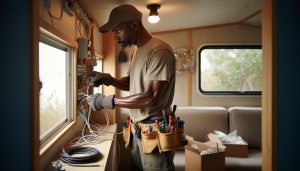
- Electricity: Hire a licensed electrician to safely connect your home to the electrical grid.
- Sewer or Septic: If using a septic system, ensure it’s installed according to local health regulations.
Step 4: Final Inspections and Adjustments
After the installation is complete, conduct a thorough inspection. Check for any uneven spaces between the floors and walls, and make minor adjustments if necessary. It’s beneficial to have a professional inspect the setup to ensure everything is compliant with local codes.
Following these steps will guide you through the critical phases of setting up your mobile home, helping create a secure, comfortable environment. With proper preparation and execution, mobile home living can offer a fulfilling lifestyle with both freedom and community.
Essential Maintenance Tips for New Owners
Owning a mobile home can be a fulfilling and economical choice, but it does come with unique maintenance needs that every new owner should be aware of. Regular upkeep not only enhances your home’s comfort but also safeguards your investment over time. Ignoring maintenance tasks may lead to costly repairs later, so establishing a routine early on is essential.
Regular Inspections
Make it a habit to inspect various elements of your mobile home on a seasonal basis. Check for signs of wear and tear in window seals, roof shingles, and door frames. Moisture can cause significant damage if left unchecked, so look for any water stains or mold which may indicate leaks. It’s advisable to examine plumbing fixtures and connections regularly for any signs of leaks, ensuring a quick response to prevent extensive water damage.
Maintaining the Exterior
The skirting that conceals the base of your mobile home is critical for insulation and preventing pests from entering. Ensure that it is intact, free of damage, and properly insulated against extreme weather conditions. Additionally, inspect and maintain your roof regularly. Regular roof maintenance involves cleaning gutters and downspouts to avoid water accumulation and potential leaks.
- Cleaning Gutters: Remove leaves and debris at least twice a year to ensure water flows smoothly off the roof.
- Checking for Pests: Look for signs of rodents or insects in and around the skirting and under the home.
Essential Interior Care
Inside your mobile home, prioritize HVAC system maintenance by changing filters every three months to maintain air quality and efficiency. Engage a professional for annual checks on your heating and cooling systems to improve their lifespan. Additionally, consider scheduling a plumber to inspect your piping to catch any potential issues before they escalate.
For regular cleaning, use appropriate materials that won’t damage surfaces. Stop using heavy-duty or abrasive cleaners as they can harm your countertops and cabinets. Instead, opt for gentle, eco-friendly cleaners and a microfiber cloth for dusting.
Investing a little time in these fundamental maintenance tasks will not only keep your mobile home comfortable but will also maximize its lifespan, ensuring your living environment remains a secure and pleasant place for years to come.
Maximizing Value: Renovation Projects that Pay Off
Investing in the appearance and functionality of your mobile home is not only a way to enhance your living environment but can also significantly increase the property’s market value. Renovations can range from simple cosmetic updates to more substantial structural upgrades, providing homeowners with an impressive return on investment. Understanding which projects yield the best results will help you prioritize your efforts wisely.
Cosmetic Upgrades That Make an Impact
A fresh coat of paint is one of the most cost-effective ways to give your mobile home a new look. Opt for neutral tones to appeal to a broad market when considering resale. Updating fixtures, such as cabinet hardware and light switches, can also create a modern vibe without breaking the bank. Additionally, new flooring plays a vital role in aesthetics and functionality. Consider vinyl plank flooring; it’s affordable, durable, and mimics the look of hardwood without the high maintenance.
Functional Enhancements to Boost Resale Value
Beyond cosmetics, investing in functionality is crucial. Upgrades to kitchens and bathrooms typically yield high returns. Consider replacing outdated appliances with energy-efficient models and installing a contemporary sink or faucet. In bathrooms, converting a standard tub into a step-in shower not only enhances usability, especially for older residents, but also adds a luxurious touch. These upgrades are often viewed favorably by potential buyers who are looking for move-in ready homes.
Outdoor Improvements
Don’t overlook the exterior of your mobile home. Curb appeal can significantly affect first impressions. Replacing or repairing skirting, adding a deck, or investing in landscaping can create an inviting atmosphere. Simple touches, such as painting the front door or adding attractive exterior lighting, can further enhance appeal without requiring substantial investment.
By focusing on these renovation projects, you can maximize the value of your mobile home while creating a comfortable, stylish living space. Understanding the balance between investment and potential return is essential in making smart choices that enhance both your enjoyment and the property’s marketability.
Insurance Considerations for Mobile Home Buyers
Obtaining the right insurance for your mobile home is crucial for protecting your investment and ensuring peace of mind. Mobile homes, while offering a unique and affordable housing option, also come with specific risks that standard homeowners insurance may not cover. When purchasing insurance, it’s imperative to look for a policy that not only meets your financial needs but also adequately covers the unique characteristics of mobile homes.
Understanding Coverage Options
Insurance for mobile homes can differ significantly from traditional home insurance. Key coverages typically included are:
- Replacement Cost Coverage: This covers the cost of replacing your mobile home if it is damaged beyond repair, which is essential for financial protection.
- Liability Protection: This protects you in case someone is injured on your property, covering legal costs and medical expenses.
- Personal Property Coverage: This covers your personal belongings within the mobile home, providing protection against theft, fire, or other disasters.
- Additional Living Expenses: If your mobile home becomes uninhabitable, this coverage helps pay for temporary housing costs.
Choosing a reputable insurance provider with experience in mobile home coverage is important. Companies like Progressive and GEICO offer policies tailored to manufactured homes, ensuring all specific needs are addressed, from structural issues to liability concerns. It’s advisable to compare quotes and review the coverage limits, deductibles, and any exclusions before settling on a policy.
Special Considerations for Mobile Home Insurance
When purchasing a mobile home, particularly if it’s located in a flood-prone area or places susceptible to severe weather, consider additional coverage like flood insurance or comprehensive policies that address storm damage. Certain lenders may require specific types of insurance for financing, so always consult your lender to ensure compliance with their requirements. In areas with a high rate of claims denials, such as those seeking coverage due to prior issues with other insurers, exploring options like the FAIR Plan can be beneficial if you encounter difficulties obtaining standard coverage [[[1]].
By being proactive in selecting the right insurance and understanding your policy’s nuances, you can safeguard your mobile home effectively, allowing you to enjoy your living experience without the looming threat of unexpected financial burdens.
Preparing for Hurricane Season in Your Mobile Home
Hurricane season can pose significant challenges for mobile homeowners, but with proactive measures, you can protect your property and ensure your safety. Mobile homes, due to their structure, require particular attention when it comes to hurricane preparedness. Unlike traditional homes, they are often more vulnerable to strong winds and flooding, making careful planning and execution essential.
Start by evaluating your mobile home’s anchoring and stability. Ensure that it is securely anchored according to local building codes. Utilizing tie-down systems that properly anchor the home to the ground can make a substantial difference in wind resistance. Additionally, check for any signs of wear or damage to your home’s foundation and consider seeking professional assistance if needed to reinforce structures or make necessary repairs.
A comprehensive emergency kit is crucial. This should be stocked with essentials for at least three to five days, including non-perishable food, water, medications, a flashlight, batteries, and a first aid kit. Think about adding important documents, like insurance policies and identification, to a waterproof container. Establish a communication plan with family and friends so everyone knows what to do and where to meet in case of an emergency.
Finally, stay informed about the weather and have a clear evacuation plan. Know your evacuation routes and have a checklist to follow, ensuring you gather everything you need before leaving your mobile home. Familiarize yourself with local shelters and their policies regarding pets if applicable. Taking these steps will not only provide peace of mind but also help you navigate the hurricane season with confidence, turning potential chaos into a well-organized response.
Frequently asked questions
Q: What are the best financing options for buying a mobile home with no money down?
A: The best financing options for purchasing a mobile home with no money down include government-backed loans like FHA Title I loans and local assistance programs. These options are typically available for low-to-moderate-income buyers and can provide 100% financing in eligible areas. Research local lenders and programs for specific requirements.
Q: Can I buy a mobile home with bad credit and no down payment?
A: Yes, it is possible to buy a mobile home with bad credit and no down payment. Look for specialized lenders who focus on bad credit financing or explore government programs that cater to low-income buyers. Improving your credit score before applying can improve your chances of approval.
Q: How do I find mobile home down payment assistance programs?
A: To find mobile home down payment assistance programs, start by visiting local housing agencies or checking online resources. Websites like HUD provide lists of eligible programs and contact information for lenders who offer assistance in your area.
Q: What should I consider when choosing a location for my mobile home?
A: When choosing a location for your mobile home, consider factors like zoning laws, proximity to schools and workplaces, access to utilities, and community amenities. Additionally, ensure the area is safe and suitable for mobile homes to avoid potential legal or structural issues.
Q: Are there specific insurance requirements for mobile home buyers?
A: Yes, mobile home buyers typically need specific insurance coverage, including homeowners’ insurance and windstorm insurance, especially in hurricane-prone areas. Review state regulations and lender requirements to ensure adequate coverage that protects your investment.
Q: What are the legal requirements for mobile home ownership?
A: Legal requirements for mobile home ownership include proper titling and registration, adherence to local zoning laws, and compliance with health and safety regulations. Ensure you understand local ordinances governing mobile homes and complete any necessary paperwork to establish ownership legally.
Q: How can I ensure the mobile home I buy is worth the price?
A: To ensure a mobile home is worth its price, conduct a thorough market analysis, compare similar homes in the area, and consider hiring a professional appraiser. An inspection can also reveal any hidden issues that could affect the home’s value.
Q: What steps should I take to maintain my mobile home after purchase?
A: After purchasing a mobile home, regular maintenance is key. Prioritize tasks such as seasonal inspections, pest control, plumbing upkeep, and roofing checks. Create a maintenance schedule and budget for repairs to keep your home in excellent condition long-term.
Wrapping Up
Now that you’ve explored how to buy a mobile home with no money down, you’re well on your way to making your dream of homeownership a reality. Remember, taking this step opens doors to a new lifestyle filled with opportunities for customization and community living. Don’t hesitate to dive deeper into our resources on mobile home maintenance and financing options to ensure a smooth transition into your new home.
If you found this guide helpful, consider signing up for our newsletter for more insights and tips on mobile home living. Join our community of homeowners today and start your journey with confidence. If you have any questions or need further assistance, feel free to leave a comment below or explore our links to related articles that can provide more guidance, such as our Ultimate Guide for First-Time Buyers and manufactured housing homeowner resources at HUD. Your next steps toward an exciting new chapter await!