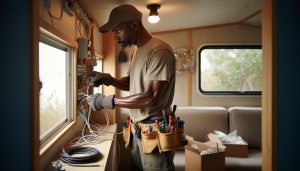
Moving a mobile home can often feel like a daunting task, especially when it comes to managing costs that can skyrocket into the thousands. But did you know there are proven strategies to move your home for free? In this guide, we’ll explore four effective methods that can help you seamlessly relocate your mobile home without spending a penny. Whether you’re a budget-conscious homeowner or simply looking to minimize expenses, understanding these approaches can empower you to take control of your move. By reading on, you’ll discover how to navigate this aspect of mobile home ownership with savvy and confidence, ensuring that your transition to a new space is as smooth and affordable as possible. Let’s dive in and uncover these practical solutions together!
Understanding Mobile Home Moving Regulations
Understanding the rules and regulations governing the moving of mobile homes is crucial for anyone looking to relocate their residence. Navigating this landscape can seem daunting, but with the right knowledge, you can ensure a smooth transition. In many states, including Missouri, specific regulations dictate how manufactured homes may be moved, emphasizing the importance of adhering to local laws to avoid penalties.
When planning a move, it’s essential to be aware of width limitations and required permits. For instance, in Missouri, manufactured and sectional homes being moved can be up to twelve feet four inches (12’4″) wide under an annual blanket permit, which streamlines the moving process for homeowners and movers alike. Ensuring you have the appropriate permits before the move not only keeps you compliant with regulations but also reduces potential delays and complications on moving day. It’s advisable to consult resources like the Missouri Department of Transportation, which provides comprehensive guidelines about household goods transport and consumer rights around moves within the state [[1]](https://oversize.io/regulations/manufactured-homes-moving/missouri) [[2]](https://www.modot.org/HHGoods).
Moreover, understanding potential insurance requirements is vital. While it’s commonly overlooked, having insurance during transit can protect you against unforeseen incidents that might cause damage to your mobile home or personal property. It’s advisable to discuss insurance options with your moving company and ensure you are adequately covered throughout the relocation process.
Engaging with local authorities or consulting knowledgeable professionals can further enhance your understanding of mobile home regulations. They can provide insight into local zoning laws that may affect where you can place your mobile home after the move, ensuring that you comply with any community standards or restrictions. Overall, being informed and prepared can make all the difference in successfully relocating your mobile home with minimal stress.
Evaluating Your Options for Free Moving Services
Evaluating the various avenues available for free moving services can uncover potential savings when relocating your mobile home. Many homeowners assume that moving a mobile home is always a costly venture, but with careful planning and resourcefulness, you can explore options that significantly reduce or even eliminate moving costs.
One potential method is to engage with local community resources such as trade schools or vocational programs. Many students in these programs seek hands-on experience and may offer their services for a minimal fee or in exchange for course credit. Reach out to local schools that specialize in construction, transportation, or heavy equipment operation. They may have budding professionals eager to gain experience, along with instructors who can oversee the move to ensure everything is done safely and legally.
Another option is to connect with local volunteer organizations. Several nonprofit groups focus on helping individuals in need, including assistance with housing. These organizations may have volunteers or resources available specifically for moving services. For example, inquire with organizations like Habitat for Humanity or local churches, which often engage in community aid and may be able to assist either through manpower or even partnerships with moving companies.
Utilizing social media platforms or community bulletin boards can also yield unexpected results. Sharing your need for moving assistance on platforms like Facebook or Nextdoor can connect you with local residents willing to lend a hand or provide recommendations for free or low-cost moving options. Be vocal about your situation; you might find neighbors with trucks or trailers who can help transport your mobile home, cutting down on labor costs and achieving a community-oriented solution.
Lastly, explore options for organizing a moving party with close friends or family. Offering food and drinks as a thank-you can not only create a fun atmosphere but also foster relationships while getting the job done. This DIY approach can minimize costs significantly and allows you to have direct control over the moving process, making the experience more enjoyable and less stressful.
Using Local Community Resources for Assistance
Navigating the process of moving your mobile home can be daunting, but leveraging local community resources can provide invaluable assistance and potentially minimize costs. Many neighborhoods are rich in connections, resources, and supportive services that can make your move easier and more affordable. By tapping into these local assets, you can discover practical solutions that align with your moving needs.
Engage with Local Trade Schools and Vocational Programs
One of the most effective ways to find help is by reaching out to nearby trade schools and vocational programs specializing in construction, transportation, or heavy equipment operation. These institutions often look for opportunities for their students to gain practical experience. As a mobile home owner, you can connect with instructors who might facilitate a student-led moving project, offering their services at a considerably reduced rate or even for free in exchange for learning credits. This collaboration not only fosters education but also ensures your move is supervised by knowledgeable individuals, significantly enhancing safety.
Connect with Community Volunteer Organizations
Local nonprofit organizations like Habitat for Humanity or community churches often dedicate resources to assist individuals in need. These groups may have volunteers willing to lend a hand during your move, or they may have established relationships with local moving companies that can offer discounted rates for community members. It’s worthwhile to reach out and inquire about any programs or services these organizations provide specifically for housing mobility, as they can sometimes coordinate assistance that extends beyond just manpower.
Utilize Social Media and Community Platforms
Don’t underestimate the power of social media; platforms like Facebook, Instagram, or Nextdoor can be instrumental in connecting you with locals who may be willing to help. By posting about your need for moving assistance, you might discover neighbors with trailers, trucks, or experience looking to lend a hand. Encourage interactions by sharing your story, which can foster community support and lead to practical solutions you may not have previously considered.
Organize a Moving Party with Friends and Family
Finally, consider galvanizing your close network of friends and family for a moving party. This approach turns a daunting task into a community event, making the process more enjoyable. Not only can you provide food and drinks to show your appreciation, but you’ll also create cherished memories that bond you with your helpers. To make this work effectively, plan ahead: gather supplies, organize the logistics, and communicate clearly with everyone involved.
By actively engaging with local community resources and fostering connections, you can significantly lighten the financial and emotional burden that comes with moving your mobile home. Each method offers a unique angle for support, ensuring that you don’t have to navigate this journey alone.
DIY Strategies to Move Your Mobile Home
Moving a mobile home might seem daunting, but with the right approach and preparation, it can be a manageable experience. DIY strategies offer cost-effective options for those looking to save on the expenses of moving their home. Whether you’re a first-time mover or have experience, these methods can empower you to tackle the process efficiently.
To begin, gather a group of capable friends and family. Mobilizing a team can significantly reduce costs and turn a labor-intensive task into a shared experience. It’s essential to plan ahead; organize your crew by outlining the tasks-such as disconnection of utilities, securing permits, and making preparations for transportation. Make it a memorable event by providing food and drinks to fuel your helpers, transforming a challenging project into a bonding opportunity.
Another strategy is to borrow or rent equipment for the move. Consider reaching out to friends or local community platforms to find trucks, trailers, or dollies that can aid in the relocation process. Many backyard mechanics or DIY enthusiasts might possess the necessary tools or vehicles, which can help you cut down on rental costs.
When it comes to the transporting of the mobile home itself, research local laws and regulations to ensure you’re compliant. Often, local jurisdictions require specific permits for moving mobile homes. Understanding these legal requirements helps avoid fines and delays. Online resources and local government offices can provide guidance on your obligations, which is crucial to a successful move.
Finally, you can learn to manage the physical aspects of the move, such as leveling and stabilizing the home during transit. Familiarizing yourself with the basic techniques for securing and stabilizing a mobile home can prepare you better for its eventual setup. This knowledge not only helps in the immediate move but also ensures your home remains in good condition throughout the transition.
By employing these DIY strategies and gathering support from community resources, moving your mobile home can be an attainable, fulfilling endeavor. Embrace the process, and you’ll reap the rewards of a successful relocation without breaking the bank.
Leveraging Volunteer Organizations for Transportation
Leveraging volunteer organizations can be a powerful way to facilitate the transportation of your mobile home at little to no cost. Many communities have groups dedicated to supporting those in need, whether they are low-income families, individuals facing housing crises, or others looking for assistance. Tapping into these resources can not only save you money but also help you connect with compassionate individuals eager to lend a hand.
Start by reaching out to local non-profits, churches, or community centers that may have experience in assisting with mobile home relocations. These organizations often have volunteer networks or can connect you with groups specifically focused on housing assistance. Consider posting on community bulletin boards, both physical and digital, to increase visibility. Providing clear information about your situation and the specifics of your mobile home will help potential volunteers understand how they can participate.
Utilizing social media platforms can also expand your search. Local community groups on Facebook or Nextdoor frequently circulate requests for help, allowing you to reach a wider audience. Don’t underestimate the power of word-of-mouth; sharing your need among friends and family can lead to unexpected connections that may assist with logistics or tools necessary for moving your mobile home.
Moreover, volunteer organizations might have contacts with local individuals who own trucks or specialized equipment that could be used for your move. Be sure to explain your situation honestly and openly, as this openness enhances the chance that people will want to contribute their time and resources. This collaborative spirit not only alleviates the financial burden associated with mobile home transportation but also fosters a sense of community and support during a significant life transition.
Negotiating with Mobile Home Movers for Discounts
Negotiating with mobile home movers can significantly reduce the costs associated with relocating your home, making it a worthwhile endeavor. Many people are unaware that moving companies often have flexibility in their pricing, which can be leveraged in your favor, particularly if you approach the discussion armed with the right knowledge and strategy.
To initiate the conversation effectively, research multiple moving companies in your area. Gather quotes to understand the typical cost of mobile home moving services. This information not only provides a benchmark for your negotiations but also allows you to identify which companies may be more willing to offer discounts. When you reach out, consider asking about special rates, particularly during off-peak seasons or if you are able to offer them flexibility with scheduling. Movers may have lower demand during certain times, making them more inclined to negotiate on price.
Additionally, be honest about your budget constraints. If you can offer to cover the basic costs only or negotiate payment plans, many companies may appreciate your transparency and willingness to work within their terms. Remember, if a mover knows your commitment level, they may be more receptive to providing a discount. Another effective strategy is to inquire about any current promotions, referral discounts, or loyalty programs that could apply to your situation.
Establishing a personal rapport with the representative can also make a difference. Share your story, explain why moving is important to you, and express any particular challenges you are facing. Genuine conversations can often create goodwill, leading to unexpected concessions. Always remember to get everything in writing, including final quotes and any negotiated discounts, to ensure clarity and protect yourself against unexpected charges. This proactive approach not only fosters a positive interaction but also enhances your chances of securing a better deal, ultimately lessening the financial burden of your mobile home move.
Preparing Your Mobile Home for a Move
requires careful attention to detail and a systematic approach to ensure a smooth transition. One critical first step is to assess the condition of your home. Check for any structural issues, such as loose siding or weak supports, which could be exacerbated during transportation. Securing the exterior, including windows and doors, is essential; use plywood or heavy plastic to cover any openings to prevent damage from wind and debris.
Next, focus on the interior. Begin by removing all personal belongings, as well as any items that could become projectiles during the move. Detach any fixtures that won’t be moving with the home, like wall-mounted shelves or heavy furniture. It’s also advisable to secure appliances and electrical components. To avoid damage, consider consulting with an electrician to safely disconnect any utilities.
Documentation and Permits
It’s crucial to ensure you have all necessary documentation for the move. This often includes proof of ownership, registration papers, and any permits required by local regulations. Contact your local authorities ahead of time to inquire about permits and zoning laws, as these can vary significantly by location. Having the right paperwork in order will not only expedite the process but also prevent delays on moving day.
To summarize the key steps for preparing your mobile home for relocation:
- Conduct a thorough inspection: Check the exterior and interior for repairs needed.
- Secure items: Remove and protect fixtures and personal belongings.
- Handle utilities: Disconnect services such as water, electricity, and gas safely.
- Gather documentation: Ensure all necessary permits and ownership papers are ready.
Investing time in these preparations can help mitigate risks, protect your investment, and facilitate a much smoother moving experience, ensuring that your mobile home arrives safely at its new destination.
Essential Equipment for a Successful Move
Moving a mobile home involves much more than just relocating; it requires specific equipment to ensure safety and efficiency throughout the process. Understanding what equipment is necessary can save you time, reduce stress, and ultimately help you to move your home without incurring significant costs.
To start, a strong, well-maintained mobile home towing vehicle is essential. Depending on the size and weight of your home, you may need a heavy-duty truck or a specialized trailer. This vehicle should be equipped with the proper towing capacity and safety features, including functioning brake lights, turn signals, and safety chains. Always check local regulations to ensure your vehicle meets necessary towing standards.
Once you have the right vehicle, you will need moving equipment. This includes items such as dollies and jacks, which help lift and stabilize the mobile home during the move. Adjustable hitch systems are also crucial for ensuring that the trailer is properly aligned and that weight distribution is even for increased stability on the road. Investing in high-quality strapping and securing materials is equally important to keep the home secure during transit, preventing any potential wobbling or damage.
Additionally, consider having a comprehensive toolkit on hand for any unforeseen issues that may arise during the relocation. This could include wrenches, screwdrivers, hammers, and other tools necessary for making adjustments or repairs en route. Having a reliable communication device, like a cell phone or two-way radios, is also crucial for maintaining contact with your moving team, ensuring everyone is on the same page throughout the process.
Lastly, carefully assess whether renting or borrowing some of this equipment might be feasible for you. Local community resources, such as home improvement stores or community organizations, might offer rental services that can significantly lower overall moving costs. By utilizing the right equipment and planning carefully, your mobile home move can be executed smoothly, allowing you to focus on settling into your new location.
Navigating Permits and Legal Requirements
Navigating the process of moving a mobile home often requires a thorough understanding of the permits and legal requirements involved. Each state has its own set of regulations that govern mobile home relocation, which can appear daunting at first. However, being well-informed can greatly simplify your moving experience and prevent potential issues down the road.
In California, for instance, several types of permits are mandated for moving mobile homes. These include single-trip permits for one-time moves, annual permits for ongoing relocations within a year, and repetitive permits for those planning multiple moves within a specified timeframe. To ensure compliance, it’s crucial to familiarize yourself with local laws so that you can apply for the appropriate permits well in advance of your move [1[1].
Before starting the application process, gather necessary documentation pertaining to your mobile home, such as ownership titles, insurance information, and proof of any outstanding fees. The review process can take time, so it’s advisable to submit your application as early as possible. Additionally, contacting your local building authority or department of housing can provide valuable insight into specific requirements or any additional documents needed for approval [2[2].
Understanding the size specifications stipulated in the permits is equally essential. For instance, California enforces size limits-such as a maximum width of 14 feet and a length of 105 feet (80 feet for housing including the tongue)-for mobile homes during transport. Ensuring that your mobile home adheres to these dimensions will save you from potential legal troubles while on the road [3[3].
By comprehensively preparing for the permitting process, you empower yourself to manage one of the more complex aspects of relocating a mobile home, ultimately easing your transition to a new residence.
Cost Saving Tips for Mobile Home Relocation
Moving a mobile home doesn’t have to drain your finances. With careful planning and a proactive approach, you can effectively reduce the costs associated with this process. Here are some strategic tips that can help you save money while ensuring a smooth transition to your new location.
One of the most impactful ways to cut expenses is by obtaining multiple quotes from moving companies. Prices can vary significantly, so shopping around allows you to compare rates and services to find the best deal. Moreover, don’t hesitate to negotiate with movers; they may be willing to offer discounts or flexible payment options to secure your business. Additionally, consider scheduling your move during off-peak seasons when demand is lower, as rates are often reduced during these times.
Utilizing your local community resources can also be a tremendous asset. Reach out to friends, family, and neighbors who might have the necessary equipment, such as trucks or trailers, for transportation or can assist with labor. You may even find community boards or social media groups where locals offer moving services or share tools for free or at a low cost.
Another avenue to explore is leveraging volunteer organizations, which sometimes assist with mobile home relocations, particularly in cases where the move is for a charitable purpose. Contact local churches, non-profits, or community outreach programs to see if they have initiatives in place to help individuals with moving costs or labor.
Lastly, don’t overlook the possibility of a DIY approach. Preparing your mobile home for the move on your own can save significant labor costs. This includes packing your belongings, detaching utilities, and ensuring that the home is properly secured for transport. Familiarizing yourself with the necessary requirements and equipment ahead of time can eliminate additional labor charges and help align your move with your budgetary goals.
By employing these cost-saving strategies, you’ll not only ensure a successful relocation but also maximize your financial resources, making your mobile home transition a smooth and manageable experience.
Post-Move Considerations for Mobile Home Setup
Successfully transitioning to a new location with your mobile home is just the beginning; how you set it up post-move significantly affects your long-term enjoyment and safety. Ensuring that your mobile home is properly installed and functioning optimally can save you from costly repairs and inconveniences in the future. Prioritizing tasks such as leveling, anchoring, and reconnecting utilities will provide a solid foundation for your new living arrangements.
Leveling Your Mobile Home
One of the first tasks after your mobile home arrives is to ensure it is level. An unlevel home can lead to structural issues, drainage problems, and discomfort for the residents. To level your mobile home, use a leveling tool to check the corners and centers of each side. You’ll want to adjust the piers under the mainframe of the home as needed. Ensure that every corner is within a few inches of level by adding or removing blocking material.
Anchoring for Stability
After leveling, anchoring the mobile home is vital, especially in areas prone to strong winds or hurricanes. Use hurricane straps and anchors to secure your home to the ground. This not only stabilizes the structure but also helps meet local building codes. Consult with your local building department to ensure compliance with safety regulations, which can vary by region.
Reconnecting Utilities
Once your mobile home is securely leveled and anchored, it’s time to reconnect utilities such as water, electricity, and sewage. This often requires professional assistance to ensure that connections are safe and up to code. Before reestablishing these connections, inspect the lines and connections for any damage that might have occurred during the move. Verify that all valves, switches, and faucets are in good condition and functioning properly.
Addressing Permits and Inspections
Before you start living in your mobile home, it’s essential to check if the installation requires any permits or inspections. Many local governments will require an occupancy permit, which verifies that your home is installed correctly and safely. Engaging with local authorities early in the process can save you from potential fines later on and help you gain peace of mind.
Maintaining the Setup
Regular maintenance checks should also be part of your routine. Inspect the anchoring systems, check for water leaks, monitor electrical systems, and ensure that the exterior is well maintained to prevent long-term damage from weather. Creating a documentation schedule for these tasks will keep you organized and ensures that your home remains a safe and comfortable environment for years to come.
With the right focus on setup and maintenance, your mobile home can provide a cozy, enjoyable living space perfectly suited to your needs, allowing you to embrace this unique housing choice confidently.
Maximizing the Value of Your Mobile Home during a Move
Successfully navigating a mobile home move involves more than just transportation; it’s also about preserving and enhancing the property’s value throughout the process. Each decision made during this transition can have a lasting impact on resale value and overall living experience. To achieve this, it’s essential to take thoughtful steps that emphasize care, organization, and proactive measures.
One effective strategy is to conduct a thorough inspection of your mobile home prior to the move. Document any existing damage and address minor repairs, as neglecting these issues could diminish your home’s worth. Inform potential movers of these conditions to ensure they handle your home delicately and avoid exacerbating existing vulnerabilities. Moreover, cleaning and decluttering not only improve aesthetics but also contribute to a smoother moving process, allowing you to present a well-maintained home to prospective buyers if the need arises.
Investing in protective measures during transportation is another way to maximize value. Utilize high-quality materials such as reinforced tie-downs and extensive padding around vulnerable areas, which minimize the risk of damage during transit. This investment not only ensures the structural integrity of your mobile home but also preserves its market appeal. Furthermore, consider obtaining insurance coverage specific to mobile home moving, which can safeguard against potential financial losses related to damages incurred during the move.
Post-move, the way you set up your mobile home plays a significant role in its value. Focus on aspects like proper leveling and anchoring; these not only prevent structural issues but also enhance comfort and safety. If permissible, landscape the surrounding area thoughtfully; attractive outdoor spaces can significantly increase curb appeal. Finally, make a point to document all modifications and improvements to create a solid history that future buyers will appreciate. This comprehensive approach not only benefits you immediately but also ensures that your mobile home maintains its value long into the future.
Faq
Q: What are some ways to move a mobile home without paying a fee?
A: To move a mobile home for free, consider negotiating with moving companies for discounts, reaching out to local community organizations for assistance, or employing DIY strategies for transportation. Engaging volunteers can also help you find people willing to assist in moving at no cost.
Q: Can I move a mobile home without professional help?
A: Yes, you can move a mobile home without professional help by using DIY methods or community resources. However, it’s crucial to have the right equipment and knowledge of local regulations. Detailed preparations may include securing permits and ensuring compliance with safety standards.
Q: Are there legal requirements for moving a mobile home?
A: Yes, moving a mobile home involves legal requirements such as obtaining permits and adhering to local zoning laws. Check with local authorities to understand the specific regulations in your area, which can help avoid fines or complications during the move.
Q: How can local community resources help in moving a mobile home?
A: Local community resources, such as churches, nonprofits, and veterans’ organizations, can offer volunteers or donate equipment for moving. These groups may have established programs to assist residents with limited financial resources in relocating their mobile homes.
Q: What safety tips should I follow when moving my mobile home?
A: Ensure safety by thoroughly inspecting the home for structural integrity and securing all loose items before the move. Also, follow local road regulations and use adequate towing equipment to avoid accidents. It’s advisable to consult with professionals if uncertain about safety protocols.
Q: How to prepare my mobile home for a DIY move?
A: To prepare for a DIY move, first, declutter and secure all items inside. Then, inspect the foundation and framing to ensure they are safe for transport. Additionally, gather necessary equipment like a trailer, towing vehicle, and tools for disassembly as needed.
Q: What should I consider when negotiating with mobile home movers for discounts?
A: When negotiating for discounts, be clear about your budget and ask for any available promotions or price matching. Offering to move during off-peak times or as part of a larger group move can also provide leverage for better rates.
Q: How can I maximize the value of my mobile home during a move?
A: To maximize value during a move, invest in necessary repairs and upgrades before transport, document the condition for potential buyers, and ensure that the physical relocation minimizes damage to the home. Consider staging the mobile home for showings after setup to attract more offers.
To Wrap It Up
Now that you’re equipped with proven methods to move your mobile home for free, it’s time to take action! Remember, whether you’re relocating for better opportunities, downsizing, or seeking a fresh start, these strategies can assist you in making your move cost-effective and efficient. If you still have questions about leveling, anchoring, or even insurance options, be sure to check out our comprehensive guides on mobile home setup and long-term maintenance.
Your journey doesn’t end here! Dive deeper into our resources for financing options and legal requirements for mobile home ownership, and don’t forget to subscribe to our newsletter for ongoing tips and updates. Share your thoughts or experiences in the comments below – we’d love to hear how your move goes! Embrace the possibilities of mobile home living today, and explore more valuable insights on our site that will help you thrive in your journey.