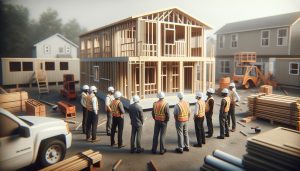
As the demand for modular homes continues to rise, understanding typical sizes and dimensions is crucial for making informed housing decisions in 2025. Modular homes offer versatility and practicality, catering to various lifestyles and budgets. For prospective buyers, selecting the right size can significantly influence comfort, functionality, and investment value. This article will delve into standard dimensions, guiding you through the process of choosing a modular home that aligns with your needs. Whether you’re exploring your first home or expanding your property portfolio, the insights shared here will empower you to navigate the modular home landscape with confidence and clarity. Discover how to maximize space and investment potential while ensuring your new home fits seamlessly into your lifestyle.
Typical Modular Home Sizes Explained

In the landscape of modern housing, modular homes have emerged as a compelling option for many buyers seeking flexibility, efficiency, and style. These homes are not just an alternative; they often represent a savvy choice given their potential for cost savings and customizable design. Typically, modular homes range in size, accommodating diverse lifestyles and preferences. A standard modular home generally falls within the range of 690 to 980 square feet, offering space comfortably for one to two bedrooms. However, larger options are also available, appealing to families or individuals looking for more expansive living areas.
Modular homes are constructed with purpose, allowing for modern designs that maximize available square footage. Many homeowners appreciate the open-concept layouts that can make spaces feel larger than they are, effectively optimizing every square foot of living area. For those considering a modular home in 2025, multifamily options can extend the available dimensions even further, with floor plans often exceeding 1,500 square feet, thus allowing for additional rooms, such as home offices, play areas, or guest suites. This scalability is a primary advantage, enabling buyers to select designs that reflect their specific needs or aspirations.
As you explore your options, it’s essential to consider how the size aligns with your lifestyle. For instance, families may benefit from a modular home featuring multiple bedrooms and communal areas, while singles or couples might prefer a smaller, more manageable footprint. Regardless of your situation, understanding the fundamental dimensions of modular homes will empower you to make informed decisions. Ultimately, whether you desire a cozy retreat or an open, family-friendly space, the market offers a range of choices to suit your living preferences and budget.
Understanding Dimensions for 2025 Standards

As the demand for adaptable housing continues to rise, understanding the dimensions and standards for modular homes in 2025 is essential. Modular homes are designed with flexibility in mind, allowing various configurations that can accommodate changing lifestyle needs. In this year, homeowners can expect to see typical modular home sizes ranging from 690 to over 1,500 square feet, catering to singles, couples, and even families seeking spacious living options.
The dimensions of modular homes are not merely a result of design preferences; they also reflect evolving building standards and consumer expectations. For instance, the push for sustainable living has led to designs that integrate energy-efficient features, optimizing space without compromising functionality. Homes that adhere to 2025 standards will likely include open-concept layouts that promote airflow and natural light, further enhancing the perception of space.
Moreover, understanding how standard size options impact practical living is vital. Multifamily modular structures are particularly popular, allowing for multiple units within a single property while maximizing square footage. This approach not only accommodates larger families but also provides investors with opportunities in the rental market. Buyers should also consider that many manufacturers now offer customized floor plans, tailoring dimensions to fit specific needs and preferences, thus ensuring the home feels personalized despite its modular nature.
Ultimately, being informed about typical sizes, construction standards, and customization options empowers buyers. This knowledge enables them to make confident decisions that align with their lifestyle and budget, ensuring their modular home meets all expectations and provides long-term satisfaction.
Key Factors Influencing Modular Home Sizes
Choosing the right size for a modular home involves understanding a variety of influencing factors, each contributing to how space is utilized and perceived. One crucial element is the target demographic of the home. As demographic patterns evolve, so do the preferences and needs of prospective homeowners. For instance, smaller modular homes are increasingly appealing to young professionals and retirees seeking downsized living spaces. Alternatively, families may opt for larger units that offer additional bedrooms and flexible living areas.
Another significant factor is local zoning regulations and building codes, which can dictate the minimum or maximum size of residential structures. For instance, certain areas may require specific square footage for family housing or have guidelines on lot coverage. These regulations often reflect community planning objectives, pushing for sustainable development while ensuring each residence complies with local standards.
The design innovations and manufacturing processes also play a pivotal role in determining modular home sizes. With advancements in construction technology, modular homes today can offer customized solutions that maximize space efficiency, such as incorporating expandable floor plans or eco-friendly designs. Many manufacturers allow buyers to select floor plans that make the most of available square footage, ensuring that homes meet personal and family needs while staying compliant with environmental standards for 2025 and beyond.
Lastly, market trends continue to shape the modular housing landscape. As preferences shift towards environmentally-friendly and energy-efficient homes, builders are adapting their designs accordingly. For example, homes that maximize natural light through open-concept layouts provide not only aesthetic appeal but also enhance the feeling of spaciousness. This trend is evident as manufacturers increasingly incorporate features like larger windows and vaulted ceilings to attract eco-conscious buyers.
In summary, various factors-from demographics and regulatory frameworks to design trends and market demands-collectively influence the sizes of modular homes. Understanding these key elements can empower buyers to select a home that effectively aligns with their lifestyle and future aspirations.
Popular Floor Plans and Layouts for Modular Homes

Modular homes have gained immense popularity for their versatile designs and efficient use of space, appealing to a range of homeowners from young families to retirees. With a variety of floor plans available, choosing the right layout can greatly enhance your living experience and meet your lifestyle needs. Many manufacturers are adapting their offerings to align with modern trends, ensuring that modular homes not only comply with 2025 standards but also embody aesthetic and functional value.
One popular choice among modular home buyers is the open-concept floor plan. These layouts typically combine the kitchen, dining, and living spaces into a seamless area, promoting interaction and flexibility. This design choice is particularly appealing to families and those who entertain frequently, as it maximizes usable space while creating an airy feel. Additions such as large windows and sliding doors can further enhance natural light, making the space feel even larger.
Another trend in modular home layouts is the inclusion of multi-functional rooms. These spaces can serve various purposes, such as a home office, guest room, or playroom, adapting to the changing needs of residents. Many modern designs feature modular walls or built-in furniture that allows homeowners to easily reconfigure their living spaces without significant renovations. For families with children or professionals working from home, this flexibility is invaluable.
As you explore your options, consider the following popular modular home floor plans:
- Three-Bedroom Double-Wide: Ideal for families, typically around 1,200 to 1,600 square feet, offering ample space for growing children.
- Two-Bedroom Single-Wide: Perfect for retirees or young professionals, often between 800 to 1,200 square feet, designed for easy maintenance.
- Expandable Models: These homes allow for future extensions, starting from a base model that can be increased as needed, supporting lifestyle changes without the need for a complete relocation.
- Eco-Friendly Designs: Many modular homes now incorporate sustainable materials and energy-efficient layouts, appealing to environmentally conscious buyers.
Ultimately, selecting the right floor plan not only determines the size of your home but also influences your quality of life. Each design choice impacts how you use your space, manage your daily routines, and entertain guests. By understanding available layouts and their functionalities, you empower yourself to make informed decisions that enhance both comfort and practicality in your modular home.
Comparing Modular Home Sizes to Traditional Homes
The landscape of housing has dramatically evolved, particularly with the rise in popularity of modular homes. Unlike traditional homes, which are typically built on-site, modular homes are constructed in sections (or modules) off-site and then transported to their final location. This unique construction method allows for varying sizes, leaving potential buyers with a plethora of options that can cater to different needs and preferences. Modular homes, depending on their configuration, typically range from about 800 square feet for single-wides to over 2,000 square feet for double-wides or more expansive designs, making them comparable in size to many traditional homes.
When comparing modular homes to their traditional counterparts, it’s essential to recognize that modular homes do not compromise on style or functionality despite potentially smaller dimensions. A standard three-bedroom modular home can measure between 1,200 and 1,600 square feet, providing ample space for family life, similar to conventional homes of comparable size. Additionally, many modular designs boast open floor plans and multifunctional spaces that enhance livability, echoing the latest trends in traditional home design. This harmonization of size and design allows modular homes to stand shoulder to shoulder with traditional houses in terms of appeal, particularly for families prioritizing space utilization.
Another significant factor is the time and cost efficiency associated with modular homes. On average, they can be completed and ready for occupancy quicker than traditional homes-often within months of the initial order-thanks to streamlined manufacturing processes. This accelerated timeline can be particularly advantageous for buyers on a tighter schedule, such as first-time homeowners or those relocating for employment purposes.
In terms of market perceptions, misconceptions regarding modular homes often exist, with some questioning their durability and design quality. However, today’s modular homes are built to very high standards, frequently surpassing local building codes, and they offer a range of customization options to ensure that buyers can achieve their desired aesthetic. As the market continues to embrace sustainable practices, modular homes increasingly incorporate eco-friendly materials and energy-efficient systems, appealing to environmentally conscious consumers looking for modern housing solutions.
Ultimately, it’s clear that modular homes present a competitive alternative to traditional homes. With a vast array of sizes, innovative designs, and practical advantages, they have solidified their place as a legitimate choice in today’s housing market.
Modular Home Size Trends in the Real Estate Market
The landscape for modular homes continues to evolve, reflecting broader trends in the real estate market. Increasingly, homebuyers are drawn to the flexibility and efficiency of modular construction, and this shift is influencing the variety of sizes and dimensions available. In 2025, typical modular homes can range from small, efficient designs around 800 square feet to larger family-oriented models exceeding 2,000 square feet. This adaptability not only caters to different lifestyle needs but also aligns with urban growth and demographic changes, including downsizing trends among retirees and the need for affordable housing options for young families.
One of the notable trends is the rise of “mini-modular” homes, which often encompass innovative design features that maximize space without sacrificing comfort. These homes appeal to first-time buyers and minimalists, offering practical layouts where every square foot is utilized effectively. As an example, some manufacturers have begun to offer modular homes that integrate sustainable features such as energy-efficient appliances and eco-friendly materials, which can attract environmentally conscious buyers seeking lower utility bills and a reduced carbon footprint.
Moreover, the popularity of open floor plans continues to shape modular home sizes. Modern modular designs often emphasize communal spaces, with larger living areas that flow seamlessly into kitchens and dining spaces. This trend resonates particularly well with families and social individuals who value interaction over compartmentalized living. As such, many new modular homes are built with fewer walls and more multifunctional spaces, which allows them to feel roomier than their square footage might suggest.
Changing zoning regulations also play a significant role in modular home size trends. Many municipalities are becoming more accommodating toward modular constructions, allowing for more spacious designs and lot setups that were previously restricted. This legislative shift is paving the way for broader acceptance and integration of modular homes into diverse neighborhoods, making them a viable choice for homeowners looking for quality and affordability in today’s real estate market.
As potential buyers investigate modular home options, understanding these trends is essential. By recognizing that modular homes can meet various needs-from starter homes to larger family dwellings-buyers can make more informed decisions that align with their lifestyles and financial goals. Whether you’re considering purchasing a new modular home or investing in one, staying aware of these evolving trends can offer a significant advantage in navigating the modern housing landscape.
Addressing Common Misconceptions About Size Variability
Navigating the world of modular homes can sometimes feel overwhelming, especially with the various myths surrounding their sizes. One common misconception is that modular homes are inherently smaller or less customizable than traditional homes. In reality, modular homes come in a broad range of sizes and floor plans, often comparable to site-built homes. In 2025, you can find modular options that range from compact layouts of approximately 800 square feet to expansive designs exceeding 2,000 square feet, accommodating diverse family needs and lifestyles.
Another frequent misunderstanding is that modular homes can only be rectangular or box-like in shape. While many modular homes have simple designs due to efficient manufacturing methods, modern modular construction allows for significant architectural creativity. Manufacturers now offer customized layouts that include multiple stories, unique rooflines, and integrated garage spaces, enhancing aesthetic appeal while maximizing functional space. Buyers can work with developers to create homes that reflect their unique tastes and preferences.
Moreover, potential homeowners may perceive modular homes as lacking quality due to their manufacturing method. However, contemporary modular homes are built to the same rigorous standards as traditional homes, or even higher in some cases. They are constructed in climate-controlled environments, minimizing exposure to environmental factors that can compromise building integrity. Furthermore, innovations in eco-friendly building materials are leading many modular homes to incorporate sustainable technologies that enhance energy efficiency and reduce long-term utility costs.
Understanding these misconceptions is crucial for potential buyers. By recognizing the extensive size options, design versatility, and quality standards of modular homes, you can make more informed decisions that truly meet your needs. Whether you are considering a modular home for affordability, environmental benefits, or innovative designs, knowing the facts empowers you to explore this legitimate housing option confidently.
How Design Choices Impact Modular Home Dimensions
Design choices play a pivotal role in determining the dimensions and overall functionality of modular homes. One of the most remarkable aspects of modular construction is its flexibility-homeowners can tailor dimensions to their specific needs while maintaining a cohesive design. For example, opting for an open-concept floor plan can significantly enhance the perceived space within a home, making even a modestly sized unit feel expansive. In contrast, traditional segmented layouts may sacrifice flow and accessibility for more enclosed rooms, thus impacting the overall usability of the space.
Maximizing Usability Through Design
Effective design choices can optimize how space is utilized. Here are some elements that contribute to maximizing dimensions and usability:
- Ceiling Height: Incorporating higher ceilings not only creates a feeling of spaciousness but also allows for the possibility of loft spaces or unique architectural features, enhancing both aesthetic value and practical living space.
- Multi-functional Areas: Designing rooms that serve multiple purposes-like a home office/guest room or a dining area that doubles as a workspace-can help homeowners make the most out of limited square footage.
- Outdoor Integration: Choices such as large sliding glass doors can bridge indoor and outdoor spaces, visually expanding the home and providing additional living areas that blend with nature.
Choosing the Right Layout
Another fundamental factor is the selection of floor plans tailored to individual lifestyle needs. For instance, families with children might prefer designs that feature large, central living areas and separate bedrooms, which can influence the home’s layout and overall dimensions. Conversely, those living alone or in small households might select compact living spaces with integrated kitchens and dining areas, which helps maintain functionality without excessive square footage.
Ultimately, the combination of thoughtful design decisions and customization offers significant advantages. Homeowners can create modular homes that align with their lifestyles while ensuring comfort and efficiency. By selecting versatile layouts and utilizing innovative design elements, they can enjoy spaces that are not only architecturally pleasing but also tailored to their personal preferences and living requirements. As modular homes continue to evolve, the design possibilities expand, providing even more avenues for homeowners to explore unique dimensions and enhance their quality of life.
Essential Space Optimization Tips for Modular Living
To truly maximize living space within modular homes, employing effective optimization strategies is essential. Modular homes can range significantly in size and shape, presenting both opportunities and challenges when it comes to utilizing every square foot efficiently. By incorporating innovative design choices and organization techniques, residents can transform their homes into functional, comfortable, and inviting spaces.
One of the most impactful ways to optimize space is by utilizing vertical areas. Consider adding shelving units that reach towards the ceiling or employing tall cabinets in the kitchen. This not only frees up floor space but also takes advantage of often-overlooked storage potential. Multi-function furniture, such as a bed that doubles as storage or a coffee table that converts into a dining table, can provide versatility while minimizing clutter. In a modular home, where every inch counts, investing in such items can significantly enhance functionality.
Smart Design Choices
Design choices play a fundamental role in optimizing space. Open floor plans can create a feeling of expansiveness, making the home appear larger than it is. For instance, instead of imposing walls, consider using room dividers or furniture arrangements that define spaces without closing them off. Additionally, natural light can enlarge your living area visually; therefore, maximizing windows and using light colors in décor can enhance brightness and give an airy feel throughout the home.
Outdoor Spaces as Extensions
Don’t forget the potential of outdoor spaces as functional extensions of your home. Integrating porches or decks can provide additional living areas, ideal for relaxation or entertainment. Furnishing outdoor spaces with weather-resistant seating or dining options can enrich your lifestyle and make your home feel more spacious by expanding your usable area beyond four walls.
Ultimately, effective space optimization in modular homes hinges on creativity, thoughtful design, and a willingness to adapt traditional norms of living. By employing these strategies, residents can enjoy a modular living experience that is not only comfortable but also highly functional, regardless of the home’s size.
Navigating Local Regulations for Modular Home Sizing
Navigating the world of modular homes requires a keen awareness of local regulations that govern sizing and placement. Understanding these regulations is crucial to ensuring that your home complies with the latest standards while also fitting seamlessly into your chosen community. Each state or locality can have its own set of rules, which may influence everything from design aesthetics to structural safety requirements.
When considering modular home sizes, it’s essential to check specific local zoning laws. These laws dictate what type of homes can be constructed in various areas, including minimum lot sizes, setbacks from property lines, and allowed heights. For example, some areas may have restrictions on mobile or modular homes being placed in residential zones, while others may promote these housing options as affordable living solutions. Therefore, research and consultation with local planning departments should be a first step in your process.
Another key factor is to familiarize yourself with building codes applicable in your jurisdiction. Modular homes, unlike mobile homes, must adhere to the same building codes as site-built homes, which can vary widely. Consequently, these codes may dictate the size and specifications of your home, impacting not only the dimensions but also features such as insulation, cement foundations, and energy efficiency standards. Ensure that you work with manufacturers or builders who are experienced in local codes to facilitate compliance throughout the construction process.
Lastly, keep in mind that local regulations can evolve. Emerging standards, particularly in response to climate considerations and housing shortages, may affect future size and design requirements. Engaging with local housing authorities and being an active participant in community discussions can provide insights into potential changes that may impact your home and its value in the long run. By proactively navigating local regulations, you can confidently move forward with your modular home project, ensuring it aligns with both your expectations and community standards.
Future Predictions for Modular Home Dimensions and Styles
The landscape of modular homes is evolving rapidly, driven by changes in consumer preferences, technological advancements, and environmental concerns. As we approach 2025, it’s clear that modular home dimensions and styles will be shaped by a growing demand for sustainability, versatility, and cost-effectiveness. One significant trend is the rise of smaller, eco-friendly homes designed to minimize environmental impact while maximizing livability. Expect to see an increase in homes around 800 to 1,200 square feet, embracing minimalist designs that cater to a mobile, urban lifestyle.
Advancements in building technology will also play a pivotal role in the future of modular home sizing. Innovations such as 3D printing and advanced prefabrication techniques are making it possible to construct homes more efficiently, allowing for customizable dimensions without a significant increase in price. These technologies enable manufacturers to offer modular homes that don’t just conform to traditional sizes but can be tailored to meet the individual needs of homeowners. Factors like open floor plans and multifunctional spaces will become standard features, encouraging families to rethink how they use their homes.
Moreover, as climate change influences construction practices, we can expect modular homes to integrate more resilient designs to withstand extreme weather conditions. This includes elevated structures in flood-prone areas, reinforced materials for hurricane zones, and energy-efficient systems that cater to fluctuating climate norms. As a result, modular homes will not only become more adaptable in terms of size but will also reflect a shift towards safer, smarter living environments.
In terms of style, blending functionality with aesthetic appeal will define future modular homes. Expect a rise in aesthetic options that incorporate elements from contemporary architecture while still adhering to the practical needs of modular home design. From exterior finishes to interior customization, homeowners will have more opportunities than ever to express their unique styles, moving beyond generic layouts and towards homes that reflect personal tastes and lifestyle needs.
As these trends unfold, prospective buyers and current residents must stay informed on industry updates to maximize their investments. Engaging with industry professionals can provide insights into emerging designs and innovative features tailored to evolving market demands.
Maximizing Value: Choosing the Right Size for Your Needs
Choosing the perfect size for your modular home is pivotal to fully enjoying your living space, optimizing value, and ensuring long-term satisfaction. With the growing trend towards smaller, eco-friendly designs that are becoming increasingly popular in 2025, understanding how to match your lifestyle needs with modular dimensions is essential. A well-considered choice can lead to significant savings, not only in purchasing costs but also in ongoing maintenance and energy efficiency.
When evaluating the right size, start by assessing your current and anticipated lifestyle demands. Are you planning to expand your family, or do you prefer a minimalist approach to reduce upkeep? Modular homes typically range from 800 to 1,200 square feet, accommodating different household sizes and dynamics. For instance, a young couple may find a two-bedroom home around 900 square feet ideal, while a growing family might benefit from a spacious layout design of 1,200 square feet that includes additional rooms for children or a home office.
Another crucial factor is the potential for multi-functional living spaces. Modern modular homes often feature open-concept areas that can adapt to various uses, which allows homeowners to maximize functionality within their square footage. Consider the following when planning your space:
- Multi-purpose Rooms: Invest in designs that encourage rooms to serve more than one purpose, such as a guest room doubling as a study.
- Smart Storage Solutions: Look for built-in shelving, attic spaces, or under-stair storage to keep your home organized without requiring extra square footage.
- Outdoor Spaces: Balconies, porches, and decks can extend your living space without increasing the building’s footprint.
Budget considerations are also paramount when choosing size. Larger homes often come with higher financing costs and property taxes. Evaluate your financial flexibility and opt for a size that meets both your current needs and long-term goals. Additionally, research local market trends; certain sizes may offer better investment opportunities based on neighborhood demand and resale value.
Ultimately, the right size is a blend of personal preference, lifestyle adaptability, and financial reasonableness. Engaging with a knowledgeable realtor or designer can provide insights tailored to your unique situation, making the selection process smoother and more aligned with your vision. As modular homes continue to evolve, remember that the focus should always be on creating a comfortable, functional, and efficient space that feels uniquely yours.
Faq
Q: What are the standard sizes for modular homes in 2025?
A: In 2025, modular homes generally range from 1,000 to over 2,500 square feet. Smaller models tend to start around 1,000 square feet, with popular choices falling within 1,500 to 2,200 square feet, accommodating various family sizes and lifestyle needs.
Q: How do modular home dimensions compare to traditional homes?
A: Modular homes typically offer similar dimensions to traditional site-built homes, ranging from 1,000 to over 2,500 square feet. However, modular homes often provide more efficient use of space, allowing for customizable layouts without sacrificing comfort.
Q: What factors influence the size of a modular home?
A: The size of a modular home is influenced by local regulations, budget, family needs, and lifestyle preferences. Design choices such as the number of bedrooms and bathrooms also significantly impact dimensions, allowing customization for different buyers.
Q: Are there any height restrictions for modular homes?
A: Yes, most modular homes have standard height restrictions ranging from 8 to 12 feet for ceilings. However, local zoning regulations can impose additional height limits, so it is essential to check with local authorities.
Q: Can modular homes be customized in size and layout?
A: Yes, one of the appealing factors of modular homes is their customization options. Buyers can adjust dimensions and layouts based on their preferences and needs, ensuring their home fits their lifestyle perfectly.
Q: What are common floor plans for modular homes?
A: Popular modular home floor plans include open-concept layouts, ranch styles, and two-story designs. Many standard configurations offer three bedrooms and two bathrooms, providing flexibility for families of varying sizes.
Q: How do modular home sizes cater to budget-conscious buyers?
A: Modular homes are often more cost-effective than traditional homes due to their efficiency and factory construction methods. Smaller models typically range from 1,000 to 1,500 square feet, catering to budget-conscious buyers without sacrificing quality or comfort.
Q: What is the future trend for modular home sizes?
A: The future trend indicates that modular homes will see increasingly diverse dimensions tailored for sustainability and energy efficiency. Expect a rise in compact designs that offer smart-home features while maximizing space utilization for urban living.
Final Thoughts
As you explore the diverse sizing options for modular homes in 2025, remember that the right dimensions can significantly impact both livability and value. Whether you’re considering a compact model or a spacious family layout, understanding these standards is crucial for making informed decisions. If you’re ready to dive deeper, check out our guides on financing your modular home and essential maintenance tips to ensure your investment stands the test of time.
Don’t let uncertainties hold you back-reach out today for a personalized consultation or subscribe to our newsletter for the latest industry insights. Join our community of homeowners who are embracing the modular lifestyle and share your thoughts or questions in the comments below. Explore related topics like modular home insurance and property valuation to empower your journey in the modular housing market. Your dream home is just a click away!