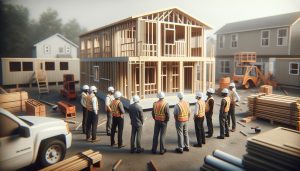
Financing a mobile home comes with its unique set of challenges, yet it opens doors to affordable homeownership for many families. Did you know that manufactured homes can be financed with loans similar to traditional mortgages? Understanding how to navigate this financing landscape is crucial, whether you’re a first-time buyer or looking to invest. In this guide, we’ll unravel the best loan options available, share essential approval secrets, and empower you with the knowledge to make informed decisions. Dive in to discover how you can secure financing that aligns with your needs and goals, ensuring that your mobile home not only fits your lifestyle but also your budget.
How Mobile Home Financing Works: A Complete Guide

Financing a mobile home may initially seem daunting, but understanding how the process works can simplify what may feel like a complex decision. Mobile homes, also known as manufactured homes, offer an affordable housing option, particularly for those who may face challenges with traditional mortgages. Unlike traditional homes, these can often be financed without requiring land ownership, allowing buyers to explore a variety of financing avenues based on their unique circumstances.
To effectively navigate mobile home financing, it’s crucial to recognize that several types of loans are available. Generally, mobile homes can be financed through personal loans, specialized manufactured home loans, or FHA loans that cater to homes on owned or leased land. Each option comes with its own terms, interest rates, and qualifications, which can significantly differ from traditional home loans. Identifying the right loan type is essential, as it directly impacts monthly payments and long-term financial stability.
Moreover, lenders evaluate several factors before approving a loan for a mobile home. These can include credit score, income stability, debt-to-income ratio, and sometimes even the age and condition of the mobile home itself. Understanding these criteria can empower potential buyers to prepare adequately when seeking financing. To ease the process, working with knowledgeable lenders like those at Cascade Financial Services or Triad Financial Services can be invaluable, as they specialize in mobile home loans and can guide borrowers through the specifics of their individual situations.
In conclusion, by educating oneself about mobile home financing, recognizing available loan types, and understanding lender considerations, prospective buyers can approach the process with greater confidence. Armed with this knowledge, navigating the buying process becomes a much more manageable and less intimidating endeavor.
Understanding Different Types of Mobile Home Loans

Mobile home financing offers a range of options tailored to various buyer needs and financial situations. Understanding these loan types can significantly impact your purchasing experience and long-term affordability. Unlike traditional real estate loans, which generally finance both the home and land, many mobile home loans focus solely on the home itself, making them a suitable choice for buyers who may not own the land.
One primary option is chattel loans, specifically designed for mobile homes that are not permanently affixed to land, or for those situated on leased land. These loans often have shorter terms and higher interest rates compared to traditional mortgages, reflecting the increased risk associated with mobile homes. Buyers typically require a down payment, and lenders will prioritize factors such as credit history and income stability to assess borrower eligibility.
Another popular choice is FHA loans, which are government-backed loans offering favorable terms for purchasing manufactured homes. These loans can be used to finance a mobile home on its own, or with land included. The FHA program is especially beneficial for first-time buyers or those with lower credit scores, as it allows lower down payments and more lenient credit requirements. Interest rates are generally more competitive for FHA loans, providing an opportunity for substantial savings over time.
For those looking to blend traditional financing methods with mobile home purchases, VA loans are an excellent choice for eligible veterans and active-duty service members. These loans offer zero down payment options and do not require private mortgage insurance (PMI), making them an attractive option for financing manufactured housing. VA loans are suitable for homes classified as real estate, meaning they are affixed to the land with necessary permits and titles.
In addition to these options, many lenders provide personal loans that may also serve as financing for mobile homes. Although this route may involve higher interest rates and shorter repayment terms, personal loans can be a quick way to secure funds without the stringent requirements typically associated with home loans.
Ultimately, selecting the right type of mobile home loan can seem daunting, but breaking down your options into these categories allows you to make a more informed decision. Be sure to evaluate your financial situation, long-term goals, and the specific characteristics of the mobile home you wish to purchase, as these factors can significantly influence which loan type will serve you best.
Key Factors Lenders Consider for Approval
Lenders assess several critical factors when evaluating applications for mobile home financing, and understanding these can significantly improve your chances of securing a loan. With mobile homes often classified differently than traditional real estate, potential buyers must be well-prepared to address lender concerns regarding risk, eligibility, and repayment capacity.
One of the foremost considerations is creditworthiness. A strong credit score not only reflects a borrower’s reliability but also can affect the interest rates offered. Generally, a score of 620 or higher enhances your chances of obtaining favorable terms on FHA and VA loans. However, many lenders do accommodate lower scores, especially if other qualities of the application are strong. To bolster your position, ensure that your credit history is reviewed and clean up any inaccuracies that might unfairly lower your score.
Income stability and debt-to-income (DTI) ratio are also paramount. Lenders favor applicants who demonstrate a consistent income stream or an upward trend in earnings over the previous years. Additionally, keeping your DTI ratio lower than 43% is crucial, as this indicates that you manage your existing financial commitments and can comfortably take on additional debt. To further enhance your application, gather documentation such as tax returns, paycheck stubs, and bank statements to verify your financial stability.
Finally, the type and condition of the mobile home itself can heavily influence the approval process. Homes classified as real estate, meaning they are permanently affixed to a foundation, typically qualify for more favorable loan options, including traditional mortgages. Lenders are cautious about homes in less-than-ideal condition or over five years old since they pose greater risks. Conducting a thorough inspection and possibly making minor repairs can help ensure the property is in acceptable shape to meet lender standards.
In summary, focusing on these key factors – credit score, income stability, and the condition of the mobile home – can provide a solid foundation for your loan application. By presenting a well-rounded and transparent view of your financial health, you increase the likelihood of favorable financing terms while affirming that mobile home living is a valid and practical housing choice.
Step-by-Step Process for Securing Financing
Navigating the financial landscape of mobile home purchasing can feel overwhelming, but understanding the steps involved can simplify the process and lead to a successful outcome. To start, it’s essential to establish a budget that incorporates not just the price of the home but also associated costs such as taxes, insurance, and setup fees. Knowing your total financial commitment can prevent surprises down the road and help streamline your financing.
Once your budget is established, begin researching different types of loans available specifically for mobile homes. These can include chattel loans, which are secured by the home itself and are ideal for homes not classified as real property, and conventional loans for those permanently affixed to land. Understanding the distinctions among these options will empower you to make an informed decision about which type of financing aligns best with your circumstances.
Next, gather vital documents to support your loan application. Commonly required documents include proof of income, tax returns, and bank statements. Having these on hand will facilitate a quicker approval process. Additionally, consider improving your credit score by addressing any inaccuracies or reducing outstanding debts, as this can significantly enhance the terms and interest rates offered by lenders.
Once you have selected a lender, you can go ahead and complete the loan application. Expect the lender to ask detailed questions about your financial background and the specifics of the mobile home you wish to purchase. After the application is submitted, lenders will typically conduct an appraisal and verify the home’s condition and value. This step may involve inspections or evaluations to ensure the mobile home meets safety standards and has potential for value retention.
Finally, if approved, review the loan terms carefully before signing. Ensure you fully understand the interest rate, repayment schedule, and any potential fees. Once you’re comfortable with the terms, proceed to close the deal and enjoy your new mobile home! By following these organized steps, you can secure financing with confidence, making your mobile living vision a reality.
Government Programs That Help with Mobile Home Loans
Financing a mobile home can be daunting, but it helps to know that several government programs exist to support potential buyers. These programs are designed to make it easier for individuals and families to secure financing for manufactured housing, often offering favorable terms and conditions that traditional loans might not provide. Understanding these options can help you unlock the door to homeownership with confidence.
One of the primary sources of financial assistance for mobile home buyers is the Federal Housing Administration (FHA). The FHA provides insurance on loans made by approved lenders to qualified borrowers, enabling them to access financing with lower down payments and flexible credit requirements. This is especially beneficial for first-time homebuyers or those with less-than-perfect credit. Additionally, FHA loans can be used to finance mobile homes that are permanently affixed to a foundation, aligning them more closely with traditional home loans.
Another valuable program is the U.S. Department of Agriculture (USDA) Rural Development program, which offers loans and grants to low- and moderate-income individuals seeking to purchase homes in rural areas. These loans can cover both the home purchase and the land on which it is situated, making it an excellent option for those looking to establish their mobile homes in less urbanized settings. The USDA also promotes homeownership in rural communities by providing 100% financing for eligible borrowers, which can significantly ease upfront costs.
Furthermore, state and local governments often have their own initiatives to support the financing of manufactured homes. These programs may include down payment assistance, tax incentives, or favorable mortgage terms tailored to lower-income families or first-time homebuyers. Researching local agencies or housing authorities can reveal specific grants or assistance programs available in your area.
For those looking to finance a mobile home, leveraging government programs can be a game-changer. By exploring these valuable resources, prospective homebuyers can navigate the path to homeownership while managing costs and improving their financial stability. Make sure to consult with knowledgeable lenders experienced in mobile home financing to determine the best options available for your unique circumstances.
Comparing Interest Rates: Finding the Best Deals
Finding the right interest rate for your mobile home loan can significantly impact your overall financial health, making it a crucial step in the financing process. Interest rates can vary widely based on several factors, including your credit score, the type of loan, and prevailing market conditions. By understanding how to effectively compare rates, you can position yourself to secure a deal that aligns with your financial goals and reduces your borrowing costs.
To start, it’s important to gather rate information from multiple lenders. This includes traditional banks, credit unions, and specialized manufactured home lenders. Each lender may have unique terms, interest rates, and fees, which can lead to substantial differences in your monthly payments and the total interest paid over the life of the loan. Utilizing online tools and rate comparison platforms can streamline this process, allowing you to view a range of offers side by side.
When comparing rates, pay attention not only to the interest rate itself but also to the annual percentage rate (APR). The APR is a broader measure that includes both the interest rate and any additional fees or costs associated with the loan, such as origination fees or closing costs. By focusing on the APR, you can gain a clearer picture of what the loan will actually cost you over time.
Finally, consider locking in your interest rate if you find a favorable deal. Many lenders allow you to lock in a rate for a specified period, protecting you against potential increases while you complete the loan application process. Keep in mind that rates can fluctuate based on economic factors, so timing your lock can offer invaluable peace of mind as you move forward with your mobile home purchase.
In conclusion, taking the time to compare interest rates comprehensively can help you secure the best possible deal on your mobile home financing. By being proactive and informed, you can confidently navigate the loan process and position yourself for long-term financial stability.
Credit Score Tips for Better Loan Terms
Establishing a solid credit score is pivotal when seeking favorable loan terms for your mobile home financing, as lenders often consider this score as a key indicator of your creditworthiness. Essentially, a higher credit score can unlock better interest rates and terms, translating to significant savings over the life of the loan. According to a report by the Consumer Financial Protection Bureau, individuals with excellent credit can save thousands of dollars compared to those with poor credit, making it essential to prioritize credit health before applying for a loan.
To enhance your credit score, start by consistently reviewing your credit reports for errors. Mistakes can occur, and even small discrepancies can negatively impact your score. You can request a free copy of your credit report annually from each of the three major credit bureaus through AnnualCreditReport.com. If you identify inaccuracies, promptly dispute them with the reporting agency. Additionally, pay down existing debts and maintain low credit card balances, as credit utilization is a significant factor that lenders evaluate. Aim to keep your utilization below 30% of your total available credit.
Moreover, establish a history of timely payments. Setting up automatic payments or reminders can help ensure that billing cycles don’t catch you off guard. Payment history makes up about 35% of your credit score, meaning that consistently paying bills on time significantly boosts your standing with lenders. If you’re close to applying for financing, avoid taking on new debts or making large purchases that could increase your balance or affect your credit utilization.
Strategies to Improve Your Credit Score
- Pay Bills on Time: Implement reminders or automatic payments to ensure you’re never late.
- Reduce Debt: Focus on paying off high-interest accounts first to lower your overall debt load.
- Limit Credit Inquiries: Each inquiry when applying for credit can temporarily decrease your score; apply sparingly.
- Maintain Old Accounts: The length of your credit history matters, so keep older accounts open even if you’re not using them.
By taking these steps, you not only optimize your credit score but also position yourself as a low-risk borrower, paving the way for better financing opportunities. As the mobile home market continues to grow, being financially prepared can make a significant difference in your home-buying journey and eventual homeownership experience.
What to Expect During the Loan Application Process
Navigating the loan application process for a mobile home can initially feel overwhelming, but understanding the steps involved can streamline your experience and set the stage for a successful outcome. Preparing ahead by gathering necessary documentation, such as proof of income, tax returns, and credit reports, is the first crucial step. Having these documents on hand will not only save time but also help you present a complete picture to potential lenders, showcasing your readiness and financial stability.
Once you’ve submitted your application, you can expect lenders to conduct a thorough review of your financial situation, focusing on your credit score, debt-to-income ratio, and employment history. Mobile home financing often has unique criteria compared to traditional home loans, with a greater emphasis on your ability to meet monthly payment obligations. Be prepared to answer questions about the specific mobile home you wish to purchase, including its make, model, year, and whether it will be placed on owned land or within a mobile home community.
During this phase, communication is key. After submitting your application, follow up with your lender to discuss any additional information they might need and to stay updated on your application status. Some lenders may require a home appraisal or inspection to assess the condition and market value of the mobile home you’re purchasing. Your proactive engagement could help expedite the process and demonstrate your commitment to securing the loan.
Finally, once approved, carefully review your loan terms before signing any agreements. Understanding your interest rate, loan term, and any additional fees will empower you to make informed choices and avoid pitfalls later on. Remember, being well-prepared and informed at every stage of the loan application process not only enhances your chances of approval but also prepares you for a fulfilling experience as a mobile homeowner.
Common Pitfalls in Mobile Home Financing
Navigating the world of mobile home financing can be riddled with challenges, and many buyers often make avoidable mistakes that can impact their financial future. One common pitfall is underestimating the importance of understanding the terms of the loans available. Mobile home financing differs significantly from traditional home loans, often involving higher interest rates and shorter loan terms, which can lead to higher overall costs. Buyers should carefully compare loan products and seek advice to ensure they are not settling for unfavorable terms.
Another frequent issue arises from insufficient research about the mobile home itself. Lenders typically assess factors like the home’s age, condition, and whether it meets certain standards for financing. Failing to verify that a mobile home is built to the necessary code or placed on permanent foundations can result in financing complications or outright denial. Potential homeowners should acquire a thorough inspection and ensure all necessary documentation is in order before approaching lenders.
Moreover, many buyers neglect to consider the cost of insurance and taxes, which can differ dramatically from traditional homes. These expenses may be higher depending on the home’s location, occupancy in a mobile home park, or the level of coverage required. Understanding these costs beforehand helps in budgeting effectively and avoiding financial strain after purchase.
Finally, not paying close attention to credit score implications can lead to disappointment in the financing process. Lenders generally offer better rates and terms to individuals with higher credit scores, so it’s crucial to check credit reports before applying for a loan. Taking proactive steps to improve your credit score, such as paying down existing debt or correcting inaccuracies in your report, can make a significant difference.
By being aware of these common pitfalls-loan terms, home verification, additional costs, and credit score management-potential mobile homebuyers can position themselves for a more favorable financing experience. Embracing a comprehensive approach to understanding the financing landscape ultimately contributes to achieving long-term satisfaction and stability in mobile home ownership.
Insurance Options for Mobile Home Buyers
Protecting your investment in a mobile home is vital, especially given the unique risks these properties can face-from storms and fires to theft. Understanding the various insurance options available can help safeguard your financial future. Mobile home insurance typically covers more than just the physical structure; it can also provide protection for personal belongings, liability, and additional living expenses in case of a covered loss.
Types of Coverage
Mobile home insurance policies can vary significantly, but most cover essential areas such as:
- Property Coverage: This includes dwelling coverage that protects the structure and any attached structures like decks or porches.
- Personal Property Coverage: This protects your belongings against theft and various hazards, covering items such as furniture, electronics, and appliances.
- Liability Coverage: Liability insurance protects you if someone is injured on your property and can help cover legal fees or settlement costs.
- Additional Living Expenses: If your home is uninhabitable due to damage, this covers the costs of temporary living arrangements.
It’s essential to review the specific exclusions and limitations of your policy. For instance, some policies may not cover certain natural disasters, like flooding or earthquakes, requiring separate policies or riders.
Choosing the Right Insurer
When selecting an insurance provider, it’s important to compare quotes from multiple companies, taking care to evaluate the coverage limits, deductibles, and premiums offered. Companies like Erie Insurance and Liberty Mutual specialize in mobile home insurance, providing tailored options that can meet your unique needs. Obtaining quotes from these providers can help you make an informed decision that aligns with your budget and coverage requirements [[1]] [[2]].
Discounts and Saving Strategies
Many insurance companies offer discounts for bundling insurance policies, maintaining good credit, or installing safety features such as smoke detectors, alarm systems, or storm shutters. Inquire about these discount opportunities when discussing your policy options. By being proactive, you can potentially lower your premium while ensuring adequate coverage for your mobile home.
In summary, comprehensively understanding your insurance options will empower you to make informed choices that protect not only your mobile home but also your finances and peace of mind. Investing time into selecting the right coverage ensures that your home remains a safe haven, capable of withstanding unexpected challenges.
Long-Term Financial Considerations for Mobile Home Owners
Given that mobile homes represent an increasingly popular housing option, understanding the long-term financial commitments associated with them is crucial for owners. From maintenance costs to appreciation potential, your financial outlook as a mobile homeowner can evolve significantly over time. Unlike traditional homes, manufactured homes may face unique depreciation dilemmas, which can affect resale value and loan conditions. However, with careful planning and informed decisions, you can enhance financial stability while enjoying the benefits of affordable housing.
The initial financing of your mobile home sets the tone for your long-term financial journey. Selecting the right loan type-whether it’s a conventional mortgage, personal loan, or government-backed financing-can impact your interest rates and monthly payments. To optimize your investment, consider refinancing options if interest rates drop, as this could lead to substantial savings over the life of your loan. Additionally, maintaining a strong credit score not only helps with initial loan approval but can also facilitate more favorable refinancing opportunities later.
Budgeting for Maintenance and Repairs
It’s prudent to allocate a budget specifically for ongoing maintenance. Mobile homes can encounter specific issues related to their structure and location that traditional homes might not, such as foundation settling or wear from weather conditions. Setting aside 1% to 2% of the home’s value annually for repairs and upgrades helps keep your residence in good shape while preserving its value. Regular upkeep not only enhances your living experience but also protects your investment.
Understanding Property Depreciation
While many traditional homes appreciate over time, some manufactured homes may depreciate, especially if they are not well-maintained or situated in areas of declining market demand. To mitigate depreciation, ensure that your mobile home is upgraded and properly sited on a permanent foundation if possible. Additionally, being proactive about aesthetic improvements and energy-efficient upgrades can enhance marketability and potentially counter depreciation effects.
By adopting an informed and proactive approach to your mobile home investment, you can significantly improve your financial outlook and enjoy the many advantages that mobile home living offers. Engaging in routine maintenance, budgeting wisely, and carefully considering your financing options will empower you to navigate the unique challenges of mobile home ownership with confidence.
Maintaining Your Mobile Home’s Value Over Time
Maintaining the value of a mobile home over time is essential for both the homeowner’s financial health and the overall investment potential. Unlike traditional homes, mobile homes can face unique challenges that may impact their market value, including depreciation if not properly maintained. However, by implementing strategic care and upgrades, residents can safeguard their investment while enjoying the many benefits of mobile home living.
Regular maintenance should be a cornerstone of your ownership strategy. This includes simple yet vital tasks such as checking for water leaks, which are particularly common in mobile homes, and ensuring that plumbing and electrical systems are up to date. Additionally, addressing cosmetic issues like peeling paint or worn-out siding can drastically improve curb appeal and potentially raise market value. Allocate approximately 1% to 2% of your mobile home’s value annually for maintenance and repairs; this proactive approach not only keeps the home functional but also helps maintain its aesthetic appeal.
Enhancing Energy Efficiency
Investing in energy-efficient upgrades is another effective way to preserve value. Replacing old windows with ENERGY STAR-rated ones, adding insulation, or installing energy-efficient appliances can significantly reduce utility costs while increasing the home’s attractiveness to potential buyers. These upgrades may also qualify you for financing options or government programs designed to support energy-efficient home improvements, further enhancing your financial situation.
Legal Compliance and Land Considerations
Ensure that your mobile home complies with local codes and regulations. This includes being correctly anchored and situated on a permanent foundation, which can enhance longevity and value. If your mobile home is located in a park or on rented land, verify the terms of your lease and any associated fees. Addressing these legal aspects upfront can prevent costly issues down the road and ensure your mobile home retains its marketability.
By adopting a comprehensive maintenance plan, making strategic upgrades, and ensuring compliance with local regulations, mobile homeowners can effectively maintain and even enhance their property’s value over time. Such diligence not only fortifies your financial position but also enriches your living experience in a mobile home, turning it into a thriving and sustainable investment.
Q&A
Q: What are the best loans available for financing a mobile home?
A: The best loans for financing a mobile home typically include chattel loans for homes not affixed to land, FHA loans for those on owned land, and conventional loans for more substantial financing options. Exploring various lenders and programs can help identify the best terms.
Q: How can I improve my chances of getting approved for a mobile home loan?
A: To improve your chances of approval for a mobile home loan, maintain a good credit score, reduce existing debt, and prepare a substantial down payment. Providing proof of stable income and thorough documentation can also enhance your application’s strength.
Q: What do lenders look for when financing a mobile home?
A: Lenders primarily look for credit history, income stability, the value of the home, and whether it will be located on owned land or a leased site. Understanding these factors can help potential buyers better position their loan applications.
Q: Can I use a personal loan to finance a mobile home?
A: Yes, personal loans can be used to finance a mobile home, but they typically have higher interest rates and shorter repayment terms. It’s advisable to consider traditional financing options first, as they often offer better rates and conditions.
Q: What is a chattel loan, and when should I use it?
A: A chattel loan is a type of financing specifically for mobile homes that are not permanently affixed to land. This option is suitable when buying a home in a park or on leased land where traditional mortgages are not applicable.
Q: Are there any government programs that assist with mobile home financing?
A: Yes, FHA and USDA loan programs are government-backed options that can assist in financing mobile homes. FHA loans allow for lower down payments and cater to various buyer needs, while USDA loans are designed for rural areas.
Q: How much should I expect to pay in mobile home loan closing costs?
A: Closing costs for mobile home loans typically range from 2% to 5% of the loan amount. These can include origination fees, appraisal fees, title insurance, and more, so it’s essential to account for these expenses in your budget.
Q: What credit score do I need to finance a mobile home?
A: Generally, a credit score of at least 580 is required for FHA loans, while conventional loans may require a higher score (around 620 or more). Improving your credit score can lead to better loan terms and lower interest rates.
To Conclude
Financing a mobile home opens doors to affordable living, and now that you’re equipped with essential tips and secrets, it’s time to take action. Remember, securing the right loan not only makes homeownership achievable but sets the stage for a secure financial future. Are you ready to explore lenders who specialize in manufactured homes? Consider visiting Vanderbilt Mortgage and Quicken Loans for tailored financing options that fit your needs.
As you dive deeper into mobile home ownership, check out our guides on mobile home maintenance and insurance considerations to ensure your investment stays protected. Don’t hesitate to share your thoughts or questions in the comments, and explore our resources to empower your journey. Your dream of mobile home living is within reach-seize this moment today!