Are you considering a mobile home as an affordable housing option? You’re not alone-mobile homes are increasingly popular for their economical appeal and flexibility. In this guide, we’ll delve into the costs associated with purchasing a mobile home in 2025, from the initial price tag to ongoing expenses like maintenance and insurance. Understanding these financial aspects is crucial for both first-time buyers and seasoned investors looking to make informed decisions. With averages ranging from $30,000 to over $100,000 for new homes, knowing what to expect can help you navigate your options confidently. Stay with us as we explore the essential details and tips to empower your mobile home journey.
Understanding Mobile Home Pricing: Key Factors to Consider
Understanding the pricing of mobile homes involves several key factors that prospective buyers should consider. The cost of mobile homes can vary significantly based on their size, condition, location, and the amenities included. For instance, the average cost of a newly constructed mobile home typically starts around $162,000 for an 1,800-square-foot dwelling, factoring in the land and necessary site improvements3. On the other hand, used mobile homes may present more budget-friendly options, although their overall condition and age will greatly influence the price.
Another critical aspect is the location. Different regions have varying land costs, which can dramatically affect the total price. For example, mobile homes situated in urban or highly desirable areas may command higher prices compared to those in rural settings. Additionally, local housing regulations and zoning laws can impose further constraints or opportunities that impact pricing.
Buyers should also be aware of the type of financing available for mobile home purchases. While traditional mortgage loans may be suitable for modular homes built on permanent foundations, manufactured homes often require specific loan types, such as chattel loans, that consider the vehicle nature of these homes. These options may come with different interest rates and terms, which can add to the overall cost of ownership over time.
Ultimately, understanding these pricing factors not only helps buyers make informed decisions but also empowers them to negotiate better deals. Always consider conducting thorough research or consulting real estate professionals specializing in mobile homes to navigate this unique market confidently.
Average Costs of Different Mobile Home Types
Despite the common misconceptions regarding mobile homes, they can offer an excellent entry point into homeownership for many individuals and families, often at a significantly lower cost compared to traditional site-built homes. Understanding the average costs associated with different types of mobile homes is essential for prospective buyers looking to make informed purchasing decisions in 2025.
Types of Mobile Homes and Their Costs
There are primarily three categories of mobile homes-single-wide, double-wide, and triple-wide-each with unique pricing structures based on size, design, and amenities. Here is a detailed breakdown:
- Single-Wide Mobile Homes: These typically range in price from $40,000 to $100,000. They are compact, usually measuring 600 to 1,200 square feet, making them ideal for smaller families or individuals focusing on budget-friendly options [[2]](https://countrysquireestates.com/blog/mobile-home-expenses/).
- Double-Wide Mobile Homes: Offering more space and flexibility, double-wides can average around $148,100. With a footprint typically ranging from 1,200 to 2,500 square feet, they provide a comfortable living environment that closely resembles traditional homes [[3]](https://realestate.usnews.com/real-estate/articles/how-much-does-it-cost-to-buy-a-mobile-home).
- Triple-Wide Mobile Homes: These are less common but can provide extensive living space upwards of 2,500 square feet. Their costs can vary widely based on design and features, often exceeding $200,000.
Influencing Factors on Mobile Home Pricing
Several key factors can influence the costs of mobile homes:
- Condition: New mobile homes command higher prices, while used homes can offer significant savings but may require investment in repairs.
- Location: Homes in urban or highly desirable areas will typically carry a price premium, whereas rural properties may be more affordable [[1]](https://storzco.com/blog/2022/10/19/buying-a-mobile-home-in-california-things-to-keep-in-mind/).
- Amenities: Features such as upgraded kitchens, energy-efficient appliances, and outdoor spaces will affect overall pricing.
By understanding the different types of mobile homes available and important factors that influence prices, prospective buyers can navigate the market with greater confidence and make choices that align with their financial situation and lifestyle needs.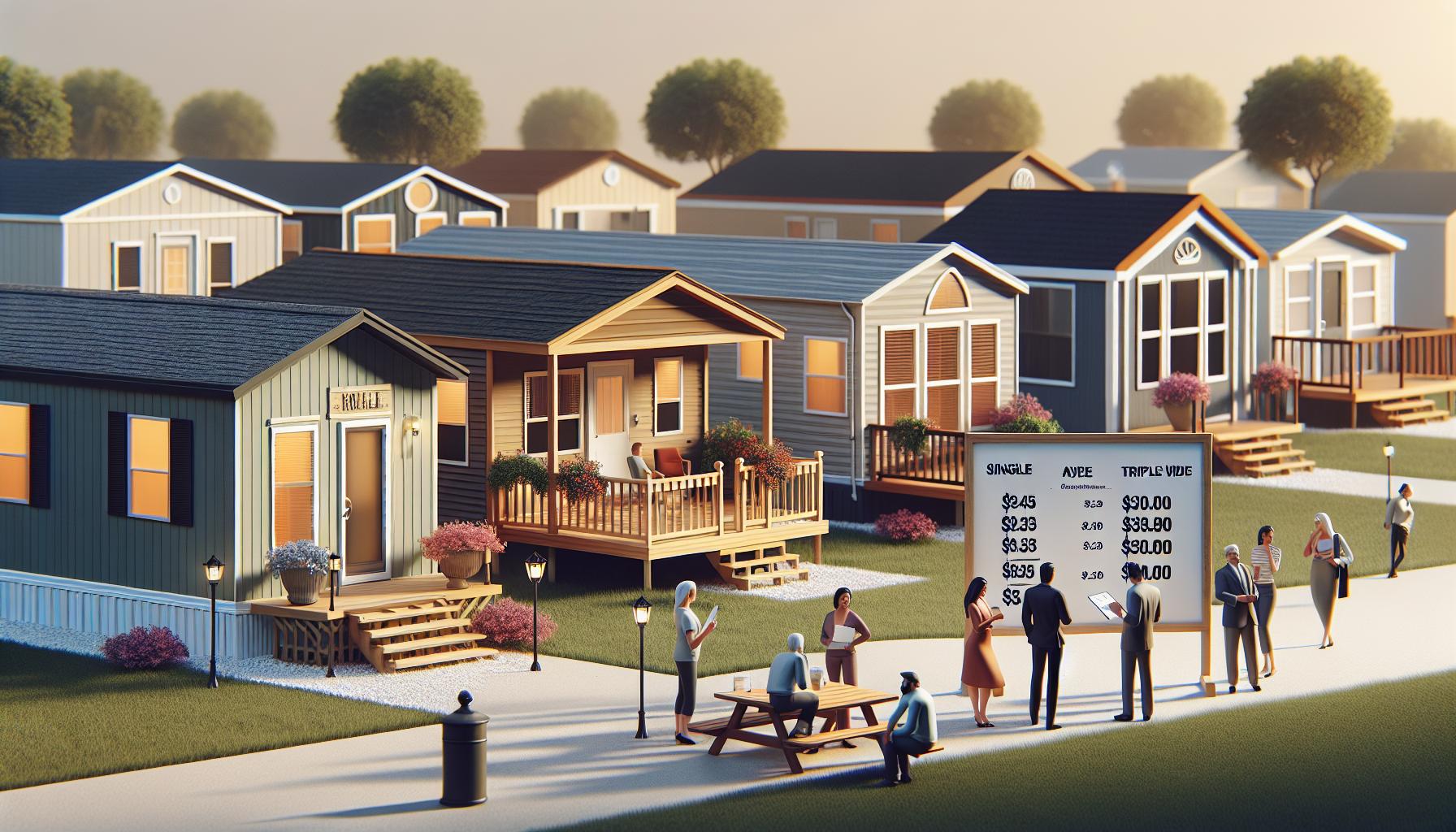
Financing Options for Mobile Home Purchases
Financing a mobile home can be a nuanced process that requires careful consideration of various options available to buyers. Unlike traditional homes, mobility and the unique characteristics of manufactured housing can complicate the financing landscape. Understanding the different types of loans, including government-backed options, can empower potential homeowners and make the dream of mobile home living more accessible.
When looking to finance a mobile home, buyers typically encounter several loan options tailored for this type of housing. FHA loans are a popular choice; they allow for lower down payments and are suitable for those with lower credit scores. Additionally, VA loans are available for eligible veterans and active-duty military members, offering benefits like no down payment and no private mortgage insurance (PMI). Those purchasing homes classified as real property are often eligible for conventional mortgages, which function similarly to standard home loans but may have stricter credit and down payment requirements.
It’s important to recognize that not all lenders view manufactured homes the same way. Some consider them personal property (similar to vehicles), which can limit financing options. Hence, buyers should ensure their mobile home is classified as real estate, which could involve meeting specific criteria such as affixing it to a permanent foundation and obtaining the proper title conversion. Exploring programs specifically designed for manufactured home financing, such as those offered by Fannie Mae and Guild Mortgage, can also be beneficial. For instance, Fannie Mae’s MH Advantage loan product targets newer manufactured homes with features resembling site-built structures, potentially allowing for more favorable financing terms [2] [1].
In summary, navigating mobile home financing requires a clear understanding of available loan types and the unique requirements that apply. By leveraging government-backed loan programs, recognizing the importance of home classification, and working with knowledgeable lenders, buyers can find the best financing solution to suit their needs and ultimately enjoy the benefits of mobile home ownership.
Insurance Considerations for Mobile Home Owners
Navigating the insurance landscape for mobile home owners is crucial to protecting your investment and ensuring peace of mind. Given the unique characteristics of manufactured housing, it’s essential to understand the various policies tailored specifically for mobile homes. Unlike standard homeowners insurance, mobile home insurance-often categorized as manufactured home insurance-provides coverage not just for the structure itself but also for personal property, liability, and potential additional living expenses following a covered incident.
Key Components of Mobile Home Insurance
Most mobile home insurance policies typically include:
- Dwelling Coverage: This protects your home against covered perils such as fire, theft, or severe weather damage. Make sure to understand whether your policy offers actual cash value or replacement cost coverage.
- Personal Property Coverage: This includes coverage for your belongings inside the mobile home. Consider the value of your possessions to decide if additional coverage is necessary.
- Liability Coverage: This protects you if someone is injured on your property and seeks medical expenses or damages.
- Additional Living Expenses: Should your mobile home become uninhabitable due to a covered loss, this can cover additional costs for temporary housing.
It’s also important to assess the policy limits to ensure that they align with the current value of your home and belongings. This can be especially critical when considering changes in a home’s value over time due to renovations or market fluctuations.
Insurance Premium Factors
The cost of mobile home insurance can vary significantly based on several factors:
- Location: Areas prone to natural disasters, like floods or earthquakes, typically see higher premiums.
- Home Age and Condition: Older homes may require additional coverage or upgrades to meet insurer requirements.
- Security Features: Homes equipped with security systems or fire alarms can often qualify for discounts.
- Bundle Discounts: Insuring your mobile home with the same company that covers your automobile may yield savings.
Comparing quotes from multiple insurance providers can help unveil the best deals while understanding the differences in coverage and policy features.
Taking the time to properly assess and understand your mobile home insurance needs not only safeguards your investment but also enhances your overall living experience in a mobile home. With the right coverage, you can enjoy the benefits of this unique and adaptable form of housing without the stress of uncovered mishaps.
Legal Requirements for Mobile Home Buyers
Acquiring a mobile home comes with legal considerations that can vary significantly depending on your location and specific circumstances. Understanding these requirements is crucial for a smooth purchasing experience and to ensure that you are compliant with local laws. Many prospective mobile home buyers wonder about necessary permits, zoning regulations, and whether specific inspections are needed before a mobile home can be placed on a property.
In most cases, mobile home buyers are required to obtain a title for the home, akin to purchasing a vehicle. This title is essential for registering the mobile home with state authorities and can impact future resale opportunities. Additionally, different states have varying regulations regarding zoning and land use; some areas may have restrictions on where mobile homes can be located. For instance, you might need to confirm that the land is zoned for mobile or manufactured housing and that your plans comply with local building codes.
Moreover, if you are financing your mobile home, additional legal requirements often come into play. Lenders typically require proof of insurance as part of the financing process. Although mobile home insurance isn’t mandated by law, if you’re financing your home, coverage will likely be a condition of your loan. It’s advisable to discuss your insurance options with your lender early in the buying process.
Lastly, if you are purchasing a mobile home in a community or park, it’s essential to review the community’s rules and regulations, as there may be additional legal stipulations governing the placement and maintenance of your home. Always ensure you perform due diligence by checking with local authorities and potentially consulting a real estate professional familiar with mobile home transactions. By navigating these legal requirements effectively, you can make informed decisions that enhance your mobile home ownership experience.
Cost Breakdown: Setup and Installation
Setting up a mobile home is an essential step that can significantly influence your comfort and the longevity of your investment. Proper installation doesn’t just enhance your living experience, but it also affects the safety and resale value of your home. A well-executed setup involves multiple steps and can incur various costs that should be carefully considered before you begin.
The first major expense is the transportation and delivery of your mobile home. Depending on the distance and the complexity of the transport route, this could range from a few hundred to several thousand dollars. Once your mobile home arrives at the site, the next critical stage is leveling. Leveling ensures that your home sits evenly, which is crucial for both structural integrity and functionality of doors and windows. This process typically costs between $200 and $600, depending on the size of the home and the site conditions.
Another important aspect of the setup is anchoring your mobile home, which is necessary to comply with local building codes and to enhance stability, particularly in areas prone to severe weather. The cost of anchoring systems can range from $300 to $1,000. After securing the home, you will need to connect essential utilities, including water, electricity, and sewage. This step can vary widely in cost based on the distance of utility lines and any required permits, generally falling between $1,000 and $3,000.
Once your mobile home is successfully set up, consider ongoing maintenance and enhancements to prolong its life. Regular inspections of the foundation, upkeep of anchoring systems, and timely servicing of utility connections are all essential. Additionally, you might consider renovations such as adding a porch, skirting, or landscaping to boost curb appeal and potentially increase the property’s resale value in the future.
Understanding these setup and installation costs, and planning accordingly, will help you minimize unexpected expenses and ensure that your transition into mobile home living is smooth and enjoyable.
Essential Maintenance for Mobile Homes
Maintaining a mobile home is essential not only for its longevity but also for preserving its value. Many owners find that regular upkeep and timely repairs can prevent larger issues down the line, making proactive maintenance both a smart investment and a necessity. Being aware of the specific maintenance needs unique to mobile homes can help you manage your budget effectively while ensuring a safe and comfortable living environment.
Regular inspections should be paramount in your maintenance routine. Focus on the foundation and structural integrity, checking for any signs of settling or shifting that may affect the stability of your home. Keeping the undercarriage free from debris will help prevent pest infestations and maintain airflow, which is crucial for preventing moisture buildup. You should also routinely check the anchoring systems, ensuring that they are secure and compliant with local building codes, especially in areas prone to severe weather.
Another critical aspect is the maintenance of utilities, where leaks or electrical issues can lead to costly repairs if not addressed promptly. Schedule annual inspections for your plumbing and electrical systems, and keep an eye on the HVAC system as well. Regularly changing air filters and seasonal servicing will ensure optimal performance and energy efficiency. Additionally, remember that the exterior of your mobile home requires attention too. Inspect the siding for wear and tear, repaint or refinish as necessary, and maintain the skirting, which protects the underbelly from pests and weather elements.
In addition to these preventative measures, consider incorporating simple upgrades over time to enhance comfort and energy efficiency. Adding insulation or energy-efficient windows can reduce utility costs and improve your home’s overall climate control. Not only do these small improvements facilitate day-to-day comfort, but they can also significantly boost your home’s curb appeal and resale value, allowing for greater returns on your investment when it’s time to sell. By prioritizing essential maintenance and making incremental improvements, mobile home owners can enjoy a safe, comfortable, and valuable living space for years to come.
Renovation Projects: Boosting Home Value
Renovating your mobile home can be a transformative process that not only enhances your living experience but importantly, boosts its market value significantly. This potential for increased resale value is one of the defining advantages of investing in well-planned remodeling projects. Whether you plan to sell soon or in the distant future, strategic upgrades can make a considerable impact.
Key Renovation Projects
Consider focusing on areas that directly influence buyers’ perceptions and provide substantial returns on investment. Here are some effective projects:
- Exterior Improvements: Enhancing curb appeal is vital. Simple upgrades like fresh paint, new siding, or upgraded landscaping can make a compelling first impression. Investing in quality skirting can protect your home’s underbelly and improve aesthetics.
- Energy Efficiency Enhancements: Upgrading to energy-efficient windows and doors may incur higher initial costs but pays off in lower utility bills and increased comfort. Modern insulation will help maintain climate control and can attract eco-conscious buyers.
- Interior Updates: Changes like installing new flooring, refreshing the kitchen with modern cabinetry or countertops, and upgrading appliances can drastically improve living conditions and appeal. Buyers often value kitchens and bathrooms highly, making them prime candidates for renovation.
- Smart Home Features: Integrating smart home technology, such as programmable thermostats or security systems, can enhance convenience and appeal to tech-savvy buyers.
Budgeting for Renovations
Assessing the potential ROI of each renovation project is crucial. For instance, while a new kitchen can be an expensive upgrade, it often returns more than 75% on resale depending on the quality of the work. Create a prioritized list of renovations based on your budget, focusing on those that will yield the highest returns without overspending. Utilizing personal finance tools or consulting with a local real estate agent can help determine which renovations are most beneficial in your area.
By making mindful renovations, mobile homeowners can not only enjoy a more comfortable living environment but also position their homes to better captivate potential buyers, resulting in a lucrative investment when it’s time to sell. Prioritize upgrades that blend functionality with aesthetic appeal, ensuring long-term satisfaction and enhanced property value.
Understanding Property Valuation for Mobile Homes
Understanding how property valuation works for mobile homes is crucial for both existing owners and potential buyers. Unlike traditional homes, manufactured homes often have unique valuation dynamics influenced by factors such as location, age, size, and the condition of the home itself. Many people might not realize that a mobile home’s value can fluctuate significantly based on local market conditions and the quality of amenities provided by the community in which it resides.
Typically, the valuation of a mobile home often hinges on its physical features and the land it sits on. A significant element is whether the home is permanently affixed to land (real property) or if it remains personal property. Homes that are placed on owned land typically appreciate in value more than those located in mobile home parks where owners lease the land. The latter situation can affect valuation since the land value isn’t inherently included in the property’s worth.
When calculating a mobile home’s market value, lenders and appraisers might also consider comprehensive comparisons to similar units within the community. This comparative market analysis often takes into account recent sales data, which is vital in establishing a reasonable price point. Additionally, the average value of a new manufactured home is approximately $74,000, but this can vastly differ based on design and upgrades present in the unit [[2]](https://blog.mhvillage.com/mobile-home-value/).
For owners looking to increase their mobile home’s value, understanding these valuation factors is essential. Prioritizing upgrades in energy efficiency, aesthetic improvements, and smart home technology can provide tangible returns on investment. These modifications can significantly affect how your home is appraised, especially as more buyers lean towards sustainability and modern conveniences. Thus, a well-kept and updated mobile home not only offers enhanced living conditions but also promotes a more favorable position in terms of market appraisal when the time comes to sell.
Preparing for Natural Disasters: Safety Measures
Natural disasters can significantly impact the safety and integrity of mobile homes, making it crucial for owners to implement effective preparedness strategies. Unlike traditional homes, mobile homes may require specific measures to withstand extreme weather conditions including hurricanes, tornadoes, and wildfires. Understanding these risks and taking proactive steps can not only protect lives but also preserve the value of your investment.
One of the primary concerns for mobile home residents is securing the home against strong winds. It is essential to ensure that your mobile home is properly anchored. This typically involves utilizing tie-down systems specifically designed for mobile homes which help it withstand wind forces. Regular inspections of these tie-downs are crucial; verify connections to the ground and the overall stability of the skirting around your home. For areas prone to hurricanes, consider additional retrofitting options like installing a more secure foundation or enhancing the home’s wind resistance features.
In regions prone to wildfires, specific safety measures must be taken to protect the home from embers and flames. Creating defensible space around your mobile home is vital. This can be achieved by clearing away dead vegetation and maintaining a fire-resistant barrier such as gravel or stones. Use materials for skirting and decks that resist ignition, and consider fire-rated roofing if feasible. Keeping gutters clean and installing metal mesh on vents can further reduce fire risks.
Another critical safety measure is to prepare an emergency kit and have a disaster evacuation plan in place. Your kit should include essential items such as water, non-perishable food, medications, important documents, a flashlight, and a first aid kit. Additionally, establish a communication plan with family and friends to quickly reconnect in case of emergencies. Participating in local emergency preparedness programs can also provide valuable training and resources tailored for mobile home residents.
By implementing these safety measures, mobile home owners not only protect themselves and their families but also enhance their home’s resilience and marketability. Just as the mobile home community is a valid housing choice, so too can it be a safe and secure option when proactive measures are taken against natural disasters.
Long-Term Cost Considerations of Mobile Home Living
Understanding the is essential for both current residents and prospective buyers. While mobile homes often present a more affordable entry point into homeownership, it’s crucial to consider the ongoing expenses associated with maintaining and upgrading your home over time.
A key cost factor is the maintenance of the home itself, which includes regular upkeep such as roof repairs, plumbing, and electrical system maintenance. Depending on the age and condition of the mobile home, these costs can vary significantly. For instance, older mobile homes may require more frequent repairs, while newer models might come with warranties that can mitigate some expenses. Additionally, it’s wise to set aside funds for unexpected repairs, which can arise from wear and tear or extreme weather conditions.
Another aspect to consider is the land lease or property taxes if your mobile home is situated in a manufactured home community. Land leases can fluctuate, affecting your monthly expenses. Moreover, even if you own the land outright, you still have to pay property taxes, which can vary widely depending on your location. You should also account for utilities like water, electricity, and gas, which can add up depending on usage and rates in your area.
Insurance is another recurring expense that mobile homeowners should budget for. Mobile home insurance can cover damage from natural disasters, theft, and liability, but premiums can vary based on factors such as the home’s location, age, and construction. It’s advisable to shop around for insurance providers to find the best rates, as well as to regularly reassess coverage to ensure it meets your needs.
Additionally, there are potential costs associated with upgrades or renovations. While mobile homes can often be updated to boost value and appeal, these projects can range from simple cosmetic changes to substantial renovations, like adding a room or updating the kitchen. Understanding what renovations are likely to provide the best return on investment can help in planning your finances wisely.
Through proper planning and budgeting, mobile home living can be a sound financial choice. As a legitimate form of housing, it is important to take proactive steps to manage these costs effectively, ensuring that your mobile home remains a safe, comfortable, and financially viable option for years to come.
Expert Tips for Resale and Investment Insight
Investing in mobile homes can be a savvy decision, given their potential for appreciation and the growing market for affordable housing. As you navigate this unique segment of real estate, understanding the nuances of resale and investment is key to maximizing your investment. It’s essential to keep in mind that the resale value of a mobile home is influenced by numerous factors, including location, condition, and market trends.
One practical strategy for enhancing resale value is to focus on curb appeal. Simple improvements, such as landscaping, painting the exterior, or making minor repairs, can significantly affect first impressions. Additionally, consider upgrades that appeal to potential buyers, like energy-efficient windows or modern kitchens and bathrooms. These enhancements not only elevate the aesthetic but can also increase the home’s value, offering a robust return on investment.
When listing your mobile home for sale, it’s crucial to research similar homes in your area to set a competitive price. Comparing features such as layout, upgrades, and condition can provide insight into how to position your home effectively in the market. Additionally, leveraging online platforms and local real estate agencies can widen your reach and attract more potential buyers. Using professional photography and detailed descriptions of your home’s features will also draw attention to your listing.
Finally, ensuring that all paperwork is in order-including titles, registration, and any warranties-demonstrates professionalism and transparency to buyers. This can be particularly important in mobile home transactions, where buyers may be wary of issues related to financing or legal restrictions. Offering potential financing options, such as owner financing, can make the purchase more accessible, thus expanding the pool of interested buyers.
By implementing these strategies and maintaining a proactive approach, you can position your mobile home as a desirable investment, ensuring both personal satisfaction and financial gain in the long run.
Faq
Q: How much do mobile homes typically cost in 2025?
A: In 2025, the average cost of a mobile home varies widely based on size and features, averaging between $50,000 to $100,000. Factors like location, brand, and setup costs can also significantly impact the final price. For more detailed breakdowns, see the “Average Costs of Different Mobile Home Types” section.
Q: What are the average monthly payments for a mobile home?
A: Average monthly payments for a mobile home can range from $400 to $1,200, depending on the financing terms, interest rates, and loan duration. Including land costs and insurance can further influence monthly obligations. Explore the “Financing Options for Mobile Home Purchases” for further insights.
Q: Are mobile homes a good investment in 2025?
A: Mobile homes can be a good investment in 2025, especially in areas with affordable housing shortages. Their appreciation potential varies, but careful choice in location and maintenance can enhance value. Refer to “Expert Tips for Resale and Investment Insight” for strategic tips.
Q: What additional costs are associated with buying a mobile home?
A: Beyond the purchase price, additional costs can include land acquisition, delivery, setup, insurance, and ongoing maintenance fees. Often overlooked, these costs can significantly affect your total investment. Check the “17 Hidden Costs of Buying a Mobile Home” for more details.
Q: How do I finance a mobile home purchase?
A: Financing mobile home purchases can be accomplished through personal loans, traditional mortgages, and specialized lenders for manufactured homes. Understanding the best options for your situation is crucial. Visit the “Financing Options for Mobile Home Purchases” to explore various paths.
Q: What legal requirements should I be aware of when buying a mobile home?
A: Legal requirements for buying a mobile home often include zoning laws, property taxes, and local regulations on manufactured housing. It’s essential to research your area’s laws prior to purchase to ensure compliance. Look into “Legal Requirements for Mobile Home Buyers” for more comprehensive guidance.
Q: How can I increase the value of my mobile home?
A: To increase the value of a mobile home, consider renovations like kitchen upgrades, exterior improvements, and energy-efficient installations. Regular maintenance also boosts value over time. Check “Renovation Projects: Boosting Home Value” for actionable tips.
Q: What safety measures should I take for my mobile home during natural disasters?
A: Essential safety measures for mobile homes during natural disasters include securing anchors, installing storm shutters, and creating an emergency plan. Understanding local risks can inform specific safety measures. Refer to “Preparing for Natural Disasters: Safety Measures” for detailed strategies.
To Conclude
Understanding the costs associated with mobile home ownership is just the beginning of your journey. Now that you’re equipped with insights on pricing for 2025, consider diving deeper into topics like financing options, insurance considerations, and maintenance best practices to maximize your investment. Explore our guides on mobile home setup procedures and renovation techniques to ensure your new home not only meets your needs but enhances your lifestyle.
Don’t miss out on exclusive resources tailored for mobile homeowners and prospective buyers. Check out our articles on leveling and anchoring your home and essential legal requirements to secure your purchase. Engage with us by leaving a comment or sharing your thoughts-your feedback fuels our community. Make informed decisions today and embrace the possibilities of mobile home living, a legitimate and empowering housing choice. Start your continued exploration now and unlock the full potential of your mobile home experience!