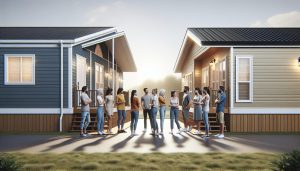
Did you know that VA loans can open doors to homeownership for veterans and servicemembers in ways you might not expect? If you’re considering a modular home, understanding how these loans work can significantly impact your journey toward owning this popular housing option. Modular homes offer affordability and customization, making them an increasingly appealing choice for veterans looking to settle down. However, the process can seem daunting, especially when it comes to financing. This guide will shed light on the specific requirements and benefits of obtaining a VA loan for a modular home, empowering you with the knowledge to make informed decisions that align with your lifestyle and financial goals. Join us as we explore the ins and outs of financing your dream modular home and ensure you’re well-equipped to navigate the path ahead.
Can You Use a VA Loan for Modular Homes?
Many veterans are surprised to learn that they can utilize VA loans not only for traditional homes but also for modular homes. This flexibility opens new doors for those looking for affordable housing options that suit their lifestyle preferences. Modular homes, which are built off-site and then transported to the desired location, offer numerous advantages, including reduced construction time, lower costs, and energy-efficient designs. The benefits of modular living align well with the goals of many veterans who seek quality housing while being mindful of budget constraints.
When considering using a VA loan for a modular home, it’s essential to understand that specific eligibility requirements are in place. To be approved for a VA loan, the modular home must meet certain standards set by the U.S. Department of Veterans Affairs. Generally, these homes must be affixed to a permanent foundation and meet both local building codes and VA appraisal guidelines. As a borrower, ensuring that the modular home meets these standards is crucial to a smooth lending process.
For veterans interested in financing options, the VA loan offers several advantages, including no down payment, competitive interest rates, and no private mortgage insurance (PMI) requirements. These features make VA loans particularly appealing for those looking to secure financing for a modular home. However, it’s vital to work with a lender experienced in VA loans, as they can guide veterans through the unique considerations involved in purchasing a modular home.
In the quest for homeownership, understanding the nuances of using a VA loan for modular homes can empower veterans to make informed decisions, allowing them to enjoy the benefits of modular living while navigating the financing process with confidence.
Understanding Modular Homes and Their Benefits
Modular homes are becoming an increasingly popular choice for many individuals seeking affordable and efficient housing options. These prefabricated homes are constructed in sections or modules in a factory setting and then transported to a designated site for assembly. This streamlined process significantly reduces construction time compared to traditional building methods while ensuring consistent quality and craftsmanship. One captivating fact about modular homes is that they can be completed and ready for occupancy in a matter of weeks rather than months, offering an exciting alternative for buyers eager to settle into their new living spaces quickly.
The benefits of modular homes extend beyond just speed of construction. They are often built with environmentally friendly materials, which can enhance energy efficiency and lower utility costs for homeowners. In addition, many modular homes now come equipped with modern designs and technologies that cater to today’s lifestyle, ranging from open floor plans to smart home features. With the ability to customize layouts and finishes, prospective homeowners can still achieve a personalized touch in their modular living environment, aligning with their specific needs and preferences.
When considering modular homes, one must be aware of the potential savings. Because these homes are assembled in a controlled environment, they benefit from economies of scale. This often translates to lower overall costs without compromising on quality. Furthermore, as many veterans look for housing solutions that fit within a budget, the appealing financing options available through VA loans make modular homes an even more attractive choice. The flexibility of modular home construction combined with the advantages of VA loan benefits makes this arrangement particularly beneficial for veterans transitioning into civilian life.
In addition, choosing a modular home can also contribute positively to long-term homeownership goals. With proper maintenance and care, modular homes can retain their value and withstand various environmental challenges, making them a wise investment for both current residents and those considering their first home purchase. Whether it’s the ease of setup, customization options, or cost-effectiveness, modular homes represent a viable and appealing housing choice for many veterans looking to achieve stability and comfort in their living situations.
VA Loan Basics: Eligibility and Requirements
Navigating the world of home financing can be challenging, but understanding the fundamentals of VA loans for modular homes can make the process smoother for veterans and active-duty service members. VA loans, backed by the U.S. Department of Veterans Affairs, are designed to provide qualifying individuals with favorable lending terms, including no down payment and no private mortgage insurance (PMI). This unique financial opportunity can be particularly beneficial for veterans looking to invest in high-quality modular homes that are energy-efficient and cost-effective.
To be eligible for a VA loan, applicants must meet specific service requirements, which can include having served a minimum period in active duty, being a member of the National Guard or Reserves, or being the spouse of a service member who died in the line of duty. Applicants must obtain a Certificate of Eligibility (COE) from the VA, which confirms their entitlement to VA loan benefits. This documentation is crucial for lenders, as it establishes the borrower’s eligibility and can influence loan terms.
In addition to military service, lenders will also evaluate standard loan criteria, such as credit score, income, and debt-to-income ratio. While there is no strict minimum credit score required by the VA, most lenders prefer a score of at least 620 to ensure the loan is manageable. A stable income and manageable debt are also essential factors that lenders consider when determining your ability to repay the loan. Therefore, maintaining a good credit profile and demonstrating reliable income are critical steps for veterans looking to secure a VA loan for a modular home.
Ultimately, understanding these eligibility criteria and requirements not only empowers veterans but also enhances their ability to take advantage of this treasured benefit. VA loans present a viable pathway for purchasing modular homes, allowing veterans to enjoy the privacy and comfort of homeownership, often with considerable financial advantages.
Types of Modular Homes Eligible for VA Loans
When considering purchasing a modular home with a VA loan, it’s essential to understand the various types of modular homes that qualify for financing under this program. Modular homes are specifically constructed to meet or exceed local building codes and may be identified by their construction process. These homes are built in sections or modules in a factory setting before being transported and assembled on-site, offering a blend of affordability and custom features.
Eligible Types of Modular Homes
Generally, VA loans can be used for several styles of modular homes, including:
- Single-Section Modular Homes: These homes are built as one solid unit, making them easy to transport and set up. They often feature open floor plans that maximize space and can be customized with various finishes and upgrades.
- Multi-Section Modular Homes: Also known as double-wide or triple-wide homes, these modulars are composed of two or more sections joined together on-site, providing more living space and flexibility in design.
- Energy-Efficient Modular Homes: Many manufacturers now offer energy-efficient modular homes that include sustainable materials and energy systems, contributing to lower utility costs and environmental impact.
- Custom Modular Homes: Buyers can often choose to customize their modular homes significantly, from layout to materials, as long as the final product adheres to local building codes.
It’s important to note that modular homes must be affixed to a permanent foundation to be eligible for VA loans. This distinction sets them apart from manufactured homes, which can sometimes be moved after installation. Additionally, the home must comply with the HUD building code to ensure the quality and safety of the structure.
Understanding the types of modular homes that are eligible for VA loans empowers veterans to make informed choices when considering home ownership. By exploring options that fit their lifestyle and budget, they can enjoy the benefits of a modular home while taking full advantage of the VA loan program’s favorable terms.
Financing Options for Modular Homes with VA Loans
Financing a modular home with a VA loan can be one of the most accessible paths to homeownership for veterans, offering the advantages of low or no down payment and competitive interest rates. However, understanding the nuances of financing modular homes through the VA loan program is crucial for making informed decisions. Unlike traditional loans, VA loans are specifically designed to assist veterans, active-duty service members, and certain members of the National Guard and Reserves. This means you may have access to favorable loan terms that make your purchase easier and more affordable.
One key aspect to consider is that VA loans can cover the entire cost of a modular home and the necessary land, contingent upon the property being your primary residence. This feature enables veterans to leverage the financial support offered through the VA to acquire both the home and the land on which it will be placed. Additionally, the requirement for the home to sit on a permanent foundation is pivotal-modular homes must meet this criterion to qualify, which helps ensure long-term stability and compliance with local building codes.
Moreover, veterans should be aware of the various financing options available while using VA loans for modular homes. Generally, you can choose between fixed-rate or adjustable-rate mortgages, enabling you to select a payment structure that best suits your financial situation. Some lenders may also offer construction loans that roll into a VA mortgage upon the completion of the home, which could be an attractive option if you’re considering a custom design.
When navigating the financing landscape for a modular home, it’s beneficial to shop around and compare rates from different lenders. Many veterans find that rates may vary significantly, and working with a lender experienced in modular home financing can smooth the process. Using the VA loan benefit not only simplifies the financing procedure but also grants access to negotiation regarding closing costs and lender fees, making it an even more enticing option for many veterans looking to invest in a modular home.
The Modular Home Buying Process Step-by-Step
Navigating the path to owning a modular home can be both exciting and daunting, especially when using a VA loan. This process allows veterans and service members to take advantage of benefits designed specifically for them, making homeownership more accessible. Here’s a detailed overview of the modular home buying process when utilizing a VA loan, broken down into manageable steps.
Step 1: Determine Your Eligibility
Before diving into the home buying process, determine if you qualify for a VA loan. Generally, eligibility extends to veterans, active-duty service members, and certain members of the National Guard and Reserves. You’ll need to obtain a Certificate of Eligibility (COE) from the VA, which confirms your entitlement to the loan. This document is essential for your lender and can be requested online or through your local VA office.
Step 2: Research and Select a Modular Home
With your eligibility confirmed, it’s time to explore the modular home market. Consider factors like design, size, and energy efficiency. Research various manufacturers and visit showrooms to get a feel for the different styles available. Make sure to discuss specifications with the builder to ensure the home meets VA requirements, such as being built on a permanent foundation.
Step 3: Choose Your Land
A critical aspect of purchasing a modular home is selecting the right land. Since VA loans can finance both the home and the land, you’ll want to choose a location that aligns with your lifestyle and budget. Ensure that the land is zoned for residential use and that it can support the installation of your modular home. Additionally, initiate soil tests and site evaluations to confirm the land’s suitability.
Step 4: Find a VA-Approved Lender
Securing a VA loan requires working with a lender familiar with the program’s specifics. Look for lenders who specialize in VA loans and have experience with modular homes. They can provide insights into financing options available, such as fixed-rate or adjustable-rate mortgages, and help guide you through the application process.
Step 5: Apply for the Loan
Once you’ve selected a lender, begin the application process. Gather necessary documentation, such as your COE, proof of income, tax returns, and credit history. Be prepared for the lender to assess your financial situation, as this will help determine your loan amount and interest rate.
Step 6: Home Evaluation and Inspection
After loan approval, your chosen lender will typically require an appraisal to ensure the home’s value aligns with the loan amount. Additionally, a thorough inspection helps identify any potential issues with the home that need addressing before closing. This step is crucial for protecting your investment.
Step 7: Closing the Deal
With everything in place, the final step is closing. During this process, you’ll review all closing documents, finalize your loan agreement, and pay any necessary closing costs. Once signed, ownership of the home and land will transfer to you.
Step 8: Move Into Your New Home
Finally, once the closing process is complete, you can move into your modular home! Be sure to follow through on any setup procedures, including utility installations and ensuring your home is leveled and tied down appropriately for safety.
Taking the time to understand each step can empower you as you embark on this journey, making the experience not just feasible but also enjoyable. With careful planning and the right resources, you can successfully use a VA loan to purchase a modular home that meets your needs and lifestyle.
Key Differences Between Modular and Manufactured Homes
The distinction between modular and manufactured homes is more than just a matter of terminology; it can significantly influence your home-buying experience, especially when considering VA loans. Modular homes, often referred to as “factory-built homes,” are constructed off-site in sections or modules that are then transported and assembled on a permanent foundation. This method allows for higher quality control and customization compared to manufactured homes, which are built entirely in a factory and must meet different building codes.
One key difference is how each type of home is regulated. Modular homes are built to the same local, state, or regional building codes as traditional stick-built homes, making them eligible for mortgages, including VA loans. On the other hand, manufactured homes are built under the HUD code, which is a federal standard, and they are often classified as personal property rather than real estate, impacting their financing options. This distinction can create challenges in securing a VA loan for a manufactured home, whereas modular homes typically do not face these hurdles, making them a more feasible option for VA loan applicants.
Moreover, the foundation plays a crucial role. Modular homes are designed to be placed on permanent foundations, aligning them with standard residential real estate practices. This permanence can enhance both the home’s value and your loan potential. In contrast, many manufactured homes are set up on temporary or semi-permanent foundations, affecting their long-term stability and marketability.
For veterans and service members planning to utilize a VA loan, understanding these differences can enhance home-buying choices and streamline the financing process. By choosing a modular home, you may not only benefit from better loan options but also enjoy a home that’s designed and built to withstand the test of time and meet higher building standards.
Choosing the Right Location for Your Modular Home
Selecting the ideal location for your modular home is critical, not only for lifestyle considerations but also for leveraging the advantages of a VA loan. Choosing a site that accommodates the unique characteristics of modular construction can enhance your home’s value, stability, and long-term appeal. When scouting locations, consider factors such as accessibility to services, zoning regulations, environmental conditions, and community resources, all of which can significantly affect your living experience and the feasibility of securing financing.
One of the first considerations is accessibility to essential services and amenities. Proximity to healthcare facilities, grocery stores, schools, and recreational areas can enhance your quality of life and serve as positive influences on property value. Additionally, evaluate the availability of utilities such as water, electricity, and sewage systems, as these can complicate the installation process and affect future maintenance costs. For veterans, opting for a location within a supportive community-especially one with accessible VA services-can be invaluable.
Understanding local zoning regulations is essential in the planning phase. Since modular homes must adhere to local building codes and zoning laws, ensure that your intended location permits modular construction. Engaging with local authorities or consulting with a real estate professional can provide clarity on any specific covenants or regulations that may apply. Moreover, consider environmental factors such as soil quality and flood zones, as these can impact both the safety of your modular home and insurance requirements.
Another critical aspect to consider is the type of foundation required by your local building codes, as many modular homes are designed for permanent foundations. Assess your land’s suitability for such foundations, accounting for local climate conditions that may necessitate specific building techniques-for instance, areas prone to heavy snowfall might require deeper foundations for stability. A well-chosen plot of land that accommodates these aspects will not only ensure compliance but also contribute to the longevity and safety of your investment.
By taking the time to assess these critical factors, you can select a location that not only enhances your living experience but also maximizes the potential benefits of using a VA loan for your modular home purchase.
VA Loan Application Process for Modular Homes
Navigating the application process for a VA loan for a modular home can initially seem daunting, but understanding the steps involved can significantly streamline your experience. First and foremost, eligibility for a VA loan requires you to have served in the military or be an eligible veteran. It’s essential to obtain your Certificate of Eligibility (COE), which verifies your status for loan benefits. You can easily apply for your COE through the VA’s eBenefits portal, or through your lender, who can request it on your behalf.
Once you have your COE, the next step is to find a lender experienced in financing modular homes. Not all lenders are familiar with VA loans specifically for modular structures, so it’s crucial to do your due diligence. When choosing a lender, ask about their experience with modular homes and VA financing, as this knowledge can make the application process smoother. Compare interest rates, terms, and lender fees to ensure you get the best deal possible.
After selecting your lender, you’ll need to gather necessary documentation, including proof of income, credit history, and military service records. Lenders typically require the following:
- Pay stubs and tax returns to verify income
- Bank statements to assess your financial health
- Credit history to evaluate your creditworthiness
- Documentation for any other debts
Submitting an application will involve filling out the Uniform Residential Loan Application (URLA), which standardizes the information lenders require. When applying, ensure that you clearly outline the type of modular home and its specifications, as this will help the lender understand the nature of the property being financed.
The appraisal process follows, where a VA-approved appraiser will evaluate the modular home to ensure it meets safety and quality standards set by the VA. This step is critical, as it determines the property’s true value and ensures it meets Uniform Building Code requirements. After a successful appraisal, the lender will conduct a thorough underwriting process before closing on the loan.
Overall, a step-by-step approach and gathering the right documentation early on can empower you to navigate the VA loan application process for a modular home with confidence. Remember, this method of financing provides significant opportunities for veterans and service members, making the dream of homeownership more accessible than ever.
Common Challenges When Getting a VA Loan for Modular Homes
Navigating the terrain of VA loans for modular homes can present several challenges that could hinder your path to homeownership. One common issue is the limited understanding among lenders about the nuances of modular home financing. Not every lender is equipped with the knowledge required to assess these types of homes properly, which can lead to misunderstandings during the application process. It’s crucial to conduct thorough research and choose a lender who has experience specifically with VA loans and modular homes. This can significantly alleviate frustrations later on, particularly during the approval and appraisal phases.
Another hurdle often faced by prospective buyers is the appraisal process. VA appraisers need to ensure that the modular home meets the VA’s strict standards for quality and safety. Unfortunately, not all modular homes fit neatly into conventional appraisal guidelines, which may result in lower-than-expected valuations. Buyers should prepare by ensuring their chosen home meets or exceeds quality standards and by possibly securing pre-sale inspections to ease any appraisal concerns. Moreover, clear communication with your lender about the property type can facilitate a smoother appraisal process.
Potential issues may also arise from zoning and placement regulations that vary significantly by location. Not all areas allow modular homes, and local zoning laws can affect the feasibility of placing a home on a specific plot of land. Before committing to a purchase, it’s wise to check local regulations and ensure that the intended site is suitable for modular home installation. Being proactive can help prevent last-minute surprises that could derail your plans.
Lastly, obtaining insurance for a modular home financed with a VA loan can sometimes be trickier than with traditional homes. While many insurance companies cover modular homes, rates can vary, and some might have specific clauses regarding modular construction types. It’s beneficial to shop around for insurance quotes and clarify that your home is classified as modular to ensure accurate coverage options. By addressing these challenges head-on, buyers can position themselves for a successful modular home purchasing experience within the VA loan framework.
Tips for Successfully Navigating VA Loan Regulations
Navigating VA loan regulations can be daunting, especially when it comes to modular homes. Many veterans and servicemembers might not realize that modular homes are a viable option under VA loan guidelines. However, with the right tips and strategies, you can successfully maneuver through the complexities of financing a modular home.
To start, it’s essential to select a lender familiar with VA loans specifically for modular homes. Not all lenders have the requisite knowledge to evaluate modular homes properly or understand how they fit into the VA financing framework. Researching and asking potential lenders about their experience with modular homes can save you considerable time and frustration during the application process. Look for testimonials or reviews from other borrowers who have used VA loans for modular homes, as this can provide insights into the lender’s proficiency in handling such cases.
Understanding the appraisal process is another crucial aspect. VA appraisers have strict guidelines to ensure that any property financed under a VA loan meets certain safety and quality standards. To facilitate a smooth appraisal process, consider obtaining a pre-sale inspection to address any potential issues upfront. Additionally, ensure that the modular home you are interested in complies with all local building codes and VA specifications.
Engagement with local zoning laws is equally important. Before proceeding with your purchase, verify that the area allows the placement of modular homes. Being aware of zoning regulations can prevent unexpected challenges later in the process. Consulting with local authorities or a real estate professional who specializes in modular homes can provide clarity and ensure your site is suitable for installation.
Lastly, when it comes to insurance, stipulations can differ for modular homes compared to traditional properties. To secure the best coverage, it is advisable to shop around and inform insurers that you are insuring a modular home, which may have different requirements. By addressing these critical elements, veterans can enhance their chances of a successful modular home purchase through the VA loan program, enjoying the benefits of homeownership in a contemporary and affordable living space.
Long-Term Considerations for Modular Home Owners
Owning a modular home brings a unique set of long-term considerations that can significantly impact your experience as a homeowner. One of the most important factors is maintenance and customization. Modular homes are built with durable materials and modern techniques, often requiring less upkeep than traditional homes. However, routine inspections and maintenance are still crucial to ensuring longevity. Regular checks on the foundation, siding, roofing, and utilities can prevent minor issues from escalating into costly repairs. Furthermore, modular homes allow for various customization options, such as adding decks or upgrading appliances, providing homeowners the flexibility to refresh their space over time.
Insurance and Financing Considerations
When it comes to insurance, it’s essential to understand that rates and coverage for modular homes may differ from those of traditional homes. To ensure comprehensive protection, researching policies specific to modular homes is advisable. This knowledge can safeguard against potential issues, especially regarding natural disasters. Additionally, since VA loans can facilitate financing for modular homes, it is crucial to remain informed about any long-term obligations tied to your mortgage. Should you wish to refinance or make significant changes to your home, recognizing how these actions might affect your loan terms is vital.
Location and Community Impact
Choosing the right location for your modular home can influence its long-term value. Homes situated in desirable neighborhoods with access to schools, amenities, and transportation typically appreciate more over time. As a modular homeowner, staying informed about local property values and market trends can provide insights into your investment’s worth. Engaging with community members and local organizations can foster a sense of belonging and help you advocate for your neighborhood’s needs, further enhancing your quality of life.
Maintaining its value also depends on adhering to local regulations concerning land use and property modifications. Understanding zoning laws is imperative, as they dictate what changes can be made to your property and how you can utilize your space effectively. Thus, staying abreast of local regulations will not only help you avoid fines but also ensure that your home remains compliant with community standards. By actively managing these long-term considerations, you will enjoy the many benefits of modular homeownership while making a wise investment for the future.
Q&A
Q: Can veterans use a VA loan to finance a modular home?
A: Yes, veterans can use a VA loan to finance a modular home. However, the modular home must meet specific eligibility criteria set by the VA, including adhering to certain construction standards. For more details, see the section on eligible types of modular homes in our guide.
Q: What are the benefits of modular homes for veterans?
A: Modular homes offer several benefits for veterans, including potentially lower costs, energy efficiency, and customizable designs. They also provide a faster construction timeline compared to traditional homes, allowing veterans to settle into their new homes more quickly.
Q: What documents are needed for a VA loan application for modular homes?
A: To apply for a VA loan for a modular home, veterans typically need to provide a Certificate of Eligibility (COE), proof of income, credit history, and information about the modular home itself, such as construction plans and verification of compliance with VA standards.
Q: How does the VA loan process differ for modular homes versus traditional homes?
A: The VA loan process for modular homes includes additional requirements, such as ensuring the home meets HUD construction standards and is permanently affixed to a foundation. These considerations may add steps compared to a traditional home loan application.
Q: Are there any downsides to using a VA loan for a modular home?
A: While VA loans for modular homes have many benefits, potential downsides include stricter requirements regarding home specifications and possible limitations in land or site options. It’s important to thoroughly understand the eligibility criteria before proceeding.
Q: How long does it take to close a VA loan for a modular home?
A: The timeline to close a VA loan for a modular home typically ranges from 30 to 45 days, depending on the lender and the complexity of the purchase. Preparing all necessary documentation in advance can help streamline the process.
Q: What are common challenges veterans face when applying for a VA loan for modular homes?
A: Common challenges include navigating specific VA guidelines for modular homes, securing local contractor compliance, and understanding land ownership requirements. Veterans should seek guidance from knowledgeable lenders and experts familiar with VA loans and modular construction.
Q: Can I build a custom modular home with a VA loan?
A: Yes, veterans can build a custom modular home using a VA loan, provided it meets all VA eligibility requirements. It’s essential to work with a builder experienced in VA loans to ensure the home complies with necessary standards throughout the construction process.
Future Outlook
When considering a VA loan for a modular home, remember that financing options are available to help you achieve your dream of homeownership. You’ve learned how VA loans can pave the way for affordable living in a modular home, and it’s time to take the next step. Explore more on our website about financing alternatives, maintenance tips, and legal considerations that can support your ownership journey.
Don’t wait to make your modular home aspirations a reality! Dive deeper by checking out our guides on home setup and maintenance and financing options, which will empower you to navigate this exciting path with confidence. Share your thoughts or experiences in the comments – we love hearing from our community! Consider signing up for our newsletter to stay updated on the latest resources and tips that will ease your journey as a proud modular home owner. Your new home awaits!