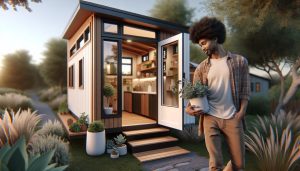
As the demand for affordable yet stylish living options rises, modular homes have emerged as an appealing choice for many buyers seeking quality without breaking the bank. In the current housing market, finding a high-end modular home under $400,000 offers both financial sensibility and a range of modern designs. Whether you’re a first-time homebuyer or looking to invest, understanding the myriad options available is essential for making an informed decision. This guide delves into the best modular home values that not only fit your budget but also merge aesthetics with functionality. Get ready to explore how these homes can meet your needs without compromising on quality, and discover the essentials to navigate this exciting housing landscape with confidence.
What Are Modular Homes? A Comprehensive Overview
Owning a modular home has become an increasingly popular choice for many individuals and families seeking affordable yet high-quality housing options. Modular homes are pre-fabricated structures that are built in sections in a factory setting, transported to the desired location, and then assembled on-site. This method of construction offers various advantages, including reduced construction time and lower overall costs compared to traditional homes. Additionally, modular homes can be customized to meet specific needs and preferences, making them an attractive option for a diverse range of buyers.
When considering modular homes under $400K, potential homeowners will find a variety of options that blend aesthetic appeal with functional design. These homes can range from simple models to more sophisticated designs featuring multiple bedrooms, open floor plans, and modern finishes. Many manufacturers offer extensive customization options, allowing buyers to select materials, layouts, and add-ons that fit their vision and budget. For instance, it’s not uncommon to find a spacious three-bedroom, two-bathroom home well within this price tier, reflecting both style and efficiency.
In terms of financing, modular homes typically receive the same types of loans as traditional homes, including FHA loans, VA loans, and conventional mortgages. Buyers should thoroughly explore their financing options and consult with lenders to ensure they understand the terms and requirements, which may vary based on the home’s specifications and the land it’s built upon. Furthermore, potential homeowners can take advantage of state and federal programs aimed at making homeownership more accessible, increasing the feasibility of purchasing a modular home within their price range.
Ultimately, the choice to invest in a modular home is not merely about affordability; it also emphasizes quality, efficiency, and innovative design. As these homes continue to evolve with advancements in construction technology, prospective buyers are increasingly attracted to the benefits of modular living, solidifying its reputation as a viable and desirable housing option. Whether you are a first-time buyer or looking for a secondary residence, modular homes offer a compelling solution that aligns with modern living demands.
Types of Modular Homes Available Under $400K

Choosing a modular home under $400K opens up a multitude of practical and stylish options that cater to different lifestyles and preferences. Today’s market offers a blend of affordability and modern design, making modular homes a competitive choice for both first-time buyers and those looking to downsize or invest. From single-section models to spacious multi-section homes, there is something for everyone within this price range.
One popular type is the single-section modular home, which typically features a compact layout that is efficient in space and cost. These homes often include an open-concept design, allowing for seamless transitions between the living, dining, and kitchen areas. Examples of these homes can feature one to three bedrooms with modern amenities, perfect for small families or individuals seeking low-maintenance living.
For those who desire a bit more space and flexibility, double-section (or multi-section) modular homes offer a great alternative. These homes are larger, typically ranging from 1,400 to 2,500 square feet, and can include features such as multiple bathrooms, dedicated laundry rooms, and sometimes even home offices or extra recreational spaces. They are ideal for larger families or anyone who values ample room for gatherings and activities. According to manufacturers, a well-designed double-section home can be found in the $300K to $400K range, enabling buyers to customize interior finishes, layouts, and energy-efficient solutions without breaking the bank.
In addition to traditional layouts, modern modular options are increasingly featuring cutting-edge designs such as eco-friendly materials, energy-efficient appliances, and open-concept floor plans. These homes often embrace contemporary elements like large windows and outdoor living spaces, connecting homeowners with nature while enhancing their living experience. Buyers can select homes that highlight sustainability, with options for rainwater collection systems or solar panels, aligning with environmentally conscious investments.
While searching for options under $400K, potential homeowners should also consider the future value of their investment. Modular homes in well-planned communities or on desirable plots of land often appreciate in value, creating an attractive long-term investment. Furthermore, the ability to customize and enhance your modular home over time adds to its allure, as buyers can gradually implement their vision through smart renovations and improvements.
With numerous styles and configurations available, the landscape of modular homes under $400K is rich with possibilities. Whether you opt for a cozy single-section or a spacious multi-section model, it’s essential to assess your needs and priorities while exploring the diverse features that modern modular construction can offer.
Key Features and Benefits of High-End Modular Homes

Choosing a high-end modular home under $400K provides an abundance of innovative features paired with customizable design options, all while ensuring affordability. These homes are designed to adapt to diverse lifestyle needs and preferences, showcasing quality craftsmanship that elevates the modular living experience. One of the standout characteristics of high-end modular homes is their energy efficiency. Equipped with modern insulation techniques, energy-efficient windows, and appliances, these homes not only lower utility bills but also contribute to a greener environment.
Moreover, high-end modular homes often feature premium materials that enhance both aesthetics and durability. Buyers can expect to find sturdy construction with options for hardwood flooring, granite countertops, and stylish cabinetry. These elements not only make the home visually appealing but also ensure longevity, resulting in lower maintenance costs over time. The emphasis on modern design and open floor plans also aligns seamlessly with contemporary lifestyles, allowing for versatile use of space that encourages social interaction and flexible living arrangements.
Another significant benefit of high-end modular homes is their customization options. Homebuyers can make their mark by selecting layouts, colors, and finishes that reflect their personal taste. Many builders offer a range of floor plans, enabling families to choose configurations that suit their specific needs, such as additional bedrooms or enhanced living areas. This level of personalization is not only appealing but also adds value, as homes built with the owner’s vision often appreciate more significantly over time.
Finally, high-end modular homes often come equipped with smart home technology. Features such as smart thermostats, security systems, and integrated home automation can be easily incorporated, enhancing convenience and security. This technology not only elevates the everyday living experience but also opens up new possibilities for energy management and home efficiency. With these advancements, modular homes can truly cater to the needs of modern homeowners, creating spaces that are not just houses but homes tailored to enhance lifestyle and comfort.
Navigating Financing Options for Modular Home Buyers

Navigating the financial landscape for purchasing a modular home can be both exciting and daunting, especially for those eyeing high-end options under $400K. One of the key advantages of modular homes is their generally lower price point compared to traditional homes, but understanding your financing options is crucial to making an informed decision. Different lenders and financial products cater specifically to modular homes, which can simplify your buying process.
When seeking financing, potential buyers often encounter two main types of loans: construction loans and traditional mortgage options. Construction loans are beneficial when you’re purchasing a new modular home, as they provide funds to cover the home’s construction. These loans usually convert to a standard mortgage once the home is completed. On the other hand, traditional mortgages can be utilized if you’re buying a pre-manufactured modular home that is already set up on a permanent foundation. This distinction is important because not all lenders recognize modular homes in the same way they do traditional stick-built homes.
Key considerations when exploring financing options include:
- Credit Score: A strong credit score can help secure better interest rates, so it’s wise to check your score and address any issues before applying for a loan.
- Down Payment: Be prepared for a down payment, which can vary depending on your lender and the type of loan. Some programs may require as little as 3% to 5% down, while others may demand more.
- Lender Experience with Modular Homes: Selecting a lender experienced in modular housing can significantly influence the approval process and the terms of your loan.
- Loan Terms: Pay attention to the loan terms, including interest rates and repayment periods. Fixed-rate mortgages offer predictable payments, whereas adjustable-rate mortgages may start with lower rates but can increase over time.
Additionally, some manufacturers partner with specific lenders to provide financing packages tailored for their homes. These packages often come with competitive rates and terms that can ease the process for buyers. It’s also beneficial to research state and local government programs designed to assist first-time homebuyers, which may offer incentives or down payment assistance specifically aimed at modular homes.
As the popularity of modular homes continues to rise, financing options are expanding, making this modern lifestyle increasingly accessible. By doing thorough research and understanding the available financial pathways, prospective buyers can confidently navigate the purchase of a high-end modular home that aligns with their needs and budget.
The Importance of Quality: What to Look For
When considering a modular home, understanding quality can significantly influence your purchase decision, especially when looking for high-end options under $400K. Modular homes are often perceived as budget-friendly alternatives, but the reality is that quality can vary widely among manufacturers and models. Therefore, evaluating the construction standards and materials used is paramount. High-quality modular homes not only enhance your comfort and aesthetics but also ensure longevity and reduce the costs associated with repairs and maintenance down the line.
To ascertain quality, look closely at the following factors:
Construction Materials
The building materials used in modular homes can differ significantly. Opt for homes constructed with durable materials such as high-grade plywood, steel framing, and energy-efficient windows. These choices not only provide structural integrity but also contribute to better energy efficiency, which can save you money on utility bills over time.
Building Codes and Regulations
It’s crucial to check whether the home complies with local building codes and regulations. Modular homes should be built to the same standards as traditional homes, which include proper insulation, safety features, and energy performance ratings. Don’t hesitate to ask manufacturers for documentation proving compliance with local codes, as it demonstrates their commitment to quality and safety.
Design Flexibility and Customization
High-end modular homes often offer customization options that allow you to tailor the space to your preferences. Whether it’s choosing interior finishes, layout, or energy-efficient appliances, a flexible design approach not only enhances your lifestyle but reflects the quality of the manufacturer. Look for builders that provide extensive customization options without compromising on structural quality.
Warranty and Support
A robust warranty can be a telling sign of quality. Manufacturers that stand behind their products typically offer warranties covering structural elements and appliances for several years. This commitment can provide peace of mind and protection against potential defects. Additionally, quality customer service from the manufacturer can assist you with any concerns during and after the installation process.
By focusing on these critical aspects, you can confidently navigate the modular home market and make an informed decision that aligns with your expectations for quality living. Remember, investing time upfront to assess quality will pay dividends in your enjoyment and investment value of your modular home.
Setting Up Your Modular Home: Essential Steps
When transitioning into a modular home, understanding the essential setup steps can greatly enhance your experience and ensure your new living space meets all safety and comfort requirements. The process isn’t simply about placing your home on the property; it encompasses a series of tasks that range from site preparation to utilities connection, each contributing to the functionality and longevity of your home.
Preparing the Site
Before your modular home arrives, proper site preparation is crucial. Assess your land to ensure it’s level and ready for installation. This process typically involves clearing debris, grading the site, and ensuring adequate drainage to prevent water accumulation around the foundation. Hire professionals if necessary, as proper groundwork can mitigate future issues like settling or flooding.
Setting the Foundation
A solid foundation is essential for the structural integrity of your modular home. Depending on your local building codes and personal preferences, you can choose between a pier, slab, or basement foundation. Each type has its benefits, with pier foundations allowing for better drainage and slab foundations providing a consistent base. Ensure that the foundation complies with all local codes, as this will form the basis for all subsequently installed utilities and features.
Leveling and Anchoring
Once the home is placed on the foundation, it needs to be leveled. This adjustment ensures that all doors, windows, and appliances function smoothly. Using a level, adjust the heights of piers or foundation blocks as necessary until the home is sitting evenly. After leveling, secure the home by anchoring it to the foundation. This is especially important in areas prone to severe weather, as anchoring prevents shifting and damage during high winds or storms.
Utility Connections
Connecting utilities to your modular home is one of the final and vital steps. You’ll need to arrange for water, electricity, gas, and sewer connections based on local regulations. Hiring licensed professionals to handle these connections ensures compliance with safety standards and prevents costly mistakes. For electrical connections, consider implementing energy-efficient options to maximize savings in the long run.
In summary, taking the time to meticulously follow these setup steps can significantly impact the long-term satisfaction and safety of your modular home. From initial site preparation to final utility hookups, each phase contributes to a solid foundation for your daily living experience. Embrace the process, and you’ll find that the investment in careful planning pays off in a comfortable, functional, and beautiful home.
Utility Connections and Setup for New Modular Homes
Connecting utilities is a critical phase in the setup of modular homes, as these connections not only provide essential services but also affect energy efficiency and long-term sustainability. Most modular home buyers should prepare to address multiple service connections, including water, electricity, gas, and sewage. Rushing through this process can lead to mistakes that may have costly implications later, so a methodical approach is advisable.
Water and Sewer Connections
Ensure that local plumbing regulations are thoroughly understood before starting your water connection. This generally involves situating water lines and sewer hook-ups correctly to avoid potential drainage issues. It’s recommended to hire licensed plumbers who are familiar with the area’s codes and ensure that the installation is up to standard. Regular inspections may also be required, depending on your jurisdiction.
Electrical Connections
For electrical connections, energy efficiency should be at the forefront of your considerations. Installing energy-efficient appliances and lighting can lead to considerable savings on utility bills over time. Having a qualified electrician conduct the hookup is crucial, not only to ensure that your home meets safety codes but to provide a seamless distribution of power throughout your unit. Lighting systems that operate on timers or sensors can further enhance energy savings, making your modular home as eco-friendly as possible.
Gas Connections
In many modular homes, natural gas is used for heating and cooking, but this requires careful handling. Professional installation is not just a recommendation; it’s essential for safety and compliance with local and state regulations. Check with your gas supplier for specific requirements before beginning this setup, as improper installation can pose significant risks.
Final Check and Ongoing Maintenance
Once utilities are connected, conduct a thorough walk-through with your installer or contractor to verify that everything is functioning correctly. Schedule regular maintenance checks on plumbing, electrical systems, and gas connections to avoid costly repairs later. Developing a proactive maintenance schedule will keep your new home in optimal condition, fostering not just longevity but also a high quality of life.
By remaining informed and proactive during the utility connection process, you will ensure that your new modular home operates efficiently and comfortably, providing you and your family with a lasting sanctuary.
Creative Design Ideas for Modular Spaces
Exploring design opportunities in modular homes is both exciting and practical, as it allows homeowners to personalize their living spaces while maximizing functionality. With options available under $400K, it’s possible to create a high-end look without breaking the bank. Modular homes have come a long way in terms of aesthetics and versatility, showcasing innovative design ideas that cater to a variety of styles and preferences.
One effective approach is to embrace an open floor plan, which optimizes space and enhances the feeling of openness within a modular home. Consider using multifunctional furniture that serves dual purposes, such as a coffee table that converts into a dining table or storage ottomans that provide both seating and hidden storage. Utilizing light colors on walls and furnishings can also create an illusion of more space, making your home feel airy and inviting.
Incorporating natural elements can elevate the aesthetic of modular spaces significantly. Adding indoor plants not only beautifies the environment but also enhances air quality. Think about floating shelves or wall-mounted planters to utilize vertical space and bring nature indoors. Additionally, elements like reclaimed wood accents on walls or in custom shelving units add warmth and character, lending a rustic charm without overwhelming the modern design.
Creative lighting solutions can also make a remarkable difference in modular designs. Layering different light sources with recessed lighting, modern pendant lamps, and strategic use of natural light can set the mood for a space and highlight special features within the home. A stylish chandelier can serve as a focal point in the living or dining area, making it feel more sophisticated while creating ambient lighting.
Lastly, don’t overlook the potential of outdoor spaces, especially if your modular home is nestled in a scenic location. Decks and patios can be enhanced with outdoor furniture and decorative elements such as string lights, which transform these areas into comfortable extensions of your living space, perfect for entertaining or quiet evenings.
By integrating these creative design ideas, modular home buyers can achieve a stylish and functional living environment that reflects personal taste while maximizing their investment under the $400K price point.
Maintenance Tips for Long-lasting Modular Homes
Maintaining a modular home is essential to ensuring its durability, aesthetic appeal, and long-term comfort. With the right care and regular upkeep, you can enjoy your investment and enhance its value over time. Here are some effective maintenance tips to help you keep your modular home in excellent condition, allowing you to take full advantage of the high-end features offered within a budget of $400K.
Regular inspections are a cornerstone of maintenance. Schedule routine checks at least twice a year, focusing on the roof, foundation, and structural integrity. Look for any signs of wear and tear, such as cracks in the walls or ceilings, water leaks, and conditions affecting the underpinning. Pay particular attention to the seals and caulking around windows and doors, as these areas are prone to moisture intrusion. If you identify issues early, you can prevent more extensive damage that could be costly to repair.
Exterior Maintenance
Maintaining the exterior of your modular home is crucial for both aesthetics and protection against the elements. Consider the following aspects:
- Roof Care: Clean gutters regularly to avoid water buildup and promote proper drainage. Inspect the roof for loose shingles or damage that may require professional repair.
- Paint and Finish: Keep your paint job fresh by scheduling a repaint every five to seven years. This not only enhances curb appeal but also adds a protective layer against weather wear.
- Landscaping: Maintain surrounding vegetation to prevent plants from coming into contact with the home, which can cause moisture retention and pest issues. Trim trees and shrubs as necessary.
Interior Maintenance
Internally, modular homes can benefit from routine upkeep that keeps spaces comfortable and appealing:
- HVAC Systems: Regularly check and replace air filters to maintain air quality and system efficiency. Schedule an annual inspection of the entire HVAC system to ensure optimal operation.
- Plumbing and Electrical: Observe for any leaks or drips in plumbing fixtures, as well as any issues with outlets and switches. Addressing minor leaks and electrical problems can prevent larger issues down the line.
- Flooring Care: Depending on flooring type, use appropriate cleaners and techniques to maintain their condition. Consider area rugs in high-traffic zones to protect carpets and floors.
By embracing these maintenance practices, modular homeowners can preserve the aesthetic and value of their properties while enjoying the comfort and functionality that high-end modular options provide. Regular attention to both the exterior and interior aspects of your home will not only prevent extensive issues but also foster a proud ownership experience.
Legal Considerations When Purchasing Modular Homes
Purchasing a modular home can be an empowering decision, often providing a cost-effective solution for potential homeowners. However, there are numerous legal factors that should be considered to protect your investment and ensure a smooth transition into ownership. One crucial aspect is understanding the local zoning laws and regulations specific to modular homes. Each jurisdiction may have distinct codes regarding where modular homes can be placed, thus researching your area’s housing regulations is essential to avoid future legal issues.
Title and Ownership
It’s vital to verify that the seller has clear title to the modular home. Obtain a detailed title search to ensure there are no liens or encumbrances. Additionally, ensure that the home meets the necessary building codes and standards required in your locality. In some cases, modular homes may need to meet different standards than traditional homes, depending on whether they are categorized as personal property or real estate. This distinction can affect financing and insurance options, making it imperative to clarify before the purchase.
Financing and Insurance Considerations
When it comes to financing, it’s important to work with lenders who are experienced in modular home loans. Not all lenders offer mortgages for modular homes, and interest rates or down payments may differ. Be prepared to present all necessary documentation and to understand how the home’s classification (manufactured vs. modular) impacts your mortgage terms.
In addition to these financial considerations, securing appropriate insurance is another layer of legal safeguarding. Consult with insurers who understand the unique aspects of modular homes to ensure adequate coverage against potential risks, including natural disasters that may be more prevalent in certain areas.
Homeowners Association (HOA) Rules
If your modular home is located in a community governed by a homeowners association, familiarize yourself with their rules and regulations. HOAs often have specific guidelines regarding the appearance of homes, landscaping, and any additions or modifications. Violating these rules can lead to fines or enforced compliance, so it’s wise to ensure that your planned setup aligns with HOA standards.
Navigating these legal considerations might seem daunting, but by staying informed and thorough in your research, modular homeownership can offer a fulfilling and secure living experience. Embracing the uniqueness of modular homes while adhering to the necessary legal guidelines positions you for successful home ownership in the realm of high-end value options available under $400K.
How to Evaluate Property Values for Modular Homes
Understanding property values for modular homes can empower buyers to make informed investment decisions. Unlike traditional homes, modular homes often have varied pricing structures influenced by factors such as location, quality of construction, and available amenities. Additionally, many high-end modular options are available under $400K, making them increasingly attractive to budget-conscious buyers seeking modern living solutions.
To evaluate property values effectively, start with local market analysis. Examine comparable sales in your desired neighborhood, also known as “comps.” This entails reviewing recent sales of similar modular homes to gauge fair market pricing. Check platforms like Zillow or Redfin for listed prices, size, and features, which can provide a clear picture of your potential purchase’s competitive pricing.
Another essential factor in determining the value of a modular home is its quality and customization. High-end modular homes often incorporate premium materials and advanced construction techniques, which contribute to their resale value. Look for features like energy-efficient appliances, modern designs, or customized layouts that could enhance a home’s appeal and consequently its value. It’s also beneficial to visit model homes or manufacturers to compare quality firsthand.
Moreover, understanding the depreciation aspect is crucial. Modular homes can appreciate in value, particularly if the land they sit on is in a desirable area. Be wary, however, of homes located in regions where prices may stagnate due to economic fluctuations. Factors such as local zoning laws, land value, and neighborhood developments can all impact overall property value.
Finally, working with a real estate agent familiar with modular homes can provide invaluable insight. They can highlight trends and offer guidance on pricing strategies specific to your target area. Additionally, they can help you navigate complex evaluations concerning both the home’s structure and its land, ensuring you find the best value for your investment. By following these guidelines, you can confidently assess property values for modular homes, leading to informed purchasing decisions that maximize your investment potential.
Real-Life Success Stories: Happy Modular Homeowners
Many families find their dream home through modular housing, and numerous success stories abound demonstrating the exciting possibilities this option offers. From affordable construction to customizable layouts, modular homes under $400K have turned the aspirations of countless homeowners into a reality.
Take the example of the Johnsons, a young family from North Carolina who decided to build a modular home to accommodate their growing needs. They chose a three-bedroom design that allowed them to stay within their budget while enjoying modern finishes like granite countertops and energy-efficient appliances. The custom layout maximized their space, offering a backyard perfect for their children to play in, while the family was thrilled to find the necessary financing options that made their dream feasible. With smart planning and a clear vision, they transformed what could have been merely aspirational into a successful living experience.
Similarly, the Martinez couple, approaching retirement, sought a low-maintenance, luxurious modular home in a tranquil setting. They found a beautifully designed model featuring an open-concept floor plan, complete with a stunning kitchen and spa-like master suite. With everything they needed on one level, they appreciated how modular construction allowed for elegant living without the burdens associated with traditional homeownership. Their story highlights the flexibility and quality that many modern modular homes offer, debunking myths about the style and durability of prefabricated housing.
As modular homes gain popularity, families and individuals are discovering that they can have high-end aesthetics and customizable features at lower price points. Whether you’re a first-time buyer or downsizing for retirement, the experiences of these happy modular homeowners provide encouragement and insight into making informed choices in the modular housing market. With the right research and planning, a beautiful and functional home is within reach, showing that modular living can indeed be both stylish and budget-friendly.
Frequently asked questions
Q: What are the best modular home features to look for under $400K?
A: When shopping for modular homes under $400K, look for energy-efficient appliances, high-quality insulation, and durable exterior materials. Smart home technology and customizable floor plans also add value. Ensure the design meets your family’s needs and supports future modifications as your lifestyle changes.
Q: How can I customize my modular home within a $400K budget?
A: Many modular home builders offer extensive customization options even under $400K. You can select different layouts, exterior finishes, and interior upgrades like flooring and cabinetry. Working closely with the builder is essential to prioritize features that enhance both aesthetics and functionality based on your preferences.
Q: What are the differences between modular homes and traditional homes?
A: Modular homes are constructed in sections at a factory and then transported to the site for assembly. This method allows for faster construction and often lower costs compared to traditional homes, which are built entirely on-site. Modular homes also comply with local building codes, ensuring quality and safety.
Q: Are modular homes a good investment under $400K?
A: Yes, modular homes can be a great investment, especially those priced under $400K. They often have lower upkeep costs, can appreciate in value, and offer a quick return on investment due to shorter construction times. Quality options in this price range often feature modern amenities and energy efficiency that appeal to buyers.
Q: What financing options are available for modular homes under $400K?
A: Financing for modular homes can include FHA loans, VA loans, and conventional mortgages, similar to traditional homes. Many lenders offer specialized financing programs for modular homes, which may have different requirements. Consulting with a mortgage expert familiar with modular housing is advisable to explore the best options.
Q: How long does it take to build a modular home?
A: Building a modular home typically takes 3 to 6 months from finalizing the design to completion. The factory construction process is expedited, and on-site assembly usually requires less time than traditional home building. Factors like customization options and local regulations can influence the timeline, so check with your builder.
Q: Can modular homes be expanded once built?
A: Yes, many modular homes can be expanded or modified after construction. This can include adding new rooms or changing floor plans. It’s important to consult with the original builder and a structural engineer to ensure that the additions are feasible and comply with local zoning laws.
Q: What maintenance is required for modular homes?
A: Modular homes require similar maintenance as traditional homes, including regular roof inspections, gutter cleaning, and checking for water damage. Pay attention to the foundation, utility connections, and HVAC system. Incorporating eco-friendly materials and practices can help maintain durability while enhancing overall efficiency.
Wrapping Up
As you explore the exciting world of modular homes under $400K, remember that these options offer high-end value without compromising quality. Whether you’re looking for budget-friendly elegance or sustainable living, modular homes provide a versatile solution for the modern homeowner. Don’t wait-discover the perfect design for your needs today!
For more insights, check out our articles on financing options for modular homes and maintenance tips to keep your investment thriving. Have questions or want to share your experiences? We encourage you to leave a comment below! By exploring further, you’ll get all the tools you need for a seamless transition into your new home. Embrace the possibilities of modular living; your dream home awaits!