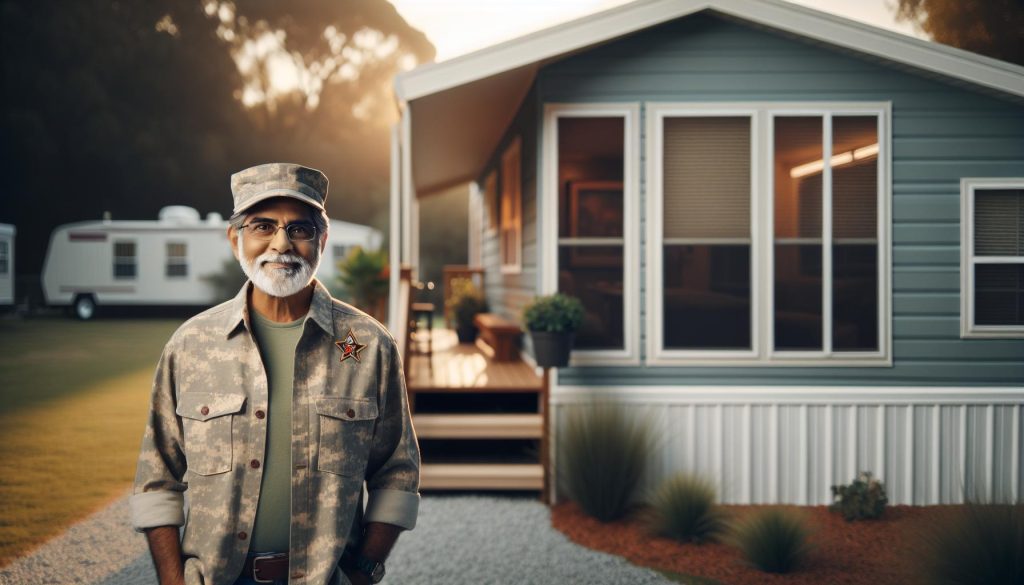
Owning a home is a dream for many veterans, and a VA loan can make that dream a reality, even for mobile home enthusiasts. With a growing interest in manufactured housing, understanding whether you can purchase a mobile home with a VA loan is crucial. This guide will explore the eligibility requirements, benefits, and unique considerations for veterans looking to invest in a mobile home. Discover how to navigate this housing option to secure a comfortable, affordable living space that meets your needs. Embrace the possibilities and learn how to leverage your VA benefits effectively-your path to mobile home ownership starts here!
Can You Use a VA Loan to Buy a Mobile Home?
Yes, utilizing a VA loan to buy a mobile home is indeed a viable option for veterans and active-duty personnel. This financial resource not only allows for the purchase of traditional homes but also extends to manufactured and modular homes, providing a flexible and appealing housing alternative. However, to maximize the benefits of a VA loan for mobile home purchases, understanding specific requirements and guidelines is crucial.
To qualify for a VA loan, the mobile home must typically be anchored to a permanent foundation and included with the purchase of the land it occupies. This attachment not only meets VA requirements but also enhances the property’s value and stability-essential elements for any prospective homeowner. Furthermore, the mobile home must meet certain construction standards, generally meaning it should have been built after 1976 and comply with the VA’s standards for safety and functionality. This ensures that the buyer is investing in a quality dwelling.
When considering financing options, it’s important to note that VA loans usually offer lower interest rates and no down payment, which significantly contrasts with many conventional loans. These benefits make VA loans an attractive proposition for those looking to acquire a mobile home. Additionally, navigating the application process can be more straightforward compared to conventional loans, especially for veterans familiar with VA resources.
In preparation for a mobile home purchase, evaluating personal finances and understanding long-term maintenance costs are vital steps. The unique nature of mobile homes comes with specific upkeep considerations, such as leveling the structure and ensuring proper anchoring, which are essential for safety and longevity. Moreover, being mindful of zoning laws and insurance requirements can empower buyers to make informed decisions throughout the process.
Overall, VA loans provide an excellent pathway to mobile home ownership for veterans, offering financial advantages and a commitment to quality housing. As you navigate this route, leveraging the right information and resources will help ensure a sound investment in your future living space.
Advantages of VA Loans for Mobile Home Purchases

Purchasing a mobile home can be an attractive and cost-effective housing option, especially for veterans looking to benefit from the favorable terms associated with VA loans. One of the most significant advantages of utilizing a VA loan for mobile home purchases is the absence of a down payment requirement, making homeownership more accessible. This feature is particularly advantageous for veterans who may have limited savings yet want to invest in their own living space. Furthermore, VA loans generally offer competitive interest rates, which can lead to substantial savings over the life of the loan compared to conventional financing options.
In addition to financial benefits, VA loans provide a level of security that can be critical for veterans and their families. Unlike typical financing, VA-backed loans come with no Private Mortgage Insurance (PMI) requirement, which means borrowers can save hundreds of dollars monthly. This financial relief allows veterans to allocate funds towards other essential expenses, such as home improvements or setting up utilities in their new mobile home. The streamlined application process also plays a crucial role; VA loans often come with less stringent credit requirements, making it easier for veterans to secure financing even if their financial history isn’t perfect.
When considering where to place a mobile home, it’s essential to understand local zoning laws and land use regulations, which can sometimes complicate the purchasing process. However, the VA has resources and guidance available to help navigate these complexities, making it easier for veterans to find the right location for their mobile homes. Overall, the combined benefits of financial flexibility and support resources make VA loans a compelling choice for veterans looking to purchase mobile homes, providing an accessible path to homeownership while respecting the unique aspects of manufactured housing.
In summary, leveraging a VA loan not only ensures favorable financing conditions but also facilitates a smoother transition into mobile home living, enabling veterans to feel confident and secured in their investment. With the right preparation and resources, they can embrace the mobile home lifestyle and enjoy the advantages it offers.
Understanding the Eligibility Requirements for VA Loans

To effectively navigate the unique landscape of financing a mobile home through a VA loan, understanding the eligibility requirements is paramount. Veterans and active-duty service members are often unaware of their potential to purchase a mobile home with VA benefits, which can offer favorable loan terms. To qualify, individuals must meet specific service criteria, including serving a minimum length of time in the military, which varies based on the era of service. Generally, a discharge status of anything better than dishonorable is required, with Veterans specific documentation needed like a Certificate of Eligibility (COE) to affirm service.
Additionally, lenders will evaluate other criteria such as income stability, debt-to-income ratio, and credit history; however, VA loans have more lenient standards compared to conventional loans. Veterans who have faced challenges in their financial journey may still find success in obtaining a VA loan due to these relaxed credit requirements. It’s beneficial to collect all necessary documentation ahead of time, including pay stubs, tax returns, and a financial overview to present to lenders.
For veterans considering a mobile home, it’s important to recognize that not all mobile homes qualify for VA financing. The home must be classified as either a manufactured or modular home, and it should meet the standards set by the Department of Housing and Urban Development (HUD). The home must also be affixed to a permanent foundation and placed on land that is either owned by the buyer or leased for a minimum of 99 years. This ensures the investment in the home is secure and meets VA’s structural requirements.
In conclusion, veterans keen on purchasing a mobile home with a VA loan should educate themselves on these eligibility parameters and gather their financial documents. With the right preparation, leveraging VA benefits allows for a viable pathway to homeownership in this increasingly popular market. Engaging with professionals who understand VA loans can further streamline the process, making the dream of mobile home living a reachable goal.
Types of Mobile Homes That Qualify for VA Loans
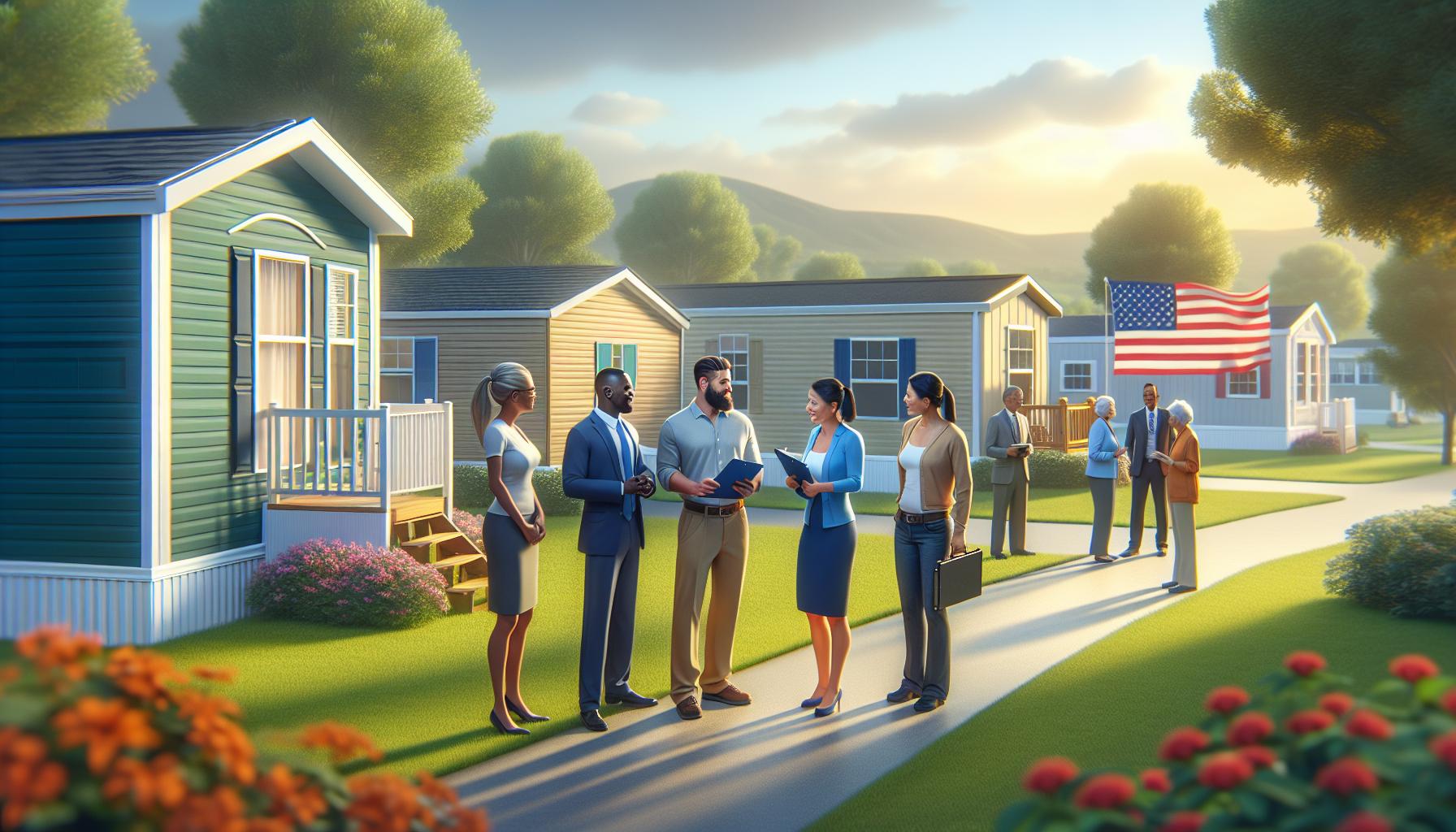
When considering a VA loan for purchasing a mobile home, it’s crucial to understand the types of mobile homes that qualify. Not all mobile homes meet the standards necessary for VA financing, and knowing the specific types can help streamline your buying process and ensure you make a compliant purchase.
For a mobile home to be eligible for VA loan benefits, it must be classified as a manufactured home or a modular home. These classifications are key because they adhere to certain federal guidelines established by the Department of Housing and Urban Development (HUD). Specifically, the home should be built on a permanent chassis and must adhere to the HUD’s construction and safety standards. Additionally, the mobile home must be installed on a foundation that is either permanent or approved, which assures the stability and safety necessary for long-term living.
Furthermore, the land on which the mobile home sits plays a critical role in its eligibility. The property must either be owned outright by the borrower or be leased for a minimum of 99 years. This requirement reinforces the idea that the investment is secure and in alignment with VA standards for property ownership. To clarify further, if you’re looking at a mobile home that is not permanently affixed to land (like those in mobile home parks that don’t allow for title transfer), it typically won’t qualify for VA loan financing.
Investing in a qualifying mobile home offers veterans an excellent opportunity for homeownership, potentially with favorable loan terms and lower upfront costs than traditional homes. If you’re in the market, make sure to consult with knowledgeable lenders or real estate agents who specialize in VA loans and manufactured housing to navigate these specific requirements effectively. Understanding these nuances will not only help you ensure compliance but will also empower you to make an informed decision in your journey toward homeownership.
Financing Options: VA Loans vs. Conventional Loans

When exploring your financing options for purchasing a mobile home, understanding the differences between VA loans and conventional loans can significantly impact your decision-making process. VA loans, specifically designed for veterans, provide unique benefits that can ease the pathway to homeownership, particularly when it comes to mobile homes.
One of the standout features of VA loans is the absence of a down payment requirement. This means that eligible buyers can finance 100% of the purchase price of the mobile home, along with associated costs, which is a substantial advantage over conventional loans that often require a down payment ranging from 3% to 20%. Additionally, VA loans typically come with competitive interest rates and do not require private mortgage insurance (PMI), which can save borrowers hundreds of dollars every month. These factors make VA loans especially appealing to veterans seeking affordable options for homeownership.
In contrast, conventional loans may offer more flexible eligibility criteria for those who might not qualify for VA financing; however, they usually come with higher costs in the long term. Borrowers can face steep PMI fees and interest rates that can fluctuate based on market conditions and their credit scores. Additionally, conventional loans often have stricter credit requirements, which can be a barrier for some potential homebuyers.
Furthermore, when considering financing a mobile home, the type of loan you choose can dictate your home’s purchase potential. Conventional loans may have strict guidelines regarding the types of mobile homes eligible for financing, often excluding many manufactured homes that meet VA standards. Therefore, those seeking to use a VA loan for a mobile home purchase may not only benefit from the easier financial terms but also from a broader range of qualifying properties.
In summary, opting for a VA loan provides veterans with an exceptional opportunity to purchase a mobile home under favorable financial conditions, while conventional loans may present more obstacles, particularly in terms of cost and eligibility. Understanding these distinctions can empower you to make the best financial decision for your future home.
How to Navigate the VA Loan Application Process
Navigating the VA loan application process for purchasing a mobile home can be straightforward if you understand the key steps involved. Starting with some essential groundwork can simplify your journey. First, make sure you qualify for a VA loan by obtaining your Certificate of Eligibility (COE), which verifies your service and entitlements. You can apply for this certificate through the VA’s online portal or by working with a lender who can assist you with the process.
Once you have your COE, the next step is to find a VA-approved lender who specializes in mobile home financing. Not all lenders offer VA loans for mobile homes, so it’s crucial to identify those with experience in manufactured housing. When speaking to potential lenders, inquire about their specific experiences with mobile home purchases and the requirements they might have in place. This will help you gauge their level of expertise in navigating the nuances of mobile home financing.
After selecting a lender, gather necessary documentation, including proof of income, tax returns, and information on any debt or credit that may impact your loan approval. Be prepared for an appraisal, which is standard in the VA loan process. The appraiser will assess the mobile home, ensuring it meets minimum property requirements set by the VA, and confirm its value. This step is important because it not only influences the loan amount but also ensures that the property is safe and livable.
Once all necessary documentation is submitted and the appraisal is complete, the lender will begin underwriting your loan. This involves reviewing your financial history and the details of the mobile home before final approval. Communication is key during this stage; stay in touch with your lender to address any questions or concerns that arise. Finally, upon approval, you can celebrate your successful navigation of the VA loan application process and look forward to moving into your new mobile home!
By taking these organized steps within the VA loan framework, you’ll not only streamline your application process but also position yourself to make informed decisions throughout your mobile home buying journey. Remember, the key is preparation and staying proactive in each stage: acquiring your COE, choosing the right lender, preparing documentation, and maintaining open communication during underwriting.
Preparing Your Finances for a Mobile Home Purchase
Preparing to purchase a mobile home with a VA loan requires careful financial planning and an understanding of how to best leverage your benefits. Many veterans are surprised to learn that mobile homes can be a viable and affordable housing option. However, the key to a successful purchase lies in establishing a strong financial foundation before you begin the buying process.
To start, assess your budget and determine how much you can comfortably afford, considering both monthly payments and additional costs such as insurance, maintenance, and lot rent. Because VA loans typically do not require a down payment, this can be an attractive option for many veterans. However, it’s essential to have a clear picture of your total financial situation. Begin by listing your income, expenses, and any existing debts. This will help you better understand your financial leeway and assist in obtaining pre-approval from a VA-approved lender.
Steps for Financial Preparation
- Check Your Credit Score: Before applying for a loan, review your credit score and address any discrepancies. A higher credit score can improve your loan terms.
- Gather Financial Documents: Compile documentation such as tax returns, proof of income, and bank statements. This information will be necessary for loan applications.
- Create a Savings Plan: While VA loans allow for no down payment, having savings for unexpected expenses is crucial. Aim for at least 3-6 months of living expenses in reserve.
- Consider Ongoing Costs: Factor in the unique expenses associated with mobile home living, including lot fees, utilities, and maintenance costs.
Being financially prepared not only positions you to secure your VA loan but also helps you make informed decisions throughout the purchase process. Remember, mobile home ownership is not just about the initial purchase; it’s about long-term stability and comfort. By taking a proactive approach to your financial readiness, you can confidently navigate the world of mobile home financing and enjoy the benefits that come with owning this versatile type of housing.
Tips for Finding a VA Loan-Friendly Mobile Home Dealer
Finding the right dealer to purchase a mobile home is a crucial step for veterans looking to utilize their VA loan benefits. A dealer who is well-versed in VA loans can make the process smoother and ensure that the home you select meets all necessary requirements. Many veterans may not realize that not all mobile home dealerships are familiar with VA financing options; therefore, it’s important to do your homework.
Start your search by seeking dealers who specifically advertise their acceptance of VA loans. These dealers often have dedicated staff who can provide insights and assistance throughout the purchase process. You can enhance your search by visiting local VA offices or forums where fellow veterans gather; recommendations from others who have successfully used VA loans to buy mobile homes can lead you to trustworthy dealers.
When evaluating potential dealers, consider the following tips:
- Research Dealer Reputations: Check online reviews and ratings from other customers, paying attention to their experiences with VA loan financing. Trusted platforms like the Better Business Bureau can also provide insights.
- Inquire About VA Loan Experience: Ask the dealer about their specific experience with VA loans. A knowledgeable dealer will understand the nuances of VA loan certification, closing cost coverage, and how to navigate the necessary documentation.
- Evaluate the Selection: Ensure the dealer offers a variety of mobile homes that meet VA loan standards, including those that are newly built or manufactured in compliance with federal regulations.
- Verify Financing Assistance: Choose dealers who help veterans with financing options-including pre-approval processes-making the transition to mobile home ownership easier and more efficient.
By proactively seeking out a VA loan-friendly mobile home dealer, you ensure that you not only secure a great home but also maximize the benefits of your VA loan. This approach not only empowers you to find the best possible deal but also solidifies confidence in your purchasing decision, making mobile home ownership a rewarding endeavor.
Essential Steps for Buying a Mobile Home with a VA Loan
For veterans interested in purchasing a mobile home using a VA loan, understanding the essential steps involved in the process can make all the difference. First and foremost, familiarize yourself with the specific requirements that apply to VA loans. It’s crucial to ensure that the mobile home you’re interested in meets the eligibility criteria set forth by the Department of Veterans Affairs, as only certain types of homes are eligible. This includes ensuring that the home is affixed to a permanent foundation, and in some cases, that it is owned as part of the land.
Once you’ve confirmed that the mobile home meets the eligibility requirements, you should begin to prepare your finances. This includes reviewing your credit score, gathering necessary documentation such as proof of income and military service, and understanding what your budget allows. Pre-approval for the loan can also streamline the purchasing process, giving you confidence as you shop for homes.
Another vital step is to research and identify a VA loan-friendly mobile home dealer. Look for dealers who have a proven track record working with veterans and VA financing. They can provide essential support and guidance throughout the process, helping you navigate the loan application and ensuring that you are aware of any specific documents required.
Before finalizing the purchase, it’s essential to conduct thorough inspections of the mobile home to ensure it’s in good condition and meets all necessary safety standards. Once you’ve completed these steps and secured your loan, be prepared to close the deal-this involves signing agreements, reviewing final paperwork, and coordinating with all parties involved. It’s also wise to consult with a legal professional familiar with mobile home purchases to address any potential legal issues that may arise.
By following these steps diligently, you position yourself not only to successfully utilize your VA loan but to embrace the benefits of mobile home ownership with confidence and peace of mind. The journey to owning a mobile home can be rewarding, offering a fulfilling lifestyle option that is both flexible and financially feasible.
Understanding Mobile Home Insurance and VA Loans
When considering the purchase of a mobile home using a VA loan, understanding the nuances of mobile home insurance is essential. Just as you would with a traditional home, insuring your mobile home protects your investment from unforeseen events like fire, theft, or natural disasters. However, mobile home insurance isn’t a one-size-fits-all solution; it may encompass several unique factors that require careful consideration.
First, it’s important to recognize that mobile homes require specific insurance policies tailored to their construction and potential vulnerabilities. Most lenders will stipulate that you have adequate insurance coverage in place prior to finalizing the loan. VA loan guidelines may not directly dictate insurance types, but lenders typically appreciate evidence of a robust insurance policy to mitigate their risks. Make sure your policy covers not only the structure itself but also personal belongings inside, as well as liability coverage.
Additionally, consider how the mobile home is secured and affixed. Homes that are properly anchored and set on a permanent foundation might have different insurance implications compared to those that are temporarily placed. For example, homes in hurricane-prone areas may require additional coverage for wind and flood damage. It’s advisable to consult with an insurance agent knowledgeable about mobile home policies who can help tailor coverage specific to your situation.
Lastly, when budgeting for purchasing a mobile home, remember to factor in insurance costs alongside your mortgage payments and other homeownership expenses. Review multiple insurance providers, asking detailed questions about what their policies cover and any potential discounts available, especially for veterans. This practice not only ensures comprehensive coverage but also empowers you to make informed financial decisions as you step into the rewarding world of mobile home ownership.
Legal Considerations When Purchasing a Mobile Home
When purchasing a mobile home, understanding the legal intricacies involved in the transaction can significantly influence your buying experience and future peace of mind. Since mobile homes often occupy a unique space within property law, it is essential to distinguish between buying a mobile home as personal property versus real property. This distinction generally arises based on whether the home is placed on a permanent foundation. If it is, you may be able to benefit from real property financing, such as a VA loan, which offers advantages similar to those of traditional home loans.
One critical aspect includes ensuring that the title to the mobile home is clear and that there are no liens attached. Lenders typically require a title search as part of the underwriting process to establish ownership and confirm that the seller possesses the legal right to sell the property. Additionally, it’s crucial to verify compliance with local zoning regulations. Some areas have restrictions on where mobile homes can be placed, which can complicate your loan approval and future home ownership experience. Researching local ordinances or consulting with a legal professional can prevent misunderstandings that may arise after your purchase.
Contractual obligations in mobile home purchases can differ from those of traditional homes. For instance, review the purchase agreement carefully to understand any contingencies and your rights as a buyer. Should you be purchasing in a mobile home park, familiarize yourself with the park’s rules and lease agreements, which can dictate how you live in and modify your home, as well as any fees that might be applicable. Disclosures regarding the condition of the home are also mandated in many states, ensuring you’re informed about any potential issues before closing the deal.
Lastly, depending on where you reside, you might need to fulfill certain state requirements for mobile home registration. For example, in many regions, you will need to apply for a certificate of title with the Department of Motor Vehicles (DMV) or a relevant regulatory body. This ensures that your mobile home is properly registered, thus avoiding legal complications down the line. By navigating these legal considerations diligently, you can position yourself for a successful and hassle-free mobile home purchasing experience.
Long-Term Maintenance Tips for Your Mobile Home
Proper long-term maintenance of your mobile home is crucial not only for enhancing its lifespan but also for ensuring a comfortable living environment. With the right practices, homeowners can prevent costly repairs down the line and create a space that feels welcoming and safe.
Regular inspections are vital. Schedule seasonal checks on key components such as the roof, plumbing, insulation, and electrical systems. For example, inspect for signs of leaks or water damage in the roof and around windows and doors. If you notice any issues, address them immediately to prevent more significant damage. Additionally, pay attention to the undercarriage of your mobile home; check for rust or corrosion, as these can lead to serious structural issues over time.
Another essential aspect of maintenance is ensuring that your mobile home is well-anchored and leveled. This can help prevent shifting, which may cause structural problems or even damage to the roof and walls. If you live in an area prone to severe weather, consider investing in storm tie-downs to secure your mobile home during high winds. Regularly check these tie-downs to ensure they are intact and functioning properly.
Keeping up with the exterior maintenance, such as painting and siding repairs, can help protect your home from the elements. Use weather-resistant materials when making repairs and consider applying sealant to gaps and joints, which helps keep moisture out and improve energy efficiency. Additionally, clear any debris, like leaves or branches, from around the home to maintain proper drainage and prevent pest issues.
Lastly, take steps to create a preventative maintenance schedule that suits your lifestyle. Include routine tasks such as changing air filters, cleaning gutters, and checking smoke detectors, ensuring you stay ahead of potential problems. By prioritizing these maintenance tasks, your mobile home will not only retain its value but also be a safe haven for you and your family.
Frequently asked questions
Q: What are the requirements for buying a mobile home with a VA loan?
A: To buy a mobile home with a VA loan, it must meet specific eligibility criteria, including being manufactured after June 15, 1976, and securing property on a permanent foundation. Additionally, the borrower must qualify based on credit, income, and service requirements.
Q: Are there any down payment options when using a VA loan for a mobile home?
A: VA loans typically require no down payment, which is a significant advantage for buyers. However, it’s crucial to check with your lender as they might have additional policies or fees.
Q: Can I buy a used mobile home with a VA loan?
A: Yes, you can purchase a used mobile home with a VA loan, provided it meets certain condition and safety guidelines. The home must be appraised to ensure it meets VA standards.
Q: How does VA loan financing differ from conventional loans for mobile homes?
A: VA loans offer benefits like no down payment and no private mortgage insurance, which can lead to lower monthly payments compared to conventional loans. This makes VA loans a more appealing option for eligible buyers considering mobile homes.
Q: What is the process for applying for a VA loan to buy a mobile home?
A: To apply for a VA loan, start by obtaining a Certificate of Eligibility (COE). Next, connect with a VA-approved lender to submit your application. After approval, you can begin your home search and make an offer.
Q: What types of mobile homes are eligible for VA loans?
A: VA loans can be used for various types of mobile homes, including single-section and multi-section homes, as long as they are permanently affixed to a foundation and comply with local building codes.
Q: Is insurance different for mobile homes purchased with a VA loan?
A: Yes, mobile home insurance differs from standard home insurance. Buyers should look for specialized mobile home insurance policies, which may cover unique risks associated with manufactured housing.
Q: What closing costs should I expect when using a VA loan for a mobile home?
A: Closing costs for VA loans typically include origination fees, appraisal fees, title insurance, and recording fees. Some costs can be negotiated or covered by the seller, making the VA loan a great option for budgeting.
Wrapping Up
As you explore the possibility of purchasing a mobile home with a VA loan, remember that utilizing your VA benefits can open a variety of affordable housing options tailored to your needs. With the right knowledge about financing, setup, and maintenance, you can confidently navigate this journey. Don’t hesitate to visit our in-depth resources on mobile home insurance options and essential setup procedures to ensure your new home is both secure and comfortable.
Act now to take advantage of your VA benefits; the sooner you start the process, the more prepared you’ll be to enjoy your new mobile home lifestyle. Have questions or need assistance? Our community of experts is here to help you every step of the way. Dive deeper into related content that discusses financing options, maintenance tips, and renovation guides and transform your home into a haven. Join the conversation by sharing your thoughts or experiences in the comments below! Your dream home awaits.