In today’s housing market, finding a quality home under $100K can feel like searching for a needle in a haystack. However, modular homes offer a compelling solution, combining affordability with modern design and convenience. With various options available that meet this budget, you can discover smart living spaces that fit your needs without sacrificing quality. This guide explores the diverse range of budget-friendly modular home choices, providing insight into their advantages and helping you make an informed decision about your next investment. Whether you’re a first-time buyer or looking for a smart downsizing option, these affordable picks can pave the way to a sustainable and stylish lifestyle. Dive in to learn how modular homes could be the perfect fit for you!
Exploring Modular Home Types Under $100K
In today’s housing market, the allure of modular homes under $100K presents a viable pathway for individuals and families seeking affordable and flexible living options. The diversity of modular home types available at this price point often surprises prospective buyers, providing choices that cater to various needs and lifestyles. From compact models ideal for singles or couples to more spacious designs suited for families, exploring these options can be both exciting and daunting, but understanding the types and their features is crucial.
Popular Types of Modular Homes Under $100K
Several types of modular homes fall within the $100K budget, including:
- Single-Section Homes: These are typically the most affordable and consist of a single unit. They are perfect for small lots and usually measure between 600 to 1,200 square feet.
- Double-Section Homes: Offering more space than single-section models, these homes combine two sections and provide room for growing families or those who desire additional living space. They may range from 1,200 to 1,800 square feet.
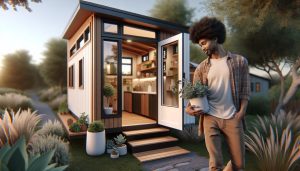
- Modular Tiny Homes: As minimalism gains popularity, tiny homes present an excellent option for individuals and couples looking to downsize. These typically boast efficient designs and can range from 100 to 400 square feet, allowing for affordability without sacrificing comfort.
- Prefabricated Bungalows: For those desiring a quaint aesthetic, modular bungalows under this price point offer cozy layouts, often with charming porches or open floor plans.
When searching for a modular home, it’s essential to consider the initial costs, which can include site preparation and delivery fees. Many manufacturers offer customizable options so buyers can personalize their home within budget constraints. Moreover, the modular home industry is increasingly focusing on eco-friendly designs, making it possible to find energy-efficient models that further reduce long-term living expenses.
Navigating through the various options can feel overwhelming, but taking the time to explore these types of modular homes not only enhances understanding but also empowers buyers to make informed decisions. By prioritizing needs and preferences, homebuyers can discover a budget-friendly modular home that aligns with their lifestyle and financial goals.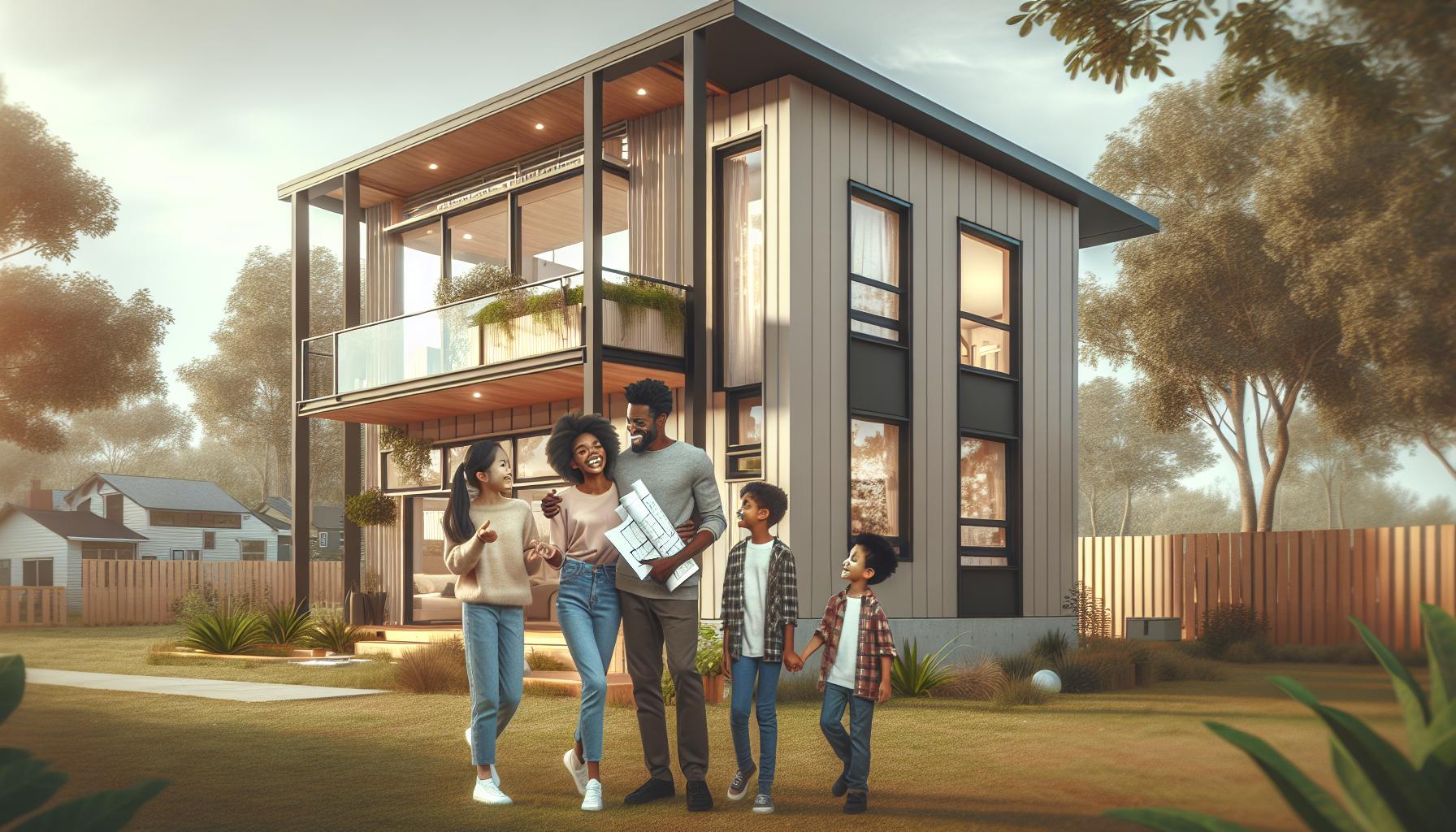
Key Features of Budget-Friendly Modular Homes
When exploring budget-friendly modular homes, several key features stand out that make them not only affordable but also practical for various lifestyles. One significant advantage is their customizability, providing buyers with the ability to tailor their homes to fit personal preferences without escalating costs dramatically. Many manufacturers offer a variety of layouts and finishes to choose from, allowing homeowners to create a unique space that reflects their style while remaining within a $100K budget.
Another essential aspect is energy efficiency. Many budget-friendly modular homes incorporate modern building materials and technology designed to minimize energy consumption. Features such as insulated walls, energy-efficient windows, and high-efficiency heating and cooling systems can significantly reduce utility bills-offsetting initial purchase costs over time. Prospective buyers should look for homes rated with high energy star ratings, which not only promote lower ongoing costs but also contribute to a greener footprint.
Moreover, space optimization emerges as a hallmark of budget modular homes. These designs often prioritize functional layouts, ensuring that even smaller square footage is utilized effectively. Open floor plans, multi-functional rooms, and smart storage solutions epitomize this trend, creating airy and inviting living spaces that don’t feel cramped. This is particularly beneficial for families and individuals who seek both comfort and practicality within a limited budget.
Lastly, the speed of construction is a compelling feature of modular homes. Unlike traditional site-built homes, which can take several months or even years to complete, modular homes can often be built in a fraction of the time. This means buyers can move into their new home quicker, allowing them to start their new lifestyle sooner without the headache of lengthy construction delays.
By understanding these key features, potential buyers can make informed decisions that align with their financial goals and personal lifestyles, ensuring they select a modular home that meets their needs while staying within budget.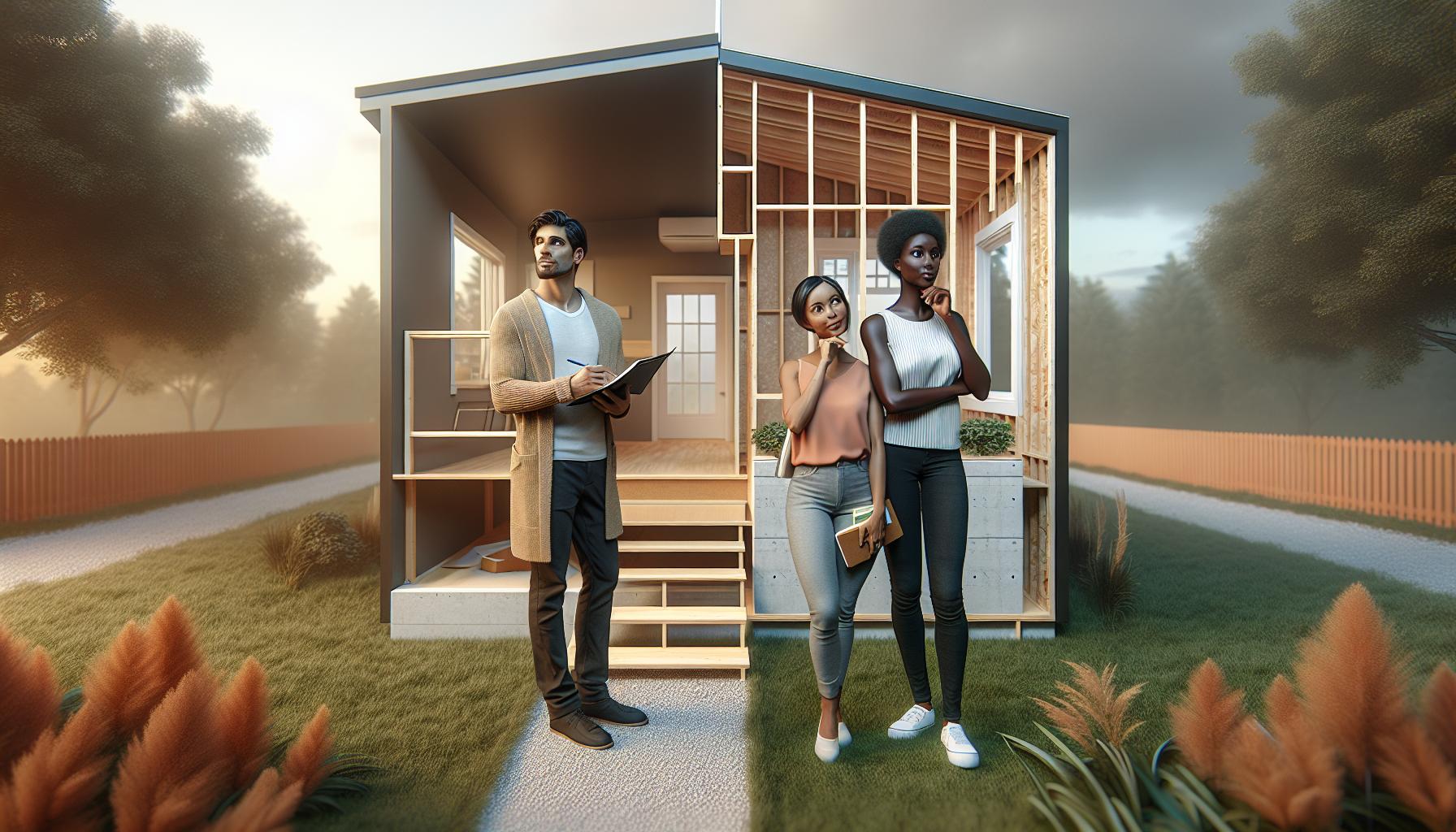
Pros and Cons of Choosing Modular Homes
Choosing a modular home can be a transformative decision, especially for those looking for affordability without sacrificing quality. Modular homes have gained popularity due to their unique blend of efficiency and customizability. However, it’s essential to weigh both the advantages and disadvantages to better understand if this housing option aligns with your lifestyle and financial goals.
Advantages of Modular Homes
One of the standout benefits of modular homes is their cost-effectiveness. Generally, modular homes are less expensive per square foot compared to traditional site-built homes. This affordability makes them an attractive option for first-time homebuyers or those working within a strict budget. Additionally, the speed of construction is a significant advantage; modular homes can often be completed in weeks rather than months, enabling families to move in sooner.
Another key aspect is energy efficiency. Many modular homes are constructed with modern materials that boast better insulation and energy-saving technologies. This can translate into lower utility bills and a reduced environmental footprint. Moreover, modular homes can offer a wide range of design options to match personal aesthetics, from contemporary to traditional styles. Buyers can often select layouts, finishes, and features, making their home feel personalized while adhering to budget constraints.
Drawbacks to Consider
Despite their advantages, there are a few disadvantages to keep in mind. Limited financing options can sometimes hinder buyers, as not all lenders are familiar with or willing to finance modular homes. Additionally, the perception of modular homes may be a concern for some buyers; they are often mistakenly equated with lower-quality manufactured homes, which can affect resale value.
Moreover, the installation process can present challenges, as modular homes must be transported and assembled at the site. This aspect may lead to potential delays if not properly managed. Homeowners should also consider the zoning laws and local regulations that can vary by location and may influence where a modular home can be placed.
In conclusion, while modular homes under $100K offer innovative and budget-friendly housing solutions, understanding both their pros and cons ensures that potential buyers make informed decisions that align with their long-term living goals. Whether you’re looking for efficiency, speed, or personalization, weighing these factors will help you determine if a modular home is the right choice for you.
Popular Modular Home Styles for Every Taste
Choosing a modular home can offer both style and affordability, especially when you have a budget cap of $100K. With various modular home styles available, it becomes possible to find options that suit diverse tastes while also adhering to financial limitations. From sleek modern designs to charming traditional aesthetics, today’s modular homes embrace an array of architectural styles, catering to the preferences of various buyers.
One popular choice is the modern farmhouse style, which combines rustic charm with contemporary materials. These homes typically feature open floor plans, large front porches, and durable exteriors. Often designed with energy-efficient elements, modern farmhouses can provide both aesthetic appeal and functionality, making them a great option for families or anyone looking to enjoy a cozy yet modern living space.
Another favorite is the Cape Cod style. This compact, symmetrical design is known for its steep rooflines and dormer windows, creating an inviting atmosphere. The layout often maximizes the use of space, making it ideal for smaller plots. Buyers appreciate the warm, classic feel of a Cape Cod home, which can easily be personalized with modern finishes while remaining within a budget.
For those interested in a more contemporary look, the mid-century modern option stands out. Characterized by open spaces, flat planes, and large glass windows that merge indoor and outdoor living, this style often emphasizes simplicity and elegance. With the right design choices, homebuyers can achieve a stylish and functional environment that reflects their personality without breaking the bank.
Lastly, cottage-style homes offer a delightful charm, featuring intricate details and cozy layouts. These homes often incorporate natural materials and inviting porch spaces, perfect for a peaceful lifestyle. Cottagestyle modular homes can provide an idyllic retreat for those seeking a tranquil living environment, often at competitive prices.
With so many styles available, prospective buyers can explore options that not only fit their budget but also resonate with their personal taste and lifestyle needs. Whether leaning towards modern designs or nostalgic aesthetics, the modular home market under $100K presents an exciting variety of choices.
Financing Options for Affordable Modular Homes
Securing financing for a modular home can be a straightforward process if you know your options. Many buyers mistakenly assume that modular homes are considered personal property, which can limit financing choices. However, these homes can be classified as real estate in many cases, enabling access to a variety of loan programs typically available for traditional homes. Understanding these options is crucial for making informed financial decisions within your budget of $100,000.
One prevalent financing option is a traditional mortgage. By treating your modular home as a real estate investment, you can qualify for conventional loans offered by banks and credit unions. This approach usually requires a down payment of 5% to 20%, depending on the lender and your credit history. For first-time buyers or those with lower credit scores, the Federal Housing Administration (FHA) loan can be particularly beneficial. FHA loans allow for lower down payments (as low as 3.5%) and are accommodating for those with less-than-perfect credit.
Another option to consider is the purchase-money mortgage. This is when the seller or a financial institution provides financing directly to the buyer, allowing for potentially flexible payment terms. While not as common as traditional loans, this can be a viable solution, particularly for new or manufactured homes where traditional financing may be harder to obtain.
In addition to traditional loans, there are specific financing programs designed for modular homes. The U.S. Department of Agriculture (USDA) offers loans for rural properties, which can be instrumental for those looking to relocate outside urban areas. This program can provide zero down payment options and competitive interest rates, making it an attractive choice for individuals or families seeking affordable living arrangements.
Furthermore, exploring personal loans or home equity loans can serve as alternative methods of financing if you’re purchasing land to place your modular home. These loans often have higher interest rates but can provide needed cash flow if traditional methods fall short.
Understanding each of these financing avenues will empower you and align your choices with your financial situation and lifestyle needs. Engaging with a mortgage broker who specializes in modular home financing can additionally enhance your options, ensuring you make a sound investment without exceeding your budget.
Navigating Zoning Laws and Regulations
When considering the purchase of a modular home, understanding local zoning laws and regulations can be as crucial as the home itself. These laws dictate where modular homes can be placed, ensuring they align with community standards and safety requirements. In many areas, zoning classifications determine whether a modular home is classified as a permanent structure or a temporary one, which directly impacts your financing options, property taxes, and resale value.
It’s essential to research your local zoning ordinances before committing to a modular home. You can typically find this information on your city or county’s official website or through your local planning department. Be aware that some neighborhoods or homeowners’ associations (HOAs) may have additional restrictions, which can include stipulations about home dimensions, exterior finishes, and even color schemes. Ensuring your selected home adheres to these guidelines will help avoid potential legal issues or the need for costly renovations to meet compliance standards.
- Property Setbacks: Many regions require specific distances between homes and property lines. Ensure that your chosen location adheres to these setbacks.
- Building Permits: Compliance often requires obtaining the proper permits before installation. This may involve submitting your modular home plans and undergoing inspections.
- Land Use Designation: Confirm that the land is zoned for residential use and permits modular homes; some areas may have restrictions against mobile or modular housing.
Additionally, consider engaging with local real estate professionals who specialize in modular homes. They can provide valuable insights into zoning practices and help navigate any complexities specific to your desired locality. By arming yourself with information and support, you can feel confident in your choice of placing a modular home within your budget while ensuring compliance with all necessary regulations. This proactive approach not only secures your investment but also promotes a harmonious relationship with your new community.
Essential Design Tips for Budget Modular Homes
Creating an inviting and functional living space within a budget of $100K for a modular home is entirely feasible with thoughtful design choices. A great starting point is to prioritize space efficiency. Selecting a floor plan that maximizes natural light and open areas can make smaller spaces feel larger and more welcoming. Use of multi-functional furniture, like a sofa bed or extendable dining table, allows for flexibility in usage without crowding the space.
Choose Cost-Effective Finishes
When it comes to finishes, opt for materials that provide durability and style without breaking the bank. Laminate countertops can offer a sophisticated look while being much more affordable than natural stone. Consider using vinyl flooring, which is not only cost-effective but also easy to maintain and available in a variety of designs that mimic hardwood. Additionally, paint is an excellent way to personalize your home without significant expense. Selecting lighter colors can enhance brightness and create an airy feel.
Maximize Outdoor Opportunities
Don’t overlook the potential of outdoor spaces to enhance your modular home experience. Simple landscaping can transform your yard into an inviting area for relaxation or entertainment. Adding a deck or patio can extend your living space while providing a perfect venue for gatherings. Incorporating planters or vertical gardens allows you to infuse greenery without requiring expansive ground space.
Innovative Storage Solutions
In smaller modular homes, clever storage solutions can make a significant difference. Utilizing vertical space by installing shelving units or cabinets that reach up to the ceiling can help you maximize storage without compromising floor space. Consider built-in furniture, such as benches with storage compartments or ottomans that can house items while serving a dual purpose.
- Incorporate Energy Efficiency: Choose energy-efficient appliances and fixtures to not only save on utility bills but to encourage a more sustainable lifestyle.
- Use Affordable Decor: Opt for second-hand or DIY decor projects that reflect your style and personality while adhering to your budget.
By strategically planning your design choices and being creative with spaces and materials, you can craft a budget-friendly modular home that feels comfortable and stylish, proving that quality living can exist within financial constraints.
Cost-Saving Techniques for Modular Home Buyers
Being a modular home buyer doesn’t have to mean stretching your budget thin. There are numerous strategic approaches to keep costs under control without sacrificing quality or comfort. One of the most effective methods is to thoroughly research and choose a design that fits your lifestyle while minimizing unnecessary expenses. For example, opting for a simple floor plan with fewer customizations can significantly reduce overall building costs. Additionally, modular homes often come with built-in efficiencies since they are manufactured in controlled environments using streamlined processes which can lower labor costs compared to traditional home construction.
Another practical technique is to take advantage of off-peak buying seasons. Prices for modular homes can fluctuate based on demand cycles, so timing your purchase when demand is lower-typically in late fall or winter-can lead to substantial savings. Furthermore, buying a model that is already in stock rather than placing a custom order can help cut costs, as manufacturers may offer discounts on inventory that needs to be moved.
It’s equally important to engage with warranties and financing options effectively. Many modular home manufacturers provide warranties that can cover significant repair costs, adding an extra layer of long-term savings and peace of mind. Exploring various financing options is crucial; compare interest rates and loan terms to find the most advantageous arrangement. Utilizing government-backed loans, such as FHA loans, can offer favorable terms due to their focus on affordable housing initiatives.
Consider incorporating DIY projects into your setup to enhance the value of your investment while keeping expenses manageable. For instance, after moving in, adding personal touches through low-cost renovation projects, such as painting or installing shelves, can improve your home’s functionality without a major financial commitment. By harnessing an innovative mindset and carefully considering your buying approach, modular home buyers can achieve a beautiful, customized living space that remains firmly within their budget.
Understanding Maintenance for Modular Homes
Maintaining a modular home requires a proactive approach to ensure its longevity and proper functioning, much like any other type of residence. However, the unique construction and setup of modular homes introduce specific maintenance practices that homeowners should be aware of. With modular homes often being built in segments and transported to their final site, understanding how to care for these homes helps preserve their value and enhances the quality of life for residents.
One of the crucial aspects of maintenance involves regular inspections of both the interior and exterior of the home. Homeowners should routinely look for signs of wear and tear, such as leaks, cracks in the walls, or issues with doors and windows. Outdoor maintenance is particularly essential, including clearing gutters, checking for pests, and maintaining the landscaping around the home’s foundation to prevent moisture buildup. Here are a few essential tasks to incorporate into your routine:
- Inspect the roofing: Check for any loose or missing shingles, especially after severe weather conditions.
- Seal around windows and doors: Ensure that the seals remain intact to enhance energy efficiency and prevent leaks.
- Check the skirting: Inspect the siding or skirting around your modular home for signs of damage or decay.
- Maintain plumbing: Regularly check for leaks in visible pipes and ensure drains are clear to avoid blockages.
Another critical area is understanding and addressing the home’s foundation. Many modular homes are installed on a foundation, which can be either permanent or temporary. Depending on your location, storm tie-downs may be necessary to secure the home against strong winds. For those in areas prone to hurricanes, investing in high-quality tie-down systems can be a lifesaver. If your home is on piers, ensure these supports are sturdy and inspect them periodically for rust or damage.
In addition to these periodic inspections and interventions, homeowners should be aware of specific maintenance tips for modular homes. For instance, ensuring proper ventilation can prevent moisture buildup, leading to mold and mildew. Regular cleaning of heating and cooling systems also promotes efficiency and extends the life of these systems.
Finally, keeping a maintenance log can be beneficial for tracking repairs, scheduled inspections, and seasonal upkeep. A log will help you stay organized and mindful of when to perform specific tasks, making it easier to maintain your modular home’s overall health. Knowledge, preparation, and systematic maintenance will ensure your budget-friendly modular home continues to provide safe and comfortable living.
Insurance Considerations for Modular Properties
Navigating the insurance landscape for modular homes can be critical to protecting your investment, especially when looking for budget-friendly options under $100K. Understanding the unique aspects of modular homes-such as their construction and location implications-can influence insurance choices and help homeowners secure essential coverage tailored to their needs.
One prominent consideration is the distinctions between traditional homeowners insurance and specialized modular home insurance policies. Many insurance companies may categorize modular homes alongside manufactured or mobile homes, which can lead to higher premiums due to perceived risks. However, as modular homes are often constructed to the same building codes as site-built homes, it is essential to shop around and compare policies. Engaging with insurers that specifically address modular housing can lead to more favorable rates and conditions.
When selecting insurance, consider the following key factors:
- Replacement Cost vs. Actual Cash Value: Opt for policies that cover the replacement cost to ensure you can fully rebuild your home in case of total loss, as opposed to actual cash value, which accounts for depreciation.
- Coverage for Add-Ons: If your modular home includes additional structures, such as decks, sheds, or garages, verify that your insurance policy adequately covers these elements.
- Liability Coverage: This is integral, especially if guests visit your home. Ensure you have sufficient liability coverage in case of accidents or injuries occurring on your property.
- Natural Disaster Coverage: Depending on your location, consider policies that cover natural disasters such as hurricanes, floods, or earthquakes. Many standard policies exclude this, so it’s important to assess and customize coverage accordingly.
Understanding local zoning laws and regulations can further impact insurance coverage. For example, homes in high-risk zones may require additional flood or storm insurance, which can increase costs. Furthermore, investing in mitigation strategies, like reinforced tie-downs or upgraded skirting, not only serves to protect your home but may also lead to lower insurance premiums.
By conducting thorough research and consulting with insurance agents experienced in modular home policies, homeowners can identify the best coverage that aligns with their financial capabilities and living arrangements. Comprehensive insurance is not just a safety net; it’s a necessary step in ensuring the sustainability and longevity of budget-friendly modular homes.
Sustainable Modular Home Choices on a Budget
In an era where sustainability is more important than ever, exploring eco-friendly choices in modular homes can significantly benefit not only the environment but also your wallet. Opting for sustainable features in modular homes under $100K can help reduce utility costs, enhance energy efficiency, and provide a comfortable living environment that aligns with your eco-conscious values.
One of the easiest ways to ensure sustainability is through energy-efficient designs and appliances. Many modular manufacturers now offer homes equipped with high-performance insulation, Energy Star-rated windows, and energy-efficient HVAC systems. These elements not only contribute to lower energy bills but also create a comfortable indoor climate. For those on a budget, investing in items such as low-flow faucets and toilets can also help conserve water, leading to reduced bills while promoting responsible water use.
Material Choices
When selecting a modular home, consider the materials used in construction. Many manufacturers are now using recycled, reclaimed, or sustainably sourced materials for flooring, cabinetry, and fixtures. For instance, bamboo flooring is an excellent sustainable option that is both durable and stylish. Additionally, look for homes that incorporate solar panels and other renewable energy sources, which can significantly lower long-term utility costs. Initially, some of these options may stretch the budget, but they provide a strong return on investment through energy savings.
Landscaping for Sustainability
The choices you make regarding landscaping can also enhance the sustainability of your modular home. Native plants require less water and care, making them an ideal choice for creating beautiful and environmentally friendly yards. Implementing xeriscaping techniques can also minimize irrigation needs, reduce water consumption, and lower landscaping costs. Using rain barrels to collect rainwater for garden use is another simple yet effective way to promote sustainability.
In summary, there are numerous approaches to ensure that your modular home is not only budget-friendly but also sustainable. From efficient appliances to eco-friendly materials and responsible landscaping, these choices reflect a commitment to reducing your environmental footprint while still enjoying a high-quality living space that meets your financial goals. Embracing sustainability in your modular home is not just a trend; it’s a conscious choice that can lead to long-term savings and benefits for both you and the planet.
Future Trends in Affordable Modular Housing
As the housing market continues to evolve, affordable modular housing is poised to embrace innovative technologies and sustainable practices that will redefine what it means to buy a home under $100K. A growing focus on modular construction techniques is not only revolutionizing the way homes are built but also how they can be designed and customized for the modern buyer. With advancements in construction technology, manufacturers are now delivering faster build times, reduced waste, and homes tailored to diverse lifestyles-all at competitive prices.
One major trend is the incorporation of smart home technology, which enhances energy efficiency and provides homeowners with greater control over their living spaces. Features such as smart thermostats, app-controlled lighting, and advanced security systems are becoming increasingly standard, even in budget-friendly models. This technology not only improves the quality of life for occupants but also contributes to long-term savings on utilities. Integrating these innovations into modular homes can make living more convenient, secure, and energy-efficient without significantly increasing costs.
Focus on Sustainability
Another prominent trend is the shift toward environmentally-friendly building practices. Modular homes are increasingly being constructed with sustainable materials and energy-efficient systems. Many modular manufacturers are now prioritizing the use of recycled, reclaimed, or sustainably sourced materials, which not only helps the planet but often reduces initial construction costs. Furthermore, the installation of solar panels and energy-efficient appliances within these homes can lead to substantial savings on utility bills, making this housing option not just affordable but also sustainable in the long run.
Customization and Modular Design
Customization options are also on the rise, allowing buyers to tailor their homes to fit personal tastes and requirements without breaking the bank. From choosing specific layouts to selecting finishes, the level of personalization available in modular homes is expanding. Many manufacturers are adopting a modular design approach that uses standard components, facilitating both affordability and variety. This flexibility empowers buyers to invest in features that are most important to them while remaining within their budget.
Financing and Investment Opportunities
As more lenders become familiar with modular homes, financing options are also improving. There’s a growing recognition that well-constructed modular homes can appreciate in value much like traditional houses, making them a viable investment. Various financing programs tailored specifically for modular homes are becoming available, giving potential buyers more pathways into homeownership. This accessibility can help more individuals and families secure their own homes at affordable prices.
In summary, the future of affordable modular housing is bright, with trends centered on smart technology, sustainability, customization, and improved financing options. As this sector continues to develop, prospective homeowners can look forward to exciting possibilities that ensure quality living in budget-friendly formats. Embracing these trends offers a pathway to a more attainable homeownership experience without compromising on the quality or features that families desire.
Frequently asked questions
Q: What is the average cost of a modular home under $100K?
A: The average cost of modular homes under $100K typically ranges from $50,000 to $90,000, depending on size, design, and location. This budget allows for various configurations, often including two to three bedrooms, and basic interiors. Exploring multiple manufacturers can help you find the best deal.
Q: How can I find affordable modular home manufacturers?
A: To find affordable modular home manufacturers, research reputable options online, compare prices, and read customer reviews. Websites like Clayton Homes and Franklin Homes offer a variety of models that can fit under the $100K budget, allowing you to assess quality and cost simultaneously.
Q: Are there financing options available for modular homes under $100K?
A: Yes, several financing options exist for modular homes under $100K, including FHA loans, personal loans, and manufacturer financing programs. Explore each option to find suitable terms and rates. For an in-depth guide, check the “Financing Options for Affordable Modular Homes” section in your main article.
Q: What are the main advantages of choosing modular homes under $100K?
A: The main advantages of modular homes under $100K include affordability, quicker construction times, and energy efficiency. They often require less initial investment compared to traditional homes and can offer modern amenities with lower utility costs, making them an attractive option for budget-conscious buyers.
Q: How do I ensure the quality of a modular home under $100K?
A: To ensure quality, research the manufacturer’s reputation, visit model homes, and read reviews. Look for certification labels and warranties as indicators of quality. Detailed inspections during the buying process can also help confirm the standards of construction before finalizing your purchase.
Q: Can modular homes be customized while staying under $100K?
A: Yes, many modular home manufacturers offer customization options that can fit within a $100K budget. You can choose layouts, finishes, and amenities according to your preference, but be mindful of upgrades that may push costs beyond your budget. The “Key Features of Budget-Friendly Modular Homes” section can provide more insights.
Q: What types of modular homes are available under $100K?
A: Options available under $100K include single-section homes, compact multi-section units, and small two-story designs. Popular styles often feature open floor plans and energy-efficient designs tailored to fit a range of needs while maximizing space effectively.
Q: Are there specific locations where modular homes are significantly cheaper?
A: Yes, prices can vary by region. Generally, modular homes are more affordable in less populated areas or regions with lower demand for housing. Researching local markets can reveal competitive pricing, especially in states with manufacturers like California’s Cutting Edge Homes, known for cost-effective solutions.
In Retrospect
As you explore budget-friendly modular home options under $100K, remember that achieving your dream home is within reach. From clever layouts to modern designs, there’s a wealth of choices tailored to fit your lifestyle and finances. Ready to take the next step? Check out our informative guides on financing options and maintenance tips, as well as our in-depth articles on manufactured home ownership to further enhance your knowledge.
Don’t hesitate to dive deeper-your ideal living space is just a click away! Sign up for our newsletter to stay updated on the latest trends and offers in modular homes, and share your thoughts in the comments below. The journey to homeownership is exciting, and we’re here to support you every step of the way. Explore more now, and start turning your modular home dreams into reality!