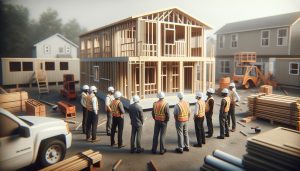
When considering the purchase of a 2000 square foot modular home, understanding the cost is critical for informed decision-making. Today’s modular homes often present a more affordable option compared to traditional site-built houses, with price ranges influenced by factors like location, customization, and additional installation fees. Many prospective homeowners are drawn to modular living not just for savings but for the flexibility and modern designs available. By exploring current pricing trends and what impacts these figures, you’ll gain valuable insights into budget considerations and financing options tailored for your lifestyle. Continue reading to uncover essential details that can help you make the right choice in your journey towards homeownership.
Factors Influencing Modular Home Prices

Factors influencing the price of modular homes are multifaceted and can greatly affect the overall cost of ownership. Understanding these elements can empower prospective buyers to make informed decisions. For instance, the quality of materials used in manufacturing the home can vary significantly. Higher-end finishes and energy-efficient appliances will contribute to an increased initial investment but can lead to long-term savings on utilities and maintenance.
Another critical factor is the complexity of the design and customization options. Modular homes are often tailored to suit the tastes and needs of the homeowner, which can include layout changes, upgraded kitchens, or larger living spaces. While these options can enhance comfort and aesthetics, they will inevitably raise the base price of the home. Additionally, the location of the home is pivotal; homes in urban areas typically command higher prices due to land value and accessibility to amenities. Conversely, rural locations may offer lower prices but may also entail higher transportation costs for materials and labor during the construction phase.
It’s also essential to consider external influences like economic conditions, availability of materials, and labor costs. During times of high demand, such as post-disaster recoveries or housing booms, prices can surge. Seasonal factors may also impact construction schedules and costs, particularly in regions experiencing harsh weather conditions. Lastly, local building regulations can impose additional costs for compliance with safety standards, particularly in areas prone to natural disasters, which may require specialized construction methods or materials.
Understanding these variables not only helps in budgeting for the initial purchase but also prepares buyers for the long-term financial commitments associated with modular home ownership.
Average Costs of 2000 Square Foot Modular Homes
When considering the investment in a 2000 square foot modular home, it’s crucial to understand the price ranges and factors influencing costs. On average, the price for a modular home of this size can vary significantly, with estimates typically falling between $150,000 and $400,000. This broad range reflects differences in construction quality, materials used, regional labor costs, and the complexity of the design.
The base price, which usually includes the home structure itself, typically hovers around $100 to $200 per square foot. For a standard 2000 square foot modular home, this equates to approximately $200,000 to $400,000 before accounting for additional expenses. Significant factors that contribute to this pricing include:
- Location: Homes situated in urban areas will generally be at the higher end of the scale, due to increased land costs and demand for housing. Conversely, rural locations may offer more affordable options but could incur additional transportation costs for materials.
- Customization and Upgrades: Homeowners often desire personalized features and higher-end finishes, which can significantly increase the base price. Custom floor plans, enhanced kitchen configurations, and upgraded appliances are frequent requests that add to overall expenses.
- Site Preparation Costs: Proper site preparation may include excavation, foundation work, and utility connections. These costs can be variable based on the home’s necessitated land development and the existing site conditions. An estimated $5,000 to $20,000 may be required before a modular home can be delivered and set up.
- Additional Costs: Always account for delivery and setup fees, which can range from $5,000 to $15,000 depending on distance and complexity. There may also be local building permits and other regulatory fees to consider, which can add up quickly if not anticipated.
By assessing these elements, prospective buyers can gain a clearer understanding of what it may cost to invest in a 2000 square foot modular home, helping them budget effectively for their future living space. Making informed decisions at the outset will not only smooth the buying process but also enhance satisfaction with the final investment.
Comparing Modular vs. Traditional Home Costs

When evaluating housing options, the stark contrast between modular and traditional homes can be striking, especially in terms of cost. Modular homes are often lauded for their efficiency, providing a viable alternative for homebuyers looking for affordable yet quality housing solutions. On average, modular homes can be completed 40% faster than traditional homes, translating to a more cost-effective build overall. Current estimates indicate that modular homes may cost between $80 to $160 per square foot, while traditional homes typically range from $100 to $200 per square foot [1[1].
However, it’s essential to consider more than just square footage prices. As prospective buyers assess their options, factors such as site preparation costs, transportation, and local permitting can influence the total investment. Delivery and setup alone can range from $5,000 to $15,000, depending on the complexity of the logistics involved [3[3]. Additionally, customization options available for both housing types can lead to increased costs, but typically, the price-tags associated with upgrading a modular home remain more favorable than their traditional counterparts.
Ultimately, for those exploring their housing choices, modular homes offer a compelling financial advantage that, combined with their speedy construction timeline, can make them an attractive option in the current real estate marketplace.
Financing Options for Modular Home Buyers

Navigating the world of financing for a modular home can feel daunting, but understanding your options opens up a pathway to homeownership that is both attainable and rewarding. Modular homes, often less expensive than traditional site-built homes, qualify for a variety of financing methods that can help streamline the buying process. These can include traditional mortgages, FHA loans, and even personal loans depending on your financial situation and the specific type of modular home you’re purchasing.
One popular option is to secure a conventional mortgage. Many lenders offer financing tailored for modular homes, treating them similarly to traditional properties. This means that you can often benefit from lower interest rates compared to other forms of manufactured housing. When opting for this route, be ready to provide documentation such as a sales agreement, land ownership information, and proof of income.
For those looking for a more accessible entry point into homeownership, FHA loans under the Title I program present an attractive option. These loans allow borrowers to finance not only the purchase of the home but also any necessary improvements or repairs. They typically require a lower down payment and have more lenient credit score requirements compared to conventional loans, making them suitable for first-time buyers or those with less-than-perfect credit.
In addition to federally backed options, potential buyers should also explore personal loans or home equity lines of credit (HELOCs). While these can come with higher interest rates, they may provide quicker access to necessary funds for the purchase or enhancement of a modular home, especially if you need to cover site preparation and installation costs, which can add an additional $5,000 to $15,000 to your overall investment.
Key Financing Considerations
When exploring financing options for your modular home, keep the following considerations in mind:
- Location impacts financing: Lender requirements can vary significantly by state and region, so it’s essential to research local lenders who specialize in modular home financing.
- Down payment: Be prepared for varying down payment amounts; while FHA loans may require only 3-5%, conventional loans can demand up to 20% of the home’s cost.
- Loan terms: Pay attention to the length of the loan and how it affects your monthly payments; shorter terms usually mean higher payments but less interest paid over time.
- Pre-qualification: Getting pre-qualified for a loan before house hunting can give you a clearer picture of your budget and improve your negotiating position.
Ultimately, financing a modular home can be a sensible investment that aligns with your lifestyle and financial goals. By exploring and leveraging the various options available, you can confidently take the next steps toward making your dream of homeownership a reality.
Hidden Costs in Modular Home Ownership

Despite their appeal as a cost-effective housing option, modular homes can harbor a range of hidden costs that may surprise new homeowners. Understanding these potential expenditures can aid in better financial planning and ensure that your investment remains rewarding. Beyond the initial purchase price, several factors can contribute to the total cost of ownership for a modular home, particularly as you consider long-term sustainability and functionality.
Site Preparation and Installation
Before your modular home can be set up, the location needs to be thoroughly prepared. Site preparation can include clearing land, grading, and paving access roads, which can collectively add several thousand dollars to your overall expense. Moreover, installation costs, including leveling and anchoring the home, can range from $5,000 to $15,000 depending on regional factors and site conditions. Homeowners must account for these necessary steps when budgeting for their new home.
Utilities and Connection Fees
Connecting to utilities often incurs additional charges that might not be included in the initial purchase of a modular home. These can encompass fees for water, electricity, sewage, and gas connections. Sometimes these services require additional infrastructure, such as wells or septic systems, adding yet another layer of cost. Homeowners should investigate local utility regulations and fees to effectively manage this aspect of their budget.
Maintenance and Upkeep
While modular homes are often built to be durable, they still require ongoing maintenance-similar to traditional homes. Regular upkeep can include repairs, landscaping, and seasonal maintenance tasks. Homeowners might also want to budget for unexpected repairs due to weather events or system failures, such as HVAC issues or plumbing work. Alongside typical maintenance, those in regions prone to severe weather may need to invest in protective measures, like storm tie-downs or enhanced anchoring systems, which can add to long-term ownership costs.
Insurance Premiums
Securing adequate insurance is crucial for protecting your investment. Modular homes may face higher premiums due to their classification as manufactured housing in some areas. Additionally, the necessary coverage for severe weather events may further inflate costs. Homeowners should shop around for quotes and understand the policies specific to modular homes to find the most appropriate and affordable coverage.
In conclusion, being aware of the hidden costs associated with modular home ownership-ranging from site preparation to maintenance and insurance-empowers you to take informed steps toward successful homeownership. Engaging in thorough research and planning will not only enhance your financial well-being but also ensure a smoother transition into your new living space.
The Impact of Location on Home Pricing
The location of a modular home significantly affects its pricing, with factors such as state economies, zoning regulations, and local amenities playing pivotal roles in determining overall costs. Understanding these variables can empower potential buyers to make informed decisions when selecting a site for their new home.
In urban areas, for example, modular homes may come at a premium due to higher demand for housing, limited land availability, and increased competition among buyers. Additionally, cities with robust job markets often see inflated land prices, which can raise the overall cost of a modular home significantly. Conversely, rural areas may offer lower land costs and more favorable zoning laws, allowing for substantial savings on both the home and the property itself.
The local climate also impacts modular home pricing. Regions prone to extreme weather conditions may necessitate additional features such as reinforced structures, specialized insulation, and storm tie-downs, which can raise the initial investment. It’s essential to assess these potential changes in cost based on the anticipated climate challenges of the chosen location.
When navigating these choices, prospective buyers should also consider the accessibility to essential services like schools, healthcare, and public transportation, as these can influence future resale value. Properties near thriving communities with convenient amenities tend to maintain their value better over time, offering an appealing option for both investment and personal satisfaction. By taking a comprehensive view of location-related factors, buyers can position themselves to choose a site that not only fits their budget but also meets their living needs and lifestyle preferences.
Customization and Upgrades: Cost Considerations
Investing in a modular home offers a unique opportunity for customization, allowing homeowners to personalize their living space while considering budget constraints. When contemplating upgrades and custom features in a 2000 square foot modular home, it’s essential to balance aesthetics and functionality without compromising financial feasibility. With costs for modular homes averaging between $90 to $120 per square foot, understanding how customization affects the overall price is crucial before committing to any design changes or enhancements.
Homebuyers can explore various elements to enhance their modular home, each impacting the cost differently. For example, basic upgrades might include enhanced cabinetry, flooring options, and energy-efficient appliances. While basic options often come with a minimal increase in overall costs, more luxurious upgrades-such as gourmet kitchen fittings or higher-end flooring materials-can significantly increase expenses. Additionally, structural upgrades, like adding extra rooms or modifying floor plans, may lead to substantial price increases, often requiring consultation with a designer or an architect to ensure compliance with local building codes.
Common Customization Options
- Kitchen & Bathroom Upgrades: Installing granite countertops or luxury fixtures can add comfort and increase home value.
- Exterior Features: Crafting a tailored outdoor living space with decks or enhanced landscaping might further your initial investment.
- Energy Efficiency: Opting for sustainable features such as solar panels or advanced insulation systems not only elevates costs but also potentially lowers utility expenses.
Understanding the potential resale value is as critical as the initial cost. Customization can significantly enhance the appeal of a home, particularly in competitive markets. However, potential buyers must avoid over-investing in highly personal upgrades that could deter future buyers. Aim for a balance that maintains personal touches while appealing to a broader audience.
In summary, while a modular home can serve as a blank canvas for personal expression, thoughtful planning concerning upgrades and customized options is vital to managing costs effectively. Exploring options early in the building process can help identify which enhancements deliver both personal satisfaction and long-term value, providing not just a house but a cherished home tailored to individual lifestyles.
Insurance Requirements for Modular Homes
Insurance is a critical component of owning a modular home, and understanding what’s required can help protect your investment. Modular homes, much like traditional houses, are susceptible to a range of risks, including natural disasters, theft, and liability claims. Thus, obtaining appropriate insurance coverage is essential to safeguard your financial interests.
When selecting an insurance policy for your modular home, there are several key factors to consider. First, ensure that your policy specifically covers modular homes, as there may be differences in coverage compared to site-built homes. You’ll want to look for policies that cover the home’s structure, personal belongings, liability, and additional living expenses in case your home becomes uninhabitable temporarily. Coverage options typically include:
- Dwelling Coverage: Protects the structure of your modular home against various perils, such as fire, windstorm, and vandalism.
- Personal Property Coverage: Insures personal belongings like furniture, appliances, and electronics against loss or damage.
- Liability Protection: Provides financial protection in the event someone gets injured on your property and sues for damages.
- Additional Living Expenses: Covers temporary housing costs if your home is damaged and unlivable.
Additionally, be mindful of any local building regulations and requirements that may influence insurance costs or coverage types. Some areas may mandate specific coverage levels due to higher risks associated with extreme weather or natural disasters. Local regulations can also affect the installation and anchoring of your modular home, which can influence your eligibility for certain types of coverage.
It’s advisable to work with an insurance agent experienced in modular home insurance. They can help you navigate the complexities of coverage options and clarify what specific policies include. Periodically reviewing and updating your insurance coverage is also essential, especially after major renovations or upgrades, to ensure you’re fully covered for the current value of your home.
In conclusion, understanding insurance requirements is vital for protecting your modular home investment. By securing comprehensive coverage that meets your needs, you can enjoy the benefits of modular home ownership with peace of mind.
Understanding Local Building Regulations
When investing in a modular home, is crucial. These regulations can dictate not only the cost but also the feasibility of your project, impacting everything from design to potential resale value. Each municipality may enforce different codes and requirements, which can significantly influence the overall expense associated with your home.
Depending on your area, local building codes may specify certain standards for structure durability, energy efficiency, and safety measures. For example, homes in regions prone to severe weather conditions, such as hurricanes or tornadoes, may require additional structural reinforcements or specific anchoring methods. This not only affects the initial design and construction budget but also long-term maintenance costs, as adhering to these codes could necessitate investing in higher quality materials.
To navigate these regulations effectively, it is advisable to start by contacting your local building department. They can provide invaluable information regarding zoning laws, permitted land uses, and any specific requirements for modular homes in your area. It’s also important to be aware that some communities impose restrictions on the type of exterior finishes and landscaping, which can further impact your expenses.
In summary, taking the time to thoroughly understand local building regulations can prevent unexpected expenses and delays during the construction process, ensuring that your modular home meets all necessary standards. Engaging with professionals well-versed in local codes can also help streamline the permitting process, allowing you to focus more on making your modular home a true reflection of your lifestyle.
Maintenance Costs for Modular Homes Over Time
Routine maintenance is a vital aspect of managing any home, including modular homes. While modular homes are generally designed for durability and efficiency, regular upkeep is necessary to ensure they remain in excellent condition over time. Understanding the maintenance costs associated with a 2000 square foot modular home can help homeowners budget correctly and avoid unexpected financial burdens.
One of the primary maintenance expenses involves regular inspections and repairs of key components. This includes the roof, which may require periodic sealing or repairs to prevent leaks; HVAC systems that should be serviced annually to maintain their efficiency; and the foundation, which may need leveling and inspections, particularly in areas prone to shifting soil. Generally, homeowners can expect to spend around 1% to 2% of the home’s value annually on maintenance costs. For a modular home valued at $200,000, this could mean a yearly maintenance budget of $2,000 to $4,000.
In addition to regular maintenance, there are other factors to consider that can influence overall costs. Homeowners should factor in the costs of seasonal maintenance tasks, such as gutter cleaning in the fall, winter weather preparation (like insulation and pipe insulation), and lawn care or exterior cleaning during the spring and summer months. It’s advisable to maintain a checklist to ensure nothing is overlooked during seasonal changes.
Ultimately, investing in preventative maintenance can save substantial costs down the line by avoiding major repairs. Regular upkeep not only preserves the appearance and functionality of the home but also enhances its lifespan and resale value. For modular homeowners, these investments are essential steps in cultivating a sustainable and financially sound living environment.
Resale Value: What to Expect with Modular Homes
The resale value of modular homes has gained increasing attention as more buyers consider this efficient and affordable housing option. Contrary to some misconceptions, modular homes can retain and even appreciate in value comparable to traditional site-built homes. This resilience in the housing market can be attributed to several interrelated factors, including quality construction, location, and market conditions.
One of the most significant aspects that influence resale value is location. Modular homes situated in desirable neighborhoods or areas with strong demand for housing typically perform better in resale value. As with traditional homes, nearby amenities such as schools, parks, and shopping can enhance appeal. Moreover, modular homes are often built to high industry standards, which further legitimizes their market value. When placed in a favorable location, they can even sell for higher prices than comparable traditional homes, a benefit frequently overlooked by potential buyers.
Furthermore, traditional financing options available for modular homes mirror those for conventional properties, aiding in their resale prospects. Buyers can secure loans at competitive rates, making modular homes an attractive option for first-time homebuyers and investors alike. As the perception of modular homes evolves, driven partly by their elegant designs and efficient construction processes, potential buyers increasingly recognize them as a legitimate alternative to traditional homes.
Lastly, accessories such as customization and upgrades also play a vital role in determining resale value. Homes with unique features or high-quality finishes can fetch a premium, allowing sellers to capitalize on personal investments made during ownership. Modular homeowners should be mindful that maintaining the property in great condition and making thoughtful improvements can significantly influence future resale opportunities.
In summary, the resurgence of interest in modular homes has fostered a positive outlook for resale values, debunking long-standing myths and reinforcing their status as valuable assets in the real estate market. As potential homebuyers weigh their options, understanding these multifaceted influences on resale value can empower them to make informed decisions, ensuring that their investment stands the test of time.
How to Value a Modular Home for Investment
Determining the value of a modular home for investment purposes involves a multifaceted approach that incorporates a variety of financial and market considerations. Recognizing the essential elements that contribute to a modular home’s market price is paramount for buyers and investors alike. Factors such as construction quality, location, amenities, and market trends play pivotal roles in assessing value.
One effective method for evaluating a modular home’s worth is to conduct a comparative market analysis (CMA). This process entails examining recent sales of similar homes in the same or nearby neighborhoods. Key data to gather during this analysis includes:
- Sale Prices: Look for homes of similar size, age, and condition that recently sold.
- Date of Sale: Consider the time frame of sales, as the market can fluctuate significantly from season to season.
- Location Factors: Assess the desirability of the neighborhood, including proximity to schools, shopping, and other amenities.
- Condition and Upgrades: Take note of any additional features like energy-efficient improvements or premium fixtures that may increase value.
Another critical aspect to consider is construction quality. Modular homes built to higher industry standards often have superior insulation, structural integrity, and materials, directly influencing their resale value. Engaging a professional appraiser familiar with modular homes can provide a more accurate valuation, factoring in the latest market trends and potential future appreciation.
In addition to current market valuations, understanding the long-term investment potential is key. Modular homes offer a distinct advantage in terms of affordability while maintaining quality-properties typically appreciate at a similar rate to traditional homes, especially when located in desirable areas. Additionally, assess any ongoing expenses related to maintenance, property taxes, and community association fees, which can impact overall returns on investment.
By leveraging these strategies, investors can confidently navigate the modular home market, ensuring they make informed decisions that capitalize on the strengths of this increasingly popular housing option.
Frequently Asked Questions
Q: What is the average cost of a 2000 square foot modular home?
A: The average cost of a 2000 square foot modular home typically ranges from $100,000 to $200,000, depending on factors like location, design, and materials used. Prices can vary significantly based on local market conditions and customization options.
Q: How do modular home prices compare to traditional homes?
A: Modular homes generally cost less per square foot than traditional site-built homes, often ranging from $50 to $100 compared to $150 to $250 for traditional homes. This price difference makes modular homes a more budget-friendly option [1[1].
Q: What factors affect the cost of a modular home?
A: Several factors influence modular home costs, including location, customization choices, size, and the complexity of the design. Regional building codes and land availability also play a significant role in determining final pricing.
Q: Are there any hidden costs in purchasing a modular home?
A: Yes, hidden costs can include land preparation, utility connections, site development, and insurance. It’s important to budget for these additional expenses to avoid surprises when purchasing a modular home.
Q: How does location impact the cost of a modular home?
A: Location significantly affects modular home prices due to differences in land costs, local labor rates, and building regulations. Rural areas may offer lower costs, while urban settings typically have higher land prices and construction expenses.
Q: Can I customize my modular home, and how does it affect the cost?
A: Yes, most modular homes can be customized, which may increase the overall cost. Upgrades such as layouts, materials, and energy-efficient features will contribute to the final price, so it’s essential to plan and budget accordingly.
Q: What financing options are available for modular home buyers?
A: Modular home buyers can explore various financing options, including traditional mortgages, FHA loans, and specialized lenders that focus on modular housing. Some manufacturers also offer in-house financing solutions to assist buyers.
Q: What is the resale value of a modular home compared to traditional homes?
A: Modular homes typically maintain good resale value, similar to traditional homes, particularly if well-built and located in desirable areas. Factors influencing resale value include market demand, location, and overall home condition.
For further insights on modular home ownership, financing, and maintenance, explore sections in our article on hidden costs and the impact of location on pricing.
To Conclude
As you consider your options for a 2000 square foot modular home, remember that understanding the true cost is just the beginning. Explore further to learn about financing tips, insurance considerations, and crucial maintenance techniques that will empower you on your modular home journey. Don’t hesitate-check out our comprehensive guides on setup procedures and property valuation, and unlock the full potential of your investment today!
Ready to dive deeper? Subscribe to our newsletter for the latest insights, or visit our resource page for step-by-step tutorials and expert advice tailored to all buyers and homeowners. Remember, a modular home offers an excellent opportunity for stylish, sustainable living, so take the next step in your home ownership adventure with confidence! If you have questions or want to share your own experiences, drop a comment below-your engagement helps us create more valuable content for you and others in the community.