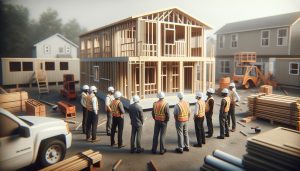
Choosing the right foundation for your modular home is crucial not just for stability but also for long-term durability and functionality. Did you know that the type of foundation can significantly impact your home’s value and maintenance needs? As you navigate the world of modular housing, understanding the available foundation options ensures that your investment supports your lifestyle and meets all local building codes. Whether you’re considering a crawlspace, slab, or another foundation type, this guide will unpack the essential requirements and options available to you, empowering you to make informed decisions. By exploring these choices, you’ll be well-equipped to create a solid base for your modular home that can withstand the test of time. Let’s dive into the foundation types that could be right for you.
What is a Modular Home Foundation?
When considering a modular home, understanding the foundation requirements is crucial for ensuring long-term stability and safety. A modular home foundation serves as the structural base that not only supports the weight of the home but also anchors it against environmental stresses such as wind and seismic activity. Unlike traditional homes, modular homes are built off-site and transported to their final location, requiring specific foundation types that comply with local building codes. This aspect of modular housing is essential, as an improper foundation can lead to serious issues over time, including uneven settling, moisture problems, and energy inefficiency that can compromise your home’s overall integrity.
The most common foundation types for modular homes include crawl space, basement, pier and beam, and slab-on-grade. Each has its benefits and considerations. For instance, crawl space foundations elevate the home above ground level, providing access to plumbing and electrical systems, but they may require moisture barriers to prevent dampness. On the other hand, slab foundations offer an economical choice with lower risk of settling but limit access to utility lines. Factors influencing the choice of foundation can include the home’s design, local climate, soil conditions, and regional zoning regulations, making it necessary to assess these aspects when selecting the right foundation type.
Properly preparing the site is an often-overlooked yet critical step in the foundation installation process. Before construction, it is vital to ensure that the ground is level and stable, and to account for adequate drainage to prevent water-related issues. Once the site is prepared, the steps for installing a modular home foundation typically involve excavation, setting forms, pouring concrete if applicable, and ensuring proper anchoring. Understanding these elements helps homeowners and prospective buyers appreciate the importance of a sound foundation, which not only contributes to the structure’s longevity but also enhances the comfort and security of their living environment.
Types of Foundations for Modular Homes
The foundation of a modular home is more than just a base; it’s the cornerstone of safety, stability, and longevity. Choosing the right type of foundation is crucial, as it directly affects the home’s structural integrity and the overall living experience. Each foundation type comes with its unique advantages and considerations, catering to the specific needs and circumstances of homeowners.
Crawl Space Foundations
Crawl space foundations elevate the home, creating a void between the ground and the living area. This design allows for easy access to plumbing and electrical systems, which can be beneficial for repairs and maintenance. Additionally, homeowners can benefit from increased ventilation, helping to prevent moisture buildup. However, it is essential to install moisture barriers to mitigate potential dampness issues.
Basement Foundations
Basements provide ample space for storage and additional living areas, making them a popular choice for modular homes. They offer natural insulation against fluctuations in outside temperatures, which can enhance energy efficiency. However, this type of foundation typically requires more extensive excavation, which can increase construction costs. Proper waterproofing materials and drainage systems are essential to prevent water intrusion.
Pier and Beam Foundations
This foundation type consists of concrete piers or blocks that support beams, which in turn lift the home off the ground. The elevated structure can help protect against flooding and allows for easy access to utilities. While cost-effective, pier and beam foundations may require regular maintenance to ensure stability and adjust for settling over time.
Slab-on-Grade Foundations
A slab foundation is a solid concrete pad poured directly on the ground, providing a stable foundation that minimizes the risk of settling. This option is often the most economical and is suitable for areas without severe climate challenges. However, it limits access to plumbing and electrical lines, which can pose challenges for repairs.
Choosing the right foundation for your modular home involves considering various factors such as local climate, soil conditions, and personal preferences. Each foundation type offers different benefits, and understanding these can help homeowners make informed decisions that enhance their living environment and property value.
Why Foundation Choice Matters for Stability
Choosing the right foundation for a modular home is critical not just for immediate structural integrity but also for the long-term safety and comfort of its residents. A well-selected foundation plays a significant role in how well the home withstands environmental factors such as wind, water, and seismic activity. As many homeowners have experienced, improper foundation choices can lead to costly repairs, decreased property value, and an uncomfortable living environment.
The stability of a modular home fundamentally hinges on its foundation type, which must be suited to the local climate and soil conditions. For instance, regions prone to flooding benefit from elevated pier and beam foundations, which allow for airflow and reduce moisture accumulation. Conversely, slab foundations might be suitable for less severe climates, offering a solid, cost-effective base that minimizes the risk of settling. Ultimately, selecting a foundation that aligns with the specific environmental challenges of the area can prevent structural complications like cracking or shifting, ensuring a safe living space.
Moreover, it’s essential to consider the potential for natural disasters in your area. For example, homes located in hurricane zones may require hurricane tie-downs and reinforced foundations to withstand high winds. Understanding local building codes and regulations will also support homeowners in making informed decisions that not only enhance stability but also comply with safety standards. Investing time in the right foundation choice not only enhances the home’s durability but also protects the occupants, all while contributing to the property’s overall value.
Key Factors Influencing Foundation Selection
Choosing the right foundation for your modular home is not just a matter of preference; it’s a crucial decision that directly affects the stability and longevity of your investment. Various factors play a significant role in determining which foundation type is the most appropriate for your specific situation, including climate conditions, soil type, and local zoning regulations.
One of the primary considerations is the local climate. For example, areas prone to flooding can benefit from elevated foundations like pier and beam systems, which allow for water to flow underneath the home and reduce the risk of damage. Conversely, densified slab foundations tend to work well in milder climates where frost depth and moisture accumulation are not significant concerns. Similarly, regions that experience high winds may necessitate specialized foundation techniques, such as hurricane tie-downs, to ensure that the home remains secure against extreme weather conditions.
Soil type is another critical factor. Foundations need to be built on stable ground to prevent shifting, settling, or other complications. Clay soils may expand and contract with changes in moisture content, while sandy soils can lead to issues with drainage. A structural engineer can assess the soil conditions and recommend the most suitable foundation type, ensuring that the home is anchored properly for long-term stability. Prioritizing these factors not only supports the structural integrity of the home but also enhances occupant safety.
Finally, it’s essential to stay informed about local zoning and building regulations, which often dictate specific requirements for foundation types. These regulations can include minimum frost depth, foundation width, and anchoring systems that must be implemented to comply with safety standards. Understanding these regulations before beginning construction is crucial to avoid costly modifications or potential issues down the line.
By addressing these key factors thoughtfully, prospective homeowners can select a foundation type that will not only endure environmental stresses but also provide a solid base for their modular home for years to come.
Preparing Your Site for a Modular Home
Preparing the site for a modular home is a crucial step that lays the groundwork for a successful installation and long-term stability. This phase not only involves physical labor but also requires thorough planning and assessment of your property to ensure that it meets all necessary requirements for the foundation and the home itself.
Before any construction can commence, it’s essential to conduct a detailed evaluation of the site. Start by assessing the land’s topography, soil type, and drainage patterns. Consider hiring a professional to conduct soil testing, as this will help determine the most suitable foundation option. For example, sandy soils may necessitate a different approach compared to clay-heavy areas, which can expand or contract based on moisture levels. Proper grading is vital to direct water away from the foundation to prevent future flooding or erosion.
Once the site assessment is complete, you’ll need to outline the specific preparations required based on your chosen foundation type. Various foundation options exist, including pier and beam, slab, or basement foundations, each with distinct preparation requirements. For a pier and beam system, ensure to clear the area of debris and vegetation, as well as establish the piers’ locations based on the modular design specifications. On the other hand, for a slab foundation, excavation work must be more extensive to create a level surface and provide access for plumbing and electrical installations.
Another essential aspect is adhering to local regulations and zoning laws. It’s paramount to check with your local building department to understand the codes that apply to foundation construction, such as minimum frost depth or specific anchoring methods. Failing to comply may lead to costly delays and modifications.
In addition to the foundation-related tasks, this preparation phase is an excellent opportunity to consider installing utilities such as water, sewer, and electricity. Plan where these lines will enter the home and ensure they are positioned appropriately relative to the foundation layout. Investing time in thorough site preparation not only facilitates a smoother installation but also reinforces the longevity and stability of your modular home, making it a wise choice for prospective homeowners.
Steps to Install a Modular Home Foundation
Installing a modular home foundation is a critical step that sets the stage for a comfortable and secure living environment. The process involves precise planning and execution, ensuring that the foundation seamlessly supports the structure while adhering to local regulations. Here’s a comprehensive guide that outlines the essential steps involved in this process to help you navigate it confidently.
Begin by choosing the right foundation type, which can be a pier and beam, slab, or basement foundation, depending on your site’s conditions and your personal preferences. Each foundation type has unique specifications and installation requirements. For example, a pier and beam foundation requires setting piers at designated points, while a slab foundation necessitates extensive excavation and concrete pouring to create a solid base.
Once you’ve established the foundation type, the next step is excavation and site preparation. This involves clearing the area of any debris or vegetation, followed by grading the ground to ensure proper drainage. Accurate grading is essential to prevent water accumulation around the foundation, which could lead to severe structural damage over time. After grading, you may need to dig trenches or holes for the piers, footing, or slab according to the foundation design.
The following phase involves laying the foundation. For a pier and beam system, construct the piers and beams as per the manufacturer’s specifications, ensuring they are level and aligned correctly. For slab foundations, pour concrete after placing and securing rebar for strength. Use a level to ensure that the foundation is perfectly flat, as any inconsistencies can lead to problems once the home is installed. Let the concrete cure thoroughly before proceeding with the rest of the installation.
Lastly, don’t overlook the importance of anchor installation and utility connections. For modular homes, anchoring is crucial for stability and safety, especially in areas prone to high winds or seismic activity. Install anchors according to local building codes, which may involve bolting the home to the foundation. Additionally, prepare for connecting utilities such as water, electricity, and sewage, ensuring they are laid out well in advance of the home’s delivery. Following these steps will create a solid foundation for your modular home, ensuring longevity and stability for years to come.
Cost Considerations for Different Foundation Types
Selecting the right foundation for your modular home is not just about stability; it significantly impacts your overall project costs. The foundation type you choose can vary greatly in expense, influenced by materials, labor, and site preparation needs. Understanding these financial implications will empower you to make informed decisions that align with your budget and long-term investment goals.
Cost Variability Among Foundation Types
The most common foundation types for modular homes include pier and beam, slab, and basement foundations. Each of these options presents different cost considerations:
- Pier and Beam: Generally offers a more cost-effective solution initially, with costs ranging from $5,000 to $15,000 depending on site conditions and labor. This method is especially advantageous in areas with high water tables, as it elevates the home above potential flooding.
- Slab Foundation: Typically costs between $10,000 and $25,000. While it requires more extensive site preparation and excavation, its durability and low-maintenance profile can save money in the long run.
- Basement Foundation: This is often the most expensive option, ranging from $20,000 to $50,000, due to the complexity of excavation and structural support. However, it adds usable living space, which can enhance your home’s value.
These price ranges can fluctuate based on local labor rates, material costs, and geographical factors such as soil stability and climate conditions.
Additional Cost Considerations
Beyond the initial costs of the foundation itself, consider expenses related to the following aspects:
- Permits and Inspections: Compliance with local regulations often requires permits, which can add anywhere from $500 to several thousand dollars.
- Site Preparation: Factors like land clearing, grading, and the removal of obstacles (such as trees or old structures) can significantly inflate costs. Proper drainage systems may also need to be integrated to prevent future water issues.
- Utility Connections: Depending on your foundation type, you’ll need to budget for the installation of water, sewer, and electrical connections which can range from a few thousand dollars up to $10,000 or more.
Ultimately, while the initial costs are crucial to consider, understanding the long-term value and functionality of each foundation type will help in making a more gratifying choice in the modular home journey. Proper planning and budgeting can result in a foundation that not only supports your modular home but enhances your lifestyle for years to come.
Regulatory and Zoning Considerations
Navigating the world of modular home foundations involves more than just selecting a type that suits your preferences; it’s crucial to understand the regulatory and zoning landscape that impacts your project. Local laws and ordinances vary significantly, and adhering to these regulations can be a make-or-break factor in your homebuilding journey. Lack of compliance with state and local regulations could lead to fines, delays, or even the inability to inscribe your home into the community.
Before proceeding with your modular home foundation, research the zoning laws that govern your area. These laws dictate not only where you can place your home but also the type of foundation you can use. For instance, some regions may require specific types of foundations to withstand local weather conditions or geological challenges, such as flooding or seismic activity. Check with your local zoning office or planning department to get detailed information about setback requirements, property lines, and permitted foundation types.
Obtaining the necessary permits is indispensable, as most jurisdictions require that you submit plans detailing your intended foundation approach. The permit process can involve inspections that ensure your foundation meets both building codes and safety standards. Prepare to provide documentation that demonstrates compliance with regulations, which might include engineering reports, site plans, and inspections during the construction process. Timely submission of these documents can streamline the approval process and help you avoid costly project delays.
In addition to permits, consider the utility regulations that may influence your foundation choice. For example, you may need to plan for proper drainage and utility placements to comply with local health regulations. Some communities also have requirements related to the aesthetic integrity of modular homes, which may indirectly affect your foundation choice. By taking the time to understand and navigate these regulatory landscapes, you’ll solidify a strong base for your modular home that meets both personal and community standards.
Common Mistakes in Modular Home Foundations
Modular homes offer flexibility and affordability, but improper foundation choices can lead to a host of challenges that might undermine their benefits. One of the most common mistakes is neglecting to adhere to local building codes and regulations. This oversight can result in delayed construction, costly fines, or even required removal of improperly installed foundations. Before breaking ground, it’s essential to consult the local building department or zoning office to ensure compliance with specific foundation type requirements that are suitable for your geographical area.
Another frequent error is underestimating the significance of site preparation. Failing to adequately assess the land can lead to improper drainage, soil instability, or flooding risks. A proper site survey can help identify these potential issues upfront, allowing for necessary adjustments like grading or adding drainage systems before the foundation is laid. Additionally, inadequate support structures, such as failing to use piers or footings that meet load-bearing requirements, can compromise the entire home’s stability over time.
Homeowners also often overlook the importance of access to essential utilities, which can complicate the installation of the foundation. It’s crucial to plan for electric, water, and sewage lines to be laid out properly before construction starts; otherwise, post-installation alterations could disturb the foundation and lead to expensive fixes. Regular communication with contractors about utility placements ensures these elements can be efficiently integrated into the foundation design.
Finally, many new modular home owners mistakenly believe that once the foundation is in place, their work is done. Regular maintenance and inspections are vital to ensure that the foundation remains stable and safe over the years. This can include checking for signs of shifting, drainage issues, and ensuring that tie-downs remain secured, particularly in areas prone to severe weather.
By being aware of these common pitfalls and addressing them proactively, you can set the stage for a successful and trouble-free modular home experience.
Maintenance Tips for Modular Home Foundations
Maintaining a solid foundation for your modular home is crucial not only for its longevity but also for ensuring the safety and comfort of its inhabitants. Just like a car requires regular maintenance for optimal performance, your home’s foundation needs ongoing care to prevent minor issues from escalating into major repairs. The following tips will guide you through the essential maintenance practices to keep your modular home’s foundation in top shape.
Regular Inspections
Routine inspections of your foundation should be a priority. Look for cracks, settlements, or shifting that could indicate structural issues. Pay attention to the following aspects during your inspection:
- Cracks: Small cracks can be normal, but large or expanding cracks may require professional assessment.
- Drainage: Ensure that water drains away from the foundation to prevent pooling.
- Utilities: Check that water, gas, and electrical lines are not causing erosion or damage.
Conduct these inspections at least twice a year, ideally in the spring and fall, when weather conditions can impact your foundation.
Drainage Management
Effective drainage is essential for maintaining your foundation. Poor drainage can lead to water buildup that may erode soil and destabilize your home. To manage drainage:
- Install gutters and downspouts to direct rainwater away from your foundation.
- Consider a drainage system, such as a French drain, if your area experiences heavy rainfall.
- Regularly clear debris from gutters and drains to ensure water flows freely.
Soil Maintenance
The soil surrounding your foundation plays a vital role in its stability. Maintain healthy soil by:
- Avoiding significant changes to the landscape around your home, which can affect drainage and support.
- Using plants and shrubs to stabilize the soil, preventing erosion.
- Watering your yard during dry spells to avoid soil shrinkage, which can leave your foundation vulnerable.
Local Compliance
Ensure that all maintenance and renovations are compliant with local codes and standards. Consult your local building department before making changes, as regulations may vary significantly by region. Understanding these rules will not only keep your home safe but can also enhance its value over time.
By integrating these maintenance strategies into your routine, you’ll safeguard your investment and create a secure living environment in your modular home. Remember, proactive maintenance today can save you from costly repairs tomorrow, allowing you to enjoy your home for years to come.
Understanding Foundation Conversion Options
When considering modular homes, can expand your living space and enhance the overall functionality of your home. Many homeowners might not realize that existing foundations can often be adapted or converted to better suit their needs. This not only increases property value but also allows for customization that caters to your lifestyle.
For example, if you initially installed a pier and beam foundation but find yourself needing extra storage or living space, replacing or modifying your base to a crawl space or a full basement can be an excellent strategy. A crawl space foundation conversion involves digging deeper to create more room, which can be an effective solution for accessing critical utilities while providing additional space for storage or even a small workshop. Keep in mind that this alteration will require careful planning and compliance with local regulations to ensure structural integrity and meet safety standards.
Cost and Considerations
Before proceeding with any foundation conversion, evaluating the cost implications is crucial. Factors such as labor, materials, and any necessary permits can impact your budget significantly. Always consult with a qualified contractor who specializes in modular homes to obtain an accurate estimate and explore potential design options that enhance usability.
Additionally, it’s important to consider the impact of foundation conversions on your home’s overall structure and local zoning laws. Some regions may have strict guidelines regarding foundation modifications, which could restrict your options. Researching your local zoning laws will help ensure that your plans align with community regulations, preserving your investment and ensuring compliance.
By investigating foundation conversion options, you can create a modular home that better reflects your personal needs while maximizing space efficiency. Whether it’s transitioning to a basement for additional living area or adjusting your foundation type to improve drainage, these conversions offer versatile solutions to enhance your quality of life in your modular home.
Expanding Your Modular Home’s Footprint
Creating additional space in a modular home can significantly enhance its livability and value. As families grow and needs change, expanding the home’s footprint becomes a practical solution. Homeowners often underestimate the potential for altering their home’s foundation to accommodate extra space, but strategic decisions can lead to remarkable transformations.
One popular method for expanding a modular home is to convert existing foundational elements. For instance, if a home is initially set on a pier and beam foundation, it may be feasible to replace or modify this setup to allow for a full basement or a crawl space. This not only provides additional storage or living space but also allows for better access to utilities, enhancing overall convenience. Homeowners should consider the benefits of a basement as an extension of their living area where they can create recreational spaces, guest suites, or even offices, while also reaping the benefits of increased property value.
Furthermore, careful planning and local compliance are essential when considering such alterations. Engaging with local zoning regulations and possibly hiring a contractor who specializes in modular homes can make the process smoother and ensure that all modifications are structurally sound and legally compliant.
Ultimately, enhancing your modular home’s footprint can be a rewarding endeavor. By understanding the various options for foundation conversion and the zoning implications, homeowners can successfully create an environment that meets their evolving lifestyle needs while significantly adding to their property’s appeal and functionality.
FAQ
Q: What are the most common foundation types for modular homes?
A: The most common foundation types for modular homes include crawl space, pier and beam, and slab foundations. Each type has distinct advantages, such as moisture control in crawl spaces, stability in slab foundations, and flexibility with pier and beam setups, allowing for adjustments based on soil conditions.
Q: How do I choose the best foundation type for my modular home?
A: To choose the best foundation type, consider factors such as local soil conditions, climate, and elevation. Consult with a local contractor or structural engineer who understands modular home requirements and local building codes, ensuring the selected foundation provides stability and meets regulatory standards.
Q: Can a modular home be placed on a basement foundation?
A: Yes, a modular home can be placed on a basement foundation, provided the basement is constructed to meet local building codes and can support the home’s weight. This option can provide extra living space and improve energy efficiency, but requires careful planning and installation.
Q: What permits are required for a modular home foundation?
A: Permits required for a modular home foundation vary by location but generally include building permits, zoning permits, and possibly permits related to environmental impact. Check with your local planning department to ensure all necessary permits are obtained before construction begins.
Q: How can I prepare my site for a modular home foundation?
A: To prepare your site, clear vegetation, remove debris, and level the ground. If applicable, conduct soil testing to assess stability and drainage needs. Also, ensure access for delivery and construction equipment, which helps facilitate a smooth setup process for your modular home foundation.
Q: What should I consider when installing a foundation for a modular home?
A: When installing a foundation, consider soil type, drainage, elevation requirements, and local building codes. Proper anchoring systems must also be implemented to prevent movement during adverse weather conditions. Consulting a professional can help ensure a proper installation that meets all requirements.
Q: Can I convert an existing foundation for a modular home?
A: Yes, you can convert an existing foundation if it meets the structural and code requirements for a modular home. It’s essential to inspect the foundation’s integrity and make necessary upgrades to ensure it complies with current building standards before moving the modular home onto it.
Q: What maintenance is required for a modular home foundation?
A: Regular maintenance for a modular home foundation includes checking for signs of settling or shifting, ensuring drainage systems are clear, and inspecting for moisture buildup. It’s crucial to address any cracks or damage promptly to maintain the foundation’s integrity and prevent further issues.
Future Outlook
Understanding the foundation options for your modular home is essential for ensuring stability and comfort in your living space. As you consider your choices, remember that the right foundation not only enhances structural integrity but also contributes to the overall value of your property. Don’t let uncertainties hold you back-take action today to secure the best foundation for your home!
If you’re eager to learn more about financing options or legal requirements for your modular home, be sure to explore our comprehensive guides on these topics. Additionally, gain insights into essential maintenance projects and utility setup with our step-by-step tutorials linked below. By staying informed, you empower yourself to make confident decisions and enjoy the many benefits of mobile home living.
Join our community by signing up for our newsletter for expert tips and resources tailored to your journey. Feel free to leave a comment or share your experiences; your insights could help fellow readers! Remember, investing in knowledge is just as crucial as investing in your home-let’s continue this journey together!