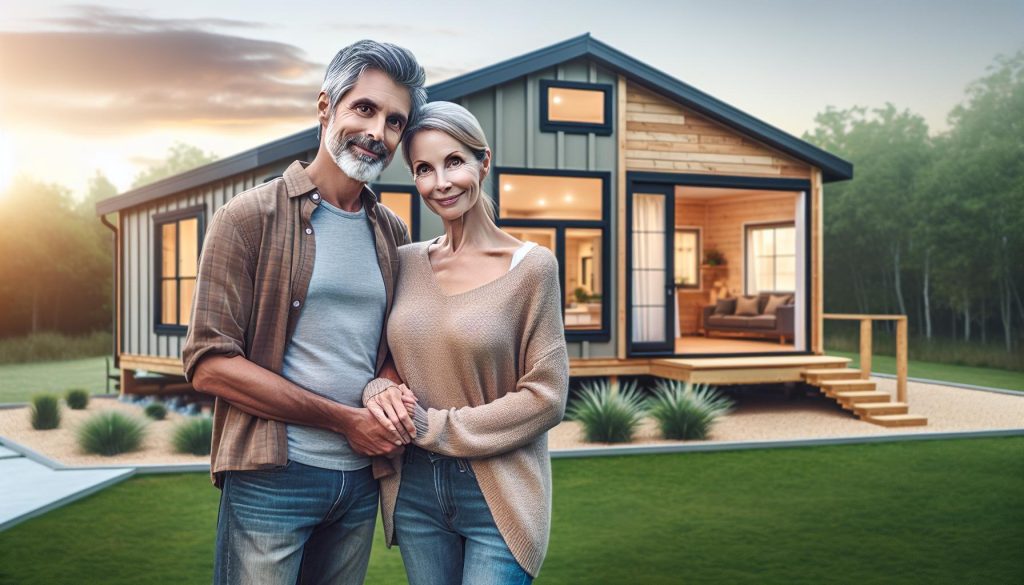
When exploring the world of modular homes, one of the most pressing questions buyers and owners have is, “How long do they last?” Understanding the lifespan of modular homes is crucial, as it directly impacts your investment, maintenance plans, and long-term living satisfaction. Modular homes are constructed off-site, offering both efficiency and flexibility, but like any home, their longevity depends on various factors, including material quality, construction methods, and ongoing maintenance. As you navigate the advantages and considerations of modular living, grasping the expected lifespan can empower you to make informed decisions, ensuring your home remains a comfortable sanctuary for years to come. Delve into the facts and tips that will help you maximize the durability and value of your modular dwelling.
How Modular Homes Are Built: Key Insights
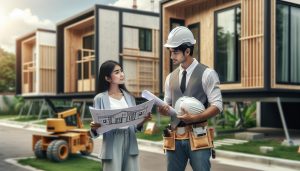
Building a modular home is a sophisticated process that marries cutting-edge technology with traditional craftsmanship, allowing for efficient construction and personalized designs. Modular homes are created in a factory setting, where individual sections, or modules, are built to exact specifications. These modules incorporate various elements including framing, flooring, plumbing, electrical wiring, and insulation. Once completed, the modules are transported to the home site and assembled, making modular homes quicker to build than conventional homes. This precision construction minimizes waste and refines quality control, contributing to the durability and lifespan of these homes.
In contrast to traditional building methods, which often depend on weather conditions and longer timelines, modular homes offer a streamlined construction schedule. This efficiency doesn’t sacrifice quality; in fact, because they are constructed in a controlled environment, modular homes are subjected to rigorous inspections during every stage of production. This process adheres to state and local building codes, ensuring that the home meets safety and structural standards before it is even shipped to its final destination.
Moreover, modular homes can be customized in a variety of ways to match the needs and preferences of homeowners. From layout designs to choice of materials, buyers can create homes that fulfill their specific visions. This customization continues even after delivery, as homeowners can make renovations as desired, further enhancing the longevity and functionality of their living space. As you explore the possibilities, consider how the efficiency and flexibility of modular construction align with your housing aspirations.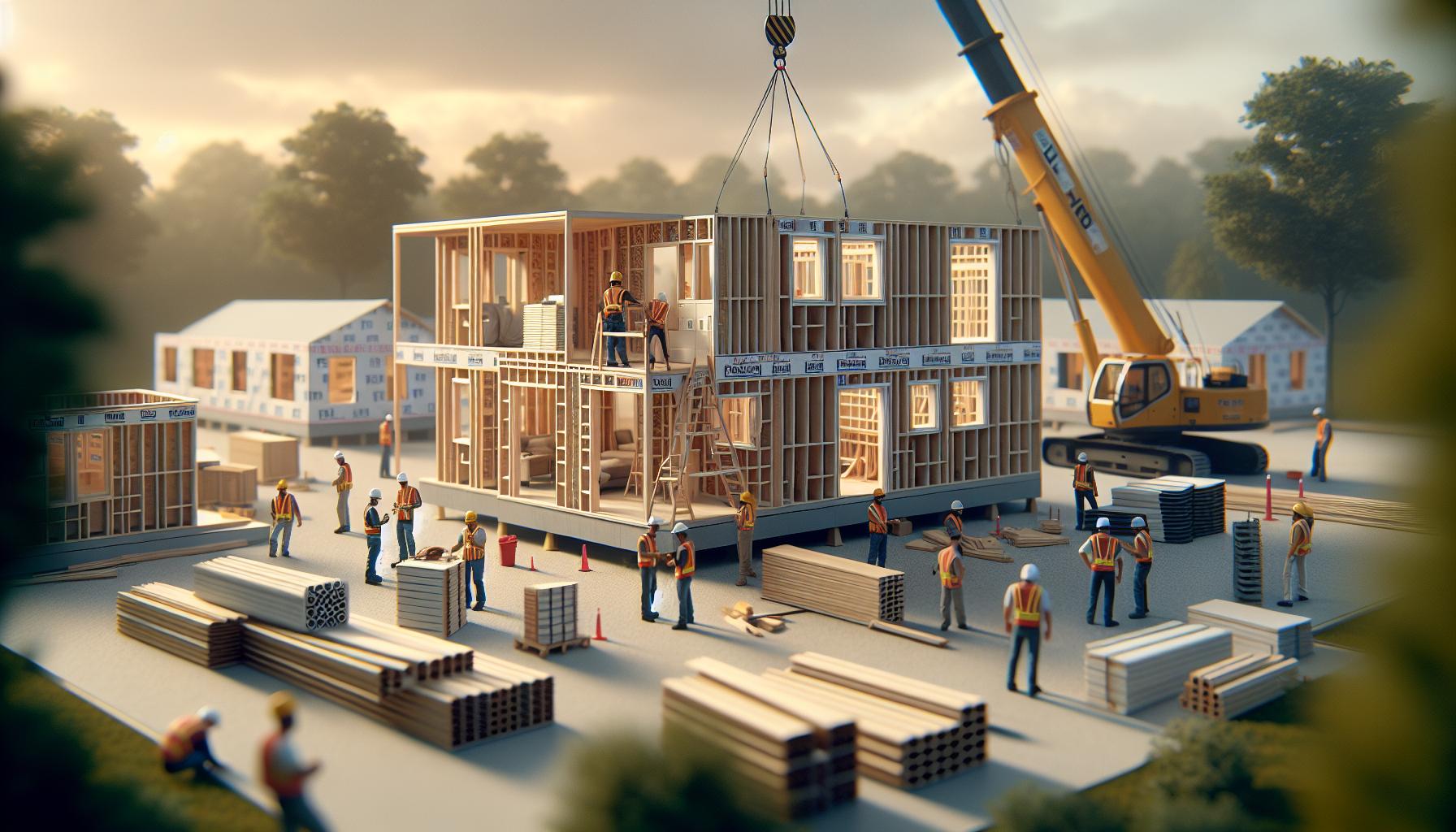
Average Lifespan of Modular Homes Explained
The lifespan of modular homes has become a significant talking point as more people seek sustainable and cost-effective housing solutions. These homes, constructed in a factory setting before being transported to their final location, typically enjoy a lifespan comparable to, or even surpassing, that of traditional site-built homes. While a well-built modular home can last anywhere from 30 to 100 years, the actual lifespan often hinges on multiple factors, including construction quality, materials used, and maintenance practices.
Key Factors Affecting Lifespan
- Construction Quality: Modular homes are subject to stringent building codes and inspections throughout the manufacturing process. Higher quality construction materials and adherence to these codes enhance durability and ensure longer lifespans.
- Site Preparation: The foundation and site where the modular home is placed play critical roles in the overall longevity. A well-prepared site that prevents water accumulation and ensures proper drainage helps mitigate structural issues over time.
- Climate and Location: The environmental conditions in which the modular home is situated can significantly impact its lifespan. Homes in areas prone to severe weather need to be designed and built to withstand those conditions with appropriate anchoring and mitigation features.
- Maintenance: Regular maintenance is crucial for extending any home’s lifespan. Modular homeowners who perform routine checks on elements such as insulation, roofing, plumbing, and electrical systems can prevent small issues from escalating into major problems.
Conclusion
Understanding these key factors allows current and prospective modular homeowners to better appreciate the longevity of their homes and the steps necessary to maximize that lifespan. With diligent care and awareness of environmental impacts, modular homes can provide both comfort and durability for decades to come, making them a valid and sustainable choice in today’s housing market.
Factors Influencing Modular Home Longevity
The longevity of modular homes is influenced by various critical factors that determine how well these dwellings can withstand the test of time. A modular home, built in a factory and transported to its site, can enjoy a lifespan that rivals traditional homes, but its ultimate durability is contingent on certain conditions. Understanding these factors can empower homeowners to make informed decisions when purchasing or maintaining their modular home.
One of the primary influences on a modular home’s lifespan is the construction quality. Modular homes are manufactured under rigorous building codes, ensuring that every component meets or exceeds industry standards. The use of high-quality materials, such as durable siding and quality insulation, plays a significant role in the home’s ability to endure environmental stresses. For instance, homes built with reinforced structures and sturdy materials are more resilient in adverse weather conditions.
Another crucial factor is site preparation. Properly preparing the land where a modular home will be placed is essential in preventing future problems. This preparation includes ensuring proper drainage to avoid water accumulation, which can cause foundational issues. Homeowners should also invest in a solid foundation that can handle the specific needs of a modular home. Consulting with professionals during site assessment and preparation can save money and headaches down the line.
The climate and location of a modular home significantly affect its longevity. Homes situated in areas prone to severe weather, such as hurricanes or heavy snowfall, require custom designs tailored to withstand those specific challenges. Adequate anchoring systems and durable roofing materials can enhance a home’s resilience in these conditions. Residents should be aware of their local climate so they can make proactive decisions about their home’s construction and maintenance.
Lastly, ongoing maintenance is vital for extending the life of any home, and modular homes are no exception. Regular inspections of roofing, plumbing, and appliances can help identify issues before they escalate into costly repairs. Simple tasks such as cleaning gutters, checking insulation, and servicing HVAC systems play a crucial role in maintaining the overall health of the home. Adopting a mindset of preventive care not only enhances the home’s lifespan but also maximizes its value.
By staying informed about these factors, prospective and current homeowners can ensure that their modular homes remain a sustainable and durable housing option for decades to come.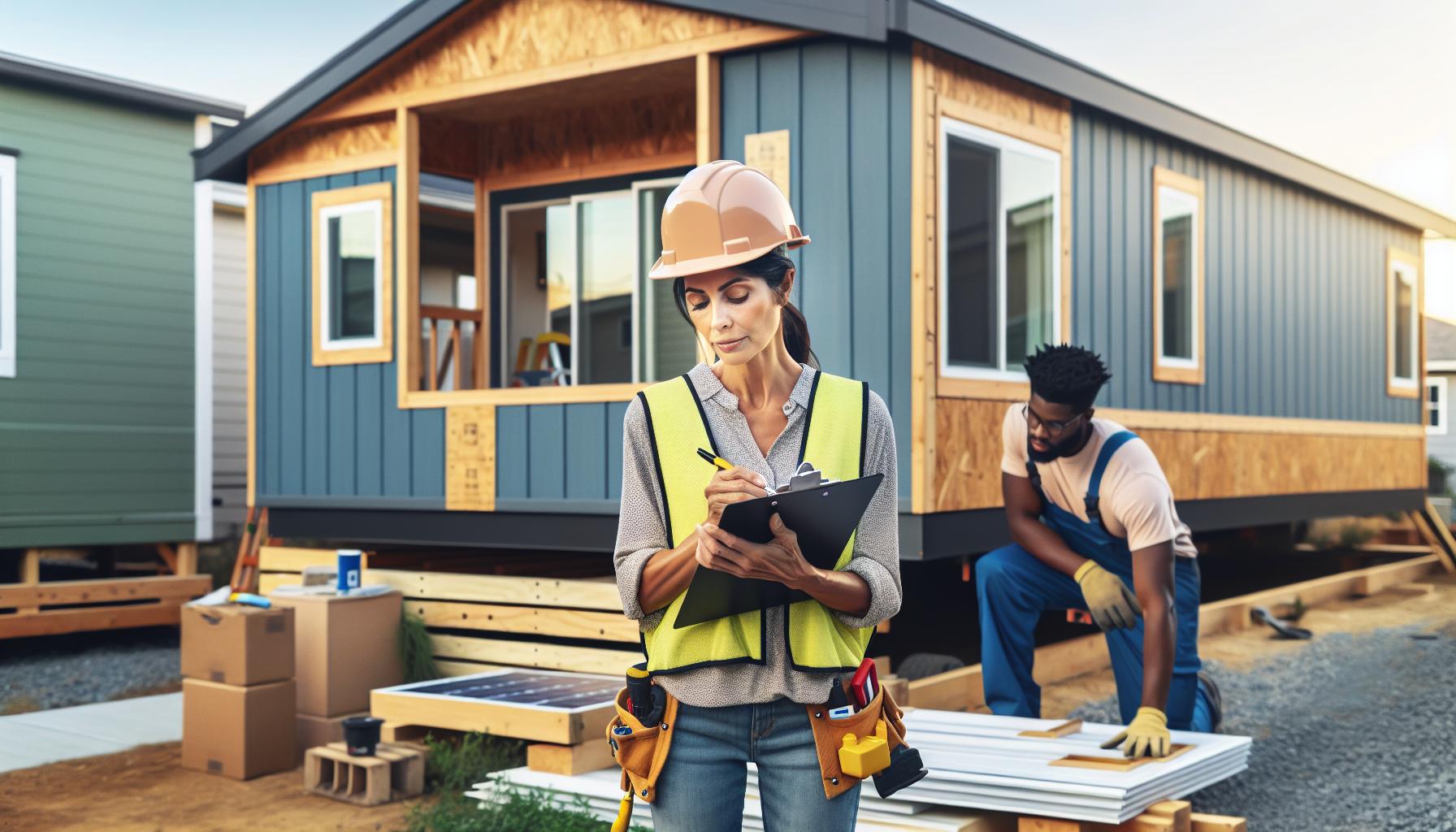
Maintenance Tips to Extend Home Lifespan
Maintaining a modular home is not just about keeping up appearances; it’s essential for ensuring the longevity and structural integrity of your investment. Just like traditional homes, modular homes require regular upkeep to maximize their lifespan. Implementing a consistent maintenance routine can help prevent small issues from becoming significant, costly repairs, allowing homeowners to fully enjoy the benefits of this efficient living style.
One of the most important aspects of home maintenance involves conducting regular inspections. Homeowners should consider scheduling inspections at least twice a year-or more frequently in areas with extreme weather conditions. During inspections, pay close attention to crucial components such as:
- Roofing: Check for missing shingles, leaks, or signs of wear and tear.
- Plumbing: Look for any signs of leaks around pipes or faucets.
- Electrical systems: Ensure all outlets and circuits are functioning correctly, checking for flickering lights or tripped breakers.
Performing simple maintenance tasks can also enhance your modular home’s durability. Routine activities such as cleaning gutters, checking insulation, and servicing HVAC systems play a significant role in preserving your home’s condition.
Seasonal Maintenance and Prevention
Regular seasonal maintenance is just as essential as inspections. Here are a few tailored tasks to include in your seasonal checklist:
- Winter: Insulate pipes to prevent freezing, and clear snow away from foundation walls.
- Spring: Inspect for water damage post-winter and clean out gutters to prepare for heavy rains.
- Summer: Check air conditioning units and clean filters to promote efficiency.
- Fall: Service heating units and clear leaves from drainage systems.
Understanding the unique requirements of modular homes, particularly their need for proper anchoring and leveling, can help homeowners protect against weather-related impacts. Ensuring that the home is properly tied down, particularly in areas prone to hurricanes or strong winds, not only extends the life of the structure but also enhances safety.
By committing to a proactive maintenance schedule and understanding the specific needs of a modular home, homeowners can enjoy the many advantages of this sustainable housing option while ensuring it remains in excellent condition for years to come.
Comparing Modular Homes to Traditional Homes
While the concept of modular homes often raises questions regarding their quality and lifespan compared to traditional homes, it’s important to recognize that these modern housing options are built with durability and efficiency in mind. Engineered to withstand various challenges, modular homes are constructed in controlled factory settings where materials are protected from harsh weather, ensuring consistent quality. This method often leads to stronger, more resilient structures compared to some traditionally built homes, where exposure to the elements can compromise materials during the construction phase.
Modular homes typically have an average lifespan similar to that of traditional homes, often exceeding 30 years or more with proper maintenance. However, the lifespan can be influenced by several factors, including materials used, environmental conditions, and how well the home is maintained over the years. One of the critical distinctions is that modular homes can often be customized and constructed more quickly than traditional homes, leading to less overall disruption during the building process. This speed can be a considerable advantage for those looking to minimize construction time and costs without sacrificing quality.
The installation process for modular homes also differs significantly from traditional homes. Modular units are transported to a site and assembled, which means any foundational issues (like leveling or anchoring) need careful attention during setup. If these factors are addressed adequately, modular homes can prove to be just as stable and secure as traditional constructions. Furthermore, homeowners benefit from the modern efficiencies of energy usage and eco-friendliness, often resulting in lower utility costs and a smaller carbon footprint over time.
Exploring the differences between modular and traditional homes reveals substantial benefits for prospective buyers. From flexibility in design and efficient manufacturing processes to potentially lower costs and faster construction timelines, modular homes offer an appealing alternative without compromising longevity or structural integrity. By understanding these nuances, homeowners can make informed decisions tailored to their lifestyle and needs.
The Impact of Location on Home Durability
The location of a modular home plays a crucial role in determining its overall durability and lifespan. Factors such as climate, soil conditions, and proximity to natural hazards greatly influence how well a modular home will withstand the test of time. For instance, a home situated in an area prone to severe weather events faces different challenges compared to one located in a more temperate zone. Understanding these localized risks is essential for prospective owners and can inform decisions on both home design and setup.
In regions subject to heavy snowfall, designers may choose stronger roof structures to handle the additional weight, while in coastal areas at risk for hurricanes, elevating the foundation and implementing storm tie-downs can protect against flooding and high winds. Conducting a thorough analysis of local climate conditions can help homeowners select materials and construction techniques that enhance durability. Additionally, proper site preparation, which includes assessing soil stability and drainage, is vital to avoid issues such as settling or flooding, which could compromise the home’s integrity over time.
Urban locations may also present unique considerations. Homes situated near busy roads could experience more wear due to pollution and vibrations, leading to potential structural impacts that can shorten the lifespan of materials. Conversely, rural areas might offer the benefit of a quieter environment and more space for expansion but can lack access to resources and services that promote effective maintenance.
Taking these factors into account when choosing a location for a modular home not only aids in ensuring longevity but also enhances the overall living experience. Creating a safe, sustainable environment that caters to local conditions not only provides peace of mind for homeowners but also supports the long-term value of the investment.
Common Myths About Modular Home Lifespan
The lifespan of modular homes is often surrounded by misconceptions that can deter potential buyers from considering them as a viable housing option. One prevalent myth is that modular homes are inferior in quality to traditional site-built homes. In reality, modular homes are constructed under stringent building codes and regulations, often in climate-controlled environments that minimize exposure to environmental hazards during the building process. This ensures high durability and quality.
Another common assumption is that modular homes don’t last as long as traditional homes. On average, modular homes can last just as long as conventional houses, often exceeding 50 years with proper maintenance. The key lies in the quality of construction, choice of materials, and ongoing care. With appropriate upkeep-such as regular inspections, timely repairs, and respecting the environmental factors impacting the home-modular houses can be both long-lasting and sustainable.
Additionally, some believe that modular homes depreciate in value more rapidly than other types of homes. In truth, the value of a modular home can appreciate, similar to traditional homes, depending on the market conditions and location. Factors like curb appeal, property maintenance, and improvements can enhance value over time.
Finally, many think that modular homes are not customizable. While they may come in predefined designs, most manufacturers offer a range of customizable options to suit individual needs, from layouts to finishes. This flexibility allows homeowners to create a space that truly represents their style and functional requirements without sacrificing quality or longevity.
In summary, addressing these myths helps prospective buyers make informed decisions. Understanding the truth about modular homes can lead to recognizing them as a legitimate and often advantageous housing choice. By focusing on quality construction, proper maintenance, and personalization, modular homeowners can enjoy long-lasting, comfortable living spaces.
Renovating Your Modular Home: What to Consider
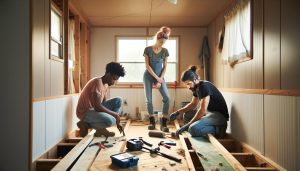
Renovating a modular home presents a unique opportunity to enhance both its aesthetic appeal and functional efficiency. With many modular homes built to last, updating key areas can extend their lifespan even further, making them a worthwhile investment. Before embarking on a renovation journey, there are several essential factors to consider that can lead to a successful and satisfying outcome.
First, assessing the structural integrity of your modular home is crucial. While these homes are built to meet stringent building codes, it’s important to ensure that the foundation and framework remain sound, especially if your home is located in an area prone to severe weather. By consulting with a licensed contractor or an engineer specializing in modular homes, you can identify any underlying issues that need to be addressed prior to diving into cosmetic changes.
Another critical consideration is the purpose of your renovation. Whether you’re looking to improve energy efficiency, increase property value, or simply modernize the living space, define your goals clearly. For instance, if energy efficiency is a primary concern, think about investing in quality insulation, high-efficiency windows, or smart home technology that can reduce utility costs over time. On the other hand, if increasing market value is your aim, consider open floor plans or high-quality finishes that align with current market trends.
Financing Your Renovation
When planning a renovation, it’s also essential to consider your budget and financing options. Modular home renovations can range significantly in cost, so establishing a realistic budget early on can help keep your project on track. Explore options such as home equity loans or specialized renovation loans to help manage expenses without compromising on quality. Be sure to obtain multiple estimates from contractors and factor in a contingency fund for unexpected expenses that may arise during the renovation process.
Permits and Regulations
Lastly, understanding the legal considerations surrounding renovations is paramount. Depending on the scale of your project, you may need to acquire permits from your local government. This is especially true for changes that affect the home’s structure, such as adding rooms, changing the layout, or modifying the foundation. Ensure that any contractor you engage is familiar with local regulations to avoid potential fines or issues down the line.
In conclusion, renovating your modular home can greatly enhance its longevity and value when approached thoughtfully. By focusing on structural assessments, defining clear renovation goals, planning finances appropriately, and adhering to legal requirements, you can transform your living space into a comfortable and stylish sanctuary tailored to your preferences.
Financing Your Modular Home Purchase
When considering the purchase of a modular home, understanding the financing options available is crucial to making an informed decision. Modular homes, often perceived as a more affordable option compared to traditional homes, still represent a significant investment. Financing these homes requires careful planning and a grasp of the various avenues you can explore.
One primary option for financing is traditional mortgages, which function similarly for modular homes as they do for site-built houses. However, it’s essential to ensure that the modular home is classified properly with local zoning laws and meets the requirements set by lenders. Look for lenders who specialize in modular home financing, as they will be more familiar with the nuances of the market and may offer favorable terms. Many financial institutions offer specialized loans, including:
- FHA Loans: These government-backed loans can be a great option for buyers with lower credit scores or smaller down payments.
- Conventional Loans: These loans are not backed by the government and generally require a larger down payment, but they can be competitive depending on creditworthiness.
- Chattel Loans: Specifically for buyers purchasing a modular home that is not permanently affixed to land, chattel loans can be more accessible and require less paperwork.
- Personal Loans: For those looking to supplement their financing, personal loans can be used for closing costs, renovations, or landscaping.
Credit Score Considerations
Your credit score plays a crucial role in securing financing for your modular home. Most lenders prefer a credit score of at least 620 for conventional loans, while FHA loans may be more lenient, allowing for scores as low as 500 with a 10% down payment. Improving your credit score before applying for a loan can lead to better interest rates and terms. Always check your credit report for errors, pay down existing debts, and avoid new lines of credit before you begin the mortgage application process.
Budgeting for Your Purchase
Creating a comprehensive budget that accounts for the total cost of homeownership is vital. Beyond mortgage payments, factor in additional costs such as property insurance, taxes, utilities, and maintenance. Modular homes often have lower energy costs, but it’s essential to research local rates and potential energy-efficient upgrades that can further reduce these expenses. Understanding your total financial commitment helps prevent surprises down the line and aids in selecting a budget-friendly property.
Evaluating financing options in-depth ensures that potential modular homeowners can navigate their choices with confidence. By exploring specialized loans, improving credit scores, and budgeting thoughtfully, you can make informed decisions that support long-term satisfaction with your modular home investment.
Insurance Needs for Modular Homeowners
Navigating the world of insurance as a modular homeowner can seem daunting, yet it is a crucial step in safeguarding your investment. Unlike traditional homes, modular homes come with specific insurance needs that reflect their unique structure and installation process. Understanding the nuances of coverage can ensure that you are adequately protected against potential risks and liabilities.
When choosing insurance for your modular home, it’s essential to consider a policy that specifically covers manufactured or modular homes rather than standard homeowner’s insurance. This specialized coverage typically includes aspects unique to modular structures, such as the factory-built components and the transportation process before the home was set on its foundation. Look for policies that encompass several key areas, such as structure coverage, personal property protection, liability coverage, and additional living expenses in case your home is temporarily uninhabitable due to covered damages.
Types of Coverage to Consider
Here are the main types of coverage to consider for your modular home:
- Structural Coverage: This protects the building itself from damages caused by events like fire, wind storms, theft, or vandalism.
- Personal Property Coverage: This insures your belongings inside the home. It’s vital to make an accurate inventory of your possessions to determine the right coverage amount.
- Liability Coverage: Essential for protecting you against legal claims or lawsuits if someone is injured on your property.
- Additional Living Expenses Coverage: If your modular home becomes uninhabitable due to a covered peril, this coverage helps with the costs of temporary accommodation.
Engaging with a knowledgeable insurance agent who understands modular home requirements can significantly streamline your insurance shopping process. They can help you compare quotes and tailor your policy to your specific needs. Additionally, consider the unique environmental factors that may affect your location, such as flood or earthquake risks, which may necessitate additional coverage options.
In summary, ensuring your modular home has the right insurance coverage is integral to your peace of mind and financial security. By taking the time to understand your insurance needs and working with experts, you can confidently protect your investment and enjoy your home for years to come.
Preparing for Severe Weather: Essential Tips
Extreme weather events can pose significant risks to modular homes, making it vital for homeowners to be proactive in their preparations. Understanding how to effectively safeguard your modular home against severe weather can extend its lifespan and ensure your safety during tumultuous conditions. Here are essential strategies to help you prepare.
One critical step is to secure the home properly. Modular homes, due to their design, require specific anchoring techniques to withstand high winds and storms. Ensure that professional-grade tie-downs are installed according to manufacturer specifications. Regularly inspect these systems for wear and tear, reinforcing them as necessary to maintain effectiveness.
Additionally, creating an emergency plan is imperative. Have a schemed response in place that includes designated safe zones within your home and a clear evacuation route. Equip your home with emergency supplies like food, water, first aid kits, and flashlights to ride out potential power outages. Practicing this plan with family members can enhance preparedness during a crisis.
Consider the surrounding landscape as a critical factor in weather preparation. Trim overhanging branches that could fall during storms, and ensure that gutters are clean to prevent water buildup. Evaluate your lot’s drainage; water should flow away from the foundation to avoid flooding, which can compromise structural integrity over time.
Lastly, keeping informed about local weather patterns can be your best defense. Monitoring forecasts and signing up for weather alerts can provide you with timely updates, allowing for last-minute preparations. This vigilance, combined with the right structural adjustments and safety measures, will contribute significantly to the longevity and resilience of your modular home against severe weather.
Legal Considerations for Modular Homes
Navigating the world of modular homes involves understanding various legal considerations that can significantly affect ownership and longevity. One fundamental aspect is recognizing that the laws governing modular homes differ by state and locality. Homeowners must be familiar with zoning regulations, building codes, and permits required for the installation and modification of their homes. Ensuring compliance with local building codes not only safeguards your investment but also enhances the home’s safety and efficiency.
Title and Definition of Modular Homes
In many jurisdictions, modular homes are legally classified differently than traditional site-built homes. They may be subject to specific regulations due to their factory-built nature. Homeowners should check if their modular home is treated as personal property or real property; this classification can impact taxation, financing, and insurance options.
Permits and Compliance
Before placing a modular home on a property, it’s essential to obtain the necessary building permits. This step often includes submitting plans to local authorities for approval. Builder qualifications and manufacturer certifications can play a crucial role in this process, as many areas require homes to meet specific standards for energy efficiency and safety. Additionally, site preparation and foundation plans typically need to be submitted to ensure the home is adequately supported.
Land Ownership and Leases
Understanding land ownership is another critical legal consideration. Some modular homes are placed on properties owned by the homeowner, while others may be situated on leased land, such as in mobile home parks. Lease agreements can include stipulations that affect the homeowner’s rights, obligations, and maintenance responsibilities. Homeowners should review these agreements carefully and ensure they understand their long-term implications, including renewal terms and potential restrictions on modifications.
Insurance and Liability
Securing comprehensive insurance coverage is vital for protecting your investment. Modular homes may require specific types of insurance that differ from traditional homeowner policies. It’s essential to consult with insurance professionals familiar with modular housing to ensure your policy covers key aspects, such as liability for accidents or damages associated with the home’s unique features.
By being proactive and informed about these legal considerations, modular home owners can navigate the complexities of ownership with confidence, ensuring their homes remain safe, compliant, and valuable long-term.
Q&A
Q: How long can I expect my modular home to last?
A: Modular homes can last 50 years or more with proper maintenance. Many factors influence their longevity, including quality of materials, design, and local climate conditions. Regular upkeep, such as inspections and repairs, can significantly extend the life of your home.
Q: Are modular homes durable against severe weather conditions?
A: Yes, modular homes are built to withstand severe weather. They are often designed using advanced construction techniques, which provide additional strength and durability compared to traditional homes. Ensure your home is anchored properly and follow local guidelines for storm preparedness.
Q: What maintenance tips can help extend the lifespan of my modular home?
A: Regular maintenance includes inspecting roofs, ducts, and foundations for issues. Ensure proper insulation and ventilation, clean gutters, and schedule periodic inspections by professionals. This can prevent small problems from turning into significant, costly repairs and enhance your home’s longevity.
Q: Do modular homes require special insurance considerations?
A: Yes, while insuring a modular home is similar to traditional homes, you may need specific coverage for aspects like the foundation and unit separation. Consult with your insurance provider to cover all essential risks, including severe weather events pertinent to your area.
Q: How do modular homes compare to traditional homes in terms of lifespan?
A: Modular homes frequently match or exceed the lifespan of traditional homes if built with quality materials and maintained well. While traditional homes vary by construction style, modular homes benefit from factory-controlled conditions, improving durability and longevity.
Q: When is the best time to renovate my modular home for improved longevity?
A: The best time to renovate is during mild weather, allowing for efficient work without weather-related interruptions. Regular renovations, especially for critical areas like roofing and foundation, can significantly increase your modular home’s lifespan.
Q: Are there specific myths about the lifespan of modular homes that I should know?
A: Yes, a common myth is that modular homes are inferior and shorter-lived than traditional homes. In reality, modular homes are often built to similar or stricter codes, thriving for decades when well-built and maintained. Educating yourself can help dispel these misconceptions.
Q: How does location impact the durability of my modular home?
A: Location significantly affects your home’s durability. Factors like climate, weather conditions, and local building regulations can determine materials used and construction methods. Research the best practices for modular home construction specific to your area to ensure lasting quality.
In Retrospect
As you wrap up your journey through the lifespan of modular homes, remember that understanding their durability can empower your decision-making, whether you’re a prospective buyer or a long-term owner. Modular homes can offer a reliable and cost-effective housing option, but being informed is crucial! If you have further questions about the longevity of your modular home, consider checking out our detailed guide on maintaining your modular home or explore financing options to ensure a sound investment.
Don’t hesitate to leave a comment below sharing your thoughts or experiences, and be sure to subscribe to our newsletter for the latest updates and tips on mobile home ownership. If you’re ready to take the next step in your home journey, explore our resources on hurricane preparedness and foundation conversions. Your modular home dream is within reach, so let us guide you every step of the way!