In today’s fast-paced world, finding a spacious, affordable home that caters to family needs can feel daunting. Multi-section modular homes offer the perfect solution, combining abundant living space with modern design. These versatile homes are built in sections, allowing for greater customization and configuration options compared to traditional single-section models. For families seeking room to grow, multi-section modular homes provide the ideal blend of comfort and functionality. They not only enhance family life but also represent a smart investment in today’s housing market. Discover how these homes can change your living experience, offering the space and amenities to support your family’s lifestyle and aspirations.
What are Multi-Section Modular Homes?
Multi-section modular homes represent an innovative approach to residential living, combining modern construction techniques with flexibility and design versatility. These homes are constructed in multiple sections at a factory and then transported to their final location, where they are assembled on a permanent foundation. Unlike traditional stick-built homes, multi-section modular homes can be customized in various ways, from layout configurations to material choices, allowing homeowners to create a living space tailored to their specific needs.
One of the standout features of multi-section modular homes is their spacious design. With widths that can often exceed 20 feet, these homes offer expansive interiors compared to single-section models. Depending on the design, they can incorporate multiple bedrooms, large living areas, and open floor plans that facilitate a seamless flow throughout the home. The ability to design an efficient use of space is a major boon for families looking for comfortable and functional living environments.
Additionally, the speed of construction is a significant advantage. Because much of the building takes place indoors, the risk of weather-related delays is minimized, allowing for quicker occupancy. Once the sections arrive on-site, assembly can often be completed within a matter of days. This efficiency not only saves time but also potentially reduces labor costs, making it an appealing option for budget-conscious buyers.
Moreover, multi-section modular homes are built to stringent building codes, often exceeding those of traditional homes. This adherence to safety and quality standards enhances the durability and longevity of the structure, providing peace of mind for homeowners. By embracing innovative building techniques and eco-friendly materials, these homes also support sustainability efforts, making them a responsible choice for eco-conscious families.
In conclusion, multi-section modular homes offer a practical and attractive alternative for anyone seeking a spacious, customizable, and efficient living solution. With features designed for modern family needs and built to last, they present a compelling option in the housing market.
Benefits of Choosing Multi-Section Modular Homes
Multi-section modular homes are rapidly gaining traction as a preferred choice for families seeking both affordability and spacious living. One of the most compelling benefits lies in their cost-effectiveness. Compared to traditional homes, multi-section modular homes are often significantly cheaper to build. This reduction in cost is attributed to streamlined production processes and economy of scale advantages provided by factory construction. Additionally, shorter build times lead to lower overall expenses, allowing families to invest in customization or upgrades rather than just the build itself.
Another advantage is flexibility in design, which allows homeowners to create a space that truly reflects their lifestyle and needs. With numerous floor plans available, families can easily find a layout that accommodates their unique requirements-be it an open-plan kitchen and living area for entertaining or separate bedrooms for privacy. The ability to choose styles, materials, and energy-efficient options also means that homeowners can make choices that not only resonate with their taste but also promote sustainability and lower utility bills.
Multi-section modular homes are engineered to withstand challenging conditions, often meeting or exceeding local building codes. This enhanced durability means reduced maintenance costs down the line, ensuring that families can enjoy their homes without constant repairs. Furthermore, many manufacturers prioritize energy efficiency, incorporating high-quality insulation and modern windows that lead to better energy conservation. This focus not only benefits the environment but also reduces monthly energy expenses, making these homes an economical choice through their lifespan.
In summary, the selection of multi-section modular homes provides a unique blend of affordability, design flexibility, reliability, and efficiency. Families exploring housing options will find that these features make modular homes a wise investment that meets both immediate needs and long-term financial goals. With lower upfront costs, custom design choices, and robust energy performance, they stand out as a formidable alternative in the housing market.
Design Options for Spacious Living
Multi-section modular homes offer an array of design options that cater to diverse family needs while maximizing space efficiency. These homes are typically built in sections, which allows for greater flexibility in layout compared to traditional single-section structures. With innovative design choices and customizable floor plans, families can create a living experience that reflects their lifestyle, whether that means a cozy retreat or a vibrant gathering space.
One of the standout features of multi-section modular homes is the open floor plan design. This layout encourages a seamless flow between the kitchen, dining, and living areas, perfect for entertaining guests or keeping an eye on children playing. Many designs also incorporate large windows and sliding glass doors that enhance natural light and provide stunning views, making your space feel even larger. In addition to this, homeowners can opt for vaulted ceilings, which not only add visual height but also create an airy atmosphere conducive to relaxation and family togetherness.
Accessorizing and modifying these homes is incredibly straightforward as well. Buyers have the opportunity to choose from a variety of fixtures, finishes, and layouts tailored specifically to their requirements. For instance, an additional bedroom or office space can be integrated with minimal disruption, making it an ideal solution for growing families or those who work from home. Furthermore, elements like built-in storage solutions, spacious closets, and mudrooms can be incorporated to keep the living areas clutter-free and functional.
The energy-efficient designs typical of multi-section modular homes further enhance their appeal. With options for superior insulation, energy-efficient windows, and eco-friendly appliances, families can enjoy significant long-term savings on energy costs. Moreover, integrating smart home technology, like programmable thermostats and energy monitors, can optimize energy usage, ensuring a sustainable living environment that aligns with modern-day values.
In summary, the design options available in multi-section modular homes are extensive and customizable, enabling families to achieve spacious, innovative living spaces that meet their unique requirements. With a focus on functionality and energy efficiency, these homes truly represent a forward-thinking option in the housing market, allowing families to invest not just in a house, but in a home tailored to their lifestyle.
Key Features to Enhance Family Comfort
Among the most appealing aspects of multi-section modular homes are the key features designed to enhance family comfort. These homes are not just about innovative designs and spacious layouts; they prioritize the well-being and cohesion of family life.
Thoughtful Floor Plans
The intelligent design of multi-section modular homes focuses on flow and functionality. Many models feature open-concept layouts that merge the living, dining, and kitchen areas, allowing families to connect seamlessly throughout their home. This type of space is perfect for family gatherings, ensuring no one is isolated during meal prep or entertainment. Furthermore, strategically placed private areas, such as bedrooms and bathrooms, offer retreat options when privacy is needed.
Natural Light and Ventilation
Ample natural light can significantly impact the ambiance of a home. Large windows, skylights, and sliding glass doors are common elements in multi-section modular homes. These details not only provide beautiful views but promote positive mental health by improving the connection to the outside world. Effective ventilation contributes to a fresher indoor environment, pivotal for the comfort of all family members.
Energy Efficiency and Temperature Control
Energy efficiency isn’t just a trend; it’s a necessity for modern homes. Features such as high-quality insulation, ENERGY STAR-rated windows, and appliances play a vital role in reducing utility costs. This efficiency, combined with smart home technology, such as smart thermostats and programmable devices, allows families to better control their indoor climate, enhancing comfort year-round.
Flexible Spaces for Diverse Needs
The modular aspect of these homes provides the flexibility needed to adapt spaces according to changing family dynamics. Whether you need a home office, a playroom, or an extra guest bedroom, multi-section modular homes can evolve with your family’s needs. For instance, mobile partitions can create separate work areas during the day and transform back into open living spaces in the evening.
By integrating these features, multi-section modular homes not only provide spacious living solutions but also create an environment that supports family interactions, individual comfort, and sustainable living practices.
Financing and Buying Your Modular Home
Navigating the financial landscape of purchasing a multi-section modular home can seem daunting, but with the right information and preparation, this process can become manageable and straightforward. Understanding the various financing options available is the first step to making an informed decision for your new home. Many buyers may not realize that modular homes can be financed similarly to traditional homes, with mortgages available through banks and credit unions, often with competitive rates.
Types of Financing Options
When considering financing for your modular home, it’s essential to distinguish between options specifically tailored for manufactured homes and those applicable to standard site-built homes. Here are some common financing avenues:
- Conventional Mortgages: Many lenders offer conventional mortgage options for modular homes, especially if the home meets local building codes and is permanently affixed to a foundation.
- FHA Loans: The Federal Housing Administration (FHA) provides loans that can be utilized for modular homes, making homeownership accessible for various income levels.
- VA Loans: Veterans Affairs loans are an excellent option for eligible veterans, offering favorable terms without the need for a down payment.
- Personal Loans: If you are purchasing a modular home that is not permanently fixed, you might consider a personal loan, though typically at higher interest rates.
Budgeting for Your Purchase
Developing a realistic budget is critical in the home buying process. Start by evaluating your total income, expenses, and potential mortgage payments. Consider the long-term costs associated with owning a modular home, including maintenance, insurance, and property taxes. Many buyers find it helpful to work with financial advisors or mortgage brokers who specialize in modular homes, as they can provide personalized advice and help you secure the best financing options available.
Insurance and Property Considerations
Insurance is another crucial aspect of financing your modular home. Different lenders may require varying levels of coverage, so be prepared to shop around for insurance providers that cater to modular buildings. It’s advisable to seek out coverage that not only protects against standard risks but also includes specifics for any unique aspects related to modular homes, such as storm tie-downs or upgrade options for enhanced durability.
By familiarizing yourself with these financing options, budgeting adequately, and ensuring you have appropriate insurance coverage, you will be well on your way to successfully purchasing a multi-section modular home that meets your family’s needs and lifestyle. This homeownership journey can not only offer you the flexibility and space you desire but also an affordable path to your dream living situation.
Understanding the Construction Process
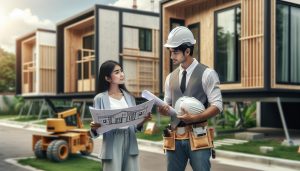
The construction process of multi-section modular homes is a remarkable blend of efficiency, precision, and quality control that sets them apart from traditional site-built homes. Unlike conventional homes that are constructed entirely on-site, multi-section modular homes begin their journey in a controlled factory environment. This method not only protects materials from weather-related delays but also ensures that each module is built under stringent quality standards, significantly reducing the chances of defects.
Each modular home is composed of several sections, or modules, which are manufactured simultaneously in a factory. These modules are typically constructed using high-quality materials and adhere to local building codes, ensuring that they are safe, durable, and energy-efficient. Once completed, the modules are transported to the home site on flatbed trucks. The transportation phase is crucial as it requires specialized handling to ensure that the modules arrive at the site in perfect condition.
Upon arrival, the modules are placed on a pre-prepared foundation and carefully assembled. The connection points between modules receive detailed attention to ensure structural integrity and proper sealing against the elements. This process often involves unique techniques such as leveling and anchoring to ensure that the home is stable and secure. Additionally, utilities such as plumbing, electrical wiring, and HVAC systems are efficiently integrated during the assembly, further streamlining the overall construction timeline.
Homeowners benefit significantly from this construction method, often experiencing a much shorter wait time from design to move-in compared to traditional homes. The entire process can take as little as a few months, allowing families to transition to their new spacious environment with minimal disruption. By opting for a multi-section modular home, buyers not only gain a beautifully designed living space but also enjoy the peace of mind that comes with knowing their home has been built with care and precision in a factory setting.
Navigating Legal and Zoning Requirements
When considering multi-section modular homes, navigating the legal and zoning requirements is crucial to ensure a smooth and successful installation. Different regions often have varying regulations regarding where and how these homes can be placed. Understanding your local zoning laws, building codes, and permit requirements can save you time and potential headaches in the long run.
Start by researching your local zoning ordinances. These regulations dictate not only where modular homes can be sited, but also specific requirements related to property size, setbacks from property lines, and the overall appearance of the home. Engaging with your local zoning office or municipal planning department can provide clarity on any restrictions or necessary permits before making a purchase. In some areas, there may be specific zones designated for manufactured housing or modular homes, which might come with additional benefits like reduced taxes or lowered utility costs.
It’s also essential to familiarize yourself with the construction codes that apply to modular homes in your area. Modular homes must meet state standards that ensure safety and energy efficiency. Each module is typically built to comply with the International Building Code (IBC) or specific state codes, depending on the location. Buyers should always request documentation confirming that their chosen modular home adheres to these standards, which can bolster long-term property value and safety.
Additionally, homeowners should consider the practical steps necessary for installation, such as obtaining the proper inspections throughout the building process. This includes inspections for the foundation, plumbing, electrical systems, and final occupancy. Many modular home manufacturers provide guidance and assistance in navigating these requirements, which can be invaluable for first-time buyers.
In summary, thorough preparation is key to overcoming legal and zoning challenges when opting for a multi-section modular home. By proactively checking local regulations and ensuring compliance with building codes, homeowners can set the stage for a successful installation and a long-lasting, enjoyable living experience.
Maintenance Tips for Long-Term Care
Maintaining the longevity and aesthetic appeal of a multi-section modular home requires commitment and knowledge about specific care techniques tailored to their unique structure. These homes, while built with robust materials and modern techniques, still need regular attention to ensure they remain comfortable, safe, and visually pleasing over time.
To begin with, performing routine inspections is essential. Homeowners should check for signs of wear and tear, including leaks in plumbing, cracks in walls, or issues with the electrical system. Regularly inspect the exterior for any damage due to weather elements. Pay close attention to the roof, siding, and skirting, as these areas are prone to weather degradation. Cleaning gutters and ensuring proper drainage away from the foundation will prevent water buildup, which can lead to serious structural issues.
Seasonal Maintenance Tasks
Different seasons bring specific tasks to maintain a modular home effectively:
- Spring: Inspect the roof for winter damage, clean windows, and perform an HVAC system check before the summer heat.
- Summer: Check air conditioning units and ensure that they are running efficiently. Seal any gaps around windows and doors to improve energy efficiency.
- Fall: Clean gutters again and prepare the home for winter by insulating pipes and checking heating systems.
- Winter: Regularly remove snow buildup from the roof and clear walkways to prevent ice hazards.
Preserving Your Home’s Energy Efficiency
Modular homes can be highly energy-efficient, but maintaining that efficiency requires diligence. Insulation should be checked regularly; gaps can lead to energy loss. Consider weather stripping around windows and doors to prevent drafts. Using energy-efficient appliances and LED lighting can also reduce energy costs.
Finally, it’s vital to document any maintenance or repairs performed. Keeping a detailed log can help track changes made over time, and it’s particularly useful when doing renovations or if you plan to sell the home. By being proactive in maintenance and repairs, homeowners can not only enhance their comfort but also increase their property’s value, ultimately making multi-section modular homes a smart and sustainable housing choice.
Creating a Sustainable Modular Home
Creating a sustainable lifestyle doesn’t just happen in traditional homes; multi-section modular homes can also embody eco-friendliness while providing spacious and comfortable living for families. One effective way to achieve sustainability in modular homes is through the selection of energy-efficient building materials. Opting for insulation made from recycled materials, energy-efficient windows, and sustainable flooring options can significantly reduce the carbon footprint of the home. Many manufacturers now offer modular homes that are built with environmentally friendly practices, ensuring that your investment is not only in a home but also in the health of our planet.
To enhance the sustainability of your modular home, consider integrating renewable energy systems. Solar panels are a popular option that can not only reduce electricity bills but also provide a reliable energy source. For homes located in areas with harsh winters, geothermal heating systems can be highly effective, utilizing the earth’s stable underground temperature to heat and cool your home efficiently. Additionally, installing water-saving fixtures and gray water recycling systems can lower water consumption, making your home more resource-efficient.
Another critical aspect of involves landscaping. Choosing native plants for your garden minimizes water usage and fosters a natural ecosystem that supports local wildlife. Implementing rain gardens or permeable paving can effectively manage stormwater runoff and improve drainage around your home, reducing the risk of water-related issues. When designed thoughtfully, your outdoor space can not only be beautiful but also contribute positively to the environment.
Maintaining a sustainable lifestyle goes hand in hand with active community engagement. Many modular homeowners participate in local sustainability initiatives, such as community solar co-ops or cooperative gardening projects, which can further amplify their efforts toward sustainable living. By fostering connections within your community and sharing resources, you not only support your local environment but also build a supportive network that enriches the modular living experience.
In summary, embracing sustainability in multi-section modular homes involves careful planning, resourceful choices in materials and energy systems, thoughtful landscaping, and community involvement. This holistic approach not only benefits the environment but also enhances the overall quality of life for families looking for spacious, modern, and responsible living solutions.
Comparing Multi-Section Modular Homes to Traditional Homes
Comparing multi-section modular homes with traditional houses reveals significant distinctions that can influence a buyer’s decision. One of the most compelling factors in favor of multi-section modular homes is their construction efficiency. Built in controlled factory environments, these homes can often be completed in a fraction of the time it takes to construct traditional homes on-site. This means quicker availability for families eager to move into their new space, which can be particularly advantageous in a competitive housing market.
In terms of cost, multi-section modular homes typically provide a more affordable option without sacrificing quality. The factory setting reduces material waste and labor costs, translating into lower prices for buyers. According to many homeowners, the financial benefits don’t stop with the purchase-modular homes are designed to be energy-efficient, leading to lower utility bills over time. Many traditional homes can require extensive upkeep and may present unforeseen expenses related to weather or age, while newer modular homes often come with modern efficiencies built-in.
Design flexibility stands out as another critical advantage. Multi-section modular homes offer a variety of layouts and high-quality finishes, which allows buyers to customize their living spaces to suit specific needs. Some families opt for open-concept designs that promote spacious living and communal areas, which can be harder to achieve in traditional homes without substantial renovation. Additionally, the availability of eco-friendly building materials and energy-efficient systems makes modular homes an increasingly popular choice for those prioritizing sustainability.
However, it is essential to note that while modular homes have many advantages, they can also face misconceptions regarding their stability and longevity. With proper installation and maintenance, multi-section modular homes can be just as durable and long-lasting as traditional houses. Understanding local zoning and foundation requirements is crucial, as this ensures that a modular home can meet the same standards as traditional housing in terms of safety and durability. By equipping themselves with the right knowledge, prospective buyers can confidently navigate the modular housing market, ensuring they make a well-informed decision tailored to their family’s needs.
Real-Life Success Stories from Modular Home Owners
Many families have discovered the transformative power of multi-section modular homes, significantly enhancing their living experiences. Take the Johnson family, for example, who relocated to a multi-section modular home after facing rising costs and a crowded urban environment. With their newfound space, they embraced a more vibrant lifestyle. Their children now have separate bedrooms, allowing for more privacy and individuality, while the open-concept living area fosters family gatherings and entertaining friends.
Another compelling story comes from the Ramirez family, who prioritized energy efficiency in their move. After extensive research, they chose a modular home built with sustainable materials and state-of-the-art energy systems. They reported a dramatic decrease in utility bills, contributing to long-term savings that they now allocate towards their children’s education. For families like the Ramirezes, the financial benefits of modular living extend far beyond the initial investment, creating room for other priorities and hobbies that enrich their lives.
Community and Connection
Success stories often highlight the strong sense of community among modular home owners. Many neighborhoods featuring these homes embrace a collaborative spirit. For instance, the Wilsons, who settled in a modular home community, quickly engaged with their neighbors through organized events and shared projects. This camaraderie not only enhanced their social life but also facilitated a support network, making the transition into their new environment seamless and enjoyable.
Additionally, prospective buyers can take heart from stories of customization. The Taylors creatively transformed their multi-section home to suit their aesthetic preferences, showcasing personal touches in every room-from DIY projects in the backyard to carefully curated interior designs. Their experience underscores that modular homes can be tailored to express individuality while still achieving the spaciousness and comfort that families desire.
These real-life success stories illustrate not just the practicality of multi-section modular homes, but also the enriched lives that come with them-proving they are not merely houses but homes that foster growth, community, and a healthier lifestyle. As more families choose this path, they discover that modular living is a genuine and rewarding option for modern living.
Future Trends in Modular Home Design and Functionality
As the demand for multi-section modular homes increases, innovative design and functionality trends are emerging to enhance living experiences. One significant trend is the integration of smart home technology into modular homes, allowing homeowners to control heating, lighting, security systems, and appliances from a single device. This not only improves convenience but can also lead to increased energy efficiency, as homeowners can monitor and manage their energy consumption in real-time.
Another trend influencing modular home design is the focus on sustainability. Builders are increasingly incorporating eco-friendly materials and construction practices, such as using recycled or renewable resources and implementing energy-efficient designs. This shift not only appeals to environmentally conscious buyers but also often results in lower utility costs. Additionally, trendy features such as green roofs, rainwater harvesting systems, and solar panels are becoming more common, allowing families to reduce their carbon footprints while enhancing the overall aesthetics and functionality of their homes.
Innovative Spaces
The layout and design of multi-section modular homes are evolving to prioritize flexible use of space. Open floor plans remain popular, but there’s growing interest in multipurpose areas that can adapt to different family needs. For instance, a home office can seamlessly transform into a guest room or play area. This flexibility caters to the lifestyle changes many families face, including remote work and varying family dynamics, making modular homes an attractive option in today’s environment.
Another notable shift is the emphasis on personalization and customization. Manufacturers are offering a broader range of design choices, from exterior finishes to interior layouts, enabling families to create homes that reflect their unique tastes and lifestyles. As more consumers seek out personalized touches in their homes, modular builders are responding with options that range from innovative storage solutions to customizable kitchens, enhancing the appeal and livability of these spaces.
The future of multi-section modular homes is bright, as technological advancements and a commitment to sustainability redefine what it means to live in a modern, spacious family home. With a focus on flexibility, personalization, and energy efficiency, these homes are not only meeting but exceeding the expectations of today’s homeowners.
Frequently asked questions
Q: What are the advantages of multi-section modular homes compared to traditional houses?
A: Multi-section modular homes offer several advantages over traditional houses, including faster construction times, often lower costs, and factory-controlled quality. They provide spacious living options, customizable designs, and are generally more energy-efficient. For a detailed comparison, check out the section on “Comparing Multi-Section Modular Homes to Traditional Homes.”
Q: How do I finance a multi-section modular home?
A: Financing a multi-section modular home typically involves conventional loans, FHA loans, or specialized modular home financing programs. It’s essential to assess interest rates and loan terms, and to ensure you have a solid credit history. More financing options can be found in the “Financing and Buying Your Modular Home” section.
Q: Where can I place multi-section modular homes?
A: Multi-section modular homes can be placed on private land or within manufactured home communities, subject to local zoning laws and land-use regulations. Before deciding, consider checking your city’s zoning ordinances. More information is available in “Navigating Legal and Zoning Requirements.”
Q: What is the construction process for multi-section modular homes?
A: The construction process for multi-section modular homes involves factory-building sections, transporting them to the site, and assembling them. This method allows for quicker completion and minimizes weather-related delays. For more insights, refer to “Understanding the Construction Process.”
Q: How can I maintain my multi-section modular home?
A: Regular maintenance of a multi-section modular home includes checking roofing, insulation, and utilities. It’s also prudent to inspect seals and caulking once a year. For a more comprehensive guide, visit the “Maintenance Tips for Long-Term Care” section.
Q: What customization options are available for multi-section modular homes?
A: Customization options for multi-section modular homes vary widely and include floor plans, finishes, and energy-efficient features. You can work with manufacturers to create a design that fits your family’s needs. Explore more options in “Design Options for Spacious Living.”
Q: Are multi-section modular homes a good investment?
A: Yes, multi-section modular homes can be a wise investment due to their affordability, energy efficiency, and growing market popularity. They often appreciate in value similarly to traditional homes. For real-life insights, check out “Real-Life Success Stories from Modular Home Owners.”
Q: What are the typical sizes of multi-section modular homes?
A: Multi-section modular homes come in various sizes, typically ranging from 1,200 to over 2,500 square feet. The size you choose will depend on your family’s needs and budget. More details are available in the “What are Multi-Section Modular Homes?” section.
In Retrospect
As we explore multi-section modular homes, it’s clear they offer spacious, flexible solutions tailored for modern families. If you’re considering this dynamic living option, don’t hesitate to delve deeper into our detailed guides on mobile home financing and maintenance tips. Understanding your investment is crucial, and we provide the resources to help you make informed decisions.
Ready to take the next step? Whether you’re interested in purchasing your own multi-section home or want professional advice on upkeep and value enhancement, visit our consultation page. Join our community by signing up for our newsletter, where you’ll find valuable insights on maintaining your home and navigating the modular housing market.
For more essential reading, check out our articles on hurricane preparedness and mobile home renovations. Your journey into multi-section modular living can be enriching and stress-free when you have the right information at your fingertips. Share your thoughts or questions in the comments-we’re here to support you every step of the way!