Leveling your mobile home trailer is not just a matter of aesthetics; it’s crucial for safety, stability, and longevity. An unlevel trailer can lead to structural issues, plumbing problems, and even difficulties in selling your home later on. Whether you’re a current resident seeking to ensure your home is stable or a prospective buyer wanting to make informed decisions, understanding how to correctly level a mobile home is essential. In this comprehensive guide, we will walk you through the step-by-step process of achieving the perfect setup. You’ll discover practical tips, common mistakes to avoid, and the tools you’ll need to make the task straightforward. With the right knowledge and approach, you can enhance your living experience and protect your investment for years to come. Let’s dive into the essential techniques that will get your mobile home back on solid ground!
Understanding the Importance of Leveling a Mobile Home
Leveling a mobile home is not just a matter of aesthetics; it’s crucial for ensuring structural integrity and functionality. An unlevel home can lead to a myriad of problems, from uneven floors to pipe misalignment, and even increased wear on the home’s foundation and frame. When the ground shifts – whether due to weather changes or settling soil – these issues can exacerbate, leading to significant maintenance costs and depreciation in property value. Understanding the importance of proper leveling is the first step in safeguarding your investment in manufactured housing.
Maintaining a level foundation promotes the effective operation of doors, windows, and appliances, contributing to energy efficiency and comfort. Uneven flooring can create safety hazards, increasing the risk of slips and falls. In addition, a well-leveled mobile home is less susceptible to external elements, such as strong winds and flooding, especially in areas prone to severe weather conditions. Therefore, taking the time to level your mobile home properly should be regarded as an essential maintenance task that can extend the life of your home and improve your living experience.
To achieve optimal leveling results, homeowners must utilize specific tools, such as a level, shims, and a hydraulic jack, and follow best practices during installation. Regular inspections are equally important; monitoring for signs of settling, shifting, or moisture-related issues can help you address minor problems before they escalate. By committing to routine maintenance and addressing leveling needs proactively, mobile home residents can ensure their living spaces remain stable, safe, and enjoyable over the long term.
Essential Tools and Materials for Leveling Your Trailer
To achieve a properly leveled mobile home, having the right tools and materials is essential. Ensuring your trailer is level not only extends its structural integrity but can also significantly enhance your comfort and safety. Here’s a rundown of the key items you’ll need to tackle the leveling process effectively.
Basic Tools
- Leveling Tool: A standard carpenter’s level or a laser level will help you assess the evenness of your mobile home. A 2-foot level is often sufficient for small adjustments.
- Shims: These small, wedge-shaped pieces, typically made of wood or plastic, are vital for making tiny adjustments to your home’s height. They provide stability and can be stacked to achieve the desired elevation.
- Hydraulic Jack: Ideal for raising the home for proper leveling, a hydraulic jack makes it easier to maneuver and position shims as needed. Choose one with a sufficient weight capacity for your mobile home.
- Driveway Stakes or Markers: Using stakes to mark where adjustments need to be made helps you maintain a clear understanding of leveling progress.
Materials
- Cross-Bracing Material: If your mobile home is not adequately braced, consider adding metal cross-bracing to support the frame and enhance stability.
- Foam or Weather Stripping: After leveling, use foam or weather stripping under your trailers’ skirting to ensure it fits snugly against the ground, which helps with insulation and pest prevention.
- Foundation Blocks: Heavy-duty concrete or plastic blocks can provide a stable base on which to place your home’s jacks. They help distribute weight evenly and protect against shifting during weather events.
Ensuring that you have these essential tools and materials on hand will facilitate a smoother leveling process and lessen the chances of encountering challenges along the way. Leveling your mobile home is a proactive step towards maintaining its integrity and enhancing your living environment, ultimately making mobile home living a viable and comfortable choice.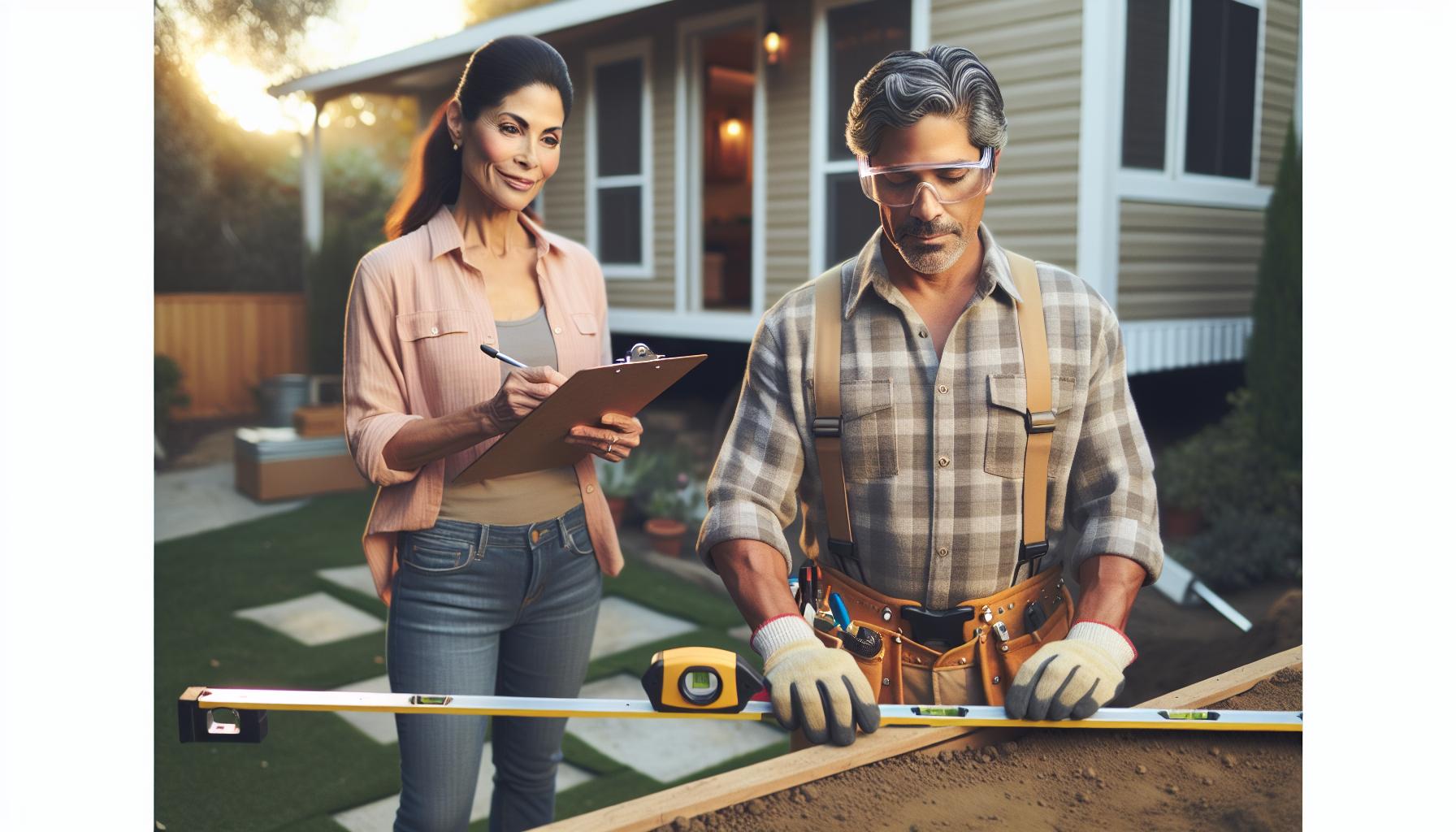
Step-by-Step Guide to Leveling Your Mobile Home
When it comes to ensuring a stable and comfortable living environment in your mobile home, proper leveling is crucial. A leveled trailer not only enhances its structural integrity but also prevents issues such as water drainage problems and uneven wear on appliances. Here’s a comprehensive guide to leveling your mobile home efficiently.
Start by assessing the current level of your mobile home using a leveling tool. Place the level on multiple points across the trailer, including the center and corners. This will help you identify which areas are higher or lower. If adjustments are needed, clear the area around the trailer’s foundation to allow for better access.
Next, employ a hydraulic jack to lift the sections that require elevation. Always raise the home slowly, ensuring stability at all times. Insert shims beneath the jacks as you elevate the home to maintain the desired height. Once the trailer is at the correct level, double-check with the leveling tool to confirm evenness. Repeat this process for any sections needing further adjustment, focusing on areas that are significantly off-balance.
Once your home is leveled, secure it by placing foundation blocks under the jacks to distribute weight and enhance stability. Additionally, it’s advisable to cross-brace the structure if necessary, to prevent shifting in high winds or storms. After ensuring everything is securely in place, take a moment to check if skirting fits snugly against the ground and add foam or weather stripping if needed for better insulation.
Regularly maintain the level by performing routine checks every few months or after significant weather events. It ensures that your mobile home remains stable and safe for years to come. Remember, taking the time to level your mobile home properly can lead to a more enjoyable and hassle-free living experience.
Identifying Common Leveling Issues and Solutions
Properly leveling a mobile home can be the difference between a comfortable living experience and ongoing headaches related to structural issues. Understanding common leveling problems and their solutions can empower homeowners to maintain stability and prevent costly repairs. Here are some prevalent issues you may encounter along with practical solutions to address them effectively.
Common Leveling Issues
One common problem occurs when the ground underneath your mobile home settles or shifts due to weather changes or soil composition, leading to uneven floors or gaps between the home and the skirting. This settlement can manifest as visible cracks in drywall or doors that no longer close properly. Another issue can arise from poor initial installation; if the foundation blocks or piers were not set correctly, ongoing adjustments will be necessary to maintain an even level.
Additionally, the weight distribution within the home can cause it to lean or tilt. Heavy appliances or furniture may cause floor sagging, particularly in older homes. Over time, wear and tear on the leveling jacks or blocks can also contribute to unevenness.
Solutions to Leveling Issues
To address these leveling challenges, consider implementing the following solutions:
- Regular Inspections: Conduct thorough inspections every few months or after major weather events. Check for visible signs of settling, such as cracks or uneven floors.
- Use of Leveling Tools: Utilize a laser level or a traditional leveling tool to determine the home’s current stance. Mark high and low points to identify areas that need adjustment.
- Adjust Foundation Blocks: If the foundation blocks are misaligned, adjust or replace them to better support the home. Ensure that blocks are level and provide adequate support to prevent future shifting.
- Install Shims: Where necessary, use shims beneath the jacks and foundation blocks to create stability and keep the home level. This is especially helpful if you’re working with a section that is slightly lower than the rest.
- Monitor Weight Distribution: Rearrange heavy furniture and appliances to redistribute weight evenly across the floor. This can mitigate sagging and promote a more balanced structure.
By staying proactive and attentive to these common challenges, mobile homeowners can enhance their living conditions while extending the life of their homes. Remember, proper leveling not only improves safety and comfort but also protects your investment, making it crucial to address these issues promptly.
Best Practices for Anchoring Your Mobile Home
When it comes to maintaining the structural integrity of your mobile home, anchoring is just as crucial as leveling. Proper anchoring not only secures your home against shifting and settling but also protects it from the elements, ensuring a safer living environment. In areas prone to high winds or severe weather, such as hurricanes or tornadoes, effective anchoring becomes paramount. Choosing the right methods and materials can make a significant difference in stability and longevity.
A key component of anchoring is the selection of appropriate tie-downs and anchors. Use heavy-duty anchors that are specifically designed for mobile homes. There are various types available, including driven anchors and screw anchors. Driven anchors are typically set into the ground and provide excellent hold, while screw anchors are easier to install and can be adjusted later if needed. Ensure that the anchors are spaced correctly per manufacturer specifications or local regulations that often stipulate the number and placement based on the mobile home’s size and design.
Installation involves several critical steps. Begin by assessing the perimeter of your home to identify ideal anchor locations. Every anchor should be placed at regular intervals, typically every 10 to 12 feet along the sides and at corners. You’ll want to tighten each tie-down securely, ensuring that there’s no slack, which can lead to dangerous movement during adverse weather. Once installed, check each system at least annually for signs of wear or damage, especially after severe weather events. Using a torque wrench can help maintain the correct tension on each cable, further securing the structure.
Finally, always adhere to local building codes and guidelines associated with mobile home anchoring, as these codes are designed to maximize safety. It’s often beneficial to consult a professional installer, especially for first-time owners or those unfamiliar with anchoring systems. Proper anchoring not only safeguards your home but also enhances resale values, as potential buyers are drawn to properties that have demonstrated a commitment to safety and stability. By investing time and resources into effective anchoring, you are contributing to a secure and comfortable living environment that truly stands the test of time.
How to Connect Utilities After Leveling
Connecting utilities is a critical step that follows the leveling of your mobile home, ensuring that your new living space is functional and comfortable. Once your home is securely leveled, it’s important to approach the reconnection of utilities-electricity, water, gas, and sewage-systematically to ensure safety and compliance with local regulations. Preparing for utility connections involves checking local codes and possibly hiring licensed professionals for tasks requiring specialized knowledge.
To begin with, identify the main utility supply points around your mobile home. Typically, electrical service, water lines, and gas lines will have clearly marked entry points. Ensure that your mobile home is grounded properly before connecting electrical service to prevent any shock hazards. Use a voltage tester to verify that the incoming electrical supply is safe and that connections are secure. It might help to consult the wiring diagram specific to your mobile model to identify how best to connect the supply wires.
When it comes to water connections, inspect the plumbing and hoses for cracks or wear before securing them. Typically, you’ll want to attach the water line to the base of the home. Use flexible hoses that can accommodate slight movements in your home as it settles. Finally, for households that use natural gas, ensure all connections are made tightly and look for leaks using a soap solution-if bubbles form, there’s a leak.
After connecting each utility, conduct thorough inspections to ensure everything is functioning correctly. It’s advisable to contact utility providers to review your connections and facilitate any necessary inspections to comply with local safety regulations. Once you receive the green light, you can enjoy the comfort of your newly leveled mobile home with all utilities fully operational.
Preparing for Hurricane Season: Leveling and Tie-downs
As hurricane season approaches, ensuring your mobile home is properly leveled and securely tied down becomes paramount for safety and stability. Mobile homes, due to their lightweight construction, are particularly susceptible to high winds and flooding. An unlevel base can exacerbate these risks, potentially leading to structural issues or even total loss in severe weather events. Preparing your home by addressing leveling and tie-down requirements not only enhances durability but also supports peace of mind during storm season.
Importance of Leveling
Leveling your mobile home is crucial because it prevents structural stress caused by uneven settling. An unlevel mobile home can lead to misaligned doors, windows that don’t close properly, and even plumbing complications. Before tying down your home, ensure that it is balanced to optimize its performance during windy conditions. Use leveling blocks and a level gauge to check that the home sits evenly, adjusting each corner as necessary to achieve a level surface.
Securing Your Home with Tie-Downs
Once your home is leveled, the next step is to securely anchor it to the ground. Proper tie-downs are essential for preventing your home from being lifted by strong winds. The following types of tie-downs are commonly used:
- Ground Anchors: These anchors are driven into the ground and provide stable points for securing your home.
- Straps or Chains: Use high-strength straps or chains to connect your mobile home’s frame to the anchors; they are essential for distributing wind loads evenly.
- Stabilizing Blocks: Place stabilizing blocks to support the base of your mobile home, providing additional resistance against uplift.
Best Practices for Preparation
In preparation for hurricane season, consider these steps:
- Inspect your current leveling and anchoring system. Make necessary adjustments or replacements by consulting local regulations regarding installation standards.
- Assess the surrounding landscape. Ensure that drainage around your mobile home directs water away to minimize flood risk.
- Utilize professional services if needed. If you’re unfamiliar with the process, hiring experienced professionals to level and anchor your mobile home can provide added assurance.
By prioritizing these preparations, you can significantly enhance your mobile home’s resistance to the forces of nature, allowing you and your loved ones to feel secure. With the right approach, mobile homes can be a viable and safe option during hurricane season, proving that preparedness is key to enduring the challenges of extreme weather.
Maintaining Your Level: Routine Checks and Adjustments
Maintaining the level of your mobile home is essential for ensuring its structural integrity and overall comfort. Investing just a little time regularly in routine checks can help you avoid significant issues down the road. Over time, factors such as soil settling, weather changes, and even seismic activity can affect the stability of your home. Therefore, making it a habit to monitor and adjust the level of your mobile home can save you from costly repairs and ensure a safe living environment.
Start by checking the level of your mobile home at least once every few months, or more frequently if you experience heavy rain or other extreme weather conditions. Use a long level tool or a smartphone app designed for leveling. Place it across different points of the home, checking both the frame and the wheels. If you notice your home is unlevel, locate the areas where adjustments need to be made. While performing your checks, be aware of any signs of stress, such as cracks in walls or ceilings, misaligned doors and windows, or flooring that appears bowled or sagged. Addressing these signs promptly can help you determine if there are significant issues beyond just leveling.
When it comes to making adjustments, just a few simple tools can help you achieve the desired results. You’ll need leveling blocks, a jack, and possibly a wrench, depending on your home’s setup. Use the jack to slightly lift the corner that requires adjustment and insert or reposition leveling blocks underneath to achieve a stable, level surface. Remember to check all corners, as one unlevel section can impact the overall stability of your mobile home. After making adjustments, double-check with your level tool to ensure that everything is aligned correctly.
In addition to physical checks, consider adopting a maintenance log to document your leveling activities and any changes in your home’s condition over time. This practice not only keeps you organized but helps you observe patterns that may necessitate professional evaluations. Should you encounter significant shifting or structural challenges, consult a professional who specializes in mobile home foundations and leveling. Consistent attention to maintaining your mobile home’s level is a proactive way to safeguard your investment and ensure lasting comfort in your living space.
Upgrading Your Mobile Home’s Foundation: When and How
Upgrading the foundation of your mobile home can seem like a daunting task, yet it is crucial for enhancing stability and longevity. Many mobile homeowners find themselves faced with foundation issues due to shifting soil or inadequate initial installation, which can lead to uneven surfaces, structural stress, and even safety hazards. By understanding when and how to upgrade your mobile home’s foundation, you can significantly improve the comfort and value of your living space while safeguarding your investment.
When considering an upgrade, it is key to assess the current condition of your foundation. Look for signs such as noticeable settling, cracks in walls, or misaligned doors and windows. If you observe any of these issues, it may be time to upgrade to a more stable foundation. Common upgrades include replacing existing piers with permanent concrete footings or converting to a full basement or crawl space foundation. Each option offers enhanced durability and should be selected based on your specific conditions and needs.
Steps for Upgrading Your Foundation
- Evaluate Your Options: Determine whether you need a simple foundation repair, a full upgrade, or a complete replacement. Consult local building codes to understand the requirements for your area.
- Gather the Right Materials and Tools: Whether you choose concrete piers, helical piles, or a full foundation replacement, ensure that you have the necessary building materials. This often includes concrete, gravel, leveling blocks, and necessary tools like jacks, shovels, and vibrators.
- Professional Assistance: While some homeowners may opt for DIY upgrades, enlisting the help of a professional foundation contractor is recommended for major upgrades. This ensures that the work is done to code, which can prevent future issues.
- Perform Regular Inspections: Once your foundation upgrade is complete, maintain an inspection routine. Check for any movement or settling every few months, especially after significant weather events.
By investing in your mobile home’s foundation, not only do you improve its stability against natural elements, but you also enhance its marketability should you decide to sell it in the future. Upgrading your mobile home’s foundation is not just about making repairs; it’s about establishing a secure, comfortable living environment that stands the test of time. Empower yourself with knowledge and the right resources, and take that critical step towards ensuring your home’s longevity and safety.
Understanding Property Valuation Factors for Mobile Homes
Understanding the various factors that affect property valuation is crucial for mobile homeowners, especially when it comes to preserving investment and ensuring long-term stability. Mobile homes can be a more affordable housing choice, but their market value is influenced by several specific elements, including location, age, condition, and the quality of installation and leveling.
One of the primary factors to consider is location. Just like traditional homes, the desirability of the neighborhood plays a significant role in valuation. Properties situated in regions with good schools, access to amenities, and low crime rates typically command higher prices. Additionally, proximity to urban centers, transportation links, or natural features can add substantial value.
The condition of the mobile home itself is another key aspect. Homes that have been well-maintained, updated with modern appliances and fixtures, and free from structural issues tend to retain or increase their value more effectively. Regular assessments and proactive maintenance, including leveling the home, ensuring good foundation support, and keeping utility connections in top condition, directly contribute to a higher resale potential. Properties with noticeable leveling issues may not only decrease in value but also deter potential buyers due to perceived long-term maintenance challenges.
Furthermore, installation quality is equally important. Homes that are correctly leveled and anchored according to local regulations are less likely to face issues related to instability or damage from weather events. A solid foundation not only enhances the living experience but also reassures prospective buyers about the home’s reliability, influencing their valuation perception positively.
In summary, mobile home owners can maximize their property value by focusing on location desirability, maintaining the home’s condition, and ensuring quality installation practices. Understanding these factors equips current residents and prospective buyers with the knowledge to navigate the market effectively, ensuring a sound investment in mobile home living.
Insurance Considerations for Leveling and Home Stability
When it comes to safeguarding your mobile home, insurance coverage is pivotal, particularly regarding leveling and overall home stability. Mobile homes require unique considerations from traditional houses, and understanding your insurance options can provide peace of mind while protecting your investment. Proper leveling not only ensures your home is safe and secure but also significantly affects how insurance assesses risk and value.
Before purchasing insurance, verify that your policy includes coverage for potential damage resulting from improper leveling or instability. Most standard homeowners’ policies may cover certain events, but mobile home policies often have specific exclusions. It’s crucial to engage with your insurance provider to discuss how correct anchoring and leveling can potentially lower your premiums, as insurance companies tend to view well-leveled, anchored homes as less risky. Create a detailed record of your leveling and maintenance efforts, including receipts and photographs, to support your claims if required.
Choosing the Right Coverage
Selecting the right insurance involves understanding the different types of policies available for mobile homes. There are generally two primary coverage categories:
- Comprehensive Coverage: This often protects against a wide range of perils, including fire, storm damage, and theft, and is typically recommended for those living in areas prone to natural disasters.
- Liability Coverage: Essential for protecting your assets against claims due to injuries or damage caused by your home, this coverage is vital if the home is improperly leveled or anchored.
Additionally, consider riders or endorsements that specifically cover natural elements unique to your region, such as flood or earthquake insurance.
Maintaining Compliance with Local Regulations
Having your home properly leveled is not only a safety measure but often a regulatory requirement. Ensure that your leveling work complies with local building codes, as failing to do so might affect your insurance claims should issues arise. Regular inspections by professionals can provide documentation ensuring your home remains compliant, which is invaluable in any insurance discussion.
Take proactive measures by regularly checking the stability of your foundation and the integrity of leveling supports, especially after severe weather events. This periodic vigilance can save you time and money long term and prove beneficial if you ever need to make an insurance claim related to foundation issues.
By addressing these insurance considerations and integrating proper leveling into your maintenance routine, you can maximize your protection while enjoying the security of manufactured housing.
FAQs About Leveling a Mobile Home Trailer
When considering the stability and comfort of your mobile home, proper leveling is essential. This crucial aspect not only enhances the safety and livability of your residence but also addresses many concerns that future or current homeowners often have.
One common question revolves around how to identify if your mobile home is level. Many owners may overlook subtle signs of imbalance; however, indicators such as windows and doors that stick, uneven floors, or a noticeable tilt in the structure can signal that it’s time to check the leveling. Regular inspections can prevent minor issues from escalating into costly repairs.
Another frequent inquiry is about the tools needed for leveling a mobile home. Essential tools typically include a level, jack stands, a wrench, and plates or shims to ensure stability. It’s also advisable to have a measuring tape on hand to confirm your home is level on all sides. Understanding the correct use of these tools can greatly simplify the leveling process, ensuring accuracy and safety.
Many homeowners also ask how often they should level their mobile home. While it depends on environmental factors and the ground conditions, a good rule of thumb is to check for level once a year and after significant weather events. Additionally, ensuring your home remains anchored properly can minimize the need for frequent re-leveling and enhance its resilience against harsh weather.
Lastly, prospective buyers often wonder whether a professionally leveled home can improve resale value. A well-maintained and level mobile home is often more appealing to potential buyers, as it suggests care and attention to the property’s condition. Ensuring your home is level not only contributes to its longevity but can also be a positive selling point in the market.
By addressing these common questions, you can feel confident navigating the leveling process and making informed decisions that contribute to the stability and comfort of your mobile home.
Faq
Q: How do I know if my mobile home is level?
A: To check if your mobile home is level, use a level tool on multiple points of the floor and measure the distance from the level to the ground. If there are significant gaps, adjustments may be necessary. Regular checks can prevent potential structural issues.
Q: What can cause my mobile home to become unlevel?
A: Several factors can cause a mobile home to become unlevel, including ground settling, excessive moisture, or poor installation. Heavy storms, age, and shifting soil can also contribute to changes in your home’s foundation stability.
Q: How often should I level my mobile home?
A: It is recommended to level your mobile home annually or after severe weather conditions. Regular checks ensure stability and safety, especially if you notice doors and windows misaligning or if the floor feels uneven.
Q: Can I level my mobile home myself?
A: Yes, you can level your mobile home yourself if you have the appropriate tools and knowledge. Follow a step-by-step guide to adjust the leveling blocks underneath, but consider seeking professional help for complicated issues or if you’re unsure.
Q: What tools do I need to level my mobile home?
A: Essential tools for leveling a mobile home include a level, jack, shims, and a wrench. A tape measure is also useful for ensuring accurate adjustments. Make sure all tools are in good condition before starting the leveling process.
Q: Is it necessary to use piers when leveling a mobile home?
A: Yes, using piers is crucial for maintaining stability in a mobile home. They provide support and can help prevent shifting due to settling soil. Proper spacing and securing of piers are essential for effective leveling.
Q: How can I fix a sagging section of my mobile home?
A: To fix a sagging section, first identify the cause. If the issue is with the foundation support, you may need to adjust the piers or add additional supports. Use jacks and shims for temporary lifting while you make permanent adjustments.
Q: Should I consult a professional for mobile home leveling?
A: Consulting a professional is advisable if you’re inexperienced or if your mobile home shows signs of severe unleveling. Professionals can assess the situation accurately and apply advanced techniques to ensure proper leveling and structural integrity.
The Way Forward
Congratulations on taking the first step toward leveling your mobile home trailer! Achieving a stable and safe setup is crucial for ensuring your home’s comfort and longevity. As you implement the techniques discussed, remember that proper leveling supports everything from your utilities to your overall well-being. Act now-gather your tools and get started on this essential project!
For more insights, check out our detailed guides on mobile home maintenance and insurance considerations, which are invaluable for any homeowner. If you have questions or wish to share your experiences, feel free to leave a comment below. Don’t forget to subscribe to our newsletter for the latest tips and resources tailored for mobile home living. Your journey toward a perfectly leveled home starts today-let’s make it happen!