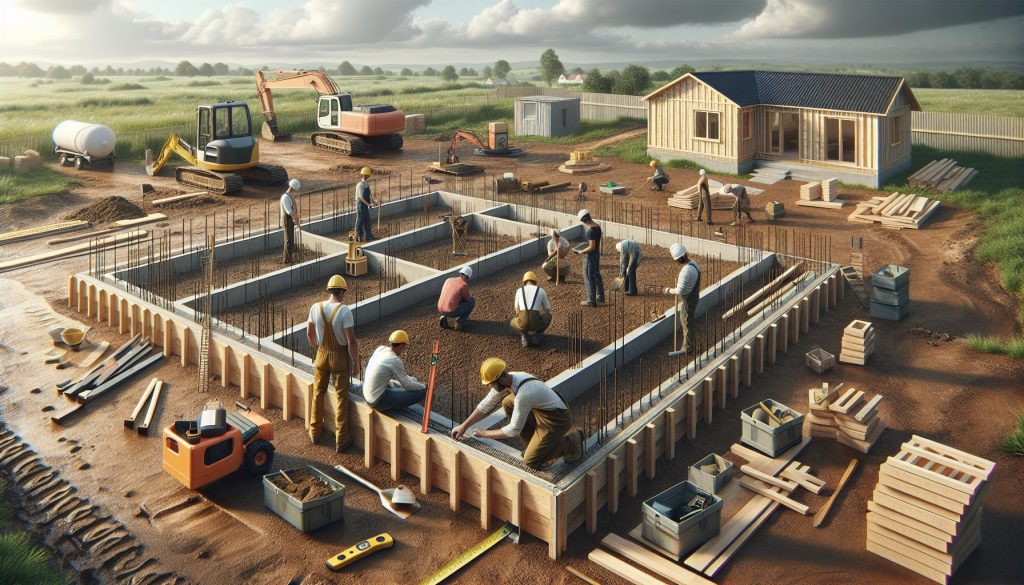
Preparing the site for a modular home installation is crucial for ensuring a smooth and successful setup. Did you know that proper site preparation can significantly enhance the longevity and stability of your home? Many potential homeowners overlook this critical step, but taking the time to assess land conditions, make necessary modifications, and address utility needs can ultimately save you time and money. Whether you’re a first-time buyer or an experienced investor, understanding what’s involved in site preparation ensures that your dream home is built on a solid foundation-literally and figuratively. Dive in to discover essential steps and tips that will set your modular home up for lasting success.
Site Preparation Overview for Modular Homes
When considering the installation of a modular home, thorough site preparation is essential to ensure a smooth and successful installation. Proper site preparation not only enhances the longevity and performance of your home but also contributes to the safety and stability of the structure. Before your modular home can be set in place, several important elements need to be addressed.
First and foremost is understanding the ground requirements necessary for installation. The terrain must be stable and level, supporting not only the home but also preventing future issues such as shifting or settling. This often involves grading the land and ensuring proper drainage to redirect water away from the home. Soil testing is a critical step in this process, as it verifies that the ground can support the weight of the home and identifies any potential issues related to soil type that may affect construction.
Next, choosing the right location is vital. Consider not just the aesthetics and convenience, but also access to utilities such as water, electricity, and sewage systems. Be sure to research any existing zoning laws and obtain the necessary building permits that may dictate where and how your home can be situated on the property. A thorough understanding of these regulations can prevent delays and additional costs down the road.
As you prepare the site, the process involves crucial steps such as clearing and grading the area to create a stable base. This includes removing any debris, large rocks, or vegetation that may interfere with installation. Once cleared, landscaping plans can be developed to enhance the surroundings of your new home. Overall, taking the time to meticulously prepare the site ensures not just compliance with regulations, but a well-placed home that meets your needs and preferences.
Essential Ground Requirements for Installation
The stability of a modular home fundamentally hinges on the ground beneath it. Ensuring that the terrain is suitable is not just a task; it’s an investment in the longevity and safety of your living space. Before any installation begins, it’s crucial to evaluate various ground requirements that will support your new home. This involves assessing the soil composition, ensuring adequate drainage, and preparing a level base that can withstand the weight of the structure without future settling or shifting.
Strong, compact soil is the key to a successful installation. Begin by conducting a soil test to gauge its load-bearing capacity and check for any conditions that might warrant improvement, such as excessive clay or sand content. Heavy clay soils, for instance, can expand and contract, leading to uneven settling over time, while sandy soils might struggle to provide enough support. Always prepare for the potential need to enhance the ground through compaction or the introduction of fill material.
Drainage and Grading
An effective drainage plan is vital in ensuring that water flows away from the home and does not accumulate around its foundation. Poor drainage can lead to water pooling, which can compromise the stability over time, resulting in serious structural issues. Grading the site involves sloping the ground away from where the home will sit, enhancing drainage and minimizing the risk of water damage.
Leveling
Finally, the ground must be perfectly level. This often requires excavation to remove any high spots and filling in low areas. The leveling process is essential not only for an even foundation but also for the proper alignment of utilities and features such as decks or patios that you might plan to install later. A home set on a stable and level surface significantly minimizes the risk of stress on the structure, ensuring it remains secure and comfortable.
Addressing these essential ground requirements methodically will ensure your modular home is prepared for installation with solid footing, setting the stage for many years of happy living.
Choosing the Right Location for Your Modular Home
Selecting the right location for your modular home is pivotal in ensuring a smooth installation and years of comfortable living. The site you choose not only accommodates the physical structure but also enhances your lifestyle. Important factors like accessibility, local amenities, environmental conditions, and future development potential should guide your decision-making. A well-thought-out location can improve property value, safety, and ease of living.
Accessibility and Infrastructure
First and foremost, consider the accessibility of your chosen site. Proximity to major roads, public transportation, and essential services such as schools, grocery stores, and healthcare can significantly affect your convenience and quality of life. Poor access may complicate logistics during installation and subsequent maintenance. Ensure that your location is not only easy to reach but also equipped with necessary infrastructure, including proper utilities and road maintenance.
Environmental Factors
Equally essential are environmental conditions. Assess the terrain for slopes, drainage patterns, and soil quality, as these factors directly impact construction suitability and long-term stability. A site prone to flooding could complicate your foundation plan, while adequate sunlight exposure is important for those planning to incorporate energy-efficient technologies. Additionally, consider local climate patterns-locations with severe weather may require special construction techniques to enhance resilience against storms or other natural occurrences.
Community and Zoning Considerations
Moreover, tapping into community resources and understanding zoning regulations is crucial. Zoning laws may dictate where modular homes can be installed, the types of foundations allowed, and additional architectural guidelines. Engaging with local planning offices early in your process can help clarify these rules and prevent unexpected roadblocks. Being part of a community that aligns with your values can greatly enrich your living experience, emphasizing the importance of collaborating with neighbors and local organizations.
In summary, choosing the right location goes beyond merely finding an open space for your modular home. It encompasses a strategic assessment of accessibility, environmental factors, and community engagement to lay the groundwork for a hassle-free installation and enriching living experience. Take the time to evaluate these elements, and remember that this decision is an investment in your future well-being and comfort.
Understanding Zoning Laws and Building Permits
Before breaking ground on your modular home installation, understanding zoning laws and obtaining the necessary building permits is crucial to your project’s success. These regulations, which vary widely by municipality, dictate where and how residents can develop land, encompassing everything from the type of structures that can be built to the necessary setbacks and easements required on your property.
Start by consulting your local planning or zoning office to uncover specific zoning classifications that might apply to your chosen parcel. These classifications determine what types of homes can be constructed and may require a particular foundation type or architectural design. For instance, in some regions, residential zones might permit only single-family homes, while others may allow for multi-family or manufactured homes. Understanding these distinctions can save you considerable time and resources by helping you avoid potential red tape later.
Obtaining the right permits is another essential step in preparing your site. The process often involves submitting application forms, paying fees, and possibly attending public hearings if your project affects neighbors or the community. Common permits required for modular home installations include building permits, electrical permits, and, depending on your location, permits related to water, sewage, and environmental impact. Ensure that all necessary paperwork is completed before commencing construction, as failing to do so can lead to stop-work orders, fines, or even the need to dismantle any unauthorized construction.
It’s often beneficial to engage with professionals, such as architects or contractors experienced in modular home installations, to navigate the often-complex zoning and permitting landscape. Additionally, maintaining open communication with your local authorities can provide valuable insights into any community plans or changes that could impact your property’s value or your home’s livability in the future. With thorough preparation and adherence to regulations, you can lay a solid foundation for not just your modular home but your long-term satisfaction as a property owner.
Clearing and Grading the Site: Key Steps
Successfully setting the stage for your modular home installation begins with the crucial processes of clearing and grading the site. This is not merely about aesthetics; the proper preparation ensures structural stability and longevity for your new home. A well-prepared site can help avoid potential issues such as drainage problems and foundation instability, making it an essential step that should not be overlooked.
The first step in this process is clearing the lot of any obstacles, such as trees, rocks, brush, and debris. This not only creates a clean slate for your home but also allows for a detailed assessment of the land’s topography. Once cleared, you’ll want to consider grading the land, which involves leveling the area to create a stable foundation. It’s important to direct water runoff away from the home, thus preventing flooding and water damage. Employing a professional service for grading can ensure precision, especially if your land has natural slopes or varying elevations.
After grading, implementing proper soil compaction practices is vital. This step reinforces the ground’s stability, crucial for supporting the weight of the modular home. For heavily compacted soils, consider consulting with soil specialists or engineers to determine if additional measures are necessary, like using a soil stabilizer or gravel fill to enhance the integrity of the ground beneath the home.
Lastly, don’t forget to document the conditions of your site on completion. Take photos and notes regarding the layout and any specific features that might affect installation procedures. This can be particularly beneficial for future reference or for any necessary inspections. By taking these practical steps in clearing and grading, you set a solid foundation-literally and figuratively-for your modular home, paving the way for a safe and successful installation.
Foundation Options: What You Need to Know
Choosing the right foundation for your modular home is a critical decision that directly affects its durability, stability, and overall longevity. Modular homes offer several foundation options, and understanding each one can help you make an informed decision based on your specific site conditions and personal preferences.
One of the most common choices is a concrete slab foundation, which provides a solid and stable base. This type offers excellent durability and minimal maintenance since it’s constructed by pouring concrete directly on a level, prepared site. It also provides resistance against pests and water ingress, making it a popular choice in regions with dry climates. However, in areas prone to flooding or extreme weather, a slab may not be the best option.
Alternatively, you might consider a crawl space foundation. This creates a space between the ground and your home, allowing for easy access to plumbing and electrical systems while providing better airflow. It’s particularly beneficial in areas with high moisture as it can help to mitigate dampness. However, crawl spaces require proper ventilation and insulation to protect against environmental hazards, and they may be more costly to maintain over time.
For those living in flood-prone areas or wanting to avoid moisture-related issues, a pier and beam foundation can be an effective choice. This method involves placing wooden or concrete piers into the ground and constructing a raised platform for the home. This foundation type allows for adequate drainage and can elevate the home above potential flood levels. However, the installation of piers can be labor-intensive and may require precise engineering assessments based on soil and environmental conditions.
Lastly, basement foundations offer additional living space and superior protection against inclement weather. While they are generally more expensive and complicated to build, a basement foundation provides valuable extra square footage and can enhance the resale value of your home. This option requires careful planning and implementation to prevent moisture issues, thus further emphasizing the importance of professional advice during this process.
Regardless of the foundation type you choose, it’s essential to consult with your modular home builder and local contractors to assess the site conditions and ensure your chosen foundation will meet all necessary building codes and withstand local environmental factors. By understanding these foundation options and considering your unique situation, you can significantly enhance your modular home’s stability and longevity.
Utility Hookups: Water, Electricity, and Sewage
To ensure a seamless transition into your new modular home, proper utility hookups for water, electricity, and sewage are essential. Each component plays a vital role in establishing a comfortable and functional living environment. Here’s how to navigate these utility connections effectively.
Water Connections
Before the home delivery, coordinate with local water service providers to determine the best connection points and any necessary permits. The water lines should ideally be buried at least 12 inches underground to prevent freezing in colder climates. If your home has a potable water system, ensure that the connections comply with local health standards. Additionally, installing a suitable pressure regulator can help manage water flow and pressure, preventing damage to your home’s plumbing system.
Electrical Hookups
Electricity is crucial for daily living, thus ensuring safe and code-compliant connections is paramount. Contact your local utility company to arrange for the installation of a service drop, which connects your home to the power grid. It’s advisable to have a licensed electrician perform the work to meet all safety codes. They should install a service entrance cable and a meter socket, ensuring the panel box within your home can accommodate the electrical load. Furthermore, consider any enhancements you may want in the future, such as solar panel installations or additional circuits for high-demand appliances.
Sewage Systems
When it comes to sewage, you have two primary options: a connection to municipal sewage systems or a private septic system. If connecting to a municipal system, liaise with local authorities for the proper permits and specifications. For a septic system, work with a licensed installer to find a suitable location on your property that allows for proper drainage and ground absorption. It’s crucial to adhere to local health codes and conduct soil tests to determine the viability of a septic system.
The successful installation and connection of these utilities are critical steps in the site preparation process for your modular home. By working closely with professional contractors and local utility providers, you help ensure a trouble-free setup, allowing you to enjoy your new living space to the fullest without unexpected interruptions.
Preparing for Transportation and Delivery Logistics
To ensure the successful delivery of your modular home, meticulous planning around transportation and logistics is essential. The journey from the factory floor to your lot involves multiple facets that must be addressed in advance to avoid delays and complications. Ensuring that the transportation team has all the necessary information about your site and its requirements can make a significant difference in the smoothness of the delivery process.
Identifying Delivery Routes
Before the big day arrives, it’s crucial to assess the delivery routes to your location. The transportation company should examine the paths that will be used to bring your modular home, paying close attention to any potential obstacles such as low-hanging power lines, narrow roads, or tight corners. Heavy-duty trucks will be used to transport your home, so ensure that your street can accommodate their size and weight. If there are any concerns about road access, a preliminary drive-through may be necessary to strategize alternate routes or even communicate with local authorities about road closures.
Scheduling the Delivery
Once the routes are confirmed, coordinating a delivery schedule becomes the next priority. The timing of delivery should take into account local weather conditions and traffic patterns. Early morning deliveries can often be less congested, making it easier for large trucks to maneuver. Keep in mind that your transportation team may need multiple staff members on-site to facilitate unloading and placement efficiently. Share your availability with the company, and ensure that all parties are aligned on the anticipated timeline to avoid any last-minute surprises.
Preparation on Arrival
On delivery day, ensure that the site is ready to receive the modular home. This means having a clear area free from debris or any equipment that could obstruct transportation trucks. Designate a section of the lot specifically for the assembly of your home and arrange for the necessary tools and equipment to be present when it arrives. A prepared site not only speeds up the process but also helps mitigate stress during the installation phase.
By addressing these transportation and delivery logistics in advance, you’ll not only enhance your overall experience but also pave the way for a seamless transition into your new modular home. Your proactive approach will help mitigate risks, allowing you to focus on what truly matters: moving into and enjoying your new living space.
Site Access: Planning for Delivery Trucks
Proper site access planning is crucial for the successful delivery of your modular home, as these homes are typically transported using large trucks that require ample space to maneuver. Understanding the dimensions and weight of the delivery vehicles is key in preparing your site to accommodate them without complications. Ideally, the roadway should be wide enough to allow clearance on both sides, minimizing the risk of damage to surrounding structures or landscaping.
Begin by conducting a thorough evaluation of the delivery route. This includes assessing any potential obstacles, such as low-hanging tree branches, narrow driveways, or sharp turns that could impede the truck’s progress. If it’s determined that the standard route cannot accommodate the delivery truck, consider engaging a traffic management service. They can assist in planning alternate routes or even facilitate road closures for a day, ensuring safe passage for the delivery team.
Communication with the transportation company is also vital. Provide them with detailed information about your property layout and any unique challenges your site presents. They may require additional support such as spotters to help guide the truck safely to its destination, particularly if there are tight spots or tricky angles involved in the maneuver. Moreover, confirming the delivery time well in advance allows all parties to prepare adequately, avoiding delays that could obstruct the unloading process.
On the day of delivery, confirm that the access routes remain clear of any vehicles or obstructions, offering a straight line to your designated setup area. Designating specific pull-up and drop-off zones can streamline this process and ensure efficiency. By taking these proactive steps, you create a more organized environment, minimizing stress for both you and the delivery team, and paving the way for a seamless installation of your new modular home.
The Importance of Soil Testing Before Installation
Before laying the foundation for your modular home, conducting a soil test is a critical step that often gets overlooked. Many assume that any piece of land will suffice for their new home, but the reality is that soil quality and composition can significantly affect the integrity and longevity of your structure. A soil test assesses not only the type of soil you have, but also its bearing capacity – which is essential for determining whether the ground can support the weight of the home- and its drainage properties, which can impact potential flooding and installation logistics.
Inadequate soil conditions can lead to a range of issues post-installation, including uneven settling, structural damage, or even worse, foundation failure. A thorough analysis will reveal if your lot has clay, sand, silt, or rock, and help assess whether the soil is stable enough or if amendments are necessary. If the soil is predominantly clay, for example, it may be crucial to implement a proper drainage strategy, as clay can retain water and swell, leading to potential stability issues over time.
The process of soil testing typically involves a geotechnical engineer who will take samples from various depths around your intended home site. From these samples, they will evaluate factors such as soil compaction, moisture content, and corrosivity. This professional advice can guide you in selecting the right foundation type, whether that be a traditional crawl space, a basement, or even a slab, all of which are essential to ensuring your modular home remains safe and sound for years to come.
Ultimately, investing in soil testing is not just about protecting your property; it’s about safeguarding your investment and the quality of life you envision in your new home. By taking this crucial step, you align yourself with the necessary precautions that can lead to a successful and enduring installation, preventing expensive repairs and alterations down the line.
Landscaping Considerations for Modular Homes
Creating a beautiful landscape around your modular home can significantly enhance its curb appeal and create a welcoming environment. The choices you make regarding landscaping not only reflect your personal style but also play a crucial role in protecting your investment from weather and drainage issues. Thoughtful landscaping can help control erosion, manage water runoff, and provide natural barriers against wind and pests.
Designing Your Landscape
When designing your landscape, consider incorporating native plants that thrive in your region. These plants typically require less maintenance and are more resistant to local pests and diseases. Create a layered effect by placing taller plants in the back and shorter ones in the front; this adds depth to your garden. Additionally, using mulch around your plants can reduce weed growth, retain soil moisture, and improve the overall appearance of your garden beds.
Drainage and Grading
Proper drainage is essential to protect your home from water damage and structural issues. Ensure that landscaping features like flower beds, patios, and walkways are designed to direct water away from your home’s foundation. If your property has areas that tend to pool with water after heavy rain, consider installing a French drain or creating a gentle slope throughout your property. This will promote better drainage and prevent excess moisture from accumulating near your modular home.
Fencing and Privacy
Adding fencing or dense shrubbery can provide privacy and security for your home. Choose fencing materials that complement the architectural style of your home, opting for wood, vinyl, or wrought iron depending on your aesthetic preference and budget. Strategic planting of trees or hedges can also buffer your home from noise and create a natural barrier against wind, enhancing comfort within your outdoor spaces.
Outdoor Living Spaces
Consider designing outdoor living spaces such as patios, decks, or pergolas. These areas not only extend your home’s living space but also provide opportunities for relaxation and social gatherings. Use weather-resistant materials for furniture and decor to ensure their durability against the elements. Incorporating pathways made of stone or pavers can create an inviting environment and guide guests to different areas of your property.
By actively engaging in thoughtful landscaping during the site preparation phase, you can create a functional and beautiful setting around your modular home. This investment in aesthetics can enhance your quality of life while also adding value to your property.
Common Mistakes in Site Preparation and How to Avoid Them
Proper site preparation is crucial for a successful modular home installation, yet many homeowners make common mistakes that can lead to costly problems down the road. One of the most frequent errors is neglecting to evaluate the land for its suitability. Before even breaking ground, it’s essential to understand the soil composition and drainage patterns. Testing the soil can reveal issues related to compaction, drainage capacity, and contamination, which will affect everything from the foundation to utility connections. Skipping this step can result in significant structural issues and expensive repairs later on.
Another common oversight occurs during the site selection process. Many individuals hastily choose a spot without considering factors like sunlight exposure, prevailing winds, and accessibility for delivery trucks. It’s vital to pick a location that not only meets your aesthetic preferences but also optimally supports the modular home’s integrity and overall function. Assessing the natural topography of the land can guide homeowners in deciding where to position landscaping features that enhance drainage and reduce erosion risks.
Furthermore, incorrect grading is a frequent pitfall. A poorly graded site can funnel water toward the foundation, increasing the risk of water damage and mold growth. Professionals recommend grading the site to ensure proper drainage away from your home. Installing features such as swales or retention basins can significantly improve water management, allowing rainfall to flow naturally without pooling.
Finally, DIY approaches to site preparation can often lead to mistakes involving utility hook-ups. Mishandling plumbing, electrical systems, or septic installations can create ongoing issues, not only affecting your home’s functionality but also violating local zoning laws and building codes. It’s wise to consult professionals who are familiar with local regulations to ensure all installations are done correctly and safely.
By paying close attention to these areas, you can avoid the traps that many face during site preparation, ensuring a smoother installation process and a more stable, lasting modular home. Planning thoroughly will pay dividends in the long term, enhancing your home’s value and livability.
Faq
Q: What are the first steps in preparing a site for a modular home?
A: The first steps include conducting a thorough site inspection to evaluate the land, clearing any debris, and leveling the ground. This ensures a solid foundation for your modular home, which is crucial for its stability and longevity. More detailed steps can be found under “Clearing and Grading the Site: Key Steps.”
Q: How important is soil testing before installing a modular home?
A: Soil testing is essential as it determines the soil’s load-bearing capacity and composition. This information is vital for selecting the right foundation type, ensuring the structural integrity of the home. Refer to “The Importance of Soil Testing Before Installation” for further insights.
Q: What utilities should be considered during the site preparation for a modular home?
A: Essential utilities to consider include water, electricity, and sewage connections. Plan for these hookups early in the site preparation to avoid delays during installation. Additional details are available in the “Utility Hookups: Water, Electricity, and Sewage” section.
Q: Why is it necessary to understand zoning laws for modular home installation?
A: Understanding zoning laws is crucial as they dictate where modular homes can be placed, the types of structures allowed, and compliance with local regulations. Always check these laws before proceeding with installation to ensure you avoid legal issues.
Q: How can I ensure proper access for delivery trucks during modular home installation?
A: Plan access routes that can accommodate large delivery trucks. Clear any obstacles in advance and ensure that the paths are well-maintained for safe navigation. This step is discussed in “Site Access: Planning for Delivery Trucks.”
Q: What foundation options are available for modular homes?
A: Modular homes can be placed on several types of foundations, including pier, slab, or basement foundations. Each option has its benefits and considerations, which should be evaluated based on location and soil conditions. See “Foundation Options: What You Need to Know” for a thorough overview.
Q: How can I avoid common mistakes in site preparation for a modular home?
A: To avoid common mistakes, ensure thorough planning and follow a checklist. Engage professionals when necessary and adhere to local regulations. More preventative tips can be found in the section discussing “Common Mistakes in Site Preparation and How to Avoid Them.”
Q: When should landscaping be done in relation to modular home installation?
A: Landscaping should ideally be done after the home is installed to prevent damage to plants and soil during construction. However, preliminary site grading and drainage considerations should be addressed beforehand. For more on final landscaping, review “Landscaping Considerations for Modular Homes.”
In Summary
As you contemplate the essential site preparation for your modular home installation, remember that a solid foundation is key to your long-term success and ease of living. Taking the necessary steps-like ensuring proper leveling, utilities, and environmental considerations-will not only enhance the integrity of your new home but also create a safe and welcoming environment for you and your family. Don’t wait any longer; start your site preparation today to ensure a smooth installation process.
For further insights on optimizing your home-building journey, check out our articles on essential steps in modular home setup and tips for selecting the right location for your mobile home. If you still have questions or need personalized assistance, consider signing up for our newsletter, where we share expert advice and resources tailored to making your modular home experience as seamless as possible. Join the community of satisfied homeowners who have embraced this innovative living solution!