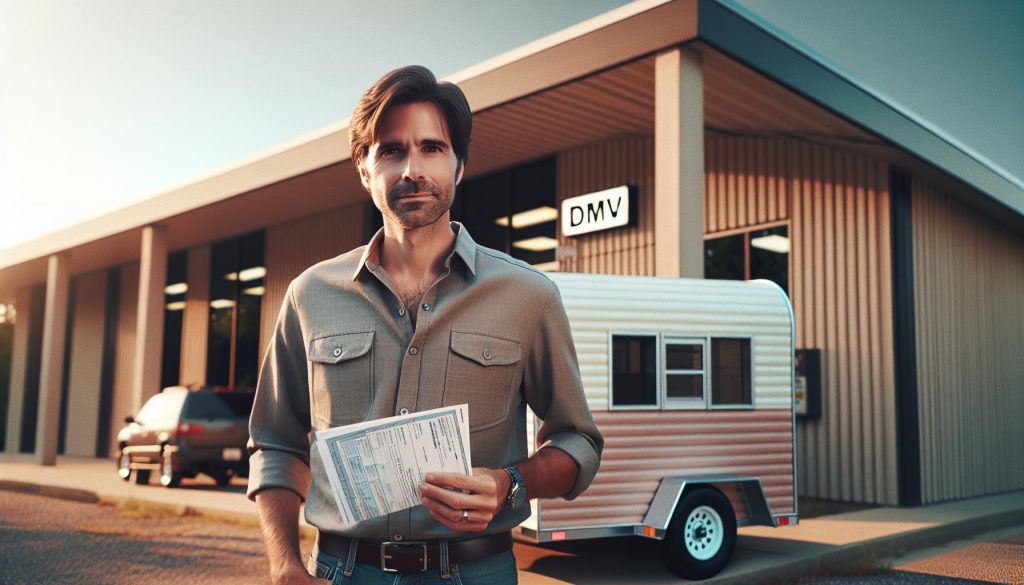
Registering a home-built trailer in North Carolina can be a daunting task, but it’s essential for ensuring that your mobile investment complies with state regulations and is road-ready. Did you know that without proper registration, you might face fines or even have the trailer impounded? Many enthusiasts dream of creating their own trailers but are unsure how to navigate the registration process. This guide aims to demystify the steps involved, providing clear instructions and valuable insights that will empower you to successfully register your home-built trailer. Whether you’re looking to hit the road for adventures or use it as a permanent dwelling, understanding these regulations can make all the difference. Let’s dive into the essential details that will help you achieve hassle-free registration!
How Home Built Trailers Work in North Carolina
Living in a home-built trailer can be an exciting venture, particularly in North Carolina, where expansive landscapes and diverse communities provide a canvas for unique mobile living experiences. Understanding how these trailers function and are regulated within the state is essential for both prospective builders and current owners. Home-built trailers offer versatility in lifestyle and mobility, serving as a cost-effective alternative to traditional housing. However, certain legal and practical considerations are vital to ensure a smooth experience.
When designing a trailer, builders typically need to adhere to local zoning regulations and safety standards. It’s crucial to understand that, unlike standard recreational vehicles, home-built trailers may sometimes be classified under specific building codes depending on their size and intended use. As a result, prospective builders should conduct thorough research on local regulations involving construction permits, which may dictate structural integrity, plumbing, and electrical systems. Understanding how your trailer will operate as a residence-such as whether it qualifies as a permanent home or a temporary dwelling-affects permitting and, ultimately, what registrations are required.
Additionally, home-built trailers must have a clear identity for both legal compliance and insurance purposes. This means that obtaining a Vehicle Identification Number (VIN) becomes necessary during the construction process. The VIN serves as an essential piece of the trailer’s identity, making it easier to register and insure. Having proper documentation throughout the building process strengthens your case during registration and helps avoid common hurdles encountered during the evaluation of custom-built vehicles by the Department of Motor Vehicles (DMV).
In summary, building and operating a home-built trailer in North Carolina is possible and rewarding, provided builders are mindful of the legal and regulatory framework surrounding such projects. Comprehension of local zoning laws, securing the necessary permits, and ensuring your trailer is properly identified are vital steps that pave the way for a smooth integration into the state’s diverse living environments. Embracing this unique lifestyle not only fosters creativity and freedom but also establishes a community of like-minded individuals dedicated to sustainable and innovative living solutions.
Essential Legal Requirements for Trailer Registration
When venturing into the world of home-built trailers, understanding the legal requirements for registration in North Carolina is crucial. Not only does proper registration ensure compliance with state laws, but it also protects your investment and allows for smoother transitions during travel or relocation. In North Carolina, registering a home-built trailer involves a series of steps to ensure that your vehicle meets the state’s regulations, which can differ from those of traditional manufactured homes and recreational vehicles.
A primary legal requirement for registering your trailer is obtaining a Vehicle Identification Number (VIN). This unique identifier is essential for tracking ownership and history and is often necessary for insurance purposes. To obtain a VIN, you must typically provide documentation that demonstrates your trailer’s construction and design, which may include detailed plans or receipts for materials used. Once your trailer is deemed compliant, you will be instructed on how to properly label the VIN on the trailer itself, following the state’s guidelines.
Additionally, it is important to familiarize yourself with the specific registration requirements set by the North Carolina Department of Motor Vehicles (DMV). This involves understanding local zoning laws that pertain to mobile living and navigating the distinctions between trailers classified as personal property versus those that may be considered permanent structures. Ensuring compliance with safety and building codes can involve a visit to your local zoning office, so be prepared to provide documentation regarding your trailer’s purpose, construction, and safety features.
Ensuring the paperwork is completed accurately is vital. The DMV will require forms that often include proof of ownership, a completed application for the title, and payment for registration fees. It’s also advisable to keep records of all transactions, including purchases and inspections, in case you need to contest any issues that may arise down the line. By navigating these essential legal requirements with diligence, you help pave the way for a seamless registration experience and enjoy the freedom that comes with mobile living in North Carolina.
Step-by-Step Guide to Registering Your Trailer
To successfully register a home-built trailer in North Carolina, following a methodical and thorough approach can make the process smoother and more efficient. Like crafting the trailer itself, registration requires careful planning, attention to detail, and adherence to state regulations. Here’s a structured guide to help navigate the steps involved.
Start by gathering necessary materials. Before heading to the DMV, ensure you have your trailer’s documentation ready. This includes the plans or blueprints used in your trailer’s construction and receipts for the materials purchased, as these may be requested to verify that your trailer complies with state safety standards.
Next, obtain a Vehicle Identification Number (VIN). This process usually involves completing a VIN application form, which can often be obtained at the local DMV office or their website. It may be necessary to have the trailer inspected by a licensed inspector who can verify that it meets all construction and safety regulations. Once your trailer has been inspected and approved, you’ll receive your VIN plate, which must be affixed to the trailer in the designated area as per DMV guidelines.
After securing a VIN, proceed to fill out the application for title and registration. At this stage, take care to accurately complete the form, providing all requisite details about your trailer, including its dimensions and intended use. Accompany this application with any proof of ownership documentation and the VIN confirmation. Payment for the registration fee is also required at this time, so be prepared with the appropriate method of payment.
Finally, visit your local DMV office to finalize the registration. Bring all your completed forms, proof of ownership, and identification. Upon submission, the DMV staff will assess your paperwork, and if all is in order, you will receive your registration and title. It’s wise to keep copies of everything for your records. Completing the registration successfully imbues a sense of accomplishment, allowing you to enjoy the freedom and versatility that comes with owning a home-built trailer.
Documents Needed for Registration Success
To successfully navigate the complexities of registering your home-built trailer in North Carolina, it is essential to have all necessary documents organized and readily available. A well-prepared application not only expedites the registration process but also ensures compliance with state regulations, helping you avoid unnecessary delays or complications.
Begin with the proof of ownership documentation. This could include receipts for materials used in construction or any prior documentation proving ownership if applicable. Having these records on hand demonstrates that you possess legitimate ownership of the trailer. Additionally, the plans or blueprints used for constructing the trailer are critical for validation, as they indicate compliance with safety standards and construction regulations set forth by the state.
Next, you’ll need to acquire your Vehicle Identification Number (VIN). This involves completing the appropriate VIN application form and may require an inspection by a licensed inspector. This inspector will verify that your trailer adheres to all necessary safety and performance regulations. After the inspection, you will receive a VIN plate, which must be affixed to the trailer in a designated area.
Finally, prepare your application for title and registration. This document requires specific information regarding your trailer, including its dimensions, type, and intended use. Ensure that you include the VIN confirmation and any proof of ownership documentation. Remember to check that the application is completed accurately before submission, as any errors could result in delays. Along with these forms, having a valid form of identification and payment for any applicable fees is necessary for finalizing your registration at the DMV.
By meticulously gathering and preparing these documents, you position yourself for a smoother registration experience, allowing you to enjoy the benefits of your home-built trailer without undue stress.
Understanding Title vs. Registration in North Carolina
Understanding the nuances between title and registration in North Carolina is crucial for anyone navigating the complexities of owning a home-built trailer. The title is an official document that proves ownership of the trailer, while registration involves formally recording the trailer with the state, which allows you to legally operate it on public roads. Having both is essential for compliance with state laws, and each process serves its own purpose.
When you obtain a title for your trailer, you receive evidence of ownership that you may need for selling or securing insurance. The title will include important details such as the trailer’s Vehicle Identification Number (VIN), which differentiates it from all other trailers. A clear title is particularly significant if you ever decide to sell your trailer and need to prove that you legally own it without encumbrances or liens.
On the other hand, registration allows you to operate your trailer legally on public roads. This process generally requires you to pay a fee and submit specific documentation, including your title and proof of insurance. Once registered, the trailer will be issued a license plate and registration card, which must be displayed as required by law. Without registration, you may face fines or penalties if you are stopped while using your trailer.
It’s important to remember that the title and registration processes might interconnect but have distinctive requirements and outcomes. For those owning home-built trailers in North Carolina, ensuring that both the title and registration are secured correctly not only fulfills legal obligations but also protects your investment in your mobile lifestyle.
Common Challenges in Trailer Registration Process
Navigating the trailer registration process in North Carolina can feel overwhelming, especially for owners of home-built models. One of the most significant challenges arises from the state’s specific requirements for documentation and compliance. Home-built trailers often lack standard identification features such as VINs, which can complicate the registration process. This is particularly true if the trailer was constructed from various components or lacks an existing title, leaving owners unsure of their next steps.
Another common hurdle is understanding the local DMV’s expectations. Variations in interpretation of regulations can lead to inconsistencies in the registration process. For instance, not all DMV offices may be familiar with home-built trailer regulations, leading to potential misinformation regarding necessary documentation. This can cause unexpected delays, as owners may find themselves needing to gather additional references or resubmit paperwork. To combat this, it’s crucial to research and prepare ahead of time, ensuring all required documents, such as proof of insurance and a detailed description of the trailer, are at hand.
Additionally, there are often unforeseen costs that can accompany the registration process. While it’s straightforward to budget for registration fees, hidden costs might emerge, such as emissions inspections or modifications to meet safety regulations. Understanding these expenses in advance allows owners to allocate resources effectively and avoid frustration during the registration process.
Lastly, securing insurance for home-built trailers presents its own unique challenges. Many insurance providers are not well-versed in insuring trailers that have been self-manufactured, making it essential for owners to shop around and seek providers who can offer suitable coverage. Building relationships with specialized insurance agents can provide better guidance and potentially result in more favorable policy terms.
Fees and Costs: What to Expect When Registering
When it comes to registering a home-built trailer in North Carolina, understanding the associated fees and costs is crucial for a smooth experience. Many potential owners may underestimate these expenses, which can lead to budget overruns or unexpected delays in the registration process. The fees are not limited to the basic registration itself; additional costs can arise throughout the journey.
The primary fee involved in registering your trailer typically includes the initial registration fee, which varies based on the weight and type of the trailer. As of the most recent updates, this fee can range from approximately $26 to $100. Beyond this, a Title Fee is also necessary, generally around $56 if your trailer is being titled for the first time. However, these initial costs may not cover other potential expenses that you should anticipate:
- Inspection Fees: Depending on the construction and condition of your trailer, you may be required to obtain an emissions inspection or safety inspection, which typically averages around $30 to $75.
- VIN Assignment Fee: If the trailer doesn’t have a VIN, you might need to apply for a new one through the DMV, which may involve an additional fee of approximately $20.
- Insurance Costs: Don’t forget to factor in costs for insurance, which can vary widely based on coverage types and providers. It’s advisable to secure quotes from several insurance companies experienced with home-built trailers.
- Modifications: In some cases, the DMV may require modifications to meet safety standards before registration, leading to unexpected repair or upgrade costs.
In total, prospective owners should budget not only for the basic registration and titling fees but also for potential inspections, modifications, and insurance premiums. This comprehensive financial planning will help ensure that your home-built trailer registration process in North Carolina goes as smoothly as possible, preventing surprises and facilitating your mobility needs.
How to Name and Insure Your Home Built Trailer
Naming and insuring your home-built trailer are essential steps that not only provide a unique identity to your creation but also ensure legal protection and compliance with regulations. Choosing a name for your trailer can be a fun and personal process; it could reflect your interests, purpose, or even a meaningful experience. When selecting a name, make sure it is memorable and easy to communicate, especially since you’ll likely need to share it with officials when registering your trailer. Additionally, check with the North Carolina Department of Motor Vehicles (DMV) to ensure that your chosen name does not conflict with existing registrations.
Once your trailer has a name, insuring it becomes the next critical task. In North Carolina, trailer insurance is not just a wise choice; it is often a requirement, especially if the trailer is used for business or travel. Many standard auto insurance policies do not cover trailers adequately, so it is essential to seek a specialized insurance policy. When looking for coverage, consider factors such as the trailer’s value, its intended use, and your driving habits.
To facilitate the insurance process, you’ll typically need to provide information such as the trailer’s construction details, its estimated market value, and your identification documentation. Here are some tips on how to proceed:
- Shop Around: Get quotes from multiple insurance providers. Each company may offer different rates and levels of coverage.
- Assess Your Needs: Determine what level of coverage you need. Consider liability coverage, collision coverage, and comprehensive coverage that protects against theft and damage.
- Documentation: Prepare any necessary documentation that may include photos of the trailer, receipts for materials used, and any modifications that might impact coverage.
- Ask Questions: Don’t hesitate to ask your insurer about discounts, payment options, and policy specifics, ensuring you know exactly what is covered.
By effectively naming and insuring your home-built trailer, you’re not only obeying the law but also ensuring peace of mind as you venture out with your custom creation.
The Importance of VIN and Trailer Identification
Having a unique trailer built to your specifications offers an exciting adventure, but it also comes with responsibilities that begin with proper identification. A Vehicle Identification Number (VIN) is not merely a sequence of letters and numbers; it serves as the soul of your trailer’s identity. In North Carolina, obtaining a VIN for your home-built trailer is critical for registration and legal purposes. This number uniquely identifies your trailer, helping to prevent theft and ensuring the vehicle’s history is traceable.
When you construct a home-built trailer, it doesn’t automatically come with a VIN like commercially manufactured options. You may need to apply for a VIN through the North Carolina Department of Motor Vehicles (DMV). It’s essential to keep in mind that having a VIN is not just a bureaucratic formality; it facilitates accountability and record-keeping, not only for you but also for the authorities. As part of the registration process, this number will link your trailer to your name and details, confirming that you are the legal owner.
To properly manage trailer identification, consider these important aspects:
- Apply for a VIN: If your trailer is home-built, you’ll typically visit your local DMV to request a VIN assignment. Applications may require a detailed description of the trailer, including materials used and build specifications.
- Obtain a Title: After receiving your VIN, applying for a title is your next step. The title confirms ownership and is necessary if you plan to sell your trailer or if you want to get insurance.
- Record Keeping: Maintain a record of your VIN, title, and any other documentation related to your home-built trailer. This information is vital for insurance claims and resale.
- Label Your Trailer: Display your VIN in a visible location on the trailer as required. This practice not only satisfies legal requirements but also deters theft.
By understanding the significance of VIN and trailer identification, you are taking a crucial step toward ensuring your home-built trailer is compliant and secure. This proactive approach not only enhances your peace of mind but also paves the way for smoother interactions with law enforcement, insurance companies, and potential buyers if you ever choose to sell. Whether you’re on the road for adventure or using your trailer for practical purposes, a well-documented identity ensures that you can enjoy your creation fully and without concern.
Local Resources and DMV Offices for Assistance
Navigating the intricacies of trailer registration in North Carolina, especially for home-built trailers, can sometimes feel overwhelming. However, there are numerous local resources and DMV offices ready to assist you through every step of the process. Understanding where to find help can make your experience smoother and more efficient.
In North Carolina, you can start your journey by visiting the local Department of Motor Vehicles (DMV) office that serves your county. These offices are equipped with personnel who understand the specific regulations and requirements for home-built trailers. It’s advisable to call ahead or check the DMV website for the office’s hours, as they can vary, and to confirm if you need an appointment for VIN applications or registration.
Additionally, the North Carolina DMV’s official website offers a wealth of information, including downloadable forms and guides that outline the registration process for home-built trailers. This can be a valuable resource if you’re unable to visit a DMV office in person. Utilizing this online resource can help you gather the necessary documents and understand the fees involved before heading to the office.
Furthermore, local automotive shops or trailer manufacturers can also provide insights. Many of these businesses have experience dealing with trailer registrations and may offer guidance tailored to your specific situation, helping to clarify any local nuances you may encounter. Connecting with local DIY trailer building communities, whether in-person or through social media platforms, can offer personal anecdotes and tips from individuals who have traversed this path successfully.
By leveraging these local resources and support systems, you can alleviate some of the stress associated with registering your home-built trailer in North Carolina, paving the way for smooth sailing down the road.
Tips for Avoiding Registration Delays and Errors
Navigating the trailer registration process can often be fraught with potential pitfalls that lead to delays and misunderstandings. Knowing how to avoid these common errors is crucial, especially for individuals registering home-built trailers in North Carolina. One of the most effective strategies is to meticulously review all documentation beforehand. Ensure you have all necessary documents ready, including proof of ownership or construction plans, which can greatly expedite the process at the DMV.
Pay close attention to details when filling out forms. Mistakes such as misspellings or incorrect VIN numbers can trigger further scrutiny and need for resubmission. Using a checklist can help ensure that each required document is in order before you visit the DMV. When preparing paperwork, consider including photographs of the trailer, particularly if it’s homemade, as these can help provide clarity and support your application.
Communicate Clearly with DMV Officials
Clear communication with DMV officials is another key to preventing registration delays. If possible, reach out to your local DMV office before your visit to verify what specific documents are needed for home-built trailers, as local requirements may vary. Given that DMV personnel may not handle home-built trailers frequently, articulating your situation and being prepared with precise questions can facilitate a smoother interaction.
Additionally, visit the DMV during off-peak hours to minimize wait times. Try to schedule your visit for mid-week and early morning when the lines are shorter, allowing for a more focused discussion with staff. This extra effort can make a significant difference in how quickly and efficiently your paperwork is processed.
By approaching the registration process with preparedness and open lines of communication, you can help avert many common registration delays and errors, paving the way for successful trailer ownership in North Carolina.
What to Do After Trailer Registration is Complete
Now that you’ve successfully registered your home-built trailer in North Carolina, it’s time to focus on maximizing your trailer’s potential while ensuring compliance and safety. The registration process is just the beginning of a rewarding journey in trailer ownership. Here are some important steps to consider going forward.
First, ensure that your trailer is insured. In North Carolina, as with any vehicle, having appropriate insurance not only protects your investment but is also a legal requirement if you plan to use the trailer on public roads. Look for comprehensive coverage options that cater to trailers, including liability, collision, and contents coverage if you plan to transport goods. It might also be wise to consult with an insurance agent who specializes in trailer policies to find the best fit for your needs.
Next, consider establishing a regular maintenance routine. Just like vehicles, trailers require upkeep to remain safe and functional. Regularly check the tire pressure, brakes, lights, and connections, especially before long trips. Additionally, be proactive about cleaning, as debris can accumulate and create hazards or even lead to costly repairs. Keeping your trailer in good condition not only enhances safety but also preserves its resale value.
Documentation and Organization
It’s essential to maintain organized records of all your paperwork, including the registration certificate, insurance documents, and any maintenance logs. This organization will facilitate future interactions with the DMV, insurance agencies, or even potential buyers if you choose to sell the trailer down the line. A simple filing system can go a long way in simplifying your ownership experience.
Consider joining local or online trailer enthusiast communities. Engaging with other owners can provide invaluable insights into best practices, modifications, and common challenges. Many communities also host meet-ups and events, which can enhance your trailer experience through networking and camaraderie.
By taking these steps, not only will you be compliant with North Carolina laws, but you’ll also ensure that your home-built trailer serves you well for years to come. Enjoy the adventures ahead as you embrace the freedom and utility that trailer ownership brings.
Frequently Asked Questions
Q: How do I start the process of registering a home-built trailer in North Carolina?
A: To start registering a home-built trailer in North Carolina, first gather all necessary documentation, including proof of ownership, any design plans, and receipts for materials used. Visit your local Division of Motor Vehicles (DMV) for specific requirements and guidelines to ensure a smooth registration process.
Q: Are there specific inspections required for homemade trailers in North Carolina?
A: Yes, homemade trailers in North Carolina usually require a safety inspection to ensure they meet state safety standards. An inspection will confirm that the trailer is roadworthy before you can complete registration. Check with your local DMV for further details on inspection locations and requirements.
Q: What are the fees associated with registering a home-built trailer in North Carolina?
A: Registration fees for home-built trailers in North Carolina vary based on the trailer’s weight and type. Typically, you should expect to pay a nominal fee for the registration along with any applicable taxes. For accurate fee details, consult the DMV website or contact local offices directly.
Q: Can I register a trailer without a title in North Carolina?
A: Yes, you can register a home-built trailer without a title in North Carolina by providing alternate proof of ownership, such as receipts or sworn statements. You’ll need to fill out a title application form available at the DMV and possibly provide documentation about the trailer’s construction.
Q: What documents do I need for registering my home-built trailer?
A: To register your home-built trailer in North Carolina, you typically need proof of ownership, a completed title application, a safety inspection certificate, and proof of payment for any applicable fees. Ensure all documents are present to avoid delays at the DMV.
Q: How long does the trailer registration process take in North Carolina?
A: The trailer registration process in North Carolina can take between one to several weeks, depending on the completeness of your application and local DMV processing times. To expedite your registration, ensure all required documents are accurately completed and submitted.
Q: Is insurance required for home-built trailers in North Carolina?
A: While insurance for home-built trailers is not legally mandated in North Carolina, it is highly recommended to protect your investment and comply with local laws. Consult with your insurance provider to explore coverage options that fit your trailer’s use.
Q: What are common issues faced when registering a home-built trailer?
A: Common issues when registering a home-built trailer include incomplete documentation, misunderstanding of safety inspection requirements, and delays in processing at the DMV. To minimize challenges, prepare all necessary paperwork thoroughly and double-check compliance with state regulations.
In Retrospect
Congratulations on completing the essential steps for registering your home built trailer in North Carolina! By ensuring you have all necessary documentation and permits, you’re well on your way to enjoying your custom trailer with peace of mind. If you have lingering questions about the registration process or need help with inspections, don’t hesitate to dive into our additional resources, such as our guide on trailer safety inspections and maintenance tips to keep your trailer in top shape.
Take action now-explore our detailed articles on trailer accessories and enhancements, which can maximize your experience and utility. We invite you to subscribe to our newsletter for the latest updates and expert advice, or check out our related content on financing options that can assist in your future trailer purchases.
Whether you’re just starting out or looking to expand your trailer knowledge, remember that navigating these processes can empower your mobile lifestyle. Share your thoughts or experiences in the comments below; we love hearing from you! Your journey in mobile living starts now-let’s keep it rolling!