Did you know that mobile homes can appreciate in value, challenging the common belief that they inherently depreciate? Understanding the value trends of mobile homes is crucial for current owners and potential investors alike, as it shapes decisions on purchase, maintenance, and long-term investment strategies. By exploring the complexities of mobile home valuation, you’ll discover how factors such as location, market demand, and improvements play pivotal roles in determining worth. Whether you’re contemplating entering the market or seeking to maximize your current asset, this article will equip you with essential insights and practical advice tailored to your unique journey in mobile home ownership. Dive in to uncover the investment realities that could redefine your approach to manufactured housing.
Do Mobile Homes Depreciate? Understanding Value Trends
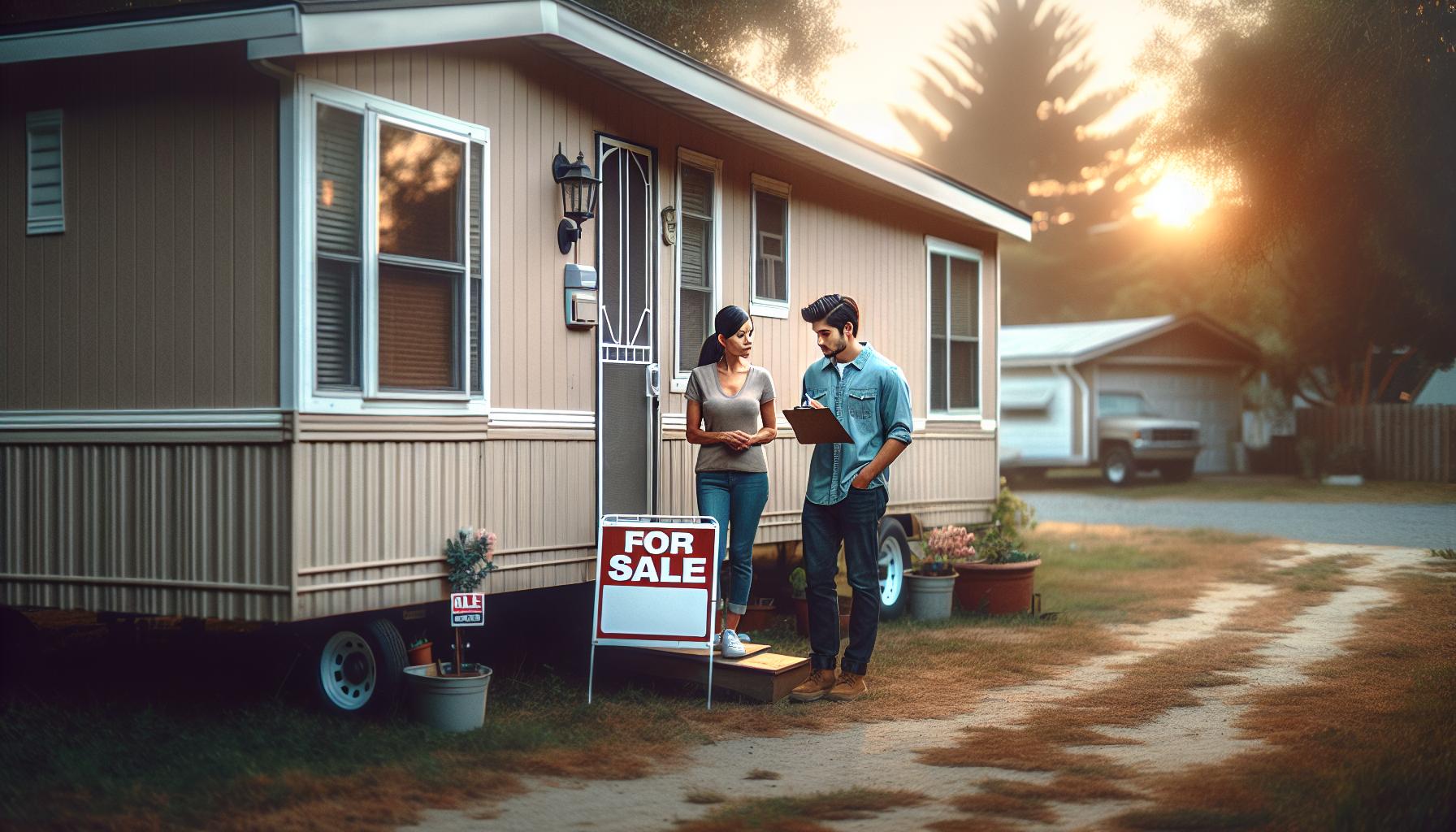
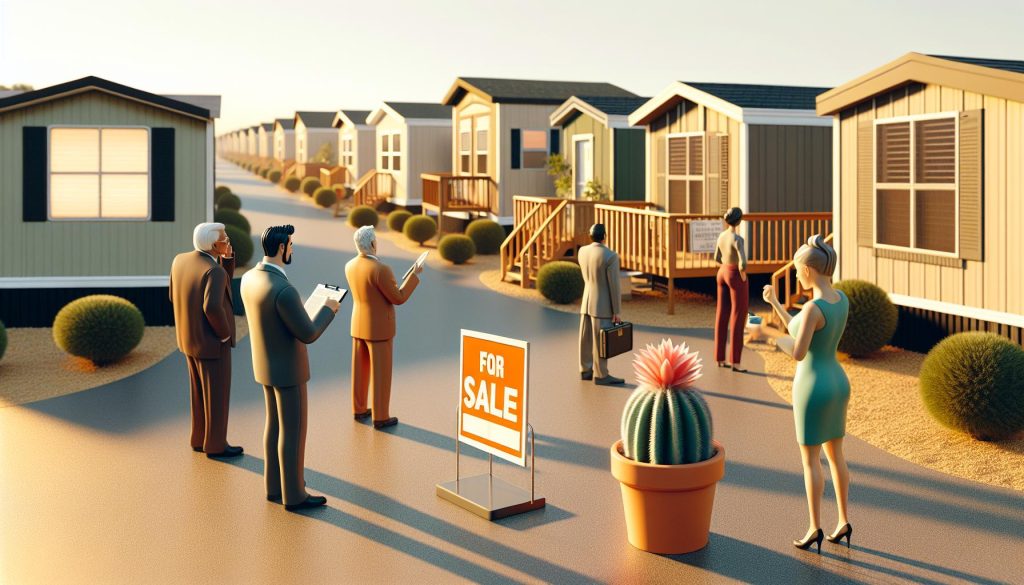
Understanding the value trends of mobile homes is crucial for anyone involved in this unique market-whether you are a current owner, a prospective buyer, or an investor. Unlike traditional homes, which often appreciate over time, mobile homes typically face depreciation. On average, a mobile home will lose about 3% to 5% of its value per year, primarily due to factors such as aging, market conditions, and location. This depreciation reflects the differences in the market dynamic surrounding mobile homes compared to traditional site-built homes, where location and physical improvements can positively influence value.
Several key factors influence the depreciation of mobile homes. Age is significant; older mobile homes generally command lower prices, as they may require more repairs and may not meet current safety and energy efficiency standards. Location plays another pivotal role; mobile homes in high-demand areas may retain value better than those in less desirable locations. Moreover, the state of the economy can affect all real estate markets, including mobile homes. During economic downturns, demand can plummet, exacerbating depreciation trends.
For those considering investing in mobile homes, understanding these trends can aid in making informed decisions. While the general depreciation might seem daunting, it’s important to recognize that savvy improvements can bolster initial investments. Upgrading amenities, ensuring the home is well-maintained, and even repositioning the home on a more valuable lot can positively influence its resale value. Additionally, financing options tailored specifically for mobile homes may help mitigate some risks associated with depreciation, as a well-planned purchase can turn a depreciating asset into a worthwhile investment over time.
Mobile Home Value Trends Over Time

Understanding the evolution of mobile home values is essential for anyone navigating the unique landscape of manufactured housing. Unlike traditional homes, which commonly appreciate over time, mobile homes often experience depreciation, typically around 3% to 5% annually. This downward trend can be attributed to various factors, including age, market fluctuations, and location. Recognizing these trends helps current owners and potential buyers make informed decisions, whether they are looking for a cozy residence or considering an investment opportunity.
One of the primary influences on mobile home value over time is the age of the home. Older models usually carry less value as they may not meet modern standards for safety or energy efficiency. Buyers should be cautious of older homes that might require significant updates or repairs, as these costs can further impact overall worth. Meanwhile, the location of a mobile home plays a crucial role in its value retention. Homes situated in reputable parks or in areas experiencing growth and development can maintain their value much better than those in less desirable locations, highlighting the importance of conducting thorough market research.
Market conditions can also dictate mobile home values significantly. Economic factors, such as recessions or shifts in the housing market, can lead to decreased demand for mobile homes. When the economy is sluggish, prospective buyers may opt for more traditional real estate investments, causing mobile home prices to fluctuate. Improvement in local and national economic conditions can enhance perceptions of mobile homes as affordable, viable housing options, leading to potential increases in value.
In conclusion, while mobile homes typically experience depreciation, understanding the nuances of their value trends can empower owners and buyers alike. By considering the home’s age, location, and broader market conditions, individuals can navigate the mobile housing landscape more effectively. Smart investments in renovations, maintenance, and strategic repositioning can transform these homes into appreciating assets, paving the way for potential financial benefits in the future.
Factors Influencing Mobile Home Depreciation
Understanding the elements that contribute to mobile home depreciation is crucial for anyone considering the purchase or investment in manufactured housing. Unlike conventional real estate, mobile homes typically face more significant depreciation rates, often exceeding 3% to 5% annually. Several factors play a vital role in determining the value retention of these homes.
One critical aspect is the age of the mobile home. As time passes, older models can become outdated in terms of design, safety features, and energy efficiency. Buyers are increasingly interested in modern amenities and standards, so homes built several decades ago might need significant upgrades, which can influence perceived value. Moreover, older homes may also face stricter financing options, limiting potential buyers and further fuelling depreciation.
Another pivotal factor is the location of the mobile home. Properties situated in well-maintained parks or areas with thriving economies are more likely to maintain their value than those in declining neighborhoods. Being in proximity to community resources, schools, and commercial establishments enhances marketability, while homes in less desirable locations may struggle to attract buyers or secure favorable financing.
Market conditions also significantly affect mobile home values. External economic factors, such as interest rates, local employment rates, and overall economic health, influence potential buyers’ willingness to invest in mobile homes. During economic downturns, the demand for mobile housing often declines as consumers gravitate toward more traditional and often perceived as more stable housing options. Conversely, an uptick in local economies can mitigate depreciation, making mobile homes appealing as affordable alternatives.
In addition to these external factors, maintenance plays an essential role in preserving mobile home value. Routine upkeep, such as addressing wear and tear, regular inspections, and timely repairs, can significantly contribute to the home’s longevity and market appeal. Owners who are proactive in maintaining their properties often find that they can better navigate the fluctuating tides of value depreciation.
By acknowledging these key influences-age, location, market conditions, and maintenance-potential buyers and current owners can make informed decisions in the ever-evolving landscape of mobile home ownership. Engaging in smart buying practices, maintaining the integrity of the home, and strategically positioning it in the market will help capitalize on potential value retention, ensuring that the investment is sound over time.
Buying a Mobile Home: Key Considerations

Buying a mobile home can be an excellent way to secure affordable housing or invest in real estate. However, navigating the process effectively requires thoughtful consideration of various factors that can affect both immediate satisfaction and long-term value. Understanding these elements can help you make a strategic decision, ensuring you invest wisely in a manufactured residence.
Assessing Your Needs and Preferences
Before diving into the market, consider what you truly need in a mobile home. Reflect on important features such as the number of bedrooms, layout, and amenities. How many occupants will it house? Will you use it as a primary residence, a vacation home, or a rental property? Identifying your priorities can streamline your search and help you focus on properties that meet your needs.
Location, Location, Location
The location of your mobile home is one of the most significant factors influencing its value. Look for communities that provide necessary amenities like schools, grocery stores, and healthcare facilities. Furthermore, consider the type of mobile home park or land ownership. Those situated in better-maintained parks with friendly regulations often have higher resale values. For instance, a mobile home near a growing urban center might appreciate more compared to one in a remote area.
Researching Financing Options
Securing financing for a mobile home can differ significantly from traditional home loans. It’s often classified as a personal property loan rather than real estate, which may carry higher interest rates and shorter loan terms. Explore:
- Chattel Loans: These are used to finance mobile homes not permanently affixed to land. They usually require a larger down payment.
- FHA Loans: If your mobile home meets certain standards and is on a foundation, you may qualify for an FHA loan.
- Conventional Loans: Some lenders offer financing options for mobile homes on land. Check to ensure your home meets the necessary criteria.
Understanding Insurance Needs
Insurance is crucial for protecting your investment. Mobile homes often require specific policies that cover both the structure and personal belongings, particularly considering they may be more vulnerable to natural disasters compared to traditional homes. Factors that can influence your insurance options include the home’s age, condition, and location. Regions prone to hurricanes or severe weather may necessitate additional coverage for storm damage.
Navigating Legalities and Regulations
Before finalizing your purchase, it’s essential to familiarize yourself with local zoning laws and regulations associated with mobile home ownership. Understanding property rights, park rules, and homeowner association bylaws can prevent future conflicts and clarify your responsibilities. For instance, certain areas may impose restrictions on mobile home placement or structural modifications, which you will need to comply with.
In summary, buying a mobile home involves careful planning and consideration. By evaluating your needs, researching locations, understanding financing options, addressing insurance requirements, and navigating legal aspects, you can confidently enter the mobile home market. This approach not only enhances your chances of making a sound investment but also promotes a rewarding living experience in your new home.
Financing Options for Mobile Home Buyers

Securing financing for a mobile home can often feel daunting, especially since it differs significantly from obtaining a traditional mortgage. Understanding the various financing options available is crucial for making an informed decision that aligns with your budget and long-term goals. Did you know that many mobile homes are classified as personal property rather than real estate? This classification can affect the types of loans available and the terms lenders may offer.
One popular financing option is the chattel loan, typically used for mobile homes that are not permanently affixed to the land. Chattel loans usually require a larger down payment-often upwards of 20%-and may come with shorter terms than traditional mortgages, impacting monthly payments. Conversely, if your mobile home meets specific criteria, such as being built after a certain year and set on a permanent foundation, you might qualify for an FHA loan. FHA loans can offer lower down payment options and more favorable interest rates, making them an attractive choice for many buyers.
In addition to these options, conventional loans may also be available for mobile homes situated on owned land. It’s essential to ensure that your chosen home meets the lender’s criteria, which may include evaluations of the home’s age and condition. This can provide a more conventional mortgage experience, often with competitive rates and terms.
When assessing financing options, be sure to compare interest rates, loan terms, and down payment requirements between lenders. This process will not only help you understand your monthly payment obligations but will also provide a clearer picture of how these financial commitments will affect your investment in the long run. Financing a mobile home can be a bit more complex than traditional housing, but with thorough research and strategic planning, you can navigate the process confidently and secure a financing solution that fits your needs.
Insurance Needs for Mobile Homes Explained
Understanding how to protect your investment in a mobile home is critical, especially given the unique challenges associated with mobile home ownership. Mobile homes may depreciate faster than traditional homes, making comprehensive insurance coverage fundamental to safeguarding your financial commitment. Mobile home insurance, also known as manufactured home insurance, provides essential protection against various risks, including damage from fire, storm-related events, and theft.
Types of Coverage
To ensure your mobile home is adequately protected, consider the following types of coverage typically included in a mobile home insurance policy:
- Dwelling Coverage: This protects the structure of your mobile home itself against hazards like wind, hail, and fire.
- Personal Property Coverage: This covers the belongings inside your home, including furniture, electronics, and clothing, in the event of theft or damage.
- Liability Coverage: This is crucial for protection against lawsuits if someone is injured on your property or if you accidentally damage someone else’s property.
- Additional Living Expenses Coverage: If your home becomes uninhabitable due to a covered event, this can help with temporary housing costs.
It’s also important to check if your policy offers replacement cost coverage, which can help replace damaged items at current market value rather than depreciated values.
Factors Influencing Premiums
Your insurance premium can vary significantly based on several factors:
- Location: Areas prone to natural disasters may incur higher premiums.
- Home Age and Condition: Older homes may have higher rates due to outdated materials or potential maintenance issues.
- Replacement Cost: The overall value of your mobile home and its contents will determine your premiums.
- Safety Features: Smoke detectors, fire extinguishers, and security systems can help lower your rates.
To find the right coverage for your needs, compare quotes from multiple insurance providers specializing in mobile homes, such as Liberty Mutual and Allstate, which offer tailored policies and competitive pricing alternatives[[1]](https://www.libertymutual.com/property/mobile-home-insurance)[[2]](https://www.allstate.com/mobile-home-insurance).
In summary, securing adequate insurance is a key component of mobile home ownership. By understanding the types of coverage available, the factors that affect your premiums, and the importance of tailoring your policy to your specific situation, you can protect your investment and enjoy your mobile home living experience with greater peace of mind.
Legal Aspects of Mobile Home Ownership
Legal considerations play a crucial role in mobile home ownership, impacting everything from purchasing to long-term management. Understanding the specific regulations that govern mobile homes can save you time and money while ensuring you comply with local laws. For example, some municipalities have specific zoning regulations that dictate where mobile homes can be placed, as well as the permits required for installation. Familiarizing yourself with local laws can help prevent costly fines or forced relocations.
Before purchasing a mobile home, it is essential to review the title status. Mobile homes can either be titled as personal property or real estate. Personal property titles, akin to vehicles, may depreciate more rapidly, while real estate titles allow for the equity to build over time in ways similar to traditional homes. To convert a mobile home from personal property to real estate, you often need to meet specific regulatory criteria, which can include land ownership and adherence to local building codes.
Additionally, mobile home owners should be aware of the legal requirements concerning the use of mobile home parks. Many parks have rules regarding the age, condition, and modifications allowed for homes within the community. Understanding these requirements can protect you from penalties and ensure a harmonious experience in communal living spaces. When renting space in a mobile home park, it is also vital to comprehend the lease agreements, which outline responsibilities regarding maintenance, utilities, and potential rent increases.
To navigate the complexities of mobile home ownership effectively, consider consulting with professionals such as real estate attorneys, insurance agents specializing in mobile homes, and local regulatory offices. This guidance can provide clarity on legal obligations and assist you in making informed decisions that enhance your mobile home investment. By being proactive and educated about your rights and responsibilities, you can enjoy the benefits of mobile home living while minimizing potential legal challenges.
Enhancing Mobile Home Value Through Renovations
To maximize the value of a mobile home, thoughtful renovations can make a significant difference. Investing in upgrades not only enhances aesthetic appeal but can also improve functionality and energy efficiency, which are attractive traits for potential buyers. For instance, kitchen and bathroom remodels yield one of the highest returns for mobile homes, with elements like modern appliances, updated cabinetry, and renovated fixtures drawing attention and raising property value considerably.
Key Areas for Renovations
When planning necessary renovations, focus on areas that offer the most impact. Here are some strategic improvements to consider:
- Exterior Enhancements: A fresh coat of paint, new siding, or updated landscaping can dramatically improve curb appeal. Consider adding a deck or patio for additional outdoor space.
- Energy Efficiency: Upgrading to double-paned windows, improved insulation, and Energy Star-rated appliances can significantly reduce utility costs, making the home more appealing to budget-conscious buyers.
- Interior Updates: Open floor plans and neutral color palettes are trendy. Replace old flooring with laminate or vinyl that mimics wood for durability and easy maintenance.
- Smart Home Features: Installing smart home technology, such as thermostats, security systems, and lighting, can make a mobile home feel modern and convenient.
Budgeting for Renovations
Establishing a renovation budget is crucial. To do so, assess the condition of your mobile home and prioritize upgrades based on necessity and potential return on investment. Here’s a simple strategy to help with budgeting:
- Conduct a Home Inspection: Identify areas needing repair versus those that would benefit from aesthetic upgrades.
- Gather Estimates: Consult with contractors to obtain quotes for larger projects, while assessing DIY options for smaller improvements.
- Allocate Funds Wisely: Prioritize renovations that will yield the most value or comfort-the kitchen, for example, should be a top priority.
By making thoughtful renovations, mobile home owners can combat depreciation trends, enhance livability, and ultimately secure a greater return on their investment. These improvements validate mobile homes as a viable and attractive housing choice, appealing to both current residents and prospective buyers looking for a home with potential.
Essential Maintenance for Longevity of Mobile Homes
Regular maintenance is key to preserving the life and value of a mobile home, ensuring it remains a safe and comfortable living space. Neglecting essential upkeep can lead to significant depreciation, so understanding the specific needs of manufactured housing is crucial for both current homeowners and prospective buyers. Committing to a proactive maintenance routine not only enhances the enjoyment of living in your mobile home but also safeguards its investment value over time.
To ensure longevity, mobile homeowners should focus on several critical areas of maintenance. First, roof integrity should be regularly checked for leaks or damage, as water intrusion can compromise the entire structure. Cleaning gutters and downspouts is essential for directing water away from the home and preventing foundation issues. Moreover, inspect and replace worn-out seals around windows and doors to improve energy efficiency and comfort.
Next, maintaining the plumbing and electrical systems is equally vital. Regularly inspect pipes for leaks and ensure that drains are clear to prevent water damage. Additionally, checking electrical connections for wear and ensuring circuit breakers function correctly can avert potential hazards. It’s advisable to have a licensed professional conduct periodic inspections of both systems to identify and rectify any issues before they escalate.
Another important aspect is the exterior care of the mobile home. Routinely washing the exterior and applying coats of paint as needed will help protect against the elements. Pay special attention to the skirting, which can deteriorate over time; repairing or replacing it not only improves the home’s appearance but also provides insulation and pest deterrence.
Finally, for homeowners in hurricane-prone areas, it’s imperative to invest in storm protection measures. This includes installing tie-downs to secure the home against high winds and ensuring that the foundation meets local building codes for storm resilience. Preparing for severe weather by reinforcing the structure will help in maintaining the home’s integrity and value over time.
By incorporating these maintenance strategies, mobile home residents can enhance their living environment, potentially lowering insurance costs and increasing resale value. Taking these steps not only reassures potential buyers of a well-maintained property but also affirms the value of mobile homes as a legitimate and rewarding housing option.
Hurricane Preparedness for Mobile Home Residents
Living in a mobile home can bring unique challenges, especially when it comes to preparing for severe weather events like hurricanes. Mobile homes are often more vulnerable to high winds and flooding than traditional homes, making proactive measures essential for ensuring safety and protecting property value. Understanding the necessary steps for hurricane preparedness is not only crucial for immediate safety but also plays a significant role in maintaining the overall value of your investment.
To start, securing your mobile home with appropriate tie-downs is critical. These anchors help to keep the home grounded during high winds, reducing the risk of being lifted or shifted. It’s advisable to use a professional service to install these tie-downs according to local building codes, which may vary based on your region. Additionally, regularly inspect these systems, as wear over time can compromise their effectiveness.
Another vital aspect of preparation involves the external structures of your mobile home. Ensure that your skirting is intact and properly secured to minimize debris accumulation and prevent damage. During hurricane season, reinforce window and door openings with storm shutters or plywood to shield against flying debris. Furthermore, creating a clear emergency plan that includes evacuation routes and communication strategies can help keep your family safe and ensure you’re ready to act swiftly when a storm is approaching.
In hurricane-prone areas, many residents find it beneficial to invest in flood insurance as part of their overall insurance strategy. While standard homeowners’ policies may not cover flooding, specialized policies can provide the necessary protection against water damage. Reviewing and updating your insurance coverage annually is a smart practice, ensuring that it aligns with any changes to your home and local risk assessments.
Finally, focus on maintaining the interior of your home to withstand potential storm impacts. Secure heavy furniture to walls, store valuable items in elevated areas, and prepare an emergency kit that includes essentials such as medications, non-perishable food, water, and flashlights. By taking these steps, mobile home residents can not only enhance their safety but also help ensure their property’s value is less affected by storm-related events, protecting their investment in the long run.
Understanding the Market for Mobile Home Investments
Investing in mobile homes can be an intriguing yet complex venture. Understanding the market dynamics is crucial for both new investors and those looking to expand their real estate portfolio. One key aspect to consider is that mobile homes, often viewed as affordable housing options, can present significant financial opportunities if approached strategically. According to recent trends, demand for affordable housing is on the rise, making mobile home parks a potentially lucrative investment avenue. With housing prices soaring, many individuals and families are turning to manufactured homes as cost-effective alternatives.
Market Demand and Potential Returns
The market for mobile home investments is primarily driven by the demand for affordable living spaces, particularly in urban and suburban areas. Investors looking at ownership of mobile home parks can benefit from stable cash flow due to the lower turnover rates and the generally high demand for rental units. Investing in mobile home parks can yield considerable returns, especially when compared to traditional rental properties. When well-maintained and located strategically, mobile homes can provide steady rental income and relatively lower maintenance costs.
To tap into this market effectively, investors should explore various demographic segments. For instance, retirees seeking affordable living options or younger families prioritizing budget-friendly housing are significant groups. Understanding these demographics helps to identify the right mobile home park investments, ensuring they cater to the specific needs and preferences of target renters or buyers.
Challenges and Considerations
While the market shows promise, potential investors must also navigate the inherent challenges that come with mobile home investing. Regulatory aspects, such as zoning laws and local ordinances, can impact investment feasibility. Additionally, fluctuating market values can affect asset appreciation, making it imperative to conduct thorough research before entering the market. Investors should also be cognizant of factors such as maintenance requirements and the socio-economic trends influencing mobile home desirability.
Furthermore, engaging with the local community and understanding their perspectives can enhance investor reputation and lead to successful ventures. Building relationships with local authorities and community organizations can provide insights that facilitate smoother operations and tenant management.
By conducting thorough market research, leveraging economic trends, and understanding local community needs, investors can make informed decisions that lead to successful mobile home investments. Adopting a proactive approach, coupled with strategic planning, can enhance potential profitability while contributing positively to the community’s housing landscape.
Comparing Mobile Homes to Traditional Homes for Value
Mobile homes often carry the perception of being less valuable than traditional homes, but this perception does not always reflect the reality of their market position. As housing affordability becomes a pressing issue across many regions, the demand for mobile homes has grown significantly, establishing them as a legitimate housing choice for many families and individuals. When evaluating the value of mobile homes compared to traditional homes, it’s important to consider factors like initial purchase price, ongoing expenses, and potential for appreciation.
One of the most notable advantages of mobile homes is their affordability. The average cost of a new mobile home can be significantly lower than that of a new site-built home, making mobile homes an attractive option for first-time buyers, retirees, or those looking to downsize. While traditional homes may appreciate over time based on location and market conditions, mobile homes can also see value appreciation if placed in high-demand areas or if they are well maintained and renovated effectively. Key factors influencing mobile home appreciation include their location in manufactured home communities, the degree of upkeep, and any renovations that enhance livability.
However, it’s essential to acknowledge the unique depreciation patterns associated with mobile homes. Unlike traditional homes, which generally retain or increase their value, mobile homes can depreciate due to factors such as changes in land use, market saturation, and how the home is classified (as personal property versus real property). For instance, mobile homes that are placed on rented land may appreciate less than those owned outright on personal property, as the owner of the land typically holds more control over the overall investment.
When weighing the pros and cons of mobile homes versus traditional homes, potential buyers and investors should carefully consider their long-term goals and financial situations. Here are some helpful comparisons to keep in mind:
- Cost of Ownership: Mobile homes generally have lower upfront costs, which can make them more accessible. However, understanding the total cost of ownership, including site fees and insurance, is crucial.
- Equity Building: Traditional homes typically allow for greater equity building through appreciation, while the equity in mobile homes might increase at a slower rate, if at all.
- Maintenance: Both types of homes require maintenance, but mobile homes may have lower repair costs depending on their age and materials used.
- Market Resilience: Traditional homes might have better resilience against economic downturns due to their generally higher demand, but well-located mobile homes can also resist depreciation and retain value.
Ultimately, understanding the nuances between these two housing options can help individuals make informed decisions about their housing investments, whether they are new buyers or seasoned investors.
Q&A
Q: Do mobile homes lose value over time?
A: Yes, mobile homes typically depreciate in value over time, primarily due to factors like market demand and initial depreciation after purchase. However, strategic upgrades and maintenance can help mitigate this decline and enhance resale value.
Q: What factors affect the depreciation of mobile homes?
A: Several factors influence mobile home depreciation, including location, condition, age, and market trends. Additionally, factors like community reputation and advancements in mobile home construction can impact value.
Q: How can I increase the value of my mobile home?
A: You can increase your mobile home’s value by making strategic renovations, such as upgrading kitchens or bathrooms, enhancing curb appeal, and ensuring regular maintenance. Additionally, adhering to local zoning regulations and improving energy efficiency can also add value.
Q: Are mobile homes a good investment compared to traditional homes?
A: Mobile homes can be a cost-effective investment, particularly for buyers on a budget. While they may depreciate faster than traditional homes, they can still provide rental income or serve as affordable housing options, depending on the market.
Q: What are the risks of investing in mobile homes?
A: Risks include depreciation, market volatility, and potential difficulties in resale. Additionally, zoning changes, tenant laws, and maintenance costs can impact the long-term investment value, making thorough research essential.
Q: How does the location of a mobile home impact its value?
A: Location significantly impacts mobile home value, as homes in desirable areas with strong community amenities tend to appreciate more. Conversely, homes in less desirable locations may experience higher depreciation rates.
Q: What financing options are available for mobile home buyers?
A: Financing options for mobile homes include chattel loans, which are specific to movable homes, as well as traditional mortgages and personal loans. It’s important to explore various lenders to find the best terms available.
Q: How does insurance for mobile homes differ from traditional homes?
A: Insurance for mobile homes typically includes coverage for the home structure, personal belongings, liability, and additional living expenses, similar to homeowners insurance but specialized for unique risks associated with mobile home ownership.
Final Thoughts
As we’ve explored, understanding the depreciation of mobile homes and the investment realities associated with them is crucial for making informed decisions. Remember, while factors like location and maintenance impact value, smart upgrades and proper care can enhance your investment. If you’re considering entering this market or looking for tips on maintenance, check out our guides on mobile home financing options and best practices for site setup.
Don’t let uncertainty hold you back! Join our newsletter for more expert insights and community stories that reinforce the value of mobile home living. Have questions or personal experiences to share? We encourage you to comment below and connect with fellow readers. Your next step towards confident mobile home ownership starts today-explore our resources and take charge of your investment journey!