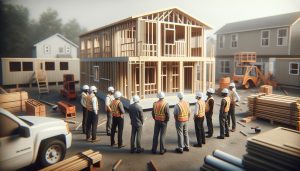
When considering mobile home living, understanding the dimensions of a single wide mobile home is essential. These homes typically measure 14 to 18 feet in width and can reach lengths of up to 90 feet, making them a flexible choice for many buyers. This size not only impacts maintenance and utility costs but also influences placement on your property, local zoning regulations, and potential resale value. For prospective buyers or current residents, knowing these dimensions helps in making informed decisions, whether it’s about site preparation or interior design. Discovering the nuances of single wide mobile homes can lead to a more satisfying living experience, ensuring you maximize space and comfort while navigating this unique housing market. Dive deeper to learn about the specific standards and implications these dimensions bring for your home journey.
How to Measure a Single Wide Mobile Home’s Width
Measuring the width of a single wide mobile home is a straightforward process, yet precision is crucial for ensuring that it fits your intended space effectively. Typically, single wide mobile homes range from 8 to 16 feet in width, with the most common sizes being 14 and 16 feet. To accurately measure the width, follow these steps:
- Gather Your Tools: You’ll need a measuring tape, a notepad for recording measurements, and possibly a helper for longer homes.
- Choose the Right Location: Measure your home from the exterior walls, ideally on a flat surface, to get the most accurate measurement.
- Start at One End: Place the measuring tape against one side of the mobile home. Extend it straight across to the opposite side.
- Record the Measurement: Note the width in feet. If your mobile home has any protrusions, such as an awning or porch, make sure to measure from the farthest points of the structure.
- Double-Check: It’s always wise to measure twice to confirm accuracy, especially if you plan on utilizing this measurement for renovations, transport, or placement considerations.
By following these steps, prospective buyers and current owners can gain clarity on the dimensions they are working with, facilitating informed decisions about layouts, placements, and necessary modifications. Understanding how width translates to space utilization can enhance the living experience in a single wide mobile home, making it a practical choice for many homeowners.
What Are the Exact Dimensions of a Single Wide Trailer?
When asking how wide is a single wide trailer, it is important to know the precise measurements. The standard dimensions of single wide mobile home units usually range from 14 to 18 feet in width. A common question among buyers is the single wide length and width average; typically, these homes are about 14 to 16 feet wide and 60 to 80 feet long. Understanding the dimensions of a single wide trailer is critical when planning site placement or modifications, ensuring that the single wide trailer dimensions fit your property perfectly.
Standard Dimensions of Single Wide Mobile Homes
Single wide mobile homes are an attractive housing option for those seeking affordability and mobility without sacrificing comfort. The dimensions of these homes play a crucial role in their overall functionality and livability. Typically, single wide mobile homes range in width from 8 to 16 feet, with 14 and 16 feet being the most common sizes. Understanding these standard dimensions helps prospective buyers better visualize the living space and make informed decisions regarding layout and design.
When it comes to length, single wide mobile homes can vary significantly, with common lengths ranging from 40 to 90 feet. This variability allows for flexibility in choosing a home that fits specific lifestyle needs and land availability. However, the width remains consistent, largely dictating the internal layout and flow of the living space. Many manufacturers offer customizable options, allowing buyers to select features such as additional windows or open floor plans, enhancing the usability of the space within these set dimensions.
In addition to basic measurements, it’s important to consider that the standard dimensions can be influenced by certain factors, such as the inclusion of additions or exterior features like porches and awnings. These protrusions might not only affect the total footprint of the home on the property but might also impact zoning regulations and placement considerations.
As you explore the market for single wide mobile homes, familiarity with these standard dimensions can help you grasp what you’re working with, ensuring a harmonious match between your property and your chosen home. Whether you’re looking for a primary residence, a vacation spot, or an investment property, understanding these measurements empowers you to make educated choices that cater to your needs.
Factors Affecting Mobile Home Width Choices
The width of a single wide mobile home is determined by a variety of factors that influence both the design and functionality of these residences. One of the primary considerations is the intended use of the home. For instance, families seeking a comfortable living space may prioritize width to accommodate larger living areas and bedrooms, while individuals or couples may opt for narrower models that meet their basic living needs. This flexibility in design allows for a range of widths, typically spanning from 8 to 16 feet, with houses of 14 and 16 feet being most common.
Another critical aspect is local zoning regulations, which can restrict the minimum and maximum dimensions of mobile homes in certain areas. Before purchasing a mobile home, it’s essential to check these regulations, as they can dictate not only the width but also the overall structural considerations. Additionally, the site-specific characteristics, such as land size and shape, significantly affect width choices. Buyers with larger plots may feel comfortable choosing wider models, while those with limited space may be compelled to select narrower configurations that still provide the needed livable area.
Customization is also a significant factor that impacts width. Many manufacturers offer opportunities to personalize designs, allowing buyers to choose floor plans that optimize space according to their lifestyles. This might include opting for specific room placements, choosing additional exterior features like porches, or even integrating smart home technology spaces. All these choices can have a direct influence on how wide a mobile home can be designed or modified to be, even after the initial purchase.
Lastly, competing priorities such as cost and energy efficiency can lead some buyers to select narrower homes. Wider homes can lead to increased heating and cooling costs due to their larger interior space. Therefore, many buyers must balance their desire for extra width with the practicality of ongoing expenses, making informed decisions that reflect both their current and future needs. By understanding these factors, prospective buyers can navigate the complexities of choosing the right mobile home width, ultimately finding a model that aligns with their space needs and lifestyle preferences.
Comparing Single Wide and Double Wide Sizes
When considering manufactured housing, understanding the differences between single wide and double wide mobile homes is crucial for making an informed decision. Single wide homes typically range from 8 to 16 feet in width, while double wide homes often measure between 20 and 36 feet in width, providing a significant increase in living space. This extra width not only allows for larger rooms and more bedrooms but also generally enhances the overall comfort and functionality of the home.
Space and Layout Considerations
One of the standout features of double wide homes is their increased interior space, which can greatly influence layout options. With double wide models, you can enjoy a more expansive living area, separate dining spaces, and distinctly larger bedrooms, which can accommodate more furniture and storage solutions. This spaciousness can be particularly beneficial for families or individuals who work from home, as it allows for designated areas for different activities without feeling cramped.
Conversely, single wide homes, while more limited in width, can still provide comfortable living arrangements. They are often easier to transport and can be more affordable, making them an attractive option for first-time buyers or those with budget constraints. Their compact design can also make them more suitable for smaller lots or areas with tight zoning regulations.
Cost Implications
Cost is another significant factor when comparing these two types of homes. While the initial purchase price of a single wide mobile home is generally lower, double wide homes provide greater investment value in terms of space, utility, and resale potential. Buyers should consider not only the upfront costs but also long-term living expenses such as heating and cooling, which can be more economical in the case of a well-constructed double wide due to its larger size and better insulation options.
Ultimately, choosing between single wide and double wide mobile homes depends on personal needs, lifestyle considerations, and financial objectives. By weighing these crucial differences, potential buyers can determine which type of home aligns with their requirements, facilitating a more satisfying living experience in the long term.
Understanding the Layout of Single Wide Mobile Homes
One of the compelling attributes of single wide mobile homes is the efficient use of space within their compact dimensions, typically ranging from 8 to 16 feet in width. This design focuses on maximizing every square foot, allowing for practical living arrangements that often include multiple bedrooms, a living area, and a kitchen, all seamlessly integrated. The linear layout encourages a flow that can be both functional and aesthetically pleasing, proving that smaller spaces can still foster comfort and style.
In a single wide mobile home, the layout generally consists of a central living area that connects to the kitchen, which may be equipped with standard appliances and cabinetry designed to optimize storage. Often, bedrooms are situated at either end of the home, providing a separation of personal spaces that promotes privacy. Depending on the specific floor plan, some models may feature an open-concept design, where the kitchen flows into the living room, or traditional configurations with distinct rooms. This versatility allows homeowners to choose a layout that best suits their lifestyle and family needs.
For those considering how to arrange their single wide mobile home effectively, utilizing multifunctional furniture can enhance the usability of the space. Items like pull-out sofa beds, extendable dining tables, and built-in storage solutions are invaluable in these compact environments. Adding mirrors can also create an illusion of depth, making the interior feel more spacious.
When preparing your mobile home, think about zoning regulations and lot placements, as these factors will influence how your layout can be optimized. Proper planning ensures that your living area is practical, comfortable, and aligned with your needs, making the most of the available space while providing a welcoming atmosphere for residents and guests alike.
Benefits of Single Wide Mobile Homes for Buyers
Investing in a single wide mobile home opens the door to a multitude of benefits for potential buyers, particularly for those seeking affordable housing solutions without sacrificing comfort or functionality. One of the most appealing aspects of these homes is their affordability-often priced lower than traditional homes. This financial accessibility allows first-time buyers, retirees, and those on a budget to own their own living space, creating opportunities for families to invest in real estate without the high costs associated with conventional homeownership.
Single wide mobile homes generally feature efficient designs that maximize the use of space, making them an attractive choice for those who prefer a cozy yet functional environment. With layouts that typically range from one to three bedrooms and common areas seamlessly connected, these homes capitalize on every square foot. This efficient design makes day-to-day living convenient and pleasant, catering to a variety of lifestyles-from solo dwellers to small families.
Another significant advantage is the flexibility and ease of placement. Buyers can often choose where to set their mobile home, whether on a purchased lot or in a mobile home park, allowing for a range of living conditions and landscapes. Additionally, the simpler construction method of mobile homes often means shorter timelines for obtaining housing compared to traditional builds. This expedience is especially beneficial in today’s fast-paced market, where housing demand can exceed supply.
Furthermore, the lower utility costs associated with single wide mobile homes make them financially viable in the long run. Constructed with modern materials and energy-efficient features, many newer models help reduce heating and cooling expenses, contributing to substantial savings over time. For environmentally conscious buyers, these homes can be easier to equip with sustainable technologies, such as solar panels, enhancing both their economic and ecological footprints.
In essence, the benefits of single wide mobile homes resonate well with a diverse range of buyers. From affordability and efficient use of space to flexibility in placement and lower utility costs, these homes present a compelling case for those considering a shift towards manufactured housing.
Considerations for Placement on Your Property
When considering where to place your single wide mobile home, there are several important aspects that can significantly impact your living experience. Ideally, the placement should enhance accessibility, ensure compliance with regulatory guidelines, and optimize your views and privacy. Moreover, evaluating the local topography, soil conditions, and climate can also influence your home’s longevity and comfort.
Firstly, choose a location that caters to your lifestyle preferences. If you are fond of outdoor activities, consider placing your home near parks or bodies of water. Additionally, think about your daily routines-proximity to schools, grocery stores, and healthcare facilities can streamline your day-to-day living. An ideal spot may afford you scenic views while providing a sense of privacy from neighbors.
Local Regulations and Zoning
Before settling on a location, familiarize yourself with local zoning laws and building codes that may affect your mobile home placement. These regulations often dictate minimum lot sizes, setbacks from property lines, and foundational requirements. For instance, if your area experiences extreme weather conditions, such as hurricanes, you may need to opt for a more robust foundation or tie-down system to ensure your home is adequately secured.
Site Preparation
Proper site preparation is crucial for the stability and longevity of your mobile home. Assess the topography of the land; it should ideally be level to facilitate the leveling process, which prevents future structural issues. You may also need to address drainage to avoid water pooling around your home-a significant concern during heavy rains. Gathering soil tests can help determine necessary foundational supports or reinforcements, enhancing the overall durability of your home.
Utility Connections
Lastly, evaluate the convenience of connecting utilities such as water, electrical, and sewage services. Proximity to these facilities not only streamlines the installation process but can also reduce upfront costs. Consider any additional infrastructure you may want to include, like internet and cable services, which can enhance your mobile home living experience.
By paying careful attention to these considerations, you can ensure an optimal placement for your single wide mobile home that supports your lifestyle, complies with local regulations, and fosters a comfortable living environment.
Common Modifications to Enhance Width Perception
When it comes to making a single wide mobile home feel more spacious, strategic modifications can significantly enhance width perception. Simple changes to layout, decor, and outdoor space can create the illusion of a larger living area, improving your overall enjoyment of the space.
One effective approach is optimizing interior design. Using light color palettes-such as whites, creams, and light pastels-can help walls and ceilings feel more expansive. Additionally, consider using mirrors to reflect light and visually open up rooms. Open floor plans can also contribute to a more airy atmosphere; consider removing non-load-bearing walls or incorporating flexible furniture arrangements to keep space flowing.
Outdoor Enhancements
Enhancing the outdoor area can also contribute to the perception of space. Expanding your deck or patio can create an inviting area for relaxation or entertaining while drawing attention away from the mobile home’s narrower footprint. Installing landscaping features such as vertical gardens or strategically placed trees can frame your home and add depth to the lot. Using fencing that is lower or transparent can help maintain privacy without isolating the home.
Another modification is considering the addition of awnings or overhangs to the exterior. These features can create visual interest and also provide shaded outdoor space, which enhances livability. Maintaining clear pathways around your home and avoiding clutter can help the property feel more open and inviting.
By thoughtfully implementing such modifications, you can transform the perception of space within a single wide mobile home, ultimately enhancing living experience and maximizing functionality. Whether you’re a current owner or a prospective buyer, understanding how to manipulate space through design can make a remarkable difference in the joy of mobile home living.
Insurance Options for Single Wide Mobile Homes
When considering the purchase of a single wide mobile home, securing the right insurance is a critical step that protects your investment and provides peace of mind. Mobile home insurance, often referred to as manufactured home insurance, covers various perils, similar to traditional homeowners insurance, but it is tailored specifically to meet the needs of mobile homes, including their unique construction and setup. This insurance typically encompasses coverage for the structure itself, your personal belongings, liability for injuries, and additional living expenses in case of a loss.
Types of Coverage
Most insurance policies for single wide mobile homes offer several types of coverage, which can include:
- Dwelling Coverage: Protects the structure from damages due to specific perils like fire, theft, hail, and vandalism.
- Personal Property Coverage: Covers your belongings within the home, including furniture, electronics, and personal items.
- Liability Protection: Provides financial protection if someone is injured on your property or if you accidentally cause damage to someone else’s property.
- Additional Living Expenses: Covers the costs of living elsewhere if your home becomes uninhabitable due to a covered loss.
Factors to Consider
When exploring insurance options, several factors can influence your policy and premium rates:
- Location: Your geographic area significantly affects your premiums due to varied risk levels, such as flood zones or areas prone to natural disasters.
- Home Age and Condition: Older homes might require more extensive policies to cover potential issues, while well-maintained newer homes could receive discounts.
- Replacement Cost vs. Actual Cash Value: Choose between policies that pay to replace the home versus those that depreciate over time, reflecting the current market value.
Understanding these aspects will empower you to make informed decisions when selecting an insurance provider that aligns with your needs. Engaging with companies like USAA or Allstate can offer personalized quotes based on your specific circumstances, allowing you to find coverage that fits your budget and lifestyle. Being proactive about mobile home insurance not only protects your property but also fosters a secure living environment for you and your family.
Financing Solutions for Single Wide Purchases
Financing a single wide mobile home can often appear daunting due to the range of options available and unique considerations compared to traditional homes. Being well-informed about financing solutions is essential as it empowers buyers to secure the best terms while making this important investment in their future. Unlike standard mortgages, the purchasing of a mobile home often requires specific loans, which can include personal property loans, chattel loans, and even FHA loans tailored for manufactured homes.
A common approach for financing is through chattel loans, specifically designed for mobile homes not permanently affixed to land. These loans, while often perceived as having higher interest rates than conventional mortgages, can be more accessible and are available for short terms. They typically cover the cost of the home itself, but for those planning to purchase land as well, it’s crucial to consider whether combining financing options will be beneficial.
For buyers looking for longer-term solutions, FHA loans provide an attractive avenue, especially for first-time buyers. These loans offer lower down payment requirements and competitive interest rates, making homeownership more accessible. FHA financing can be used for single wide homes when they are situated on owned land, enhancing their appeal and financial viability.
To execute a smooth transaction, potential buyers should also explore government programs, which may include local grants or incentives for manufactured home purchases. Connecting with local housing authorities can reveal helpful financial assistance programs tailored to areas that support mobile home ownership.
Ultimately, the financing process begins with thorough pre-qualification and budgeting exercises. Prospective buyers should actively engage with financial institutions for the best loan terms and rates while evaluating their creditworthiness, which plays a crucial role in securing favorable financing options. By understanding the various financial pathways available, buyers can confidently navigate the purchasing process of their single wide mobile home, making informed decisions that align with their budget and lifestyle goals.
Navigating Local Zoning and Code Requirements
Before placing a single wide mobile home on your property, it’s crucial to first navigate the maze of local zoning and code requirements. Each jurisdiction has different regulations that can influence everything from the dimensions and standards of mobile homes to their placement, utility connections, and safety measures. Understanding these requirements not only ensures compliance but can also save you time, money, and headaches in the long run.
One of the first steps is to check with your local zoning office or planning department. They can provide information on permissible land use and whether your property is zoned for mobile homes. Some areas may have restrictions on where single wide mobile homes can be installed, especially concerning proximity to property lines, existing structures, and public roads. Be sure to inquire about any specific conditions attached to mobile home living, such as aesthetic guidelines or requirements for permanent foundations.
Additionally, understanding the building codes in your area is vital. Building codes govern the construction and safety standards that mobile homes must meet. These regulations can include standards for anchoring systems to withstand severe weather, requirements for electrical installations, plumbing standards, and insulation levels for energy efficiency. Familiarizing yourself with these regulations can help you prepare for necessary inspections and approvals, ensuring that your new home complies with local safety standards.
Finally, incorporating local utility requirements into your planning is essential. Check for any stipulations regarding electricity, water, and sewage connections, as these can vary widely. Some regions might demand specific permits or compliance with local utility regulations, which can impact installation timelines and setup costs.
By proactively engaging with local government agencies and understanding zoning laws and building codes, you can navigate the complexities of setting up a single wide mobile home with confidence. Doing your homework will not only streamline the setup process but also ensure that your investment is safe, legal, and well-integrated into the community.
Maintenance Tips for Optimal Mobile Home Living
To ensure your single wide mobile home remains in optimal condition, regular maintenance is key. Unlike traditional homes, mobile homes face unique challenges that can impact longevity and livability if not addressed. By adopting a proactive maintenance approach, you can not only preserve the integrity of your home but also enhance your living experience.
Regular Inspections
Conduct routine checks on both the exterior and interior of your mobile home. Pay special attention to the following areas:
- Roof: Check for leaks, especially after heavy rain or snow. Clear debris and ensure proper drainage to prevent water pooling.
- Hitch and Wheels: Inspect the undercarriage and tires for signs of wear. Ensure that the hitch is secure and the wheels are properly inflated.
- Insulation: Look for signs of dampness or mold, particularly under the flooring and in the walls.
Utilities Maintenance
With mobile home setups, utility connections can require special attention. Make sure to:
- Plumbing: Check for leaks, and consider winterizing pipes to prevent freezing in colder climates.
- Electrical System: Regularly inspect wiring, especially if you notice flickering lights or tripped breakers. Hiring a certified electrician for complex issues is wise.
- HVAC: Clean or replace filters in heating and air conditioning units regularly to enhance efficiency.
Foundation and Leveling
Over time, mobile homes can settle, leading to issues with doors, windows, and appliances. Periodically check the leveling of your home and make adjustments as necessary. If you notice uneven floors or structural strains, it may be time to consult a professional for re-leveling your home.
Additionally, outdoor placement plays a significant role in mobile home longevity. Ensure that the ground is graded to divert water away from the home and that skirting is securely in place to protect against pests and exposure.
Exterior Care
The exterior of your mobile home deserves equal attention. Simple tasks can go a long way in preserving its aesthetic and value:
- Painting: Repaint or touch up exterior surfaces as needed, depending on your home’s material.
- Landscaping: Maintain a clear area around your home to improve airflow and prevent pest infestations.
By following these maintenance tips, you are investing in the life of your single wide mobile home, ensuring it remains not just a place to live, but a haven that meets your needs for years to come.
Frequently Asked Questions
Q: What is the standard width of a single wide mobile home?
A: The standard width of a single wide mobile home typically ranges from 10 to 18 feet. Common dimensions are 14 feet wide, but models can vary significantly, affecting overall living space and layout options.
Q: How does the width affect the layout of a single wide mobile home?
A: The width of a single wide mobile home directly influences the interior layout. Wider models allow for more spacious rooms and flexible floor plans, while narrower versions may limit options and require more creative use of space.
Q: What factors influence the width of mobile homes?
A: Several factors influence mobile home width, including manufacturing standards, intended use, design preferences, and zoning regulations. Buyers should consider their lifestyle needs and available land when selecting width and dimensions.
Q: Can I modify the width of a single wide mobile home?
A: Modifying the width of a single wide mobile home is challenging and often not feasible due to structural constraints. However, you can enhance the perception of width through interior renovations and strategic design choices, such as open floor plans.
Q: Are there specific zoning requirements for single wide mobile home widths?
A: Yes, local zoning regulations often specify minimum and maximum width requirements for mobile homes. It’s crucial to check with local authorities to ensure compliance with these regulations before purchasing or placing a home.
Q: What are the benefits of choosing a wider single wide mobile home?
A: Choosing a wider single wide mobile home provides benefits such as increased living space, improved room layouts, and greater comfort. Wider models often accommodate more modern amenities and can enhance overall enjoyment of the home.
Q: How does the width of a single wide mobile home affect financing options?
A: The width and overall dimensions can impact financing options, as lenders may have specific criteria based on home size and classification. Wider models may qualify for different loan types, making it essential to discuss your options with a mortgage advisor.
Q: What should I consider when placing a single wide mobile home on my property?
A: When placing a single wide mobile home, consider width in relation to property lines, local zoning laws, and access to utilities. Ensure there is ample space for setbacks, landscaping, and future expansions if desired.
Q: Is 16 feet mobile home single wide?
A: Yes, a 16-foot width is one of the most common dimensions for a single wide mobile home, offering a spacious yet efficient layout.
Q: What is the average width of a single wide trailer?
A: The average width of a single wide trailer is typically between 14 and 16 feet, though they can occasionally be as narrow as 8 feet or as wide as 18 feet depending on the manufacturer.
Key Takeaways
Understanding the dimensions and standards of single wide mobile homes is essential for making informed decisions about your living space. With widths typically ranging from 8 to 16 feet, knowing these specifications can guide you in choosing the right home that fits both your needs and your lot. For those looking to explore financing options or discover maintenance tips, check out our guides on mobile home financing and essential maintenance practices.
As you plan your mobile home journey, don’t hesitate to dive into our resources on setup procedures and safety measures for unique challenges like hurricane preparedness. Your future mobile home experience is just beginning-subscribe to our newsletter for weekly insights and a deeper look into making mobile living a fulfilling lifestyle choice. Comments are welcome below, so share your thoughts or questions! Your engagement helps build a vibrant community of mobile home enthusiasts.
\n
Understanding Dimensions: How wide is a single wide mobile home?
When searching for manufactured housing, the most common first question is exactly how wide is a single wide mobile home? By legal definition and transportation regulations, standard single-wide mobile homes are built to be no more than 18 feet in width, though the vast majority fall comfortably between 14 and 16 feet wide. Their length usually ranges from 60 to 80 feet. This specific width limitation exists strictly because the home must be legally transportable as a single, intact unit down public highways and under standard overpasses.