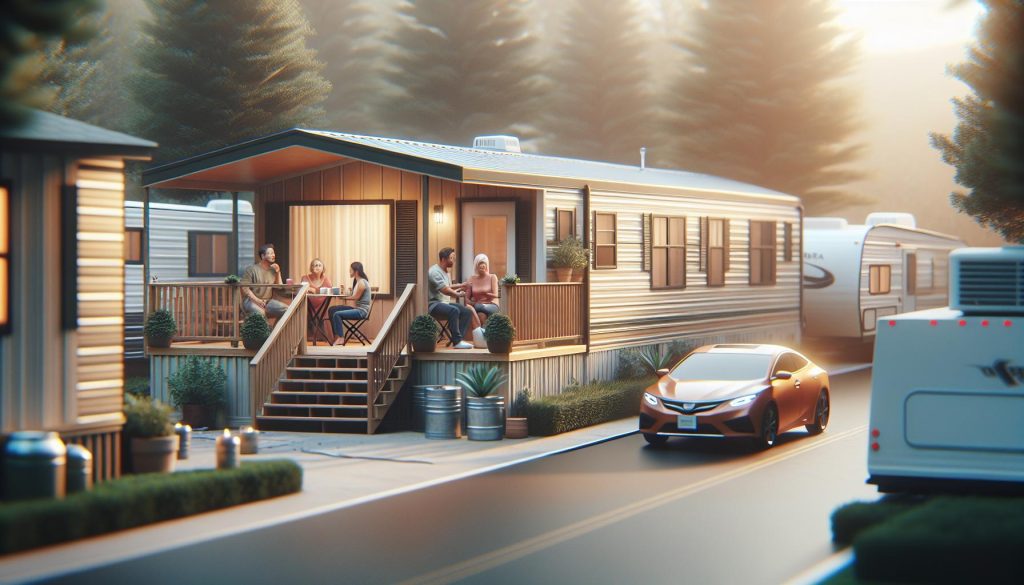
In today’s housing market, understanding the value of used trailer homes is more critical than ever, especially as they continue to provide affordable housing options for many. Did you know that while traditional homes often see steady appreciation, mobile homes can also experience value increases? This potential for appreciation makes knowing current market values essential for both buyers and sellers. Whether you’re a homeowner looking to sell, a prospective buyer evaluating options, or an investor seeking opportunities, having an accurate assessment of used trailer home values can significantly impact your financial decisions. As you navigate this unique market, delve into the intricacies of pricing, factors that influence value, and tips for successful transactions. Get ready to explore the essential insights you need to harness the full potential of mobile home ownership!
Current Market Value Overview for Used Trailer Homes
Current market values for used trailer homes can vary significantly based on several factors, including age, condition, size, and location. Generally, manufactured homes built after 1976 are easier to value due to established appraisal guidelines from organizations such as NADA, which provides a standardized approach for assessing their worth. For many prospective buyers, the initial price point of used trailer homes can appear attractive; however, it’s essential to understand the true value and potential profitability over time.
Older models, particularly those lacking modern amenities or structural updates, may depreciate more quickly than their newer counterparts. In many markets, the value of a double-wide home can greatly exceed that of a single-wide, often factoring in the living space and layout. The condition of the home, whether equipped with updated appliances, energy-efficient systems, or necessary repairs, can also play a critical role in determining its current market value. For instance, the same home can see substantial differences in appraised value simply based on the upkeep and cosmetic enhancements it has received.
Regional trends heavily influence these values; in desirable areas where land is scarce, prices can increase dramatically, allowing some used trailer homes to maintain or even appreciate in value. Conversely, in less sought-after locations, depreciation may be more pronounced due to market saturation. Understanding these regional dynamics will help potential buyers and sellers make informed decisions in navigating the manufactured housing market, assisting them in determining fair pricing strategies that align with current market demands. Ultimately, comprehensive research, including consulting local real estate listings and valuation reports, will provide critical insights into the fair market value of used trailer homes.
Key Factors Affecting Trailer Home Prices
Understanding the factors that affect the pricing of used trailer homes is essential for anyone considering purchasing, selling, or investing in this type of manufactured housing. The market for mobile and manufactured homes can be quite dynamic, with various elements influencing their current value.
One of the primary factors is the age and condition of the home. Generally, homes built after 1976 are considered more valuable due to safety and quality standards established during that period. Homes with modern upgrades-such as energy-efficient appliances, improved insulation, or enhanced structural integrity-tend to hold higher valuations compared to older units that may require extensive repairs or renovations.
Another significant aspect is the size and layout of the trailer. Multi-section or double-wide homes typically fetch higher prices due to increased space and livability. Additionally, the overall design and features-such as open floor plans, outdoor spaces, and updated bathrooms-can appeal to potential buyers. The presence of outdoor structures like decks or porches also adds value.
Regional market conditions play a critical role in determining home values. In coveted locations where land is limited, used trailer homes may appreciate in value, potentially offering more return on investment. Conversely, areas with an oversupply of manufactured homes can witness depreciation, making it crucial for sellers and buyers to be informed about local trends. Seasonal factors, community amenities, school districts, and proximity to urban centers or natural attractions are also important considerations.
Lastly, understanding the economic climate is vital. Fluctuating interest rates and housing demand can influence the overall market, affecting how quickly a trailer home can sell and at what price. Buyers should keep an eye on local market conditions, including the availability of similar homes for sale, as this context will shape their negotiation strategies and expectations. By being aware of these impactful factors, you can navigate the manufactured housing market with greater confidence and insight.
Regional Price Variations and Trends
Determining the market value of used trailer homes often involves a close look at regional variations, which can significantly impact prices. Regions with a strong demand for affordable housing, such as urban areas or popular retirement destinations, tend to see higher values for manufactured homes. For instance, states like Florida and Arizona, known for their warm climates and retirement communities, often exhibit appreciation in mobile home values due to limited land availability and high demand from retirees seeking more cost-effective living solutions.
Conversely, in regions where manufactured homes are abundant, such as rural or less populated areas, prices may stagnate or depreciate. The presence of numerous homes can saturate the market, leading to reduced demand and, subsequently, lower selling prices. It’s also essential to consider the amenities available in the community, such as proximity to schools, shopping, and recreational facilities, which can influence desirability and, therefore, prices.
Seasonal Trends
The seasonality of real estate markets can also affect the selling prices of used trailer homes. Typically, the spring and summer months see a surge in home buying as families look to relocate before the new school year begins. This increased activity often leads to higher prices, while the winter months may see slower sales and potential price reductions. Being aware of such trends can provide an advantage when buying or selling a mobile home.
Ultimately, being informed about local economic conditions, zoning laws, and community developments is vital for anyone looking to invest in or purchase a used trailer home. These factors contribute not just to the pricing but also to the overall investment potential and long-term value retention of manufactured housing. As the landscape of mobile home living continues to evolve, understanding these regional variations will empower buyers and sellers alike to make more informed decisions in the market.
Understanding Depreciation in Trailer Homes
The depreciation of trailer homes is a significant factor that potential buyers and investors need to understand. Unlike traditional site-built homes, which often appreciate over time, manufactured homes typically face substantial depreciation shortly after purchase. For instance, a brand-new double-wide mobile home might lose a third of its value within just five years, translating to a financial hit that many first-time buyers may not fully anticipate [[1]](https://www.ramseysolutions.com/real-estate/mobile-homes?srsltid=AfmBOorrVR29mO4uH6AaDoM7DXgkMupAT9ydM7uwZPw8qbXh-s5twuu-).
The initial depreciation is akin to driving a new car off the lot; the value drops immediately. This decline is primarily due to the nature of manufactured housing being classified as personal property rather than real estate, which typically retains or increases in value. As new models are introduced, older units become less desirable, further exacerbating depreciation rates. Buyers should approach the mobile home market with this reality in mind, focusing not just on the purchase price but also on long-term value retention strategies.
To mitigate depreciation, purchasing homes in desirable locations, maintaining the property, and making tasteful upgrades can help maintain value. Factors such as overall market health, local demand, and the condition of the trailer home itself will also influence resale values. By being strategic about these aspects, manufactured home owners can better position themselves to navigate the potential pitfalls of depreciation and safeguard their investment in the long run.
Another unique aspect of depreciation in trailer homes is its sensitivity to market trends and regional demands. While a mobile home in a high-demand area may hold its value better, homes in oversaturated markets may depreciate even faster. Therefore, staying informed about local market conditions, economic factors, and community amenities can provide valuable insights for prospective buyers considering manufactured housing options.
Financing Options for Buying Used Trailer Homes
Financing a used trailer home can be a challenging yet rewarding endeavor. With the right approach and knowledge, potential buyers can navigate this specialized market effectively. Since many trailer homes are classified as personal property instead of real estate, traditional mortgage options may not be available. Instead, several alternative financing avenues exist that cater specifically to manufactured housing.
One common option is through personal loans, which can be utilized for purchasing used trailer homes. Lenders typically require a good credit score and proof of stable income, making it crucial to prepare your financial documentation in advance. These loans often require less stringent down payment requirements but can carry higher interest rates compared to traditional mortgages.
Additionally, many dealers offer in-house financing that provides flexibility and convenience. This arrangement often bypasses the lengthy processes associated with banks or credit unions. However, it’s essential to compare terms and understand the overall cost of financing through a dealer, as interest rates may vary significantly.
Another beneficial financing option is through specialized lenders that focus on manufactured homes. These institutions understand the unique nature of trailer homes and may offer tailored loan products, including longer repayment terms and competitive rates. Always be mindful of the down payment, as a minimum of around 10% is usually required, though some lenders may expect more.
Here are a few practical tips to enhance your financing journey:
- Check Your Credit Score: Before applying for financing, ensure your credit report is accurate and address any discrepancies.
- Consider All Costs: Factor in expenses such as insurance, taxes, and maintenance when budgeting for your trailer home.
- Shop Around: Explore multiple lenders and financing options to find the best rate and terms that suit your financial situation.
- Understand Loan Terms: Careful review of loan documents can uncover hidden fees and clarify your repayment obligations.
By exploring these financing options and considering these practical tips, prospective buyers can make informed decisions, ensuring that their investment in a used trailer home is both feasible and fruitful.
Insurance Considerations for Trailer Home Owners
Obtaining the right insurance for a used trailer home is not just a necessity; it’s a vital safeguard for your investment. Unlike traditional homes, insuring a manufactured home often involves different types of policies tailored to address the unique aspects of mobile living. Many owners may initially overlook this critical component, but having proper coverage can significantly impact financial security and peace of mind.
When selecting an insurance policy, it’s essential to understand the specific coverages available for trailer homes. Standard homeowners insurance policies might not provide adequate protection, as they typically cover only real property like standalone houses. Instead, you’ll want to explore options specifically designed for mobile or manufactured homes. These policies often include protection against perils such as fire, theft, and certain natural disasters, which can be particularly important depending on your location. For instance, if your home is in a hurricane-prone area, consider coverage that specifically addresses storm damage and includes provisions for securing your home adequately.
Key Coverage Types
- Dwelling Coverage: Protects the physical structure of the home.
- Personal Property Coverage: Covers the personal belongings within your home, which is crucial during theft or damage incidents.
- Liability Protection: Shields you against legal claims if someone is injured on your property.
- Additional Living Expenses: Provides relocation coverage if your home becomes uninhabitable due to covered damages.
Another important consideration is the valuation of your mobile home. Understanding whether your home’s value is based on its replacement cost or actual cash value can influence your premium and payout in case of a claim. Replacement cost coverage is generally more beneficial as it allows you to rebuild or repair your home to its original state without factoring in depreciation, while actual cash value policies may only offer a payout that reflects the home’s depreciated value at the time of the loss.
In terms of costs, insuring a manufactured home is usually more affordable than traditional home insurance, yet keeping adequate coverage is essential. It’s wise to shop around, compare quotes, and assess the specific needs based on your trailer’s age, condition, and location. Providers such as Foremost and Progressive offer specialized policies tailored to mobile home owners that can be tailored for optimal coverage while lacking the high premiums common with standard homeowner policies [[1]] [[3]].
In conclusion, ensuring that your trailer home is adequately insured will not only protect your financial investment but also provide you with peace of mind as you enjoy the benefits of mobile living. Navigate your choices wisely and align your coverage with your personal circumstances and regional risks to make the most of your manufactured home purchase.
Legal Requirements When Purchasing a Used Trailer Home
Purchasing a used trailer home involves understanding and complying with various legal requirements that ensure a smooth transaction and protect your investment. One key aspect is verifying the title and ensuring that there are no liens against the property. Before making a purchase, ask the seller for the original title and check its authenticity through your state’s Department of Motor Vehicles (DMV) or equivalent agency. It’s crucial that the title is clear and reflects the correct ownership to avoid future disputes.
In addition to title verification, zoning laws and land use regulations play a significant role in the purchase process. Since trailer homes can be placed on a variety of sites-parks, private land, or communities-check with local authorities about zoning requirements. These regulations can dictate where you can place a mobile home and whether you need special permits for installation. For instance, some areas may require proof of meeting local building codes or installation standards, particularly if your home is being placed on private property.
Another legal consideration is the sales agreement itself. Ensure that you have a well-drafted contract that outlines all aspects of the transaction, including the purchase price, conditions of sale, and contingencies for inspection or financing. This contract protects both the seller and buyer and reduces the potential for misunderstandings. It’s advisable to consult a real estate attorney who specializes in mobile homes to review the agreement, ensuring all legal aspects comply with state laws.
Lastly, depending on the location and age of the trailer home, you might be subject to different taxes, including sales tax and possibly personal property tax. Understand the local requirements for registration and taxes to avoid surprises after your purchase. Keep an eye on potential regulations related to safety inspections and compliance with housing standards, especially in areas susceptible to natural disasters. By navigating these legal requirements carefully, you not only pave the way for a successful purchase but also set a solid foundation for your new mobile living experience.
Maintenance Costs and Longevity of Trailer Homes
Owning a trailer home can be an appealing option for those seeking affordable housing, but understanding maintenance costs and longevity is crucial to protecting that investment. Unlike traditional homes, which may appreciate over time, trailer homes often face rapid depreciation if not properly maintained. The average lifespan of a well-cared-for manufactured home can exceed 30 years; however, neglecting upkeep can lead to significant repair costs and a decline in market value.
Regular maintenance is essential for enhancing the longevity of a trailer home. This includes routine checks on roofing, plumbing, and HVAC systems to identify issues before they escalate. A proactive approach can involve:
- Roof Inspections: Ensure that the roof is free from leaks and damage, which can lead to more serious structural problems.
- Skirting Maintenance: Properly installed skirting can protect the underbelly of the home from pests and extreme weather conditions.
- Weatherproofing: Sealing windows and doors can significantly reduce heating and cooling costs and extend the life of interior systems.
Investing in these maintenance tasks contributes to overall savings. It is often more cost-effective to dedicate a little time each month to upkeep than to face drastic repairs down the line. For instance, replacing a roof can cost thousands, while minor repairs such as resealing windows may only require a few hundred dollars annually.
The environment in which your trailer home is located can also impact its longevity. Homes in hurricane-prone areas may need additional wind-resistant features, including tie-downs and anchoring systems, to protect against severe weather. These preventative measures not only extend the life of the home but can also increase its marketability.
In summary, while the initial cost of a used trailer home may be lower than traditional homes, ongoing maintenance is a key factor in preserving its value and ensuring a comfortable living environment. Through diligent care and timely updates, homeowners can help bridge the gap between affordable housing and lasting investment.
Popular Upgrades That Add Value to Trailer Homes
Investing in upgrades for a trailer home can significantly enhance its market value and livability. With a few strategic improvements, homeowners can not only create a more inviting space but also ensure that their property stands out in the competitive housing market. These upgrades can be relatively simple yet effective in increasing appeal, efficiency, and overall enjoyment of the home.
One of the most impactful upgrades is installing energy-efficient windows and doors. Not only do these additions help reduce utility costs, but they also improve interior comfort and curb appeal. According to research, homes with energy-efficient installations tend to be more attractive to buyers and can command higher prices. Additionally, a kitchen or bathroom remodel can yield substantial returns. Modernizing these spaces with new fixtures, countertops, and cabinetry not only enhances aesthetics but also aligns the home with current buyer expectations.
Outdoor Enhancements
Creating an outdoor living space can also add considerable value. Building a deck or patio can extend the living area and offer a versatile environment for relaxation and entertainment. The addition of landscaping features, such as gardens or decorative walkways, not only beautifies the property but can also boost interest from prospective buyers. Ensuring that these outdoor elements complement the home’s style can create a welcoming atmosphere that makes the trailer home feel more like a permanent residence.
Interior Upgrades
Focus on interior finishes and organization is equally essential. Replacing old flooring with modern, durable materials such as laminate or luxury vinyl can provide a fresh look and durability. Moreover, maximizing storage through built-in shelving or closet organizers enhances functionality and appeals to families or individuals looking for efficient living solutions.
In conclusion, while the initial investment in upgrades requires careful consideration, the potential increase in market value and personal enjoyment makes it worthwhile. As homeowners thoughtfully enhance their trailer homes, they not only improve their immediate living environment but also position their property favorably in the housing landscape.
Selling Your Used Trailer Home: Tips and Strategies
Navigating the sale of a used trailer home can be daunting, but with the right strategies in place, you can maximize your profit and streamline the process. Understanding the current market dynamics is essential, as it allows you to set a competitive price that reflects the home’s condition, location, and unique features. Start by researching similar homes in your area, taking note of their selling prices and how quickly they sold. This insight not only helps inform your asking price but also indicates buyer demand and market trends.
Once you’ve determined a competitive price, focus on presentation. Adjustments such as a thorough clean-up, decluttering, and minor repairs can significantly enhance appeal. Consider staging the interior with inviting decor and ensuring that the exterior-like the yard, siding, and entryway-looks well-maintained. First impressions matter, so investing time in these details can lead to quicker sales and potentially higher offers.
Promoting Your Listing
When it comes to advertising your trailer home, leverage multiple platforms to reach a wider audience. Utilize online listings on specialized websites, social media, and local classifieds. High-quality photographs that showcase the interior and exterior can capture the attention of prospective buyers, highlighting the home’s features and any upgrades you’ve made. If possible, create a virtual tour that allows potential buyers to explore the space from the comfort of their own homes.
Networking can also play a crucial role in selling your trailer home. Engage local real estate agents familiar with manufactured homes, as they can provide valuable resources and may have interested buyers. Hosting an open house or private showings can facilitate direct interaction with potential buyers, allowing them to experience the space firsthand and envision themselves living there.
Finalizing the Sale
When you receive an offer, be prepared to negotiate. Understand your minimum acceptable price and be willing to discuss terms with buyers. Engaging a qualified real estate attorney can provide legal support, ensuring all documents are correctly managed and that the transaction adheres to local regulations. Remember, selling your used trailer home is not just about finding a buyer; it’s about finding the right buyer who appreciates the unique value your home offers. By following these strategies, you can navigate the selling process effectively and achieve a successful sale.
Investing in Used Trailer Homes: Opportunities and Risks
Investing in used trailer homes can be a fruitful venture, especially as the housing market evolves and attracts a diverse range of buyers looking for affordability and flexibility. One of the major advantages is the potential for appreciation in value over time. Contrary to the common belief that mobile homes depreciate, many recent reports indicate that certain manufactured homes, especially those well-maintained or located in desirable communities, have seen significant increases in market value, sometimes even doubling within a few years [[3]].
However, like any investment, purchasing used trailer homes comes with its own set of risks. The value of used mobile homes can be highly dependent on factors such as location, age, and condition. Buyers must conduct thorough research to understand regional price variations and trends that could affect their investment. For instance, a mobile home in a growing area may appreciate more steadily compared to one in a declining region. Additionally, hidden maintenance issues can lead to unexpected costs that deter the potential return on investment. It’s crucial to conduct inspections and seek properties with a solid history of upkeep.
When considering financial options, potential investors should explore various avenues such as personal loans, specialized manufactured home financing programs, or even cash purchases. Since mobile homes can have a different loan structure compared to traditional housing, understanding these financing options is essential for maximizing immediate affordability and long-term investment gains. Furthermore, securing insurance coverage that protects against specific risks associated with mobile homes-like weather elements or potential structural issues-can safeguard your investment and provide peace of mind.
In summary, investing in used trailer homes offers opportunities for profit in a dynamic housing market. However, it requires careful evaluation, an understanding of local trends, and proactive maintenance strategies to mitigate risks. Aspiring investors should be equipped with knowledge and resources to navigate this specialized market effectively, ensuring that their investment aligns with their financial goals and lifestyle preferences.
Community Factors Influencing Trailer Home Values
In the realm of used trailer homes, the surrounding community can play a pivotal role in determining value and desirability. Buyers often look beyond the mere structure of a home; they seek a lifestyle that aligns with their needs and aspirations. Factors such as proximity to essential services, recreational facilities, and the overall safety and aesthetic appeal of the neighborhood can significantly influence market values.
A key consideration for prospective homeowners is the access to amenities such as schools, parks, healthcare facilities, and shopping centers. An area with good schools and parks may attract families, while access to public transportation and employment opportunities can be particularly appealing to young professionals. Safety and crime rates in the community also weigh heavily on value; neighborhoods perceived as safe tend to attract higher prices, as peace of mind is a priority for many buyers.
Another dimension to consider is community management, especially in mobile home parks. Well-maintained parks with active management can enhance value considerably. Features such as well-maintained common areas, community events, and strict adherence to park rules can foster a sense of belonging and encourage prospective buyers to invest. On the other hand, poorly managed communities can lead to rapid depreciations in home values, as residents may face ongoing issues with maintenance or governance.
Regulations and local zoning laws are yet another community factor that can influence trailer home values. Areas that have favorable zoning for manufactured housing often attract more buyers, as they may face fewer restrictions in maintaining or upgrading their homes. Additionally, understanding the community’s rules regarding additions, renovations, or land use can also help in assessing potential long-term value and appreciation prospects.
Lastly, the overall economic health of the region can create fluctuations in value. Regions with growing job markets and stable economies tend to see more demand for affordable housing options like used trailer homes. In contrast, communities experiencing economic downturns or population decline might struggle to maintain housing values. Keeping abreast of these trends will help buyers make informed decisions that align with their investment goals.
By understanding these community influences, prospective buyers can better navigate the complexities of purchasing used trailer homes, ensuring their decisions are both informed and strategic.
Q&A
Q: How much do used trailer homes typically cost today?
A: Used trailer homes generally range from $10,000 to $50,000, depending on factors such as age, condition, location, and size. It’s essential to research local market conditions for accurate pricing and explore online listings for comparable homes.
Q: What factors influence the price of used trailer homes?
A: Key factors affecting trailer home prices include age, condition, location, amenities, and market demand. Understanding these elements can help you evaluate a home’s value better. For more insights, refer to our section on key factors affecting prices.
Q: Are used trailer homes a good investment?
A: Yes, used trailer homes can be a good investment, offering lower acquisition costs and potential for appreciation in value, especially if located in desirable communities. Consider the market trends and community factors when assessing investment potential.
Q: How does depreciation affect the value of used trailer homes?
A: Depreciation significantly impacts used trailer homes, with values generally decreasing over time, especially if not properly maintained. Understanding how depreciation works can help you make informed purchasing decisions. Explore our section on depreciation for detailed insights.
Q: What are the popular features that can increase the value of a used trailer home?
A: Upgrades such as modern appliances, improved insulation, and attractive landscaping can enhance a used trailer home’s value. For more tips on adding value, check out our section on popular upgrades.
Q: Where can I find the best deals on used trailer homes?
A: The best deals on used trailer homes can often be found online through listings on specialist sites, local classifieds, or at manufactured home dealerships. Regular search in these platforms can yield quality options.
Q: How do regional price variations affect used trailer homes?
A: Regional price variations can greatly impact the cost of used trailer homes, with prices typically higher in urban areas compared to rural locations. Investigate local markets to understand how regional factors affect prices in your area.
Q: What legal requirements should I be aware of when buying a used trailer home?
A: Legal requirements for purchasing used trailer homes vary by state but often include inspections, titles, and zoning regulations. Ensuring compliance with these rules can help prevent future legal complications. For more details, explore our section on legal requirements.
Insights and Conclusions
Understanding the current market values of used trailer homes is a vital step in making informed purchasing decisions and ensuring long-term investment value. As you’ve learned, factors like condition, location, and market dynamics significantly impact pricing. Now is the perfect time to explore your options in the mobile home market, especially with the insights you’ve gained here.
For those interested in further enhancing their knowledge, consider reading our guides on financing options and maintenance tips to protect your investment. You might also find valuable information in our article on mobile home insurance considerations. Don’t hesitate to reach out if you have questions or need personalized advice-your journey in mobile home ownership deserves expert support. Join our community by signing up for our newsletter, where we share the latest trends and tips in mobile home living. Remember, investing in a used trailer home can be a rewarding choice, and we’re here to help you every step of the way.