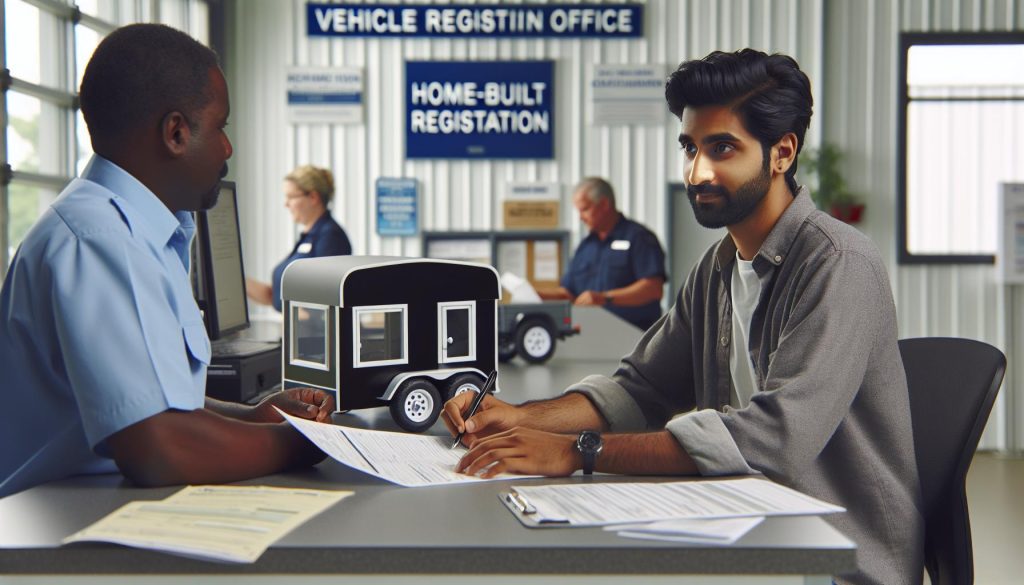
Building your own trailer can be an exciting and fulfilling project, but the journey doesn’t stop at construction. Registering your home-built trailer in Ontario is essential to ensure it’s roadworthy and compliant with local regulations. This guide will walk you through the necessary steps to properly register your trailer, making the process straightforward and stress-free. Knowing the requirements and having the right documentation in place can save you time and potential headaches down the road. So, whether you’re ready to hit the open road or just looking to learn more about the registration process, keep reading to uncover valuable insights that will help your DIY adventure launch smoothly.
Understanding the Registration Process for Home Built Trailers
Navigating the registration process for home-built trailers in Ontario can seem daunting, but understanding the requirements and steps involved can simplify the experience. When you create a trailer from scratch or significantly modify an existing one, it’s essential to register it properly to ensure it meets the province’s legal standards. Registration not only legitimizes your trailer for road use but also opens the door to insurance options and compliance with safety regulations.
To begin, you’ll want to familiarize yourself with the specific criteria established by ServiceOntario for registering home-built trailers. Typically, the primary documents required include proof of ownership, such as receipts or bills of sale for materials used in construction, and a detailed description or photos of the trailer itself. It might also be necessary to provide documents that verify the trailer meets safety standards. For trailers that do not have a Vehicle Identification Number (VIN), obtaining a Manufacturing Certificate or an equivalent document may also be required.
After preparing the necessary documentation, the next step is to visit a ServiceOntario Centre for in-person registration. Since trailer registration in Ontario must be conducted face-to-face, it’s crucial to find a local office and confirm their hours and availability. Make sure to bring all your documents neatly organized to streamline the process and reduce any potential delays. Registration fees may vary based on the specifics of your trailer, so be prepared for associated costs.
Completing the registration process effectively not only ensures your trailer is roadworthy but also provides peace of mind knowing you have followed Ontario’s legal framework. By being proactive and organized, you can navigate the registration landscape confidently, paving the way for countless adventures with your home-built trailer.
Essential Documents Needed for Registration
To successfully navigate the registration of your home-built trailer in Ontario, it’s crucial to gather the right documentation. This step-by-step preparation will not only help you meet regulatory requirements but also facilitate a smoother process at ServiceOntario. The following are essential documents you will need for your registration:
- Proof of Ownership: This might include receipts or invoices for materials you purchased to construct the trailer, as well as any bills of sale if you have bought parts second-hand.
- Vehicle Portion of the Permit: If applicable, this document provides identification for your trailer.
- Detailed Description or Photos: It’s important to provide a comprehensive description of your trailer’s features and specifications, coupled with clear photographs. This helps authorities understand your design and intended use.
- Inspection Report: If applicable, an inspection report confirming that your trailer meets safety standards can expedite the registration process.
- Manufacturing Certificate: For trailers that do not have a VIN, a manufacturing certificate or equivalent document may be required to demonstrate the trailer’s structural integrity.
- Identification: Bring a driver’s license or any other form of government-issued ID to verify your identity during the application process.
Organizing Your Documentation
A helpful tip is to keep all your documents neatly organized in a folder. This organization minimizes potential delays and allows for quick retrieval of each document when requested. Some registrants also find it beneficial to make copies of all documents prior to submission, ensuring you have a backup should any issues arise.
By collecting these essential documents ahead of time, you will be well-prepared to tackle the registration process and can move forward with confidence, paving the way for your home-built trailer to hit the road legally and safely.
Step-by-Step Guide to Completing the Application
Successfully registering a home-built trailer in Ontario can seem daunting, but by following a clear series of steps, you can navigate the process efficiently. Start by gathering all the necessary documents outlined previously. This preliminary organization sets a strong foundation for your application.
Once you have the required documents ready, head to your local ServiceOntario office. This is where you’ll submit your application. Upon arrival, inform the staff that you are registering a home-built trailer. They will guide you through the necessary steps and provide you with any forms you may need to complete. If your trailer lacks a Vehicle Identification Number (VIN), the staff can assist you in obtaining one after a brief inspection.
Next, complete any forms they provide accurately. It’s essential to fill in all information clearly, including details about the trailer’s construction, dimensions, and weight. For home-built trailers, you may need to provide a detailed description or photographs during this step to verify the trailer’s specifications.
- Ensure that a description of the trailer includes all relevant technical details.
- If applicable, bring your inspection report to verify that the trailer meets safety standards.
After submitting your forms and accompanying documentation, you’ll likely be required to pay any applicable fees. These can vary, so be prepared for both registration fees and taxes based on the value of the materials used to build the trailer. Once all requirements are met, you will receive your official registration and license plates, allowing you to legally operate your trailer on Ontario roads.
Lastly, maintain open communication with the ServiceOntario staff throughout the process, as they can provide valuable insights and address any potential challenges you may face. By staying informed and prepared, you can ensure that your experience registering your home-built trailer is smooth and efficient.
Where to Submit Your Registration Application
Submitting your application for a home-built trailer registration requires careful attention to detail and a clear understanding of where to go. The first step is to visit your local ServiceOntario office, which is the official point of contact for vehicle registrations in Ontario. Here, you will find staff who are trained to assist you with your trailer registration process. Be prepared to inform them that you seek to register a home-built trailer, as they will provide you with the necessary forms and guidance tailored to your unique situation.
It’s essential to choose a ServiceOntario location that has the capacity to handle vehicle registrations. Some offices may be more equipped than others, so checking online or calling ahead can save you time on the day of your visit. Bring all required documents, such as your proof of ownership for materials, tax receipts, and any inspection reports if available. These documents will support your application and help streamline the process. You might also want to take photographs of your trailer, as they are sometimes requested during registration to verify its specifications.
Once you arrive at ServiceOntario, the staff will guide you through completing your application forms. Make sure to fill them out clearly, including sections that detail the construction and specifications of your trailer, such as its dimensions and weight. If your trailer does not yet have a Vehicle Identification Number (VIN), be sure to discuss how to obtain one during your visit.
After your submission, you will typically pay the necessary registration fees. These vary depending on numerous factors, including the trailer’s size and construction value. Keeping your registration documentation, along with the proof of payment, will help you maintain a clear record for future reference and any potential inspections or inquiries. Always remember to ask the staff for an overview of what to expect next, including processing times, to stay well-informed throughout the registration process.
Cost Considerations and Fees Associated with Registration
When registering a home-built trailer, understanding the associated costs is crucial for effective budgeting. The fees can vary significantly based on several factors, including the trailer’s size, weight, and construction materials. Typically, the registration fee itself is modest, falling within a range of approximately $30 to $200, but additional costs may apply depending on specific circumstances.
Breaking Down the Costs
The total cost of registering your home-built trailer often includes:
- Base Registration Fee: This is the standard fee charged for processing your registration application.
- Custom or Specialty Fees: If your trailer has unique features or is classified differently, additional fees might apply.
- Inspection Fees: In some cases, an inspection may be required to ensure safety compliance, which can incur additional charges.
- VIN Assignment Fee: If your trailer lacks a Vehicle Identification Number (VIN), you may need to pay a fee for its assignment.
- Taxes: Sales tax may be applicable based on the materials and components used in constructing the trailer.
Planning for Additional Expenses
It’s essential to factor in potential unforeseen costs. For example, if your trailer requires modifications to meet safety or legal requirements after an initial inspection, this could result in additional expenses. Furthermore, maintaining succinct and organized documentation can help streamline the registration process and mitigate any unexpected charges during processing. Always keep a buffer in your budget to accommodate these potential costs to avoid surprises.
Engaging with your local ServiceOntario staff can provide clarity on the exact fees applicable to your situation and any potential financial assistance or waivers available for specific cases. Ultimately, staying informed about these cost considerations will empower you to navigate the trailer registration process with confidence and compliance.
Common Challenges and How to Overcome Them
Navigating the registration process for a home-built trailer can often feel overwhelming, particularly for those unfamiliar with the requirements or who are first-time builders. One common challenge is understanding the specific documentation required for registration. Since these requirements can vary based on local regulations and the type of trailer being registered, it’s essential to gather comprehensive information beforehand. For instance, proof of construction, detailed specifications, and potentially a bill of sale for any purchased components might be necessary. Staying organized and proactive in collecting these documents can ease the application process significantly.
Another significant hurdle many face is the potential need for inspections. Depending on local regulations, your trailer may need to meet certain safety standards before it can be registered. This could include everything from structural integrity to electrical systems. To overcome this challenge, it’s beneficial to familiarize yourself with the specific regulations that apply to your trailer type in your area. Seeking pre-inspection advice from local authorities can also help prepare your trailer for the official inspection, ensuring a smoother process.
Understanding the implications of not having a Vehicle Identification Number (VIN) can also present issues for home-built trailer owners. Trailers without a VIN must undergo a process to receive one, which can involve additional fees and paperwork. Researching the VIN assignment process early in your registration journey can save time and frustration later. Consulting local DMV guidelines can provide clarity and assist you in obtaining a VIN in a timely manner.
Lastly, budget management is crucial when registering a home-built trailer, as unexpected fees can arise during the process. To mitigate this, consider creating a detailed budget that accounts for all potential costs, including registration fees, taxes, and inspection costs. Including a buffer for unforeseen expenses can help ensure you remain financially prepared for any challenges that arise. By approaching the registration process with thorough preparation and an informed mindset, you can navigate these common challenges successfully, bringing you one step closer to legalizing your home-built trailer.
Tips for Ensuring Compliance with Local Regulations
Navigating the myriad of local regulations is crucial when registering a home-built trailer, as failing to comply can lead to costly delays or rejections. The first step in ensuring adherence to these regulations is thorough research. This involves understanding both provincial and municipal requirements which can differ significantly. For instance, you might find that specific safety regulations, construction guidelines, and permissible materials are mandated by local laws. Contacting your local transportation authority or visiting their website can yield valuable information tailored to your area.
Once familiar with local regulations, it’s advisable to keep meticulous records of your trailer’s construction. Document everything, from the sourcing of materials to the assembly process. Create a comprehensive file that includes receipts, photographs, and any permits obtained during construction. This not only serves as proof of compliance but can also simplify inspections, providing a clear narrative of your build process. For builders incorporating unique features, such as solar panels or custom modifications, make sure to have validation from certified professionals on how these elements meet safety standards.
Another effective way to ensure compliance is by connecting with local trailer communities or forums, where experienced builders often share their insights and tips. Engaging with these groups can provide firsthand knowledge about the compliant modifications or inspections others have encountered, allowing you to be proactive in addressing potential issues. Networking with local builders might also open doors to resources such as inspection contacts or with others who have successfully navigated the registration process can bolster your confidence.
Lastly, consider pre-inspection checks before formally submitting your registration. Seeking advice from local authorities can help identify any specific concerns they might have regarding your build. A qualified inspector can offer insights on compliance with safety regulations, ensuring your trailer meets all necessary standards before you move forward with registration. This pre-emptive step not only saves time but also avoids the frustration of repeated revisions after submission.
What to Do If Your Trailer Doesn’t Have a VIN
If your trailer doesn’t have a Vehicle Identification Number (VIN), registering it can seem challenging, but it is certainly manageable with the right approach. Unlike trailers manufactured in a factory, home-built trailers may not come with a VIN, which is essential for registration in Ontario. However, there are steps you can take to navigate this process effectively.
Firstly, determine if your trailer qualifies as a homemade trailer. If it is indeed home-built, visiting a Service Ontario location is your best starting point. You will need to provide identification and proof of ownership. In the absence of a VIN, Service Ontario may allow you to create one. You can generate a VIN by giving them a sequence of random numbers; typically, they require just a few unique digits. This randomly generated number will serve as your official VIN, which can then be placed on your trailer in a visible location.
In addition to creating a VIN, you should gather any documentation related to the construction of the trailer. This could include receipts for parts and materials, photographs of the build process, and any DIY manuals or plans you followed. Having this documentation handy will support your case to the authorities and streamline the registration process. Some regions may also require a declaration form to verify the trailer is homemade, so be prepared to fill out additional paperwork if requested.
Lastly, after securing your VIN and completing the registration, don’t forget to consider insurance and safety inspections that might apply to homemade trailers. Vehicle safety is vital, and some insurers might require proof of compliance with safety regulations. Regular maintenance checks can also help ensure that your trailer remains in good working condition and compliant with all local laws throughout its lifespan. By following these steps, you can successfully register your home-built trailer despite the lack of a VIN, ensuring it is legally recognized for your use.
Post-Registration: Insurance and Safety Inspections
Ensuring your home-built trailer is properly insured and meets safety inspection requirements is essential for both legal compliance and peace of mind during travel. Driving with an uninspected or uninsured trailer not only poses risks to your safety but can also result in legal repercussions.
Thinking about insurance first, it’s crucial to find a provider that understands the specifics of insuring homemade trailers. Most standard auto insurance policies might not cover trailers without a VIN, so seek out specialized insurers or those with experience handling unique cases like yours. When discussing coverage options, consider the following aspects:
- Liability Coverage: This is vital to protect you against damage you might accidentally cause to other vehicles or property while towing your trailer.
- Comprehensive and Collision Coverage: This can safeguard your trailer in case of theft, vandalism, or damage resulting from an accident.
- Contents Coverage: If you plan to carry personal belongings in your trailer, check if your policy extends coverage to these items.
Once you secure insurance, scheduling a safety inspection becomes the next critical step. Most provinces, including Ontario, may have local regulations regarding inspections for home-built trailers. It’s advisable to check whether the inspection is mandatory for registration or if it’s simply a good idea to ensure the trailer meets safety standards. A typical safety inspection will assess aspects such as:
- Brakes: Proper functioning to ensure safe stopping.
- Lighting: All lights, including brake lights and turn signals, need to be in working order.
- Structural Integrity: The frame and any supports should be sturdy and free from excessive rust or damage.
- Tires: Good tread depth and proper inflation are essential for safe towing.
Keep your inspection reports and any related documents organized; providing these might be necessary for insurance claims or future registrations.
Post-registration, stay proactive about maintaining your trailer’s safety compliance by regularly inspecting important components, especially before long journeys. Create a checklist for pre-trip inspections to help ensure everything functions correctly-this simple habit can prevent roadside mishaps and extend the life of your home-built trailer.
Maintaining Your Trailer’s Legal Status Over Time
is crucial for ensuring safe travels and abiding by legal requirements. Regular checks and compliance actions can prevent potential fines, legal troubles, or even accidents. One key practice is to monitor the dates for renewal of your trailer’s registration and license plate. Ensure you submit your renewal application well in advance, as delays can lead to lapses in your trailer’s legal standing.
Additionally, keep a maintenance log that includes inspection dates, repairs performed, and any modifications made to your trailer. This documentation not only helps in tracking the trailer’s condition over time but may also be invaluable during insurance claims or if local authorities request proof of maintenance. Should your trailer not have a VIN, the importance of this log becomes even more pronounced, as it serves as a vital record for identifying the trailer and proving its legitimacy during inspections or registration renewals.
To avoid any compliance issues, familiarize yourself with local regulations that may affect your trailer, including safety inspection requirements or weight restrictions for towing. Regularly inspect important components such as brakes, tires, and electrical systems to ensure they meet safety standards. If you make modifications to the trailer, be aware that these might necessitate an updated inspection or even a new registration, depending on the extent of the changes.
Furthermore, establish a schedule for periodic insurance reviews to make sure your coverage remains appropriate as your trailer ages or if you alter its use. Reach out to your insurance provider to understand the implications of any changes you may be considering. This proactive approach will not only safeguard your investment but will also enhance your peace of mind, allowing you to enjoy your trailer without the worry of legal complications.
Exploring Customization Options After Registration
With the registration of your home-built trailer complete, a whole new world of customization possibilities opens up. Tailoring your trailer not only enhances its functionality but also allows you to reflect your personal style and maximize your comfort while on the road. Whether you’re planning to take weekend getaways or longer adventures, understanding the options available can help you make informed choices that suit your lifestyle.
One of the first areas to consider is the interior layout. You can redesign the space to optimize storage and comfort by adding foldable furniture, multifunctional pieces, or built-in storage solutions. Consider installing lightweight cabinets, a compact kitchenette, or even a portable toilet, depending on your travel needs. Use materials that are not only functional but also aesthetic; laminate surfaces, for example, are easy to clean, while soft furnishings can add a touch of homey comfort.
Electrical and Water Systems
Enhancing your trailer with electrical systems can greatly improve your experience. Installing solar panels is an excellent way to generate renewable energy, allowing for greater freedom in remote locations. Additionally, incorporating a water system with tanks, a pump, and a filtration system will provide convenience for cooking and bathing. Don’t forget to plan for adequate lighting, which not only enhances usability but also creates an inviting ambiance in the evenings.
Exterior Features
When it comes to the exterior, customization can improve both aesthetics and utility. Adding an awning not only provides shade but also expands your living area outdoors. Consider setting up an outdoor kitchen or storage racks on the roof for additional gear or tools. You might also want to explore painting or wrapping your trailer to express your personal flair, making it stand out while providing protection against the elements.
Safety and Compliance
As you embark on your customization journey, keep in mind the importance of safety and compliance with local regulations. Ensure that any modifications don’t infringe on your registration status or safety inspections. Be aware of weight restrictions and equipment standards that apply to trailers. A good practice is to document all changes and updates to your trailer in your maintenance log, which can be vital for future inspections or maintenance.
In conclusion, customizing your home-built trailer is an exciting endeavor that not only personalizes your space but also enhances its functionality and comfort. By carefully considering your needs and maintaining compliance with regulations, you can ensure that your trailer becomes a cozy, practical, and stylish home away from home.
Resources for Trailer Owners in Ontario
Owning a home-built trailer can lead to exciting adventures and unique experiences, but navigating the registration process in Ontario requires access to the right information and resources. Familiarizing yourself with these resources can help streamline registration and ensure compliance with local laws and regulations.
To begin, the Ontario Ministry of Transportation (MTO) is a crucial resource for trailer owners. Their official website provides detailed guidelines, forms, and requirements for registering trailers, including homemade ones. Familiarizing yourself with their resources can help you understand the necessary documentation and the process specific to your trailer type. Additionally, the MTO offers a customer service center where you can get personalized assistance regarding any inquiries or complicated situations.
Connecting with local trailer owner communities can provide insights and shared experiences that are invaluable for newcomers. Online platforms, forums, or local social media groups often have members who have gone through the registration process themselves. Sharing tips about preferred practices or potential pitfalls can ease your journey and might even open up avenues for networking or trailer meet-ups.
Local general contractors or specialist builders familiar with custom trailers can also serve as excellent resources. They can provide advice on compliant construction methods and materials, which are vital when you apply for registration. Moreover, they can suggest safety features that not only meet regulatory requirements but also enhance your trailer’s functionality and user-friendliness.
Finally, consider reaching out to local inspection stations and service centers familiar with RVs and trailers. These professionals often have ample experience dealing with homes built from scratch and can offer recommendations on required inspections or necessary adjustments before registering your trailer.
By utilizing these resources, you can effectively navigate the complexities of registering your home-built trailer in Ontario, ensuring a smooth and enjoyable ownership experience.
Q&A
Q: What is the first step to register a home built trailer in Ontario?
A: The first step is to visit your local Service Ontario office and request the necessary forms for registering a home built trailer. You will need to provide details such as the trailer’s dimensions and weight, alongside a VIN, which you can generate if your trailer doesn’t have one [1[1][2[2].
Q: Do I need any specific documents to register a homemade trailer?
A: Yes, you will need a completed registration form along with details about the trailer, including dimensions, weight, and a VIN if available. It’s advisable to also prepare any documentation proving the materials used in construction [2[2].
Q: How long does it take to register a home built trailer in Ontario?
A: The registration process can typically be completed on the same visit to a Service Ontario location if all documents are in order. However, processing times may vary based on office traffic and completeness of your application [1[1].
Q: Are there fees associated with registering a home built trailer?
A: Yes, there are fees related to the registration process. The costs can include application fees and any applicable taxes. It’s advisable to check with your local Service Ontario office for the precise amount [1[1].
Q: Can I register a trailer that does not have a registered VIN?
A: Yes, you can register a homemade trailer without a VIN by providing a set of randomly generated numbers. This is common for homebuilt trailers that do not come with factory-issued VINs [2[2].
Q: How can I ensure compliance with local regulations when building my trailer?
A: Compliance can be maintained by following local building codes related to trailer construction, ensuring your trailer meets safety standards, and registering your trailer promptly. Consult your local municipality for specific regulations [1[1].
Q: What should I do if my home built trailer needs modifications after registration?
A: If modifications are made, you may need to inform Service Ontario and update your registration to reflect the changes. Keep all original documentation regarding modifications for future reference and compliance [2[2].
The Way Forward
Now that you’ve learned how to navigate the registration process for your homemade trailer in Ontario, it’s time to take action! Don’t let the details overwhelm you; follow the outlined steps to ensure your trailer is properly registered and ready for the road. If you have any lingering questions, feel free to check our other guides on vehicle registration and home-built trailers for additional insights and support.
Remember, proper documentation is crucial, and getting your trailer registered will enhance your experience while ensuring compliance with local regulations. For more tips on maintaining your trailer, exploring financing options, or understanding insurance considerations, explore our resources linked in this guide.
We invite you to join our community by subscribing to our newsletter for updates and expert advice on mobile home ownership and other related topics. Share your registration experiences in the comments below; your insights might help fellow trailer enthusiasts!