
Building your own trailer can be incredibly rewarding, but navigating the registration process in Texas may seem daunting. Did you know that registering a homemade trailer is not only essential for legal road use but also crucial for ensuring safety and compliance? In this guide, we’ll break down the simple steps needed to register your home-built trailer quickly and effectively. Whether you’re a seasoned DIYer or just starting your journey, understanding the registration requirements will empower you to hit the road with confidence. Join us as we explore the ins and outs of trailer registration, helping you transform your hard work into a fully legal and roadworthy asset.
Choosing the Right Trailer Type for Home Construction
When embarking on a home construction project, selecting the right type of trailer is a foundational step that can significantly impact your build’s efficiency, durability, and overall success. There are various trailer types to consider, each with unique benefits tailored to specific construction needs. Whether you’re transporting materials, living in your trailer during the build, or using it for storage, understanding the different options available can help you make an informed decision.
For transporting heavy materials or equipment, flatbed trailers are an excellent choice due to their open design and higher weight capacities. They allow easy loading and unloading of larger items, making them ideal for construction sites. If you require something more versatile, enclosed trailers offer protection from the elements, safeguarding your tools and building materials from weather-related damage, which is crucial in Texas where conditions can be unpredictable.
Consider also the gooseneck trailers, specifically for larger scale projects. These provide better weight distribution and can accommodate heavier loads compared to standard bumper pull trailers. If you’re planning on living in your trailer while managing the construction, opting for a mobile home or a travel trailer is wise, as they come equipped with essential amenities such as kitchens and bathrooms, ensuring comfort throughout the process.
Lastly, as custom builds become more popular, it’s worth exploring specialty trailers designed for unique construction needs. These may include trailers customized for transporting modular homes or equipment specific to certain trades. Assessing your specific requirements-such as the quantity of materials, the level of mobility you need, and whether you’ll require living accommodations-will guide you in choosing the perfect trailer for your home construction project. Investing the time to select the right type now can lead to smoother workflows and greater overall satisfaction during your home-building journey.
Understanding Texas Trailer Registration Requirements
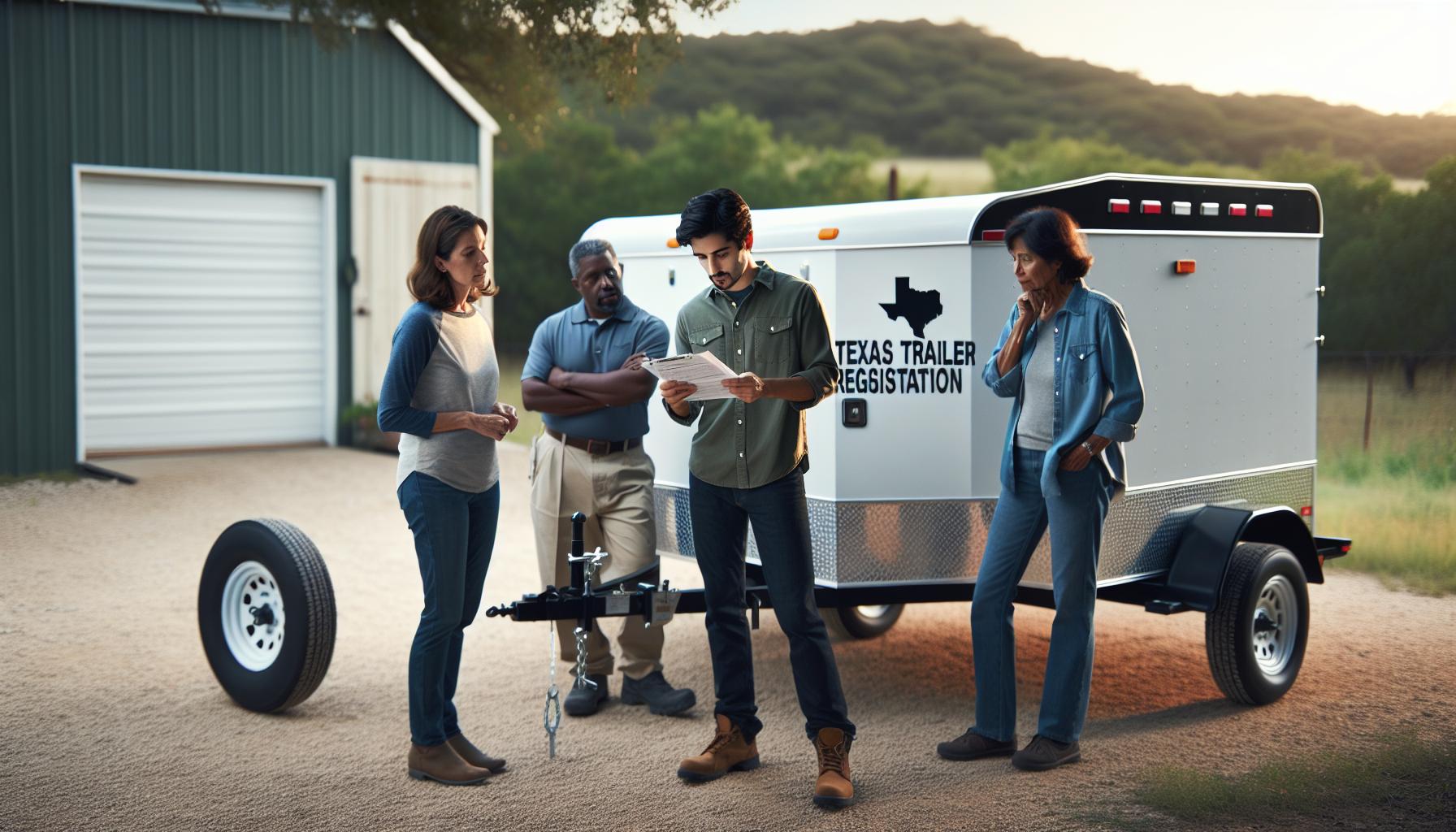
Understanding the registration requirements for trailers in Texas is crucial for ensuring compliance and smooth operation during your home construction project. Each trailer, including those built or customized for specific needs, must adhere to state regulations to be legally registered with the Texas Department of Motor Vehicles (TxDMV). The first step is recognizing that registration requirements vary depending on the type of trailer-whether it’s homemade, a farm trailer, or a manufactured one.
Before initiating the registration process, it’s essential to determine if your trailer falls under specific categories defined by the TxDMV, as the documentation and requirements can differ greatly. Commonly needed documents include proof of ownership such as a Manufacturer’s Certificate of Origin (MCO) for new trailers or a previous registration for used ones. If your trailer was homemade or does not have a Vehicle Identification Number (VIN), you will need to undergo a Law Enforcement Identification Number Inspection to obtain a VIN, along with completing necessary forms like the Notice of Assigned or Reassigned Identification Number (Form VTR-68-N) [2[2].
Once you gather the required documentation, you’ll also need to ensure that you have the appropriate fees ready for submission. For example, registration fees for trailers weighing up to 6,000 pounds typically start at $45 [3[3]. Additionally, if you are planning on using the trailer for commercial purposes, there may be additional regulations and fees to consider.
Navigating through trailer registration doesn’t have to be overwhelming. Understanding these foundational aspects helps not only in compliance but also in gaining peace of mind while using your trailer for construction needs. Taking time to familiarize yourself with the specific requirements relevant to your trailer type is key in making the registration process efficient and straightforward.
Gathering Necessary Documentation for Registration
Gathering the necessary documentation for registering your home-built trailer in Texas is a crucial step that requires attention to detail and an understanding of state requirements. Having the right paperwork organized can streamline the registration process and help ensure compliance with the Texas Department of Motor Vehicles (TxDMV).
To start, you’ll need to establish proof of ownership. This may include a Manufacturer’s Certificate of Origin (MCO) if your trailer is new, or a previous registration if it’s a pre-owned trailer. For homemade trailers or those without a Vehicle Identification Number (VIN), you will require a Law Enforcement Identification Number Inspection. This process guarantees that your trailer meets safety standards and allows for the issuance of a VIN. Additionally, you must complete the Notice of Assigned or Reassigned Identification Number (Form VTR-68-N) to document this.
Key Documents to Prepare:
- Proof of Ownership (MCO or previous registration)
- Law Enforcement Identification Number Inspection Report (if applicable)
- Notice of Assigned or Reassigned Identification Number (Form VTR-68-N)
- Your valid Texas driver’s license or ID
- Proof of residency (e.g., utility bill)
Ensure that all documents are accurate and complete before your appointment at the TxDMV or before submitting them online. Missing or incorrect information can lead to delays or complications in the registration process. Having these documents prepared not only aids in efficiency but also instills confidence that your trailer will be legally compliant, allowing you to focus more on your home construction project.
Step-by-Step Process for Registering Your Trailer

To navigate the registration of your home-built trailer in Texas successfully, it’s essential to follow a clear, systematic approach. The Texas Department of Motor Vehicles (TxDMV) has established several steps that will guide you from preparation to obtaining registration.
Start by gathering all necessary documents as outlined in the previous section. Once you have your paperwork in order, the next step is to schedule an appointment at your local TxDMV office or prepare to register online. If you choose to visit in person, be sure to bring all required documentation, which includes proof of ownership, inspection reports if applicable, and your Texas driver’s license. If you are registering online, ensure that you can upload all required documents digitally.
Upon arrival at the TxDMV, you will need to fill out an Application for Texas Title or Registration (Form 130-U). This form is crucial as it serves as the official request to register your trailer. After submitting this application along with your documents, the TxDMV will process your request and assess any applicable fees. Be prepared to pay these fees, as they vary based on the type and weight of your trailer.
Your trailer will also likely need to undergo a safety inspection if it was assembled yourself. After receiving the inspection certification from a qualified official, you must present this to the TxDMV as part of your registration process. Once everything is approved and fees are paid, you will receive the title and registration for your trailer, allowing you to legally operate it on Texas roads.
It’s important to take your time with each step to prevent errors that could delay your registration. Always double-check that you have all necessary forms filled out correctly and that no documents are missing. Being thorough in this process not only ensures compliance but also enhances your confidence as you embark on your construction project or road travels with your new home-built trailer.
Fees and Taxes Associated with Trailer Registration

Registering your home-built trailer in Texas involves understanding the various fees and taxes that will be part of the process. Knowing these costs beforehand can help you budget more effectively and avoid any surprises at the time of registration. The state of Texas has established specific registration fees based on the weight of the trailer, which typically ranges from $45 for trailers weighing up to 6,000 pounds, increasing with weight classifications thereafter. Additionally, factors such as whether the trailer is used for farm purposes can influence these fees.
Types of Fees
It’s essential to consider different types of fees associated with the trailer registration:
- Base Registration Fee: This is the primary fee that varies based on the trailer’s weight.
- County Fees: Some counties may impose additional fees to fund local services.
- Inspection Fees: If your trailer requires a safety inspection, anticipate possible costs associated with that service, especially if modifications were made.
- Late Renewal Fees: If you do not register your trailer in a timely manner, you may face late fees.
Furthermore, while many assume that trailers do not have to pay sales tax, it’s crucial to realize that if you purchased materials for building your trailer, you might have already incurred sales tax on those materials. Familiarizing yourself with local tax rates can ensure compliance and transparency in the overall cost of ownership.
Budgeting for Your Trailer Registration
When planning your construction project, it can be beneficial to allocate a specific budget for the registration process. In addition to the aforementioned fees, keep in mind the potential costs associated with titling the trailer. If your trailer does not come with a manufacturer’s certificate of origin (MCO), securing a title might involve extra steps, potentially incurring further fees. To avoid pitfalls, consult with the TxDMV or your county tax office for the most current and relevant fee structures.
Having a clear understanding of these financial aspects enables you to manage your trailer registration process more effectively. This foresight can support your journey, whether you’re building a home to travel in or constructing a utility trailer for various projects around your property.
Inspections: What You Need to Know

To ensure your home-built trailer is safe and roadworthy, undergoing proper inspections is a crucial step in the registration process. In Texas, trailers typically require a safety inspection, which validates that they meet all safety standards mandated by state regulations. This inspection is not just a formality; it serves to protect both you and other road users by confirming that your trailer has essential safety features functioning correctly.
The inspection usually includes a thorough examination of critical components such as brakes, lights, tires, and structural integrity. If your trailer has been modified in any way-whether to improve its functionality or enhance its aesthetic appeal-be prepared for additional scrutiny. In some cases, modifications may even require a more detailed inspection or compliance with additional regulations. To get started, consult with an authorized inspection station; they can provide guidance on specific requirements for different trailer types.
It’s important to keep in mind that if your trailer is not passing its initial inspection, you will typically receive a list of deficiencies that must be addressed prior to re-inspection. Addressing these issues promptly not only helps ensure compliance but also promotes safety for you and fellow motorists. After successfully passing the inspection, you will receive a certificate, which is essential for completing your trailer registration process.
To streamline this part of your experience, consider scheduling the inspection soon after you complete construction. This proactive approach can help avoid delays in registration and budget planning. Remember, maintaining your trailer’s safety features and ensuring timely inspections not only abide by Texas law but also extend the lifespan and performance of your trailer.
How to Obtain a Title for Your Trailer
Acquiring a title for your home-built trailer is a vital step that legitimizes your investment and ensures that you can legally operate your trailer on public roads. The title serves as legal proof of ownership and is essential for future resale or registration renewals. In Texas, the process for obtaining a title can be straightforward if you follow certain guidelines.
To initiate the title process, begin by gathering necessary documentation that proves both your identity and your ownership of the trailer. Key documents typically include:
- A completed Application for Texas Title or Registration (Form 130-U) – This form is crucial for both title and registration processes.
- A bill of sale or receipts that demonstrate proof of ownership. If you built the trailer yourself, maintain detailed records of materials purchased and their associated receipts.
- Proof of compliance with safety standards, such as your passing inspection certificate, is essential to validate that your trailer is roadworthy.
Once you have collected all necessary documentation, visit your local county tax office or an authorized title agent to submit your application. You may also have the option to complete this process online or by mail, depending on your county’s regulations. Ensure you provide accurate information, as discrepancies can delay processing.
Fees associated with titling and registering the trailer can vary based on the trailer size and your specific county. In Texas, the fees for trailer registration are generally around $45 for trailers up to 6,000 pounds, which may include additional county fees.
Be aware that if your trailer was previously titled in another state, you will need to provide the original title, which may require a vehicle history report to prove its status.
In summary, obtaining a title is a critical step in the trailer registration process. By preparing your documents thoroughly and adhering to state regulations, you can navigate this process with confidence, turning your custom-built trailer into a legitimized asset that enhances your home construction efforts.
Common Mistakes to Avoid During Registration
Navigating the registration process for your home-built trailer in Texas can be daunting, especially with the various requirements and regulations involved. One misstep can lead to delays or additional costs, making it essential to avoid some common pitfalls during registration. Understanding these mistakes can save you time and ensure that your trailer is legally compliant for use on public roads.
One of the primary errors is failing to collect and organize necessary documentation before starting the registration process. Ensure you have the Application for Texas Title or Registration (Form 130-U) filled out correctly, along with supporting documents such as a bill of sale or proof of material purchases. Neglecting to gather required paperwork can lead to incomplete submissions, resulting in additional trips to the county tax office and unexpected delays in receiving your title and registration.
Another common mistake is overlooking local regulations regarding trailer inspections. Home-built trailers often require an inspection to ensure they meet safety standards. Not being aware of these inspection requirements can cause your registration to be rejected. Make sure you seek out qualified inspection services early in the process and obtain your passing inspection certificate, as this is a crucial document for registration.
Additionally, many registrants underestimate the importance of accurate information. Inconsistencies, whether in your personal details or trailer specifications, can lead to processing issues. Double-check all forms for accuracy before submission. Wrongly recorded details may require you to restart the application process and could even affect your ability to obtain a title in the future.
Lastly, failing to budget for fees associated with registration can present surprise financial burdens. Understand that registration fees can vary by weight and locality. In Texas, for example, the registration fee for trailers up to 6,000 pounds generally starts at around $45, but additional county fees may apply. Staying informed about potential costs will help you avoid unexpected surprises during the registration process.
By being mindful of these common mistakes, you can streamline the registration of your home-built trailer and ensure that it is compliant with Texas laws, making the experience smooth and hassle-free.
Navigating Custom Trailer Regulations in Texas
Building a custom trailer can be a rewarding experience, especially when it serves the specific needs of your home construction or moving projects. However, navigating the regulations surrounding custom trailers in Texas involves understanding both state laws and local ordinances. When creating a trailer, it’s not just about design and materials; compliance with regulations is crucial to ensure safety and legality on the road.
One of the primary steps is to familiarize yourself with the Texas Department of Motor Vehicles (TxDMV) regulations regarding custom trailers. In Texas, any trailer that is homemade or significantly modified often requires an identification number, which is essential for registration purposes. Before you even begin building your trailer, you should check with the TxDMV regarding any pre-application requirements or permits necessary for constructing your custom design. This proactive approach will help streamline the registration process later on.
When your trailer is complete, it will need to undergo a vehicle inspection, which assesses its construction and ensures adherence to safety standards. It’s crucial to get the passing inspection certificate before attempting to register your trailer. Not all garages or inspection stations are equipped to handle custom trailers, so do some research and choose an inspection service familiar with the specific requirements for home-built trailers. This foresight can help you avoid setbacks during the registration process.
Finally, as you navigate these regulations, maintain thorough documentation of your trailer’s construction, including purchase receipts for materials, photos of the building process, and any relevant communication with inspected services. This documentation will serve as proof of your trailer’s compliance during the registration process and can expedite approvals. By staying informed and organized, you can successfully maneuver through the regulations associated with building and registering a custom trailer, turning your vision into a compliant reality on Texas roads.
Tips for Maintaining Your Home Built Trailer Registration
Maintaining compliance with registration requirements is crucial for any home-built trailer owner in Texas. Keeping your trailer registered not only ensures you remain legally compliant but also enhances safety on the road. Here are some practical tips to help you manage and maintain your trailer registration efficiently.
One of the most critical steps is to stay organized with your documentation. Create a dedicated folder, either digital or physical, to store all relevant documents, including your registration paperwork, inspection certificates, and receipts for materials used in the construction of the trailer. This habit will save you time and reduce stress during renewal processes or if you need to present evidence of your trailer’s compliance.
Another essential aspect is to mark your calendar for key dates related to your trailer’s registration. These should include the expiration date of your current registration, any scheduled inspections, and reminders for renewing your title. This proactive approach can prevent any lapse in registration and ensure you are always ready for the next step, whether that involves a simple renewal or a more complex inspection for modifications you’ve implemented.
Regularly review Texas trailer laws to stay updated with any changes in regulations that may affect your registration. The Texas Department of Motor Vehicles (TxDMV) is a valuable resource for information about what is required for homemade trailers, including proper identification numbers and inspections. Keeping abreast of such changes can help you avoid penalties and ensure your trailer is compliant with the latest standards.
Lastly, connecting with a community of other home-built trailer enthusiasts can provide invaluable support and information. Join online forums or local groups where members share experiences, tips, and advice on maintaining trailer registration effectively. This network can offer insights into common challenges and solutions that others have successfully implemented.
By incorporating these strategies into your routine, you can navigate the complexities of trailer registration like a pro, ensuring your home-built trailer remains roadworthy and compliant for all your construction and moving needs.
Understanding Insurance Options for Home Built Trailers
Securing the right insurance for your home-built trailer is essential not just for legal compliance, but also for peace of mind while you use it for construction or transportation purposes. Unlike standard vehicles, home-built trailers can come with unique challenges, especially regarding insurability. It is crucial to understand the nuances of trailer insurance to ensure your investment is protected during travel or if unexpected mishaps occur.
First and foremost, consider the type of insurance coverage available for your trailer. Options typically include liability coverage, which protects you against injuries or damages to third parties, and physical damage coverage, which can help repair or replace your trailer in case of accidents, theft, or vandalism. It’s advisable to discuss your specific trailer’s use – whether it’s primarily for construction work or personal projects – with insurance providers to tailor a policy that meets all your needs. Many standard auto insurance carriers can extend coverage to trailers, but make sure they recognize the unique aspects of home-built models.
When obtaining insurance, documentation is key. Insurers will likely require details about the trailer’s construction, including any modifications you’ve made. Providing photographs and records of the building process, as well as a thorough description, can help establish the value of your trailer and facilitate a smoother underwriting process. Additionally, be prepared to demonstrate that your trailer meets all safety standards and registration requirements set by Texas law.
Lastly, regularly review your insurance policy and coverage limits, especially as you make updates or modifications to your trailer. New features or additional safety equipment may lower your risk and potentially lead to premium discounts. By maintaining open communication with your insurer and adapting your coverage as your trailer evolves, you can ensure it remains adequately protected against unforeseen events. This proactive approach not only safeguards your investment but also enhances your confidence in using your home-built trailer for any construction-related tasks.
Renewing Your Trailer Registration: A Quick Guide
Renewing your trailer registration is a critical step for any Texas trailer owner looking to ensure their vehicle remains street legal and ready for use. Registration renewals typically occur annually, and staying on top of this requirement can save you from fines and unexpected legal issues. As with initial registration, the renewal process is designed to be straightforward but does require some attention to detail.
To begin the renewal, gather the necessary documentation, which generally includes your previous registration, a valid form of identification, and proof of insurance. It’s also wise to keep any documentation regarding modifications made to your home-built trailer, especially if you’ve made significant changes since the initial registration. Not only does this preparation simplify the renewal process, but it also helps ensure your trailer meets all updated regulations.
You can renew your trailer registration online through the Texas Department of Motor Vehicles (TxDMV) website, in-person at designated offices, or via mail. Online renewals are often the quickest option-simply visit the TxDMV site, enter your trailer’s identifying information, and follow the prompts. If you choose to renew in-person, walk into your local DMV office, where a representative can assist you with the renewal process. Should you opt for the mail option, be sure to send your paperwork well ahead of the expiration date to avoid delays.
Lastly, keep in mind that fees for renewing your trailer registration can vary based on the trailer’s weight and type. It’s advisable to check the TxDMV’s detailed fee schedule to prepare financially. Actively renewing your registration not only ensures compliance with Texas law but also boosts your confidence while using your trailer, protecting your investment as you transport materials or tooling for your home construction projects.
Q&A
Q: What are the first steps to register a home-built trailer in Texas?
A: To register a home-built trailer in Texas, first, ensure you have a completed application for title and registration. Additionally, gather necessary documents like a bill of sale and proof of construction, as registration requirements vary based on trailer type and weight [[1]].
Q: Do I need a Vehicle Identification Number (VIN) for my home-built trailer?
A: Yes, a Vehicle Identification Number (VIN) is essential for registration. If your trailer doesn’t have a VIN, you’ll need to complete a Law Enforcement Identification Number Inspection (Form VTR-68A) and obtain a reassigned identification number [[1]].
Q: What documents are necessary for registering a home-built trailer in Texas?
A: Required documents include a completed application for registration, proof of ownership (like a bill of sale), and a completed identification inspection form if needed. Ensure you also have the appropriate fees ready [[1]].
Q: Are there any fees associated with registering a home-built trailer?
A: Yes, there are fees associated with registering a trailer in Texas, including title and registration fees that can vary based on the weight and type of trailer. Check the current fee schedule with the Texas DMV [[2]].
Q: How long does it take to register a home-built trailer in Texas?
A: The registration process for a home-built trailer can typically take a few days to a couple of weeks, depending on whether all documents are in order and current workload at the local DMV or tax office [[3]].
Q: What common mistakes should I avoid when registering my home-built trailer?
A: Common mistakes include not having all required documents ready, overlooking the VIN assignment process, or failing to verify the weight classification of the trailer. Ensure you are well-prepared to avoid delays in registration [[1]].
Q: Can I register a home-built trailer without previous titles or documentation?
A: If the trailer is assembled and has no title from another state, you may still register it. However, you will need to provide certain forms, like the Law Enforcement Identification Number Inspection, to prove its identity [[1]].
Q: What inspections are required for a home-built trailer in Texas?
A: A Law Enforcement Identification Number Inspection is often required to assign a VIN to the trailer. This step verifies the trailer’s construction and compliance with state regulations before registration [[1]].
Key Takeaways
Now that you know how to register your home-built trailer in Texas, it’s time to put that knowledge into action! Following these simple steps not only ensures your trailer is road-ready but also helps you avoid any future legal issues. For further guidance, check out our resources on vehicle inspections or learn about the specifics of trailer ownership in Texas. If you have any lingering questions or if you’re considering upgrading your trailer with custom features, don’t hesitate to reach out to our experts for personalized advice.
Stay informed and enhance your journey by exploring related topics like trailer maintenance and legal requirements to keep your creations safe and compliant. Don’t forget to subscribe to our newsletter for the latest updates and tips from the world of DIY trailers and mobile living. Your adventure awaits-let’s keep it on track!