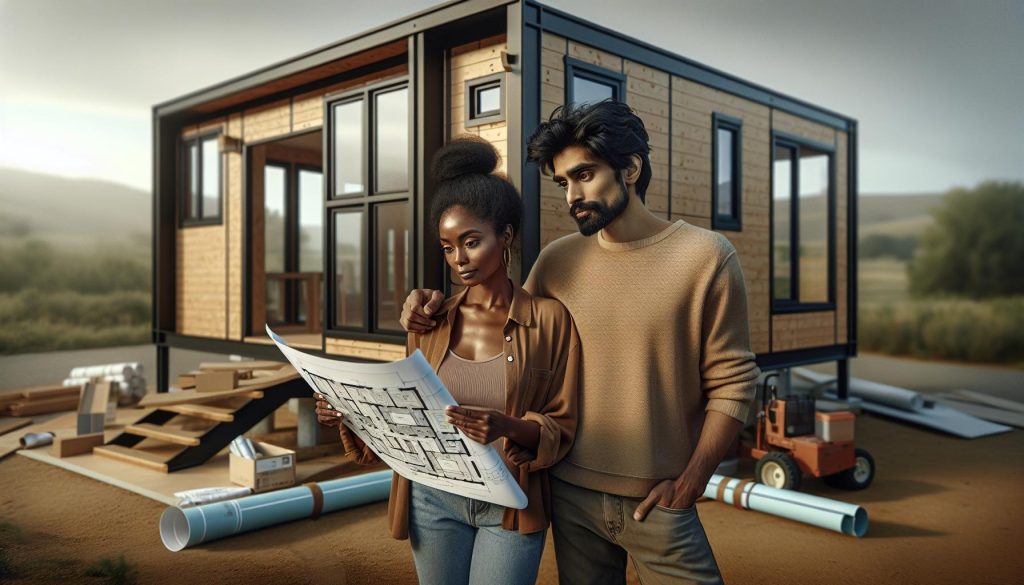
Did you know that modular homes can provide modern, stylish living at an affordable price? With many options under $200K, they represent a viable path to homeownership for first-time buyers and those looking to downsize or invest. These homes combine efficient construction with customization, allowing you to select layouts and features that suit your lifestyle. As housing prices continue to rise, exploring the mid-range champions in modular homes can unlock tremendous savings without sacrificing quality. Dive into this guide to discover the exciting possibilities available in this dynamic market, and see how you can find a modular home that meets both your budget and personal preferences. Whether you’re seeking a cozy retreat or a family-friendly space, you’ll uncover options that cater to your unique needs.
What Are Modular Homes and Their Benefits?
Modular homes have emerged as a flexible and cost-effective housing option, appealing to a diverse range of buyers. These homes are constructed off-site in a factory setting and then transported to their final location, facilitating a more efficient build process. This method not only reduces construction time but also minimizes waste and environmental impact, making modular homes an increasingly popular choice for eco-conscious consumers. They are often customizable, allowing buyers to select floor plans and finishes that align with their personal preferences and needs, from modern designs to traditional layouts, catering to varied lifestyles and budgets.
One significant advantage of modular homes is their affordability compared to traditional site-built homes. Many modular options are available for under $200K, making homeownership accessible to first-time buyers and those looking to downsize. These homes can deliver substantial equity growth potential, particularly in areas experiencing population surges or economic development. In addition to lower upfront costs, modular homes typically offer greater energy efficiency standards, thanks to modern building techniques and materials. This efficiency can translate into lower utility bills over time, enhancing the overall value of the home.
Key Benefits of Modular Homes
- Speed of Construction: Modular homes can be built in a fraction of the time it takes for traditional homes, reducing wait times significantly.
- Quality Control: Factory construction allows for stricter quality oversight and faster identification of defects, ensuring a sturdier final product.
- Customizability: Buyers can help design their modular homes, choosing layouts and finishes that suit their lifestyle.
- Sustainability: The construction methods used in modular homes typically result in less waste and a lower carbon footprint.
Modular living is not only a viable option but also a smart investment for those seeking affordable and sustainable housing solutions. The array of styles and features available in modular homes provides prospective homeowners with numerous options that can suit any family’s needs without breaking the bank. As the demand for innovative and efficient housing continues to grow, modular homes represent a compelling alternative on the modern real estate landscape.
Top Modular Home Styles Under $200K

In a world where housing costs continue to soar, the search for stylish yet affordable homes has led many to consider modular options. Fortunately, a wide array of modular home styles is available for under $200K, delivering both aesthetic appeal and practical functionality. From contemporary designs to cozy layouts, these homes cater to a variety of needs and tastes, ensuring that aspiring homeowners can find a perfect match for their lifestyle without overspending.
A popular choice among buyers is the open-concept floor plan, which promotes spacious living and natural light. Often featuring large windows and flowing layouts, these homes are designed for family gatherings and entertaining guests. For those who desire a more traditional setting, Cape Cod-style modular homes offer charming aesthetics with cozy, sloped roofs. This style typically accommodates two to three bedrooms, making it an ideal fit for small families or retirees seeking a serene living environment.
Another noteworthy option is the Ranch-style modular home, characterized by its single-story layout and easy accessibility. This style is particularly appealing to aging homeowners or those with mobility considerations, and it often features an expansive backyard for gardening or recreational activities. For buyers interested in sustainability, many manufacturers now offer eco-friendly modular homes that integrate energy-efficient systems and sustainable materials, allowing homeowners to reduce their carbon footprint while conserving energy.
To simplify the decision-making process, prospective buyers can explore various online platforms where manufacturers showcase their designs, such as ModularHomes.com. Here, users can view 3D tours, photos, and even local pricing for different models, empowering them with essential information to make informed choices. With these diverse modular styles under $200K, potential homeowners are better equipped to find their dream home while remaining budget-conscious.
- Open-concept floor plans: Ideal for modern living and entertaining.
- Cape Cod-style homes: Traditional design with rustic charm.
- Ranch-style homes: Accessible and practical for families and retirees.
- Eco-friendly options: Sustainable living without sacrificing comfort.
Key Features to Look for in Affordable Modular Homes
When exploring the realm of affordable modular homes, understanding the key features that enhance livability and investment value is essential. Modular homes, designed with efficiency and flexibility in mind, often come equipped with various crucial elements that contribute to their appeal. One vital aspect to consider is the quality of construction and materials. Look for homes built with durable, energy-efficient materials such as insulated walls and high-quality roofing, which can significantly lower long-term maintenance costs and enhance comfort.
Another feature to prioritize is the home’s layout and design. Open-concept living spaces are increasingly popular, as they offer a sense of spaciousness while promoting natural light. Additionally, modular homes should ideally include multiple bedrooms and functional spaces that can adapt to your needs, whether for family living or work-from-home setups. For example, homes with flex rooms can be transformed into offices or guest quarters, providing versatility that appeals to a broader range of buyers.
As you assess modular homes under $200K, it’s also essential to consider the inclusion of modern amenities. Features such as energy-efficient appliances, smart home technology, and systems for heating and cooling can enhance the overall quality of life. Moreover, eco-friendly options that utilize renewable energy sources, like solar panels, can help reduce utility expenses and make a positive environmental impact.
Lastly, pay attention to both interior and exterior customization options. Many manufacturers offer a variety of floor plans and finishes, allowing you to personalize your home to reflect your style. This feature not only adds a unique touch to your living space but also contributes significantly to the home’s resale value. By focusing on these key attributes, you can ensure that your next modular home provides a comfortable, efficient, and stylish living environment.
- Quality construction materials: Look for energy-efficient and durable materials.
- Layout and design: Prioritize open-concept spaces and versatility.
- Modern amenities: Consider energy-efficient appliances and smart home technology.
- Customization options: Choose designs that reflect personal style and enhance resale value.
Financing Options for Modular Homes Explained

The prospect of owning a modular home can be an exciting journey, especially when you consider the affordability factor, particularly under the $200K mark. However, navigating the financing landscape for these homes can feel daunting without the right information. Understanding the various financing options available can empower prospective buyers, making the journey to homeownership smoother and more accessible.
Generally, buyers of modular homes can consider several financing avenues. Conventional mortgages are a popular choice, allowing buyers to purchase the home as real property. Many banks and credit unions offer loans specifically designed for modular homes, which often require a down payment ranging from 3% to 20%. It’s recommended to shop around, as different lenders may offer varying terms and interest rates. Additionally, some buyers may qualify for government-backed loans, such as FHA and VA loans, which often have lenient requirements and appealing interest rates. FHA loans are ideal for first-time buyers and those with lower credit scores, while VA loans cater specifically to veterans and active military members, requiring no down payment.
Another financing option involves personal loans or chattel loans for modular homes set on leased land. These types of loans are typically short-term and might come with higher interest rates compared to traditional mortgages. It’s crucial for buyers to analyze their financial situation and loan terms to ensure that repayments fit within their budget. Furthermore, working with a financial advisor can provide personalized guidance tailored to individual needs and goals.
In addition to standard loan types, prospective owners should also factor in costs beyond the purchase price. Closing costs, insurance, and possible land expenses should be included in the financial plan. Building a budget can help in tracking these expenses and preparing for long-term financial health.
For those looking for an affordable modular home, understanding these financing options is critical in making a confident investment. By exploring different avenues and weighing their pros and cons, prospective buyers can pave the way toward a successful and rewarding homeownership experience.
Navigating Legal Requirements for Modular Homes
Navigating the landscape of legal requirements surrounding modular homes can initially seem daunting. However, understanding these regulations is crucial for ensuring a smooth process from purchase to occupancy. Modular homes, often treated like traditional real estate, must comply with a variety of local, state, and federal laws specific to building codes and land use.
First and foremost, it’s important to check the zoning regulations in your chosen location. Zoning laws dictate where modular homes can be placed and may require specific permits before installation. Many municipalities have separate zoning for manufactured homes, and compliance with these laws is essential to avoid costly fines or removal orders. Additionally, if your home is placed in a community or mobile home park, there are often specific guidelines set by the HOA or management that you’ll need to adhere to.
Building codes are another critical factor. Modular homes are constructed to comply with the standards set by the International Building Code (IBC) or local building regulations, ensuring safety and durability. It’s recommended that buyers confirm that their modular home manufacturer adheres to these codes throughout the building process. Furthermore, upon delivery, the home usually needs inspection to ensure it meets local standards before it can be occupied.
Lastly, before setting up your modular home, securing title and settling on the land lease, if applicable, is vital. Understanding the nuances of land ownership versus leasing can have significant implications for your investment and legal standing. In some regions, homes on leased land may face additional restrictions or even eviction clauses, which can affect financing options and future resale value. Consulting with a local attorney specializing in real estate can provide clarity on these matters and help you navigate the complexities that may arise.
By addressing these legal requirements early in the process, prospective modular home buyers can ensure a smoother transition into home ownership while safeguarding their investment against unforeseen legal challenges.
Essential Maintenance Tips for Modular Homes
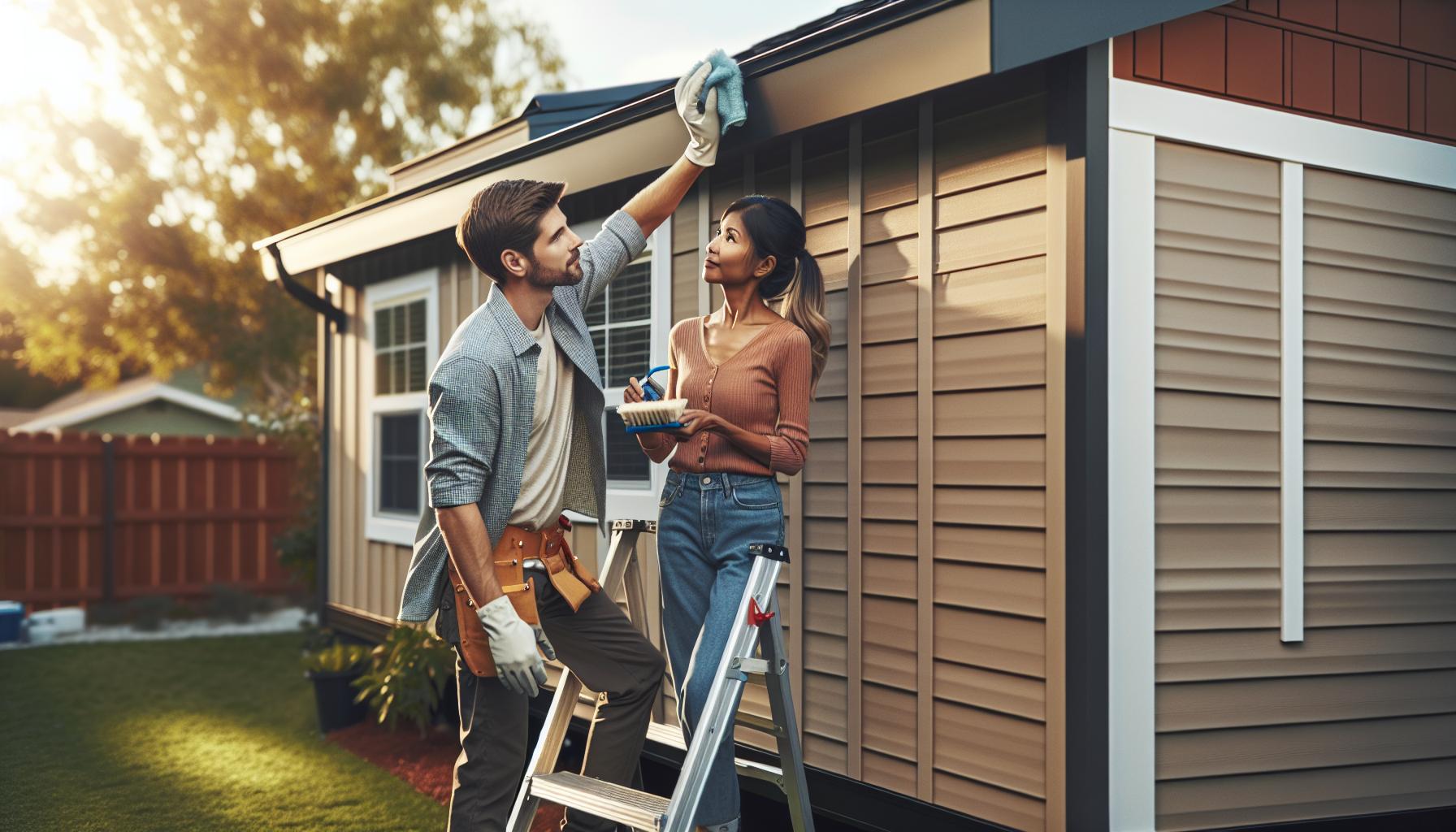
Maintaining a modular home is crucial to preserving its value and ensuring a comfortable living environment. Unlike traditional homes, modular homes have unique construction and installation methods that require specific maintenance strategies. By implementing a consistent upkeep routine, owners can enhance durability and efficiency while enjoying peace of mind. Here are essential maintenance tips to keep your mid-range modular home in top condition.
Regular Inspections
One of the best practices for maintaining a modular home is to conduct regular inspections. Check the exterior for signs of wear and tear, like cracks in the siding or roof. Additionally, ensure that the skirting is intact, as this prevents pests from infiltrating the space beneath your home. A proactive approach can help identify potential problems early, such as water leaks or structural issues.
HVAC Maintenance
The heating, ventilation, and air conditioning (HVAC) systems in modular homes should be maintained regularly to enhance efficiency and lifespan. Change the air filters every 1-3 months to ensure clean airflow and optimal system performance. Scheduling annual professional inspections will also help identify issues like refrigerant leaks or duct obstructions, keeping your indoor environment comfortable.
Foundation and Anchoring Checks
Modular homes are typically secured to a permanent foundation and require occasional checks to ensure stability. Inspect the foundation for cracks or shifting. If your home is installed on piers, verify that the anchors are secure and adjusted correctly. This is particularly critical in areas prone to high winds or flooding, as inadequate anchoring can lead to significant damage.
Plumbing Maintenance
Another important aspect of modular home maintenance involves the plumbing system. Regularly check for leaks under sinks and around toilets. Inspect hoses and connections for signs of wear, and keep an eye on water pressure-significant fluctuations may indicate underlying issues. Additionally, consider winterizing outdoor plumbing to prevent pipes from freezing during colder months.
By following these maintenance tips, modular homeowners can ensure their homes remain safe, comfortable, and efficient. Making these simple, proactive choices not only preserves property value but also enhances the enjoyment of modular living. Whether you’re a new owner or looking to invest, keeping up with these recommendations will safeguard your home against unforeseen problems and costs.
Renovation Ideas to Enhance Your Modular Home

In today’s fast-paced world, modular homes are not only a practical housing solution but also a blank canvas for creativity and personal expression. Renovating your modular home can drastically enhance its comfort and aesthetics, making it feel uniquely yours. From simple cosmetic touches to more extensive structural changes, there are various ways to elevate your space without breaking the bank.
Fresh Wall Treatments
Repainting is one of the most straightforward yet impactful ways to transform your home. Opt for contemporary colors that reflect your personality, and consider feature walls with wallpaper or different paint finishes to create depth. Instead of just conventional paint, explore using chalkboard paint in playrooms or kitchens – a fun, interactive element that’s also functional.
Updating Flooring
If the flooring in your modular home feels dated, consider more modern alternatives. Luxury vinyl plank (LVP) flooring, for example, replicates the look of hardwood without high costs or maintenance. It’s waterproof and durable, making it perfect for high-traffic areas. Adding area rugs can also define spaces, add texture, and bring warmth to your home.
Kitchen Enhancements
Kitchens are often the heart of the home, and small renovations can yield large differences. Instead of a full remodel, consider replacing cabinet doors with more modern styles or adding hardware for a quick update. Installing a stylish, affordable backsplash can also add a pop of color and personality without heavy investment. Additionally, swapping out older appliances for energy-efficient models can not only enhance aesthetics but also save on energy costs.
Outdoor Improvements
Don’t overlook outdoor spaces when considering renovations. Adding a deck or patio can provide an inviting area for relaxation and entertainment. Garden beds can beautify your landscape and create a cohesive outdoor aesthetic. If space allows, incorporating a fire pit or a seating area in the yard can significantly enhance your home’s appeal and livability.
By focusing on these strategic renovation ideas, you can revitalize your modular home into a stylish, comfortable living space that meets your family’s needs. Remember, these renovations can be completed incrementally, allowing for thoughtful planning and budget management while progressively enhancing your modular home’s value and enjoyment.
Insurance Considerations for Modular Homeowners
Navigating the world of insurance as a modular homeowner can be intricate, but understanding the essentials can provide you with peace of mind and suitable coverage. Unlike traditional homes, modular homes often require specific insurance policies tailored to their unique construction and potential vulnerabilities. Lenders typically require homeowners to have insurance that covers not just the structure but also the contents and any potential liabilities.
When selecting an insurance policy, it’s crucial to consider several key factors. First, replacement cost versus actual cash value is an essential aspect; many modular homes are newer constructions, and you may want a policy that covers full replacement costs. It’s also important to ensure your coverage addresses the modular home’s components, as standard homeowners’ insurance may not adequately cover them.
Additionally, many regions prone to extreme weather, such as hurricanes or floods, might necessitate additional coverage options. For instance, you may need to secure a separate flood insurance policy since many homeowners’ plans exclude flooding incidents. Here are some points to consider whenever you’re assessing your insurance needs:
- Liability Coverage: Protects you from financial loss due to injuries or damages occurring on your property.
- Contents Coverage: Ensures that your belongings are covered against theft or damage.
- Other Structures: If you have sheds or garages, make sure your insurance includes these structures.
Lastly, engaging with an insurance agent who understands modular homes can streamline the process. They can help clarify options like liability limits, discounts for safety features, and bundling policies for savings. By obtaining the right insurance, you not only protect your investment but also confirm your place in a thriving modular home community.
Location Matters: Best Areas for Modular Homes
When considering where to place a modular home, location is not just a matter of preference-it’s a critical aspect that influences lifestyle, value, and future growth potential. Some regions offer ideal conditions for modular homes that balance affordability, community amenities, and natural beauty. For example, areas in the Midwest such as Indiana and Ohio have relatively low land costs and a friendly atmosphere for modular homes, making them attractive to families and retirees alike. Similarly, Southern states like Florida and Texas provide warmer climates and expanding economies, appealing for those seeking good quality of life at an affordable price.
Key Location Factors to Consider
When evaluating places for modular homes under $200K, consider the following essential factors:
- Housing Regulations: Different areas have varied zoning laws and building codes. Research local regulations to ensure your modular home can be placed without complications.
- Access to Amenities: Proximity to schools, healthcare, shopping, and recreational activities can significantly enhance living quality. Locations near urban centers often provide better access to these features.
- Safety and Environment: Look for locations with low crime rates and favorable environmental conditions. Flood zones, areas prone to wildfires, or ones with extreme weather may require additional considerations for safety and insurance.
- Community and Resale Value: Investigate the neighborhood’s vibe and future growth potential. Regions with developing infrastructure and expanding populations often offer better long-term value for your investment.
Beyond these factors, it’s beneficial to connect with local modular home communities or forums for insights into specific towns or regions that are particularly welcoming to modular homeowners. These communities can also provide first-hand experiences that help illuminate the pros and cons of different locations, ultimately aiding in making an informed decision about where to establish your home. By choosing the right location, not only do you enhance your living experience, but you also protect and potentially grow your investment in the long run.
Real-Life Case Studies: Affordable Modular Home Success Stories
There’s a growing trend of families and individuals opting for modular homes as their primary residence, particularly those priced under $200,000. These affordable options not only offer modern designs but also come with success stories that highlight their viability as a quality housing choice. For many, the journey to homeownership has transformed through modular living, illustrating that striking a balance between cost and comfort is entirely achievable.
One inspiring case is that of the Williams family, who purchased a three-bedroom modular home in Indiana for under $180,000. They were able to customize their space with energy-efficient specifications that significantly reduced their utility bills, making this investment even more financially sound. The couple also appreciated the ability to move in quickly, as modular homes are often built faster than traditional homes, allowing them to settle into their new community and schools sooner. Their experience showcases how modular homes can provide both speed and efficiency without sacrificing quality.
Another notable example is a retiree named Clara, who found her perfect single-section modular home in Florida for $159,000. Drawn by the low maintenance requirements and an active retirement community, Clara transformed her new space into a welcoming retreat. She upgraded her home with smart technology for added convenience and security, demonstrating that modular homes can easily adapt to the needs of their residents as they transition through different life stages. Clara’s story emphasizes that modular living is not just for families but is also a practical option for retirees seeking affordable housing.
These real-life examples affirm the growing acceptance and success of modular homes in today’s market. They demonstrate that with careful planning, these homes can meet diverse needs while offering solid investment potential. By choosing a modular home, buyers are not only securing a roof over their heads but also entering a lifestyle that champions affordability and sustainability. The flexibility and customizability available in this housing sector further illustrate why many find success in making modular homes their long-term residence.
How to Prepare for Extreme Weather in Modular Homes
When facing extreme weather conditions, preparedness is key for modular homeowners. Unlike traditional homes, modular homes are constructed in controlled factories and transported to their sites, which requires owners to be proactive in ensuring their homes can withstand adverse weather. With storms and severe weather patterns on the rise, understanding how to reinforce your home becomes essential for safety and durability.
Assessing and Enhancing Structural Integrity
The first step in preparing for extreme weather is evaluating your home’s structural integrity. Ensure your modular home is properly anchored to its foundation. If your home is located in a tornado-prone area, consider installing additional tie-downs and straps to enhance stability. Homes in hurricane zones should follow specific guidelines, such as using impact-resistant windows and doors, which can significantly reduce the risk of water and wind damage.
- Foundation Type: Review whether your home is on a permanent foundation or a temporary setup; permanent foundations provide better stability.
- Anchoring: Utilize storm tie-downs to secure your home in high-wind areas.
- Roof Reinforcement: Inspect the roof for vulnerabilities. Upgrading to a stronger roof material can help resist wind uplift.
Emergency Preparations and Supplies
Creating an emergency kit is crucial for weather-related preparedness. This kit should include essentials like food, water, first-aid supplies, flashlights, batteries, and medications. Depending on your region, you may also need to consider items specific to certain weather events, such as sandbags for flooding or a battery-operated weather radio.
- Secure important documents: Keep your insurance information, personal identification, and important contacts in a water-tight container.
- Plan your evacuation route: Work with your family to decide where to go and how to get there in case of severe weather.
- Practice drills: Regularly practice safety drills so that everyone knows the steps to take when a weather emergency occurs.
By taking these steps, modular homeowners can fortify their homes against extreme weather threats. Remember, thorough preparation not only protects your property but also ensures the safety of your loved ones. Modular homes, with the right adjustments and care, can be resilient and secure, providing comfort and peace of mind.
Sustainability and Energy Efficiency in Modular Homes
Sustainability and energy efficiency are becoming increasingly essential in modern home construction, providing a myriad of benefits that extend far beyond initial cost savings. Modular homes, often built in controlled environments, utilize advanced building techniques and materials that enhance both their ecological footprint and energy consumption efficiency. For potential homeowners looking for options under $200K, selecting energy-efficient modular homes can result in significant long-term savings while contributing positively to the environment.
One of the foremost aspects of sustainability in modular homes is the utilization of environmentally friendly materials. Many modular home builders are now incorporating recycled materials and sustainable products, such as bamboo flooring, low-VOC paints, and energy-efficient windows. This not only reduces waste but also creates healthier indoor air quality for occupants. Likewise, modern modular homes often feature high-quality insulation, which is crucial for maintaining stable indoor temperatures. As a result, heating and cooling demands decrease, leading to reduced energy bills and a smaller carbon footprint.
Energy-Efficient Features to Consider
Investing in energy-efficient features can significantly enhance the sustainability of modular homes. Here are some key elements to look for:
- Energy Star Appliances: Opt for homes that come equipped with Energy Star certified appliances, which consume less energy and water.
- Solar Panel Options: Some modular homes can accommodate solar panels, providing renewable energy that can further offset utility costs.
- Smart Home Technology: Look for systems that allow for remote control of heating and cooling, as well as smart thermostats, which optimize energy usage.
- Efficient HVAC Systems: Ensure the home is equipped with modern HVAC systems that are both effective and energy-efficient.
Incorporating these elements can not only achieve a lower environmental impact but also foster a lifestyle that aligns with sustainable living principles. Prospective buyers seeking affordable yet eco-friendly modular options are now more empowered than ever to make choices that reflect their values-maximizing comfort and minimizing environmental impact.
Engaging with the energy-efficient features of modular homes under $200K exemplifies how contemporary living can harmonize sustainability, functionality, and cost-effectiveness. As the modular home market continues to grow, embracing these practices will not only benefit the individual homeowner but also contribute to a broader movement towards environmental responsibility in housing.
Frequently asked questions
Q: What are the best modular home brands offering options under $200K?
A: Some top modular home brands under $200K include Clayton Homes, Karsten Homes, and TruMH. Each offers various models with customizable features, making them ideal for mid-range buyers. For detailed options and floor plans, check sources such as ModularHomes.com.
Q: How can I customize a modular home under $200K?
A: Many modular home manufacturers allow customization options like interior layout, exterior finishes, and energy-efficient upgrades. Speak with your builder to explore available choices that fit your budget. Customization can enhance functionality and aesthetics while remaining budget-friendly.
Q: What is the average size of modular homes under $200K?
A: Modular homes under $200K typically range from 1,000 to 1,600 square feet, often featuring 3 bedrooms and 2 bathrooms. This size is suitable for families while being manageable for maintenance. Review specific floor plans to find the right fit for your needs.
Q: Are there financing options specifically for modular homes under $200K?
A: Yes, buyers can find financing options like FHA loans, VA loans, and traditional mortgages tailored for modular homes. These options often come with lower down payments and favorable terms. Research lenders who specialize in modular home financing for the best rates.
Q: How do I find modular homes available for sale near me under $200K?
A: You can search online marketplaces like ModularHomes.com or contact local dealers and manufacturers. Many sites allow filtering by price range and location, making it easier to explore options that meet your budget.
Q: What are common misconceptions about modular homes?
A: Common misconceptions include the belief that modular homes are of lesser quality compared to traditional homes or that they can’t be customized. In reality, modular homes are built to high standards and offer a variety of customization options, making them a viable choice.
Q: What amenities should I expect in a mid-range modular home?
A: Mid-range modular homes typically include modern kitchens, energy-efficient appliances, and open floor plans. Many also feature upgraded bathrooms and exteriors, ensuring comfort and style. Check specific models for included amenities to align with your lifestyle.
Q: Can modular homes appreciate in value over time?
A: Yes, modular homes can appreciate in value, especially if located in desirable areas with a growing market. Regular maintenance and upgrades also contribute positively to property value. It’s beneficial to choose locations that support long-term investment growth.
Explore more on financing and essential information about modular homes for greater insights as you consider your options.
In Summary
As you explore your options for modular homes under $200K, remember that there are fantastic opportunities for quality and affordability that cater to a variety of lifestyles. With diverse designs and innovative features, your ideal home is within reach. Don’t wait too long-hurry and browse popular choices that resonate with your preferences!
For further insight, check out our guides on financing options and insurance considerations specific to modular homes, or dive into practical tips on maintenance to ensure your investment lasts. If you’re looking to dive deeper into home styles and setup procedures, our extensive resources are just a click away.
Ready to take the next step in your journey to homeownership? Sign up for our newsletter for the latest updates, expert advice, and new listings curated just for you. Embrace the freedom and comfort of modular living today-your dream home is waiting!