Building a homebuilt trailer can be a rewarding project, but registering it with the DMV is a crucial step that many overlook. In California, this process ensures your trailer meets legal standards, allowing you to hit the road with peace of mind. Whether you’re crafting a custom utility trailer for personal use or embarking on adventures with your family, understanding how to navigate the registration process will save you time and potential headaches. This guide will walk you through the essential steps, required documentation, and tips to streamline the experience. Read on to explore how to successfully register your homebuilt trailer and get ready for your next journey!
Understanding California’s Trailer Registration Process
Registering a home-built trailer in California can initially seem daunting, but understanding the process can simplify what might appear to be a complex maze of paperwork and regulations. California’s Department of Motor Vehicles (DMV) provides specific guidelines tailored to ensure that your custom trailer meets safety and legal standards while facilitating a smooth registration experience.
To navigate the registration process, first familiarize yourself with the essential requirements and documentation needed. The DMV requires a Vehicle Identification Number (VIN) to be assigned to your trailer, which can usually be obtained through a VIN verification conducted by a qualified person, such as a California police officer or a DMV employee. This step is crucial as it verifies the legitimacy of your trailer, ensuring it meets California’s safety standards.
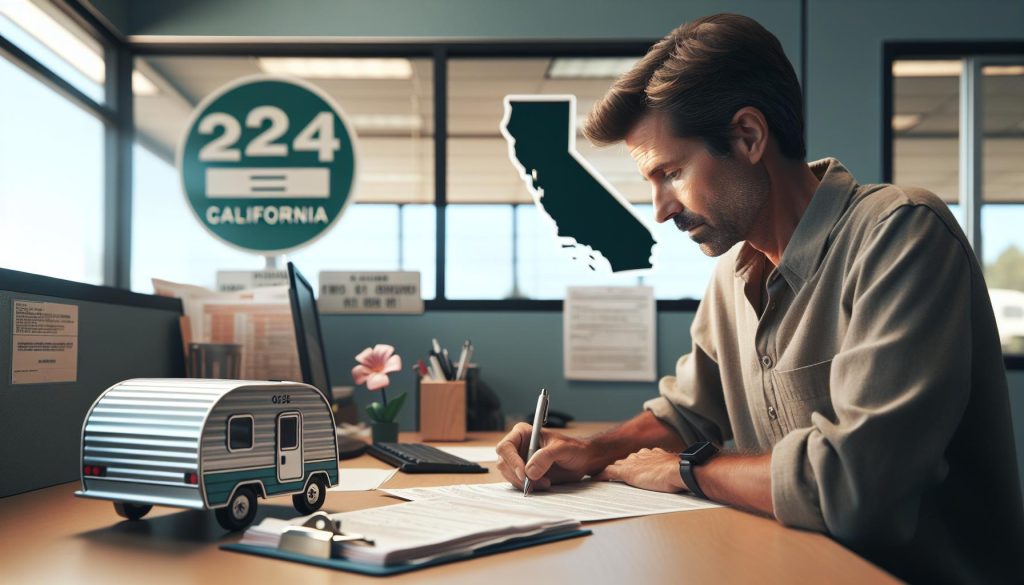
Once you have your VIN, collect necessary documents, including the original bill of sale and any receipts for materials used in your trailer construction. These documents prove ownership and the value of the trailer, both of which are necessary for proper registration and tax purposes. Additionally, you’ll need to fill out the appropriate DMV forms, including the Application for Title or Registration (Form REG 343), and be prepared to pay the applicable registration fees, which can vary based on weight and other factors, typically around $30 for a five-year registration period, no annual sticker required [[1]].
As you prepare for registration, be aware of the common pitfalls that could delay the process. Missing documents, such as proof of identity or ownership, can cause significant setbacks. It’s advisable to double-check with the DMV’s resources or even contact them before your visit if you have questions about your trailer’s specifics. By ensuring you have the right information and documentation, you’ll not only accelerate your registration but also enjoy peace of mind knowing your trailer complies with all regulations.
In conclusion, requires a careful approach, ensuring that you meet all criteria from VIN assignment to documentation. Armed with the right information and resources, you can successfully register your home-built trailer and hit the road confidently. For additional support, consider visiting the California DMV’s website or local office for tailored assistance.
Essential Requirements for Home Built Trailers
Registering a homemade trailer in California not only allows you to take your creation on the road but also helps ensure it complies with essential safety and legal requirements. To start, it’s vital to obtain a Vehicle Identification Number (VIN), which is a unique code that identifies your trailer. This VIN must be verified by a qualified person, such as a law enforcement officer or a DMV official, to confirm that your trailer meets California’s safety standards.
Beyond the VIN, documentation plays a crucial role in the registration process. You’ll need the original bill of sale proving ownership, as well as receipts for materials used in constructing your trailer. This documentation indicates the value of your trailer and serves as essential proof of ownership. When submitting your registration application, prepare to fill out the Application for Title or Registration (Form REG 343), which requires details about your trailer. In addition, be mindful of any fees associated with registration, which can vary based on the weight of the trailer and other factors.
When building your trailer, it’s beneficial to keep detailed records throughout the construction process. For example, taking photos and saving invoices can assist in demonstrating compliance and ownership at the DMV. Overall, being organized and informed about these prerequisites can significantly streamline your registration experience, enabling you to hit the road with confidence and peace of mind.
Step-by-Step Guide to Registering Your Trailer
Registering a home-built trailer in California is an essential step that not only validates your craftsmanship but also ensures that you comply with state regulations. To navigate this process smoothly, follow these clear steps tailored for prospective trailer owners.
Prepare Your Trailer for Registration
Start by ensuring your trailer is roadworthy. This includes checking for compliance with safety requirements such as lighting, brakes, and structural integrity. It’s essential to have a Vehicle Identification Number (VIN); if your trailer doesn’t have one, you must obtain a VIN from the DMV. This can typically be done by having your trailer inspected by a DMV official or law enforcement officer, who can certify that it meets California’s safety standards.
Gather Necessary Documentation
Documentation is key in the registration process. Collect the following essential paperwork:
- Original bill of sale or proof of ownership.
- Receipts for materials used in the construction of the trailer.
- Form REG 343: Application for Title or Registration, which provides specific details about your trailer.
Having meticulous records of your trailer’s construction will support your ownership claims and help establish the trailer’s value at the DMV.
Submit Your Application
With your trailer inspected and your documentation in hand, head to your local DMV office. It’s advisable to schedule an appointment online to minimize waiting times. When you arrive, submit your application along with the required documents. Be prepared to pay the registration fees, which vary depending on the trailer’s weight and other factors. In California, a new Permanent Trailer Identification (PTI) plate may be issued, which is valid for an extended period without annual renewals, adding simplicity to your registration process.
Complete Final Steps
Once your application is processed, you will receive a registration card and a license plate for your trailer. Double-check that all the details are correct before leaving the DMV. After you have your registration, make sure to keep all documents safely stored for any future needs, such as inspections or renewals.
By following these organized steps, you’ll find that registering your home-built trailer can be a straightforward and rewarding process. Enjoy the road ahead and the adventures that await with your new trailer!
Necessary Documentation for Registration Success
To successfully navigate the registration of your home-built trailer in California, having the right documentation is crucial. This process not only verifies your ownership but also ensures compliance with state regulations. A well-organized collection of documents can significantly streamline your experience at the DMV, preventing potential roadblocks and delays.
Begin by gathering your original bill of sale or any proof of ownership. This document serves as the primary evidence that you possess the trailer, especially if it was purchased as an incomplete structure or constructed from scratch. Additionally, receipts for materials used in the construction of the trailer can be beneficial. They help establish the value of your trailer and confirm its authenticity as a homemade unit.
One of the essential forms you need is Form REG 343: Application for Title or Registration. This official document requires specific details about your trailer, including its dimensions, weight, and any identifying features. Accuracy in filling out this form is paramount, as errors can lead to complications in processing your application. Keep your paperwork organized, as having all required documents ready to go can significantly reduce your processing time at the DMV.
Lastly, depending on the specifics of your trailer, you may need additional documents, such as a Vehicle Identification Number (VIN) certification or an inspection report from a DMV official. If your trailer is a unique design or built from non-standard materials, it might be subjected to further scrutiny. Being proactive in gathering these documents will ensure a smoother registration process, allowing you to focus on enjoying your new trailer.
Exploring Fees and Costs Involved in Registration
In California, understanding the fees and costs involved in registering a home-built trailer is crucial for avoiding unexpected expenses and ensuring a smooth registration process. The total costs can vary widely based on the trailer’s classification, weight, and whether it is built for special purposes. Initial registration fees typically encompass several components that are essential to budget for.
Firstly, the initial registration fee for trailers can range from $15 to $60, depending on the type of trailer and its weight. Trailers over a certain weight threshold may incur additional fees, so it’s important to know your trailer’s specifications when calculating the expected costs. In addition to the base registration fee, other potential costs you may encounter include:
- Use Tax: If the materials used to build the trailer were purchased, a use tax may be assessed, which can vary based on your county’s rate.
- Vehicle License Fee (VLF): This fee, based on the value of the trailer, is calculated at a percentage set by the state.
- Late Fees: If you miss the deadline for registration, California imposes late fees that can quickly add up, so timely registration is essential.
- Inspection Fees: Depending on the specifics of your home-built trailer, you may be required to have it inspected, which often costs around $50 to $75.
For a detailed breakdown of these fees, it may be beneficial to check with the California DMV’s official website or visit your local DMV office, where staff can provide insights based on current regulations. Creating a budget that outlines these potential costs can help you plan more effectively, ensuring you’re not caught off guard during the registration process.
Overall, while the registration of a home-built trailer in California can involve various fees, being informed and prepared allows you to navigate the process with confidence, making your investment feel more secure from the start.
Navigating Inspections and Emission Tests
The process of navigating inspections and emissions tests for home-built trailers in California can seem daunting, but understanding the requirements can pave the way for a smoother registration experience. Inspections are essential to ensure that your trailer meets the state’s safety standards, particularly for features like the braking system, lighting, and structural integrity. Depending on your trailer’s design and when it was built, you may be required to bring it to an approved inspection station.
Inspection Requirements
Inspections generally assess the trailer’s overall condition and compliance with California’s safety regulations. The inspection process includes checking the Vehicle Identification Number (VIN), which must match what is documented in your registration application. Inspectors will evaluate critical components, including:
- Braking system: Ensures the trailer can effectively stop.
- Lighting and electrical systems: Verifies all lights function properly for safe road travel.
- Structural integrity: Confirms that the chassis and frame are robust and safe.
- Tires: Checks for tread depth and overall condition to guarantee roadworthiness.
Fees for inspections can vary, typically in the range of $50 to $75. Some specialized inspections, such as those for trailers built for specific purposes or heavy-duty trailers, might incur higher fees.
Emission Tests
Though most trailers are exempt from emissions testing, if your trailer has a motorized component, such as a dual-use RV trailer, it may be subject to these tests based on state regulations. It’s vital to check with your local DMV. If emissions testing is required and your trailer fails, you’ll need to resolve the issues and retest before proceeding with registration. Emission tests ensure the vehicle meets California’s air quality standards, an important aspect in maintaining environmental health.
Preparing for Inspection
To facilitate a successful inspection, ensure that all components of your trailer are in working order before the evaluation. Consider performing a pre-inspection checklist that includes:
- Testing lights and brakes.
- Inspecting tires and ensuring proper inflation.
- Checking the trailer’s frame and joints for any signs of damage.
Having all necessary paperwork, including the bill of sale, construction details, and any previous inspection records, can assist the inspector in evaluating your trailer efficiently. Understanding and preparing for these inspections can save you time and stress, allowing you to enjoy your home-built trailer as soon as it’s registered.
Common Mistakes When Registering Trailers
Registering a home-built trailer in California can be a straightforward process, but there are several common mistakes that can lead to unnecessary delays or complications. By being aware of these pitfalls, you can navigate the registration process more effectively and avoid frustration.
One prevalent oversight is failing to gather the necessary documentation before heading to the DMV. Many trailer builders underestimate the importance of having a complete set of paperwork, which typically includes a bill of sale, proof of construction (like receipts or photographs), and the vehicle identification number (VIN). Arriving at the DMV without these documents can result in wasted trips and additional wait times. To ensure you’re well-prepared, create a checklist of all required documents, and double-check it before your visit.
Another common mistake is neglecting to address any outstanding issues with the trailer before inspection. Many first-time builders often assume that meeting basic safety standards is sufficient; however, it’s crucial to conduct a thorough pre-inspection. Inspectors are looking for compliance with various safety regulations, including brake functionality, lighting systems, and overall structural integrity. Ensure that all components are working correctly and that the trailer is in roadworthy condition, as this can prevent complications down the line.
Misunderstanding the fees or being caught off guard by unexpected costs is also a frequent mistake. While the initial registration fee may seem straightforward, additional fees could apply, such as those for inspections or special licenses. Be proactive by checking the California DMV’s website or contacting your local office for a breakdown of potential costs, including any ongoing fees for plate renewals.
Lastly, many builders fail to stay updated on legal requirements and regulations specific to home-built trailers. California has specific laws regarding trailer registration, including regulations around weight limits and safety features. Failing to comply can lead to fines or the inability to register the trailer altogether. Regularly consult the DMV’s resources to ensure you’re informed about any changes in the law that may affect your registration process.
By being aware of these common mistakes and taking steps to avoid them, you can streamline your trailer registration experience in California and focus on enjoying your new creation.
Tips for Maintaining Your Trailer Registration
Maintaining your trailer registration is essential for ensuring compliance with California laws and avoiding fines. Regular checks and updates can save you stress in the long run, allowing you to enjoy your home-built trailer without interruptions. One of the most crucial aspects of keeping your registration up to date is marking important dates on your calendar, such as registration renewal deadlines and any inspection requirements. Timely reminders can help you avoid lapsing in registration, which could lead to penalties.
Another vital tip is to always keep a well-organized record of all documents related to your trailer. This includes your registration certificate, bill of sale, proof of any modifications, and inspection reports. Having these documents easily accessible not only helps during DMV visits but also ensures that you’re prepared for any unexpected situations, like road checks or insurance inquiries. Consider using a digital file management system to store scanned copies of these documents in addition to having physical copies.
Monitoring changes in legislation affecting trailer registration is also essential. California’s vehicle laws can evolve, leading to new requirements that could impact your registration status. Regularly visiting the California DMV website or subscribing to updates can keep you informed about any changes that may necessitate action on your part. This proactive approach can prevent future complications and ensure your trailer remains roadworthy and compliant.
Lastly, engaging in regular maintenance checks can aid in keeping your trailer in good condition. Staying on top of maintenance not only extends the life of your trailer but also ensures that it meets safety standards, which is crucial during inspections. Simple tasks, such as checking lights, brakes, and tires, can make a significant difference, reducing the likelihood of failures that could impact your registration status. By intertwining these practices into your routine, you can maintain a smooth and hassle-free trailer registration experience.
Legal Considerations for Homemade Trailers
When venturing into the world of homemade trailers, understanding the legal landscape can seem daunting. However, having a solid grasp of the legal considerations involved not only helps simplify the registration process but also ensures your trailer is compliant with California regulations. Knowing the laws can save you from penalties and contribute to a smoother experience on the road, where safety is paramount.
One of the first critical aspects to address is ensuring that your homemade trailer qualifies under California’s definition of a trailer. According to the California DMV, a trailer is “a transport vehicle designed to be towed by a motor vehicle.” Additionally, adhere to any specific guidelines regarding dimensions, weight, and equipment. If you’re constructing the trailer from scratch, ensure it’s built with appropriate materials and safety features to meet the California Vehicle Code, including working lights, brakes, and reflectors.
Next, securing proof of ownership is essential, especially for homemade trailers. You’ll need to document the creation process, which might involve keeping receipts of materials, photographs of each build stage, or design plans. This evidence not only aids in the registration process but can also facilitate any potential inspections. When you apply for registration at the DMV, be prepared to present your crafting history, a bill of sale if applicable, and any other pertinent paperwork that substantiates your ownership.
Finally, it’s vital to consider the potential need for a Permanent Trailer Identification (PTI) number if your trailer will be used primarily for recreational purposes. The PTI program, as defined by the DMV, allows for easier registration and identification of non-motorized trailers and can simplify the process for homemade or custom-built creations. To obtain a PTI, additional forms must be filled out, and sometimes an inspection is required, highlighting the importance of staying informed and organized throughout your registration journey.
By comprehensively understanding these legal considerations, you not only pave the way for a successful registration experience but also reinforce your ability to enjoy your homemade trailer within the bounds of the law. While the journey of crafting and registering your trailer can be intricate, remaining proactive and informed significantly enhances your peace of mind as you hit the road.
Updating Registration After Modifications
When you modify your homemade trailer, whether by upgrading the tongue, changing axle types, or altering its dimensions, timely updates to its registration are crucial to remain compliant with California’s regulations. Ignoring these changes can lead to legal issues and complications during inspections or roadside checks. Fortunately, the process to update your trailer’s registration is straightforward with a few essential steps to follow.
First, it’s important to gather all relevant documents that reflect the modifications made. This includes receipts for new parts, photographs of the updated features, and any engineering documents that prove the structural integrity of the changes. If significant modifications were made-such as converting a utility trailer into a camper-consulting with structural engineers or professionals experienced with trailers can be helpful. Their assessments can provide invaluable documentation to support your registration update.
Next, visit your local Department of Motor Vehicles (DMV) office or their website to determine specific requirements for your modifications. Generally, you will need to complete an application for the registration change and may be required to pay an applicable fee. If your trailer’s modifications require an inspection to ensure compliance with safety regulations, be prepared for that as well. During the inspection, officials will confirm that your trailer meets all safety codes set by the California Vehicle Code.
Finally, once your registration is updated, ensure all documentation regarding the changes is kept with your trailer’s paperwork. This way, should any queries arise from law enforcement or other officials, you have the facts readily available. Keeping your trailer’s registration current not only facilitates better compliance but also adds to the overall safety and reliability of your vehicle as you take it on the road. By staying proactive about these updates, you can enjoy peace of mind knowing that your homemade trailer remains legally registered and safe for use.
Resources for Further Assistance and Information
Navigating the intricate process of registering a home-built trailer can feel overwhelming, but plenty of resources are available to simplify the experience and ensure compliance with California regulations. One of the best starting points is the official California Department of Motor Vehicles (DMV) website, where you can access essential forms, detailed guidelines, and FAQs specifically related to trailer registration. It’s advisable to keep the DMV’s contact information handy so you can reach out for personalized assistance if needed.
For those looking for community insight, online forums like Reddit can be treasure troves of anecdotal guidance and tips from fellow DIY trailer builders and registrants. Many users share their experiences regarding paperwork, inspections, and best practices in ensuring their trailers meet safety standards before visiting the DMV. Engaging with these communities can not only provide reassurance but also reveal common pitfalls to avoid.
Additionally, don’t hesitate to consult local vehicle registration workshops or community classes. Many organizations offer sessions where you can learn about the nuances of trailer registration, as well as hands-on assistance with completing forms and gathering necessary documentation. These workshops can also provide valuable networking opportunities with other trailer owners who have successfully navigated the registration process.
Finally, consider reaching out to professionals who specialize in trailer modifications and compliance. Having an expert review your build and suggest compliance-related changes can save you time and frustration in the long run. Knowing that your trailer meets all safety regulations not only facilitates a smoother registration process but also gives you peace of mind as you take your newly built trailer on the road.
FAQ
Q: How do I determine if my home built trailer needs to be registered in California?
A: In California, any trailer designed for road use typically must be registered, including home built trailers. If your trailer weighs over 1,000 pounds or is used for commercial purposes, registration is mandatory. Refer to the “Understanding California’s Trailer Registration Process” section for specific details.
Q: What inspections are required for registering a homemade trailer in California?
A: Homemade trailers must undergo a safety inspection, which includes checking the brakes, lights, and overall structure. It’s advisable to contact your local DMV for specific requirements, as conditions may vary by county.
Q: Can I register my home built trailer without a title in California?
A: Yes, you can register a home built trailer without a title by completing a Statement of Facts (REG 256) form at the DMV. You will also need to provide a detailed description and any receipts for parts used in construction.
Q: What fees should I expect when registering a home built trailer in California?
A: Fees for registering a home built trailer can vary based on its weight and type. Generally, expect to pay a registration fee and potentially a use tax. Check the “Exploring Fees and Costs Involved in Registration” section for a breakdown of typical costs.
Q: How long does it take to register a homemade trailer in California?
A: The registration process for a homemade trailer can take from a few days to several weeks, depending on the complexity of your application and required inspections. Be sure to submit all required documentation to avoid delays.
Q: Will I need insurance to register my home built trailer?
A: While California does not require insurance to register a private-use trailer, having insurance is advisable to protect against potential liabilities or damages. Consult your insurance provider for options suited to your trailer.
Q: Are there specific legal requirements for homemade trailers in California?
A: Yes, legal requirements include adhering to safety standards, obtaining necessary inspections, and ensuring proper registration. For comprehensive guidelines, refer to the “Legal Considerations for Homemade Trailers” section in the article.
Q: Can I modify my trailer after registration, and how does it affect my registration?
A: Yes, you can modify your trailer after registration; however, significant changes may require notifying the DMV and updating your registration information. Check the “Updating Registration After Modifications” section for guidelines on this process.
Concluding Remarks
Now that you have a clear understanding of how to register a home-built trailer in California, don’t let your plans stall! Ensure you have all necessary documents and inspections ready to hit the road with confidence. For further insight, check out our detailed guides on mobile home setup procedures and renovation techniques to fully optimize your trailer experience.
If you’re considering mobile home living, explore our resources on financing options and insurance considerations to make informed decisions. Feel free to leave your questions or share your experiences in the comments-your journey can inspire others! Remember, your next adventure is just a registration away; take the first step today to embrace the open road with your customized home on wheels!