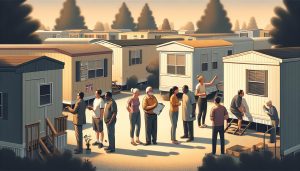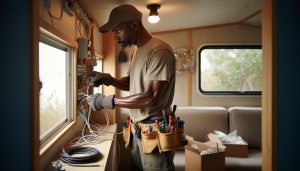
Mobile homes are becoming an increasingly popular housing option, offering flexibility and affordability for many. If you’re questioning whether to buy one, it’s crucial to weigh the pros and cons carefully. From cost-saving benefits to unique maintenance challenges, understanding this housing choice can significantly impact your lifestyle and finances. As you explore the intricacies of mobile home ownership, you’ll discover smart decision tips that empower you to navigate the market with confidence. Whether you’re a first-time buyer or considering a mobile home as an investment, this guide will equip you with the essential knowledge to make informed choices, ensuring your next step aligns with your needs and aspirations. Ready to dive deeper? Your ideal living space could be just a decision away.
Should I Buy a Mobile Home: Key Considerations
Considering the purchase of a mobile home can be both an exciting opportunity and a significant decision. Mobile homes offer flexibility, affordability, and a unique living experience; however, they come with their own set of challenges and considerations. Understanding what factors influence this choice will empower buyers to make informed decisions that align with their lifestyles and financial situations.
Firstly, it’s essential to evaluate your financial readiness. Unlike conventional homes, mobile homes often have lower upfront costs, which can make them attractive. However, buyers should also account for additional expenses such as land purchase, site preparation, and mobile home insurance, which can vary greatly. Researching local market prices and factoring in potential resale value fluctuations is crucial. For instance, while the initial cost may be lower, the mobile home’s depreciation rate can be steeper than traditional homes, affecting long-term investment potential.
Next, consider the lifestyle aspects. Mobile homes are often situated in communities that provide amenities like pools, clubhouses, and social activities, which can foster a sense of belonging. However, zoning regulations and community rules can limit how you can modify the home or use the land. Understanding these aspects upfront can help you align your personal values and lifestyle preferences with the available options.
Lastly, long-term maintenance and resilience should be at the forefront of your decision-making process. Mobile homes can require specific care depending on the climate and environment. Researching local building codes and guidelines for safety measures, such as tie-downs in storm-prone areas, is vital. Engaging with current mobile homeowners about their experiences can provide valuable insights into the day-to-day responsibilities and considerations of mobile home living.
In summary, weighing the pros and cons alongside thorough preparation and research will guide you toward a satisfying choice in mobile home ownership. By addressing financial, lifestyle, and maintenance elements, you can confidently navigate this unique housing market.
Understanding Mobile Homes: Types and Features
Understanding the variety of mobile homes available is crucial for potential buyers, as it can significantly influence your living experience and satisfaction with your investment. From single-section to multi-section models, mobile homes come in diverse configurations that cater to different needs and budgets.
One of the most common types is the single-wide mobile home, typically measuring up to 18 feet in width and can range from 60 to 90 feet in length. These homes are often more affordable and easier to transport, making them a popular choice for first-time buyers or those looking to downsize. On the other hand, double-wide mobile homes are wider and can provide more living space, usually ranging from 1,000 to 2,000 square feet. They are essentially two single units joined together, offering a more residential feel with additional rooms and amenities.
Mobile homes are often equipped with a range of features that vary by model and manufacturer. Many now come standard with modern kitchens, energy-efficient appliances, and upgraded insulation, making them comparable in comfort and style to site-built homes. Potential buyers should pay attention to factors such as insulation quality (especially in colder climates), roof types (flat or pitched), and materials used for construction, as these elements can impact longevity and energy costs.
When shopping for a mobile home, it’s also important to consider their layout. Open floor plans are common, allowing for a more spacious atmosphere, while some designs include designated entryways and separate laundry areas for enhanced functionality. Some models offer custom options for kitchens and bathrooms, allowing for personal touches that align with your lifestyle and tastes.
Ultimately, understanding the types and features of mobile homes will aid you in making an informed decision. By recognizing the distinctions between different mobile home styles, along with their amenities and configurations, you can better determine which model suits your needs, making your transition into mobile home living a more rewarding experience.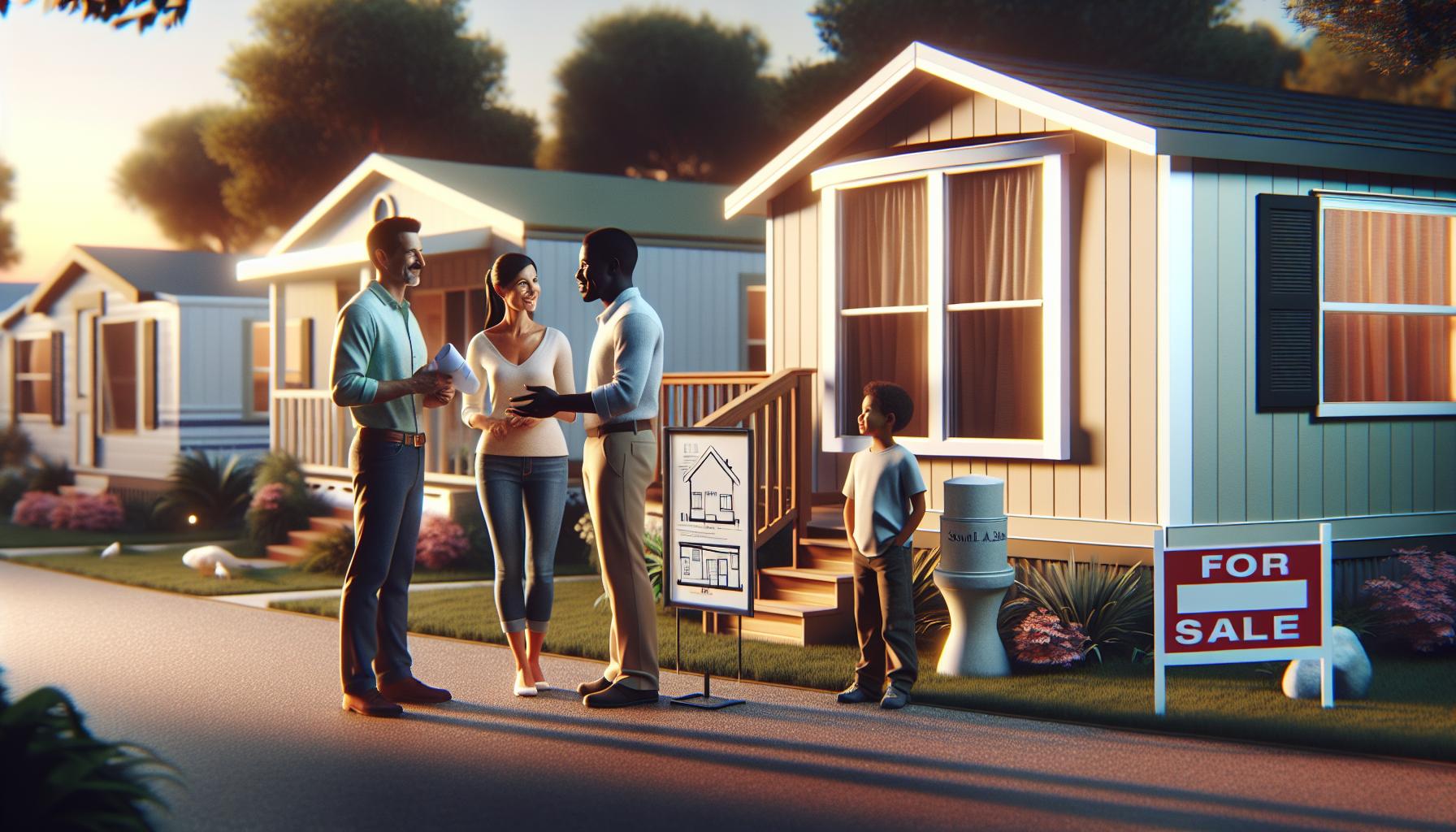
The Financial Breakdown: Cost of Buying a Mobile Home
Understanding the costs associated with purchasing a mobile home is crucial for potential buyers seeking financial stability while transitioning into this unique housing option. On average, mobile homes are generally more affordable than traditional site-built homes, with prices that can range from $30,000 to $150,000 depending on factors such as size, age, location, and features. However, the initial purchase price is just one part of the financial equation.
When budgeting for a mobile home, consider several essential costs:
- Purchase Price: This is the upfront cost of the home itself, which varies widely based on the model and amenities.
- Financing Costs: If you’re financing the purchase, be prepared for interest rates that may range from 5% to 10% or more. This reflects the higher risk lenders associate with mobile home loans, especially if the home is classified as personal property rather than real estate.
- Land Costs: If you don’t own land, you’ll need to consider renting a lot in a mobile home park or buying land where you can place the home. Lot rents can vary significantly, often costing anywhere from $200 to $700 monthly.
- Utilities and Maintenance: Don’t forget to plan for ongoing expenses such as water, electricity, sewage, and general home maintenance. Energy efficiency in modern mobile homes can result in lower utility costs, making it crucial to evaluate insulation and appliance quality.
- Insurance: Mobile homes typically require specialized insurance, which can vary based on value, location, and risk factors (like flood risk). Expect costs between $400 to $1,200 annually.
- Property Taxes: Like any home, you may be subject to property taxes, although they often tend to be lower for mobile homes compared to traditional houses.
Moreover, it’s wise to factor in potential costs related to setup. This includes transportation of the mobile home to your desired location, site preparation expenses (like leveling the ground and installing utilities), and any foundations or tie-downs required for stability, especially in areas prone to storms or seismic activity.
Understanding these financial components will empower potential buyers to make informed decisions when considering mobile home ownership. By thoroughly evaluating all associated costs, you can avoid unexpected expenses down the road and ensure your mobile home journey aligns with your financial goals.
Exploring Financing Options for Mobile Homes
When considering the purchase of a mobile home, understanding the financing options available can significantly impact your financial planning and overall experience. Given that many potential buyers may be new to mobile home financing, it’s essential to explore different routes to secure a loan that best meets individual needs and circumstances.
First, it’s crucial to distinguish between chattel loans and conventional mortgages. Chattel loans are often used for mobile homes classified as personal property, meaning the home is not permanently affixed to the land it sits on. These loans typically come with higher interest rates, ranging from 5% to 10% or even higher, reflecting the increased risk lenders associate with such properties. On the other hand, if you own the land and can classify your mobile home as real property, you may qualify for a traditional mortgage, which can offer lower interest rates and longer repayment terms. This distinction can greatly influence not only your monthly payments but also your overall financial commitments.
Another financing option includes personal loans, which can provide a flexible means to purchase a mobile home, especially when combined with a down payment. These loans typically require shorter repayment periods than mortgages but can be a viable choice for buyers with excellent credit looking to minimize the total interest paid. However, be mindful that personal loans may have higher rates than conventional financing, so evaluating your credit score and shopping around is always recommended.
For those looking to minimize complications and embrace a comprehensive approach, government-backed loans like FHA loans can also be a consideration. The Federal Housing Administration (FHA) offers loans specifically designed for manufactured homes, which help extend accessibility to homeownership. These loans often come with more favorable terms-including lower down payment options-making them an attractive choice for first-time buyers or those with less-than-perfect credit.
Lastly, exploring lenders specializing in mobile and manufactured home financing, such as 21st Mortgage Corporation, Cascade Financial Services, and Vanderbilt Mortgage, can be extremely beneficial. These lenders understand the unique aspects of the mobile home market and can provide tailored advice and financing solutions. By comprehensively evaluating your options and seeking guidance from experienced lenders, you can navigate the financial landscape confidently and find the best solution for your mobile home purchase.
Insurance Insights: Protecting Your Mobile Home
While many people find comfort in traditional homes, mobile and manufactured homes represent an increasingly popular alternative, often providing more affordable options. Securing proper insurance coverage for your mobile home is a critical step that offers peace of mind and financial protection against unforeseen events. Unlike standard homeowners insurance, mobile home insurance typically addresses the unique risks these types of homes face, making it essential to understand what options are available and what coverage best suits your needs.
When it comes to mobile home insurance, several key components should be considered. Basic coverage usually includes protection for the structure itself, personal belongings, liability, and additional living expenses if you are temporarily unable to live in your home due to a covered loss. Factors such as your home’s age, location, and local environmental risks-like hurricanes, tornadoes, or flooding-can greatly influence your premiums. Thus, engaging with a knowledgeable insurance agent who understands the specific risks associated with mobile homes is invaluable.
As you explore available insurers, options such as Progressive, GEICO, or Erie Insurance might come up. Each of these providers offers tailored policies that can cater to the nuances of mobile home living. For example, Progressive emphasizes affordable coverage specifically for mobile homes, while GEICO highlights ease of securing policies for homes used seasonally or as primary residences [[1]](https://www.progressive.com/mobile-home/) [[2]](https://www.geico.com/mobile-home-insurance/) [[3]](https://www.erieinsurance.com/mobile-home-insurance).
Aside from choosing the right coverage, finding ways to reduce your premiums is another vital aspect. Here are some strategies to consider:
- Bundle Insurance Policies: Consider bundling your mobile home insurance with auto or other insurance policies to get a discount.
- Install Safety Features: Implementing security systems, smoke detectors, or storm-resistant features can qualify you for discounts.
- Maintain Good Credit: Insurers often use credit scores as a factor in determining premiums, so sustaining good credit can lead to lower costs.
In summary, protecting your mobile home with the right insurance coverage is not merely an option, but a necessity. It serves as a safeguard for your investment and a buffer against the unexpected challenges homeownership can bring. Taking the time to research, compare policies, and understand your unique needs will empower you to make an informed decision, ensuring your mobile home is well-protected for years to come.
Legal Requirements When Purchasing a Mobile Home
Navigating the legal landscape when purchasing a mobile home is crucial for ensuring your investment is secure and compliant with local regulations. While mobile homes can represent a more affordable housing option, various legal requirements differ by state and locality, and potential buyers must understand these nuances. For instance, zoning laws often dictate where mobile homes can be placed, making it essential to verify that your desired location is zoned for mobile home usage. Failing to comply with local regulations can lead to hefty fines or even forced removal.
Licensing and titling are also key components in the legal process of buying a mobile home. Unlike traditional real estate transactions, mobile homes may have different title requirements. In many states, mobile homes are treated as vehicles and require a title obtained from the Department of Motor Vehicles (DMV) or a similar agency. Buyers should ensure that the existing title is clear of any liens before completing the purchase, confirming that ownership is free and clear of encumbrances.
Another important legal consideration involves inspections and permits. Homeowners must often provide proof of compliance with safety and building codes when setting up a mobile home. Various municipalities may require inspections at different stages, such as before installation, after hook-up to utilities, and upon completion of any renovations. It is advisable to consult with local authorities to ascertain which permits are needed, as this can vary widely from one jurisdiction to another.
Lastly, understanding homeowner association (HOA) rules is vital, especially if the mobile home is situated within a community. Many mobile home parks have specific rules regarding appearance, maintenance, and modifications to the home or property that must be followed. Engaging with the HOA early in the purchase process will help set clear expectations and prevent future conflicts. By being well-informed and prepared, prospective mobile home buyers can circumvent common legal pitfalls and ensure a smooth transition into their new living environment.
Site Preparation: Land, Utilities, and Permits
Before settling into a mobile home, the foundational elements-the land, utilities, and necessary permits-are paramount to ensuring a successful living experience. Selecting the right site goes beyond just finding a piece of land; it’s about understanding the essential infrastructure and legal requisites that support your new home. The excitement of mobile home ownership can easily be overshadowed by the complexities of site preparation, so being informed can pave the way for a smooth transition.
Finding the Right Land
Choosing the right land is a critical first step. When purchasing land for a mobile home, consider factors such as proximity to essential services, schools, and recreational facilities. Additionally, you should research zoning regulations to confirm that mobile homes are permitted in your desired area. If you plan to place a double-wide or larger mobile home, also check for specific size restrictions and local guidelines that might apply.
Utilities Hook-Up
Once you have the land, it’s time to consider utility connections. Most mobile homes require several utilities: water, electricity, and sewage. Assess the availability of these services in your chosen location. If your land is not already connected to these utilities, you may have to arrange for installation, which can involve significant costs and time. Often, professionals will be necessary to ensure that installations comply with local building codes. If you’re in a rural area, inquire about the feasibility of well water and septic systems, as these might be your only options.
Permits and Inspections
After securing land and utilities, permits are next on the list. Most municipalities require specific permits before setting up a mobile home, which can include land use permits and building permits. It’s essential to engage with local authorities early in the process to understand which documents are necessary. Furthermore, inspections may be required at various stages, from grounding the mobile home to ensuring safe utility hook-ups. Failing to procure proper permits can result in costly fines and even the necessity to dismantle your set-up.
In summary, thorough preparation involving land acquisition, utility administration, and compliance with local regulations can significantly enhance your mobile home living experience. By approaching these foundational steps with care and diligence, you can enjoy the many benefits of a mobile home rather than turning these necessities into roadblocks on your path to homeownership.
Setting Up Your Mobile Home: A Step-by-Step Guide
Successfully setting up your mobile home is a vital step that can significantly enhance your living experience. This process can feel overwhelming, but breaking it down into manageable steps allows you to navigate it with confidence and peace of mind. Whether you’re newly embarking on mobile home ownership or looking to refine your setup skills, having a clear understanding of the procedure will ensure that your home is stable, comfortable, and safe.
Step 1: Leveling the Home
Before anything else, it’s crucial to ensure that your mobile home is properly leveled. Uneven flooring can lead to damage over time, so this step is non-negotiable. You may use a level to check the sides of your home and adjust it as necessary using concrete blocks or leveling jacks. Regularly check the level once the home is occupied, as settling can still occur.
Step 2: Anchoring the Structure
After leveling, anchoring your mobile home is essential, especially in areas prone to high winds or storms. This process involves securing the mobile home to the ground using tie-downs and anchors that can prevent shifting and overturning. Each state may have specific codes regarding anchor types and spacing, so it’s wise to consult local regulations to ensure compliance.
Step 3: Utility Connections
Connecting utilities is a critical next step that allows you to enjoy all the comforts of home. Ensure that the following services are properly connected and tested:
- Water Supply: Connect to municipal water or set up a well if you’re in a rural area.
- Sewage System: Determine if you’ll need a septic tank or if you can hook up to municipal sewage.
- Electricity: This may require the installation of a meter base and professional assistance to adhere to local electrical codes.
Having these services expertly installed not only ensures your comfort but also complies with safety regulations.
Step 4: Permitting and Inspections
As you finalize the utility setup, ensure that you have followed all local permitting requirements for mobile home installation. This often includes obtaining land-use permits and scheduling necessary inspections, which can occur before or after the installation of utilities. This step is vital to avoid costly fines and ensure that your home meets safety standards.
By following these detailed steps, you will create a sturdy foundation for your mobile home living experience. This preparation enables you to focus on personalization and enjoying your home, knowing that the foundational aspects are secure. With proper setup, mobile home ownership can offer the benefits and comforts of traditional housing, all while enjoying the unique advantages of this versatile living option.
Maintenance Must-Knows for Mobile Home Owners
Owning a mobile home is an increasingly popular choice for many, blending affordability with the comforts of homeownership. However, like any home, maintaining a mobile home is crucial for ensuring longevity and comfort. A proactive maintenance plan can prevent minor issues from escalating into costly repairs and improve the overall living experience.
Regular inspections are fundamental in maintaining the integrity of your mobile home. Every few months, check the exterior for damage such as cracks, gaps, or wear in the skirting, which can lead to pest infestations and moisture issues. Pay attention to the roof; mobile homes often have a flat or low-pitched roof that can accumulate debris or stand water. Regular cleaning and resealing seams will prevent leaks that could compromise the structure.
Key Maintenance Areas
To effectively care for your mobile home, focus on these essential maintenance areas:
- Plumbing: Inspect pipes regularly for leaks, especially if they are exposed to the elements. Insulating pipes can prevent freezing during colder months.
- HVAC System: Schedule annual maintenance for your heating and cooling systems. Clean or replace filters every month, particularly during heavy use.
- Flooring: Check for signs of moisture damage, and clean regularly to avoid mold growth. Hardwood and laminate floors may require refinishing to maintain their appearance.
- Exterior Maintenance: Clean gutters and downspouts to ensure proper drainage. Repaint or touch up any fading areas to protect against weathering.
Winterization and Storm Preparedness
Depending on your geographic location, winterizing your mobile home can save you from significant repair costs. Properly insulate your home and disconnect outdoor hoses to prevent freezing. If you live in a storm-prone area, familiarize yourself with local codes regarding wind tie-downs and storm anchoring. Investing in proper insurance is also wise; ensure your policy covers hurricane and flood damage if applicable.
Overall, embracing a routine maintenance schedule and being proactive can enhance your mobile home’s value and your enjoyment in it. This approach transforms mobile home living from a transient experience into a legitimate, long-term housing solution, allowing you to personalize and remain safe in your space for years to come.
Renovation Tips to Enhance Your Mobile Home
Transforming your mobile home into a personalized retreat can significantly enhance both your living experience and resale value. With some thoughtful renovations, you can breathe new life into your space, making it not only more comfortable but also a reflection of your style and needs. Whether you’re looking to make small updates or undertake larger projects, here are practical tips to elevate your mobile home.
One of the most impactful changes you can make is to update your kitchen. Start by replacing outdated appliances with energy-efficient models that not only look sleek but can also save you money on utility bills. A fresh coat of paint on cabinets, combined with new hardware, can rejuvenate the space without a complete remodel. Additionally, consider adding a backsplash with vibrant tiles to create a focal point that brings color and personality to the room.
Another area ripe for renovation is the bathroom. Simple upgrades like installing a new vanity or modern fixtures can create a sense of luxury. If space allows, adding shelving or storage solutions can enhance functionality and organization. Incorporating natural elements, such as wooden accents or plants, can also create a spa-like atmosphere that promotes relaxation.
Upgrading flooring is another effective way to enhance your mobile home. Swapping out old carpeting for laminate or vinyl plank flooring not only modernizes the look but can also improve durability and ease of maintenance. If your budget allows, consider radiant floor heating in key areas for added comfort during colder months. Don’t overlook the importance of aesthetics-choosing lighter colors can make your space feel larger and more inviting.
Finally, enhancing your mobile home’s exterior can significantly boost curb appeal. Simple tasks such as resealing skirting, freshening up the paint, or landscaping can make a big difference. For those looking to add value, consider installing a deck or porch where you can enjoy outdoor living.
With these renovation tips, your mobile home can evolve into a stylish and comfortable haven. Each improvement not only increases functionality but can also significantly enhance your enjoyment of your home, solidifying mobile living as a rewarding lifestyle choice.
Weathering the Storm: Safety and Preparedness Guide
Preparing for severe weather is crucial for mobile homeowners, particularly in areas prone to hurricanes or heavy storms. Unlike traditional homes, mobile homes have unique vulnerabilities due to their design and structure. However, with the right precautions, you can significantly enhance your safety and protect your investment.
First and foremost, consider investing in proper anchoring systems and tie-down straps. These are essential for securing your mobile home against high winds. Ensure that your home is professionally anchored to the ground; this typically involves tying the home down to concrete piers or anchors buried in the ground. You can consult local building codes for specific requirements, as they vary by state and locality. Securing windows and doors with storm shutters or plywood can also provide an extra layer of protection during severe weather.
Additionally, having an emergency preparedness plan is vital. Gather important documents such as insurance policies, identification, and medical records in a safe, waterproof container. Make a checklist of essential supplies including food, water, first aid kits, and medications to last at least three days. Consider setting aside a separate emergency fund to cover unexpected repairs or expenses that might arise post-storm.
Stay informed about weather conditions via reliable sources. Download weather apps or sign up for local alert systems to receive updates in real-time. In case a storm is imminent, be ready to evacuate. Know your evacuation routes and have a plan for your pets, as many shelters do not accommodate animals.
By taking these preparatory steps, you can significantly reduce the risks posed by volatile weather. Mobile homes can be a rewarding living choice when combined with proactive safety measures, demonstrating that beauty and resilience can go hand-in-hand even in mobile living.
Evaluating the Investment: Mobile Home Resale Value
Understanding the resale value of a mobile home is crucial for anyone contemplating this investment. Unlike traditional homes, mobile homes often depreciate in value, akin to vehicles. However, strategic choices can enhance their resale potential, making them a viable long-term investment. Awareness of the factors that influence resale value can empower buyers to make informed decisions, ensuring that their investment pays off down the road.
One of the most significant determinants of mobile home resale value is its location. Homes situated in reputable parks or communities that offer amenities, good schools, and low crime rates tend to retain value better. Additionally, proximity to essential services such as shopping and healthcare can positively impact resale potential. When considering purchase options, take time to research the community’s reputation and potential for growth.
Another critical factor is the condition and age of the mobile home. Investing in maintenance and updates, such as a new roof, plumbing repairs, or modernizing the interior, can significantly boost resale value. Keeping records of repairs and upgrades not only helps potential buyers assess the home’s condition but also can justify a higher asking price. Furthermore, energy-efficient upgrades, such as better insulation and newer appliances, can appeal to cost-conscious buyers seeking lower utility bills.
Market Trends and Appraisal Considerations
Before diving into a purchase, staying informed about local market trends is essential. Real estate markets can fluctuate, and understanding whether you’re in a buyer’s or seller’s market can shape your expectations around resale value. An appraisal will typically consider the home’s condition, location, and comparable sales in the area, so being aware of these factors can help in setting a realistic expectation about potential resale profits.
In summary, while mobile homes may face a unique set of challenges regarding depreciation, careful consideration of location, maintenance, and market dynamics can significantly enhance their resale value. With a proactive approach and informed decisions, owning a mobile home can be both a fulfilling and financially sound choice.
Frequently Asked Questions
Q: What are the main benefits of buying a mobile home?
A: Buying a mobile home offers several benefits, including affordability, flexibility, and lower maintenance costs compared to traditional homes. They can provide a cost-effective housing solution for families and retirees, allowing for easier relocation and reduced living expenses. Consider your lifestyle and financial goals when evaluating these advantages.
Q: What should I consider when choosing a location for my mobile home?
A: When selecting a location for your mobile home, consider factors like proximity to amenities, community regulations, and transportation options. Research zoning laws, utility availability, and potential land purchase or rental costs. Understanding the local environment will help ensure a comfortable living experience.
Q: How do mobile homes compare to traditional homes in terms of investment?
A: Mobile homes often appreciate slower than traditional homes, but they can still be a viable investment, especially in desirable areas. Consider total ownership costs, potential resale value, and market trends before making a decision. A thorough financial analysis can provide insight into long-term benefits or drawbacks.
Q: What financing options are available for mobile home purchases?
A: Financing options for mobile homes include traditional mortgages, personal loans, and specific mobile home loans. Government programs like FHA or VA loans may also be available. It’s essential to shop around for the best rates and terms tailored for mobile homes, as they can be less conventional than traditional home loans.
Q: What maintenance tasks are unique to mobile home ownership?
A: Unique maintenance tasks for mobile homes include checking and replacing tie-downs, inspecting the roof for leaks, and maintaining plumbing systems. Regular inspections and upkeep help prevent costly repairs and extend the life of the home. Familiarizing yourself with standard mobile home components can simplify maintenance.
Q: How can I increase the resale value of my mobile home?
A: To enhance your mobile home’s resale value, consider renovations such as updating kitchens and bathrooms, improving curb appeal, and ensuring proper maintenance. Invest in energy-efficient upgrades and keep the home clean and clutter-free during showings to attract potential buyers. These steps can create a more appealing market presence.
Q: Are there specific insurance considerations for mobile homes?
A: Yes, mobile homes often require specialized insurance policies due to their unique construction and risks. Regular homeowner’s insurance may not cover mobile homes adequately. Consider obtaining a policy designed for your home type, including liability and personal property coverage, to ensure comprehensive protection.
Q: What legal requirements should I be aware of when buying a mobile home?
A: When purchasing a mobile home, be aware of zoning laws, building codes, and registration requirements. Properly understanding these legal considerations will help avoid potential issues. Additionally, ensure the home has a clear title and verify any related fees or permits required for installation on your chosen site.
In Retrospect
As you weigh your decision about whether to buy a mobile home, remember that informed choices lead to successful outcomes. Assess the pros and cons we’ve discussed, and don’t hesitate to explore financing options and legal considerations to ensure you’re well-prepared. For those looking to dive deeper, check out our guides on maintenance projects and mobile home renovations that can enhance your living experience.
Don’t miss the opportunity to stay in the loop-sign up for our newsletter for tips and insights on mobile home living. If you have further questions or thoughts, share them in the comments below; your experience could help others in their journey. Mobile home ownership is not just a choice; it’s a lifestyle that can offer freedom and flexibility. Take the next step today, and navigate the world of mobile homes with confidence!