A-frame modular homes are making a resurgence, appealing to those who appreciate their unique architectural style and practical benefits. With their iconic triangular design, these homes not only stand out in any landscape but also offer efficient use of space and natural lighting. For potential homeowners and investors alike, understanding the allure of A-frame structures is crucial. Beyond aesthetics, these modular homes represent a sustainable, cost-effective solution for modern living, perfect for anyone seeking a cozy retreat or a year-round residence. Dive deeper into this topic to explore how A-frame designs blend functionality with an unmistakable charm, and discover the key features that make them a great choice for your next home.
What Are A-Frame Modular Homes?
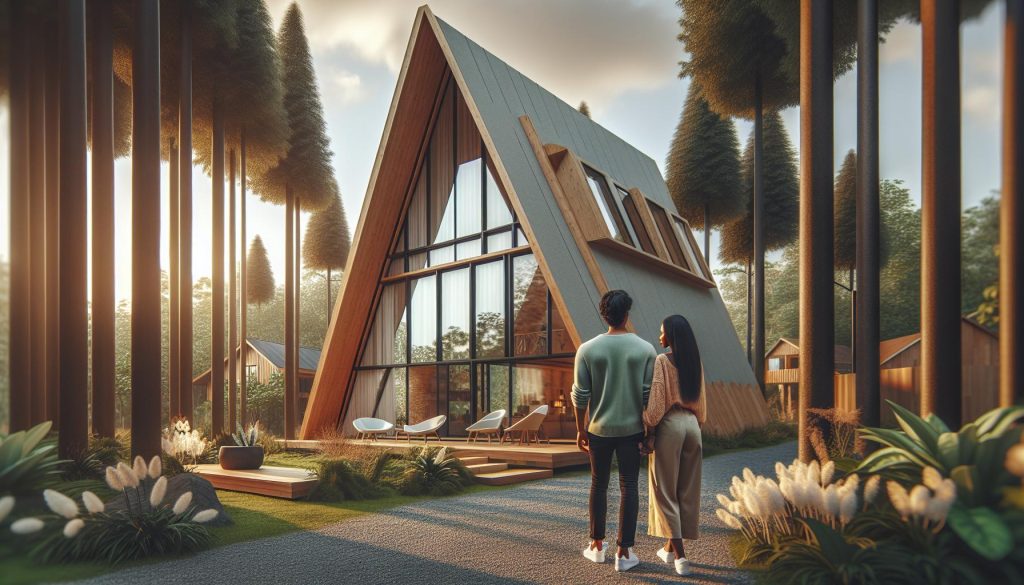
A-frame modular homes represent a unique and increasingly popular design choice for those seeking a blend of aesthetic appeal and practical living. Characterized by their striking triangular silhouette, these homes draw inspiration from traditional A-frame architecture, offering a distinctive look that pairs well with natural surroundings. Designed with modular construction techniques, these homes can be produced in sections and easily transported to the desired location, significantly improving construction efficiency and reducing waste.
One of the notable aspects of A-frame modular homes is their versatility. They cater to various lifestyles and preferences, from vacation retreats nestled in the mountains to permanent residences in suburban neighborhoods. The open floor plan typical of such designs allows for flexible interior layouts, making it easy to adapt the space according to personal needs. Furthermore, large windows are a hallmark of A-frame structures, inviting ample natural light and providing breathtaking views of the surrounding environment.
Consumers are increasingly drawn to the benefits of modular construction when considering A-frame homes. Not only do these homes typically come with enhanced energy efficiency-thanks to modern building materials and techniques-but they are also often more affordable than traditional site-built homes. This affordability opens the door for more individuals and families to invest in homeownership. With a plethora of options available, prospective owners can customize features, from exterior finishes to interior layouts, ensuring their home is tailored to their specific tastes and requirements.
As you explore A-frame modular homes, consider the advantages of their timeless design and innovative construction methods. These homes not only fulfill the desire for functional living spaces but also for homes that stand out, reflecting a unique architectural style that harmonizes with nature.
The Unique Appeal of Triangle Architecture
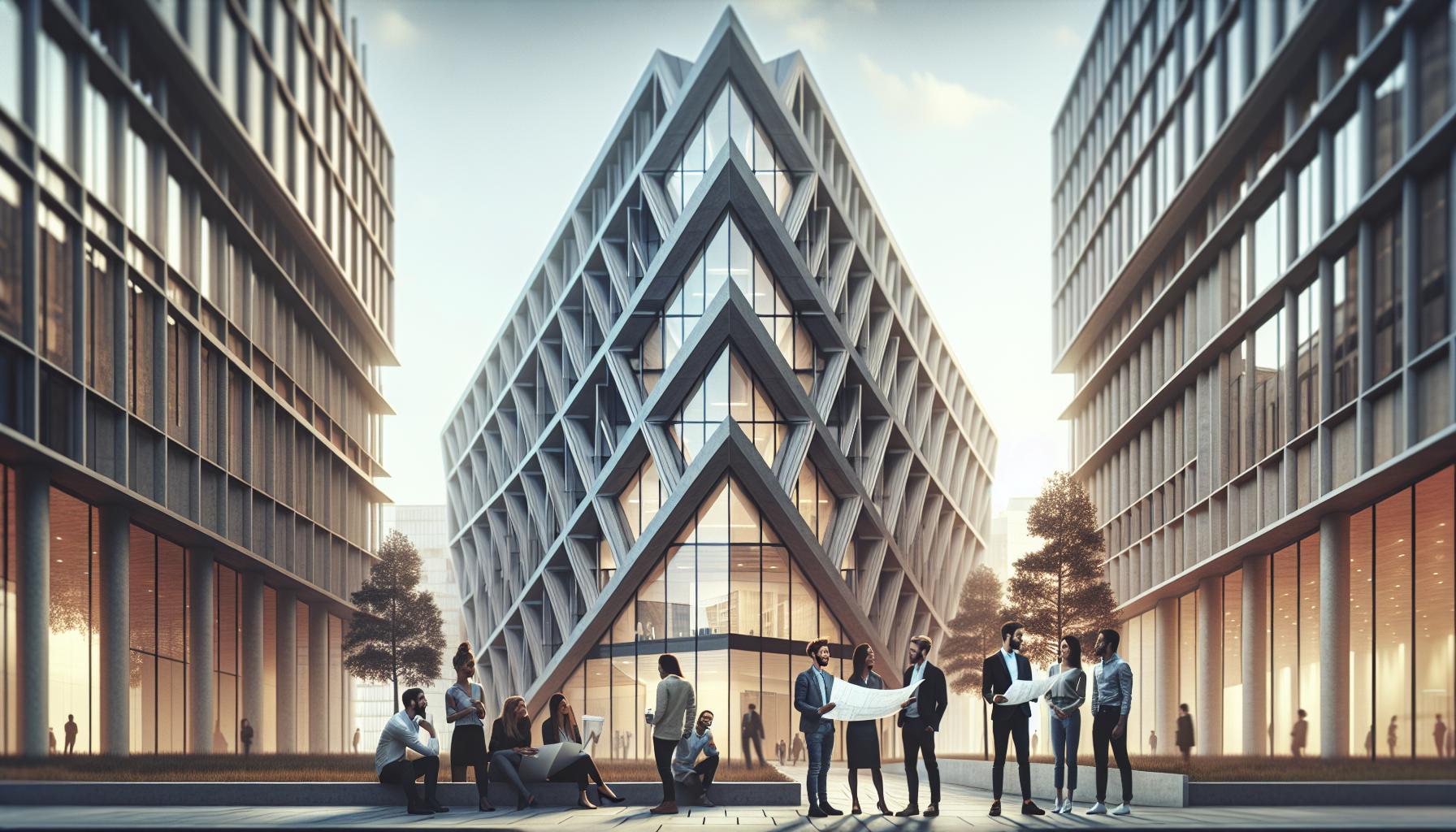
The iconic triangular structure of A-frame homes captivates both the eye and the mind, offering a blend of architectural elegance and functional design. This distinctive shape, characterized by steeply sloped roofs that converge at a high peak, not only provides a striking visual appeal but is also inherently practical. The angular design promotes efficient water runoff, minimizing the risk of leaks and damage from heavy snowfall, making it particularly beneficial in regions prone to harsh weather. This combination of aesthetic allure and sensible engineering resonates deeply with prospective homeowners.
A-frame modular homes draw on this classic architecture, encapsulating the beauty of simplicity while maximizing interior space. The open concept inherent in the design allows for vast and airy living areas flooded with natural light, courtesy of large windows that frame picturesque views of the surrounding landscape. This visual connectivity to nature enhances the living experience, creating a serene atmosphere that many find appealing in vacation homes or year-round residences. Moreover, the bold geometry of A-frame structures can create a playful and inviting environment, fostering a sense of warmth and comfort that is essential for any home.
Another unique aspect of triangle architecture relates to its symbolic qualities. Triangles are often associated with stability and strength due to their geometric properties, making A-frame homes not just visually captivating but also structurally sound. This inherent stability, coupled with appealing features like expansive decks and outdoor spaces, creates an environment that feels secure while offering opportunities for relaxation and recreation. Many owners appreciate how the design can seamlessly integrate into a variety of natural settings, from wooded retreats to coastal escapes, enhancing rather than overshadowing the surrounding beauty.
In an age where sustainability and budget-consciousness are increasingly important, A-frame homes serve as a brilliant solution. Their straightforward design and modular construction methods lead to a reduction in building waste and timelines, which is a significant advantage for environmentally aware buyers. The simplicity of the design also lends itself to affordable manufacturing, making it possible for more families to experience the joy of homeownership without compromising on quality or style. This unique appeal positions A-frame modular homes as a timeless and attractive choice for today’s consumers in search of a distinctive yet practical dwelling.
Benefits of Choosing A-Frame Modular Homes

Choosing an A-frame modular home offers a wealth of benefits that appeal to diverse lifestyles and needs. This iconic architectural style not only enhances visual aesthetics but also delivers practical advantages that modern homeowners seek. With their unique triangular design, A-frame homes foster a strong connection to the outdoors, integrating spacious interiors with magnificent views. The open floor plans encourage a sense of community, making them perfect for both family gatherings and serene retreats.
One of the standout features of A-frame modular homes is their energy efficiency. The steep rooflines can support larger windows, allowing for ample natural light while reducing reliance on artificial lighting. This design element, coupled with the home’s compact footprint, often results in lower heating and cooling costs, which are significant considerations for budget-conscious buyers. Additionally, the use of sustainable materials in their construction further solidifies A-frame homes as environmentally friendly options, appealing to homeowners looking to make eco-conscious choices.
A-frame modular homes provide remarkable flexibility and customization options, accommodating everything from seasonal vacation properties to full-time residences. The modular construction process allows for relatively quick assembly and can minimize disruptions during the building phase, a vital aspect for prospective homeowners eager to settle in sooner rather than later. Furthermore, these homes can be tailored in numerous ways, from layout adjustments to finishing options that reflect individual tastes, making each A-frame unique to its owner.
Moreover, the inherent stability of the triangular architecture translates into robustness against harsh weather conditions, making A-frame homes suitable for a wide range of climates. They can effectively withstand high winds, heavy snowfall, and rain due to their sloped roofs and sturdy frame. This durability, combined with appealing aspects like outdoor living spaces, ensures that A-frame homes not only provide shelter but also promote an enjoyable lifestyle, with opportunities for relaxation and recreation right from your doorstep.
Key Features of A-Frame Designs
The distinctive shape of A-frame modular homes is not just visually striking but also highly functional, making them an appealing choice for modern living. One of the most notable characteristics of these homes is their steeply pitched roof, which allows for efficient water runoff in rainy or snowy climates while also providing a spacious interior loft area. This design minimizes the risk of water accumulation, enhancing the structure’s overall durability and longevity.
Another key feature is the expansive use of windows that the architecture supports. The triangular structure enables homeowners to enjoy panoramic views of their surroundings, fostering a deep connection with nature. Large glass panels offer abundant natural light, which not only elevates the mood of indoor spaces but also reduces reliance on artificial lighting during the day. This brightness contributes to the aesthetic charm that A-frame designs are known for, creating inviting and open living areas.
Additionally, A-frame homes often capitalize on open floor plans, which can be ideal for promoting social interactions. The design typically allows for seamless transitions between spaces, making it perfect for both relaxation and entertainment. Whether it’s a cozy winter getaway or a year-round residence, the layout encourages a sense of togetherness while maintaining cozy nooks for individualized activities. Many homeowners appreciate how this configuration accommodates communities and families alike, with areas for gathering as well as solitude.
The versatility of materials used in A-frame designs enhances their appeal, as these structures can be built from wood, metal, or eco-friendly substances that suit various tastes and budgets. This adaptability extends to customization, allowing owners to select finishes, layouts, and even additional features such as balconies or porches that reflect personal style and functional needs. With these elements combined, A-frame modular homes present a perfect marriage of form and functionality, catering to diverse lifestyles and aesthetic preferences while remaining grounded in practical living solutions.
Comparing A-Frame Homes to Traditional Structures
While traditional homes often emphasize a rectangular silhouette and a more conventional architectural approach, A-frame homes offer a distinctive and eye-catching triangular design that sets them apart. This unique formation not only enhances aesthetic appeal but also comes with practical advantages that are worth exploring. It’s essential to recognize these differences when considering housing options, particularly for those seeking modern yet functional living arrangements.
A-frame homes typically feature steeply pitched roofs that facilitate efficient water runoff, making them particularly well-suited for areas with heavy rainfall or snowfall. In contrast, traditional homes may struggle with water accumulation on flat or less steep roofs, potentially leading to maintenance issues over time. Furthermore, the open and airy layouts common in A-frame homes promote a sense of spaciousness that is often more constrained in traditional designs. The incorporation of large windows and open floor plans allows for ample natural light and spectacular views, fostering a strong connection with the surrounding environment-something that conventional homes may not prioritize.
From a construction standpoint, A-frame homes often allow for faster assembly due to their simple geometric shape, which translates to reduced labor costs. Traditional homes, on the other hand, involve more complex architectural elements and materials, which can extend the building timeline and increase expenses. Moreover, A-frames can be constructed using a variety of materials, including eco-friendly options that are often harder to implement in traditional homes, making them a more adaptable choice for eco-conscious buyers.
Another critical factor is energy efficiency. The design of A-frame homes naturally reduces the surface area exposed to the elements, which can lead to lower heating and cooling costs compared to traditional homes with more extensive square footage. As sustainability becomes increasingly important to buyers, A-frame configurations may serve as an appealing solution. Ultimately, while traditional structures have their merits, the advantages of A-frame modular homes in terms of unique design, construction efficiency, and energy savings make them a compelling option for modern living.
Cost Factors in A-Frame Home Construction
Constructing an A-frame modular home can be an exciting adventure, but understanding the cost factors involved is essential for prospective buyers. The simple geometric shape of A-frame homes often lends itself to quicker construction times, which can reduce labor costs significantly. Unlike traditional homes that require intricate architectural designs, A-frames can be assembled with greater efficiency, potentially leading to lower overall expenses.
However, costs can vary depending on several factors. The choice of materials plays a crucial role in the final price tag. A-frame homes can be built using various eco-friendly materials, which may have different price points but often promote long-term energy savings. Additionally, opting for high-quality insulation materials can also be a substantial up-front investment that translates into lower energy costs over time.
Another key consideration is location; land costs can fluctuate based on proximity to urban centers or natural surroundings. Site preparation can also contribute to the overall budget. If construction occurs in remote areas or locations requiring special considerations-like elevated foundations to handle potential flooding-these expenses will need to be factored into the total.
Budgeting Tips
When planning for your A-frame home, consider the following budgeting tips:
- Research Local Costs: Investigate land prices and construction costs in your desired area.
- Choose Sustainable Options: Materials that may initially seem pricier often yield savings in energy efficiency and longevity.
- Consult Multiple Contractors: Obtain quotes from several builders to understand the range of services and pricing.
- Account for Amenities: Think about any additional features (like solar panels or specialized roofing) that could impact your budget.
Understanding these cost factors will help you prepare financially for the construction of your A-frame modular home, ensuring that your dream living space aligns with your budget and lifestyle needs.
Sustainable Materials for A-Frame Homes
Choosing sustainable materials for your A-frame home not only contributes to environmental preservation but can also enhance the overall quality and longevity of the structure. The iconic triangular design of A-frame homes naturally encourages a high level of energy efficiency, making the choice of materials all the more critical. Using eco-friendly products helps reduce the carbon footprint during construction and supports a healthier living environment.
When constructing an A-frame, consider materials such as sustainably sourced timber, which can provide both strength and aesthetics. Look for lumber that has been certified by organizations like the Forest Stewardship Council (FSC). This ensures that it comes from responsibly managed forests. Additionally, using reclaimed wood can add unique character while reducing the need for new materials.
Insulation is another key area where sustainable choices make an impact. Opt for natural insulation materials like sheep’s wool or cellulose made from recycled paper. These alternatives not only perform well thermally but are also less harmful to the environment compared to traditional fiberglass insulation. Green roofs or living roofs can also be incorporated into A-frame designs, providing natural insulation and supporting local ecosystems.
Moreover, incorporating energy-efficient windows and doors can significantly reduce energy costs and increase comfort. Choose triple-glazed or low-emissivity (Low-E) glass options to minimize heat loss. Employing solar panels can further enhance sustainability initiatives, turning your A-frame home into a near-zero energy dwelling. Such features not only contribute positively to the environment but can also lead to long-term financial savings, making the investment in sustainable materials worthwhile.
In summary, embracing sustainable materials in your A-frame home construction enables you to create a space that is not only beautiful and functional but also environmentally responsible. The triangular design pairs perfectly with eco-friendly construction practices, paving the way for a modern living experience that champions sustainability.
Interior Space Utilization in A-Frame Designs
The distinctive triangular shape of A-frame modular homes offers unique opportunities for maximizing interior space, often leading to a surprisingly spacious feel within a compact structure. The absence of vertical walls creates an open, airy environment that can be tailored to suit various lifestyles and preferences. Homeowners are often delighted by the flexibility this design affords, as the sloped ceilings and expansive windows create a seamless connection with the surrounding landscape, making even a small footprint feel larger.
Effective Layout Strategies
When designing the interior of an A-frame home, consider the following strategies to maximize space utilization:
- Open Floor Plans: Embrace an open layout that combines living, dining, and kitchen areas. This design minimizes wasted space and fosters a sense of community, making it ideal for family gatherings and entertaining.
- Multi-Purpose Furnishings: Use furniture that serves multiple functions, such as a sofa bed for guests or a dining table that can double as a workspace. This adaptability is essential in smaller spaces.
- Built-In Storage: Incorporate built-in shelving or cabinetry along slanted walls. Using vertical space effectively can provide ample storage without compromising floor area.
- Loft Areas: A-frame designs often allow for lofted sleeping areas, which can free up the main floor for common living spaces while offering cozy nooks for sleeping or studying.
Natural Light and Verticality
A-frames are renowned for their large, often triangular-shaped windows that flood the interior with natural light. This not only enhances the aesthetic appeal but also creates a more inviting atmosphere. The use of light, bright colors and reflective materials can further amplify this effect, making spaces feel even larger. Moreover, exploiting the verticality inherent in the design can draw the eye upward, making the interior seem more expansive. Consider tall bookshelves or hanging plant arrangements that emphasize this upward space, creating visual interest and depth.
In terms of interior layout, the use of distinct zones-such as a reading nook or a small workstation-can help residents to define their spaces without requiring walls. By thoughtfully considering furniture placement and the flow of movement throughout the home, occupants can effectively create personalized and functional environments within their A-frame.
Overall, the interior space utilization in A-frame modular homes is an artful dance between functionality and aesthetic appreciation, offering homeowners an opportunity to express their personal style while optimizing their living space. With the right approach, anyone can transform their A-frame into a cozy, functional haven that maximizes every square foot.
Customization Options for A-Frame Modular Homes
The design flexibility of A-frame modular homes makes them a favorite among homeowners looking to create a personalized sanctuary. Each A-frame presents a unique canvas, allowing for tailoring that reflects individual aesthetics and functional requirements. This adaptability is not just about aesthetics; it plays a crucial role in enhancing everyday living through thoughtfully planned spaces that capture the essence of the owner’s style.
One of the most appealing aspects of customizing an A-frame is the exterior. Homeowners can choose from a range of materials for siding, from traditional wood to modern metal, and can opt for a variety of colors to harmonize with their desired landscape. Additionally, window styles can be varied, with options for expansive glass walls to maximize natural light and views, or more subdued selections that provide privacy while maintaining the iconic triangular form. Decks and porches also provide external extension spaces, fostering an outdoor living experience that complements the home’s design.
Inside, the customization opportunities are vast. Homeowners might consider bespoke cabinetry that fits snugly within the sloped walls of the A-frame, utilizing space that would otherwise be wasted. Fixtures and fittings can also be personalized, with choices that reflect high-end luxury or eco-friendly simplicity, depending on personal values and budgetary considerations. Furthermore, open floor plans can be adapted to include various zones-from cozy reading nooks to multifunctional kitchen-living-dining spaces, all while maintaining the signature airflow and visibility that A-frames offer.
Finally, technology integration can enhance the livability of A-frame homes. Smart home systems can be installed for efficient energy management and enhanced comfort, further aligning with modern living standards. Solar panels can be added to utilize renewable energy, affirming a commitment to sustainability that complements the natural surroundings. As a result, owners of A-frame modular homes can build not only a house but a home that tells their story through every choice made during the customization process.
Challenges and Considerations in A-Frame Living
Living in an A-frame home offers a unique blend of charm and modernity, but it also brings distinctive challenges that require thoughtful consideration. One of the primary issues is related to the structural design itself. The absence of vertical walls, typical of A-frame architecture, can impact furniture placement and the types of decor that fit comfortably within the home. Homeowners often find that standard furniture sizes don’t always align perfectly with the sloped walls, leading to a need for custom pieces or carefully selected designs that can adapt to these angles.
Additionally, maintaining the integrity of the A-frame’s roof is crucial, especially in areas prone to heavy snowfall. Since the roof’s steep angle is designed to allow snow and rain to slide off easily, regular checks for ice dams and any potential leaks are essential. Homeowners should invest in adequate insulation to prevent heat loss, which not only enhances comfort but also avoids excessive energy costs during winter months. Proper ventilation is also vital to mitigate moisture buildup that could lead to mold or deterioration of the structure.
Another significant consideration is the limited storage space inherent in A-frame designs. With sloped ceilings limiting vertical storage options, residents must employ creative solutions to maximize every square inch. Utilizing the under-eave space efficiently, incorporating built-in shelving, or employing furniture that doubles as storage can help optimize living areas.
Lastly, location plays a critical role in the livability of an A-frame home. While these structures are often built in scenic, remote locations, accessibility can become challenging, especially during natural disasters or harsh weather conditions. Homeowners should consider investing in adequate emergency preparations and infrastructure to ensure safety, such as durable storm tie-downs and a reliable heating system. Balancing the rustic appeal of A-frame living with these functional aspects can lead to a rewarding and enjoyable home experience.
Real-Life Examples of A-Frame Modular Communities
The resurgence of A-frame modular homes has led to captivating communities that celebrate both the aesthetic and functional aspects of this unique architectural style. Nestled in picturesque surroundings, these communities often appeal to those seeking a retreat from urban living, and they manage to foster a sense of camaraderie among residents who appreciate similar values of simplicity and connection with nature.
One exemplary A-frame community is The A-Frame Resort in the Lake Tahoe area, which features several A-frame cabins designed for both seasonal and year-round living. Each unit is tailored to blend harmoniously with the natural landscape, maximizing mountain views and providing easy access to outdoor activities like hiking and skiing. Residents enjoy a vibrant social life with communal spaces for gatherings, reinforcing the idea that living in an A-frame home fosters not just a physical space but also a supportive neighborhood atmosphere.
Another notable example is the A-Frame Village in the Catskills, which includes a cluster of sustainable A-frame homes created with eco-friendly materials. This community places a strong emphasis on environmental consciousness, with residents engaging in shared gardening projects and sustainability workshops. The buildings’ triangular design not only enhances aesthetic appeal but also optimizes energy efficiency, making it a perfect fit for those committed to green living. By participating in communal initiatives, residents often report increased satisfaction with their living conditions and strengthened relationships with neighbors.
Furthermore, tiny house communities featuring A-frame designs, such as the one emerging in the Pacific Northwest, highlight the adaptability of A-frames for smaller living spaces. These developments cater to individuals looking for minimalist lifestyles with a strong community focus. Residents benefit from shared amenities, contributing to a less isolating experience compared to traditional housing. Such communities are becoming increasingly popular among younger generations who prioritize experience and connection over material possessions.
With the integration of environment-friendly practices, social ties, and community events, A-frame modular communities not only showcase the appeal of triangle architecture but also embody values of sustainability and togetherness. These living spaces emphasize that a home can be both a personal sanctuary and a vibrant part of a larger community, making the A-frame an ideal choice for those looking to invest in a lifestyle centered around nature and connection.
Future Trends in A-Frame Home Design
As the popularity of A-frame modular homes continues to grow, several exciting trends are emerging that blend timeless design with modern innovations. One significant direction is the integration of smart home technology, allowing homeowners to control various features of their living space through mobile devices. From smart thermostats to advanced lighting systems, these enhancements make living in an A-frame not only visually appealing but also highly efficient and convenient. This tech-savvy approach caters particularly to younger buyers who value connectivity and ease.
Another notable trend is the increasing focus on sustainability and eco-friendly materials. Many manufacturers are now using reclaimed wood, sustainable timber, and energy-efficient installations to construct A-frames that resonate with environmentally conscious buyers. These materials not only reduce the carbon footprint of the homes but also enhance their appeal as eco-friendly retreats in natural settings. Additionally, green roofing options are gaining traction, with living roofs cultivated with native vegetation offering insulation, biodiversity, and improved water management.
Customization and Modularity
Customization is also becoming more prevalent, with manufacturers offering a range of design options that enable homeowners to personalize their spaces. This includes flexible layouts that allow for features such as lofted sleeping areas, expansive windows for maximum natural light, and outdoor living spaces that seamlessly integrate with the home’s design. As modular construction methods advance, A-frames can be built in more varied styles and configurations, catering to individual tastes and lifestyle needs, ultimately creating unique communities that reflect a blend of personal expression and architectural coherence.
Community-Centric Designs
Furthermore, the future of A-frame homes is leaning toward community-centric design, where clusters of A-frames create interactive neighborhoods. These developments often include shared green spaces, communal gardens, and facilities that foster social interactions among residents. This shift caters to a growing desire for community engagement, with many homeowners seeking not just a house but an integrated living experience. Such environments promote a sense of belonging, reinforcing the idea that the A-frame design is not just a dwelling but a lifestyle choice that emphasizes simplicity, camaraderie, and connection to nature.
Ultimately, the evolution of A-frame modular homes is positioned at the intersection of classic aesthetics, modern technology, sustainability, and community, promising a bright future for this iconic architectural style.
Q&A
Q: What distinguishes A-Frame modular homes from other home designs?
A: A-Frame modular homes are characterized by their iconic triangular shape, which not only maximizes interior space but also enhances natural light. This design promotes a cozy yet spacious atmosphere, differentiating it from traditional structures often seen in modern architecture.
Q: Are A-Frame modular homes energy-efficient?
A: Yes, A-Frame modular homes are often energy-efficient due to their steep roofs, which facilitate better drainage and snow removal. Their design can also allow for passive solar heating, making them an environmentally friendly choice for homeowners focused on sustainability.
Q: What is the typical cost range for A-Frame modular homes?
A: The cost of A-Frame modular homes can vary significantly based on size, materials, and customization. Generally, prices range from $100,000 to $400,000. Factors like location and additional features also influence the final price [3[3].
Q: Can I customize the interior of an A-Frame modular home?
A: Absolutely! A-Frame modular homes offer various customization options to suit individual tastes and needs. Homeowners can choose layouts, finishes, and room configurations, ensuring that the interior aligns with their lifestyle preferences [3[3].
Q: What challenges might I face living in an A-Frame modular home?
A: Living in an A-Frame modular home can present challenges such as limited wall space for furniture placement and unique heating/cooling requirements due to the shape. It’s essential to plan accordingly to utilize space efficiently and ensure comfort throughout the seasons [3[3].
Q: How do A-Frame homes compare to traditional homes in terms of resale value?
A: A-Frame homes can have comparable resale values to traditional homes, but the market can vary based on location and demand. Their unique design often attracts buyers seeking distinctive architecture, which can enhance their appeal and resale potential [3[3].
Q: What materials are commonly used in A-Frame modular homes?
A: A-Frame modular homes are typically constructed with wood, metal, and sustainable materials, which contribute to both aesthetic appeal and durability. These materials can also enhance energy efficiency, making the homes sustainable options for modern living [1[1].
Q: Where can I find A-Frame modular home kits?
A: A-Frame modular home kits are available through various manufacturers and online platforms specializing in prefab homes. Websites like Metal Building Homes offer curated lists of the best kits for different budgets, making it easier for prospective buyers to find suitable options [2[2].
Key Takeaways
As you explore the unique appeal of A-Frame modular homes, it’s clear that their iconic design marries style with functionality, making them a compelling option for anyone seeking a creative living space. If you’re ready to take the next step, consider visiting our guides on financing your A-Frame or browse our curated list of the best prefab A-Frame home kits for 2024 that can get you started on your journey.
Don’t let hesitation hold you back from embracing a home that reflects your love for nature and modern living. Whether you’re intrigued by the sustainable benefits or the aesthetic charm, an A-Frame home is a choice worth making. Join the community of A-Frame enthusiasts today-explore more, share your thoughts in the comments, and stay updated with our latest insights. Your dream home is just a click away!