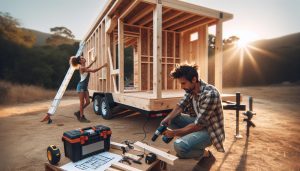
Choosing a modular home can be an exciting and practical decision for those looking to combine quality with affordability. One common question that arises is whether these homes come equipped with essential plumbing and electrical systems. Understanding what is included in your modular home package is crucial, as it directly impacts both your immediate living conditions and your long-term investment. By delving into the specifics of plumbing and electrical provisions, you can make informed choices that align with your lifestyle and budget. Join us as we explore the ins and outs of what to expect in terms of essential utilities, ensuring your modular home meets all your needs and expectations.
Do Modular Homes Include Plumbing and Electrical Systems?
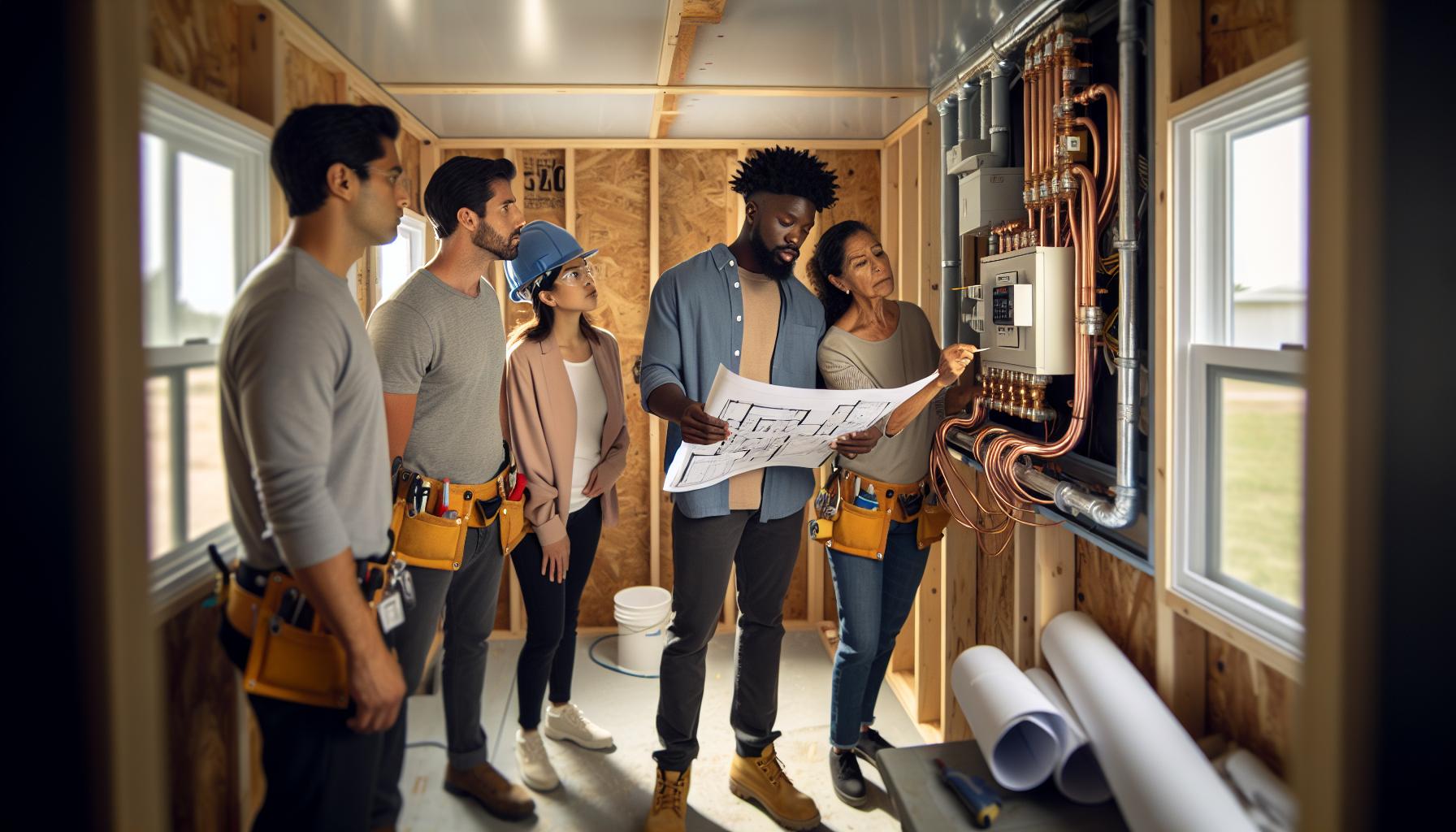
When considering modular homes, one common question that arises is whether they come equipped with plumbing and electrical systems. The answer is a resounding yes. Modular homes are built with essential utility systems integrated into their construction, ensuring that you have the necessary infrastructure for modern living right from the start. This integration occurs at the factory where the modules are constructed, allowing for precise installation and quality control that can be harder to achieve on-site.
Plumbing systems in modular homes typically feature all necessary pipes, fittings, and fixtures pre-installed before they are transported to the site. This includes water supply lines, drainage systems, and connections for appliances like dishwashers and washing machines. The modular design minimizes the risk of leaks and ensures that the plumbing meets building codes, offering peace of mind to homeowners. Additionally, because these homes are built in a controlled environment, the installation can often be more reliable compared to traditional site-built homes.
Electrical systems are also an integral part of modular home construction. Wiring is laid out during the manufacturing process, with outlets and fixtures installed according to the home’s layout. Modular homes come with the capacity for necessary electrical appliances, including lighting, heating, and cooling systems. Once the modules are placed on their foundation, the final connections to the electric supply are made, typically requiring less time than traditional installations.
In summary, modular homes are designed with comprehensive plumbing and electrical systems included, ensuring that these vital components are not an afterthought but a core part of the home’s construction. This structured approach not only enhances the efficiency of building but also guarantees that homeowners can move in with confidence, ready to enjoy their new living space.
Essential Features of Modular Home Construction
Building a modular home is often considered a smart and modern alternative to traditional on-site construction, and for good reason. One of the key aspects that homeowners appreciate is the robust infrastructure included in these designs, particularly the essential plumbing and electrical systems. When shopping for a modular home, it’s vitally important to understand the features that make these homes not just unique, but often superior in terms of construction quality and efficiency.
Modular homes come equipped with fully integrated plumbing and electrical systems, as these essential utilities are installed during the manufacturing process. This pre-assembly approach allows for a level of precision and quality control that is difficult to achieve with conventional home building methods. The plumbing setup typically comprises water supply lines, drainage systems, and necessary connections for household appliances, all fitted before the home is transported to its permanent location. This minimizes the chance of errors and leaks and ensures compliance with local building codes.
In terms of electrical systems, modular homes are designed to accommodate modern electrical needs right from the factory. Wiring is strategically placed, and outlets and fixtures are installed in alignment with the home’s design. This not only streamlines the installation process but also reduces the time required for final hookups once the home is placed on its foundation. Homeowners can expect fully functioning electrical systems, capable of handling heating and cooling units, lighting, and other essential appliances, ensuring they can enjoy their new space with minimal delay.
Understanding the provides prospective buyers with assurance about their investment. With a comprehensive plumbing and electrical infrastructure already in place, modular homes represent a smart choice that combines modern living with efficiency and quality craftsmanship. As you explore your options for modular homes, keep these integrated systems in mind to appreciate the value they offer in creating a comfortable and functional living space.
Understanding Plumbing Installation in Modular Homes
Building a modular home offers a range of advantages, particularly regarding the plumbing systems that are integral to modern living. During the construction process, which occurs in a controlled factory environment, essential plumbing components are meticulously installed before the home is shipped to its permanent location. This advance installation not only enhances overall precision but also ensures compliance with local plumbing codes and standards.
The plumbing installation in modular homes typically consists of several key components. These include:
- Water Supply Lines: These are pre-installed and carefully routed throughout the home to provide access to fresh water in all relevant areas, including kitchens and bathrooms.
- Drainage Systems: Wastewater systems are also set up in advance to efficiently handle the outflow from sinks, showers, and toilets. Proper drainage design mitigates risks of leaks and clogs.
- Connections for Appliances: Modular homes are equipped with necessary plumbing connections for appliances like dishwashers, washing machines, and water heaters, allowing homeowners to move in without the need for extensive additional plumbing work.
One of the standout features of this pre-planning is the enhanced quality control. Because the plumbing is installed in a factory setting, it is subject to rigorous inspections before the home leaves the manufacturing facility. This process not only minimizes the potential for errors but can also reduce installation times significantly when the home arrives at the site.
This meticulous planning translates to significant long-term benefits for homeowners. Modular homes not only help reduce the likelihood of plumbing-related issues but also enable a quicker move-in experience. Buyers can expect to have their new homes fully functional, with plumbing systems ready to support their daily living needs as soon as the home is placed on its foundation. By understanding these aspects, prospective buyers can feel more confident in the essential systems that will form the backbone of their modular home experience.
How Electrical Systems Are Integrated in Modular Homes
When it comes to modular homes, a common concern for prospective buyers is the integration of electrical systems. Unlike traditional home construction, where electrical work is often done on-site and can present various challenges, modular homes offer a streamlined approach thanks to pre-fabricated construction methods. In a factory setting, skilled electricians install essential electrical components before the home is transported to its final location, ensuring a high level of quality control and compliance with local codes.
During the manufacturing process, electrical systems are carefully planned and installed, which generally includes:
- Wiring and Circuits: All interior wiring is run through the walls of each module, connecting power sources to various rooms and appliances efficiently. This pre-wiring saves time and minimizes installation errors once the home reaches the site.
- Service Panels: Modular homes typically come equipped with a main electrical service panel, which manages the distribution of electricity throughout the home. It features circuit breakers for easy management of power supply to different areas.
- Lighting Fixtures and Outlets: Many modular homes have lighting fixtures and safety receptacles already installed in key areas such as kitchens, bathrooms, and living spaces, allowing homeowners to start using their homes immediately upon setup.
Furthermore, factory-installed electrical systems undergo rigorous inspections to ensure safety and functionality. This process helps to identify potential issues before the home is transported, significantly reducing the likelihood of electrical problems after installation. The careful integration of electrical systems not only makes for a smoother transition to homeownership but also enhances the overall safety and reliability of the living environment.
Homeowners can expect that, upon placing the modular home on its foundation, the electrical system will be operational with minimal additional work required. This readiness allows for a quick move-in experience, providing peace of mind that essential utilities are in place and functioning correctly from day one. Understanding these factors is vital for anyone considering modular housing, ensuring that their choice meets both practical needs and lifestyle aspirations.
Common Utilities in Modular Homes Explained
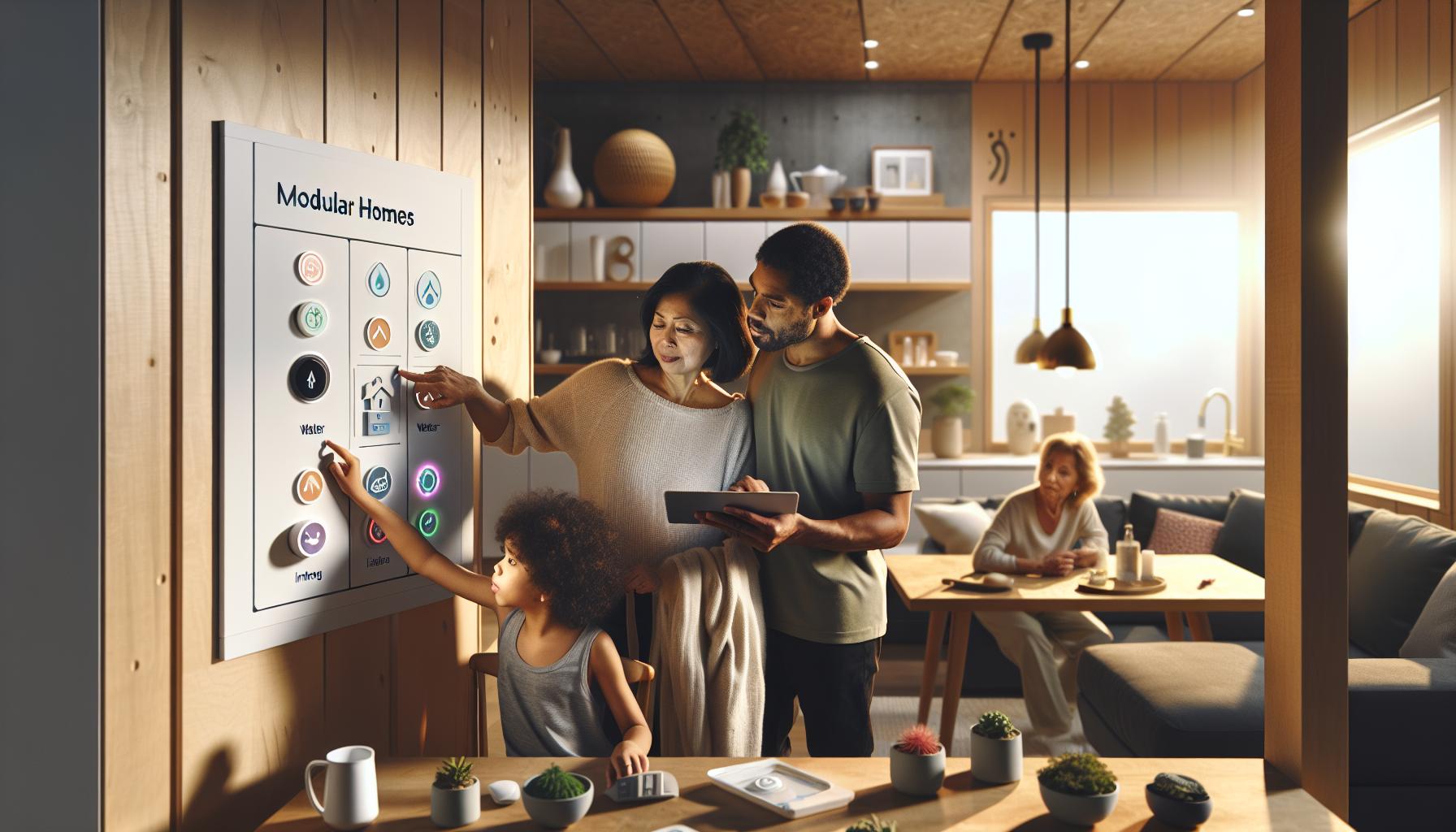
When considering modular homes, it’s important to understand what utilities are typically included, as this can significantly influence the overall value and functionality of your living space. Modular homes are designed to be fully equipped with essential utilities, including plumbing and electrical systems, ensuring that you can enjoy your home from the day you move in.
In terms of plumbing, modular homes are crafted with a well-planned system that includes water supply lines, drainage, and ventilation. During the manufacturing process, all plumbing is installed within the modules, which helps protect them from weather-related issues that can occur on traditional job sites. This integration involves several key components:
- Water Supply Lines: These come pre-installed, ensuring that connections are secure and functional upon delivery.
- Drainage Systems: Modular homes include properly laid out drain lines to dispose of wastewater safely and efficiently.
- Gas Lines: If your home utilizes gas for heating or cooking, these lines are also typically pre-installed to minimize installation delays at the site.
The systematic integration of these utilities not only speeds up the move-in process but also adheres to local building codes and standards, which are strictly enforced during production.
Equally important is the electrical system found in modular homes, which is designed with efficiency and safety in mind. Each unit comes pre-wired with electrical outlets strategically positioned throughout the home, along with lighting fixtures that are installed and tested at the factory. This advanced preparation alleviates the stresses often associated with electrical setup in conventional homes. Some specific features include:
- Dedicated Circuits: Essential appliances and areas such as kitchens and laundry rooms receive dedicated circuits to handle electrical loads.
- Ground Fault Circuit Interrupters (GFCIs): These are installed in potentially wet areas, like bathrooms and kitchens, to prevent electrical hazards.
- Comprehensive Service Panels: Modular homes will typically feature a main electrical service panel that has been thoroughly tested.
The careful consideration given to both plumbing and electrical systems during the construction of modular homes fosters a hassle-free living experience, allowing homeowners to focus on enjoying their new space rather than worrying about delayed installations or potential safety issues. This meticulous planning ensures that everything functions seamlessly from the get-go, making modular homes a worthwhile and practical choice for many families.
Costs and Considerations for Plumbing and Electrical Setup
When budgeting for a modular home, understanding the costs associated with plumbing and electrical setup is essential for prospective buyers and current homeowners alike. Modular homes come equipped with integral plumbing and electrical systems, yet there are important considerations to keep in mind that impact the overall financial investment.
One of the primary factors influencing costs is the pre-installation of these utilities within the factory setting. Since plumbing and electrical systems are included from the start, the labor and material costs for these installations may be lower compared to traditional homes. However, buyers should also budget for the connection to municipal services, which includes any necessary permits and site work. Typically, this might include:
- Utility Hookups: Fees for connecting to water, sewer, and electrical lines at the property site.
- Site Preparation: Clearing, leveling, and setting a foundation to ensure the home is correctly anchored and aligned.
- Landscaping Adjustments: Restoration or adjustments post-installation can incur additional costs.
Maintenance is another critical component that should not be overlooked. While modular homes offer numerous benefits, upkeep of plumbing and electrical systems is necessary to ensure longevity and safety. Regular inspections, especially of electrical systems, and prompt repairs when issues arise can save homeowners significant money in the long run.
Investing in warranties or service contracts for plumbing and electrical components can also offer peace of mind, as these may cover unexpected failures. Moreover, some homeowners choose to upgrade or customize their plumbing and electrical systems after installation, which can enhance both functionality and resale value. It’s advisable to consider long-term utility costs and potential upgrades when evaluating the overall financial landscape of modular home ownership.
The economic advantages are often coupled with practical benefits. Modular homes tend to be energy-efficient, leading to lower monthly utility bills, making them an appealing choice for budget-conscious families. With thorough planning and an understanding of potential expenses, owning a modular home can be a satisfying and financially sound decision.
Comparing Modular Homes with Traditional Homes
The emergence of modular homes as a viable alternative to traditional homes has sparked interest among homebuyers keen on balancing quality with cost and efficiency. Unlike conventional homes built entirely on-site, modular homes are constructed in factory settings and then transported to their final location, where they are assembled. This process provides several advantages that can significantly impact both the purchase experience and long-term ownership.
One of the key differences lies in the integration of plumbing and electrical systems. Modular homes typically come equipped with these systems pre-installed, adhering to local building codes. This means that homeowners can often expect a faster move-in timeline since extensive on-site construction work is minimized. In contrast, traditional homes frequently require longer timelines for these installations, as each element must be brought together on-site, thus leading to increased labor costs and potential delays.
Additionally, modular construction allows for superior quality control compared to traditional builds. Factory environments maintain consistent standards, which can lead to greater durability and fewer construction defects. For instance, complex features like plumbing runs and wiring layouts are engineered in a controlled setting, reducing the risk of installation errors. This level of craftsmanship can enhance the performance of heating and cooling systems, contributing to overall energy efficiency, a characteristic that modern buyers increasingly prioritize.
Furthermore, when considering utilities, modular homes may provide a more transparent initial cost structure. Since plumbing and electrical systems are included upfront, homeowners can better forecast total expenses and save on potential overruns commonly associated with traditional home construction. However, it is crucial for buyers to remain aware of additional expenses related to site preparation and utility hookups, which can vary based on location and local regulations. Understanding these nuances empowers potential owners to make informed decisions regarding their investment and future maintenance requirements.
In summary, while both modular and traditional homes have their merits, modular homes frequently offer distinct advantages in terms of cost efficiency, speed of construction, and integrated utility systems. For prospective buyers exploring their options, investigating these factors can lead to a more satisfying home ownership experience.
Regulations and Standards for Modular Home Utilities
Understanding the regulations and standards governing the utilities of modular homes is crucial for prospective buyers and current homeowners alike. Modular homes, being constructed in a factory setting, must adhere to stringent codes that vary significantly by state and local jurisdiction. These codes ensure that plumbing and electrical systems meet safety, functionality, and environmental standards before the modules are delivered to their final site.
The National Modular Housing Council (NMHC) and the International Code Council (ICC) set forth building codes that manufacturers must follow. These include regulations regarding the materials used for plumbing and electrical fixtures, installation procedures, and overall structural integrity. For instance, electrical systems must comply with the National Electrical Code (NEC), which outlines standards for safe electrical installations. This ensures that every modular home is built with systems that are thoroughly inspected and tested before leaving the factory.
Moreover, many states require modular homes to undergo a certification process, ensuring that all plumbing and electrical systems not only meet the necessary codes but are also inspected by local authorities once installed. This process provides buyers with a peace of mind that their home adheres to state-specific building regulations. Homeowners should always check local building codes and work with licensed professionals to navigate any specific requirements regarding utility installations.
In addition to safety codes, there are also environmental considerations. Many states encourage or mandate energy-efficient designs and materials, which can influence how electrical systems are integrated, often leading to modern, energy-saving solutions. Understanding these regulations can help buyers make informed decisions when selecting a manufacturer and ensure that their new home is compliant and efficient in terms of energy consumption, ultimately reducing long-term utility costs.
Overall, being knowledgeable about the regulatory landscape surrounding modular home utilities not only aids in ensuring compliance but also enhances the longevity and sustainability of these homes, making them an attractive option for modern homeowners.
Maintenance Tips for Plumbing and Electrical Systems
Maintaining the plumbing and electrical systems in a modular home is essential to ensure comfort, safety, and efficiency throughout its lifespan. Regular upkeep not only extends the functional life of these crucial systems but can also prevent costly emergency repairs. Here are some insightful maintenance tips tailored for modular homeowners to keep these utilities in optimal condition.
Routine Inspections
Scheduling regular inspections of both plumbing and electrical systems is key. Homeowners should visually check the following:
- Plumbing: Look for signs of leaks around sinks, toilets, and pipes. Inspect water heaters for corrosion or unusual noises, signaling potential issues.
- Electrical: Check for any exposed wiring, tripped circuit breakers, or flickering lights which could indicate underlying problems.
Document any observations and address issues promptly to prevent complications.
Preventative Measures
Implementing preventative measures can save significant time and money in the long run. For plumbing:
- Insulate pipes in colder months to prevent freezing.
- Use drain screens to catch debris and prevent clogs.
- Regularly flush your water heater to remove sediments.
As for electrical systems, consider these practices:
- Use power strips with surge protectors for sensitive electronics.
- Don’t overload outlets-distribute appliances across circuits.
- Replace outdated or damaged outlets and switches promptly.
Professional Maintenance
While many tasks can be managed by homeowners, some aspects require professional oversight. Schedule annual visits from licensed plumbers and electricians to conduct thorough checks. These professionals can ensure that everything is up to code and functioning safely, which is particularly important given the complex regulatory landscape surrounding modular homes.
Emergency Protocol
In the event of a plumbing or electrical emergency, having a strategy in place can mitigate damage. Know how to turn off the main water supply and circuit breaker. Keep contact information for local service providers readily available. Knowing these steps not only provides peace of mind but may also reduce the extent of damage to your home.
By following these maintenance tips, modular homeowners can enjoy a reliable and efficient living environment, reinforcing the viability of manufactured housing while enhancing their overall quality of life.
Financing Options for Modular Home Construction
When considering the purchase of a modular home, understanding the financing options available is crucial to making an informed decision. Modular homes, often more affordable than traditional homes, can open doors to various financing paths, helping buyers find a solution that fits their financial situation and lifestyle.
A popular financing route for modular homes is obtaining a specific loan known as a modular home loan. These loans are typically structured similarly to conventional mortgages but may feature unique elements tailored to the modular home market. For instance, some lenders might require that the home is affixed to a permanent foundation to qualify, while others might have more lenient conditions. It’s essential to work with a lender experienced in modular financing to navigate potential requirements.
In addition to traditional loans, buyers may explore government-backed options. Programs such as the Federal Housing Administration (FHA) loans and the U.S. Department of Agriculture (USDA) loans provide financing with lower down payment options and more flexible credit criteria. These programs can be especially beneficial for first-time homeowners, allowing them to obtain a quality modular home with manageable financial commitments.
- Modular Home Loans: Customized for modular home buyers, often similar to conventional mortgages.
- FHA Loans: Backed by the Federal Housing Administration, offering low down payments and reduced credit score barriers.
- USDA Loans: Designed for rural homebuyers, these loans provide affordable financing with various financial incentives.
Before settling on a finance option, buyers should evaluate both upfront costs and long-term commitments, including interest rates and repayment terms. Some might even consider personal loans for smaller modular home purchases or renovations, especially when seeking quick access to cash for necessary upgrades such as plumbing or electrical systems.
Moreover, it is prudent to be aware of additional costs that can creep into modular home construction financing, including land purchase, site preparation, and utility connections. Discussing these aspects with a financial advisor can help create a comprehensive budget that encompasses all potential expenses related to modular homeownership. Doing so will empower prospective buyers to make confident, financially sound decisions, ensuring that they not only obtain their new home but also enjoy its amenities and comforts for years to come.
Insurance Needs for Modular Homes Including Utilities
Understanding the insurance needs for modular homes, especially regarding plumbing and electrical utilities, is vital for homeowners to protect their investment effectively. Just like traditional homes, modular homes often require comprehensive policies that encompass various aspects of their structure and systems, including plumbing and electrical installations.
Firstly, a standard homeowners insurance policy typically covers the dwelling, personal property, liability, and additional living expenses in case of a covered loss. However, given that modular homes may have unique features, homeowners should ensure that their policy specifically addresses these characteristics. It’s crucial to review and possibly update the policy to include coverage for the specialized systems that a modular home employs. For instance, the plumbing system might involve unique connections and installations depending on local regulations, which could differ from traditional homes.
Insurance Considerations for Utilities
When considering insurance for plumbing and electrical systems in modular homes, it’s essential to verify that the following areas are adequately covered:
- Structural Damage: Damage to plumbing or electrical systems due to natural disasters (e.g., flooding, storms) should be included in the coverage.
- Liability Protection: Ensure that liability coverage is in place for issues arising from plumbing failures or electrical incidents that could potentially harm someone or damage property.
- Contents Coverage: Protect personal belongings against loss or damage caused by sudden plumbing leaks or electrical problems.
- Replacement Cost Coverage: When reviewing your policy, opt for replacement cost coverage to ensure that damaged systems can be repaired or replaced at current rates.
Real-life examples can illustrate the importance of understanding these insurance needs. For instance, a modular homeowner in a region prone to heavy rainfall experienced significant water damage due to a plumbing issue. Their insurance claim was only partially covered because the policy did not include adequate provisions for specialized modular plumbing configurations. This scenario underscores the necessity of detailed communication with an insurance agent knowledgeable about modular homes.
In addition to standard homeowners insurance, modular homeowners may consider supplemental policies or endorsements for additional coverage specific to their utilities. Collaborating with an insurance professional can provide clarity on the specific risks associated with modular homes and help tailor coverage to fully meet the homeowner’s unique needs. Being proactive in understanding and securing the right insurance will not only safeguard the home itself but also the valuable systems that contribute to its functionality and comfort.
Real-Life Experiences: Modular Home Owners Share Insights
Many modular homeowners have shared valuable insights regarding the inclusion of plumbing and electrical systems, which not only enhance their living experience but also pose unique challenges. For instance, Jennifer, a first-time modular homebuyer, was pleasantly surprised to discover that her new home came fully equipped with extensive plumbing and electrical installations that met local codes. However, she quickly learned the importance of understanding how these systems were integrated within the home, especially concerning their functionality and maintenance.
Another homeowner, Mark, encountered some initial difficulties when trying to connect his modular home to local water and electric services. He emphasized the necessity of hiring qualified professionals who specialize in modular home setups. Ignoring this step might lead to improperly connected systems, increasing risk and potentially causing insurance issues down the line. Mark’s experience highlights the critical need for buyers to be aware that while modular homes come with plumbing and electrical systems, proper installation and adherence to state regulations are paramount.
Many modular homeowners also relay the necessity of regular maintenance checks. Taking proactive measures, such as taking time to learn about the specific plumbing and electrical systems used in their homes, allows them to detect minor issues before they turn into costly repairs. One couple found that by periodically inspecting their home’s plumbing connections and checking power outlets, they could prevent leaks or electrical malfunctions from escalating. Their methodical approach has not only saved them money but also provided peace of mind.
In conclusion, the unique blend of convenience and responsibility that comes with modular home ownership underscores its appeal. Buyers should ensure they fully understand the plumbing and electrical systems included in their modular homes. Engaging professional services for installations, maintaining an eye on the systems, and sharing insights with fellow owners fosters a supportive community that embraces both the modernity and challenges of modular living.
Frequently Asked Questions
Q: Do modular homes come with plumbing installed?
A: Yes, modular homes typically come with plumbing systems already installed. Plumbing includes essential fixtures such as sinks, toilets, and water lines. For details on plumbing installation, check the section on plumbing in modular home construction.
Q: Is electrical wiring included in modular homes?
A: Yes, modular homes are equipped with electrical wiring during construction. This includes wiring for outlets, switches, and lighting fixtures. For specific information on how electrical systems are integrated, see the relevant article section.
Q: What features are included in a modular home’s utility setup?
A: A modular home’s utility setup commonly includes water supply lines, sewage disposal systems, and electrical connections. Additional features may involve HVAC systems and emergency gas lines, depending on local regulations.
Q: Are there additional costs for plumbing and electrical services in modular homes?
A: While plumbing and electrical systems are generally included in the base price of modular homes, additional costs may arise for upgrades or custom installations. Consider reviewing the costs and considerations section for more insights.
Q: How are plumbing and electrical systems inspected in modular homes?
A: Plumbing and electrical systems in modular homes are inspected by licensed professionals during the construction process. Compliance with local building codes is critical for safety and functionality.
Q: Can I customize plumbing and electrical systems in modular homes?
A: Yes, many manufacturers allow customization of plumbing and electrical systems in modular homes. Discuss your preferences with builders to explore design options tailored to your lifestyle and needs.
Q: What permits are required for utilities in modular homes?
A: Depending on your location, permits are typically required for plumbing and electrical installations. It is advisable to check with local authorities to ensure compliance with regulations before construction.
Q: How do maintenance requirements for plumbing and electrical systems compare to traditional homes?
A: Maintenance of plumbing and electrical systems in modular homes is similar to traditional homes. Regular checks for leaks and ensuring electrical safety are crucial for longevity and efficiency. For maintenance tips, see the maintenance section in the article.
Future Outlook
Now that you know modular homes do come equipped with plumbing and electrical systems, you’re one step closer to realizing your dream of homeownership. Don’t let uncertainties hold you back-explore our comprehensive guides on financing modular homes and long-term maintenance tips to ensure a smooth transition into your new home.
Ready to take the next leap? Browse our extensive listings of modular homes, complete with customizable options tailored to your lifestyle. If you have questions or want personalized advice, consider signing up for our newsletter, where you’ll receive the latest insights and offers directly in your inbox. Join our community, and let’s navigate this exciting journey together!