Choosing the right mobile home brand can significantly impact your living experience, from comfort to resale value. With the growing trend towards affordable, flexible housing options, manufactured homes have become a popular choice for many families and individuals. This guide will explore the top manufacturers in the mobile home industry, ranking them based on quality, durability, and customer satisfaction. Whether you’re a first-time buyer or looking to upgrade your current home, understanding the strengths of each brand can help you make an informed decision that aligns with your lifestyle and financial goals. Dive in to discover which mobile home brands stand out and why, ensuring you find the perfect fit for your needs.
What Makes a Great Mobile Home Brand?
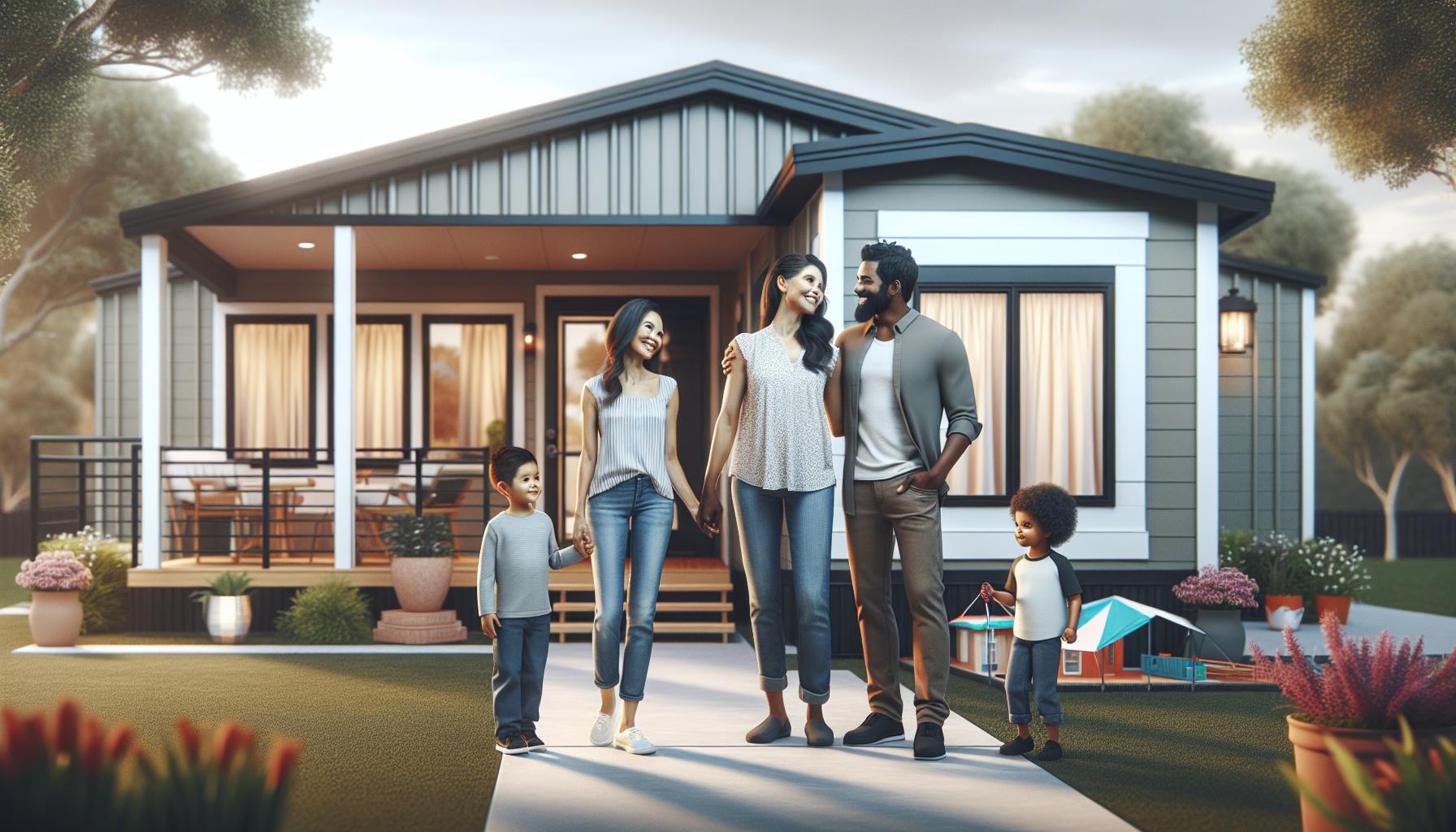
Choosing the right mobile home brand can significantly impact your living experience, investment value, and long-term satisfaction. A great mobile home brand is characterized by a commitment to quality construction, innovative designs, and responsive customer service. These attributes not only ensure that the homes are built to withstand the elements but also reflect the diverse lifestyles and needs of modern homeowners.
When evaluating what makes a brand stand out, consider the following factors:
- Construction Quality: The best brands use durable materials and adhere to strict manufacturing guidelines to produce homes that can last for decades.
- Customizability: Top manufacturers often offer a range of options allowing buyers to personalize layouts, finishes, and features to suit individual tastes and budgets.
- Reputation and Reviews: A brand’s history and customer feedback can provide insights into their reliability and service quality. Research online reviews and ask current owners about their experiences.
- Warranty and Support: Reliable brands back their homes with comprehensive warranties and efficient customer service, assuring buyers of their investment.
Moreover, innovative features such as energy-efficient appliances, smart home technology, and sustainable building practices frequently differentiate leading brands. These advancements not only enhance comfort and convenience but also contribute to long-term savings through reduced utility bills and lower maintenance costs. In this competitive market, knowing what to look for can empower potential homeowners, enabling them to make informed choices that align with their lifestyles and financial goals.
Top Mobile Home Manufacturers Reviewed
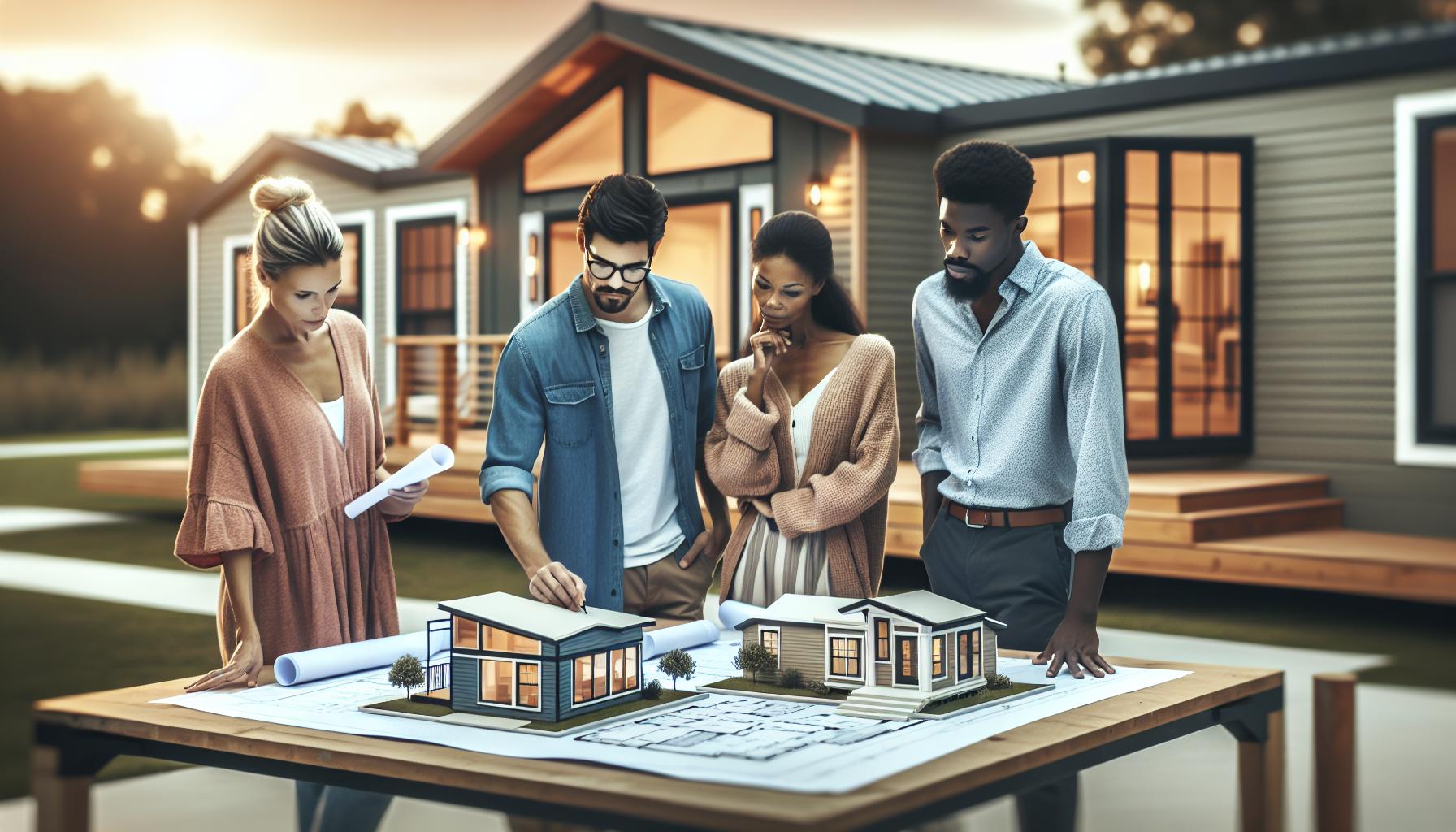
In the landscape of mobile homes, numerous manufacturers vie for attention, each offering distinct features and strengths that appeal to a myriad of buyers. Recognizing the top mobile home manufacturers requires an understanding of their reputation, value proposition, and the quality of their homes. Among the leading brands, Clayton Homes stands out for its extensive customization options and a wide range of models suited to different budgets. Known for their innovative designs, they focus on energy efficiency and sustainability, addressing the needs of environmentally-conscious buyers.
Another prominent name is Karsten Homes, renowned for their sturdy construction and commitment to quality. They cater to the middle and higher price segments, emphasizing customer service and post-sale support. Karsten’s homes are particularly noted for their spacious, family-friendly layouts and modern amenities that enhance the living experience.
Cavco Industries is also a noteworthy competitor, providing a variety of manufactured and modular homes that combine affordability with style. Their homes often feature customizable floor plans and energy-efficient appliances, making them a practical choice for first-time homeowners. Cavco has received positive feedback for addressing customer needs throughout the buying process, from initial inquiries to after-sale support.
Finally, Fleetwood Homes has been celebrated for its balance between low-cost living and quality features. They offer a range of sizes and design plans, appealing to buyers who prioritize budget-friendly options without sacrificing style or durability. Fleetwood’s commitment to quality assurance processes ensures that each home meets rigorous construction standards, instilling confidence in potential buyers.
Choosing the right mobile home brand involves assessing individual needs, budget constraints, and the specific features that align with your lifestyle. Whether seeking advanced technology, customization, or energy efficiency, understanding what each manufacturer offers can empower you in making an informed decision while securing a long-term investment in your living space.
Factors to Consider When Choosing a Mobile Home
When embarking on the journey to choose a mobile home, there are several essential factors to consider that can significantly impact your decision. Understanding these elements will not only guide you toward the best brand but also ensure that your new home meets your specific needs and lifestyle requirements.
First and foremost, buying a mobile home involves careful consideration of budget and financing options. Determine how much you can afford upfront and monthly, taking into account costs such as land purchase or lease fees, as well as maintenance and insurance. Getting pre-approved for a loan can streamline the buying process and provide a clearer picture of what is financially feasible. It’s also wise to explore various financing programs available specifically for mobile homes which may offer lower interest rates or down payment requirements.
Another critical aspect to consider is the layout and design of the home. Assess how the floor plan accommodates your living style. Do you require extra bedrooms for family or guests? Is an open concept kitchen and living area important for entertaining? Many manufacturers offer customizable options that allow you to modify layouts to better suit your preferences. Pay attention to the size and features of rooms, ensuring that space feels functional and inviting.
Quality and construction standards are paramount in your selection process. Investigate the materials used, the insulation quality, and the overall durability of the homes offered by different brands. Look for models that meet or exceed industry standards, such as those outlined by the U.S. Department of Housing and Urban Development (HUD). Customer reviews and testimonials can provide insights into long-term satisfaction and maintenance issues.
Finally, don’t overlook the location and community where your mobile home will be placed. Research the surrounding area for amenities, safety, and services that meet your lifestyle needs. Consider accessibility to work, schools, healthcare, and recreational areas. Being part of a supportive community can greatly enhance your living experience, so it’s vital to ensure that the surrounding neighborhood aligns with your vision of home.
By taking these factors into account, you can make a well-informed decision that not only leads you to a reputable mobile home manufacturer but also ensures that your new residence feels like home from day one.
Comparative Analysis: Brands by Price Range
When evaluating mobile homes, price range stands out as a critical factor influencing buyer decisions. With a wide spectrum of options available, understanding what each brand offers at varying price points can empower buyers to make informed choices that best fit their financial situation and lifestyle needs. Generally, mobile homes are categorized into three primary price segments: budget-friendly, mid-range, and luxury.
Budget-Friendly Brands
For those seeking affordable options, several manufacturers provide budget mobile homes without sacrificing essential quality. Brands such as Fleetwood and Champion have a reputation for delivering durable homes with basic amenities at prices that cater to first-time buyers. Often ranging from $30,000 to $60,000, these models feature functional layouts and standard finishes, making them accessible for families and individuals looking to minimize financial strain. Buyers may need to be open to fewer customized features, but many of these homes offer solid construction that adheres to HUD standards.
Mid-Range Options
Stepping into the mid-range market, brands like Cavco and Skyline provide an excellent balance of quality and value, typically ranging from $60,000 to $100,000. These homes often feature upgraded materials, better insulation, and additional customization options. Buyers can enjoy perks such as enhanced energy efficiency and more sophisticated layouts that might include larger kitchens or added storage solutions. Investing in a mid-range mobile home can lead to long-term savings through reduced utility costs, making them attractive choices for many buyers.
Luxury Mobile Homes
At the high end of the market, luxury manufacturers like Palm Harbor and Karsten cater to affluent clients looking for sophistication and ample living space. With prices often exceeding $100,000, these homes offer high-end finishes, expansive floor plans, and an array of optional amenities like spa-like bathrooms and gourmet kitchens. Beyond aesthetics, these models emphasize quality construction with advanced engineering techniques to withstand harsh weather conditions-ideal for buyers seeking permanence and resilience in their investment.
Choosing the right mobile home brand not only involves considering price but also understanding what features and quality level correspond to that price. As buyers navigate through these options, it’s essential to balance financial capabilities with desired living standards, ensuring that the chosen mobile home brand fulfills both practical needs and personal lifestyle preferences. Prospective buyers are encouraged to visit showrooms, attend open houses, and consult reviews to gauge the best option in relation to their budget and expectations.
Customer Satisfaction Rankings Among Mobile Home Brands
In the ever-evolving landscape of mobile home living, customer satisfaction plays a pivotal role in determining the best manufacturers in the market. Happy homeowners often equate their residential experiences with brand quality, support, and overall livability. Brands like Fleetwood, Palm Harbor, and Cavco routinely rank high in customer feedback due to their commitment to quality construction, innovative designs, and responsive customer service.
One substantial aspect contributing to these rankings is the after-purchase support each brand offers. Many top-tier manufacturers provide robust warranty packages and customer care services, reassuring new homeowners that any issues will be addressed swiftly and effectively. For instance, Palm Harbor’s extensive warranty options and dedicated support teams stand out, granting peace of mind to their clients. Conversely, brands that struggle with customer service often see lower satisfaction ratings, underscoring the importance of a thoughtful post-purchase experience.
In addition to customer service, the features and quality of homes significantly influence consumer satisfaction. Styles that prioritize energy efficiency and modern amenities have become increasingly popular. Cavco’s emphasis on sustainable building practices and high-performance materials resonates well with environmentally-conscious buyers, who are often willing to invest more for lower utility bills and a smaller carbon footprint. Surveys consistently report that homeowners are not just looking for a place to live; they desire a home that aligns with their lifestyle and personal values.
Ultimately, customer satisfaction rankings serve as invaluable insight for prospective buyers. Analyzing reviews, feedback, and ratings can lead to more informed choices when selecting a mobile home brand. When purchasing a mobile home, it is essential to consider these aspects, as they directly impact long-term enjoyment and overall quality of life. By empowering themselves with knowledge from existing owner experiences, prospective buyers can navigate their options with confidence, helping to ensure that their investment aligns with both their financial goals and lifestyle aspirations.
Innovative Features in the Leading Mobile Homes
Innovative features in mobile homes are changing the landscape of manufactured housing, catering to modern lifestyles while enhancing comfort and sustainability. With brands increasingly focusing on smart living, features such as integrated technology and energy-efficient designs have become essential. Home automation systems, which allow homeowners to control lighting, heating, and security through their smartphones, are becoming standard in many new models. This seamless integration of technology not only increases convenience but also promotes energy savings and enhances security, making these homes attractive to tech-savvy buyers.
Striking a balance between aesthetics and functionality, many leading mobile home manufacturers are introducing high-performance materials and innovative construction methods. For instance, companies like Cavco and Palm Harbor are known for incorporating environmentally friendly building practices, ensuring that their homes have excellent thermal insulation and durability. These features contribute not only to lower utility bills but also to a reduced carbon footprint, appealing to environmentally conscious consumers.
Another significant innovation is the adoption of modern designs that embrace open floor plans and flexible living spaces. Homebuyers are increasingly looking for layouts that allow for personalization and functionality, such as multi-purpose rooms that can serve as home offices, gyms, or guest areas. Additionally, brands are also focusing on outdoor living spaces, with options for expansive decks and patios that extend the living area and foster community engagement.
Finally, it’s essential to highlight the advancements in safety features, particularly in hurricane-prone regions. Many modern mobile homes are designed with structural enhancements and improved tie-down systems that exceed local building codes. This not only provides peace of mind but can significantly reduce insurance costs for homeowners, making this housing option even more appealing.
Through a blend of innovation, sustainability, and design flexibility, leading mobile home manufacturers are creating more than just residential spaces; they’re offering a lifestyle that aligns with today’s needs and values.
Understanding the Warranty and Support Options
When investing in a mobile home, offered by manufacturers is crucial for ensuring peace of mind and protecting your investment. Many reputable brands provide comprehensive warranties that cover various aspects of the home, ranging from structural integrity to appliances and systems. A strong warranty can shield homeowners from unexpected repair costs and serve as a testament to the manufacturer’s confidence in the product’s quality.
Most mobile home warranties are structured in tiers. They typically include a one-year warranty covering labor and materials, followed by longer-term coverage for specific elements such as the structure (often extending up to 10 years) and the appliances (usually around two years). It’s essential to carefully review these details before making a purchase to ensure that you are getting comprehensive coverage that meets your needs.
In addition to warranty specifics, the level of customer support offered by the manufacturer can greatly enhance your ownership experience. Look for brands that provide dedicated customer service lines, maintenance tips, and access to service professionals. Some manufacturers even have online portals where homeowners can register for warranty services, schedule inspections, and access maintenance guides. This kind of support not only aids in addressing issues quickly but also contributes to the longevity of your home.
It’s also advisable to investigate the manufacturer’s reputation regarding warranty claims. Research customer reviews and testimonials to determine how responsive they are when issues arise. This thorough understanding of both warranty terms and customer support can empower you as a buyer, ensuring that you choose a mobile home brand that stands behind its products with robust service offerings.
Popular Mobile Home Styles and Designs
Mobile homes have evolved significantly over the years, offering a variety of styles and designs that cater to different tastes and lifestyles. Not only do these homes provide versatile living spaces, but they also address the need for affordability and practicality in housing. Whether you prefer a cozy cottage feel or a modern, spacious layout, there’s a mobile home style that’s perfect for you.
Popular Mobile Home Styles
- Single-Section Homes: Ideal for individuals or small families, single-section homes come in various sizes and layouts. They typically feature one long, rectangular design, which can maximize space efficiently and offer a more affordable entry point into mobile home living.
- Double-Section Homes: For those seeking more room, double-section or “double-wide” homes present a larger, more open layout. These homes are generally wider than single-section units and provide additional space for multiple bedrooms and living areas, making them suitable for larger families or those who entertain frequently.
- Triple-Section Homes: The most spacious option, triple-section homes, offer an expansive floor plan and room for luxurious features. These homes often include multiple bathrooms, large kitchens with islands, and expansive dining and living areas, appealing to those who prioritize space and customization.
Design Features to Consider
Many modern mobile homes come equipped with customizable design features. Buyers can often choose from various exterior materials, colors, and textures, allowing them to personalize the look of their home to blend with their style or neighborhood. Interior choices may include open floor plans, energy-efficient appliances, and modern fixtures that offer both functionality and aesthetic appeal.
- Energy-Efficient Designs: Many manufacturers are now focusing on eco-friendly designs, which not only reduce utility bills but also appeal to environmentally conscious buyers. Look for options that incorporate insulated windows, energy-efficient heating and cooling systems, and sustainable materials.
- Stylized Interiors: Interior decor trends in mobile homes have shifted towards modern aesthetics, including farmhouse styles, minimalist designs, and rustic touches. Features such as vaulted ceilings, skylights, and upgraded cabinetry can elevate the overall appeal of the living space.
In conclusion, understanding the various styles and features available when selecting a mobile home can greatly enhance your living experience. By considering your specific needs and preferences, you can find a design that not only fits your lifestyle but also reflects your personal taste, making mobile home living a fulfilling and stylish choice.
Financing Options for Buying Mobile Homes
Purchasing a mobile home is a significant investment, and understanding your financing options is crucial to making an informed decision. Mobile home buyers have access to various types of loans that can accommodate their specific needs. Recognizing the right financing path can open doors to affordable living solutions without compromising on comfort or quality.
When exploring financing options, it is essential to consider the different types of loans available for mobile homes. Traditional mortgages may not apply to manufactured homes, especially if they are located on leased land. Instead, prospective buyers often rely on specialized loans such as chattel loans, which are secured with the mobile home itself, or FHA (Federal Housing Administration) loans that can work for certain manufactured homes. Chattel loans generally have higher interest rates but can be obtained more quickly and with less stringent requirements than conventional loans. On the other hand, FHA loans offer more favorable terms and can be used for homes on permanent foundations, extending the loan’s security.
Furthermore, potential buyers should weigh the importance of down payments and credit requirements. Unlike conventional mortgages, many mobile home financing options may allow for lower down payments, which can be attractive for first-time buyers. However, the interest rates could vary significantly based on individual credit profiles. Thus, improving credit scores before applying for a loan can result in more favorable terms and payment options.
In addition to traditional financing routes, lenders like Vanderbilt Mortgage and Cascade Financial Services provide tailored financing solutions specifically designed for mobile home buyers. These lenders not only offer competitive rates but can also assist with understanding the unique aspects of mobile home ownership, such as land ownership versus renting, insurance requirements, and maintenance considerations. As you explore these options, it’s beneficial to seek prequalification, which allows you to gauge your borrowing potential without committing to a specific lender right away.
Navigating the landscape of mobile home financing doesn’t have to be daunting. By familiarizing yourself with the various loan options, understanding your financial situation, and consulting with specialized lenders, you will be better equipped to secure the financing necessary for your mobile home purchase, ensuring your journey into mobile home living is smooth and rewarding.
Essential Maintenance Tips for Mobile Home Owners
Owning a mobile home can be a fulfilling lifestyle choice, but it does require diligent maintenance to ensure your investment remains sound and comfortable. Regular upkeep not only extends the life of your home but also enhances its value and livability. Understanding the specific needs of mobile homes is essential, as they come with unique challenges compared to traditional houses.
One crucial aspect of mobile home maintenance involves the foundation and structure. It’s essential to check that your home is level at least once a year; uneven settling can lead to structural issues. Use a level and check at various points; if you notice any discrepancies, consult a professional to adjust the supports as needed. Additionally, inspect the tie-downs and anchors that keep your home secure-especially in regions prone to severe weather. Ensuring these are in good condition and correctly installed can prevent costly damage during storms.
Another key area to focus on is the roof and gutters. Mobile home roofs can accumulate debris and water, leading to leaks and rot if not properly maintained. Clean your gutters regularly to prevent clogs and water overflow; consider using gutter guards to minimize maintenance. Additionally, inspect the roof for any missing or damaged shingles or seams, and apply sealant as necessary. Catching problems early can save you from extensive repairs down the road.
Finally, the interior of your mobile home also requires regular attention. This includes checking and replacing HVAC filters, inspecting plumbing for leaks, and addressing any signs of moisture, like mold or water stains. Test smoke detectors and carbon monoxide detectors monthly to ensure they’re functional, as ensuring your family’s safety should always be a priority. Regularly cleaning and maintaining appliances can prevent breakdowns, ensuring your home operates smoothly.
Committing to these maintenance practices will not only protect your investment but also enhance your living experience in a mobile home. By fostering a routine that prioritizes these key areas, you ensure that your mobile home remains a safe and enjoyable environment for years to come.
Navigating Mobile Home Insurance Requirements
Navigating the world of mobile home insurance can be daunting but is crucial for shielding your investment and ensuring peace of mind. Many mobile homeowners may not realize that traditional homeowners’ insurance does not fully apply to manufactured homes, making it essential to seek specialized coverage. Mobile home insurance typically covers the physical structure of your home, personal belongings, liability, and additional living expenses in case of displacement due to damage. Understanding the nuances involved can help you secure the right policy.
It’s vital to assess your specific needs when choosing an insurance provider. Start by comparing coverage options from different insurers, as policies can vary significantly. Look for coverage that protects against perils common to manufactured homes, such as fire, theft, and severe weather conditions. For instance, inquire whether the policy covers the unique risks associated with storm tie-downs and foundation issues that manufactured homes may face, particularly in vulnerable areas. Additionally, factors like the age of your mobile home, its location, and safety features influence premiums and available coverage types.
When evaluating policies, consider the various discounts that insurers may offer. For example, having a smoke detector, security system, or storm-resistant features can lead to lower premiums. You should also clarify the replacement value coverage, which ensures that you receive adequate compensation to replace your home and belongings in case of a total loss. Always read the fine print to understand exclusions or limitations in coverage, as many policies may exclude flood or earthquake damage unless additional coverage is purchased.
Finally, regular communication with your insurance agent is essential. As you make improvements to your mobile home or if you relocate, ensure your coverage reflects those changes. By actively managing your policy and staying informed about your options, you can navigate the complexities of mobile home insurance effectively, ensuring that your living situation remains as secure and worry-free as possible.
Common Legal Considerations for Mobile Home Buyers
Navigating the intricacies of mobile home ownership requires an awareness of numerous legal considerations that can significantly affect your experience as a buyer or owner. One of the most critical aspects is understanding the distinction between owning the mobile home itself and the land it sits on. In many cases, mobile home buyers will find themselves in a situation where they own the home but lease or rent the land in a mobile home park, which can introduce unique regulations and challenges.
Understanding Land Leases and Zoning Regulations
Before finalizing a purchase, it’s essential to examine the lease agreement if the land is rented. Make sure to review the terms carefully, including monthly fees, responsibilities for maintenance, and rules regarding modifications to the home. Zoning laws in your area may also dictate what types of mobile homes can be placed in specific zones, including size and age restrictions. Familiarizing yourself with these regulations can prevent headaches down the line.
Title and Registration Requirements
Each state has its own requirements for titling and registering mobile homes, similar to vehicles. Ensure that the mobile home has a clear title and that all paperwork is in order before purchase. Failure to adhere to local title regulations may result in legal complications when you try to sell or move your mobile home in the future.
Consumer Protections and Warranty Options
When purchasing a new mobile home, be aware of your consumer rights and the warranty protections available. Many manufacturers offer warranties that cover structural defects, appliances, and systems within the home. Understanding what is covered-and for how long-will allow you to hold manufacturers accountable for issues that may arise after your purchase. It’s advisable to consult consumer protection laws in your state, which can provide additional safeguards.
Insurance and Liability Considerations
Insurance is a crucial component of mobile home ownership, as it protects against potential liabilities. You should ensure that the mobile home is covered under an appropriate insurance policy, which often differs from standard homeowners’ insurance. Additionally, investigate potential liability issues that could arise if a guest is injured on your property or if you accidentally cause damage to someone else’s property.
Staying informed about these common legal considerations can empower first-time buyers and seasoned mobile home owners alike, enabling better decision-making and enhancing the enjoyment of this flexible and increasingly popular housing option.
Faq
Q: What are the top-rated mobile home brands in 2025?
A: In 2025, top-rated mobile home brands include Clayton Homes, Champion Home Builders, Fleetwood Homes, and Karsten Homes. These manufacturers are recognized for their quality construction, innovative designs, and customer satisfaction. Refer to the “Top Mobile Home Manufacturers Reviewed” section for detailed brand comparisons.
Q: How do I choose the best mobile home brand for my needs?
A: To choose the best mobile home brand, consider factors like budget, style preference, warranty options, and customer reviews. Assess the manufacturer’s reputation and look for homes that offer the features you value most. For in-depth guidance, see the “Factors to Consider When Choosing a Mobile Home” section.
Q: What is the average cost of a new mobile home?
A: The average cost of a new mobile home can range from $50,000 to $100,000, depending on size, features, and location. For budget planning, review the “Comparative Analysis: Brands by Price Range” section to understand pricing for different manufacturers.
Q: How do mobile home warranties vary among brands?
A: Mobile home warranties can vary significantly by brand, typically covering structural issues, systems, and appliances for one to ten years. Always compare warranty options before purchasing to ensure adequate protection. More information can be found under “Understanding the Warranty and Support Options.”
Q: Are there specific maintenance tips for mobile homes?
A: Yes, key maintenance tips for mobile homes include checking for water leaks, ensuring proper ventilation, and regularly inspecting the roof and foundation. For more detailed maintenance advice, refer to the “Essential Maintenance Tips for Mobile Home Owners” section.
Q: What financing options are available for buying a mobile home?
A: Financing options for mobile homes include traditional mortgages, chattel loans, and personal loans. Each option has different terms and conditions, so it’s important to explore multiple avenues. For comprehensive financing strategies, see the “Financing Options for Buying Mobile Homes” section.
Q: What insurance should I consider for a mobile home?
A: Consider purchasing manufactured home insurance to protect against property damage, liability, and loss of personal belongings. Understanding your coverage needs is essential. For an overview of insurance requirements, navigate to “Navigating Mobile Home Insurance Requirements.”
Q: What common legal considerations should I know when buying a mobile home?
A: Common legal considerations when buying a mobile home include zoning laws, land ownership, and rental agreements if applicable. It’s advisable to consult with a real estate attorney to navigate these issues. Further details can be found in the “Common Legal Considerations for Mobile Home Buyers” section.
Final Thoughts
Choosing the right mobile home brand is a crucial step in your housing journey, impacting everything from comfort to future resale value. By understanding the top manufacturers we’ve covered, you can make an informed decision that aligns with your unique needs. Don’t let uncertainty hold you back-explore our detailed guides on mobile home maintenance and financing options to ensure you’re fully prepared for homeownership.
For even more insights, check out our articles on essential maintenance tips and renovation techniques, which will empower you to enhance your mobile living experience. Ready to dive deeper? Sign up for our newsletter to stay updated with the latest trends and expert advice in the manufactured housing market. Your dream mobile home awaits-take action today and embrace the adventure of mobile home living!