Did you know that over 22 million Americans call mobile homes their residence? As affordable housing options dwindled, mobile homes have emerged as a viable alternative, appealing to various demographics, from retirees to young families seeking flexibility and affordability. Understanding how many Americans live in mobile homes not only sheds light on housing trends but also highlights the changing landscape of homeownership. Whether you’re considering a mobile home as your next domicile, looking to invest in the market, or simply curious about this unique housing choice, our dive into the statistics will provide valuable insights. Prepare to discover surprising facts and figures that may challenge your perceptions and help you navigate the world of mobile home living with confidence.
Understanding Mobile Homes: A Growing Trend in America
Mobile homes, also known as manufactured homes, represent a significant and growing segment of the American housing market. As of recent estimates, approximately 22 million people in the United States reside in mobile homes, highlighting this as a crucial living arrangement for many families and individuals. These homes offer an appealing alternative to traditional housing, often providing a lower-cost entry point to homeownership, particularly in areas where real estate prices have surged beyond reach for average buyers.
The rise in mobile home living can be attributed to a variety of factors. Firstly, the affordability of these homes makes them attractive to a diverse demographic, ranging from young families to retirees looking for downsized living situations. This shift is reflected in the fact that nearly 10% of all Americans live in manufactured housing, and this trend is especially pronounced in rural areas and smaller towns where space is available and cost-of-living is more manageable. Moreover, mobile homes have evolved significantly over the years, with modern designs offering comparable amenities and aesthetics to site-built homes, making them an appealing option for many.
Furthermore, a significant aspect of mobile home living is the flexibility it offers. Owners can often relocate their homes if necessary, providing a unique sense of freedom that traditional homeowners may not enjoy. This mobility can be crucial for workers in transient job markets or those seeking new opportunities without the commitment of a traditional mortgage. To navigate this dynamic landscape effectively, prospective mobile homeowners should consider factors such as location, the condition of the home, and community regulations, as these can significantly impact the overall experience of mobile home living.
In conclusion, understanding mobile homes as a growing trend in America involves recognizing not only their affordability and flexibility but also the evolving perceptions and innovations that continue to shape manufactured housing. As housing costs rise, mobile homes stand as a viable solution for many, driving their increasing popularity across diverse populations and regions.
Key Statistics on Mobile Home Living
Approximately 21 million Americans reside in mobile homes, which represents around 9.3% of all new home starts in recent years. This significant number not only underscores the relevance of mobile homes in the contemporary housing market but also highlights a growing trend that appeals to a wide array of individuals and families seeking affordable living options. The average cost of a new manufactured home was about $109,400 in 2024, reflecting a nearly 4% decrease from the previous year, making ownership more accessible than ever [2[2].
A notable shift in the demographics of mobile home residents has emerged, with diverse groups now embracing this housing option. Many young families are drawn to the affordability and flexibility of mobile homes, while retirees often opt for them as a means to downsize without sacrificing comfort or accessibility. Additionally, mobile homes are prevalent in rural and semi-rural areas, where extensive land availability and lower costs can accommodate larger communities [{https:\constructioncoverage.com/research/states-investing-most-in-manufactured-housing}].
Furthermore, it’s essential to recognize that about 55% of all new manufactured homes are placed in communities rather than on individual lots. This trend can provide a sense of security and shared resources, as many communities offer amenities such as pools, playgrounds, and communal spaces. With approximately 44,000 manufactured home communities across the United States, these locations not only foster a sense of belonging but also offer increased access to essential services and social networks. For potential homeowners, this data reinforces the view that mobile homes are not just a temporary solution, but a legitimate long-term housing choice in today’s economy.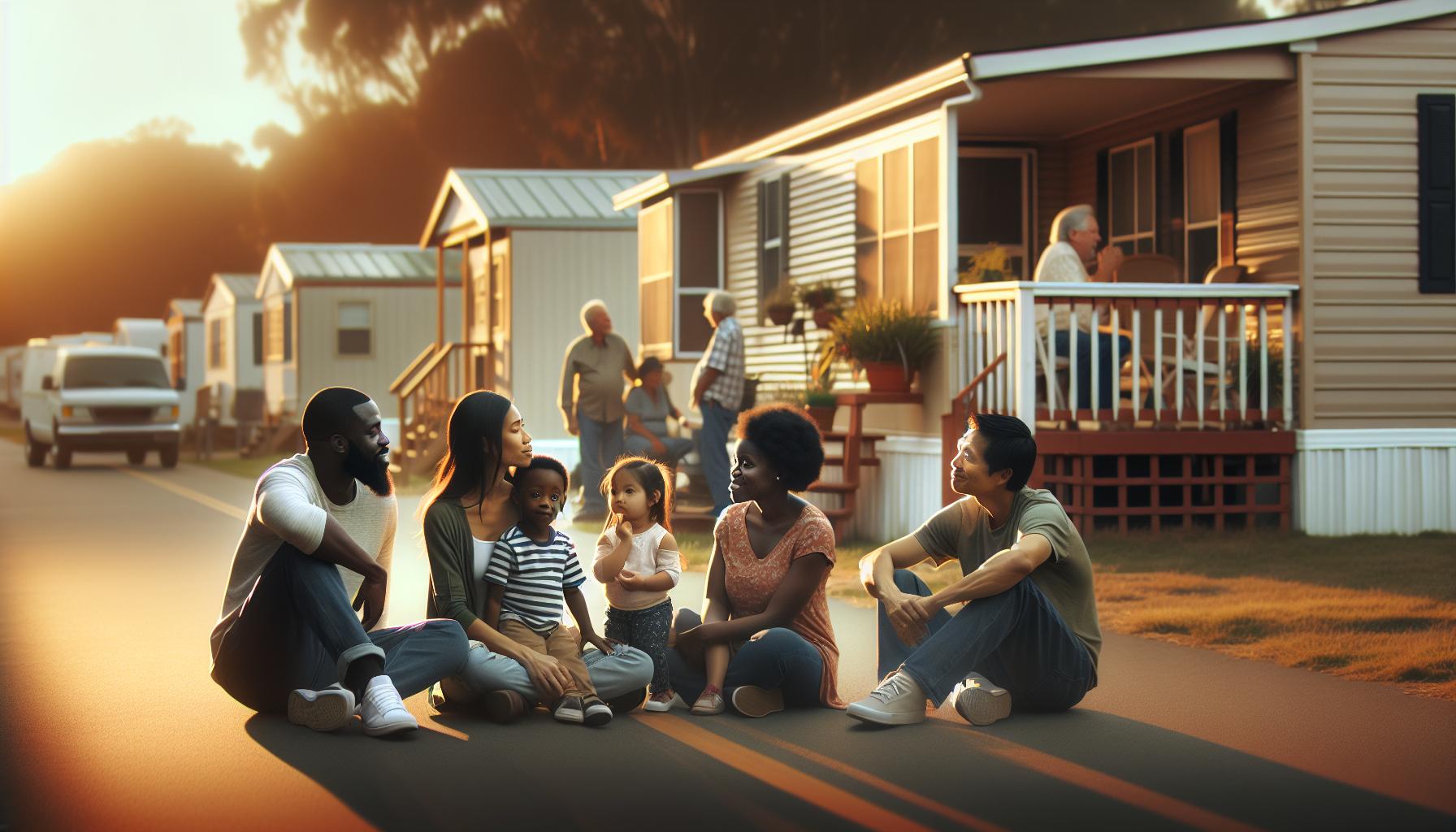
Demographics: Who Lives in Mobile Homes?
The landscape of mobile home living in America reflects a diverse array of residents who embrace this housing option for a variety of reasons. Currently, around 20.6 million individuals reside in manufactured or mobile homes, which constitutes approximately 9.3% of new home starts each year. This substantial demographic underlines the growing appeal of mobile homes, particularly among groups seeking affordable living solutions in today’s challenging housing market.
One notable trend is the increasing number of young families who are choosing mobile homes. For many, the affordability and flexibility offered by these residences make them an attractive option to settle down without the overwhelming financial burden that often accompanies traditional housing. Conversely, older adults, especially retirees, are also part of this demographic shift. They often choose mobile homes to downsize, seeking comfort and accessibility in a more manageable living space. The prevalence of mobile homes in rural and semi-rural areas further caters to these groups, providing them with the opportunity to enjoy spacious settings at a fraction of the cost associated with conventional homes.
In recent years, there has also been a rise in individuals from various socioeconomic backgrounds discovering the benefits of manufactured housing. According to statistics, approximately 55% of new manufactured homes are located within well-established communities. These communities offer not only enhanced security but also valuable amenities such as recreational facilities and communal spaces. This solidifies the idea that living in a mobile home is not merely a temporary solution but rather a sustainable lifestyle choice that allows for connection and community engagement.
As the stigma surrounding mobile homes continues to dissipate, it is clear that this unique form of housing provides critical options for a broad spectrum of residents. The increasing acceptance and understanding of the lifestyle signify a progressive movement towards diverse housing solutions meeting a variety of needs across the nation.
Types of Mobile Homes: Single-Wide vs. Double-Wide
A significant choice in the world of manufactured housing revolves around the types of mobile homes available, primarily categorized as single-wide and double-wide units. Both options cater to diverse lifestyles and budgets, but they differ notably in size, layout, and flexibility. Understanding these differences can make a crucial impact on your living experience and investment.
Single-wide mobile homes are typically more compact, usually measuring up to 18 feet in width and ranging from 40 to 90 feet in length. This streamlined size makes them an excellent option for individuals or small families seeking a cost-effective housing solution. The design often includes an open floor plan, maximizing the use of the limited space. Homeowners appreciate that single-wides can easily be placed in smaller lots or existing mobile home parks, providing both affordability and convenience. However, the limited space might require thoughtful furniture selection and layout planning to ensure comfort.
On the other hand, double-wide mobile homes offer more living space and often feel more like traditional homes. These units can exceed 20 feet in width and are constructed from two sections that are joined together on-site. With greater square footage comes an array of floor plan possibilities, accommodating larger families or those who desire extra space for hobbies or guest rooms. Double-wides typically feature multiple bedrooms, larger kitchens, and open living areas, making them suitable for entertaining. Yet, the increased size may require additional considerations, such as more extensive lot preparation and potential foundation work.
Key Considerations
When selecting between single-wide and double-wide mobile homes, potential buyers should consider several factors:
- Budget: Single-wides are usually more affordable, making them a great choice for first-time buyers or those on a strict budget.
- Space Needs: Evaluate how much space you require for your lifestyle, pets, or family size.
- Lot Availability: Check zoning regulations and availability of suitable lots for larger double-wides.
- Permitting and Setup: Understand local building codes, permitting processes, and the specific installation requirements for each type.
In summary, both single-wide and double-wide mobile homes present valuable living options that cater to distinct preferences and circumstances. By carefully weighing these aspects, you can confidently choose the mobile home that best fits your lifestyle and needs, positioning yourself for a positive living experience in this growing sector of housing.
Reasons Why Americans Choose Mobile Homes
Mobile homes have become a popular housing option for a variety of reasons that resonate with many Americans. From affordability to flexibility, these homes provide unique advantages that cater to diverse lifestyles and needs. For many, the rising costs of traditional housing have made mobile homes an appealing alternative, offering a way to secure homeownership without the hefty price tag associated with conventional homes.
One of the most compelling reasons people choose mobile homes is their affordability. With around 17.7 million Americans living in mobile homes, this sector provides a practical solution for those seeking budget-friendly housing options, particularly for first-time buyers or larger families on a tight budget. The average cost of mobile homes is significantly lower than that of site-built homes, which allows buyers to invest in their living space without entering debt levels often associated with traditional home purchases. The cost benefits don’t just stop at the purchase-mobile homes typically have lower property taxes and insurance costs, enhancing their financial appeal.
Additionally, mobile homes offer greater flexibility and mobility than traditional homes. Many mobile homeowners enjoy the freedom to relocate their homes when necessary, whether for job changes, lifestyle shifts, or to find a more suitable community. This level of mobility makes manufactured housing particularly attractive for those in transitional phases of life, such as students or older adults looking to downsize.
Beyond financial and logistical considerations, community also plays a significant role in the choice for mobile home living. Many mobile home parks foster a strong sense of community, often characterized by friendly neighbors and shared amenities. Residents appreciate the support system that comes from living in close proximity to others who may be in similar situations-whether it’s young families, retirees, or individuals seeking affordable housing options. This communal atmosphere can lead to lasting friendships and shared experiences, enriching the overall living experience.
Ultimately, the decision to choose mobile home living is influenced by a blend of financial practicality, lifestyle flexibility, and community connection. As more Americans recognize the advantages of these homes, the trend of moving towards mobile home ownership continues to grow, supporting a diverse and inclusive housing market that meets the needs of countless families across the nation.
Financial Aspects of Mobile Home Ownership
Mobile home ownership presents unique financial benefits that attract a growing segment of the American population. With approximately 17.7 million residents choosing this living arrangement, understanding the financial aspects is crucial for current and prospective mobile homeowners. One of the standout advantages is the significantly lower initial investment compared to traditional houses. The average cost of purchasing a mobile home can be a fraction of that of site-built properties, making it accessible for many families, particularly first-time buyers or those looking for budget-friendly options.
For potential buyers, it’s important to recognize that mobile homes are often classified as personal property rather than real estate, which impacts financing options and loan terms. Many buyers may need to explore non-traditional financing avenues, such as FHA and VA loans, or consider personal loans designed for mobile home purchases. Understanding loan structures and potential down payments can empower buyers to secure the best financial arrangement for their situation. Notably, the costs associated with mobile home ownership often extend beyond the mortgage; buyers should factor in property taxes, insurance, and potentially, land lease fees if the home is placed in a park.
Insurance essentials also play a vital role in financial planning. Mobile home insurance can differ significantly from homeowner’s insurance for traditional homes, requiring a careful evaluation of options and coverage levels. Securing adequate insurance is crucial, especially in areas prone to natural disasters, where additional coverage for flood or wind damage may be necessary.
Lastly, long-term maintenance should not be underestimated in the financial planning process. Mobile homeowners can undertake various projects to enhance their home’s value and livability, such as routine upkeep, seasonal checks on utilities, or upgrades to improve energy efficiency. Investing in preventive maintenance can save significant costs down the line, ensuring that the mobile home remains an economically sound choice throughout its lifecycle. By understanding these financial aspects, individuals can navigate mobile home ownership with greater confidence and clarity.
Navigating Mobile Home Financing Options
Navigating the unique financial landscape of mobile home ownership can be both a challenge and an opportunity. With approximately 17.7 million Americans choosing mobile homes as their living arrangement, understanding the various financing options available is essential for current and prospective homeowners. Unlike traditional homes, mobile homes are often classified as personal property, which significantly influences the types of loans that buyers can access and the terms associated with them.
One popular financing option for mobile home purchases is chattel financing, which refers to loans secured by personal property rather than real estate. This approach can benefit buyers looking for a straightforward, personal note loan without the complexities of traditional mortgages. It’s crucial, however, that potential buyers are aware of the nature of these loans, as they may come with higher interest rates and shorter repayment periods. In contrast, FHA and VA loans provide more favorable terms, but they typically require the mobile home to be classified as real property, necessitating land ownership or a long-term lease on a lot in an established community.
When considering financing for mobile homes, buyers should also explore state-specific programs that may offer assistance. Many states run their own programs aimed at first-time homebuyers, which might include down payment assistance or lower interest rates for those willing to invest in mobile homes. Local banks and credit unions may also provide specialized loans tailored to mobile home buyers, often featuring more personalized service and consultation options than larger institutions.
Additionally, prospective homeowners should account for costs beyond the loan itself. Buyers need to consider ongoing expenses such as land lease fees-common for homes in a mobile home community-as well as property taxes and insurance. Mobile home insurance requires careful consideration, as it differs from traditional homeowner’s policies, particularly in areas prone to natural disasters like hurricanes or floods. Securing comprehensive coverage not only protects the investment but also aligns financial priorities well with the responsibilities of mobile home ownership.
By understanding these diverse financing options and associated costs, prospective buyers can make informed decisions that align with their financial situations and lifestyle goals. The pursuit of mobile home living can indeed be a rewarding path, complemented by the right financial strategies and a clear understanding of the marketplace.
Insurance Essentials for Mobile Home Residents
Insurance is a critical component of mobile home ownership, providing essential financial protection against unforeseen events. With about 17.7 million Americans living in mobile homes, understanding the nuances of mobile home insurance is crucial for both security and compliance with legal requirements. Unlike traditional homeowners’ insurance, mobile home insurance must be tailored to suit the unique characteristics of manufactured housing, often extending beyond basic coverage to include specific risks like natural disasters.
One of the first steps in securing mobile home insurance is recognizing the different types of coverage available:
Types of Coverage for Mobile Homes
- Dwelling Coverage: This protects the physical structure of the mobile home against various risks, including fire, theft, and vandalism.
- Personal Property Coverage: This covers personal belongings inside the mobile home, such as furniture and appliances, against potential losses.
- Liability Protection: It shields homeowners from legal claims resulting from injuries or accidents that occur on the property.
- Additional Living Expenses (ALE): This provides financial assistance for temporary housing if the mobile home becomes uninhabitable due to a covered loss.
Given the geographical vulnerabilities that many mobile home residents face, particularly in hurricane- or flood-prone regions, it may also be wise to consider additional policies for comprehensive coverage. For example, many homeowners opt to include flood insurance, especially when living in areas susceptible to heavy rains and flooding.
Selecting the Right Provider
When searching for a policy, residents should not only compare premiums but also evaluate the insurer’s reputation for claims handling and customer service. Companies specialized in mobile or manufactured home insurance, like those offered by GEICO and State Farm, provide tailored options that often reflect the needs of mobile homeowners[[1]](https://www.geico.com/mobile-home-insurance/), [[2]](https://www.statefarm.com/insurance/manufactured-homes).
It’s also beneficial to ask about discounts that may apply to your policy. For instance, bundling auto and mobile home insurance could result in significant savings.
In summary, understanding the specific requirements and options for mobile home insurance can help residents protect their investment adequately. By being proactive in securing the right coverage, mobile homeowners can enjoy peace of mind knowing that they’re safeguarded against the unforeseen events that can disrupt their lives.
Understanding Legal Requirements for Mobile Homes
Navigating the legal landscape of mobile home ownership is essential for ensuring compliance and protecting your investment. Each state has specific regulations governing manufactured housing that can impact everything from property taxes to zoning laws. Familiarizing yourself with these laws can help you avoid potential pitfalls and make informed decisions about your home.
One critical area to consider is the legal distinction between a mobile home and real property. In some cases, mobile homes can be classified as personal property, which affects financing and taxation. If your home is considered personal property, it might not qualify for traditional mortgage financing. Instead, many borrowers opt for personal loans or chattel mortgages, which often come with different terms and interest rates. Transferring a mobile home to real property status, a process known as “affixing,” can provide more favorable financing options and streamline property transfer when buying or selling.
Permits and Regulations
When placing a mobile home on a lot or within a community, securing the appropriate permits is paramount. Local zoning laws will dictate where you can legally place a mobile home, often distinguishing between manufactured home communities and individual private properties. Additionally, building codes may require compliance with standards regarding utilities, foundations, and structural safety. Neglecting to obtain the correct permits can lead to fines, forced relocations, or legal action.
Community Rules and Ownership Rights
If you reside in a mobile home park, understanding communal regulations is equally important. Many parks have specific rules regarding property maintenance, noise levels, and landscaping that residents must follow. These rules can vary widely; therefore, it’s crucial to review the park’s bylaws before moving in. Many mobile home parks also have agreements that delineate the rights and responsibilities of both tenants and management, such as lease duration and pet policies.
Being well-versed in these legal aspects not only aids new owners in making sound decisions but also bolsters the long-term satisfaction and stability that mobile home living can provide. Ultimately, knowledge empowers you to maximize your experience in mobile home ownership and ensures that you can fully enjoy the benefits of this increasingly popular housing option.
Maintenance and Upkeep Tips for Mobile Homeowners
Maintaining a mobile home is essential not only for preserving its value but also for ensuring comfort and safety for its residents. Unlike traditional homes, mobile homes require specific care and attention to withstand the unique challenges posed by mobile living. With the right maintenance strategies, homeowners can enjoy their residences for years to come while keeping repair costs manageable.
One fundamental aspect of mobile home maintenance is regular inspection. Homeowners should routinely check the roof for leaks, especially after heavy rainstorms, and ensure that the seams are sealed properly. Additionally, inspecting the undercarriage is crucial for preventing rust and corrosion. This can be done by crawling underneath the home to visually assess the beams and foundation. It’s also advisable to check for any pest infestations, such as termites or rodents, which can cause significant damage if left unchecked.
Upkeep Tasks
To keep a mobile home in peak condition, homeowners should adopt a seasonal maintenance schedule that includes the following tasks:
- Spring: Clean gutters and downspouts to prevent water damage and inspect the AC unit for a tune-up.
- Summer: Check for cracks or gaps in windows and doors to keep the interior cool and inspect the roof for any damage caused by the sun.
- Fall: Winterize outside plumbing and inspect heating systems to ensure they are functional before the cold sets in.
- Winter: Monitor heating levels and check insulation around pipes to prevent freezing.
Furthermore, addressing interior maintenance like appliance care and plumbing is equally vital. For instance, ensuring that plumbing connections are tight can prevent leaks which, if ignored, can lead to mold growth. Regular cleaning of appliances not only prolongs their lifespan but conserves energy as well.
Ultimately, implementing a well-rounded maintenance plan enriches the mobile home living experience. As residents embrace this lifestyle, they can feel confident that their home is secure and comfortable, allowing them to focus on enjoying the benefits of mobile living.
Renovating Your Mobile Home: A Guide
Transforming a mobile home can significantly enhance your living space, not to mention increase its value. Many Americans are turning to mobile homes due to their affordability and flexibility, making renovation a popular subject as residents seek to customize their homes to reflect personal style and meet modern standards. Whether you’re planning a major remodel or simple aesthetic updates, understanding the process and options available is crucial for a successful renovation project.
Begin by identifying which areas of your mobile home need the most attention. Common renovation projects include updating kitchens and bathrooms, replacing floors, enhancing energy efficiency, and improving aesthetics through paint and furnishings. It’s essential to create a budget that outlines expected expenses, as renovation costs can vary widely based on materials and labor. For instance, hiring professionals for plumbing or electrical work may cost between $45 and $200 per hour, so allocating funds accordingly ensures you’re prepared for any financial demands during the process [[1]].
Essential Renovation Steps
To effectively carry out your renovation:
- Planning: Prioritize which areas to remodel. List your must-haves versus optional upgrades to maintain budgetary control.
- Hiring Professionals: Depending on your skill level, consider hiring contractors for substantial work like electrical updates or extensive plumbing changes. Always verify references and check their expertise in mobile home renovations.
- DIY Options: For manageable tasks like painting, installing flooring, or landscaping, discern what you can tackle yourself to save money. There are numerous online tutorials and resources available.
- Permits and Regulations: Be mindful of local regulations regarding renovations. Obtain necessary permits, especially for structural changes or significant electrical/plumbing updates, to avoid fines or issues down the line.
Lastly, focus on energy efficiency during your renovation. Upgrading insulation, installing energy-efficient windows, and replacing older appliances can reduce utility bills and improve comfort. Simple changes, like swapping out light fixtures for energy-saving LEDs, can have a positive impact. Embracing these upgrades not only enhances your living experience but also affirms your commitment to sustainable living in your mobile home. Remember, renovating your mobile home is an exciting journey that reflects your unique style while bolstering investment potential.
Preparing for Natural Disasters in Mobile Homes
Despite their affordability and growing popularity, mobile homes face unique challenges when it comes to natural disasters. As climate change increases the frequency and severity of extreme weather events, it’s essential for mobile homeowners to prioritize safety and preparedness. Research shows that mobile homes are particularly vulnerable during storms, floods, and wildfires, making it crucial to take proactive steps to safeguard both the home and its occupants.
One of the first steps in disaster preparedness is ensuring your mobile home is anchored correctly. Proper tie-down systems can reduce the risk of displacement during high winds. Check that your home complies with local regulations regarding anchoring and has been installed according to best practices. Additionally, consider investing in strengthened skirting to protect against flooding and debris. In flood-prone areas, elevating the home can also provide an extra layer of protection; ideally, it should be raised above the Base Flood Elevation (BFE) established by local authorities.
Creating a comprehensive emergency plan is another vital component of preparing for natural disasters. Homeowners should develop an evacuation route that includes safe destinations and have a “go-bag” ready with essential items such as medications, important documents, and food and water supplies. Furthermore, regularly rehearsing your plan with all household members can ensure everyone knows what to do in an emergency scenario.
It’s equally important to stay informed about potential weather events. Utilize mobile apps and local news sources for real-time updates, and be sure to register for community alerts. By staying connected with local emergency management services, you can receive timely information about evacuations and resources available during a disaster.
Investing in insurance tailored for mobile homes is also critical. Standard homeowners’ policies may not adequately cover damage or loss, especially in disaster-prone regions. Comprehensive coverage that includes natural disaster protection can make a significant difference in recovery efforts. Review your policy regularly and discuss specific needs with your insurance agent to ensure you have the necessary protection.
By taking these steps, mobile homeowners can effectively prepare for natural disasters and protect their families and property, reinforcing the legitimacy of mobile homes as a viable housing option.
Frequently Asked Questions
Q: How many Americans live in mobile homes?
A: Approximately 20.6 million people in the U.S. live in manufactured or mobile homes, which accounts for about 9.3% of annual new home starts. This statistic highlights the growing trend of mobile home living as a viable housing option [2[2].
Q: What percentage of mobile homes are placed in communities?
A: Around 55% of new manufactured homes are situated in communities, indicating a significant portion of residents choose communal living arrangements for various lifestyle and financial benefits [2[2].
Q: What are the main reasons Americans choose mobile homes?
A: Many Americans opt for mobile homes due to affordability, flexibility in location, and lower maintenance costs. These homes often allow for a simpler lifestyle, making them appealing for various demographics, including retirees and young families.
Q: What types of mobile homes are the most popular?
A: The most common types of mobile homes are single-wide and double-wide homes. Single-wide homes are typically smaller and more affordable, while double-wide homes offer more space and amenities, catering to diverse family needs and preferences.
Q: Are mobile homes a good investment?
A: Mobile homes can be a good investment, especially when placed in desirable communities, as they may appreciate in value over time. However, potential buyers should research location, community amenities, and market trends to make informed decisions.
Q: How do mobile homes compare to traditional homes in terms of cost?
A: Mobile homes generally cost significantly less than traditional homes. For instance, the average cost of a new manufactured home in 2024 was $109,400, which is nearly 4% lower than the previous year, making them more accessible for many buyers [2[2].
Q: What are common myths about living in mobile homes?
A: Common myths include the belief that mobile homes are of poor quality or that they have low resale value. In reality, many modern manufactured homes are built to high standards and can appreciate in value, especially in the right market.
Q: How many mobile home communities exist in the U.S.?
A: There are approximately 44,000 manufactured home communities in the United States, providing ample options for those looking to live in a mobile home [2[2].
Key Takeaways
As we’ve explored, mobile homes represent a significant and often overlooked segment of the American housing landscape, with unique advantages and opportunities for a diverse range of residents. If you’re considering the benefits of mobile home living-whether it’s affordability, flexibility, or community-now is the time to dive deeper into the world of manufactured housing. Don’t miss out on essential insights about financing options and maintenance strategies for ensuring your mobile home remains a viable investment over the long term.
For further exploration, check out our guides on Mobile Home Setup and Maintenance, and learn how to prepare your mobile home for severe weather and ensure safety with proper anchoring. Plus, subscribe to our newsletter for the latest industry updates and tips on maximizing the value of your mobile home journey. Join the conversation-share your thoughts in the comments below, and connect with others who understand the unique lifestyle and potential of mobile home living. Your journey starts now, so take action and embark on this rewarding path today!