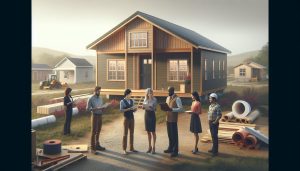
Did you know that nearly 20 million veterans could benefit from VA-backed financing when purchasing their homes? For veterans considering mobile homes, understanding how VA loans apply can seem daunting. But these loans can indeed offer a pathway to affordable homeownership in manufactured housing, dispelling the myth that they are only for traditional site-built properties. This guide aims to clarify the intricacies of VA financing for mobile homes, addressing your concerns about eligibility, application processes, and the unique benefits available to veterans. Whether you’re a current mobile home resident, a prospective buyer, or an investor, the opportunity to own a mobile home with the backing of VA financing may align perfectly with your housing dreams. Dive in to explore how you can take advantage of these vital benefits and find the right financing solutions tailored to your mobile home needs.
Understanding VA Loan Benefits for Mobile Homes
Mobile homes present an increasingly popular housing choice among many veterans, offering a blend of affordability and flexibility. Understanding the VA loan benefits available for mobile homes can empower service members and veterans to take advantage of homeownership opportunities without the burdens of traditional mortgage hurdles. The VA loan program is designed to support veterans in purchasing homes, and this extends to eligible mobile homes, typically defined as manufactured homes built after June 15, 1976.
One of the most appealing aspects of VA financing for mobile homes is the favorable loan terms offered, which include no down payment, limited closing costs, and no private mortgage insurance (PMI) requirements. This makes it easier for buyers to enter the housing market. Additionally, the VA guarantees a significant portion of the loan, which encourages lenders to provide favorable terms for buyers. However, it is important to note that only specific types of mobile homes are eligible under this program, such as those classified as real estate and permanently anchored to the land.
To access these benefits, veterans need to meet certain eligibility criteria, which typically includes service duration and the completion of discharge requirements. Prospective buyers should gather relevant documents, including proof of service, to start the application process. Moreover, working with a lender experienced in VA loans can greatly facilitate the experience, ensuring that buyers are informed about the steps and requirements specific to mobile homes. With these insights, veterans can confidently navigate the home financing landscape, making informed decisions that lead to sustainable living arrangements in a community that increasingly welcomes mobile home residents.
Eligibility Criteria for VA Financing of Mobile Homes
Navigating the path to homeownership can feel daunting, especially for veterans considering a mobile home as their primary residence. Fortunately, the VA loan program offers a range of benefits specifically tailored to support service members and veterans in their pursuit of affordable housing options. To qualify for VA financing of mobile homes, veterans must meet several eligibility criteria that confirm their service and the specifics of the property in question.
Firstly, it’s crucial that veterans provide proof of eligibility through appropriate documentation. This typically means submitting a Certificate of Eligibility (COE), which verifies their service duration and discharge status-criteria often hinge on whether the veteran served for a minimum period, usually 90 continuous days of active duty during a period of war or 181 days during peacetime. Additionally, veterans who were discharged due to a service-connected disability may be granted eligibility regardless of the duration served.
Beyond service requirements, the specific mobile home must align with VA guidelines. Eligible mobile homes should either be classified as real estate and permanently affixed to the land or be located within a VA-approved community. Generally, this includes manufactured homes built after June 15, 1976, adhering to construction and safety standards established at that time. It’s important for potential buyers to ensure that the mobile home they are interested in meets these standards, as this significantly influences financing options.
When considering financing, veterans should reach out to lenders who specialize in VA loans, as they can provide expert guidance through the often complex process. The knowledge and experience of these lenders can help veterans understand the nuances related to financing mobile homes, ensuring they grasp all available benefits and avoid common pitfalls. By gaining insights into eligibility and associated requirements, veterans can feel empowered to embark on their journey toward mobile home ownership with greater confidence.
Step-by-Step Guide to Financing Your Mobile Home
Navigating the financing of a mobile home can be an empowering journey for veterans seeking affordable housing. The process may seem complex, but breaking it down into manageable steps can make it easier. Here’s a comprehensive step-by-step guide to help veterans secure financing for their mobile home through the VA loan program.
Step 1: Determine Your Eligibility
Before diving into the financing process, it’s important to confirm your eligibility for a VA loan. Gather necessary documents, including your Certificate of Eligibility (COE), which verifies your service duration and discharge status. Make sure the mobile home you are interested in meets VA standards-this typically means it must be permanently affixed to land or situated within a VA-approved community.
Step 2: Research Lenders
Once you’ve established your eligibility, the next step is to find a lender experienced in VA loans tailored to mobile homes. Look for financial institutions or mortgage brokers who specialize in manufactured housing, as they can provide insights specific to this financing route. Compare interest rates, loan terms, and specific requirements from different lenders to identify the best fit for your needs.
Step 3: Prepare Your Finances
Before applying for a loan, take this opportunity to assess your finances. Review your credit score and pay down any outstanding debts. Lenders will scrutinize your financial health, so having a stable income and low debt-to-income ratio can significantly enhance your chances of approval. Gather your financial statements, tax returns, and income verification documents to present a strong application.
Step 4: Complete the Loan Application
With everything in order, proceed to complete the loan application provided by your selected lender. Be thorough and accurate with your information, as discrepancies can delay the process or lead to denial. After submitting your application, your lender will process it, which typically includes an appraisal to determine the mobile home’s value and ensure it meets VA guidelines.
Step 5: Closing the Loan
Upon approval, the final step is closing the loan. This involves signing necessary documents and finalizing the terms of your loan agreement. Be prepared for closing costs, which typically range from 2% to 5% of the loan amount. Your lender should provide a clear breakdown of these costs. After closing, you’ll officially own your mobile home and can start enjoying the benefits of VA financing.
Financing a mobile home through the VA loan program is not just practical; it’s a testament to the commitment to making homeownership accessible for veterans. With each step, from verifying eligibility to closing on the loan, veterans can confidently navigate this specialized housing market. With the right support and the steps outlined above, turning the dream of owning a mobile home into reality is within reach.
Types of Mobile Homes Eligible for VA Loans
When considering financing through the VA loan program, understanding the types of mobile homes that are eligible can be crucial for veterans seeking affordable housing solutions. The VA loan program not only supports traditional homes but also provides access to financing for certain types of mobile homes, recognizing their value as a viable housing option.
To qualify for VA financing, the mobile home must meet specific criteria. First, the manufactured home must be classified as real property, meaning it should be permanently affixed to a foundation or land. This generally involves the home being anchored and connected to a permanent framework that meets local building codes. Additionally, it’s essential for the mobile home to be located in a HUD-approved community or on a parcel of land owned by the borrower.
Another factor to consider is the age of the mobile home. Typically, homes built after June 15, 1976, adhere to enhanced safety and construction standards set by the Department of Housing and Urban Development (HUD) and are therefore more likely to qualify for VA loans. Furthermore, the mobile home must meet the VA’s minimum property requirements, ensuring that it provides a safe and livable environment for its occupants.
Finally, veterans should be aware that various types of financing options apply, including loans for single-section homes, double-section homes, and modular homes. Each category may have different requirements, and potential buyers should consult with knowledgeable lenders to explore their specific needs and preferences. By understanding these distinctions, veterans can confidently navigate the process of obtaining VA financing for their mobile home.
How to Connect Utilities for Your Mobile Home
Connecting utilities to your mobile home is a crucial step that enables a comfortable and sustainable living environment. As mobile homes often require specific installations for water, electricity, and sewage, understanding the best practices for utility connection can save you time and ensure safety. The process may vary depending on your location and the services available, but having a foundational knowledge can prepare you for successful connections.
Electricity Connection
To get started with electricity, liaise with your local utility company to schedule an installation. They typically require information about your mobile home, including its location and size. Ensure your mobile home has a proper electrical panel installed, as this will facilitate the connection. As they may require inspections or permits, it’s wise to check with local building codes to avoid any compliance issues. Once connected, consider investing in surge protectors to protect your home’s electrical systems from fluctuations.
Water and Sewage Systems
For water and sewage, the procedure generally involves contacting the municipal water supply or a private company if you’re in a rural area. You will need to install water pipes leading to your home and ensure they are capable of handling your expected usage. For sewage, a hook-up to the local sewage system or the installation of a septic tank may be necessary. If the latter is required, ensure it is placed at least 100 feet away from your home and complies with local regulations regarding depth and maintenance.
Gas Services
If your mobile home is equipped for natural gas, reach out to your gas provider. They may require a licensed contractor to install gas lines from the supply source to your home. It’s critical to check for leaks periodically and ensure proper ventilation for safety.
Final Inspection and Safety Checks
After all utility connections are made, schedule a comprehensive inspection. This step is vital to ensure that all installations meet safety standards and that your home is ready for occupancy. A licensed inspector can also help identify potential hazards, such as improper electrical wiring or insufficient drainage, which can be costly if overlooked.
By understanding these essential steps, veterans and homebuyers can facilitate a seamless transition into their new mobile living space, maximizing the benefits of VA financing for mobile homes. Remember to utilize local resources and professional services to ensure that each connection is performed safely and effectively.
Maintenance Tips for Long-Lasting Mobile Home Living
Maintaining your mobile home properly is essential for sustaining its value and ensuring a safe, comfortable living environment. A proactive maintenance routine can prevent minor issues from escalating into costly repairs, making it a key component of long-term ownership satisfaction. Here are some practical tips to help you keep your mobile home in top condition.
Regular Exterior Inspections
Conduct periodic inspections of your mobile home’s exterior to identify potential maintenance needs. Look for issues such as:
- Loose or damaged siding
- Cracks in the foundation
- Leaks or wear around windows and doors
- Signs of rust on metal components
Address any problems immediately to prevent water intrusion and structural damage. Keeping gutters clear of debris and ensuring proper drainage around your home also aids in maintaining a healthy foundation.
Routine Roof Maintenance
The roof of your mobile home is crucial for protecting against the elements. Regularly check it for missing shingles, blisters, or sagging spots. Depending on the roofing material, you might need to clean off dirt and debris, applying a sealant as needed to maintain its integrity. Make it a habit to inspect your roof at least twice a year-before and after the harshest weather seasons.
Interior Upkeep
Just as the exterior requires attention, so does the interior. Regular cleaning of carpets and floors prevents wear, while checking for leaks in plumbing or appliances can save you from significant issues down the line. It’s advisable to change air filters in HVAC systems every few months to keep air quality high and energy costs low.
For added peace of mind, consider having your plumbing and electrical systems checked by professionals every few years, especially if you notice any signs of malfunction.
Seasonal Preparations
Prepare your mobile home for seasonal changes with specific maintenance tasks. In the summer, ensure your air conditioning units are functioning properly, while in winter, insulate pipes to prevent freezing. Additionally, create an emergency plan for natural disasters relevant to your area, such as hurricanes or floods, which might include securing your home with tie-downs and having an emergency kit ready.
By prioritizing these maintenance tasks, you can extend the lifespan of your mobile home, safeguard your investment, and enhance your living experience. An engaged and proactive approach to upkeep reflects not only your commitment to your home but also positions you as a responsible homeowner in the mobile living community.
Insurance Options for Mobile Home Owners
Purchasing a mobile home can be an exciting venture, offering a budget-friendly alternative to traditional housing. However, one essential aspect of mobile home ownership that often gets overlooked is securing proper insurance coverage. Mobile homes are subject to unique risks, and having the right insurance can protect your investment, ensuring peace of mind. With the right policy, owners can navigate potential liabilities while enhancing their living experience.
When exploring insurance options, it’s crucial to look for policies specifically designed for mobile or manufactured homes. Standard homeowner’s insurance may not provide adequate coverage. Mobile home insurance typically covers the structure itself, personal property, liability, and additional living expenses in case of a covered loss. Coverage ranges from basic policies that provide minimal protection to comprehensive plans that guard against risks such as fire, theft, windstorm, and vandalism.
Types of Mobile Home Insurance Policies:
- Actual Cash Value (ACV): This type of policy pays out the current market value of your home at the time of the loss, factoring in depreciation.
- Replacement Cost Coverage: This more comprehensive option covers the cost to replace your home with a similar one, without deducting for depreciation.
- Liability Coverage: Protects you in case someone is injured on your property, potentially covering legal fees and medical expenses.
Before selecting a policy, consider factors like the location of your mobile home, its age, and any specific risks associated with the area, like flooding or high winds. For example, if you live in a hurricane-prone area, look for policies that offer adequate coverage for wind and flood damage. Additionally, many insurers allow for customizations tailored to your specific needs, making it easier to include extras such as coverage for additional structures (like sheds or carports) or personal belongings within your mobile home.
Ultimately, taking the time to thoroughly understand and select appropriate insurance options can safeguard your mobile home investment while providing the financial protection necessary for a worry-free lifestyle. Making informed decisions regarding your mobile home insurance will not only meet your protection needs but also enhance your confidence in this unique living arrangement.
Legal Considerations When Buying a Mobile Home
When considering the purchase of a mobile home, understanding the legal landscape surrounding this type of housing is paramount. Mobile homes, while often more affordable and versatile than traditional homes, come with their own set of legal requirements and regulations that potential buyers should carefully navigate. The right knowledge can empower buyers to make informed decisions and avoid pitfalls that could arise during the purchasing process.
One of the first legal considerations is whether the mobile home is classified as personal property or real property. This distinction can impact financing options, taxes, and regulations. Typically, if a mobile home is permanently affixed to a plot of land and classified as real property, it aligns more closely with traditional homeownership, making it eligible for various financing options, including VA loans. Conversely, if it remains movable and is classified as personal property, it may have different insurance and financing requirements. Before buying, confirm the classification and understand how it affects your legal standing and mortgage options.
Zoning Laws and Regulations
Another essential aspect involves understanding local zoning laws and property regulations. Many regions have specific zoning classifications for mobile homes, which can dictate where they can be placed and what modifications can be made. Conduct due diligence by researching local laws and consulting with local authorities or real estate professionals to ensure your prospective lot complies with these regulations. This step is crucial, especially for veterans aiming to use VA financing, as certain VA loans may have stipulations regarding the property location and type.
Title Transfer and Documentation
Additionally, ensure that the seller has the proper title documentation for the mobile home. Just like traditional home purchases, a clear title is necessary to avoid legal issues down the road. Verify that the mobile home is not subject to liens or other encumbrances. The process may involve title searches, and buyers could benefit from working with a qualified real estate attorney to navigate the paperwork and ensure all legal standards are met.
Ultimately, being proactive about these legal considerations can lead to a smoother purchasing experience and a greater sense of security in your investment. By understanding the complexities of mobile home ownership, including property classification, local zoning laws, and the importance of clear titles, you can approach your purchase with confidence. This knowledge not only aids in making informed decisions but also reinforces the legitimacy of mobile home living as a viable and rewarding housing option.
Enhancing Your Mobile Home’s Value: Renovation Tips
Investing in renovations can significantly enhance the value of a mobile home, making it a more appealing option for potential buyers or increasing your enjoyment of the space. One of the best places to start is by focusing on curb appeal and the outdoor environment. Adding a deck or a small patio can instantly make a mobile home more inviting. Additionally, landscaping with easy-to-maintain plants or installing decorative stone can visually enhance the property and contribute to its overall warmth and charm.
Interior Upgrades
When it comes to the interior, consider simple yet impactful upgrades. Updating flooring, particularly to durable options like laminate or luxury vinyl, can not only improve aesthetics but also appeal to a wider audience due to their low maintenance requirements. Painting the walls in neutral colors can create a fresh canvas that allows new homeowners to envision their personal style. Furthermore, replacing outdated fixtures in the kitchen and bathroom, such as cabinet handles, faucets, and lighting, can add a modern touch that resonates with buyers.
Energy Efficiency Improvements
Enhancing the energy efficiency of your mobile home can also boost its market value. Projects such as installing double-pane windows, adding insulation, or upgrading to energy-efficient appliances might require an initial investment but can lead to significant savings on utility bills. These upgrades not only attract buyers concerned with sustainability but also demonstrate a commitment to practical living.
Functional Additions
Lastly, consider adding functional spaces that cater to contemporary lifestyles. Creating an office nook, adding built-in shelving, or even transforming a corner into a cozy reading space can make a mobile home feel larger and more versatile. These adjustments can make day-to-day living more enjoyable and can be a decisive factor for potential buyers looking for a home that meets their specific needs.
In summary, by strategically focusing on both the exterior and interior aspects of your mobile home, from curb appeal to sustainable improvements, you can significantly enhance its value and marketability. Whether you are a current owner or a prospective buyer, understanding these renovation tips provides a solid foundation for navigating the mobile home investment landscape effectively.
Financing Alternatives for Mobile Homes
Securing financing for a mobile home can sometimes feel overwhelming, but there are various alternatives available that cater specifically to this type of housing. While many veterans may opt for the convenience of VA loans, it’s important to understand that not all mobile homes qualify for this financing method. Fortunately, other avenues exist that can provide the necessary funding while accommodating the unique aspects of manufactured housing.
One popular financing alternative is the FHA Title I Loan, which is specifically designed for mobile and manufactured homes. This federal program allows homeowners to finance their mobile homes even if they aren’t permanently affixed to a foundation. With terms typically ranging from 20 to 25 years, these loans can cover the cost of the home itself, as well as improvements and site costs. Interest rates are generally competitive, making it a viable option for those looking to purchase or enhance a mobile home.
Another option is personal loans, which may be less familiar but can be a practical choice, particularly for those with established credit. These unsecured loans do not require collateral, allowing you to borrow funds for purchasing or upgrading your mobile home. Borrowers should be mindful of the interest rates, which can vary significantly, and aim for those with favorable credit profiles to secure better terms.
For those considering purchasing a mobile home within a community, seller financing can also be a beneficial route. In this arrangement, the seller acts as the lender, allowing the buyer to make direct payments over time. This option can be advantageous if you are facing difficulties obtaining traditional financing. Still, it’s crucial to thoroughly understand the terms of the agreement and ensure it aligns with your financial capabilities.
Lastly, state and local housing agencies sometimes offer programs tailored to assist in purchasing mobile homes. Researching these local solutions can uncover unique grants or subsidized loan options. These programs aim specifically to bolster affordable housing opportunities and could make homeownership more accessible.
Each of these financing alternatives can offer scalable solutions for different circumstances, allowing buyers to enter the mobile home market with confidence. As you explore your options, keeping awareness of the eligibility requirements and potential benefits can help clarify the best path forward for your specific situation.
Preparing Your Mobile Home for Natural Disasters
Preparing for natural disasters is crucial for mobile home owners, as these homes may be more vulnerable than traditional houses during severe weather events. Taking proactive steps to secure your home can significantly reduce risks and enhance safety. One of the main strategies is to ensure your mobile home is properly anchored. Utilizing tie-downs that meet local regulations is essential. These heavy-duty straps are installed to secure the home to its foundation (or ground) and help prevent it from being displaced by high winds or flooding.
Creating an Emergency Plan
An effective emergency plan is a cornerstone of disaster preparedness. This should include clear evacuation routes, a communication plan with family or neighbors, and a list of important contacts. In addition to planning, assemble an emergency kit that includes essentials such as water, non-perishable food, first-aid supplies, flashlights, batteries, and documents such as insurance information. Regularly check and replenish your kit to ensure the items are up to date and usable when needed.
Investing in Insurance
Strong insurance coverage is an essential aspect of disaster preparedness. Mobile home owners should explore options for both standard homeowner’s insurance and specific mobile home insurance policies that cover damages from natural disasters. Ensure that your coverage includes adequate protection against floods, wind, and fire. Reevaluate your policy limits regularly to keep pace with changes in property values and local risk factors.
Additional Structural Enhancements
Beyond anchoring and insurance, consider investing in structural enhancements that bolster your home against disasters. Installing storm shutters can protect windows from wind and debris, while reinforcing the roof and ensuring that the home is level can help counteract potential damage from heavy rains or storms. Landscaping choices can also play a role; planting trees a safe distance away can minimize the risk of falling branches.
By adopting these preventative measures, mobile home owners can create a safer and more resilient living environment. Disaster preparedness is not just about reacting to emergencies; it’s about taking proactive steps that validate mobile home living as a secure and sustainable choice.
Navigating Property Valuation for Mobile Homes
Determining the value of a mobile home can be quite different from assessing traditional real estate. Understanding the nuances of mobile home property valuation is crucial for veterans seeking to utilize VA financing. Factors such as the home’s condition, location, and enhancements are essential to establishing its worth in the eyes of lenders and appraisers. Unlike conventional homes, mobile homes often depreciate, making it vital for owners and potential buyers to grasp the valuation methods specific to manufactured housing.
One major aspect influencing valuation is the home’s type. There are single-section and multi-section mobile homes, each with varying values. Additionally, the age of the home plays a substantial role; newer models tend to retain value better than older ones. The placement and maintenance of the home also contribute significantly-landscaping, anchoring systems, and surrounding infrastructure can enhance resale value.
Moreover, local zoning laws and community standards can affect valuation, as homes situated in well-maintained parks generally enjoy higher appraised values compared to those in less regulated areas. Appraisers often rely on comparable sales data from similar homes in the vicinity, so understanding the local market trends and community aspects can provide valuable insight.
For veterans specifically considering VA loans, it’s important to note that the VA has specific requirements for appraisals on mobile homes. The home must meet minimum property condition standards to qualify. Engaging with a knowledgeable appraiser who understands both conventional and mobile home valuations will yield the most accurate insights and help facilitate a smoother financing process. By being informed and prepared, mobile home owners can confidently navigate the complexities of property valuation, ensuring they make informed decisions that truly reflect the value of their investment.
Frequently asked questions
Q: Can veterans use VA loans to finance a mobile home?
A: Yes, veterans can use VA loans to finance mobile homes, provided they meet specific eligibility criteria. Generally, the mobile home must be affixed to a permanent foundation and classified as real property. For detailed eligibility requirements, refer to the “Eligibility Criteria for VA Financing of Mobile Homes” section in our guide.
Q: What types of mobile homes are eligible for VA financing?
A: VA financing is available for single-section and multi-section manufactured homes. However, they must be permanently affixed to a foundation and meet local construction standards. For a complete list of eligible mobile home types, check the “Types of Mobile Homes Eligible for VA Loans” section in our article.
Q: What is the process for applying for a VA loan to purchase a mobile home?
A: The application process includes verifying your eligibility, obtaining a Certificate of Eligibility (COE), and choosing a lender. Complete the necessary paperwork and submit your VA loan application. For a comprehensive step-by-step guide, see the “Step-by-Step Guide to Financing Your Mobile Home” section.
Q: Are there any specific credit requirements for VA financing of mobile homes?
A: While the VA does not set a minimum credit score, most lenders prefer a score of at least 620. Maintaining good credit and a low debt-to-income ratio will help in securing favorable loan terms. For more financial tips, explore the “Financing Alternatives for Mobile Homes” section of our guide.
Q: Can veterans refinance an existing mobile home loan with a VA loan?
A: Yes, veterans can refinance an existing mobile home loan using a VA loan through the Interest Rate Reduction Refinance Loan (IRRRL) program. This option can lead to lower interest rates and better loan terms. For additional details, see the “Financing Alternatives for Mobile Homes” section.
Q: What are the possible pitfalls of VA financing for mobile homes?
A: Common pitfalls include not meeting property requirements, overlooking local zoning laws, and not verifying that the mobile home is considered real estate. Understanding these issues can help avoid complications. Check the “Legal Considerations When Buying a Mobile Home” section for more insights.
Q: How do utility connections work for mobile homes financed by VA?
A: Utility connections for VA-financed mobile homes must comply with local regulations. It’s crucial to ensure proper installation of water, electricity, and sewage systems. Visit our “How to Connect Utilities for Your Mobile Home” section for detailed setup procedures.
Q: Is it more expensive to insure a mobile home compared to a traditional home?
A: Insuring a mobile home can sometimes be more expensive due to factors like higher risk of damage and specific insurance policies required. Always shop around for quotes and consider factors that could influence premiums. Our “Insurance Options for Mobile Home Owners” section provides further guidance on this topic.
The Conclusion
Navigating the world of mobile home ownership can be rewarding, especially with the benefits of a VA loan. You now have the tools to understand how VA financing can help you achieve your dream of owning a mobile home, minimizing upfront costs and securing favorable interest rates. Don’t wait to explore your options-take the next step towards homeownership today!
For more insights on financing possibilities, check out our guides on VA Loan Application Tips and Mobile Home Maintenance Essentials. If you have questions or would like personalized advice, consider signing up for our newsletter or reaching out for a consultation. The journey to your new home is within reach, and we’re here to support you every step of the way. Embrace the freedom of mobile home living and join a community that combines comfort with independence-your new lifestyle awaits!