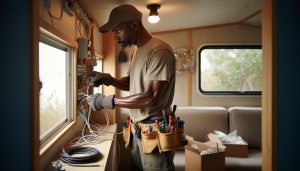
Winter weather can wreak havoc on mobile homes, particularly when it comes to plumbing. Did you know that frozen pipes can lead to costly repairs and extensive water damage? Properly winterizing your mobile home pipes is essential in safeguarding your investment and ensuring comfort during the colder months. By taking proactive steps to protect your plumbing system, you’ll not only prevent expensive mishaps but also extend the lifespan of your home’s infrastructure. In this guide, we’ll explore practical techniques to effectively winterize your mobile home pipes, arming you with the knowledge to face winter confidently. Don’t let the cold catch you unprepared-read on to discover how to keep your home safe and sound this winter.
How Cold Weather Affects Mobile Home Pipes
Cold weather can wreak havoc on the plumbing systems of mobile homes, especially when temperatures drop below freezing. Mobile home pipes, often located in uninsulated spaces, are particularly susceptible to freezing even during mildly cold temperatures. When water freezes within the pipes, it expands and can lead to ruptures, ultimately resulting in costly repairs and potential water damage. Understanding the unique vulnerabilities of mobile home plumbing can help homeowners take proactive steps to protect their systems from the winter chill.
One major factor influencing how cold weather affects pipes is the quality of insulation in and around the mobile home. Insufficient insulation can leave pipes exposed to frigid outdoor temperatures, increasing the likelihood of freezing. Additionally, areas beneath your mobile home, like skirting and ductwork, can contribute to heat loss, making it imperative to ensure these components are adequately protected and maintained. Regularly checking the insulation and repairing any visible gaps or damage can significantly minimize risks associated with freezing temperatures.
Another critical aspect to consider is the location of your mobile home. Homes positioned close to cold drafts or in shaded areas experience lower temperatures both inside and out. Homeowners in these more vulnerable locations should be especially diligent in taking preventative measures-such as using heat tape on exposed pipes and ensuring that the heat sources within the home remain consistent. Ultimately, addressing these factors can contribute significantly to the longevity of your plumbing system during the harsh winter months.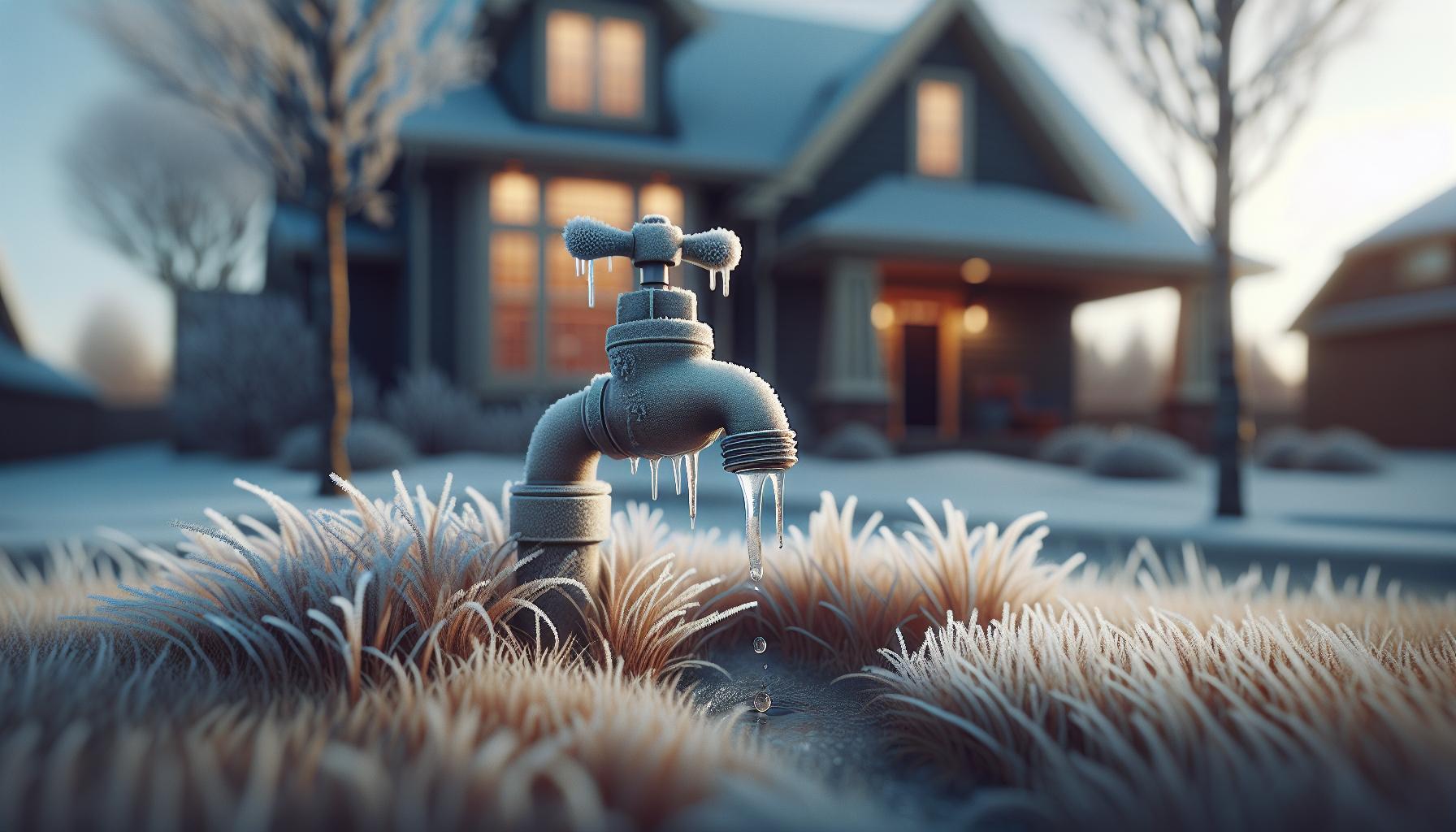
Signs Your Pipes Are at Risk of Freezing
As winter approaches, recognizing the early warning signs of pipes at risk of freezing can save you from significant headaches and costly repairs. Pipes in mobile homes are particularly vulnerable due to their location, often in uninsulated or poorly insulated areas beneath the home. A few indicators can signal that your plumbing is at risk, allowing you to take proactive measures before damage occurs.
One of the most telling signs is a decrease in water pressure when using faucets. If you notice a sudden drop in flow, this could indicate that ice is forming in the pipes. Additionally, be alert to unusual sounds, such as gurgling or banging in the plumbing. These sounds might signify trapped air or the movement of water struggling against ice, indicating a potential blockage.
Temperature fluctuations can also act as a warning bell. If outdoor temperatures are expected to plummet, especially after a thaw, it’s wise to be cautious. Regularly monitor the thermostat and maintain a consistent indoor temperature, as sudden drops can put your pipes in jeopardy. Other environmental cues include condensation forming on exposed pipes or any visible frost or sweating; these could be signs of excessive moisture that can result in freezing.
Moreover, consider the overall condition of your skirting-damaged or missing sections can significantly reduce the warmth around your pipes. Regularly checking your home’s foundation skirting for gaps or damage will help trap heat and keep your pipes insulated. By staying informed and vigilant about these warning signs, you can better protect your mobile home’s plumbing from the harsh effects of winter weather.
Essential Tools and Materials for Winterizing
To protect your mobile home from winter’s biting cold, having the right tools and materials on hand is essential. Not only do these resources facilitate a thorough winterization process, but they also empower homeowners to take proactive steps in safeguarding their plumbing from freezing temperatures. Investing in quality supplies can prevent costly repairs and ensure that your home remains a warm, safe haven throughout the winter months.
Start by gathering insulation materials like foam pipe insulation or heat tape. These products are crucial for wrapping exposed plumbing and preventing heat loss. For added protection, consider using insulating blankets specifically designed for pipe coverage. You will also need caulk or weather stripping to seal any gaps around windows and doors, which helps maintain consistent indoor temperatures and minimizes drafts. Additionally, having a screwdriver, utility knife, or pipe cutter on hand will facilitate the installation of these materials.
Don’t overlook the importance of basic plumbing tools such as a wrench or pliers for any adjustments or repairs. Keeping a thermal camera or infrared thermometer can be incredibly helpful for detecting areas of heat loss around your mobile home, allowing you to pinpoint vulnerable plumbing locations. Having a drainage pump or shop vacuum can assist in removing water from plumbing systems and preventing residual water from freezing.
By preparing these essential tools and materials ahead of time, you’ll be well-equipped to tackle the task of winterizing your mobile home effectively, ensuring that your plumbing remains safe from the harsh effects of winter, and protecting your investment for the future.
Step-by-Step Guide to Insulate Mobile Home Pipes
Insulating the pipes in your mobile home is a crucial step in protecting them from the harsh winter temperatures that can lead to costly damage. When the mercury drops, water inside your pipes can freeze and expand, causing cracks and leaks that may not be noticed until it’s too late. By taking the time to insulate your pipes effectively, you can help ensure they remain warm and functional throughout the winter months.
To start your insulation project, first, turn off the water supply to any exposed pipes and drain the system. This will minimize the risk of water freezing within them while you work. Begin by measuring the length of each exposed pipe, noting any bends or joints that may require extra attention. Once you have your measurements, gather your insulation materials-either foam pipe insulation or heat tape. Foam insulation sleeves are typically easier to install and can be found in various diameters, ensuring a snug fit around your pipes.
Carefully wrap the foam insulation around each pipe, leaving no gaps. Use electrical tape or adhesive to secure the insulation in place, particularly at joints and corners. For pipes that are more vulnerable, such as those located in unheated areas or near exterior walls, applying heat tape is highly beneficial. Simply follow the manufacturer’s instructions for installation, ensuring that you do not overlap the tape to prevent overheating.
After the insulation is in place, perform a final inspection. Ensure that there are no exposed sections and that all insulation is tightly secured. Consider adding an insulating blanket around any particularly exposed areas to provide further protection. With these steps completed, you’ve successfully insulated your mobile home pipes, greatly reducing the risk of freezing and potential plumbing disasters throughout the winter. Regularly checking your insulated pipes during the cold months can also help catch any issues before they escalate into more severe problems. Taking these proactive measures not only preserves your plumbing integrity but also enhances your comfort and safety in your mobile home during winter.
Techniques to Drain Water from Your Pipes
When preparing your mobile home for winter, effectively draining the water from your pipes is a critical step that cannot be overlooked. Proper drainage not only prevents your pipes from freezing but also significantly reduces the chance of them bursting, which can lead to costly repairs. Given the unique construction of mobile homes, it’s essential to approach this task methodically, considering the various elements that protect your plumbing system during the cold months.
To begin, ensure that you have a clear understanding of your home’s plumbing layout. Identify all the locations of exposed pipes and any fixtures that may hold water, such as sinks, toilets, and bathtubs. It’s advisable to collect the necessary tools before starting, including a bucket, towels, a wrench, and, if needed, a shop vac to help eliminate any remaining water.
Start by shutting off the main water supply to your home. This can usually be found near the water meter. Once the water is turned off, open the faucets throughout the house to allow the water trapped in the lines to drain. Begin with the furthest faucet from the main supply to help gravity move the remaining water out effectively. Remember to flush toilets until they are empty and remove any residual water using the bucket or towels.
Next, to ensure that all the water is thoroughly drained from your pipes, consider using compressed air to blow out any remaining residual water. This process involves connecting an air compressor to your plumbing system, which can help dislodge any water sitting in the pipes. Take care when doing this, as too much pressure can potentially damage older, more fragile pipes.
Finally, don’t forget to address outdoor spigots and hoses. Drain and store hoses, and make sure to either turn off the water supply to outside faucets or use faucet covers that prevent freezing. These small tasks, when combined, will provide significant protection against the harsh winter conditions that can threaten the integrity of your plumbing.
By taking these calculated steps, you can safeguard your mobile home against the effects of freezing temperatures. Regular winterizing practices will not only prevent potential disasters but will also give homeowners peace of mind during the colder months. Whether you’re a seasoned mobile homeowner or new to the lifestyle, understanding drainage and maintenance will help protect your investment in a meaningful way.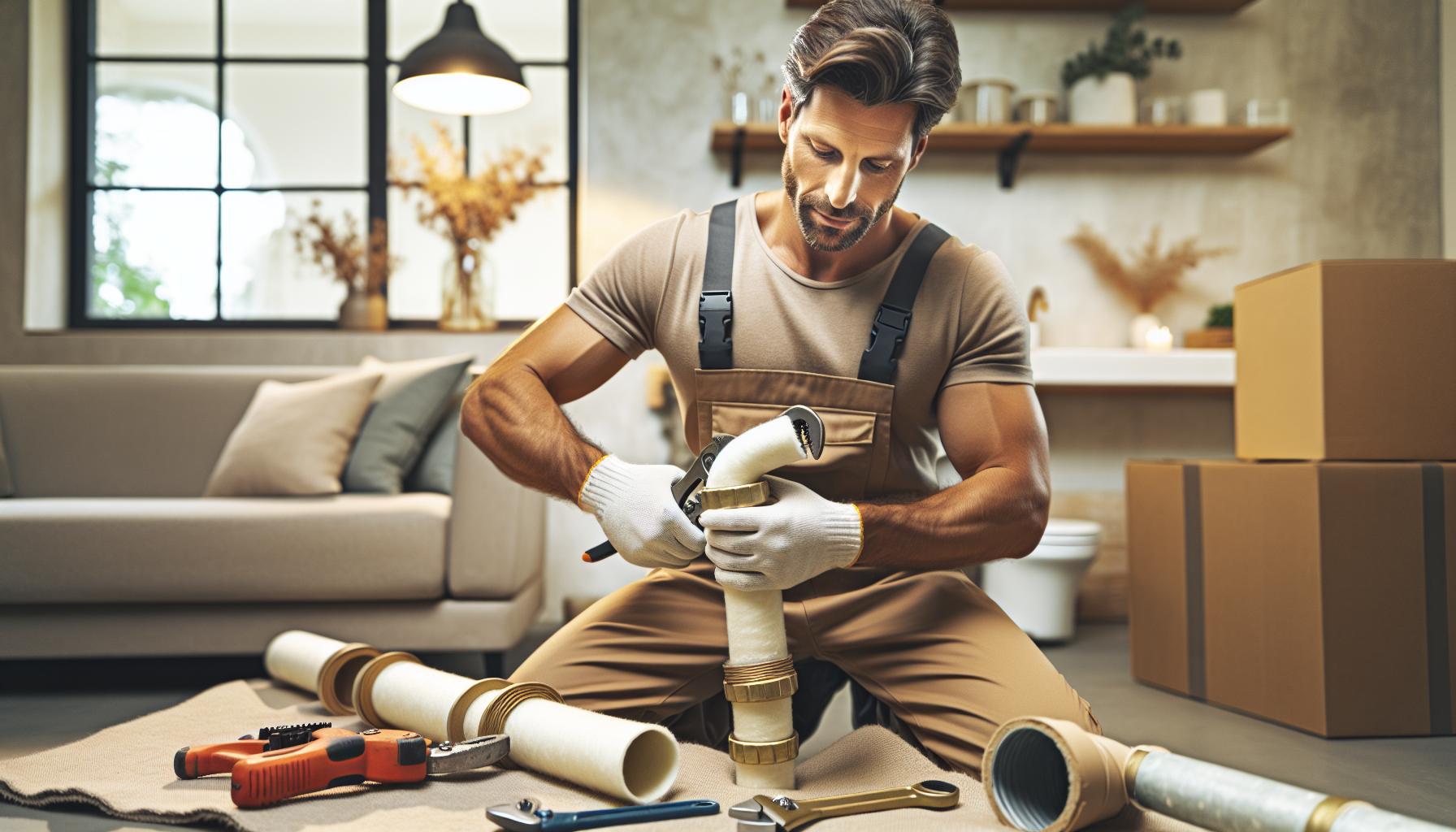
Effective Solutions for Preventing Pipe Bursts
When winter’s chill sets in, the risk of pipe bursts becomes a significant concern for mobile homeowners. The unique construction of mobile homes, often with exposed plumbing beneath, makes them particularly vulnerable to freezing temperatures. Effective measures can not only help prevent costly damage but also ensure peace of mind throughout the winter months.
One of the most proactive steps is to thoroughly insulate your pipes, especially those located in unheated areas. Using insulated sleeves, wraps, or even heat cables can create a protective barrier against harsh cold. These products are available at home improvement stores and can be easily installed around vulnerable exposed plumbing. Providing additional warmth through insulation can effectively reduce heat loss and keep the water flowing freely during frigid weather.
Another critical solution is to maintain a steady and moderate indoor temperature, even when you are not home. Keeping your thermostat set to at least 55°F (13°C) is advisable as lower temperatures increase the likelihood of water freezing inside the pipes. During particularly cold spells, consider letting faucets drip slightly; this minimal flow can help relieve pressure in the system and reduce the chance of freeze-related bursts.
Protecting the exterior of your mobile home is equally important. Ensure that the skirting around the base is intact and well-insulated-this serves to reduce cold drafts around the plumbing beneath. Additionally, you can use foam boards or insulation blankets on the skirting to enhance its effectiveness. Regularly checking for gaps or damage will ensure that outdoor temperatures do not infiltrate and threaten your plumbing.
For added caution, consider the installation of a monitoring system that alerts you to changes in temperature. Some systems provide real-time alerts directly to your smartphone, allowing you to respond quickly if the temperature drops to a dangerous level. Combining these strategies creates a layered defense that significantly lowers the risk of pipe bursts, protecting both your home and your budget throughout the winter season.
Understanding the Role of Heat Tape and Insulation
Using heat tape and insulation is an essential strategy for safeguarding mobile home pipes during the cold winter months. When temperatures plummet, plumbing systems can suffer severe consequences if they aren’t properly protected. Heat tape, essentially a specialized electrical heating element, can be wrapped around pipes to maintain their temperature and prevent freezing. This solution is particularly effective for exterior pipes or those situated in unheated areas of your home, such as crawl spaces.
To maximize the effectiveness of heat tape, it’s crucial to install it correctly. Heat tape must be wrapped evenly around the pipe, covering any vulnerable sections, and plugged into a grounded electrical outlet. Modern heat tape options come with built-in thermostats that automatically activate the heating when temperatures drop, making them a reliable choice for continuous protection. Always adhere to the manufacturer’s guidelines during installation to ensure safety and functionality.
Insulation plays a complementary role in this protective system. Insulating sleeves or foam pipe insulation can further encase the pipes, offering a thermal barrier that augments the heat emitted by the tape. Insulation not only helps maintain a consistent temperature but also reduces energy costs by minimizing heat loss. It’s a good practice to apply insulation to all exposed pipes, even those not at immediate risk of freezing, because once water starts to freeze, it can quickly lead to costly burst pipes.
Combining both heat tape and insulation provides a multi-faceted approach to winterization. This dual strategy creates a warm environment for your plumbing, significantly reducing the risk of frozen or burst pipes, and ultimately protecting your investment. For added peace of mind, consider checking insulation quality and heat tape functionality before winter sets in, ensuring a cozy and worry-free season in your mobile home.
Checking and Maintaining Mobile Home Skirting
Ensuring that your mobile home is properly skirted is essential not only for aesthetics but also for maintaining a comfortable and energy-efficient living environment during the winter months. Skirting forms a barrier between your home’s undercarriage and the cold outside air, which can significantly impact the stability of your plumbing system. When the temperatures drop, poorly maintained skirting can allow freezing air to reach your pipes, increasing the risk of pipe freezes and bursts.
To keep your home safe from winter damage, start by examining your skirting for any gaps, holes, or loose panels. Sealing these openings is crucial. Use weather-resistant caulking for smaller gaps, while larger spaces may require replacement panels or insulation. Remember, the goal is to create a continuous barrier that protects the undercarriage from the harsh elements. Additionally, install insulation blankets if your skirting materials don’t provide adequate coverage. This layer acts as an extra shield against the cold and helps maintain a stable temperature beneath your home.
Next, consider adding vent covers to your skirting if they aren’t already present. These allow for air circulation in the summer to prevent moisture build-up but can be closed during winter to block cold drafts. Ensure that any existing vents can be easily sealed shut for colder months. Maintaining proper ventilation is vital for preventing moisture issues that could also damage your plumbing.
Regular maintenance of your skirting is essential year-round. Inspect it periodically, especially before the winter season, to ensure everything is intact and functioning. Properly maintained skirting not only protects your plumbing but also helps improve your mobile home’s energy efficiency, resulting in cost savings on heating bills during the cold months. Embrace the importance of this often-overlooked element of your mobile home and ensure it serves its purpose effectively in safeguarding your living space.
How to Address Plumbing Issues Before Winter
Taking proactive steps to address plumbing issues before the winter chill sets in is crucial for maintaining the integrity of your mobile home. The risk of frozen pipes is a genuine concern for many homeowners, particularly in areas prone to cold weather. It’s essential to conduct thorough checks and repairs early in the season to ensure your plumbing system withstands freezing temperatures.
Start by conducting a complete inspection of your home’s plumbing. Look for signs of wear and tear, such as corroded or damaged pipes, and check for leaks. It’s wise to address any issues immediately, as even the smallest cracks can lead to significant water loss or pipe bursting when temperatures drop. Pay particular attention to areas that might be less insulated, such as unconditioned crawl spaces or areas near exterior walls.
Another preventive measure is to insulate exposed pipes, especially those that run along exterior walls or in unheated spaces. Use foam pipe insulation sleeves, which are easy to install and can effectively provide a protective layer against the cold. Additionally, when temperatures are expected to fall substantially, consider letting faucets drip slightly. This action keeps water moving through the pipes, reducing the risk of freezing.
It’s also essential to check your mobile home’s heating system. Ensure that your heating system is functioning optimally and that your thermostat is set to maintain a consistent temperature, even when you are away. If your property will be vacant during the winter, it might be wise to leave the heat on at a low setting to stave off freezing temperatures that could impact your plumbing. Finally, regularly inspect your skirting and insulation. Make sure there are no gaps or holes that could let in cold air, which could affect pipe temperatures.
By taking the time to address potential plumbing issues now, you can prevent costly damage in the future and enjoy a warm, worry-free winter in your mobile home.
Tips for Preparing Your Mobile Home for Snow
Preparing your mobile home for snow involves more than just shoveling the driveway; it requires a strategic approach to protect your home and plumbing from the rigors of winter weather. As temperatures drop and snow accumulates, the potential for cold air infiltration increases, which can lead to frozen pipes and costly damage. A proactive winterization plan can safeguard your investments and ensure a comfort level that mitigates the harsh effects of the season.
Start with a thorough examination of your mobile home’s skirting. Ensure it is tightly secured and without gaps to prevent cold drafts from affecting your plumbing. Using insulated skirting options can provide an additional barrier against the chill. Replacing any damaged panels promptly will help maintain a consistent temperature underneath your home. Additionally, it’s wise to inspect your insulation levels in the crawl space, as inadequate insulation can lead to rapid heat loss.
Next, focus on your plumbing system. It’s essential to insulate any exposed pipes, particularly those that are vulnerable to freezing, such as those along exterior walls or in unheated areas. Use foam pipe insulation sleeves that are easy to install and effective at preventing heat loss. When extreme cold is forecasted, allowing faucets to drip can keep water moving through pipes, reducing the likelihood of freezing.
Ensure your heating system is in top condition before the first snowfall. A functional thermostat set to maintain a steady temperature can prevent pipes from freezing, while regular maintenance of your heating unit can enhance efficiency and effectiveness. If your mobile home will be unoccupied during cold weather, consider setting the heat to a low but consistent setting to protect your plumbing.
Lastly, creating a snow management plan is vital. Keep pathways clear and ensure that snow does not accumulate against the foundation of your mobile home, as this can lead to moisture problems and structural issues. By establishing these preventive measures, you can enjoy a cozy winter months ahead without the stress of plumbing issues or property damage.
Emergency Repairs for Frozen Pipes
When temperatures plunge, the reality of frozen pipes can become a distressing situation for mobile homeowners. Understanding how to handle these emergencies swiftly is crucial to minimizing damage and restoring functionality. In the event that pipes do freeze, the primary goal should be to carefully thaw them without causing bursts that can lead to significant water damage.
Start by identifying the specific areas where pipes are frozen. This often occurs in places where pipes are exposed to outside walls or in unheated areas. Once identified, the thawing process can begin. One of the safest methods is to apply heat directly to the frozen section using a hairdryer, space heater, or heat tape. Always work from the faucet back toward the frozen area, ensuring that any ice blockage can melt and water begins to flow freely again.
If electrical methods are not available, you can use warm towels soaked in hot water and wrap them around the pipes. Moving from section to section, as the thawing progresses, this method allows for gradual warming without risking pipe damage. It’s essential never to use a propane torch or other extreme heat sources, as this poses a severe hazard to both the plumbing and your mobile home.
Should a pipe burst due to freezing, quick action is critical. First, turn off the main water supply to mitigate flooding and water damage. After that, drain the system by opening faucets and flushing toilets. It’s recommended to consult a professional plumber if you encounter significant leaks or damage, as they can provide expert repairs and ensure that your plumbing system is safe and sound for the remainder of the winter.
By following these emergency procedures, homeowners can effectively address the immediate challenges posed by frozen pipes while preparing themselves to prevent similar issues in the future. Stay informed and proactive to keep your mobile home cozy and functional throughout the winter months.
Long-Term Winterization Tips for Mobile Home Owners
Mobile homes require careful planning and preparation for winter months to prevent costly damage and ensure systems function properly. One critical area that deserves specific attention is the plumbing, as frozen pipes can lead to devastating breakage and water damage. To effectively winterize your mobile home pipes and avoid such issues, there are several long-term strategies you can implement.
Insulate Pipes and Key Areas
Begin by insulating all exposed pipes, especially those located near exterior walls or in unheated spaces such as basements or crawl spaces. Use foam pipe insulation sleeves or wrap insulation tape around pipes to add a protective layer against freezing temperatures. Additionally, consider installing insulation in the skirting of your mobile home, which creates a barrier against cold air while retaining heat. Maintaining a consistent temperature in these critical areas is essential for preventing ice formation.
Maintain Consistent Heating
Establishing a routine for heating your mobile home during the winter months is vital. Keep the thermostat set to at least 55°F (13°C), even if you’re away for extended periods. This consistent warmth can prevent freezing. In colder climates, use heat tape on pipes as an additional measure; this electrical tape provides direct warmth whenever necessary. Always ensure that this tape is properly installed according to the manufacturer’s instructions to avoid safety hazards.
Prepare for Extreme Weather Events
Monitoring weather conditions and being proactive can significantly reduce the risk of frozen pipes. During severe winter weather, give special attention to vulnerable areas. Create an emergency kit that includes items like space heaters, thermal wraps, and pipe thawing kits. Regularly check the weather forecasts and take precautionary measures during extreme cold snaps like allowing faucets to drip minimally, which keeps water flowing and helps prevent freezing.
Inspect and Maintain Plumbing Systems
Regular maintenance checks on your plumbing systems can help identify potential issues before they become serious. Look for signs of wear in seals and joints, and professionally inspect the system at least once a year. Don’t forget to drain your water heater to remove sediment buildup, which improves efficiency and lifespan. Additionally, ensure that the hot and cold water supply lines are correctly insulated as part of your winterization checklist.
By taking these proactive steps, mobile home owners can navigate the winter months without the fear of plumbing disasters. A combination of proper insulation, consistent heating, routine maintenance, and emergency preparedness equips homeowners with strategies to keep their plumbing systems running smoothly and avoid the pitfalls of frozen pipes.
Frequently asked questions
Q: How can I tell if my mobile home pipes are at risk of freezing?
A: Signs that your mobile home pipes may freeze include unusual water pressure drops, water supply interruptions, and water discoloration. Additionally, if the temperature outside drops significantly and you notice your pipes are exposed, they are at greater risk. Regularly inspect them during winter months to catch issues early.
Q: What tools do I need to winterize my mobile home pipes?
A: Essential tools for winterizing mobile home pipes include a pipe wrench, adjustable pliers, a screwdriver, a thermometer, and possibly a heat gun or hairdryer for thawing any already frozen sections. Additionally, you may want to have pipe insulation and duct tape on hand to seal any gaps effectively.
Q: When is the best time to winterize mobile home pipes?
A: The best time to winterize mobile home pipes is before the first hard freeze of winter, typically in late fall, when outdoor temperatures begin to drop consistently below freezing. Be proactive; do not wait until you notice issues to start the winterization process.
Q: How does insulation help prevent pipe freezing in mobile homes?
A: Insulation works by limiting heat loss from warm air inside your mobile home, thereby keeping pipes warm enough to prevent freezing. Thoroughly insulating pipes, especially those in unheated areas, is crucial for maintaining temperature and reducing the risk of frozen pipes.
Q: What should I do if my mobile home pipes freeze?
A: If your mobile home pipes freeze, you should turn off the water supply immediately. Then apply gentle heat using a hairdryer or heat tape to thaw the pipes gradually. Avoid using open flames, and check for cracks or leaks once the pipes have thawed to prevent water damage.
Q: Can I use heat tape on my mobile home pipes for winterization?
A: Yes, heat tape is effective for maintaining pipe warmth during winter. Applying heat tape to vulnerable areas can help prevent freezing. Ensure you follow the manufacturer’s instructions carefully for safe and efficient use, and periodically check for any wear or damage.
Q: What types of insulation are best for mobile home pipes?
A: Foam pipe insulation sleeves are the most common and effective. They are easy to install and provide good thermal protection. Additionally, reflective insulation can help keep heat in and is ideal for the skirting around your mobile home, preventing cold drafts from reaching the pipes.
Q: How can I prevent drain lines from freezing in a mobile home?
A: To prevent drain lines from freezing, ensure they are well insulated, especially at exterior walls. Additionally, consider using a small heater in enclosed plumbing areas and keep cabinet doors open to allow warm air to circulate. Regular drainage checks for buildup can also help.
For more detailed information on preparing and maintaining your mobile home for winter, check out the full article on winterizing mobile home plumbing.
Insights and Conclusions
Winterizing your mobile home pipes is essential to prevent costly damage during the colder months. By taking proactive steps now, you’ll ensure your water systems remain intact and functional. Remember, the peace of mind that comes with knowing your home is protected is invaluable. Don’t wait for the first freeze to act; follow our tips to safeguard your home today!
For further insights, check out our guides on How to Winterize Your Mobile Home and Essential Maintenance Tips for Mobile Home Owners. If you found this information helpful, consider subscribing to our newsletter for more expert advice, or explore our consultation services for personalized assistance. Your home is your sanctuary-let’s keep it safe together!